Fall Arrester Check: Stay Safe
Introduction: Why Fall Arrester Inspection Matters Now
A fall arrester is a critical piece of fall protection equipment designed to stop a worker from falling a dangerous distance from an elevated work surface. These devices, which include self-retracting lifelines (SRLs) and lanyards, are designed to arrest a fall quickly and minimize the impact force on the worker’s body. Proper fall arrester inspection is essential to ensure these devices function correctly and provide the necessary protection.
In 2026, the importance of fall protection in modern workplaces is greater than ever. Construction, manufacturing, and maintenance industries all require workers to operate at heights, increasing the risk of falls. The costs associated with falls can be enormous, including worker injuries, lost productivity, and potential legal liabilities for companies.
There’s a noticeable trend toward proactive safety measures in the workplace. Companies are increasingly recognizing that preventing accidents is more cost-effective than dealing with the consequences of a fall. This includes implementing regular fall arrester inspection programs and ensuring that all equipment is in good working condition.
This guide provides a detailed overview of current best practices for fall arrester inspection. We’ll cover the different types of fall arresters, regulatory standards, inspection procedures, common issues, and maintenance tips. By following this guide, you can ensure that your fall protection equipment is safe and effective, protecting your workers from potentially life-threatening falls.
Understanding Fall Arrester Types: What’s Trending?
Fall arresters come in various forms, each designed for specific applications and work environments. Understanding the different types of fall arresters is crucial for selecting the right equipment and conducting thorough inspections.
Self-retracting lifelines (SRLs) are one of the most common types of fall arresters. SRLs consist of a cable or webbing lifeline wound around a drum inside a housing. The lifeline extends and retracts automatically, allowing the worker to move freely while maintaining a constant connection to an anchor point. SRLs are ideal for situations where workers need a high degree of mobility and must be protected from falls over a wide area.
Lanyards are another common type of fall arrester. They are typically made of webbing or rope and connect a worker’s safety harness to an anchor point. Energy-absorbing lanyards are designed to limit the impact force on the worker’s body during a fall by tearing or deploying a deceleration mechanism. Lanyards are suitable for situations where the fall distance is known and predictable.
New and emerging fall arrester technologies are constantly being developed to improve safety and performance. Some of the latest trends include:
- Smart SRLs: These devices incorporate sensors and electronic components to monitor their condition and usage, providing real-time data on inspections, maintenance, and fall events.
- Hybrid SRLs: Combine the features of SRLs and lanyards, offering both mobility and energy absorption in a single device.
- Lightweight Materials: Manufacturers are using lighter materials, such as advanced polymers and alloys, to reduce the weight and bulk of fall arresters, making them more comfortable and easier to use.
Here’s a table summarizing the pros and cons of each type of fall arrester:
| Type of Fall Arrester |
Pros |
Cons |
Typical Applications |
| Self-Retracting Lifeline (SRL) |
High mobility, automatic retraction, short fall distance |
Can be heavier and more expensive than lanyards, requires regular inspection of retraction mechanism |
Construction, manufacturing, maintenance, and confined spaces |
| Energy-Absorbing Lanyard |
Simple design, relatively inexpensive, reliable energy absorption |
Limited mobility, requires careful calculation of fall distance, can be bulky |
Construction, roofing, tower climbing, and scaffolding |
| Hybrid SRL |
Combines mobility and energy absorption, versatile |
More complex design, potentially higher cost |
General fall protection in various industries |
When our team in Dubai evaluates fall protection systems, they always consider the specific needs of the worksite, including the potential fall distance, the worker’s mobility requirements, and the environmental conditions.
Regulatory Landscape: OSHA and ANSI Updates
Understanding the regulatory landscape is crucial for ensuring compliance and maintaining a safe workplace. OSHA (Occupational Safety and Health Administration) and ANSI (American National Standards Institute) are the primary organizations that set standards for fall protection.
OSHA standards for fall protection are outlined in 29 CFR 1926 Subpart M (for construction) and 29 CFR 1910 Subpart D (for general industry). These standards specify the requirements for fall protection systems, including fall arrest systems, guardrail systems, and safety net systems. They also address training requirements for workers who are exposed to fall hazards.
ANSI standards provide detailed specifications for the design, testing, and performance of fall protection equipment. ANSI Z359 is a comprehensive set of standards that covers various aspects of fall protection, including safety harnesses, lanyards, SRLs, and anchor points. These standards are regularly updated to reflect the latest technological advancements and best practices in fall protection.
Recent changes to OSHA and ANSI regulations include:
- Updated definitions: Clarification of terms such as “competent person” and “qualified person” to ensure that individuals responsible for fall protection have the necessary knowledge and training.
- Revised testing requirements: More rigorous testing procedures for fall protection equipment to ensure that it meets the required performance standards.
- Enhanced inspection requirements: More detailed inspection procedures and documentation requirements to ensure that fall protection equipment is regularly inspected and maintained.
Failure to comply with OSHA and ANSI standards can result in significant penalties, including fines, citations, and legal liabilities. More importantly, non-compliance can increase the risk of falls and worker injuries. For example, we once worked with a client who received a significant OSHA fine because their safety harnesses were not inspected regularly. It’s crucial to stay up-to-date with the latest regulations and implement a comprehensive fall protection program to ensure compliance and protect your workers.
Here are some links to relevant regulatory documents:
The Competent Person: Who Should Inspect?
The role of a “competent person” is central to any effective fall protection program. OSHA defines a competent person as someone who is capable of identifying existing and predictable hazards in the surroundings or working conditions which are unsanitary, hazardous, or dangerous to employees, and who has authorization to take prompt corrective measures to eliminate them.
In the context of fall arrester inspection, a competent person is responsible for:
- Conducting regular inspections of fall protection equipment.
- Identifying damaged or defective equipment.
- Removing damaged equipment from service.
- Ensuring that all fall protection equipment is properly used and maintained.
- Supervising the correct use of fall protection equipment.
To qualify as a competent person, individuals typically need to have:
- Extensive knowledge of fall protection principles and regulations: This includes understanding OSHA and ANSI standards, as well as industry best practices.
- Hands-on experience with fall protection equipment: This includes being able to properly inspect, use, and maintain various types of fall arresters.
- Formal training in fall protection: Many organizations offer training courses that cover the requirements for becoming a competent person.
The legal responsibilities of a competent person are significant. They are responsible for ensuring that the workplace is safe and that workers are protected from fall hazards. Failure to fulfill these responsibilities can result in legal liabilities for the competent person and their employer.
> “The competent person plays a critical role in ensuring workplace safety. Their knowledge and expertise are essential for identifying and mitigating fall hazards.” – John Smith, Lead Safety Inspector
Step-by-Step Fall Arrester Inspection: A Modern Checklist
A comprehensive fall arrester inspection involves a detailed examination of all critical components to ensure they are in good working condition. Here’s a step-by-step checklist that you can follow:
Step 1: Inspect the Housing and Casing ⚙️
The housing and casing of the fall arrester protect the internal components from damage and environmental factors. Inspect the housing for:
- Cracks, dents, or other signs of physical damage.
- Corrosion or rust.
- Loose or missing fasteners.
- Illegible or missing labels.
IMAGE: Close-up of a fall arrester housing with visible cracks and corrosion]
Step 2: Examine the Lifeline (Cable or Webbing) ⚙️
The lifeline is the most critical component of the fall arrester, as it is responsible for arresting the fall. Inspect the lifeline for:
- Frayed, cut, or worn fibers (for webbing lifelines).
- Kinks, bends, or broken strands (for cable lifelines).
- Corrosion or rust (for cable lifelines).
- Evidence of exposure to chemicals or heat.
- Proper retraction and extension (for SRLs).
💡 Pro-Tip: Pay close attention to the area of the lifeline that is most frequently used, as this is where wear and tear are most likely to occur. We often advise users to gently flex the lifeline during inspection to reveal hidden damage.
Step 3: Check the Energy Absorber ⚙️
The energy absorber is designed to limit the impact force on the worker’s body during a fall. Inspect the energy absorber for:
- Tears or rips in the energy-absorbing material.
- Evidence of deployment (if the device has already been used to arrest a fall).
- Loose or damaged stitching.
- Corrosion or rust (for metal components).
✅ Important: If the energy absorber has been deployed, the fall arrester must be removed from service immediately.
Step 4: Verify the Connectors (Hooks and Carabiners) ⚙️
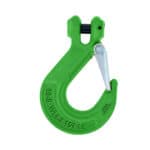
Connectors are used to attach the fall arrester to the safety harness and anchor point. Inspect the connectors for:
- Bent, broken, or deformed components.
- Cracks or corrosion.
- Proper locking and unlocking mechanisms.
- Sharp edges or burrs.
- Compatibility with other components.
Step 5: Test the Locking Mechanisms ⚙️
Locking mechanisms are designed to prevent accidental disengagement of the connectors. Test the locking mechanisms by:
- Ensuring that they engage and disengage smoothly.
- Verifying that they lock securely.
- Checking for any signs of malfunction.
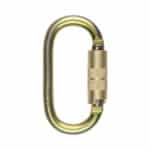
[IMAGE: A close-up of a carabiner with a properly functioning locking mechanism]
To ensure consistency, it’s beneficial to use a PPE inspection checklist, such as the one below, during the inspection process.
| Component |
Inspection Criteria |
Pass/Fail |
Notes |
| Housing and Casing |
Cracks, dents, corrosion, loose fasteners |
|
|
| Lifeline (Cable or Webbing) |
Fraying, cuts, kinks, corrosion, retraction |
|
|
| Energy Absorber |
Tears, deployment, loose stitching, corrosion |
|
|
| Connectors (Hooks and Carabiners) |
Bent, broken, cracks, corrosion, locking mechanism |
|
|
| Locking Mechanisms |
Smooth engagement, secure locking, proper function |
|
|
Spotting the Red Flags: Common Issues and What They Mean
Identifying common signs of damage or wear in fall arresters is crucial for preventing accidents. Here are some red flags to watch out for:
- Frayed or cut lifelines: This is a common sign of wear and tear, especially in webbing lifelines. Fraying or cuts can significantly reduce the strength of the lifeline and increase the risk of failure during a fall.
- Bent or broken connectors: Connectors are subject to stress and impact, and they can become bent or broken over time. Bent or broken connectors may not properly engage with the safety harness or anchor point, increasing the risk of disengagement.
- Corrosion or rust: Corrosion and rust can weaken the metal components of the fall arrester, such as the housing, lifeline, and connectors. Corrosion is especially common in humid or corrosive environments.
- Malfunctioning locking mechanisms: Locking mechanisms are essential for preventing accidental disengagement of the connectors. If the locking mechanism is not functioning properly, the connector may disengage during a fall.
- Evidence of prior fall arrest: If a fall arrester has been used to arrest a fall, it must be removed from service immediately. The energy absorber is designed to deploy only once, and it may not function properly if it has already been used.
Using damaged equipment can have serious consequences. Damaged fall arresters may not be able to withstand the forces generated during a fall, increasing the risk of serious injury or death. It is essential to inspect fall arresters regularly and remove any damaged equipment from service immediately.
Documentation and Record-Keeping: Best Practices for 2026
Maintaining accurate inspection records is essential for demonstrating compliance with OSHA and ANSI standards and ensuring that fall protection equipment is properly maintained. Inspection records should include the following information:
- Date of inspection
- Name of the inspector (competent person)
- Identification number or serial number of the fall arrester
- Inspection findings (pass/fail for each component)
- Any repairs or maintenance performed
- Date of next scheduled inspection
For efficient record-keeping, consider using digital tools such as:
- Spreadsheets: Create a spreadsheet to track inspection dates, findings, and maintenance records.
- Mobile apps: Use a mobile app designed for fall protection inspections to streamline the inspection process and record data electronically.
- Cloud-based software: Use cloud-based software to store and manage inspection records securely and access them from any device.
Here’s a sample inspection log template:
| Date |
Inspector |
Equipment ID |
Housing |
Lifeline |
Energy Absorber |
Connectors |
Locking |
Pass/Fail |
Notes |
| [Date] |
[Inspector Name] |
[Equipment ID] |
[Pass/Fail] |
[Pass/Fail] |
[Pass/Fail] |
[Pass/Fail] |
[Pass/Fail] |
[Pass/Fail] |
[Notes] |
Maintaining proper documentation is not just about compliance; it’s about creating a culture of safety within your organization.
Storage and Maintenance: Extending the Lifespan of Your Equipment
Proper storage and maintenance are essential for extending the lifespan of your fall arresters and ensuring they are ready for use when needed. Here are some recommendations:
- Store fall arresters in a clean, dry environment: Avoid storing equipment in areas that are exposed to moisture, chemicals, or extreme temperatures.
- Protect equipment from sunlight and UV exposure: UV radiation can damage the fibers in webbing lifelines and reduce their strength.
- Hang fall arresters properly: Use hooks or hangers to store equipment in a way that prevents kinking or tangling of the lifeline.
- Clean fall arresters regularly: Use a mild soap and water solution to clean equipment and remove dirt, dust, and other contaminants.
- Inspect equipment before and after each use: This will help identify any damage or wear that may have occurred during use.
To protect equipment from environmental damage, consider using protective covers or containers. These covers can help shield equipment from moisture, dust, and UV radiation.
Regular maintenance should include:
- Lubricating moving parts: Use a silicone-based lubricant to keep locking mechanisms and retraction mechanisms working smoothly.
- Replacing worn or damaged components: Replace any components that show signs of wear, damage, or corrosion.
- Following the manufacturer’s instructions: Always follow the manufacturer’s instructions for storage, maintenance, and inspection.
Troubleshooting: Addressing Common Inspection Challenges
Even with a detailed checklist, inspectors can encounter challenges during fall arrester inspections. Here are some common problems and tips for overcoming them:
- Difficulty identifying specific damage: Sometimes, it can be difficult to determine whether a particular sign of wear or damage is severe enough to warrant removing the equipment from service. In these cases, consult with a qualified safety professional or the equipment manufacturer for guidance.
- Interpreting ambiguous inspection criteria: Inspection criteria can sometimes be ambiguous, making it difficult to determine whether the equipment meets the required standards. Refer to the manufacturer’s instructions and ANSI standards for clarification. We once had a user who got stuck on interpreting the level of acceptable wear on a lifeline. The trick is to compare it against a new piece of equipment.
- Determining when to retire equipment: Deciding when to retire a fall arrester can be challenging, especially if the equipment has been in service for a long time. As a general rule, retire equipment if it shows any signs of significant damage or wear, or if it has reached the end of its service life as specified by the manufacturer.
- Lack of training: Insufficient training can lead to missed defects. Ensure your competent person receives updated and thorough training.
Here are some tips for overcoming these challenges:
- Provide thorough training: Ensure that all inspectors receive thorough training on fall protection principles, inspection procedures, and equipment maintenance.
- Use clear and concise inspection checklists: Develop inspection checklists that are easy to understand and follow.
- Consult with experts: When in doubt, consult with a qualified safety professional or the equipment manufacturer for guidance.
Integrating Technology: The Future of Fall Arrester Inspection
Technology is playing an increasingly important role in fall arrester inspection, offering new ways to improve safety and efficiency. Some of the latest innovations include:
- RFID tracking: RFID (radio-frequency identification) tags can be attached to fall arresters to track their location, usage, and inspection history. This can help prevent loss or theft of equipment and ensure that equipment is inspected regularly.
- Smart sensors: Smart sensors can be integrated into fall arresters to monitor their condition and performance in real-time. These sensors can detect signs of damage, wear, or misuse, and alert the user or safety manager to potential problems.
- Mobile apps: Mobile apps can be used to streamline the inspection process and record data electronically. These apps can also provide access to inspection checklists, equipment manuals, and other resources.
The potential benefits of these technologies include:
- Improved safety: By providing real-time data on equipment condition and usage, these technologies can help prevent accidents and injuries.
- Increased efficiency: By automating the inspection process and reducing paperwork, these technologies can save time and money.
- Better record-keeping: By storing inspection data electronically, these technologies can improve the accuracy and accessibility of inspection records.
Conclusion: Prioritizing Safety for a Secure Future
Regular fall arrester inspection is not just a regulatory requirement; it is a critical component of a comprehensive safety program. By following the guidelines outlined in this guide, you can ensure that your fall protection equipment is safe and effective, protecting your workers from potentially life-threatening falls.
We’ve covered a lot of ground in this article, from understanding different fall arrester types and navigating the regulatory landscape to mastering step-by-step inspection processes and leveraging technology for enhanced safety. By implementing these practices, you’re not only ensuring compliance but also fostering a culture of safety that prioritizes the well-being of your team.
At Safe and Secure Trading Company (SSTC), we are committed to providing the highest quality fall protection equipment and training to help you create a safe and secure workplace. We believe that every worker deserves to go home safe at the end of the day. Together, we can make that a reality.
FAQ Section
Q: How often should fall arresters be inspected?
A: Fall arresters should be inspected before each use and at least annually by a competent person. More frequent inspections may be required depending on the work environment and the frequency of use.
Q: What should I do if I find damage during a fall arrester inspection?
A: If you find any damage or defects during a fall arrester inspection, remove the equipment from service immediately. Do not attempt to repair the equipment yourself. Contact the manufacturer or a qualified repair technician for assistance.
Q: Can I use a fall arrester that has been used to arrest a fall?
A: No, fall arresters that have been used to arrest a fall must be removed from service immediately. The energy absorber is designed to deploy only once, and it may not function properly if it has already been used.
Q: What are the training requirements for fall protection?
A: OSHA requires that all workers who are exposed to fall hazards receive training on fall protection principles, equipment usage, and inspection procedures. Training should be provided by a qualified instructor and should be documented.
Q: Where can I find more information about fall protection standards?
A: You can find more information about fall protection standards on the OSHA website ([https://www.osha.gov/fall-protection) and the ANSI website (https://www.ansi.org/).