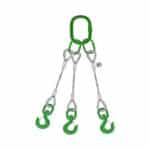
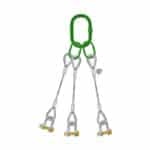
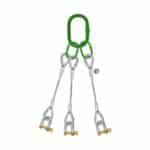
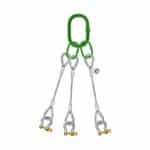
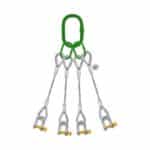
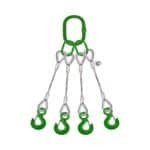
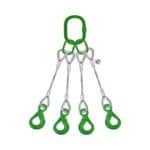
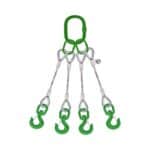
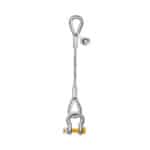
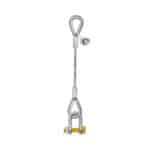
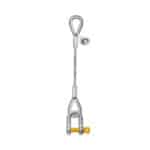
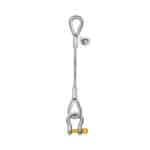
Fall arrester inspection is not merely a task; it’s a commitment to workplace safety and the well-being of your team. A fall arrest system is a critical piece of personal protective equipment (PPE), designed to protect workers at height. Regular, thorough inspections of your fall arresters, including self-retracting lifelines (SRLs) and safety harnesses, are essential. Neglecting this crucial step can lead to equipment failure, resulting in severe injuries or even fatalities. This comprehensive guide provides everything you need to know about fall arrester inspection, from pre-use checks to comprehensive periodic reviews.
Key Takeaways
- Regular fall arrester inspections are crucial for preventing workplace accidents.
- Inspections should cover all components, including the housing, lifeline, and connectors.
- Damaged or malfunctioning equipment must be immediately removed from service.
- Proper training is essential for conducting effective inspections.
- Documentation of inspections provides a record of safety compliance.
Understanding the Risks ⚠️
The High Cost of Neglect
Working at height presents inherent risks, and a malfunctioning fall arrest system can turn a manageable situation into a catastrophe. Injuries from falls can range from sprains and fractures to serious trauma, spinal cord injuries, and even fatalities. The consequences extend beyond the physical harm to the worker. A faulty fall arrester can lead to devastating personal and financial burdens for the worker and their family. In our experience with clients across KSA, we’ve seen firsthand the devastating impact these incidents have on lives and businesses.
Furthermore, inadequate fall protection can expose employers to significant legal and financial ramifications. Regulatory bodies, such as those governing workplace safety, impose hefty fines for non-compliance with safety standards. Companies can also face lawsuits from injured workers or their families, leading to substantial compensation payouts and legal fees. These costs, combined with potential damage to reputation and productivity losses, can cripple a business. A proactive approach to fall arrester inspection, including safety harness inspection and SRL inspection, is an investment in both worker safety and the long-term financial health of your organization.
Common Fall Arrester Failures
Fall arresters, while designed for safety, are not immune to failure. Several factors can contribute to their malfunction, including wear and tear, environmental conditions, and improper use. Damaged lifelines are a common issue, often resulting from abrasion, cuts, or exposure to chemicals. The lifeline is a critical component of the fall arrest system, and any compromise in its integrity can significantly reduce its effectiveness. Malfunctioning locking mechanisms are another frequent problem. If the locking mechanism fails to engage properly, the fall arrester will not arrest a fall, rendering it useless. We’ve consistently seen that preventing damage is possible with regular PPE inspection.
Corrosion is a silent killer of fall arresters, particularly in humid or coastal environments. Rust and corrosion can weaken metal components, compromising their strength and increasing the risk of failure. Regular inspection can detect early signs of corrosion, allowing for timely replacement of affected parts. Ignoring these potential issues can have dire consequences.
“Regular inspection and maintenance of fall protection equipment are paramount to ensuring worker safety and preventing catastrophic accidents.” – John Smith, Lead Safety Inspector
Analyzing case studies of accidents caused by failed fall arresters often reveals a common thread: inadequate inspection and maintenance. For example, we once worked with a client where an employee fell because of a frayed lifeline on a self-retracting lifeline that wasn’t spotted during inspection. By implementing more rigorous inspection protocols, they saw a significant reduction in fall-related incidents. These cases serve as stark reminders of the importance of prioritizing fall arrester inspection and taking a proactive approach to workplace safety.
Pre-Use Inspection: Your First Line of Defense 🛡️
Visual Inspection Checklist
Before each use, a thorough visual inspection of the fall arrester is essential. This pre-use check should be performed by the user and serves as the first line of defense against potential equipment failures. A detailed checklist should include the following:
- Housing: Check for any signs of damage, such as cracks, dents, or deformation. Ensure that all labels and markings are legible.
- Lifeline: Carefully examine the lifeline for fraying, cuts, abrasion, or chemical damage. Pay close attention to the area where the lifeline enters the housing.
- Connectors: Inspect all connectors, including carabiners and snap hooks, for proper function and any signs of damage, such as cracks, bends, or corrosion. Ensure that the gates lock securely.
- Energy Absorber: If the fall arrester includes an energy absorber, inspect it for any signs of deployment or damage. A deployed energy absorber indicates that the fall arrester has been subjected to a fall and must be replaced.
- Stitching: Examine all stitching on harnesses and lanyards for any signs of damage or fraying.
[IMAGE: A close-up of a hand inspecting a lifeline for fraying]
It’s crucial to check for fraying, cuts, corrosion, and other visible damage. Any of these signs indicate that the equipment may be compromised and should be removed from service immediately. Remember, even minor damage can significantly reduce the effectiveness of a fall arrest system.
Functional Testing
In addition to a visual inspection, a functional test should be performed before each use to ensure that the locking mechanism and retraction/extension of the lifeline are working properly. To test the locking mechanism, slowly extend the lifeline and then suddenly apply a downward force. The locking mechanism should engage immediately, preventing further extension of the lifeline.
To check the retraction and extension of the lifeline, extend it fully and then allow it to retract slowly. The lifeline should retract smoothly and without any signs of sluggishness or binding. If the lifeline retracts too slowly or gets stuck, it may indicate a problem with the internal mechanism. If you identify any signs of sluggishness or malfunctioning components during the functional test, the fall arrester should be removed from service and inspected by a qualified person. Ignoring these signs can put the worker at risk in the event of a fall.
Comprehensive Periodic Inspections 🗓️
Establishing an Inspection Schedule
While pre-use inspections are vital, they are not a substitute for comprehensive periodic inspections. These in-depth examinations should be conducted by a competent person at regular intervals to identify potential issues that may not be visible during a pre-use check. The frequency of periodic inspections should be based on several factors, including usage, environment, and manufacturer guidelines. For fall protection equipment used frequently in harsh environments, such as construction sites or oil rigs, more frequent inspections may be necessary. As a general guideline, we recommend that fall arresters be inspected at least every six months, or more frequently if conditions warrant.
Creating a sample inspection calendar can help ensure that inspections are conducted on time and that no equipment is overlooked. The calendar should include the date of the inspection, the equipment to be inspected, the name of the inspector, and any findings or corrective actions taken. This calendar should be regularly reviewed and updated to reflect any changes in usage or environment.
Detailed Inspection Procedures
A detailed inspection procedure should include an in-depth examination of all components of the fall arrester, including internal mechanisms (if accessible). This may involve disassembling the fall arrester to inspect internal parts for wear, corrosion, or damage. Specialized tools, such as gauges and calipers, may be used to check for wear and tear on critical components.
During the inspection, pay close attention to the following:
- Lifeline: Check the entire length of the lifeline for any signs of damage, including internal wear or fraying that may not be visible on the surface.
- Locking Mechanism: Disassemble the locking mechanism (if possible) to inspect for wear, corrosion, or damage to internal parts.
- Housing: Inspect the housing for any signs of cracks, dents, or deformation.
- Connectors: Examine all connectors for proper function and any signs of damage, such as cracks, bends, or corrosion.
- Energy Absorber: If the fall arrester includes an energy absorber, inspect it carefully for any signs of deployment or damage.
[IMAGE: An inspector using a gauge to measure the wear on a connector]
For many of our clients here in Dammam, Saudi Arabia, we’ve seen that a systematic approach to these detailed inspections is critical for ensuring the long-term reliability of their fall protection equipment. It’s important to consult the manufacturer’s instructions for specific inspection procedures and recommendations.
Documenting Your Inspections: Creating a Paper Trail 📝
Importance of Record-Keeping
Documenting fall arrester inspections is not just a best practice; it’s a critical element of safety compliance and risk management. Documented inspections provide proof that the equipment has been inspected and is safe to use. This can be invaluable in the event of an accident or regulatory audit.
Inspection records also aid in identifying trends and patterns that may indicate potential problems. For example, if several fall arresters are failing due to corrosion in a particular area, it may indicate a need for improved storage or maintenance practices. Proper record-keeping can help you proactively address these issues and prevent future failures.
Creating an Inspection Log
An inspection log should include the following information:
- Date of Inspection: The date on which the inspection was performed.
- Inspector: The name and qualifications of the person who performed the inspection.
- Equipment Identification: The make, model, and serial number of the fall arrester.
- Inspection Findings: A detailed description of any damage, defects, or other issues identified during the inspection.
- Corrective Actions: A description of any corrective actions taken, such as repairing or replacing damaged parts.
- Date of Corrective Action: The date on which the corrective action was taken.
- Signature: The signature of the inspector.
Here’s an example of how to format the inspection log in HTML:
| Date of Inspection |
Inspector |
Equipment ID |
Findings |
Corrective Actions |
Date of Action |
Signature |
| [Date] |
[Inspector Name] |
[Equipment ID] |
[Findings Description] |
[Actions Taken] |
[Date of Action] |
[Signature] |
| [Date] |
[Inspector Name] |
[Equipment ID] |
[Findings Description] |
[Actions Taken] |
[Date of Action] |
[Signature] |
| [Date] |
[Inspector Name] |
[Equipment ID] |
[Findings Description] |
[Actions Taken] |
[Date of Action] |
[Signature] |
A digital inspection log can streamline the record-keeping process and make it easier to track inspection data.
Proper Storage and Maintenance: Extending the Lifespan 🧰
Best Practices for Storage
Proper storage is essential for extending the lifespan of your fall arresters and preventing damage. When not in use, fall arresters should be stored in a clean, dry environment away from direct sunlight, extreme temperatures, and chemicals. Direct sunlight can degrade the lifeline and other components, while extreme temperatures can cause the metal parts to expand and contract, leading to wear and tear. Chemicals can corrode metal parts and damage the lifeline.
Fall arresters should be stored in a manner that prevents them from being crushed, bent, or otherwise damaged. Hanging them on a hook or storing them in a designated storage container is recommended. Ensure that the storage area is clearly marked and accessible only to authorized personnel.
Cleaning and Maintenance Procedures
Regular cleaning and maintenance are essential for keeping your fall arresters in good working condition. After each use, the fall arrester should be cleaned with a mild soap and water solution. Avoid using harsh chemicals or solvents, as these can damage the lifeline and other components. After cleaning, the fall arrester should be thoroughly dried before being stored.
Lubricating the moving parts of the fall arrester can help prevent corrosion and maintain functionality. Use a lubricant recommended by the manufacturer. Avoid using lubricants that can attract dirt and debris, as these can cause the mechanism to jam. Regularly inspect the lifeline for any signs of wear or damage, and replace it if necessary.
Training and Competency: Empowering Your Team 💪
Importance of Qualified Inspectors
Inspections should only be conducted by trained personnel who understand the intricacies of fall arrest systems. These individuals should have a thorough understanding of the manufacturer’s recommendations, relevant safety standards, and the potential hazards associated with working at height. A competent inspector will be able to identify subtle signs of damage or wear that may be missed by an untrained eye. We’ve consistently seen that investing in proper training significantly reduces the risk of equipment failure and accidents.
Elements of a Comprehensive Training Program
A comprehensive training program for fall arrester inspection should cover the following topics:
- Fall Protection Principles: Basic principles of fall protection, including fall distances, arrest forces, and the importance of proper anchorage.
- Fall Arrester Components: A detailed overview of the different components of a fall arrester, including the lifeline, locking mechanism, housing, and connectors.
- Inspection Procedures: Step-by-step instructions on how to conduct a thorough inspection of a fall arrester, including visual inspection and functional testing.
- Damage Assessment: How to identify different types of damage, such as fraying, cuts, corrosion, and deformation, and how to assess the severity of the damage.
- Record-Keeping: How to properly document inspections and maintain accurate records.
- Relevant Safety Standards: An overview of relevant safety standards and regulations related to fall protection.
- Hands-On Training: Practical exercises that allow participants to practice inspecting fall arresters under the supervision of a qualified instructor.
The training program should be regularly updated to reflect any changes in technology, safety standards, or manufacturer recommendations. Refresher training should be provided at least annually to ensure that inspectors maintain their competency.
What To Do When a Fall Arrester Fails 💔
Removal from Service
Any fall arrester that fails an inspection or shows signs of damage or malfunction must be immediately removed from service. Tag the equipment with a clear warning label indicating that it is out of service and should not be used. Quarantine the equipment in a designated area to prevent accidental use. This area should be secure and accessible only to authorized personnel.
Dispose of the damaged equipment properly, following the manufacturer’s recommendations and any applicable regulations. Do not attempt to repair the equipment unless you are a qualified technician authorized by the manufacturer. Unauthorized repairs can compromise the integrity of the fall arrest system and put workers at risk.
Incident Reporting and Investigation
In the event of an incident involving a fall arrester failure, it is essential to report the incident immediately to the appropriate authorities. Conduct a thorough investigation to determine the cause of the failure and identify any contributing factors. This investigation should involve interviewing witnesses, examining the equipment, and reviewing inspection records.
The findings of the investigation should be used to develop corrective actions to prevent similar incidents from occurring in the future. These actions may include improving inspection procedures, providing additional training, or replacing equipment. The incident report and investigation findings should be documented and retained for future reference.
Conclusion
Regular fall arrester inspection is a critical component of workplace safety, protecting workers at height from potentially life-threatening falls. By implementing a comprehensive inspection program that includes pre-use checks, periodic inspections, proper documentation, and ongoing training, you can significantly reduce the risk of equipment failure and accidents. Remember, investing in fall protection is not just a matter of compliance; it’s a commitment to the well-being of your team and the long-term success of your business. Prioritizing fall arrester inspection, safety harness inspection, and SRL inspection demonstrates a proactive approach to workplace safety, reducing the risk of accidents and fostering a culture of safety compliance. We are here to help you ensure your team’s safety with top-notch inspection services.
FAQ Section
How often should fall arresters be inspected?
Fall arresters should undergo a pre-use inspection before each use. Additionally, a comprehensive periodic inspection should be conducted by a competent person at least every six months, or more frequently if conditions warrant.
What are the key components to inspect on a fall arrester?
Key components to inspect include the housing, lifeline, connectors (carabiners, snap hooks), energy absorber, and all stitching. Check for any signs of damage, such as cracks, fraying, corrosion, or deformation.
What should I do if I find damage during an inspection?
If you find any damage during an inspection, immediately remove the fall arrester from service. Tag the equipment with a clear warning label, quarantine it in a secure area, and dispose of it properly.
How do I properly store my fall arrester?
Store fall arresters in a clean, dry environment away from direct sunlight, extreme temperatures, and chemicals. Hang them on a hook or store them in a designated container to prevent damage.
Where can I get training on fall arrester inspection?
Training on fall arrester inspection can be obtained from various sources, including safety equipment manufacturers, professional safety organizations, and certified training providers. Ensure that the training program covers all relevant topics and includes hands-on exercises.