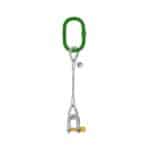
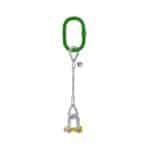
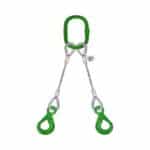
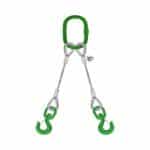
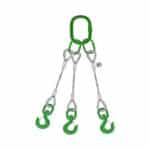
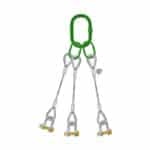
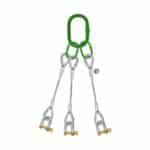
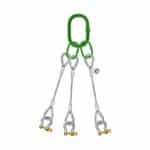
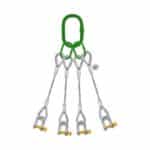
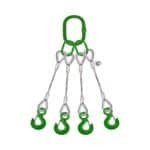
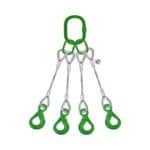
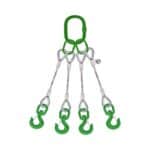
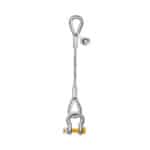
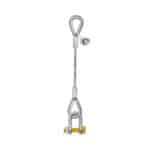
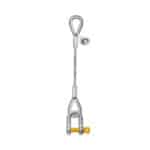
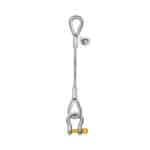
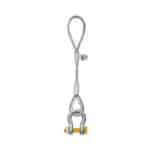
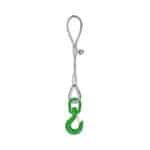
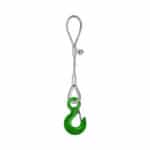
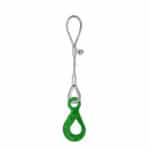
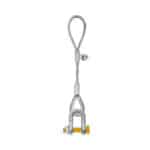
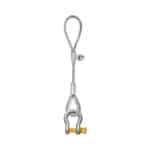
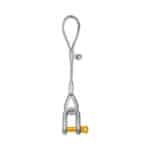
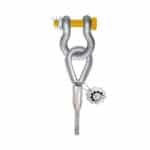
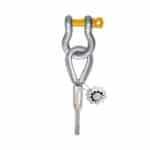
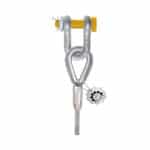
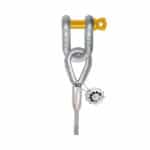
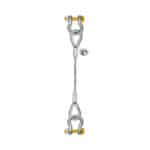
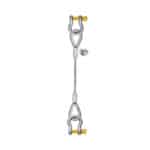
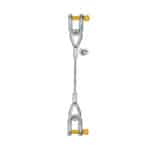
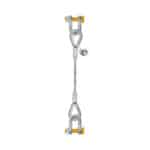
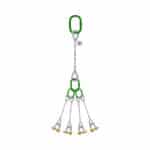
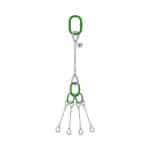
The following is a list of the fall arresters for roofers that we recommend.
Introduction: The Silent Guardian of Roofing Work
Roofing is undeniably one of the most dangerous occupations. The height, the weather, and the tools all conspire to create a hazardous environment. Every day, roofers face the risk of slips, trips, and falls that can lead to serious injury or even death. That’s where the silent guardian comes in: the fall arrester. This piece of equipment is not just a tool; it’s a lifeline, the last line of defense between a safe workday and a catastrophic event. At Safe and Secure Trading Company (SSTC), we’re committed to providing the highest quality fall protection equipment and ensuring that every worker returns home safely.
A Roofer’s Story: A Near Miss
We once worked with a client, a seasoned roofer named Omar from Jeddah, who shared a harrowing experience. He was working on a residential roof, replacing shingles, when a section unexpectedly gave way beneath him. He started to fall, the ground rushing up to meet him. But thanks to his properly installed fall arrester roofing system, the self-retracting lifeline (SRL) engaged instantly, arresting his fall within inches. He was shaken, but unharmed. As Omar told us later, “That fall arrester saved my life. I wouldn’t be here today without it.” This highlights the critical role that even a single piece of safety equipment plays in roofing safety.
Why Fall Arresters are Non-Negotiable
The inherent dangers of roofing work are undeniable. Working at height exposes roofers to significant risks, making fall arresters absolutely essential. Falls are a leading cause of fatalities in the construction industry, and roofing is consistently one of the most hazardous trades. A fall arrester is not merely a suggestion; it’s a necessity mandated by OSHA regulations and common sense. Employers have a legal and moral obligation to provide their workers with adequate fall protection, including a reliable fall arrester roofing system. Failure to comply with these regulations can result in hefty fines, project delays, and, most importantly, preventable injuries or fatalities. For many of our clients here in Dammam, we’ve seen firsthand the peace of mind that comes from knowing their teams are protected by the best fall protection available.
Understanding Fall Arrest Systems
A comprehensive fall arrest system is more than just a single piece of equipment. It’s a carefully engineered combination of components working together to protect a worker in the event of a fall. Each component plays a vital role, and the system is only as strong as its weakest link. Understanding how these components interact is crucial for ensuring effective fall protection.
Components of a Complete System
A complete fall arrest system typically consists of three primary components: a full body harness, a connecting device (such as a lanyard or self-retracting lifeline), and an anchorage point.
- Full Body Harness: The harness is the foundation of the system, distributing the impact forces of a fall across the worker’s body, minimizing the risk of injury. It should fit snugly but comfortably, allowing for freedom of movement while providing secure support.
- Connecting Device (Lanyard or SRL): This connects the harness to the anchorage point. Lanyards are fixed-length or adjustable ropes or straps, while SRLs are devices that allow for greater freedom of movement and automatically lock in the event of a fall.
- Anchorage Point: This is a secure point of attachment for the connecting device. It must be capable of withstanding a significant force (typically 5,000 pounds) and should be located directly above the work area to minimize swing fall hazards. Roofing equipment, such as roof anchors, must be installed correctly by a professional.
Types of Fall Arresters: Choosing the Right Tool
Selecting the appropriate fall arrester for a specific roofing task is paramount. Different situations demand different solutions, and understanding the strengths and limitations of each type is crucial for ensuring optimal roofing safety.
- Self-Retracting Lifelines (SRLs): SRLs are among the most versatile and effective fall arresters available. They offer a high degree of mobility, allowing workers to move freely within a designated area while maintaining continuous fall protection. The lifeline extends and retracts automatically, keeping the worker’s movement unencumbered. In the event of a fall, the SRL locks quickly, arresting the fall within a short distance. This is critical in minimizing the potential for injury. SRLs are particularly well-suited for low-slope roofing and applications where workers need to move horizontally across the roof surface.
- Lanyards: Lanyards are simpler and more affordable than SRLs, but they offer less freedom of movement. They are available in fixed-length and adjustable configurations. Fixed-length lanyards are ideal for situations where the distance to the anchorage point is known and consistent. Adjustable lanyards allow workers to customize the length of the lanyard to suit their specific needs. Lanyards are typically used in fall restraint applications, where the goal is to prevent workers from reaching a fall hazard.
- Rope Grabs: Rope grabs are designed to be used with a vertical lifeline. They slide freely along the lifeline, allowing the worker to move up and down. In the event of a fall, the rope grab locks onto the lifeline, arresting the fall. Rope grabs are commonly used in steep-slope roofing and other applications where workers need to ascend or descend a vertical surface.
Top 5 Fall Arresters for Roofing: A Deep Dive Comparison
As roofing safety experts, we understand the importance of choosing the right fall arrester for the job. That’s why we’ve compiled a list of our top 5 fall arresters for roofing, based on our experience and the feedback we’ve received from our clients. These are products we trust to keep roofers safe on the job site.
#1: The Guardian Fall Protection Velocity SRL
The Guardian Fall Protection Velocity SRL is a top-tier self-retracting lifeline designed for demanding roofing environments. It balances lightweight design with robust durability, making it a favorite among roofing professionals.
- Features and Benefits: The Velocity SRL boasts a compact and lightweight design, reducing worker fatigue and increasing productivity. Its smooth operation allows for effortless movement, while its durable construction ensures long-lasting performance in harsh conditions. It’s also equipped with a visual load indicator, providing immediate feedback on the integrity of the device.
- Real-World Application: The Velocity SRL excels in low-slope roofing applications where workers need to move freely across the roof surface. Its smooth retraction mechanism prevents the lifeline from snagging or tangling, ensuring uninterrupted fall protection.
- Pros and Cons:
✅ Lightweight and compact design
✅ Smooth and reliable operation
✅ Durable construction for long-lasting performance
✅ Visual load indicator for added safety
❌ Higher price point compared to some lanyards
#2: The DBI-SALA Nano-Lok Edge SRL
The DBI-SALA Nano-Lok Edge SRL is engineered for superior edge protection, a critical consideration in roofing applications. Its compact size and ease of use make it an ideal choice for working in tight spaces and near roof edges.
- Features and Benefits: The Nano-Lok Edge SRL’s defining feature is its ability to withstand sharp edges, minimizing the risk of lifeline breakage in the event of a fall. Its compact size and lightweight design make it easy to handle and maneuver in confined areas. The unit also features a quick-connect mechanism for easy attachment to the harness.
- Real-World Application: This SRL is particularly well-suited for working near roof edges and corners, where the risk of lifeline abrasion is high. Its edge-rated lifeline provides an extra layer of protection in these vulnerable areas.
- Pros and Cons:
✅ Superior edge protection
✅ Compact and lightweight design
✅ Easy to use and install
✅ Quick-connect mechanism for fast attachment
❌ Shorter lifeline length compared to some SRLs
#3: The Miller MightEvac Self-Retracting Lifeline
The Miller MightEvac Self-Retracting Lifeline offers an integrated emergency rescue capability, making it a valuable asset on any roofing job site. Its robust construction and ease of maintenance ensure reliable performance in demanding environments.
- Features and Benefits: The MightEvac SRL’s standout feature is its integrated winch, which allows for quick and easy rescue of a fallen worker. This eliminates the need for a separate rescue system, saving time and resources. The unit is also designed for easy maintenance, with readily accessible components.
- Real-World Application: This SRL is especially valuable in situations where rescue might be required, such as working in remote locations or on complex roof structures. The integrated winch allows for rapid retrieval of a fallen worker, minimizing the risk of suspension trauma.
- Pros and Cons:
✅ Integrated emergency rescue capability
✅ Durable construction for demanding environments
✅ Easy to maintain and service
✅ Eliminates the need for a separate rescue system
❌ Higher weight compared to standard SRLs
#4: The Werner Fall Protection Adjustable Restraint Lanyard
The Werner Fall Protection Adjustable Restraint Lanyard is a simple and reliable solution for fall restraint applications. Its adjustability and durability make it a versatile choice for a variety of roofing tasks.
- Features and Benefits: The Werner Adjustable Restraint Lanyard allows workers to customize the length of the lanyard to prevent them from reaching a fall hazard. Its durable construction ensures long-lasting performance, while its simple design makes it easy to use and inspect.
- Real-World Application: This lanyard is ideal for situations where the goal is to prevent workers from reaching the edge of the roof. By adjusting the lanyard length, workers can be safely restrained within a designated work area.
- Pros and Cons:
✅ Adjustable length for customized fall restraint
✅ Durable construction for long-lasting performance
✅ Simple and easy to use
✅ Cost-effective solution for fall restraint
❌ Not suitable for fall arrest applications
#5: The Petzl ASAP Lock Mobile Fall Arrester
The Petzl ASAP Lock Mobile Fall Arrester is designed for use on ropes, providing automatic locking and continuous fall protection in steep-slope roofing and rope access situations. Its ease of installation and smooth operation make it a favorite among experienced roofers.
- Features and Benefits: The ASAP Lock’s key feature is its automatic locking function, which instantly arrests a fall, even if the worker is unable to react. It’s compatible with a variety of ropes and is easy to install and remove. The device also features a locking function that allows it to be used as a positioning device.
- Real-World Application: This device is commonly used in steep-slope roofing and rope access situations where workers need to move vertically along a rope. Its automatic locking function provides a high degree of safety in these challenging environments.
- Pros and Cons:
✅ Automatic locking function for instant fall arrest
✅ Compatible with a variety of ropes
✅ Easy to install and remove
✅ Can be used as a positioning device
* ❌ Requires specialized training for proper use
| Fall Arrester |
Key Features |
Best Use Case |
Pros |
Cons |
| Guardian Fall Protection Velocity SRL |
Lightweight, smooth operation, durable |
Low-slope roofing |
✅ Lightweight design
✅ Smooth operation
✅ Durable construction |
❌ Higher price point |
| DBI-SALA Nano-Lok Edge SRL |
Edge protection, compact size |
Working near roof edges |
✅ Superior edge protection
✅ Compact design
✅ Easy to use |
❌ Shorter lifeline length |
| Miller MightEvac SRL |
Integrated rescue, durable |
Situations requiring rescue |
✅ Integrated rescue capability
✅ Durable construction
✅ Easy maintenance |
❌ Higher weight |
| Werner Adjustable Restraint Lanyard |
Adjustable length, durable |
Fall restraint applications |
✅ Adjustable length
✅ Durable construction
✅ Simple to use |
❌ Not for fall arrest |
| Petzl ASAP Lock |
Automatic locking, rope compatibility |
Steep-slope roofing, rope access |
✅ Automatic locking
✅ Rope compatibility
✅ Easy installation |
❌ Requires specialized training |
Key Features to Consider When Choosing
Beyond the specific type of fall arrester, several key features should be considered when making a selection. These features can significantly impact the safety, comfort, and productivity of roofing workers.
Anchorage Points: The Foundation of Safety
The anchorage point is the cornerstone of any fall arrest system. It’s the secure point of attachment that bears the brunt of the force in the event of a fall. A weak or improperly installed anchorage point can render the entire system useless. Anchorage points must be capable of withstanding a static load of at least 5,000 pounds per worker, as mandated by OSHA standards. Different types of anchorage points are available, including roof anchors, beam clamps, and concrete anchors. Roof anchors are specifically designed for attachment to roof structures, while beam clamps are used to attach to steel beams. Concrete anchors are embedded in concrete and provide a secure attachment point on concrete surfaces. Professional installation and regular inspection of anchorage points are essential to ensure their integrity. Construction safety begins with a solid foundation, and that foundation is a reliable anchorage.
Harness Comfort and Fit: All-Day Protection
A properly fitted and comfortable harness is crucial for ensuring worker compliance and preventing fatigue. A harness that is too tight can restrict movement and cause discomfort, while a harness that is too loose can shift during a fall, increasing the risk of injury. Look for harnesses with adjustable straps, padded shoulder straps, and breathable materials. Padding helps to distribute pressure and reduce chafing, while breathable materials allow for ventilation and prevent overheating. A well-designed harness should fit snugly but comfortably, allowing for a full range of motion without compromising safety. Remember, a comfortable worker is a safe worker.
Environmental Factors: Weatherproofing Your Safety
Weather conditions can significantly affect the performance of fall arresters. Extreme heat can degrade the materials, while rain and snow can cause slippage and corrosion. Choose equipment that is specifically designed for the environment in which it will be used. For example, if working in a hot climate, look for harnesses and lanyards made from heat-resistant materials. If working in wet conditions, choose equipment that is waterproof or water-resistant. Regular inspection and maintenance are also essential to ensure that equipment remains in good working condition, regardless of the weather. Roofing safety requires careful consideration of environmental factors.
Maintenance and Inspection: Extending the Lifespan
Proper maintenance and regular inspection are critical for ensuring the continued safety and reliability of fall arresters. Neglecting these tasks can compromise the integrity of the equipment and increase the risk of failure in the event of a fall. A proactive approach to maintenance and inspection can significantly extend the lifespan of fall arresters and provide peace of mind for both workers and employers.
Regular Inspection Checklist
Before each use, carefully inspect the fall arrester for any signs of damage or wear. Use the following checklist as a guide:
- Harness: Check for frayed or torn straps, damaged buckles, and signs of chemical exposure.
- Lanyard/SRL: Inspect the lifeline for cuts, abrasions, and kinks. Ensure that the locking mechanism functions properly.
- Anchorage Connector: Verify that the connector is securely attached to the anchorage point and that there are no signs of corrosion or damage.
- Overall Condition: Look for any other signs of damage or wear that could compromise the integrity of the equipment.
If any defects are found, remove the equipment from service immediately and replace it with a new one. Do not attempt to repair damaged equipment.
Cleaning and Storage Best Practices
Proper cleaning and storage are essential for preventing damage and extending the lifespan of fall arresters. Follow these guidelines:
- Cleaning: Clean the equipment regularly with a mild soap and water solution. Avoid using harsh chemicals or solvents, as these can damage the materials.
- Drying: Allow the equipment to air dry completely before storing it. Do not use a dryer or other heat source, as this can damage the fibers.
- Storage: Store the equipment in a cool, dry place away from direct sunlight and extreme temperatures. Avoid storing it in areas where it could be exposed to chemicals or other harmful substances.
Expert Insights and Recommendations
We at Safe and Secure Trading Company believe that fall protection is a critical aspect of construction safety.
Expert Quote:
“The key to effective fall protection is not just having the right equipment, but also understanding how to use it correctly and maintaining it properly. A fall arrester is only as good as the person using it.” – John Smith, Certified Safety Professional
Statistical Data: A Stark Reminder
Falls account for 33% of construction fatalities according to the latest BLS data. This highlights the critical importance of fall protection in the construction industry. Choosing the correct PPE, harness, lanyard, and SRL is vital to roofing safety. Furthermore, roofing safety hinges on proper OSHA compliance.
Conclusion: Choosing the Right Guardian for Your Roofing Needs
Selecting the right fall arrester roofing system can seem daunting, but with careful consideration and a focus on your specific needs, you can choose a system that provides optimal safety and peace of mind. Remember to prioritize anchorage points, harness comfort, and environmental factors.
The Final Verdict: Tailoring Safety to Your Specific Task
The Guardian Fall Protection Velocity SRL is our top pick for general low-slope roofing due to its lightweight design and smooth operation. For edge work, the DBI-SALA Nano-Lok Edge SRL provides superior protection. If rescue capabilities are a concern, the Miller MightEvac SRL is an excellent choice. For fall restraint, the Werner Adjustable Restraint Lanyard offers a simple and reliable solution. And for steep-slope roofing and rope access, the Petzl ASAP Lock Mobile Fall Arrester provides automatic locking and continuous fall protection. Which fall arrester do we recommend? We recommend the one that best fits your specific roofing application because your safety is our priority.
Next Steps: Securing Your Safety Today
Don’t compromise on safety. Invest in quality fall protection equipment and seek professional training to ensure that you and your team are protected from the hazards of roofing work. We are committed to providing you with the best possible fall protection solutions.
FAQ Section
Q: How often should I inspect my fall arrester?
A: You should inspect your fall arrester before each use, as well as after any event that could potentially damage it, such as a fall.
Q: Can I repair a damaged fall arrester?
A: No, you should never attempt to repair a damaged fall arrester. Remove it from service immediately and replace it with a new one.
Q: What is the lifespan of a fall arrester?
A: The lifespan of a fall arrester depends on several factors, including the type of equipment, the frequency of use, and the environmental conditions. However, most manufacturers recommend replacing fall arresters every 5 years, even if they appear to be in good condition.
Q: What is the proper way to store a fall arrester?
A: Store your fall arrester in a cool, dry place away from direct sunlight and extreme temperatures. Avoid storing it in areas where it could be exposed to chemicals or other harmful substances.
Q: How do I know if my anchorage point is strong enough?
A: Anchorage points must be capable of withstanding a static load of at least 5,000 pounds per worker, as mandated by OSHA standards. If you are unsure whether your anchorage point is strong enough, consult with a qualified engineer or safety professional.