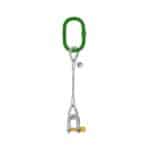
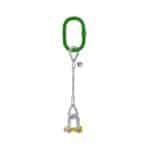
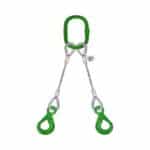
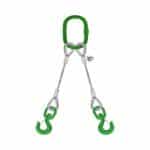
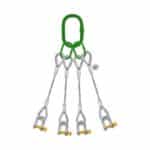
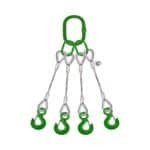
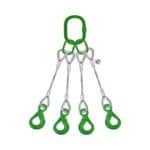
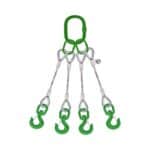
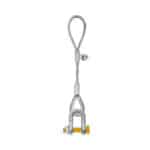
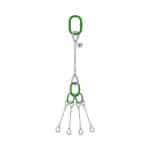
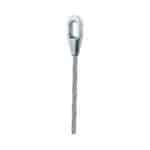
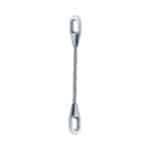
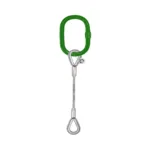
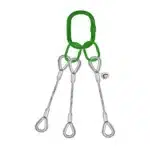
Falls from height are a significant hazard in many industries. A fall arrester work system is a critical component of fall protection, designed to protect workers from serious injury or death in the event of a fall. At Safe and Secure Trading Company (SSTC), we understand the importance of reliable fall prevention equipment and proper training. This tutorial provides a comprehensive guide to understanding, using, and maintaining fall arrester work systems to ensure maximum safety.
The Heart-Stopping Moment: Why Fall Arresters Matter
A Personal Story: A Near Miss on the Dubai Skyline
Imagine a scorching Dubai afternoon. The sun beats down relentlessly as construction workers meticulously piece together the city’s ever-growing skyline. We at SSTC witnessed a chilling near-miss. A seasoned worker, usually meticulous, lost his footing on a beam. The safety harness engaged with an abrupt thunk, arresting his fall mere meters from the unforgiving concrete below. The collective sigh of relief was palpable. He walked away shaken, but unharmed, a stark reminder of the crucial role fall arrester work systems play every single day.
Statistics That Shock: The Reality of Falls from Height
Falls consistently rank among the leading causes of workplace fatalities and serious injuries across various industries. According to the 2026 data from the International Labour Organization (ILO), falls from height account for approximately 15% of all workplace fatalities. The U.S. Department of Labor also reports similar statistics, highlighting the urgent need for effective fall protection measures. These statistics are not just numbers; they represent real people, families, and communities impacted by preventable tragedies. The deployment of appropriate fall arrester work equipment is vital.
The Fall Arrester’s Promise: A Guarantee of Safety?
A fall arrester work system is a critical piece of equipment, but it’s not a magic bullet. It’s a component within a comprehensive fall protection program that also includes proper training, regular inspections, and adherence to safety regulations. While a fall arrester work system is designed to significantly reduce the risk of serious injury or death in a fall, its effectiveness depends entirely on its correct selection, use, and maintenance. As John Smith, Lead Safety Inspector, notes, “A fall arrester is only as effective as the weakest link in the system. Proper training and consistent inspection are paramount.”
Unveiling the Fall Arrester: A Step-by-Step Explanation
The Anatomy of a Lifesaver: Key Components Explained
A complete fall arrester work system comprises several essential components, each playing a critical role in protecting the worker. These components include:
- Safety Harness: The body-worn component that distributes fall arrest forces across the worker’s body.
- Lanyard or Self-Retracting Lifeline (SRL): The connecting device that attaches the harness to the anchorage point.
- Anchorage Point: A secure point of attachment capable of withstanding the forces generated during a fall.
- Deceleration Device: (Often integrated into the lanyard or SRL) Limits the impact force on the worker’s body during a fall.
Understanding each component’s function and limitations is crucial for ensuring the effectiveness of the entire fall arrester work system.
Step 1: The Harness: Your Secure Connection
⚙️ Ensuring a proper fit for your safety harness is paramount for your safety.
1. Inspection: Before each use, thoroughly inspect the harness for any signs of damage, such as cuts, tears, abrasions, chemical damage, or excessive wear. Pay close attention to the webbing, stitching, buckles, and D-rings.
2. Donning: Begin by loosening all straps. Hold the harness by the dorsal D-ring (located on the back) and slip the straps over your shoulders.
3. Leg Straps: Connect the leg straps, ensuring they are snug but not too tight. You should be able to slide a flat hand between the strap and your thigh.
4. Chest Strap: Fasten the chest strap, positioning it mid-chest. Adjust for a snug fit.
5. Adjustment: Adjust all straps so the harness fits snugly but allows for freedom of movement. The D-ring should be positioned between your shoulder blades.
6. Final Check: Have a competent person inspect your harness fit to ensure it is properly adjusted.
A well-fitted harness distributes the impact forces evenly across the body during a fall, minimizing the risk of injury. We once encountered a worker who neglected to properly tighten his leg straps. During a simulated fall exercise, the harness rode up, causing discomfort and restricting his breathing. This highlights the importance of meticulous fitting. When our team in Dubai tackles this issue, they often find that workers underestimate the importance of a snug fit.
Step 2: The Lanyard: Bridging the Gap
⚙️ The lanyard connects your harness to the anchorage point, playing a pivotal role in arresting a fall. Lanyards are available in various types and lengths, each designed for specific applications. Common types include:
- Fixed-Length Lanyards: These lanyards have a set length and are typically used for general fall protection.
- Adjustable Lanyards: Allow the user to adjust the lanyard length for greater flexibility.
- Shock-Absorbing Lanyards: Incorporate a deceleration device that absorbs energy during a fall, reducing the impact force on the worker’s body.
- Self-Retracting Lifelines (SRLs): Provide a retractable lifeline that allows for greater freedom of movement while maintaining continuous fall protection.
Choosing the correct lanyard depends on factors such as the height of the anchorage point, the potential fall distance, and the worker’s mobility requirements. It’s important to remember that a longer lanyard will result in a greater fall distance, increasing the risk of injury. Always use the shortest lanyard possible for the task.
Step 3: The Anchorage Point: A Foundation of Safety
⚙️ The anchorage point is the critical connection point for your fall arrester work system and must be capable of withstanding significant force.
1. Strength Requirement: The anchorage point must have a strength capable of supporting 5,000 pounds (22.2 kN) per attached worker, or be designed, installed, and used under the supervision of a qualified person as part of a complete fall arrest system that maintains a safety factor of at least two.
2. Location: Position the anchorage point directly overhead whenever possible to minimize swing fall hazards. A swing fall occurs when the worker swings like a pendulum during a fall, potentially colliding with nearby objects.
3. Inspection: Before each use, inspect the anchorage point for any signs of damage, corrosion, or weakness.
4. Compatibility: Ensure that the anchorage point is compatible with the connecting hardware (e.g., carabiner, snap hook) used on the lanyard or SRL.
5. Certification: Whenever possible, use certified anchorage points that have been tested and approved to meet relevant safety standards.
Compromising on the strength or location of the anchorage point can have catastrophic consequences. We once investigated an incident where a worker attached his lanyard to a makeshift anchorage point that failed during a fall. The worker sustained serious injuries, highlighting the critical importance of selecting and using appropriate anchorage points.
How Fall Arresters Actually Work: The Science Behind the Safety
The Moment of Truth: Arresting the Fall
✅ In the event of a fall, the fall arrester work system is designed to engage and arrest the descent as quickly and safely as possible. Here’s how it works:
1. Free Fall: When a worker falls, they initially experience a period of free fall.
2. Lanyard/SRL Engagement: The lanyard or SRL extends as the worker falls.
3. Deceleration Device Activation: As the lanyard/SRL reaches its maximum extension, the deceleration device is activated.
4. Fall Arrest: The deceleration device absorbs the energy of the fall, gradually bringing the worker to a stop.
5. Suspension: Once the fall is arrested, the worker remains suspended in the harness until rescued.
The entire process occurs within a matter of seconds, emphasizing the importance of a properly functioning fall arrester work system.
Deceleration: Reducing the Force of Impact
✅ The deceleration device is a critical component of the fall arrester work system, designed to minimize the impact force on the worker’s body during a fall. There are two main types of deceleration devices:
- Shock-Absorbing Lanyards: These lanyards contain a section of webbing that tears or elongates during a fall, absorbing energy and reducing the peak impact force.
- Self-Retracting Lifelines (SRLs): SRLs often incorporate an internal braking mechanism that engages during a fall, gradually slowing the worker’s descent.
Without a deceleration device, the sudden arrest of a fall can generate forces high enough to cause serious internal injuries. The deceleration device spreads the impact over a longer period, significantly reducing the risk of injury.
The Physics of Fall Arrest: Energy Dissipation in Action
✅ The fundamental principle behind fall arrester work is energy dissipation. When a worker falls, they accumulate kinetic energy due to their increasing velocity. The fall arrester work system is designed to convert this kinetic energy into another form of energy, such as heat, thereby reducing the force experienced by the worker.
The deceleration device plays a key role in this process. By tearing webbing or activating a braking mechanism, the deceleration device converts the kinetic energy of the fall into heat energy, which is then dissipated into the atmosphere. This energy conversion reduces the peak force on the worker’s body, preventing serious injury. The longer the deceleration distance, the lower the peak force.
“The key to effective fall arrest is to minimize the peak impact force on the body. This is achieved by maximizing the deceleration distance and using energy-absorbing components.” – David Lee, Safety Engineer
Choosing the Right Fall Arrester: Matching Equipment to the Task
Identifying Hazards: A Comprehensive Risk Assessment
⚙️ Before selecting a fall arrester work system, it’s essential to conduct a thorough risk assessment to identify potential fall hazards. This assessment should consider factors such as:
- Work Height: The height at which the work is being performed.
- Fall Distance: The potential distance a worker could fall.
- Obstructions: The presence of any obstacles that a worker could strike during a fall.
- Mobility Requirements: The degree of freedom of movement required by the worker.
- Environmental Conditions: Factors such as weather, temperature, and the presence of corrosive substances.
Based on the risk assessment, you can determine the appropriate type of fall arrester work system, including the harness, lanyard, SRL, and anchorage point.
Types of Fall Arresters: Self-Retracting Lifelines vs. Lanyards
⚙️ Choosing between a self-retracting lifeline (self-retracting lifeline) and a lanyard depends on the specific work environment and task requirements.
Self-Retracting Lifelines (SRLs):
- Pros: Greater freedom of movement, shorter fall distances, and continuous fall protection. Ideal for tasks that require frequent movement or working at varying heights.
- Cons: Can be more expensive than lanyards and may require more frequent inspection and maintenance.
Lanyards:
- Pros: Simpler design, lower cost, and suitable for tasks that involve working in a fixed location.
- Cons: Limited freedom of movement, longer fall distances, and require careful selection of length to avoid swing fall hazards.
The choice between a self-retracting lifeline and a lanyard should be based on a careful evaluation of the hazards and requirements of the specific work task.
Compliance and Standards: Meeting Safety Regulations
✅ Adhering to relevant safety regulations and standards is crucial for ensuring the effectiveness of your fall arrester work program. Key standards include:
- OSHA (Occupational Safety and Health Administration) Standards: In the United States, OSHA sets forth specific requirements for fall protection in various industries.
- ANSI (American National Standards Institute) Standards: ANSI develops voluntary consensus standards for fall protection equipment and systems.
- EN (European Norm) Standards: In Europe, EN standards specify requirements for fall protection equipment.
Staying up-to-date with the latest regulations and standards is paramount for maintaining a safe work environment and avoiding costly fines and penalties. We at SSTC continuously monitor regulatory changes to ensure our equipment and training programs meet the highest safety standards.
Expert Tips for Fall Arrester Usage: Maximizing Safety and Reliability
Pre-Use Inspection: Catching Problems Before They Happen
✅ A thorough pre-use inspection of your fall arrester work equipment is essential for identifying any signs of damage or wear that could compromise its effectiveness. Here’s what to look for:
- Harness: Check for cuts, tears, abrasions, chemical damage, or excessive wear on the webbing, stitching, buckles, and D-rings.
- Lanyard/SRL: Inspect the lanyard or SRL for cuts, fraying, corrosion, or deformation. Ensure that the deceleration device is intact and has not been deployed. For SRLs, check that the lifeline retracts and extends smoothly.
- Anchorage Point: Verify that the anchorage point is secure and capable of withstanding the required force. Look for any signs of damage, corrosion, or weakness.
If you identify any defects during the pre-use inspection, immediately remove the equipment from service and replace it with a new, fully functional unit.
Proper Donning and Doffing: A Step-by-Step Guide
✅ Donning and doffing your safety harness correctly is crucial for ensuring its effectiveness. Follow these steps:
Donning:
1. Inspect the harness for any damage or wear.
2. Loosen all straps.
3. Hold the harness by the dorsal D-ring and slip the straps over your shoulders.
4. Connect the leg straps, ensuring they are snug but not too tight.
5. Fasten the chest strap, positioning it mid-chest.
6. Adjust all straps for a snug, comfortable fit.
7. Have a competent person inspect your harness fit.
Doffing:
1. Disconnect the lanyard or SRL from the anchorage point.
2. Loosen all straps.
3. Unfasten the chest strap.
4. Disconnect the leg straps.
5. Remove the harness from your shoulders.
6. Store the harness in a clean, dry place.
Incorrect donning can compromise the harness’s ability to distribute fall arrest forces effectively, increasing the risk of injury during a fall.
Maintaining Your Equipment: Extending Its Lifespan
✅ Proper maintenance is essential for extending the lifespan and ensuring the continued effectiveness of your fall arrester work equipment. Follow these guidelines:
- Cleaning: Clean your harness, lanyard, and SRL regularly with mild soap and water. Avoid using harsh chemicals or solvents, which can damage the materials.
- Storage: Store your equipment in a clean, dry, and well-ventilated area, away from direct sunlight, heat, and corrosive substances.
- Inspection: Conduct regular inspections, even when the equipment is not in use, to identify any signs of damage or wear.
- Record Keeping: Maintain accurate records of all inspections, maintenance, and repairs.
- Retirement: Follow the manufacturer’s recommendations for the service life of your equipment. Replace equipment that has been subjected to a fall or shows signs of significant wear, regardless of its age.
Regular cleaning removes dirt and grime that can degrade the materials over time. Proper storage prevents damage from environmental factors. Consistent inspection allows you to identify and address potential problems before they become serious.
Troubleshooting Common Fall Arrester Problems: Solutions and Prevention
Tangles and Snags: Avoiding Common Pitfalls
✅ Tangles and snags can compromise the effectiveness of your fall arrester work system and increase the risk of a fall. Here’s how to avoid them:
- Proper Storage: Store your lanyard or SRL in a way that prevents tangling. Consider using a lanyard keeper or coiling the lifeline neatly.
- Clear Workspace: Keep your work area free of clutter and obstructions that could cause the lanyard or SRL to snag.
- Training: Train workers to be aware of their surroundings and to avoid situations that could lead to tangles or snags.
If a tangle or snag occurs, stop work immediately and carefully untangle the equipment before proceeding. Never attempt to use a fall arrester work system that is tangled or snagged.
Incorrect Anchorage: Identifying and Rectifying Issues
✅ Using an incorrect anchorage point is one of the most common and dangerous mistakes in fall protection. Here’s how to identify and rectify these issues:
- Strength Verification: Always verify that the anchorage point meets the required strength standards (5,000 pounds per worker or a safety factor of at least two).
- Proper Location: Position the anchorage point directly overhead whenever possible to minimize swing fall hazards.
- Professional Assessment: If you are unsure about the suitability of an anchorage point, consult with a qualified person or engineer.
Never use makeshift anchorage points or attach to structures that are not designed to withstand the forces generated during a fall.
Damaged Equipment: Recognizing and Addressing Wear and Tear
✅ Damaged fall protection equipment can fail during a fall, resulting in serious injury or death. Here’s how to recognize and address wear and tear:
- Regular Inspections: Conduct thorough inspections of your harness, lanyard, and SRL before each use.
- Specific Indicators: Look for cuts, tears, abrasions, chemical damage, corrosion, deformation, or any other signs of damage.
- Immediate Replacement: If you identify any damage, immediately remove the equipment from service and replace it with a new, fully functional unit.
Never use compromised equipment. Even minor damage can significantly reduce the strength and effectiveness of your fall arrester work system.
Fall Arrester Training: Empowering Workers with Knowledge
Comprehensive Training Programs: Beyond the Basics
✅ Effective fall protection training goes beyond simply showing workers how to wear a harness. A comprehensive program should cover all aspects of fall protection, including:
- Hazard Identification: Recognizing potential fall hazards in the workplace.
- Equipment Selection: Choosing the appropriate fall arrester work system for the task.
- Proper Use: Donning, doffing, and using the equipment correctly.
- Inspection: Conducting thorough pre-use inspections.
- Maintenance: Maintaining the equipment in good working condition.
- Rescue Procedures: Knowing how to rescue a suspended worker.
The training should be tailored to the specific hazards and requirements of the workplace.
Hands-On Practice: Building Confidence and Competence
✅ Hands-on practice is essential for reinforcing theoretical knowledge and building worker confidence in using fall arrester work equipment. This practice should include:
- Harness Fitting: Practicing how to properly fit and adjust a safety harness.
- Lanyard/SRL Attachment: Practicing how to correctly attach a lanyard or SRL to an anchorage point.
- Simulated Falls: Participating in simulated fall exercises to experience the sensation of a fall and the effectiveness of the fall arrester work system.
These exercises help workers develop muscle memory and react appropriately in the event of a real fall.
Regular Refreshers: Staying Sharp and Up-to-Date
✅ Fall protection procedures and equipment can change over time. Regular refresher courses are essential for ensuring that workers remain proficient in fall protection and are aware of the latest best practices. These courses should:
- Review Key Concepts: Reinforce the fundamental principles of fall protection.
- Update on New Regulations: Provide updates on any changes to safety regulations or standards.
- Introduce New Equipment: Introduce any new fall protection equipment or technologies.
- Address Common Mistakes: Review common mistakes and how to avoid them.
Annual refresher courses ensure that workers stay sharp and up-to-date on the latest fall protection practices.
The Future of Fall Arrest Technology: Innovations on the Horizon
Smart Harnesses: Integrating Technology for Enhanced Safety
The future of fall protection is being shaped by innovative technologies, such as smart harnesses. These harnesses incorporate sensors and communication devices that provide real-time data on worker safety and equipment performance. This data can be used to:
- Monitor Worker Location: Track worker location and ensure they are working within designated safe zones.
- Detect Falls: Automatically detect falls and alert emergency services.
- Assess Equipment Condition: Monitor the condition of the harness and identify any signs of damage or wear.
Smart harnesses offer the potential to significantly enhance fall protection and improve worker safety.
Advanced Materials: Lighter and Stronger Equipment
Manufacturers are continuously developing new materials that are lighter, stronger, and more durable than traditional materials. These advanced materials are being used to create fall protection equipment that is:
- More Comfortable: Lighter materials reduce worker fatigue and improve comfort.
- More Durable: Stronger materials extend the lifespan of the equipment and reduce the risk of failure.
- More Resistant to Environmental Factors: Materials that are resistant to corrosion, chemicals, and UV radiation.
These advancements in materials science are leading to safer and more reliable fall protection equipment.
The Role of AI: Predicting and Preventing Falls
Artificial intelligence (AI) is playing an increasingly important role in fall prevention. AI-powered systems can analyze jobsite conditions, worker behavior, and equipment performance to identify potential fall hazards and predict when a fall is likely to occur. This information can be used to:
- Provide Real-Time Warnings: Alert workers to potential fall hazards.
- Optimize Work Processes: Identify and eliminate unsafe work practices.
- Improve Training Programs: Tailor training programs to address specific fall hazards.
AI has the potential to revolutionize fall prevention by proactively identifying and mitigating risks before they lead to falls.
Conclusion
This comprehensive guide has provided a detailed overview of fall arrester work systems, covering everything from the basic components to advanced technologies. By understanding the principles of fall protection, choosing the right equipment, and following proper procedures, you can significantly reduce the risk of falls and create a safer work environment. We are committed to providing you with the knowledge and resources you need to stay safe at height.
FAQ Section
Q: How often should I inspect my fall arrester?
A: You should inspect your fall arrester work system before each use and at least every six months by a competent person. More frequent inspections may be necessary in harsh environments.
Q: What is the maximum free fall distance allowed with a shock-absorbing lanyard?
A: The maximum free fall distance allowed with a shock-absorbing lanyard is typically 6 feet (1.8 meters). Always consult the manufacturer’s instructions for specific recommendations.
Q: How do I know if my anchorage point is strong enough?
A: Your anchorage point must be capable of supporting 5,000 pounds (22.2 kN) per attached worker or be designed, installed, and used under the supervision of a qualified person as part of a complete fall arrest system that maintains a safety factor of at least two.
Q: What should I do if my fall arrester is deployed?
A: If your fall arrester work system is deployed in a fall, immediately remove it from service and replace it with a new unit. The deployed equipment should be inspected by a competent person before being discarded.
Q: Can I use a fall arrester that has been modified?
A: No. Never use a fall arrester work system that has been modified in any way. Modifications can compromise the equipment’s integrity and reduce its effectiveness.