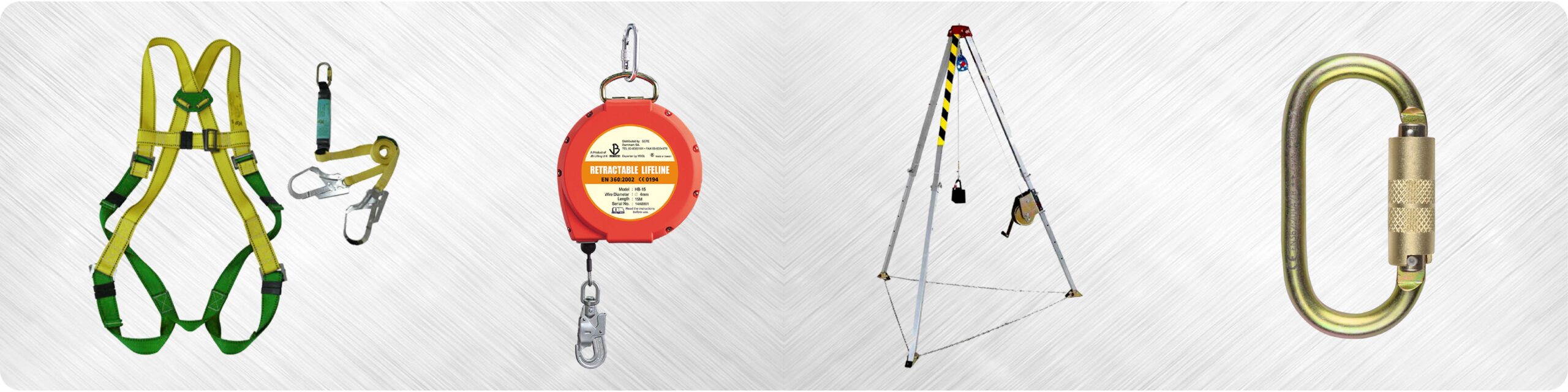
Fall protection: It’s no longer a mere regulatory requirement, but a fundamental aspect of responsible business operations in 2026. Workplaces are increasingly recognizing the need for robust strategies to prevent fall-related incidents. Investing in a comprehensive fall protection plan not only safeguards the well-being of employees but also contributes significantly to reducing costs associated with accidents, legal liabilities, and operational disruptions.
This article aims to provide an up-to-date understanding of fall protection plans. We’ll explore their core elements, benefits, and implementation strategies, helping you create a safer and more productive work environment. Our goal is to equip you with the knowledge necessary to save lives and positively impact your bottom line.
The Stark Reality: Fall-Related Injuries and Fatalities
Falls continue to be a leading cause of workplace injuries and fatalities across various industries. The construction sector, in particular, faces significant challenges due to the inherent risks associated with working at heights. According to recent data from the Bureau of Labor Statistics, falls accounted for approximately 36.4% of all construction fatalities in 2026. In manufacturing, falls contribute to a substantial portion of non-fatal injuries, leading to lost workdays and increased healthcare costs.
These statistics paint a grim picture of the human cost and financial burden associated with fall-related incidents. Beyond the immediate physical trauma, falls can result in long-term disabilities, chronic pain, and emotional distress for workers and their families. For companies, the consequences include decreased employee morale, reduced productivity, and potential damage to reputation. Workplace safety should always be top of mind.
The financial implications are equally staggering. Direct costs include medical expenses, workers’ compensation claims, and potential legal settlements. Indirect costs, such as production delays, equipment damage, and increased insurance premiums, can further amplify the financial strain on businesses. We have to consider the long-term impact.
What Exactly is a Fall Protection Plan? (And Why You Need One)
A fall protection plan is a comprehensive, documented system designed to minimize fall hazards and protect workers from injuries when working at heights. It outlines the specific measures and procedures that will be implemented to prevent falls and ensure a safe working environment. A well-structured plan is the backbone of your workplace safety.
The core elements of a fall protection plan typically include:
- Hazard Identification: Identifying potential fall hazards in the workplace, such as unprotected edges, skylights, holes, and scaffolding.
- Risk Assessment: Evaluating the likelihood and severity of potential fall incidents.
- Control Measures: Implementing appropriate control measures to eliminate or mitigate fall hazards, such as guardrails, safety nets, personal fall arrest systems (PFAS), and administrative controls.
- Training: Providing comprehensive training to employees on hazard awareness, proper use of fall protection equipment, and emergency procedures.
- Rescue Procedures: Establishing clear and effective rescue procedures in the event of a fall.
The implementation of a fall protection plan is not only a legal requirement in many jurisdictions but also an ethical obligation for employers. OSHA fall protection regulations mandate that employers provide a safe working environment for their employees, including adequate fall protection measures when working at heights. Failure to comply with these regulations can result in significant penalties, including fines, citations, and legal liabilities. Creating a workplace that values safety is key.
Beyond the legal and ethical considerations, a fall protection plan demonstrates a company’s commitment to employee well-being and fosters a culture of safety. When workers feel safe and protected, they are more likely to be engaged, productive, and loyal to their employer.
The ROI of Safety: How Fall Protection Saves Money
Falls can result in substantial financial losses for businesses, encompassing both direct and indirect costs. Understanding the financial impact of falls and the potential savings associated with a robust fall protection plan is crucial for making informed decisions about safety investments. A proper fall protection plan can save you money.
Direct Costs:
- Medical Expenses: Treatment of fall-related injuries can be expensive, including emergency room visits, hospital stays, surgery, and rehabilitation.
- Workers’ Compensation: Workers’ compensation claims can result in significant costs for employers, including payments for lost wages, medical expenses, and disability benefits.
- Legal Fees: Fall-related incidents can lead to lawsuits and legal settlements, which can be costly and time-consuming.
Indirect Costs:
- Production Delays: Falls can disrupt work processes and lead to production delays, resulting in lost revenue and missed deadlines.
- Equipment Damage: Falls can damage equipment and machinery, requiring costly repairs or replacements.
- Increased Insurance Premiums: Companies with a history of fall-related incidents may face higher insurance premiums.
- Reduced Morale and Productivity: Falls can negatively impact employee morale and productivity, leading to decreased efficiency and increased absenteeism.
Implementing a comprehensive fall protection plan can significantly reduce the likelihood of falls and minimize their associated costs. Studies have shown that every dollar invested in safety can yield a return of $4 to $6 in cost savings. This return on investment stems from reduced medical expenses, workers’ compensation claims, legal fees, and indirect costs associated with falls. Think of it as an investment, not an expense.
For example, a construction company that implements a fall protection plan that includes regular hazard assessments, comprehensive training, and the use of appropriate fall protection equipment may experience a significant reduction in fall-related incidents. This reduction can translate into substantial savings in medical expenses, workers’ compensation claims, and legal fees. Furthermore, the company may benefit from increased productivity, improved employee morale, and a stronger reputation for safety.
“Investing in fall protection is not just the right thing to do, it’s the smart thing to do. The cost of prevention is always less than the cost of an accident.” – John Harrison, Lead Safety Consultant
Investing in preventative measures, such as fall protection equipment, training, and regular inspections, is far more cost-effective than dealing with the aftermath of a fall. By prioritizing safety and implementing a robust fall protection plan, businesses can protect their employees, reduce costs, and improve their overall performance.
Hazard Assessment: The Foundation of Your Fall Protection Plan
A thorough hazard assessment is the cornerstone of any effective fall protection plan. It involves systematically identifying potential fall hazards in the workplace and evaluating the risks associated with those hazards. Regular inspections are also critical.
The process of identifying potential fall hazards should include:
- Walking the Worksite: Conducting a comprehensive walk-through of the worksite to identify potential fall hazards, such as unprotected edges, skylights, holes, scaffolding, and ladders.
- Reviewing Incident Reports: Analyzing past incident reports and near-miss incidents to identify recurring fall hazards and areas where improvements are needed.
- Consulting with Employees: Seeking input from employees who work at heights to identify potential fall hazards that may not be readily apparent to supervisors or safety personnel.
Once potential fall hazards have been identified, it is essential to assess the risks associated with those hazards. This involves evaluating the likelihood of a fall occurring and the potential severity of the resulting injury. Factors to consider include the height of the work surface, the type of work being performed, the presence of environmental hazards (e.g., slippery surfaces, inclement weather), and the experience and training of the workers.
New technologies are emerging to aid in hazard detection and risk assessment. Drones equipped with high-resolution cameras can be used to inspect hard-to-reach areas and identify potential fall hazards. AI-powered safety monitoring systems can analyze video footage and sensor data to detect unsafe behaviors and conditions. We stay ahead of the curve.
Regular inspections and risk assessments are crucial for maintaining an effective fall protection plan. Inspections should be conducted regularly to identify any new or changing fall hazards. Risk assessments should be updated whenever there are changes in the workplace, such as new equipment, processes, or personnel.
Control Measures: Implementing Effective Fall Prevention Strategies
Once fall hazards have been identified and assessed, the next step is to implement appropriate control measures to eliminate or mitigate those hazards. The hierarchy of controls is a widely recognized framework for prioritizing control measures based on their effectiveness.
The hierarchy of controls, in order of preference, is:
1. Elimination: Removing the hazard entirely. This is the most effective control measure.
2. Substitution: Replacing a hazardous substance or process with a less hazardous one.
3. Engineering Controls: Implementing physical changes to the workplace to prevent falls, such as installing guardrails, safety nets, or fall arrest systems.
4. Administrative Controls: Implementing work practices and procedures to reduce the risk of falls, such as safety training, work permits, and safe work procedures.
5. Personal Protective Equipment (PPE): Providing workers with personal fall protection equipment, such as safety harnesses, lanyards, and lifelines. PPE should be used as a last resort when other control measures are not feasible or effective.
Specific fall protection equipment commonly used to prevent falls includes:
- Safety Harnesses: Full-body harnesses that distribute fall forces across the worker’s body.
- Lanyards: Connect safety harnesses to anchor points or lifelines.
- Lifelines: Flexible lines that provide a secure attachment point for lanyards.
- Guardrails: Physical barriers that prevent workers from falling off edges or into holes.
- Safety Nets: Nets that are installed below work surfaces to catch workers in the event of a fall.
Emerging trends in fall protection technology include exoskeletons, smart harnesses with real-time monitoring, and self-retracting lifelines with advanced features. Exoskeletons can reduce the physical strain on workers, making them less likely to become fatigued and more prone to falls. Smart harnesses can monitor a worker’s movements and alert them to potential fall hazards. Self-retracting lifelines with advanced features can provide greater freedom of movement and reduce the risk of entanglement.
The selection and implementation of appropriate control measures should be based on a thorough assessment of the specific fall hazards present in the workplace. It is essential to ensure that all control measures are properly installed, maintained, and used correctly.
Training and Competency: Empowering Workers with Knowledge
Comprehensive training programs are essential for empowering workers with the knowledge and skills they need to work safely at heights. Training should cover hazard awareness, proper use of fall protection equipment, inspection procedures, and rescue techniques. The more prepared your team is, the better.
Key training topics should include:
- Hazard Awareness: Identifying potential fall hazards in the workplace and understanding the risks associated with those hazards.
- Fall Protection Equipment: Selecting, inspecting, and using fall protection equipment correctly.
- Inspection Procedures: Inspecting fall protection equipment before each use to ensure that it is in good working condition.
- Rescue Techniques: Performing self-rescue and assisted rescue in the event of a fall.
Virtual reality (VR) and augmented reality (AR) training offer realistic and engaging learning experiences. VR simulations can allow workers to practice using fall protection equipment in a safe and controlled environment. AR applications can provide workers with real-time information about potential fall hazards and the proper use of fall protection equipment.
Effective training programs should be interactive, hands-on, and tailored to the specific needs of the workers. Training should be conducted by qualified instructors who have extensive experience in fall protection. Refresher training should be provided regularly to ensure that workers retain their knowledge and skills.
“Training is the most important investment you can make in fall protection. A well-trained worker is a safe worker.” – Michael Davies, Safety Training Manager
Fall Protection Plan Updates: Staying Ahead of the Curve
Fall protection plans should be regularly reviewed and updated to reflect changes in regulations, technology, and workplace conditions. This ensures that the plan remains effective and compliant with current safety standards. Regularly reviewing your plan is key.
Key updates to OSHA fall protection standards and other relevant safety guidelines should be incorporated into the fall protection plan. This includes updates to requirements for fall protection equipment, training, and inspection procedures. Keeping up to date ensures safety.
Continuous improvement and a proactive approach to safety are essential for maintaining an effective fall protection plan. This involves regularly evaluating the plan’s effectiveness, identifying areas for improvement, and implementing changes to enhance safety performance.
A proactive approach to safety includes:
- Regularly inspecting the workplace for potential fall hazards.
- Conducting regular safety audits to identify areas where improvements are needed.
- Seeking input from employees on ways to improve safety.
- Implementing changes to the fall protection plan based on feedback and audit findings.
Case Studies: Real-World Examples of Success
Numerous companies have successfully implemented fall protection plans and achieved significant reductions in fall-related incidents. These case studies provide valuable insights into best practices and innovative solutions that can be adapted to different industries and workplaces.
For example, a construction company that implemented a comprehensive fall protection plan that included regular hazard assessments, comprehensive training, and the use of appropriate fall protection equipment experienced a 50% reduction in fall-related incidents over a two-year period. This reduction resulted in significant savings in medical expenses, workers’ compensation claims, and legal fees. It all adds up.
Another example is a manufacturing company that implemented a fall protection plan that included the installation of guardrails and safety nets, as well as the provision of safety harnesses and lanyards to workers. As a result, the company experienced a 75% reduction in fall-related incidents over a three-year period.
These case studies demonstrate the positive impact of fall protection initiatives on safety, productivity, and profitability. By learning from the successes of others, companies can develop and implement effective fall protection plans that protect their employees and improve their bottom line.
The Future of Fall Protection: Innovation and Technology
Emerging technologies are transforming fall protection, offering new ways to prevent falls and improve workplace safety. These technologies include wearable sensors, IoT devices, and AI-powered analytics.
Wearable sensors can track a worker’s movements and vital signs, alerting them to potential fall hazards and signs of fatigue. IoT devices can monitor environmental conditions, such as temperature, humidity, and wind speed, providing real-time information about potential fall hazards. AI-powered analytics can analyze video footage and sensor data to detect unsafe behaviors and conditions, predict potential falls, and provide recommendations for improving safety.
Predictive analytics can be used to identify and prevent falls before they occur. By analyzing historical data on fall-related incidents, companies can identify patterns and trends that can be used to predict future falls. This information can be used to implement targeted interventions to prevent falls and improve workplace safety.
Data-driven decision-making is essential for improving workplace safety. By collecting and analyzing data on fall-related incidents, companies can identify areas where improvements are needed and track the effectiveness of their fall protection initiatives. This data can be used to make informed decisions about safety investments and to continuously improve workplace safety performance.
Common Mistakes to Avoid in Your Fall Protection Plan
Several common mistakes can undermine the effectiveness of a fall protection plan. Avoiding these mistakes is crucial for ensuring that the plan protects workers and prevents falls. It is important to stay alert and aware of these potential issues.
Common mistakes to avoid include:
- Neglecting to conduct thorough hazard assessments: Failing to identify potential fall hazards in the workplace can leave workers vulnerable to falls.
- Failing to provide adequate training to employees: Inadequate training can lead to workers using fall protection equipment incorrectly or failing to recognize potential fall hazards.
- Using outdated or inadequate fall protection equipment: Using equipment that is not properly maintained or that is not appropriate for the specific work being performed can compromise worker safety.
- Ignoring warning signs and near-miss incidents: Ignoring these incidents can lead to more serious falls in the future.
- Not enforcing compliance with safety regulations: Failing to enforce safety regulations can create a culture of complacency and increase the risk of falls.
One of our clients in Houston had a near miss when an employee didn’t properly inspect his lanyard before climbing scaffolding. Thankfully, he caught himself, but it was a wake-up call. A simple checklist could have prevented the incident.
Conclusion: Investing in Safety, Investing in Success
Implementing a comprehensive fall protection plan is an investment in the safety and well-being of your employees, as well as the financial health of your business. A well-designed and implemented plan can significantly reduce the risk of falls, saving lives and reducing costs.
By prioritizing safety and implementing the strategies discussed in this article, you can create a safer and more productive work environment. Remember, investing in safety is not just the right thing to do, it’s the smart thing to do. We can help you create a tailored plan that works for your business.
FAQ Section
Q: What is the most important element of a fall protection plan?
A: Hazard assessment. A thorough hazard assessment is the foundation of any effective fall protection plan. It involves identifying potential fall hazards in the workplace and evaluating the risks associated with those hazards. Without a comprehensive understanding of the hazards present, it is impossible to implement effective control measures.
Q: How often should fall protection equipment be inspected?
A: Fall protection equipment should be inspected before each use and at least annually by a competent person. Regular inspections are essential for ensuring that equipment is in good working condition and that it will perform as intended in the event of a fall. Any damaged or defective equipment should be removed from service immediately.
Q: What is a competent person in the context of fall protection?
A: A competent person is someone who is capable of identifying existing and predictable hazards in the surroundings or working conditions which are unsanitary, hazardous, or dangerous to employees, and who has authorization to take prompt corrective measures to eliminate them. This person should have the knowledge and experience necessary to inspect fall protection equipment, assess fall hazards, and implement appropriate control measures.
Q: What are the different types of fall protection systems?
A: There are several types of fall protection systems, including guardrail systems, safety net systems, personal fall arrest systems (PFAS), and positioning device systems. Guardrail systems provide a physical barrier that prevents workers from falling off edges or into holes. Safety net systems are installed below work surfaces to catch workers in the event of a fall. PFAS consist of a safety harness, lanyard, and anchorage connector that work together to arrest a worker’s fall. Positioning device systems are used to support workers while they are working at heights, allowing them to perform their tasks hands-free.
Q: How can I ensure that my employees are properly trained in fall protection?
A: To ensure that your employees are properly trained in fall protection, you should provide them with comprehensive training programs that cover hazard awareness, proper use of fall protection equipment, inspection procedures, and rescue techniques. Training should be interactive, hands-on, and tailored to the specific needs of the workers. It should be conducted by qualified instructors who have extensive experience in fall protection. Refresher training should be provided regularly to ensure that workers retain their knowledge and skills.
Q: How do OSHA fall protection requirements apply to scaffolding safety?
A: OSHA has specific regulations for scaffolding safety under 29 CFR 1926.451. These regulations cover aspects such as scaffold construction, load capacity, access, fall protection, and training. Key requirements include:
- Fall protection (guardrails or personal fall arrest systems) for employees on scaffolds more than 10 feet above a lower level.
- Proper scaffold construction and maintenance.
- Training for employees who erect, dismantle, move, operate, repair, maintain, or inspect scaffolds.
- Load limits and proper use of scaffolds.
Q: What should be included in safety training for aerial lift safety?
A: Safety training for aerial lift safety should cover:
- Hazards associated with the type of aerial lift being used.
- Proper inspection and maintenance procedures.
- Correct operation of the aerial lift, including load limits and stability factors.
- Fall protection requirements, including the use of personal fall arrest systems.
- Emergency procedures.
Q: How does a fall protection plan address rooftop safety?
A: A fall protection plan addresses rooftop safety by:
- Identifying potential fall hazards on the roof, such as skylights, edges, and roof openings.
- Implementing control measures, such as guardrails, safety nets, or personal fall arrest systems, to protect workers from falls.
- Providing training to employees on hazard awareness, proper use of fall protection equipment, and safe work procedures for rooftop activities.
- Establishing procedures for accessing and working on the roof safely.
Q: What is a fall hazard assessment, and why is it important for workplace safety?
A: A fall hazard assessment is a systematic evaluation of the workplace to identify potential fall hazards. It involves:
- Identifying areas where employees may be exposed to falls from heights.
- Assessing the likelihood and severity of potential fall incidents.
- Documenting the findings and recommendations for control measures.
It is important because it forms the basis of the fall protection plan and helps prioritize control measures to prevent falls and protect workers.
Q: What is the role of a safety harness in a fall arrest system, and how should it be properly fitted and used?
A: The safety harness is a critical component of a fall arrest system. Its role is to distribute fall forces across the worker’s body in the event of a fall, minimizing the risk of injury. The harness should be properly fitted to the worker’s body, with straps snug but not too tight. Before each use, the harness should be inspected for any signs of damage or wear. It should be used in conjunction with a lanyard and anchorage connector to create a complete fall arrest system.