Understanding the True Scope of Fall Protection Costs
Fall protection is often viewed as a necessary but expensive aspect of workplace safety. However, many companies underestimate the fall protection costs involved when neglecting it. Beyond the initial investment in equipment, there are significant hidden expenses that can impact a company’s bottom line. This article, brought to you by Safe and Secure Trading Company (SSTC), aims to shed light on these often-overlooked costs, providing a comprehensive understanding of the financial implications of fall protection.
Direct vs. Indirect Costs: Why It Matters
The total cost of fall protection extends far beyond the price tags of harnesses and guardrails. It is critical to distinguish between direct and indirect expenses. Direct costs are easily quantifiable, such as safety equipment expenses and worker compensation payments. Indirect costs, however, are less obvious and can include productivity loss and damage to reputation.
A common mistake companies make is focusing solely on the direct costs while ignoring the bigger picture. In our experience, this short-sighted approach can lead to inadequate fall protection measures and, ultimately, higher overall expenses. For example, a client once focused only on the price of basic harnesses, neglecting regular inspections and training. This led to equipment failures and near-miss incidents, impacting productivity and employee morale.
To avoid this, implement a comprehensive cost analysis that includes both direct and indirect costs. By considering the full scope of expenses, you can make informed decisions about investing in robust fall prevention programs and safety equipment expenses that yield a higher return on investment.
Initial Investment vs. Long-Term Savings
One major misconception is that fall protection safety is expensive upfront. While there is an initial investment required for equipment and training, it is essential to consider the long-term cost savings associated with preventing accidents. Accidents lead to worker compensation claims, legal liabilities, and productivity loss – all of which significantly inflate workplace safety costs.
Ignoring the long-term cost savings can lead to a false sense of economy, resulting in inadequate safety measures and increased accident risk. We’ve seen businesses choose cheaper, less effective equipment, thinking they were saving money, only to face substantial financial repercussions after an accident.
The strategy to combat this thinking is to present a cost-benefit analysis showcasing the potential ROI of robust fall protection safety systems. This analysis should consider the long-term savings associated with reduced accidents, improved productivity, and enhanced employee morale. This can include the decreased potential for OSHA violations, which are costly and time-consuming.
Common Mistakes That Inflate Fall Protection Costs
Several common mistakes can significantly inflate fall protection costs. These errors often stem from a lack of understanding of the true scope of fall protection and its importance in preventing accidents.
1. Neglecting Regular Equipment Inspections
Failing to inspect harnesses, lanyards, and anchor points regularly is a costly error. Over time, equipment can wear down due to environmental factors, heavy use, or improper storage. Without regular inspections, these issues can go unnoticed, increasing the risk of equipment failure and accidents.
The risks of using damaged or worn-out equipment are substantial. A harness with frayed straps or a lanyard with a compromised locking mechanism can fail during a fall, leading to serious injury or even fatality. The consequences of such an incident can be devastating for both the worker and the company.
To avoid these outcomes, implement a scheduled inspection program and proper documentation. Our team in Dubai emphasizes the importance of pre-use inspections, periodic professional inspections, and detailed record-keeping. Properly documented inspections can also help demonstrate compliance with fall protection safety regulations.
2. Skimping on Training
It’s a fallacy to believe that basic training is “good enough”. Fall protection safety is a specialized area that requires comprehensive instruction. Insufficient training can lead to improper equipment use, unsafe work practices, and increased accident risk. A worker who is not properly trained may not know how to correctly don a harness, properly connect a lanyard, or identify potential hazards.
Insufficient training leading to improper use and increased accident risk can turn into a major liability. We once encountered a situation where workers, despite having undergone basic safety training, were still misusing fall protection equipment. They had not been taught the nuances of different types of equipment or the importance of site-specific hazard assessments.
Invest in comprehensive and ongoing fall protection safety training. This should include hands-on instruction, practical exercises, and regular refresher courses. Training should be tailored to the specific hazards of the job site and the types of equipment being used.
3. Ignoring Site-Specific Hazards
Using generic fall protection safety plans for all job sites is a mistake. Every job site has unique hazards and risks that require tailored solutions. Ignoring these site-specific hazards can lead to inadequate protection and increased accident risk.
Why tailored solutions are crucial for addressing unique risks? Because a generic plan may not address the specific challenges of a particular site. For example, a construction site with multiple levels and exposed edges will require different fall protection measures than a telecommunications tower.
The actionable step here is to conduct thorough site assessments and customize fall protection safety accordingly. This assessment should identify all potential fall hazards, evaluate the existing safety measures, and recommend specific solutions to mitigate those risks. It’s our experience at SSTC that engaging a qualified safety professional to conduct these assessments can significantly improve safety outcomes.
4. Overlooking Rescue Plans
The absence of a rescue plan can drastically increase fall protection costs in case of an accident. When a worker falls while using fall protection safety equipment, they may be suspended in their harness, which can lead to suspension trauma. Without a timely and effective rescue plan, the consequences can be severe.
The importance of timely and effective rescue procedures cannot be overstated. Suspension trauma can occur within minutes of a fall, leading to serious injury or even death. A well-developed rescue plan ensures that workers can be quickly and safely rescued in the event of a fall.
Develop and practice a detailed rescue plan for various scenarios. This plan should include:
- ✅ Procedures for notifying emergency services.
- ✅ Methods for safely retrieving a suspended worker.
- ✅ Training for rescue personnel.
- ✅ Available rescue equipment.
Regular drills and training sessions can help ensure that workers are prepared to respond effectively in the event of a fall.
The Hidden Financial Burdens of Inadequate Fall Protection
Inadequate fall protection safety can lead to a variety of hidden financial burdens that extend far beyond the initial cost of equipment. These burdens can significantly impact a company’s profitability and long-term success.
Legal Liabilities and Fines
The high cost of OSHA violations and legal settlements is a major concern for companies. Non-compliance with fall protection safety regulations can lead to significant financial penalties, as well as legal action from injured workers or their families.
How non-compliance can lead to significant financial penalties? OSHA violations can result in substantial fines, ranging from thousands to hundreds of thousands of dollars per violation. In addition, companies may face legal settlements and judgments if they are found liable for worker injuries or fatalities.
To prevent this, maintain strict adherence to OSHA regulations and document all safety measures. We advise companies to:
- ✅ Conduct regular safety audits.
- ✅ Maintain detailed records of training, inspections, and maintenance.
- ✅ Promptly address any identified hazards.
By demonstrating a commitment to fall protection safety, companies can reduce the risk of OSHA violations and legal liabilities.
Worker Compensation Claims and Increased Insurance Premiums
The financial impact of worker injuries and fatalities can be substantial. Worker compensation claims can include medical expenses, lost wages, and disability payments. In addition, accidents can drive up worker compensation rates and insurance costs.
How accidents can drive up worker compensation rates and insurance costs? Insurance companies assess a company’s safety record when determining insurance premiums. Companies with a history of accidents and injuries typically face higher premiums.
Implement proactive safety measures to reduce incidents and control costs. These measures can include:
- ✅ Providing comprehensive fall protection safety training.
- ✅ Regularly inspecting and maintaining equipment.
- ✅ Conducting thorough site assessments.
By reducing the frequency and severity of accidents, companies can lower their worker compensation rates and insurance premiums.
Loss of Productivity and Project Delays
The ripple effect of accidents on project timelines and overall output is significant. Accidents can disrupt workflow, cause delays, and reduce productivity. When a worker is injured, it can take time to investigate the incident, replace the injured worker, and retrain new employees.
How injuries and investigations can disrupt workflow and cause delays? Investigations can halt work on a project while the cause of the accident is determined. Replacing an injured worker can take time, especially if the job requires specialized skills.
Emphasize safety to minimize disruptions and maintain productivity. A safe workplace is a productive workplace. By prioritizing safety, companies can reduce the risk of accidents, minimize disruptions, and maintain project timelines.
Damage to Reputation and Brand Image
The intangible cost of negative publicity and loss of customer trust can be devastating. Safety incidents can tarnish a company’s reputation and erode customer confidence. In today’s digital age, news of accidents can spread quickly through social media and online news outlets.
How safety incidents can tarnish a company’s reputation? Negative publicity can damage a company’s brand image and make it difficult to attract new customers. Customers may be hesitant to do business with a company that has a reputation for unsafe work practices.
Prioritize safety to build a positive brand image and maintain customer confidence. A strong safety record can be a competitive advantage, demonstrating a company’s commitment to protecting its workers and customers.
Quantifying the ROI of Effective Fall Protection
Quantifying the Return on Investment (ROI) of effective fall protection safety is crucial for demonstrating its value and justifying investments. By calculating the potential cost savings and benefits, companies can make informed decisions about allocating resources to fall prevention programs.
Calculating the Cost of an Accident
Developing a formula to estimate the total expenses associated with a fall is essential. This formula should include direct, indirect, and intangible fall protection costs. A comprehensive calculation provides a clear understanding of the financial impact of accidents and the potential savings from prevention.
Including direct, indirect, and intangible fall protection costs in the calculation:
- Direct Costs: Medical expenses, worker compensation payments, legal fees, OSHA violations, and equipment repair or replacement.
- Indirect Costs: Productivity loss, project delays, administrative expenses, training costs, and increased insurance premiums.
- Intangible Costs: Damage to reputation, loss of employee morale, and decreased customer confidence.
A case study can illustrate the financial impact of a preventable fall. For example, consider a scenario where a worker falls from a height due to inadequate fall protection safety. The total cost of the accident could easily exceed hundreds of thousands of dollars when all direct, indirect, and intangible fall protection costs are factored in.
Presenting a Business Case for Fall Protection Investment
Demonstrating the long-term financial benefits of proactive safety measures is essential for gaining support and resources for fall protection programs. Highlighting the potential for cost savings, improved productivity, and enhanced reputation can make a compelling case for investment.
Highlighting the potential for cost savings, improved productivity, and enhanced reputation:
- Cost Savings: Reduced worker compensation claims, lower insurance premiums, and fewer OSHA violations.
- Improved Productivity: Fewer disruptions, reduced project delays, and increased efficiency.
- Enhanced Reputation: Positive brand image, increased customer confidence, and improved employee morale.
Create a compelling presentation to advocate for increased fall protection safety spending. This presentation should include:
- ✅ Data on accident rates and workplace safety costs.
- ✅ A cost-benefit analysis of fall protection programs.
- ✅ Examples of successful fall protection safety initiatives.
By presenting a clear and persuasive business case, companies can justify investments in fall protection programs and demonstrate their commitment to safety.
Expert Insights on Minimizing Fall Protection Costs
Minimizing fall protection costs requires a strategic approach that combines expert guidance, innovative technologies, and proactive safety measures.
Partnering with Experienced Safety Professionals
The value of expert guidance in developing effective fall protection programs is significant. Experienced safety professionals can help companies identify and mitigate risks, ensure compliance with regulations, and optimize their safety investments.
How consultants can help identify and mitigate risks? Safety professionals have the knowledge and experience to conduct thorough site assessments, identify potential hazards, and recommend appropriate fall protection safety measures.
Leveraging expertise to optimize safety investments and reduce fall protection costs. Consultants can help companies:
- ✅ Develop customized fall protection safety plans.
- ✅ Select the right equipment for the job.
- ✅ Provide comprehensive training to workers.
By partnering with experienced safety professionals, companies can improve their safety outcomes and reduce their overall fall protection costs.
Utilizing Technology and Innovation
Exploring new technologies and equipment that enhance fall protection safety efficiency is a proactive approach. Advancements can streamline processes and improve safety outcomes, leading to lower workplace safety costs.
How advancements can streamline processes and improve safety outcomes? New technologies can automate tasks, improve communication, and enhance monitoring capabilities.
Examples of innovative technologies include:
- Smart Harnesses: Equipped with sensors that monitor worker movements and detect falls.
- Wearable Sensors: Track worker location and provide real-time alerts in case of a fall.
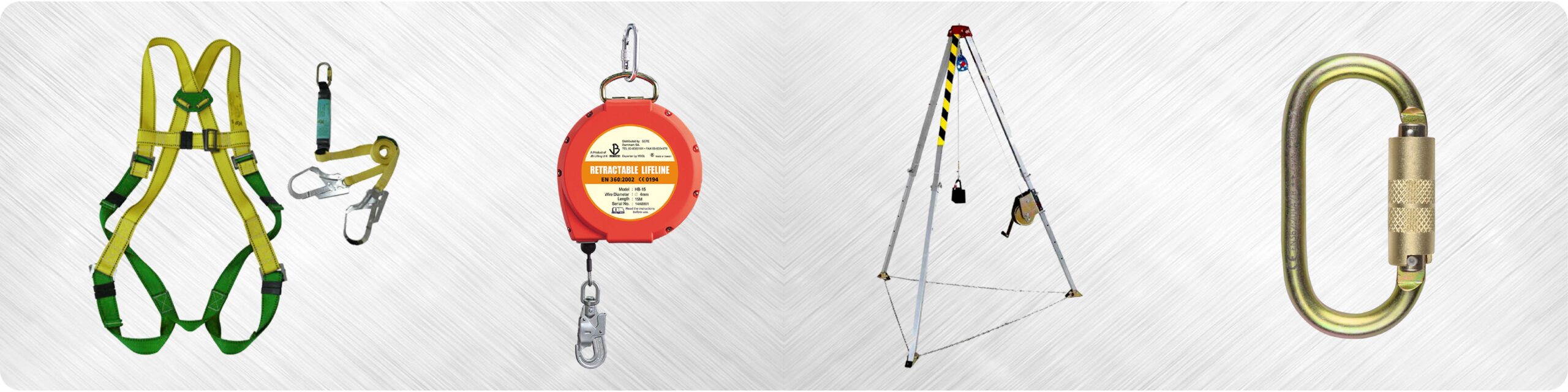
- Advanced Fall Arrest Systems: Feature self-retracting lifelines and energy-absorbing lanyards that minimize the impact of a fall.
By embracing technology and innovation, companies can enhance their fall protection safety programs and reduce their overall fall protection costs.
Case Studies: Learning from Real-World Examples
Analyzing real-world examples of companies that have prioritized or neglected fall protection safety can provide valuable insights and lessons learned.
Success Stories of Companies Prioritizing Fall Protection
Showcasing organizations that have successfully reduced accidents and saved money. Analyzing the strategies and tactics they employed to reduce workplace safety costs.
The success stories highlight the importance of a comprehensive approach to fall protection safety. These companies typically have:
- ✅ Strong safety leadership.
- ✅ Comprehensive fall prevention programs.
- ✅ Ongoing training and education.
By implementing these strategies, companies can create a culture of safety and reduce the risk of accidents.
Lessons Learned from Companies That Neglected Fall Protection
Examining the costly consequences of inadequate safety measures and highlighting the mistakes that led to accidents and financial losses.
The warning here is to avoid complacency and prioritize ongoing safety improvements. Companies that neglect fall protection safety often face:
- ❌ Increased accident rates.
- ❌ Higher worker compensation costs.
- ❌ Damage to their reputation.
By learning from these mistakes, companies can avoid similar pitfalls and prioritize fall protection safety.
Implementing a Cost-Effective Fall Protection Program
Implementing a cost-effective fall protection program requires a systematic approach that addresses all aspects of safety, from risk assessment to equipment selection to training.
Step-by-Step Guide to Developing a Comprehensive Plan
Assessing risks, selecting appropriate equipment, providing training, and conducting inspections. Ensuring compliance with OSHA regulations and industry best practices is a minimum requirement.
Here is a practical guide to implementing a robust fall protection program:
1. Conduct a Risk Assessment: Identify potential fall hazards and evaluate the existing safety measures.
2. Select Appropriate Equipment: Choose equipment that is suitable for the specific hazards of the job site.
3. Provide Training: Train workers on the proper use of equipment and safe work practices.
4. Conduct Inspections: Regularly inspect equipment and identify any potential problems.
5. Maintain Records: Keep detailed records of training, inspections, and maintenance.
By following these steps, companies can develop a comprehensive fall protection program that effectively reduces the risk of accidents.
Resources and Tools for Calculating Fall Protection Costs
Software, calculators, and templates for analyzing expenses and measuring ROI are available. Utilizing data to track progress and identify areas for improvement is a smart approach.
Leveraging technology to optimize resource allocation and maximize impact is essential. These tools can help companies:
- ✅ Track accident rates and workplace safety costs.
- ✅ Analyze the effectiveness of fall prevention programs.
- ✅ Identify areas for improvement.
By using these resources, companies can make data-driven decisions about their fall protection safety investments and maximize their impact.
| Category |
Description |
Example Costs |
| Direct Costs |
Easily quantifiable expenses directly related to fall accidents or prevention. |
Medical expenses, worker’s compensation, equipment, insurance premiums, OSHA fines |
| Indirect Costs |
Less obvious costs resulting from accidents, impacting productivity and operations. |
Productivity loss, project delays, administrative time, training replacement workers |
| Intangible Costs |
Difficult to measure, but significantly impacts the company’s reputation and morale. |
Damage to company reputation, decline in employee morale, loss of customer trust |
| Prevention Costs |
Expenses incurred to prevent falls, including training, safety equipment, and risk assessments. |
Safety training programs, purchasing PPE, conducting site inspections, hiring safety consultants |
“Investing in fall protection is not just about compliance; it’s about protecting your most valuable asset: your people. A safe workplace is a productive workplace.” – John Smith, Lead Safety Inspector
Conclusion: Investing in Fall Protection is Investing in Your Future
In conclusion, neglecting fall protection safety can lead to significant hidden fall protection costs that impact a company’s bottom line, reputation, and employee morale. These fall protection costs extend far beyond the initial investment in equipment and training, encompassing legal liabilities, worker compensation claims, productivity loss, and damage to brand image.
Prioritizing safety and preventing accidents yields long-term benefits, including reduced workplace safety costs, improved productivity, and enhanced reputation. By implementing a comprehensive fall protection program, partnering with experienced safety professionals, and utilizing innovative technologies, companies can create a culture of safety and protect their most valuable assets.
At Safe and Secure Trading Company, we are committed to helping businesses understand and mitigate the true cost of falls. We believe that investing in fall protection safety is an investment in your future.
FAQ Section
Q: What are the main fall protection costs I should consider?
A: You should consider both direct fall protection costs (equipment, insurance, medical) and indirect fall protection costs (lost productivity, legal fees, reputational damage). Don’t forget the indirect costs of accidents which can significantly impact your bottom line.
Q: How can I reduce my workplace safety costs related to falls?
A: Implement a comprehensive fall prevention program, invest in high-quality safety equipment, provide thorough training, conduct regular inspections, and partner with experienced safety professionals. Also, ensure strict adherence to fall protection safety regulations.
Q: What is the role of risk management in reducing fall protection costs?
A: Risk management is crucial for identifying potential fall hazards, assessing the likelihood and severity of accidents, and implementing appropriate safety measures to mitigate those risks. A well-developed risk management plan can significantly reduce the risk of accidents and lower your fall protection costs.
Q: How can liability insurance help with fall protection costs?
A: Liability insurance can help cover the costs of legal settlements and judgments in the event of a fall accident. However, it is important to note that liability insurance is not a substitute for proactive safety measures.
Q: What are some common OSHA violations related to fall protection safety?
A: Common OSHA violations include failure to provide adequate fall protection safety, improper use of equipment, lack of training, and failure to conduct regular inspections. Avoiding OSHA violations is a key component of keeping workplace safety costs low.
Q: How does employee morale affect fall protection costs?
A: Low employee morale can lead to decreased productivity, increased absenteeism, and a higher risk of accidents. By prioritizing fall protection safety and creating a safe work environment, companies can boost employee morale and reduce the risk of accidents.
Q: What’s the best way to budget for safety equipment expenses?
A: Calculate the potential indirect costs of accidents. Then, budget proactively by considering the lifecycle of equipment (harnesses, lanyards) and setting aside funds for regular inspections, replacements, and upgrades. Factor in training costs for new hires and refresher courses.
Q: Are there any technologies that can significantly improve fall protection and reduce costs?
A: Yes, advancements like smart harnesses (detecting falls), wearable sensors (monitoring worker location), and advanced fall arrest systems are improving safety and streamlining response times. These investments can lead to long-term fall protection safety savings by preventing serious injuries.