Fall Protection: Separating Fact from Fiction
Falls are a leading cause of injury and death in the construction industry and other workplaces. Understanding proper fall protection is crucial to ensuring worker safety. However, many misconceptions surround the topic, leading to inadequate safety measures and increased risk. As experts in workplace safety at Safe and Secure Trading Company (SSTC), we aim to debunk common fall protection myths and provide clarity on best practices.
1. Myth: Fall Protection is Only Necessary for High Falls
💡 Many believe that fall protection is only required for significant heights, but this is a dangerous misconception. Even falls from relatively low levels can result in severe injuries. It’s critical to understand that the potential for injury exists at any height where a fall can occur.
1.1. The Danger of Low-Level Falls
Falls from seemingly low heights can lead to fractures, sprains, head injuries, and even fatalities. The impact of a fall, even from six feet, can generate significant force on the body, especially if the landing is on a hard surface or an object. The human body is surprisingly vulnerable, and low-level falls should not be underestimated.
1.2. The Reality of OSHA Regulations
OSHA (Occupational Safety and Health Administration) has specific fall protection requirements that vary depending on the industry. For example, in construction, fall protection is generally required at six feet above a lower level. Many misunderstand the specific height requirements and assume that only falls from much greater distances pose a risk, which can lead to serious violations and, more importantly, preventable injuries.
1.3. Case Studies: Low-Fall Incidents
We’ve seen countless examples through our work here at Safe and Secure Trading Company, where workers have been seriously injured falling from only a few feet. One case involved a worker who fell from a ladder while reaching for a tool, resulting in a broken arm and head trauma. Another incident occurred when a worker tripped on a cluttered surface and fell from a loading dock, sustaining a concussion. These examples highlight the importance of workplace safety, regardless of the height.
1.4. Avoiding the Mistake: Implement protection for any height where a fall could result in injury.
At SSTC, we always emphasize that fall protection should be implemented for any height where a fall could result in injury. This includes using guardrails, safety nets, personal fall arrest systems, or other appropriate measures. Prioritizing safety at all heights is crucial for preventing accidents and ensuring worker well-being. We recommend conducting a thorough hazard identification to identify potential fall hazards at all levels within the workplace.
2. Myth: A Safety Harness is All You Need for Fall Protection
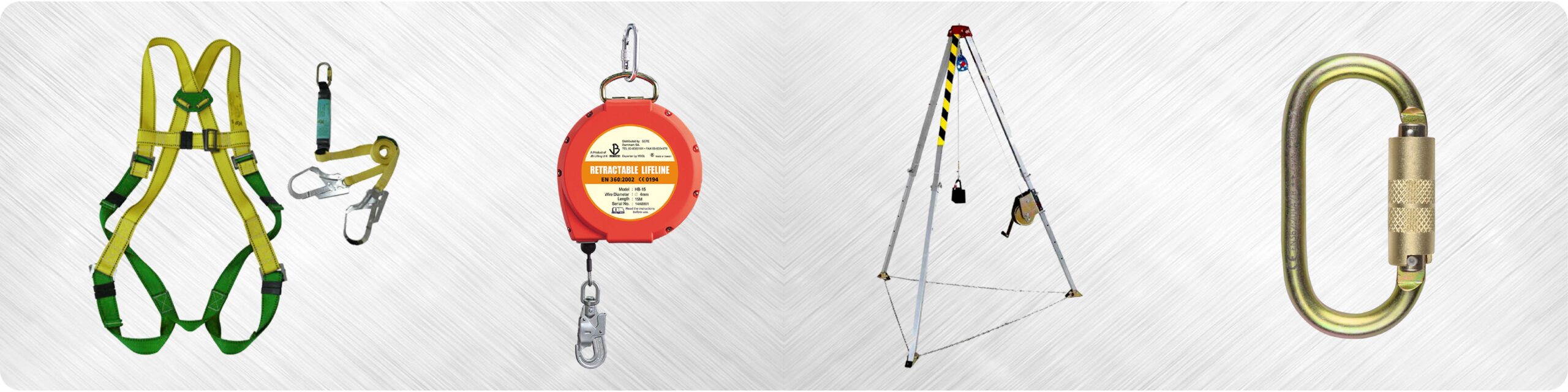
➡️ A safety harness is a crucial component of a fall arrest system, but it’s not the only element. Many falsely believe that simply wearing a harness is sufficient fall protection. A complete system includes a harness, appropriate anchor points, and connectors designed to work together.
2.1. The Importance of a Complete Fall Arrest System
A complete fall arrest system is designed to safely stop a fall and minimize the impact on the worker. The harness distributes the force of the fall across the body, while the lanyard and anchor point work together to arrest the fall. Without all components functioning correctly, the system may fail to protect the worker adequately. For many of our clients here in Dammam, we’ve seen that comprehensive training on all components of a fall arrest system drastically reduces incidents.
2.2. Compatibility Issues with Fall Protection Equipment
Using incompatible components in a fall arrest system can significantly compromise its effectiveness. Different harnesses, lanyards, and anchor points have varying load capacities and connection mechanisms. Mixing and matching components without ensuring compatibility can lead to system failure during a fall. This is why at SSTC, we provide comprehensive guidance on selecting compatible equipment.
2.3. The Dangers of Improper Harness Fit
An improperly fitted safety harness can be both uncomfortable and dangerous. If the harness is too loose, the worker may slip out during a fall. If it’s too tight, it can restrict movement and cause discomfort. An ill-fitting harness can also cause injury during a fall, such as bruising, chafing, or even internal damage. Proper fit is vital for both comfort and safety.
2.4. Avoiding the Mistake: Train employees to use and inspect all components of the fall arrest system correctly, including proper fit.
We at SSTC highly recommend thorough safety training on the proper use and inspection of all components of a fall arrest system. This includes training on how to correctly fit a harness, inspect equipment for damage, and select appropriate anchor points. Regular training and refresher courses are essential for maintaining a safe work environment.
3. Myth: Fall Protection Equipment Doesn’t Need Regular Inspection
✅ Many assume that once fall protection equipment is purchased, it remains safe indefinitely. However, regular inspection is critical to ensure its continued effectiveness. Wear and tear, environmental factors, and accidental damage can compromise the integrity of the equipment over time.
3.1. The Wear and Tear on Equipment
Fall protection equipment is subjected to harsh conditions on many job sites. Exposure to sunlight, moisture, chemicals, and physical abrasion can degrade the materials over time. Ropes can fray, harnesses can tear, and metal components can corrode. Regular use also contributes to wear and tear, weakening the equipment.
3.2. The Importance of Pre-Use Inspections
Workers should inspect their fall protection equipment before each use. This includes checking for any signs of damage, such as cuts, tears, fraying, corrosion, or deformation. The inspection should also verify that all components are functioning correctly and that the equipment is properly fitted. A quick pre-use inspection can identify potential problems before they lead to an accident.
3.3. Establishing a Regular Inspection Schedule
In addition to pre-use inspections, a formal inspection schedule should be established. This involves a more thorough examination of the fall protection equipment by a competent person. The inspection schedule should be based on the manufacturer’s recommendations and the frequency of use. Documentation of all inspections is essential for tracking the condition of the equipment and ensuring accountability.
3.4. Avoiding the Mistake: Implement a detailed inspection program with documented checks before each use and regular comprehensive inspections.
SSTC assists companies in developing and implementing detailed inspection programs for fall protection equipment. Our approach includes training employees on proper inspection techniques, establishing a regular inspection schedule, and maintaining thorough documentation. A proactive inspection program is vital for ensuring the continued safety and reliability of fall protection equipment. Remember, even the most robust fall arrest systems are only effective if properly maintained.
4. Myth: Anyone Can Set Up Fall Protection Systems
💡 Some believe that setting up fall protection systems is a straightforward task that anyone can perform. However, proper design and installation require specialized knowledge and expertise. Incorrectly installed systems can fail, leading to serious injuries or fatalities.
4.1. The Need for Qualified Personnel
Qualified personnel have the training and experience necessary to design and install fall protection systems correctly. They understand the relevant OSHA standards, load calculations, and anchorage requirements. Using qualified personnel ensures that the system is appropriate for the specific hazards of the job site and that it will perform as intended.
4.2. The Risks of DIY Fall Protection
Attempting to create or install makeshift fall protection solutions can be extremely dangerous. Improvising with inadequate materials or incorrect techniques can result in a system that fails under load. DIY fall protection puts workers at risk and violates OSHA regulations. One example of this dangerous trend we’ve seen among our clients is the use of ropes not rated for fall arrest as a makeshift lanyard.
4.3. Understanding Load Calculations and Anchorage Points
Determining appropriate load capacity and anchorage points requires a thorough understanding of engineering principles. Qualified professionals can accurately calculate the forces generated during a fall and select anchorage points that can withstand those forces. Improperly selected anchorage points can fail, rendering the entire fall protection system ineffective.
4.4. Avoiding the Mistake: Always use qualified and trained professionals to design, install, and oversee fall protection systems.
At SSTC, we provide access to qualified and trained professionals who can design, install, and oversee fall protection systems. Our team has extensive experience in construction safety and other industries where fall protection is critical. We ensure that all systems meet OSHA standards and are appropriate for the specific needs of each job site.
5. Myth: Fall Protection Training is a One-Time Event
➡️ Many employers think that providing fall protection training once is sufficient. However, ongoing training and refresher courses are essential for maintaining a safe work environment. Regulations change, equipment evolves, and workers need regular reminders of best practices.
5.1. The Importance of Ongoing Training and Refreshers
Fall protection training needs to be reinforced and updated regularly. Workers may forget important details over time, or they may develop unsafe habits. Refresher courses help to reinforce key concepts and ensure that workers are up-to-date on the latest safety training procedures. It’s especially important for roofing safety, where conditions can change rapidly.
5.2. Changes in Regulations and Equipment
OSHA regulations and fall protection equipment are constantly evolving. New standards are introduced, and new equipment is developed to improve safety. Ongoing training ensures that workers are aware of these changes and that they are using the most current and effective fall protection methods.
5.3. Addressing Site-Specific Hazards
Each job site presents unique fall protection hazards. Training should address these specific hazards and provide workers with the knowledge and skills they need to work safely in those environments. For example, training on scaffolding safety will differ from training on ladder safety.
5.4. Avoiding the Mistake: Provide regular refresher training, update training to reflect changes in regulations and equipment, and address site-specific hazards.
SSTC offers comprehensive fall protection training programs that are tailored to the specific needs of each client. Our training programs include regular refresher courses, updates on new regulations and equipment, and site-specific hazard assessments. We strive to provide workers with the knowledge and skills they need to work safely and prevent falls.
6. Myth: Fall Protection is Optional if Workers are Experienced
✅ Experience does not negate the need for fall protection. Some argue that experienced workers are less likely to fall, but this is a dangerous assumption. Accidents can happen to anyone, regardless of experience level.
6.1. Complacency and Overconfidence
Experience can sometimes lead to complacency and overconfidence. Workers may become so comfortable with their tasks that they start to take shortcuts or disregard safety protocols. This can increase their risk of falling, even if they have years of experience.
6.2. The Unexpected Nature of Accidents
Accidents are, by definition, unexpected. Even the most experienced worker can be caught off guard by a sudden slip, trip, or equipment malfunction. Fall protection is designed to protect workers from these unexpected events, regardless of their experience level.
6.3. Reinforcing a Culture of Safety
Mandatory fall protection for all workers, regardless of experience, reinforces a culture of safety. It sends a clear message that safety is a top priority and that everyone is expected to follow the rules. This helps to create a work environment where safety is valued and respected.
6.4. Avoiding the Mistake: Enforce mandatory fall protection for all workers, regardless of experience level.
At SSTC, we strongly advocate for mandatory fall protection for all workers, regardless of experience. We work with companies to develop and implement policies that promote a culture of safety and ensure that all workers are protected from fall hazards. Enforcing mandatory fall protection is a vital step in preventing accidents and saving lives. We’ve seen a real positive impact on workplace safety with clients who embrace this principle.
7. Myth: Fall Restraint is the Same as Fall Arrest
💡 Many people use the terms “fall restraint” and “fall arrest” interchangeably, but they are two distinct types of fall protection systems. Understanding the difference between them is crucial for selecting the appropriate system for the job.
7.1. Understanding Fall Restraint Systems
Fall restraint systems prevent workers from reaching a fall hazard. These systems typically consist of a harness, lanyard, and anchor point that are designed to limit the worker’s movement and keep them away from the edge of a roof, platform, or other elevated surface. The key is prevention.
7.2. Understanding Fall Arrest Systems
Fall arrest systems, on the other hand, are designed to stop a fall in progress. These systems typically consist of a harness, lanyard, and anchor point that are designed to arrest the fall and minimize the impact on the worker. Fall arrest systems are used when it is not possible to prevent a fall from occurring.
7.3. Choosing the Right System for the Job
The choice between fall restraint and fall arrest depends on the specific hazards of the job site and the tasks being performed. Fall restraint is generally preferred when possible, as it prevents falls from happening in the first place. Fall arrest is used when fall restraint is not feasible.
7.4. Avoiding the Mistake: Understand the difference between fall restraint and fall arrest and choose the appropriate system for the task at hand.
SSTC provides guidance on selecting the appropriate fall protection system for each job site. Our experts assess the hazards, evaluate the tasks being performed, and recommend the most effective and safe solution. Understanding the difference between fall restraint and fall arrest is essential for preventing falls and protecting workers.
8. Myth: Using Warning Lines is Sufficient Fall Protection
➡️ Some believe that warning lines alone are sufficient fall protection. However, warning lines only provide a visual warning and do not physically prevent falls. They should only be used in specific circumstances and in accordance with OSHA regulations.
8.1. Limitations of Warning Lines
Warning lines are typically used to delineate an area where fall protection is required. They are not designed to stop a fall or prevent a worker from entering a hazardous area. Workers can easily cross or ignore warning lines, especially if they are distracted or complacent.
8.2. OSHA Requirements for Warning Lines
OSHA has specific requirements for using warning lines. The lines must be erected at least six feet from the edge of the roof or other elevated surface. They must also be made of a high-visibility material and be strong enough to withstand a certain amount of force.
8.3. When Warning Lines are Appropriate (and When They Aren’t)
Warning lines are appropriate in limited situations, such as when performing infrequent or temporary tasks. They are not appropriate when workers are performing tasks close to the edge of a roof or other elevated surface for extended periods. In these cases, active fall protection, such as a fall arrest system, is required.
8.4. Avoiding the Mistake: Understand the limitations of warning lines and use them only in accordance with OSHA regulations, supplementing with active fall protection as needed.
SSTC helps companies understand the limitations of warning lines and use them appropriately. We provide guidance on when warning lines are acceptable and when active fall protection is required. Supplementing warning lines with active fall protection ensures a higher level of safety and prevents falls.
9. Myth: There’s a “One-Size-Fits-All” Fall Protection Solution
✅ Every job site has unique hazards, and there is no single fall protection solution that works for every situation. A site-specific fall protection plan is essential for addressing the specific risks present at each location.
9.1. The Importance of a Site-Specific Fall Protection Plan
A site-specific fall protection plan takes into account the unique characteristics of the job site, including the height of the work surface, the presence of obstructions, and the type of work being performed. It also identifies potential fall protection hazards and outlines the measures that will be taken to mitigate those hazards.
9.2. Considering the Task at Hand
The specific tasks being performed also influence the selection of fall protection equipment. For example, a worker who is moving around frequently may need a different type of fall protection than a worker who is performing a stationary task. The equipment should be appropriate for the task and allow the worker to perform their job safely and efficiently.
9.3. Factors Affecting Fall Protection Selection
Factors such as the type of work, the height of the work surface, the presence of obstructions, and the weather conditions all affect the selection of fall protection equipment. A comprehensive assessment of these factors is essential for developing an effective fall protection plan. We’ve observed that companies with comprehensive hazard identification programs are far better at selecting the right fall protection equipment.
9.4. Avoiding the Mistake: Develop a site-specific fall protection plan that considers the unique hazards of each job site and the specific tasks being performed.
SSTC specializes in developing site-specific fall protection plans that are tailored to the unique needs of each client. Our team conducts thorough hazard assessments, evaluates the tasks being performed, and recommends the most effective fall protection solutions. A site-specific plan ensures that workers are protected from the specific hazards present at their job site.
10. Myth: Fall Protection Slows Down Work and Reduces Productivity
💡 Some employers believe that fall protection slows down work and reduces productivity. However, this is a short-sighted view. While it may take a few extra minutes to set up fall protection, it prevents costly accidents and downtime in the long run.
10.1. The Short-Term vs. Long-Term Perspective
While fall protection may require a small investment of time and resources upfront, it can save significant time and money in the long run. Accidents can result in injuries, lost productivity, and costly medical expenses. Investing in fall protection is an investment in safety and productivity.
10.2. Streamlining Fall Protection Procedures
There are many strategies for making fall protection more efficient. This includes pre-planning, using the right equipment, and training workers on proper procedures. Streamlining fall protection procedures can minimize the impact on productivity while still ensuring worker safety.
10.3. The Cost of Accidents
The financial and human costs associated with fall-related injuries and fatalities are significant. In addition to medical expenses and lost productivity, accidents can result in legal fees, fines, and damage to a company’s reputation. The cost of accidents far outweighs the cost of fall protection.
10.4. Avoiding the Mistake: Emphasize that fall protection is an investment in safety and productivity, not a hindrance. Streamline procedures and educate workers on the long-term benefits.
At SSTC, we help companies understand that fall protection is an investment in safety and productivity, not a hindrance. We provide strategies for streamlining fall protection procedures and educating workers on the long-term benefits. By emphasizing the value of fall protection, we can create a culture of safety and prevent costly accidents.
11. Myth: If I See Someone Else Not Following Protocols, It’s Not My Problem
➡️ Some workers may believe that if they see someone else not following fall protection protocols, it’s not their responsibility to intervene. However, safety is everyone’s responsibility, and workers should be encouraged to speak up about unsafe conditions or practices.
11.1. Fostering a Culture of Accountability
A culture of accountability is essential for promoting workplace safety. This means that everyone is responsible for following safety protocols and reporting any unsafe conditions or practices. When everyone takes ownership of safety, the workplace becomes a safer environment for all.
11.2. Empowering Workers to Speak Up
Workers should be empowered to speak up about unsafe conditions or practices without fear of reprisal. This requires creating a culture where safety is valued and where workers feel comfortable raising concerns. Management should actively encourage workers to report potential hazards and provide them with a clear and easy way to do so.
11.3. Addressing Unsafe Behavior Promptly
When unsafe behavior is observed, it should be addressed promptly and consistently. This sends a clear message that safety is a top priority and that violations of safety protocols will not be tolerated. Management should investigate all reports of unsafe behavior and take appropriate disciplinary action when necessary.
11.4. Avoiding the Mistake: Create a culture where everyone is responsible for safety and feels empowered to speak up about potential hazards or unsafe practices.
SSTC assists companies in creating a culture of accountability and empowering workers to speak up about potential hazards. We provide training on safety protocols, communication skills, and conflict resolution. By fostering a culture of safety, we can prevent accidents and create a safer work environment for everyone.
12. Myth: Fall Protection Equipment is Uncomfortable and Restrictive
✅ While older fall protection equipment may have been uncomfortable and restrictive, modern equipment is designed for comfort and mobility. Advances in materials and design have made fall protection equipment more comfortable and easier to use.
12.1. Advances in Equipment Design
Modern fall protection equipment is made from lightweight, breathable materials that are designed to be comfortable to wear for extended periods. Harnesses are designed with adjustable straps and padding to provide a snug and comfortable fit. Lanyards are designed to be lightweight and flexible, allowing workers to move freely.
12.2. Selecting the Right Equipment for the Task
Choosing the right fall protection equipment for the task is also important for comfort and mobility. For example, a worker who is climbing ladders frequently may need a different type of harness than a worker who is working on a flat roof. The equipment should be appropriate for the task and allow the worker to perform their job safely and efficiently.
12.3. Proper Fit and Adjustment
Proper fit and adjustment are essential for both comfort and effectiveness. A properly fitted harness should be snug but not too tight. The straps should be adjusted so that the harness fits snugly against the body without restricting movement. Workers should be trained on how to properly fit and adjust their fall protection equipment.
12.4. Avoiding the Mistake: Provide workers with comfortable and well-fitting fall protection equipment that is appropriate for the task. Invest in modern equipment designed for mobility and comfort.
SSTC offers a wide range of comfortable and well-fitting fall protection equipment that is designed for mobility and comfort. We work with leading manufacturers to provide our clients with the latest and most innovative equipment. Providing workers with comfortable fall protection equipment encourages them to wear it and reduces the risk of accidents.
Conclusion
By debunking these common fall protection myths, we at Safe and Secure Trading Company aim to promote a safer and more informed approach to workplace safety. Understanding the nuances of fall protection, from the importance of comprehensive systems to the need for regular training and inspections, is crucial for preventing accidents and protecting workers. It’s essential to dispel these misconceptions and embrace best practices for a safer working environment. We are committed to providing expert guidance and resources to help businesses like yours create a safer workplace.
FAQ Section
Q: At what height is fall protection required?
A: OSHA regulations vary depending on the industry. In general industry, fall protection is required at 4 feet, in construction at 6 feet, in maritime at 8 feet, and for longshoring operations at 4 feet. Always refer to the specific OSHA standards applicable to your industry.
Q: How often should fall protection equipment be inspected?
A: Fall protection equipment should be inspected before each use by the worker and by a competent person at least annually. More frequent inspections may be required depending on the frequency of use and the environmental conditions.
Q: What is the difference between a competent person and a qualified person?
A: A competent person is someone who is capable of identifying existing and predictable hazards in the surroundings or working conditions which are unsanitary, hazardous, or dangerous to employees, and who has authorization to take prompt corrective measures to eliminate them. A qualified person is someone who, by possession of a recognized degree, certificate, or professional standing, or who by extensive knowledge, training, and experience, has successfully demonstrated his ability to solve or resolve problems relating to the subject matter, the work, or the project.
Q: What are the key components of a fall arrest system?
A: The key components of a fall arrest system include an anchorage point, a connecting device (such as a lanyard or self-retracting lifeline), and a full-body harness. All components must be compatible and meet applicable safety standards.
Q: How can I improve my company’s fall protection program?
A: To improve your company’s fall protection program, start by conducting a thorough hazard assessment to identify potential fall hazards. Develop a written fall protection plan that addresses these hazards and outlines the measures that will be taken to mitigate them. Provide regular training to workers on fall protection procedures and equipment. Ensure that all fall protection equipment is properly inspected and maintained. Foster a culture of safety where everyone is responsible for following safety protocols and reporting unsafe conditions.
Q: What are the penalties for violating OSHA fall protection standards?
A: Penalties for violating OSHA fall protection standards can be significant. As of 2026, serious violations can result in fines of up to \$15,625 per violation, while repeated violations can result in fines of up to \$156,259 per violation. In addition to fines, violations can also result in legal fees, damage to a company’s reputation, and increased insurance costs.