Operating a gantry crane is a complex task that demands precision, expertise, and a steadfast commitment to safety. At Safe and Secure Trading Company (SSTC), we’ve observed that even seasoned operators can fall prey to seemingly minor oversights that can lead to significant accidents, costly damages, and potential injuries. Avoiding these pitfalls is crucial for maintaining a safe and productive work environment. This article highlights the most common gantry crane mistakes, providing actionable solutions to mitigate these risks. We aim to equip you with the knowledge and practices necessary to ensure smooth, safe, and efficient gantry crane operations.
1. Ignoring Pre-Operation Inspections
✅ Pre-operation inspections are vital for identifying potential issues before they escalate into serious problems. Many crane operation mistakes stem from neglecting these crucial checks. A thorough inspection can catch wear and tear, mechanical issues, or other problems that could compromise the crane’s performance and safety. Skipping this step increases the likelihood of accidents and equipment failure, potentially causing costly downtime and putting personnel at risk.
Not following a checklist.
Mistake: Skipping items on the pre-operation checklist to save time.
Solution: Enforce a strict adherence to the checklist, making it a mandatory step before each operation.
One of the most frequent crane inspection mistakes we see is the tendency to rush through pre-operation checklists. Operators, under pressure to meet deadlines, might skip items or perform cursory checks. This can lead to overlooking critical issues that could cause accidents. To combat this, we advise implementing a mandatory checklist adherence policy. Make it clear that completing the checklist is not optional but a fundamental requirement before operating the gantry crane.
Forgetting to inspect the wire rope.
Mistake: Overlooking the wire rope for signs of wear, damage, or corrosion.
Solution: Implement regular wire rope inspections and replace damaged ropes immediately.
The wire rope is a critical component of the gantry crane, and neglecting its inspection is a major oversight. Wear, damage, or corrosion can significantly reduce the rope’s strength and increase the risk of failure. In our experience at SSTC, we’ve seen several incidents where neglecting wire rope inspections led to dangerous situations. To prevent this, we recommend implementing a schedule for regular wire rope inspections. Replace damaged ropes immediately to avoid potential disasters.
Neglecting the hoist and trolley.
Mistake: Failing to check the hoist and trolley mechanisms for smooth operation and proper lubrication.
Solution: Schedule routine maintenance and lubrication for the hoist and trolley systems.
The hoist and trolley systems are essential for lifting and moving loads safely. Failing to check these mechanisms for smooth operation and proper lubrication can lead to jerky movements, instability, and potential equipment failure. For many of our clients here in Dammam, we’ve seen that regular maintenance and lubrication schedules are crucial for ensuring these systems function correctly. Neglecting this aspect of crane maintenance errors can significantly increase the risk of accidents.
2. Overloading the Crane
✅ Overloading is a critical safety issue that can lead to catastrophic consequences, including crane failure, dropped loads, and potential injuries. Understanding and adhering to the crane’s load capacity is paramount. Many crane accident prevention strategies focus on preventing overloading. It’s essential to ensure that operators are well-trained in calculating load weights and understanding the crane’s safe working load (SWL).
Miscalculating the load weight.
Mistake: Underestimating the weight of the load being lifted, leading to overloading.
Solution: Use accurate weighing equipment and ensure the operator knows the load’s precise weight.
One of the most common gantry crane mistakes is underestimating the weight of the load. This can happen due to inaccurate estimations, incorrect documentation, or simply overlooking the weight of additional components. To mitigate this risk, we recommend using accurate weighing equipment and ensuring the operator is fully aware of the load’s precise weight. This helps prevent accidental overloading and ensures safe lifting operations.
Exceeding the crane’s capacity.
Mistake: Attempting to lift loads that exceed the crane’s safe working load (SWL).
Solution: Clearly mark the SWL on the crane and provide operators with load charts.
Exceeding the crane’s SWL is a blatant safety violation that can have dire consequences. To prevent this, the SWL must be clearly marked on the crane itself, and operators should have easy access to load charts. Load charts provide a visual representation of the crane’s lifting capacity at different radii and configurations. Reinforcing this knowledge through regular training is key to avoiding overhead crane errors related to overloading.
Ignoring load distribution.
Mistake: Lifting unevenly distributed loads, putting excessive stress on one side of the crane.
Solution: Train operators on proper load distribution techniques and use lifting equipment designed for uneven loads.
Lifting unevenly distributed loads can place excessive stress on one side of the gantry crane, potentially causing instability or structural damage. Operators must be trained on proper load distribution techniques. This includes understanding the load’s center of gravity and using lifting equipment designed for handling uneven loads. Proper planning and load balancing are crucial for preventing this type of overloading.
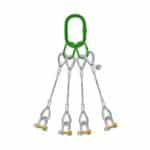
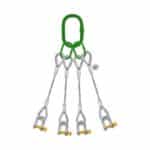
3. Improper Sling Usage
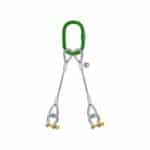
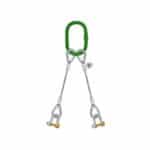
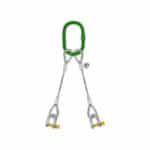
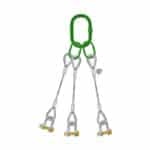
✅ Slings are essential components in lifting operations, and their misuse can lead to serious accidents. It’s critical to select the right type of sling for the job and to inspect them regularly for damage. Training operators on proper sling usage, including understanding sling angles and load capacity, is essential for maintaining a safe working environment. Many crane accident prevention protocols emphasize proper sling handling.
Using damaged or worn slings.
Mistake: Using slings with cuts, frays, or other signs of damage.
Solution: Regularly inspect slings and immediately remove damaged slings from service.
Using damaged or worn slings is a significant safety hazard. Cuts, frays, or other signs of damage can significantly reduce the sling’s lifting capacity, increasing the risk of failure. We advise implementing a rigorous inspection program where slings are checked before each use. Any sling showing signs of damage must be immediately removed from service and replaced.
Incorrect sling angle.
Mistake: Using slings at angles that exceed the manufacturer’s recommendations, reducing their lifting capacity.
Solution: Educate operators on the effects of sling angles and provide them with sling angle charts.
Sling angles significantly affect their lifting capacity. As the angle increases, the tension on each leg of the sling also increases, reducing the overall load capacity. Operators must be educated on the effects of sling angles and provided with sling angle charts. These charts provide a quick reference for determining the safe working load at different angles.
Neglecting sling protection.
Mistake: Failing to protect slings from sharp edges or abrasive surfaces.
Solution: Use protective padding or sleeves to prevent sling damage.
Failing to protect slings from sharp edges or abrasive surfaces can lead to premature wear and damage. Sharp edges can cut or fray the sling, while abrasive surfaces can wear it down over time. To prevent this, use protective padding or sleeves to shield the sling from direct contact with these surfaces. This simple step can significantly extend the lifespan of the slings and reduce the risk of failure.
4. Insufficient Operator Training
✅ Adequate operator training is the cornerstone of safe gantry crane operations. Untrained or poorly trained operators are more likely to make mistakes that can lead to accidents. Comprehensive training should cover all aspects of crane operation, including pre-operation inspections, load handling, signaling, and emergency procedures. Ongoing training and refresher courses are also essential to keep operators up-to-date on best practices.
Lack of formal training.
Mistake: Allowing untrained personnel to operate the gantry crane.
Solution: Provide comprehensive training and certification for all crane operators.
Allowing untrained personnel to operate a gantry crane is one of the most significant crane operation mistakes you can make. Formal training provides operators with the knowledge and skills necessary to operate the crane safely and efficiently. This training should cover all aspects of crane operation, from basic controls to advanced load handling techniques. Certification ensures that operators have met a minimum standard of competency.
Ignoring refresher courses.
Mistake: Failing to provide refresher training to operators, leading to skill degradation.
Solution: Schedule regular refresher courses to keep operators up-to-date on safety procedures and best practices.
Even experienced operators can benefit from refresher courses. Over time, skills can degrade, and operators may develop bad habits. Refresher courses help reinforce safe operating procedures and keep operators up-to-date on the latest safety regulations and best practices. We recommend scheduling regular refresher courses to ensure that all operators maintain a high level of competency.
Not understanding crane controls.
Mistake: Operators not fully understanding the crane’s controls and their functions.
Solution: Hands-on training and clear documentation on crane controls and their specific functions.
A thorough understanding of the crane’s controls is essential for safe operation. Operators must know the function of each control and how it affects the crane’s movement. Hands-on training is the best way to ensure that operators are comfortable with the controls. Clear documentation, including diagrams and instructions, should also be readily available for reference.
5. Poor Communication
✅ Effective communication is essential for coordinating crane operations and preventing accidents. Clear and consistent communication between the operator, spotter, and other personnel is crucial for ensuring that everyone is aware of the crane’s movements and the status of the load. Standardized hand signals and radio communication are vital tools for facilitating effective communication.
Lack of clear signals.
Mistake: Using unclear or inconsistent hand signals during crane operations.
Solution: Implement standardized hand signals and ensure all personnel understand them.
Using unclear or inconsistent hand signals can lead to misunderstandings and accidents. Standardized hand signals provide a clear and concise way to communicate instructions to the operator. All personnel involved in crane operations should be trained on these signals and understand their meaning. Regular drills can help reinforce this knowledge and ensure that everyone is on the same page.
Not using a spotter.
Mistake: Operating the crane without a designated spotter to guide the operator and ensure safety.
Solution: Require the use of a spotter, especially in congested areas or when lifting complex loads.
A spotter provides an extra set of eyes to guide the operator and ensure safety, especially in congested areas or when lifting complex loads. The spotter can help the operator avoid obstacles, maintain a safe distance from personnel, and ensure that the load is properly aligned. Requiring the use of a spotter is a simple but effective way to improve safety during crane operations.
Ignoring radio communication.
Mistake: Not using radio communication or using it improperly, leading to misunderstandings.
Solution: Equip all personnel with radios and establish clear communication protocols.
Radio communication provides a direct and reliable way to communicate between the operator, spotter, and other personnel. However, radios must be used properly to be effective. Clear communication protocols should be established to ensure that messages are clear and concise. All personnel should be trained on these protocols and understand how to use the radios effectively.
“Effective communication is not just about talking; it’s about ensuring that the message is received and understood by all parties involved. In crane operations, this can be the difference between a safe lift and a catastrophic accident.” – John Smith, Lead Safety Inspector
6. Neglecting Maintenance
✅ Regular maintenance is essential for keeping the gantry crane in good working condition and preventing equipment failures. Neglecting maintenance can lead to increased wear and tear, reduced performance, and a higher risk of accidents. A comprehensive maintenance program should include scheduled inspections, lubrication, and prompt repairs of any identified issues. Addressing crane maintenance errors proactively is crucial for ensuring long-term reliability.
Ignoring scheduled maintenance.
Mistake: Skipping or delaying scheduled maintenance tasks, leading to equipment failures.
Solution: Adhere to a strict maintenance schedule and keep accurate records of all maintenance activities.
Skipping or delaying scheduled maintenance tasks is a common crane maintenance errors that can have serious consequences. Regular maintenance helps identify and address potential issues before they escalate into major problems. We advise adhering to a strict maintenance schedule and keeping accurate records of all maintenance activities. This ensures that all tasks are completed on time and that any identified issues are tracked and resolved promptly.
Failing to lubricate moving parts.
Mistake: Not lubricating moving parts regularly, causing increased wear and tear.
Solution: Implement a lubrication schedule and use the correct lubricants for each component.
Lubrication reduces friction, prevents wear, and extends the lifespan of moving parts. Failing to lubricate moving parts regularly can lead to increased wear and tear, reduced performance, and potential equipment failure. We recommend implementing a lubrication schedule and using the correct lubricants for each component. This ensures that all moving parts are properly lubricated and that the crane operates smoothly and efficiently.
Not addressing minor issues promptly.
Mistake: Ignoring minor issues, allowing them to escalate into major problems.
Solution: Encourage personnel to report any issues immediately and address them promptly.
Ignoring minor issues can allow them to escalate into major problems, leading to costly repairs and potential accidents. Encourage personnel to report any issues immediately, no matter how small they may seem. Address these issues promptly to prevent them from becoming more serious. This proactive approach can save time, money, and potentially prevent accidents.
7. Ignoring Environmental Factors
✅ Environmental factors such as wind, temperature, and visibility can significantly impact crane operations. Ignoring these factors can create hazardous conditions and increase the risk of accidents. It’s essential to assess the environmental conditions before each lift and take appropriate precautions to mitigate any potential risks. Adapting gantry crane training to address these considerations is vital for safety.
Wind conditions.
Mistake: Operating the crane in high winds, which can destabilize the load and create hazardous conditions.
Solution: Establish wind speed limits and suspend crane operations when winds exceed these limits.
Operating the gantry crane in high winds can destabilize the load and create hazardous conditions. Establish wind speed limits and suspend crane operations when winds exceed these limits. Use anemometers to monitor wind speed and ensure that operations are halted when necessary. This prevents accidents caused by wind-induced instability.
Temperature extremes.
Mistake: Operating the crane in extreme temperatures without considering the effects on equipment.
Solution: Use lubricants and materials that are suitable for the operating temperature range.
Extreme temperatures can affect the performance of the gantry crane and its components. High temperatures can cause overheating, while low temperatures can make materials brittle. Use lubricants and materials that are suitable for the operating temperature range. This ensures that the crane operates safely and reliably in all conditions.
Poor visibility.
Mistake: Operating the crane in conditions of poor visibility, increasing the risk of accidents.
Solution: Ensure adequate lighting and visibility aids are available.
Poor visibility can significantly increase the risk of accidents during crane operations. Ensure adequate lighting and visibility aids are available, especially during nighttime or inclement weather. This helps operators see clearly and avoid obstacles. We’ve seen that maintaining good visibility is crucial for preventing accidents in challenging environments.
8. Improper Load Handling
✅ Improper load handling techniques can lead to swinging loads, dropped loads, and other hazardous situations. It’s essential to train operators on proper load handling techniques, including the use of taglines, avoiding sudden movements, and ensuring that the load is properly secured. Focusing on correct load handling during gantry crane training is key to preventing accidents.
Swinging loads.
Mistake: Allowing loads to swing excessively during lifting or moving, creating a safety hazard.
Solution: Use taglines to control load movement and avoid sudden starts and stops.
Allowing loads to swing excessively can create a significant safety hazard. Swinging loads can strike objects or personnel, causing injuries or damage. Use taglines to control load movement and avoid sudden starts and stops. Taglines provide a way to guide the load and prevent it from swinging out of control.
Dragging loads.
Mistake: Dragging loads across the ground, which can damage the load, slings, or the crane.
Solution: Ensure the load is fully lifted before moving it and avoid dragging.
Dragging loads across the ground can damage the load, slings, or the gantry crane. Ensure that the load is fully lifted before moving it and avoid dragging. This prevents damage to equipment and reduces the risk of accidents. Proper lifting techniques are essential for safe load handling.
Quick movements
Mistake: Making quick and jerky movements.
Solution: Practice smoother, slower, and more controlled movements.
Quick and jerky movements can destabilize the load and increase the risk of accidents. Operators should practice smoother, slower, and more controlled movements. This helps maintain stability and prevent the load from swinging or dropping. Smooth operation is key to safe load handling.
9. Unsafe Work Area
✅ Maintaining a safe work area is essential for preventing accidents during gantry crane operations. Obstructions, lack of safety barriers, and poor housekeeping can all create hazardous conditions. It’s important to clear the work area of obstructions, establish safety barriers, and maintain a clean and organized environment. Addressing these issues proactively is crucial for preventing accidents.
Obstructions in the path
Mistake: Not clearing the pathway of obstructions
Solution: Clear any and all obstructions from the pathway of the crane.
Not clearing the pathway of obstructions is a common oversight that can lead to accidents. Obstructions can interfere with the crane’s movement, causing it to strike objects or personnel. Clear any and all obstructions from the pathway of the crane before commencing operations. This ensures that the crane can move freely and safely.
Lack of Safety Barriers
Mistake: Not having any safety barriers in place.
Solution: Make sure that safety barriers or safety tape is in place to prevent pedestrian walkthroughs.
Not having safety barriers in place can allow unauthorized personnel to enter the work area, increasing the risk of accidents. Make sure that safety barriers or safety tape is in place to prevent pedestrian walkthroughs. This helps keep unauthorized personnel out of the work area and reduces the risk of accidents. For many of our clients here in Dammam, we’ve emphasized the importance of physical barriers.
Here is a summary list of the Top 3 gantry crane mistakes to avoid:
1. Ignoring Pre-Operation Inspections
2. Overloading the Crane
3. Insufficient Operator Training
10. Lack of Emergency Procedures
✅ Having well-defined emergency procedures and ensuring that all personnel are trained on these procedures is essential for responding effectively to accidents or equipment failures. A lack of emergency procedures can lead to confusion and delays, potentially worsening the situation. It’s important to conduct regular drills and ensure that everyone knows what to do in an emergency. Effective crane accident prevention includes comprehensive emergency planning.
Absence of emergency stop training.
Mistake: Not adequately training staff on how to use the emergency stop function.
Solution: Conduct drills and safety training about the proper use of the E-Stop.
Not adequately training staff on how to use the emergency stop function can lead to delays in shutting down the crane in an emergency. Conduct drills and safety training about the proper use of the E-Stop. This ensures that all personnel know how to quickly and effectively stop the crane in an emergency.
Inadequate Evacuation Plans
Mistake: Not having a good evacuation plan for a catastrophic event.
Solution: Conduct drills and make sure everyone on site knows where to go in the event of a catastrophic failure.
Not having a good evacuation plan for a catastrophic event can lead to confusion and delays, potentially endangering lives. Conduct drills and make sure everyone on site knows where to go in the event of a catastrophic failure. A well-defined evacuation plan can help ensure that everyone can safely evacuate the area in an emergency.
| Mistake |
Solution |
| Ignoring Pre-Operation Inspections |
Enforce strict checklist adherence. |
| Overloading the Crane |
Use accurate weighing equipment. |
| Improper Sling Usage |
Regularly inspect and replace damaged slings. |
| Insufficient Operator Training |
Provide comprehensive training and certification. |
| Poor Communication |
Implement standardized hand signals. |
| Neglecting Maintenance |
Adhere to a strict maintenance schedule. |
| Ignoring Environmental Factors |
Establish wind speed limits. |
| Improper Load Handling |
Use taglines to control load movement. |
| Unsafe Work Area |
Clear obstructions and establish safety barriers. |
| Lack of Emergency Procedures |
Conduct emergency stop training and evacuation drills. |
Conclusion
Avoiding these common gantry crane mistakes is crucial for maintaining a safe and productive work environment. By implementing the solutions outlined in this article, you can significantly reduce the risk of accidents, equipment failures, and injuries. Remember, safety is not just a priority; it’s a fundamental value that must be ingrained in every aspect of gantry crane operations. At Safe and Secure Trading Company, we are committed to helping our clients achieve the highest standards of safety and efficiency. We believe that by working together, we can create a safer and more productive future for all.
FAQ Section
Q: What is the most common gantry crane mistake?
A: Ignoring pre-operation inspections is one of the most common and potentially dangerous gantry crane mistakes. These inspections help identify potential issues before they escalate into serious problems.
Q: How important is gantry crane training?
A: Gantry crane training is extremely important. Insufficient training can lead to operator errors and accidents. Comprehensive training and certification are essential for all crane operators.
Q: What are the key elements of a crane safety checklist?
A: A crane safety checklist should include inspections of the wire rope, hoist, trolley, brakes, controls, and safety devices. It should also include a check for any visible damage or wear.
Q: How can I prevent overhead crane errors?
A: You can prevent overhead crane errors by providing comprehensive training, implementing strict maintenance schedules, and ensuring clear communication between all personnel involved in crane operations.
Q: What should I do if I suspect a crane maintenance error?
A: If you suspect a crane maintenance error, immediately report it to your supervisor and ensure that the crane is inspected and repaired by qualified personnel before it is used again.
Q: How can wind conditions affect gantry crane safety?
A: High winds can destabilize the load and create hazardous conditions. Establish wind speed limits and suspend crane operations when winds exceed these limits to ensure gantry crane safety.
Q: What are some strategies for crane accident prevention?
A: Strategies for crane accident prevention include comprehensive training, regular inspections, proper maintenance, clear communication, and adherence to safety regulations.
Q: Why is understanding crane load capacity important?
A: Understanding crane load capacity is crucial because overloading the crane can lead to equipment failure, dropped loads, and potential injuries. Always ensure that the load weight is within the crane’s safe working load (SWL).
Q: What role does a spotter play in crane operation mistakes?
A: A spotter provides an extra set of eyes to guide the operator and ensure safety, especially in congested areas or when lifting complex loads, helping to prevent crane operation mistakes.
Q: How can I improve communication during crane operations to avoid crane operator errors?
A: Improve communication by implementing standardized hand signals, equipping all personnel with radios, and establishing clear communication protocols to avoid crane operator errors.