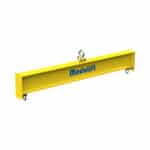
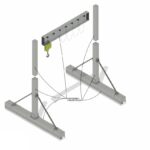
Gantry cranes are indispensable pieces of equipment in numerous industries, facilitating the lifting and movement of heavy loads with precision and efficiency. From manufacturing plants to shipyards, construction sites to railway depots, these versatile machines play a pivotal role in streamlining operations and enhancing productivity. However, one of the primary concerns when considering the integration of a gantry crane into your operations is the gantry crane cost.
The objective of this comprehensive guide is to demystify the gantry crane cost equation, providing you with a thorough understanding of the various factors that influence pricing. By exploring the intricacies of base costs, capacity considerations, material choices, customization options, and long-term operational expenses, we aim to equip you with the knowledge necessary to make informed decisions and maximize your return on investment (ROI). Understanding these cost factors is essential for optimizing your investment and ensuring that the gantry crane meets your specific operational needs without exceeding your budget.
In the following sections, we will delve into the base cost of a gantry crane, the impact of crane capacity on the gantry crane cost, the influence of span and height, the cost-benefit analysis of material choices, the implications of customization and features, the future of gantry crane cost with automation and technology, hidden expenses such as installation and transportation, long-term cost considerations for maintenance and operation, the options of used versus new cranes, and finally, calculating the ROI of a gantry crane investment. Let’s embark on this journey to uncover the complexities of gantry crane pricing.
Understanding the Base Cost of a Gantry Crane
The “base cost” of a gantry crane serves as the foundation upon which the total price is built. It represents the fundamental expenses associated with the crane’s core components and standard features, excluding any customizations, advanced technologies, or site-specific installation requirements. Understanding this base cost is crucial because it provides a starting point for budgeting and assessing the overall feasibility of integrating a gantry crane into your operations.
The typical range of base costs for different types of gantry cranes can vary significantly depending on factors such as size, material, and design. Portable gantry cranes, which are typically smaller and designed for lighter loads, generally have a lower base cost compared to workstation or full-sized gantry cranes. For example, a small portable gantry crane with a lifting capacity of 1-2 tons might have a base cost ranging from $3,000 to $10,000. Workstation gantry cranes, designed for more demanding applications, could range from $10,000 to $30,000. Full-sized industrial gantry cranes, capable of handling heavy loads, could have base costs starting at $30,000 and exceeding $100,000 or more. The portable gantry crane price makes it an attractive option for smaller operations.
Several key factors influence the base cost of a gantry crane. The materials used in construction, such as steel or aluminum, play a significant role, with steel generally being more cost-effective than aluminum. The manufacturing process also contributes to the base cost, with automated processes potentially reducing expenses compared to manual fabrication. Standard features, such as basic controls and safety mechanisms, are also included in the base cost. When our team in Dubai tackles this issue, they often find that starting with a clear understanding of the base cost helps clients make more informed decisions about their crane investments.
The Impact of Crane Capacity on Gantry Crane Cost
Lifting capacity is a primary determinant of the gantry crane cost. As the required lifting capacity increases, so does the cost of the crane. This direct correlation is due to the enhanced engineering, more robust materials, and more sophisticated components necessary to safely handle heavier loads.
A data-driven analysis reveals that the crane price escalates almost linearly with each increment in lifting capacity. For instance, a gantry crane capable of lifting 5 tons may cost significantly less than one designed to lift 10 tons, with the price difference potentially ranging from 30% to 70% or more. This is because doubling the lifting capacity often necessitates a complete redesign of the crane’s structural components, including stronger beams, more powerful motors, and more reliable safety systems. For example, we once had a user who got stuck trying to estimate costs for a 20-ton crane. The trick is to understand that the jump from 10 to 20 tons isn’t just a scaling up; it involves entirely different engineering considerations.
The engineering and material requirements for higher capacity cranes are substantially more demanding. Higher-strength steel alloys may be required to ensure the crane’s structural integrity under heavy loads. The crane’s motors, gears, and braking systems must also be upgraded to handle the increased stress and strain. Additionally, more sophisticated control systems and safety features may be necessary to prevent accidents and ensure safe operation. These increased requirements directly translate into higher manufacturing costs, which ultimately impact the gantry crane cost.
Span and Height: Scaling the Gantry Crane Cost
The span (width) and height of a gantry crane significantly influence its cost. The span determines the horizontal distance the crane can cover, while the height dictates the vertical clearance for lifting operations. Both factors directly impact the amount of material required and the complexity of the crane’s structural design.
Increased span necessitates stronger support structures and more materials to maintain the crane’s stability and load-bearing capacity. A wider span requires larger and more robust beams, columns, and bracing to prevent bending, twisting, or collapse under heavy loads. This, in turn, increases the overall material costs and manufacturing complexity, thereby raising the gantry crane cost. For instance, a crane with a 50-foot span will invariably cost more than a similar crane with a 30-foot span, all other factors being equal.
Cost analysis reveals that the price escalates non-linearly with span and height increases. Doubling the span or height may more than double the cost due to the exponential increase in material requirements and engineering complexity. Design limitations also exist for extreme spans, as excessively wide or tall cranes may become impractical or economically unfeasible due to stability concerns and material constraints. Semi-gantry crane cost can be affected significantly by these dimensional considerations.
Material Choices: A Cost-Benefit Analysis
The choice of materials in gantry crane construction significantly impacts the cost, performance, and longevity of the equipment. Common materials include steel and aluminum, each offering distinct advantages and disadvantages.
Steel is renowned for its high strength, durability, and cost-effectiveness, making it a popular choice for gantry crane construction. Steel cranes can withstand heavy loads and harsh environmental conditions, providing long-term reliability. However, steel is also susceptible to corrosion, requiring protective coatings and regular maintenance to prevent rust and degradation. Aluminum, on the other hand, is lightweight and corrosion-resistant, making it ideal for applications where weight is a critical concern or in corrosive environments. However, aluminum is generally more expensive than steel and has lower strength, limiting its use in heavy-duty applications.
The following table provides a comparative analysis of the pros, cons, and costs associated with steel and aluminum:
| Material |
Pros |
Cons |
Relative Cost |
| Steel |
High strength, durable, cost-effective |
Heavy, susceptible to corrosion |
Moderate |
| Aluminum |
Lightweight, corrosion-resistant |
Lower strength, more expensive |
High |
The selection of material should be based on a thorough cost-benefit analysis, considering the specific application requirements, environmental conditions, and budgetary constraints. For example, in coastal environments where corrosion is a major concern, the higher cost of aluminum may be justified by its superior corrosion resistance and reduced maintenance requirements. For heavy-duty applications where strength and cost-effectiveness are paramount, steel may be the more suitable choice. Understanding these trade-offs is essential for optimizing your gantry crane investment.
Customization and Features: Adding to the Gantry Crane Cost
Customization options and additional features can significantly enhance the functionality and performance of a gantry crane, but they also contribute to the overall cost. Specialized lifting mechanisms, weatherproofing, and remote controls are just a few examples of customizations that can impact the final price.
Specialized lifting mechanisms, such as vacuum lifters or magnetic lifters, are designed for handling specific types of loads and can greatly improve efficiency and safety. Weatherproofing, including protective coatings and enclosures, is essential for cranes operating in outdoor environments, protecting them from rain, snow, and extreme temperatures. Remote controls allow for precise and safe operation from a distance, reducing the need for manual handling and improving operator safety. The industrial crane cost can quickly rise with these custom add-ons.
The cost of adding specific features and options can vary widely depending on the complexity and sophistication of the customization. Simple features, such as additional lighting or safety signage, may add only a few hundred dollars to the cost, while more complex customizations, such as automated controls or specialized lifting mechanisms, can add thousands or even tens of thousands of dollars. For example, a custom gantry crane project designed for a specific manufacturing process may require extensive engineering and fabrication, resulting in significantly higher costs compared to a standard model.
Automation and Technology: The Future of Gantry Crane Cost
Automation and advanced technologies are revolutionizing the operation of gantry cranes, offering increased efficiency, improved safety, and reduced operational costs. However, the integration of these technologies also impacts the overall gantry crane cost.
Automation features, such as sensors, programmable controls, and artificial intelligence (AI), can significantly enhance the performance and capabilities of gantry cranes. Sensors can monitor load weight, position, and environmental conditions, providing real-time feedback to the control system. Programmable controls allow for precise and repeatable movements, reducing the risk of human error and improving efficiency. AI can optimize crane operations, predict maintenance needs, and even automate complex tasks. The crane automation cost should be factored in when assessing the long-term benefits.
While the initial investment in automation features can be substantial, the long-term ROI of automated gantry cranes is often significant. Automated cranes can operate more efficiently, reducing labor costs and increasing throughput. They can also improve safety by minimizing the risk of accidents and injuries. Additionally, automated cranes can reduce maintenance costs by optimizing operating parameters and predicting potential failures.
“Investing in automation for gantry cranes initially increases the upfront cost, but it significantly reduces operational expenses and improves safety in the long run.” – Dr. Anya Sharma, Robotics Engineer
Installation and Transportation Costs: Hidden Expenses
Installation and transportation costs are often overlooked when budgeting for a gantry crane, but they can represent a significant portion of the overall expense. These “hidden expenses” can vary widely depending on factors such as location, crane size, and site preparation requirements.
The location of the installation site plays a crucial role in determining transportation costs. Remote or difficult-to-access locations may require specialized transportation equipment and additional labor, increasing expenses. The size of the crane also impacts transportation costs, as larger cranes may need to be disassembled and transported in multiple pieces, requiring additional handling and logistics. Site preparation requirements, such as foundation work or electrical upgrades, can also add to the overall cost.
Estimated costs for installation and transportation can range from a few thousand dollars to tens of thousands of dollars, depending on the specific circumstances. For example, installing a large gantry crane in a remote industrial site may require extensive site preparation and specialized transportation, resulting in significantly higher costs compared to installing a smaller crane in a more accessible location. Proper planning and budgeting for these hidden expenses are essential to avoid unexpected cost overruns.
Maintenance and Operation: Long-Term Cost Considerations
The long-term maintenance and operational costs of a gantry crane are important considerations when evaluating its overall cost-effectiveness. While the initial purchase price is a significant factor, ongoing expenses such as maintenance, repairs, and energy consumption can significantly impact the total cost of ownership.
Preventative maintenance is crucial for ensuring the longevity and reliability of a gantry crane. Regular inspections, lubrication, and component replacements can prevent costly breakdowns and extend the crane’s lifespan. A well-maintained crane will also operate more efficiently, reducing energy consumption and minimizing downtime. The crane maintenance cost is a key factor in long-term ROI.
A cost breakdown of routine maintenance tasks may include inspections, lubrication, component replacements (e.g., cables, hooks, brakes), and electrical system checks. Potential repairs may include motor repairs, gearbox repairs, structural repairs, and control system repairs. The frequency and cost of these tasks will vary depending on the type of crane, its operating environment, and the intensity of its use.
Maintenance costs can vary significantly for different types of gantry cranes. For example, a more complex automated crane may have higher maintenance costs compared to a simpler manual crane due to the increased number of components and the need for specialized expertise. A used gantry crane price might seem attractive, but factor in potential increased maintenance costs.
Used vs. New: Weighing the Options
Purchasing a used gantry crane can be a cost-effective alternative to buying a new one, but it’s essential to weigh the potential benefits against the risks. A used crane typically has a lower upfront cost, but it may also have a shorter lifespan and higher maintenance requirements.
Factors to consider when buying a used crane include its condition, age, maintenance history, and compliance with safety standards. A thorough inspection by a qualified technician is essential to assess the crane’s structural integrity, mechanical condition, and electrical system. The crane’s maintenance history should be carefully reviewed to identify any recurring problems or potential issues. It’s also crucial to ensure that the crane meets current safety standards and regulations.
Guidelines for evaluating the value of a used gantry crane include comparing its price to similar models, considering its age and condition, and factoring in any necessary repairs or upgrades. A used crane in excellent condition with a well-documented maintenance history may be a good value, while a crane in poor condition with a questionable history may be best avoided, regardless of its price.
Calculating the ROI of a Gantry Crane Investment
Calculating the return on investment (ROI) of a gantry crane is essential for justifying the investment and assessing its long-term financial benefits. The ROI calculation should consider all relevant costs and benefits, including increased efficiency, reduced labor costs, improved safety, and potential revenue gains.
The key factors to consider in the ROI calculation include the initial purchase price, installation costs, maintenance costs, operational costs, labor costs, and potential revenue increases. Increased efficiency can be quantified by measuring the reduction in cycle times, the increase in throughput, and the reduction in material handling costs. Reduced labor costs can be calculated by determining the number of labor hours saved due to the crane’s automation or improved efficiency. Improved safety can be quantified by measuring the reduction in accidents, injuries, and associated costs. The gantry crane ROI is a critical metric for investment decisions.
A sample ROI calculation might look like this: Assume a gantry crane costs $100,000 to purchase and install. Over its lifespan, it reduces labor costs by $20,000 per year and increases revenue by $10,000 per year. Maintenance costs average $5,000 per year. The annual net benefit is $20,000 + $10,000 – $5,000 = $25,000. The ROI is ($25,000 / $100,000) x 100% = 25% per year. This calculation demonstrates the potential financial benefits of investing in a gantry crane, highlighting the importance of a thorough ROI analysis.
Conclusion: Making Informed Decisions About Gantry Crane Cost
In conclusion, understanding the gantry crane cost involves considering a multitude of factors, ranging from the base cost and capacity to material choices, customization options, automation technologies, installation expenses, and long-term maintenance. By carefully evaluating these elements, you can make informed decisions that align with your operational requirements and budgetary constraints. Remember, a well-planned and properly budgeted gantry crane investment can significantly enhance your productivity, improve safety, and provide a substantial return on investment. We have the expertise to help you navigate these complexities and ensure you choose the best solution for your needs.
We are confident that this guide has provided you with a comprehensive understanding of the various factors that influence gantry crane pricing. With this knowledge, you are now better equipped to evaluate your options, negotiate with suppliers, and make a sound investment decision.
FAQ Section
Q: What is the typical lifespan of a gantry crane?
A: The typical lifespan of a gantry crane can range from 20 to 30 years, depending on factors such as the quality of construction, the intensity of use, and the level of maintenance. Regular preventative maintenance can significantly extend the lifespan of a gantry crane.
Q: How often should a gantry crane be inspected?
A: A gantry crane should be inspected at least annually by a qualified technician. More frequent inspections may be necessary for cranes that are used heavily or operate in harsh environments. Daily visual inspections by the operator are also recommended to identify any obvious problems or safety hazards.
Q: What are the key safety features to look for in a gantry crane?
A: Key safety features to look for in a gantry crane include overload protection, emergency stop buttons, limit switches, anti-collision devices, and warning alarms. These features are designed to prevent accidents and ensure the safe operation of the crane.
Q: Can a gantry crane be moved after it has been installed?
A: Portable gantry cranes are designed to be easily moved from one location to another. However, full-sized gantry cranes are typically designed for permanent installation and are not easily moved. Moving a full-sized gantry crane may require disassembly and reassembly, which can be a costly and time-consuming process.
Q: What type of foundation is required for a gantry crane?
A: The type of foundation required for a gantry crane depends on the size and capacity of the crane, as well as the soil conditions at the installation site. A qualified engineer should be consulted to determine the appropriate foundation design. Common foundation types include concrete pads, reinforced concrete slabs, and steel support structures.
Q: What are the power requirements for a gantry crane?
A: The power requirements for a gantry crane depend on the size and capacity of the crane, as well as the type of motors and control systems used. A qualified electrician should be consulted to determine the appropriate power supply and wiring requirements. Power requirements can range from single-phase 120V for small portable cranes to three-phase 480V for large industrial cranes.