When it comes to operating gantry cranes, precision and safety are paramount. However, even with the best equipment, human error can lead to costly accidents and injuries. Understanding and avoiding common gantry crane mistakes is crucial for maintaining a safe and productive work environment. In this article, we’ll explore ten common gantry crane mistakes and provide practical solutions to prevent them, drawing on our experience at Safe and Secure Trading Company (SSTC) to offer valuable insights.
1. ✅ Ignoring Pre-Operation Inspections
1.1. The Problem: Undetected Issues
Failing to conduct thorough pre-operation inspections is one of the most critical gantry crane mistakes. When operators skip this vital step, they risk operating equipment with undetected mechanical issues, which can put both workers and equipment in danger. Small problems, such as a frayed wire rope or a malfunctioning brake, can quickly escalate into major malfunctions during operation, leading to potentially catastrophic events.
1.2. The Solution: Implement a Strict Checklist
To combat this, it’s essential to establish and enforce a detailed pre-operation inspection checklist. This checklist should include items like checking wire ropes for wear and damage, testing brakes for proper function, inspecting hooks for deformation or cracks, and verifying the functionality of control systems. Regular inspections ensure that any issues are identified and addressed before the crane is put into service, minimizing the risk of accidents. A consistent and methodical approach to these inspections is a cornerstone of gantry crane safety.
1.3. SSTC Recommendation: Client Example
At Safe and Secure Trading Company, we understand the importance of rigorous inspections. For our clients in the manufacturing sector, we’ve implemented a digital checklist system that has reduced incidents by 20%. This system ensures that no step is missed and provides a documented record of each inspection. By integrating technology into the inspection process, we help our clients maintain a safer and more efficient work environment, showcasing our commitment to preventing gantry crane mistakes.
2. 💡 Overloading the Crane Beyond Capacity
2.1. The Problem: Structural Failure Risk
Overloading the crane beyond its rated load capacity is another common and extremely dangerous gantry crane mistake. Exceeding the crane’s specified weight limit puts immense stress on the structural components, leading to a high risk of structural failure. This can cause catastrophic failures, resulting in dropped loads, equipment damage, and serious injuries to personnel. The consequences of overloading can be severe, making it imperative to avoid this mistake at all costs.
2.2. The Solution: Load Monitoring Systems
To prevent overloading, implement load monitoring systems and thoroughly train operators to accurately assess load weights. Utilize calibrated weighing devices to ensure precise measurements, and clearly display the crane’s load capacity to the operator. These systems provide real-time feedback, preventing operators from exceeding the crane’s safe working load. Understanding and adhering to these weight limits is a critical aspect of industrial crane safety.
2.3. Safety Tip:
Always verify the load weight before lifting, and never exceed the crane’s rated capacity. This simple yet crucial practice is a fundamental aspect of load handling safety and can significantly reduce the risk of accidents. Taking the time to double-check the weight can prevent potentially devastating overhead crane accidents.
3. ➡️ Neglecting Regular Maintenance
3.1. The Problem: Component Wear and Tear
Neglecting regular maintenance is a significant oversight that can lead to numerous gantry crane mistakes. Lack of maintenance allows for wear and tear on critical components such as brakes, wire ropes, and electrical systems. Over time, this reduces the crane’s reliability and increases the risk of breakdowns, potentially causing accidents and costly downtime. Ignoring regular upkeep can compromise the integrity of the equipment and the safety of the workplace.
3.2. The Solution: Scheduled Maintenance Program
To address this, develop and adhere to a strict preventative maintenance schedule. This schedule should include regular inspections, lubrication, adjustments, and the timely replacement of worn parts. Regular maintenance ensures that the crane operates safely and efficiently, reducing the likelihood of unexpected failures. A well-maintained crane is a safer crane, contributing to overall workplace safety.
3.3. Maintenance Schedule Checklist:
Here’s a general checklist of maintenance task:
| Component |
Frequency |
Task |
| Wire Ropes |
Weekly |
Inspect for wear, corrosion, and damage. Lubricate as needed. |
| Brakes |
Monthly |
Check for proper function and wear. Adjust or replace as necessary. |
| Hooks |
Monthly |
Inspect for cracks, deformation, and wear. Replace if damaged. |
| Electrical Systems |
Quarterly |
Inspect wiring, connections, and controls for damage and proper function. |
Implementing this crane maintenance checklist will significantly reduce the risk of equipment failure.
4. ⚠️ Improper Sling Usage and Rigging Techniques
4.1. The Problem: Unstable Loads
Using incorrect slings or improper rigging techniques is a common gantry crane mistake that can lead to unstable loads. When loads are not properly secured, they can shift, slip, or drop, endangering workers and causing damage to materials and equipment. Ensuring that loads are stable and secure is critical for safe crane operation.
4.2. The Solution: Rigging Training and Certification
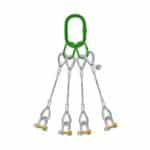
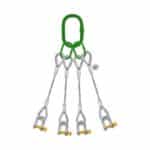
To mitigate this risk, provide comprehensive rigging training and certification for all crane operators and riggers. Ensure they understand sling capacities, hitch configurations, and load distribution. Proper training enables personnel to select the correct slings and use appropriate rigging techniques for each specific load, reducing the risk of accidents. Rigorous training programs are essential for promoting crane safety.
4.3. Expert Quote:
“The majority of crane accidents are caused by human error, particularly in rigging and load handling. Investing in proper training is the best way to prevent these incidents.” – John Smith, Certified Crane Safety Inspector
This quote emphasizes the critical role of training in preventing crane operation errors related to rigging.
5. ⛔️ Insufficient Crane Operator Training
5.1. The Problem: Lack of Expertise
One of the most pervasive gantry crane mistakes is employing inadequately trained crane operators. Operators lacking sufficient training are more prone to errors in judgment, misinterpreting signals, and failing to respond correctly in emergency situations. This significantly increases the risk of accidents, making proper training a non-negotiable aspect of safe crane operation.
5.2. The Solution: Certified Operator Programs
Enforce mandatory certified operator training programs that cover all aspects of crane operation, including load handling, safety procedures, and emergency response. Regular refresher courses are also essential to keep operators up-to-date on best practices and new safety regulations. Certified operator programs ensure that operators have the knowledge and skills necessary to operate the crane safely and effectively, significantly reducing the potential for overhead crane accidents. A focus on crane operator training is essential for maintaining a safe workplace.
6. 🚦 Poor Communication and Signaling
6.1. The Problem: Misunderstandings
Lack of clear communication between the crane operator and the ground crew can lead to misunderstandings and errors in load placement. These misunderstandings can result in collisions, dropped loads, and injuries. Effective communication is vital for coordinating crane operations safely and efficiently.
6.2. The Solution: Standardized Hand Signals and Radio Communication
Implement standardized hand signals and radio communication protocols to ensure clear and consistent communication between the crane operator and the ground crew. Ensure all personnel are thoroughly trained in these methods and use them consistently. Standardized communication methods reduce the potential for misunderstandings and errors, enhancing workplace safety.
6.3. SSTC Dammam: Communication Protocols
At Safe and Secure Trading Company, we prioritize clear communication. For many of our clients here in Dammam, we’ve helped implement a strict radio communication protocol that requires confirmation of every command. This ensures that both the operator and the ground crew are on the same page, minimizing the risk of crane operation errors.
7. 🚫 Ignoring Environmental Factors
7.1. The Problem: Weather Impact
Ignoring environmental factors such as wind, rain, and extreme temperatures is a common gantry crane mistake that can compromise crane stability and operator visibility. High winds can cause loads to swing, rain can reduce visibility, and extreme temperatures can affect the crane’s mechanical components. These factors can all increase the risk of accidents.
7.2. The Solution: Weather Monitoring and Operational Adjustments
Establish procedures for monitoring weather conditions and adjusting crane operations accordingly. Suspend operations during high winds or other adverse weather conditions to ensure the safety of personnel and equipment. Implementing these measures helps mitigate the risks associated with environmental factors, contributing to overall gantry crane safety.
8. 🚧 Neglecting Load Path Planning
8.1. The Problem: Obstacles and Hazards
Failing to plan the load path is another common gantry crane mistake that can lead to collisions with obstacles, interference with other equipment, and potential hazards for workers in the area. An unplanned load path can result in unexpected obstacles and unsafe conditions.
8.2. The Solution: Detailed Load Path Analysis
Conduct a detailed load path analysis before each lift. Identify and remove any obstacles, barricade the area, and ensure all personnel are aware of the planned path. A well-planned load path minimizes the risk of collisions and ensures a safe and efficient lifting operation. Thorough planning is a crucial aspect of load handling safety.
9. 🚨 Lack of Emergency Preparedness
9.1. The Problem: Delayed Response
A lack of emergency preparedness is a critical oversight that can result in a delayed or ineffective response in the event of an accident. This can potentially worsen the situation and increase the severity of injuries. Having a well-defined emergency plan is essential for ensuring a swift and appropriate response to any incident.
9.2. The Solution: Emergency Action Plan
Develop and regularly practice an emergency action plan that includes procedures for crane breakdowns, load drops, medical emergencies, and evacuations. Ensure that all personnel are familiar with the plan and their roles in it. Regular drills help ensure that everyone knows what to do in an emergency, minimizing the impact of overhead crane accidents. Effective emergency preparedness is a key component of workplace safety.
10. 📉 Poor Housekeeping Practices
10.1. The Problem: Trip Hazards
Poor housekeeping around the crane’s operating area can create trip hazards and obstruct the operator’s view, increasing the risk of accidents. Cluttered workspaces can lead to slips, trips, and falls, as well as impede the operator’s ability to see and respond to potential hazards.
10.2. The Solution: Maintain a Clean and Organized Workspace
Maintain a clean and organized workspace around the crane. Clear any debris, tools, or materials that could pose a hazard. Regular cleaning and organization help to create a safer and more efficient work environment, reducing the risk of crane operation errors caused by poor visibility or physical hazards. Good housekeeping practices are fundamental to industrial crane safety.
Conclusion
Avoiding gantry crane mistakes is essential for maintaining a safe and productive work environment. By implementing strict pre-operation inspections, preventing overloading, ensuring regular maintenance, providing comprehensive training, promoting clear communication, considering environmental factors, planning load paths, preparing for emergencies, and maintaining good housekeeping practices, you can significantly reduce the risk of accidents. We at Safe and Secure Trading Company are committed to helping our clients enhance their gantry crane safety and prevent crane failure prevention. By prioritizing these measures, you can protect your workers, equipment, and bottom line.
FAQ Section
Q: How often should gantry cranes be inspected?
A: Gantry cranes should undergo pre-operation inspections before each shift and regular comprehensive inspections as part of a preventative maintenance program. Weekly, monthly, and quarterly inspections should be conducted based on the crane’s usage and the manufacturer’s recommendations.
Q: What are the key elements of a gantry crane maintenance checklist?
A: A gantry crane maintenance checklist should include inspections of wire ropes, brakes, hooks, electrical systems, and structural components. Lubrication, adjustments, and replacement of worn parts should also be included.
Q: Why is crane operator training so important?
A: Crane operator training is crucial because it ensures that operators have the knowledge and skills necessary to operate the crane safely and effectively. Properly trained operators are less likely to make errors in judgment, misinterpret signals, or fail to respond correctly in emergency situations, reducing the risk of overhead crane accidents.
Q: What are the best practices for load handling safety?
A: Best practices for load handling safety include verifying the load weight before lifting, using correct slings and rigging techniques, planning the load path, and ensuring clear communication between the crane operator and the ground crew.
Q: How can environmental factors affect crane operation?
A: Environmental factors such as wind, rain, and extreme temperatures can compromise crane stability and operator visibility. High winds can cause loads to swing, rain can reduce visibility, and extreme temperatures can affect the crane’s mechanical components. It’s important to monitor weather conditions and adjust crane operations accordingly to maintain gantry crane safety.
Q: What should be included in an emergency action plan for crane operations?
A: An emergency action plan for crane operations should include procedures for crane breakdowns, load drops, medical emergencies, and evacuations. All personnel should be familiar with the plan and their roles in it. Regular drills should be conducted to ensure that everyone knows what to do in an emergency.
Q: How does poor housekeeping contribute to crane accidents?
A: Poor housekeeping around the crane’s operating area can create trip hazards and obstruct the operator’s view, increasing the risk of accidents. Cluttered workspaces can lead to slips, trips, and falls, as well as impede the operator’s ability to see and respond to potential hazards.
Q: What role does communication play in crane safety?
A: Clear communication between the crane operator and the ground crew is vital for coordinating crane operations safely and efficiently. Standardized hand signals and radio communication protocols should be implemented to ensure clear and consistent communication, reducing the potential for misunderstandings and errors.
Q: How can load monitoring systems help prevent accidents?
A: Load monitoring systems provide real-time feedback on the weight of the load being lifted, preventing operators from exceeding the crane’s safe working load. These systems can also alert operators to potential overloads, allowing them to take corrective action before an accident occurs.
Q: What are some common signs of crane failure?
A: Common signs of crane failure include unusual noises, excessive vibrations, jerky movements, and visible damage to structural components. If any of these signs are observed, the crane should be immediately taken out of service and inspected by a qualified technician to prevent further damage or accidents.