Gantry cranes are indispensable in various industries, from manufacturing and construction to shipping and logistics. These powerful machines facilitate the lifting and movement of heavy loads with precision and efficiency. However, the operation of gantry cranes also carries inherent risks that can lead to serious accidents, injuries, and even fatalities if safety measures are not diligently implemented and enforced. A comprehensive approach to gantry crane safety is not just a regulatory requirement but a moral imperative to protect the well-being of workers and ensure a safe working environment.
The potential hazards associated with gantry crane operations are diverse and can stem from various factors, including equipment malfunction, operator error, inadequate training, improper load handling, and environmental conditions. According to the Bureau of Labor Statistics, crane-related accidents result in dozens of fatalities and hundreds of injuries each year. These statistics underscore the critical need for proactive safety measures to mitigate risks and prevent accidents. In this guide, we will explore essential safety practices for gantry cranes, covering everything from regular inspections and load management to operator training and emergency response, ensuring that your operations are as safe and efficient as possible.
1. ✅ Implement Regular and Thorough Inspections
Regular and thorough inspections are the cornerstone of any effective gantry crane safety program. These inspections help identify potential hazards and ensure that the crane is in safe working condition. Neglecting these inspections can lead to equipment failure, which can result in catastrophic accidents. We recommend establishing a structured inspection schedule that includes daily, monthly, and annual checks.
Daily pre-shift inspections should focus on visual checks and basic functionality. The operator should inspect the crane for any obvious signs of damage, such as frayed wires, leaks, or loose parts. Monthly inspections should involve a more in-depth examination of critical components, including the wire ropes, hooks, brakes, and electrical systems. Annual inspections should be conducted by qualified professionals who can perform a comprehensive assessment of the crane’s structural integrity and mechanical operation. For many of our clients here in Dammam, we’ve seen that diligent pre-shift inspections alone can catch 80% of potential problems before they happen.
A detailed inspection checklist is crucial for ensuring consistency and thoroughness. Here’s an example of what that list should look like:
| Component |
Inspection Item |
Details |
| Wire Rope |
Condition |
Check for wear, corrosion, kinks, and broken wires. Measure diameter and compare to minimum allowable size. |
| Hook and Latch |
Mechanism |
Ensure proper function and security. Check for cracks, deformation, and wear. Verify latch engages securely. |
| Braking System |
Effectiveness |
Test braking system for proper function and responsiveness. Check brake pads and hydraulic fluid levels. |
| Electrical Components |
Wiring |
Inspect wiring, connections, and controls for damage, corrosion, and loose connections. Verify all safety switches are operational. |
| Structure |
Deformation |
Check for any bends, cracks, or other structural issues. Pay special attention to welds and joints. |
| Wheels and Tracks |
Wear and Alignment |
Look for wear and damage to wheels and tracks. Ensure that the crane is aligned correctly. |
| Controls |
Functionality |
Test all controls for smooth operation and responsiveness. Check for any sticking or erratic movements. |
| Lubrication |
Adequacy |
Ensure that all moving parts are properly lubricated. Check for leaks and replenish as necessary. |
Proper documentation and record-keeping are essential aspects of crane maintenance. Detailed records of inspections, maintenance activities, and repairs should be maintained. These records provide a valuable history of the crane’s condition and can help identify potential problems before they escalate. They also serve as proof of compliance with industry standards and regulations. OSHA guidelines, for example, specify requirements for regular crane inspections and documentation. Keeping meticulous records also significantly aids in workplace safety.
2. 💡 Enforce Proper Load Management Techniques
Proper load management techniques are vital for preventing accidents and ensuring the safe operation of gantry cranes. Overloading a crane can lead to structural damage, load instability, and potential dropping hazards. Understanding the crane’s load capacity and adhering to safe load handling practices are essential for crane operation safety. We find that many accidents stem from a misunderstanding of load limits.
Understanding the crane’s load chart is crucial. The load chart specifies the maximum weight that the crane can lift at various distances from the crane’s center. Operators must be thoroughly familiar with the load chart and understand its limitations. Accurate calculation of load weight is also essential. This involves determining the weight of the load itself, as well as any rigging equipment being used. Using inaccurate weight estimates can lead to overloading and dangerous situations.
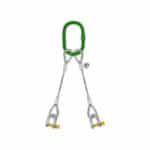
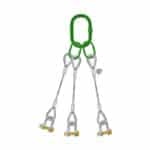
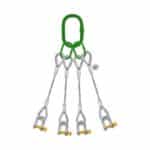
Safe load handling practices include using appropriate rigging equipment and techniques. This involves selecting the right type and size of slings, shackles, and other rigging components. Ensuring proper load balance and stability is also critical. The load should be centered under the crane’s hook to prevent tipping or swaying. Avoiding shock loading and sudden movements is also important. Smooth, controlled movements help prevent stress on the crane’s structure and rigging. Many of our clients have found that investing in high-quality rigging equipment is an excellent way to minimize risk.
The consequences of overloading a gantry crane can be severe. Structural damage to the crane can result in costly repairs and downtime. Load instability can lead to the load dropping, which can cause serious injuries or fatalities. According to a recent study, approximately 25% of crane accidents are related to overloading. It’s a significant risk factor in the crane industry.
“The most common cause of crane accidents is exceeding the load capacity. This can lead to catastrophic failures and severe injuries.” – John Smith, Lead Safety Inspector
3. ➡️ Prioritize Comprehensive Operator Training and Certification
Comprehensive operator training and certification are paramount for ensuring gantry crane safety. Qualified and certified crane operators are better equipped to handle the complexities of crane operation and are more likely to adhere to safe operating procedures. A well-trained operator is the first line of defense against accidents. At SSTC, we emphasize that investing in operator training is an investment in safety.
Effective operator training programs should cover crane operation fundamentals, load handling techniques, safety procedures, emergency response, and inspection and maintenance basics. Trainees should receive hands-on experience under the supervision of experienced operators. The training should also include classroom instruction on relevant regulations and standards. Proper training is key to crane accident prevention.
The certification process ensures that operators have met certain competency standards. Organizations such as the National Commission for the Certification of Crane Operators (NCCCO) offer certification programs for crane operators. Certification typically involves passing written and practical exams. Maintaining certification often requires ongoing training and refresher courses. For many of our clients across the Middle East, NCCCO certification is a requirement, not just a recommendation.
Common operator errors, such as improper load handling, failure to inspect equipment, and disregard for safety procedures, can be prevented through effective training. Regular refresher courses help reinforce safe operating practices and keep operators up-to-date on the latest regulations and technologies. We have observed that operators who receive regular refresher training are more likely to adhere to safe operating procedures and are less likely to make errors.
4. ⚙️ Maintain a Safe Working Environment and Clear Communication
Maintaining a safe working environment and clear communication are essential for preventing accidents around gantry cranes. A safe environment minimizes hazards and reduces the risk of incidents. Effective communication ensures that everyone involved in the crane operation is aware of potential risks and is working together to prevent accidents.
A safe working environment includes clear and well-maintained pathways, adequate lighting and visibility, and proper signage and warning systems. Obstructions should be removed from the work area to prevent tripping hazards. Lighting should be sufficient to allow operators and other workers to see clearly. Warning signs should be posted to alert workers to potential hazards. Especially for our clients operating in sprawling sites, we emphasize the importance of well-maintained pathways.
Effective communication between operators, riggers, and spotters is critical. Standardized hand signals should be used to communicate instructions and warnings. Two-way radios can be used for clear communication in noisy environments. Clear lines of authority and responsibility should be established to ensure that everyone knows their role in the operation.
Hazard identification and risk assessment are important components of a safe working environment. Potential hazards in the work area should be identified and assessed. Control measures should be implemented to mitigate risks. For example, if there is a risk of falling objects, workers should wear hard hats. Effective planning and communication are essential.
Poor communication can lead to serious accidents. For example, if a rigger gives the wrong signal to the operator, the load could be dropped. If the operator is not aware of the location of workers in the area, someone could be struck by the load. Accidents like these highlight the importance of clear and effective communication.
5. 🛡️ Implement and Enforce Personal Protective Equipment (PPE) Requirements
Implementing and enforcing Personal Protective Equipment (PPE) requirements is crucial for protecting workers from potential hazards associated with crane operation safety. PPE provides a barrier between workers and hazards, reducing the risk of injuries. We consider PPE to be a vital layer of protection.
Essential PPE requirements for gantry crane operations include hard hats, safety glasses, high-visibility vests, safety shoes, and gloves. Hard hats protect against head injuries from falling objects. Safety glasses protect against eye injuries from dust and debris. High-visibility vests ensure visibility in the work area. Safety shoes protect against foot injuries from heavy objects. Gloves provide hand protection and grip. Each item plays a critical role.
Proper PPE fit and maintenance are essential for ensuring its effectiveness. PPE that is too large or too small will not provide adequate protection. PPE should be inspected regularly for damage and replaced as necessary. Workers should be trained on how to properly use and maintain their PPE. Training is key to ensuring compliance and effectiveness.
Enforcing the use of PPE requires regular monitoring and supervision. Supervisors should ensure that workers are wearing the required PPE and that it is being used properly. Disciplinary action should be taken against workers who fail to comply with PPE requirements. Consistent enforcement reinforces the importance of PPE and helps create a culture of safety.
Relevant safety regulations, such as those issued by OSHA, specify PPE requirements for various industries. Employers must comply with these regulations and ensure that workers have access to the required PPE. Compliance with safety regulations is not just a legal requirement; it is a moral obligation to protect workers.
6. Evaluating Environmental Factors
Environmental factors play a significant role in gantry crane safety and must be carefully evaluated to prevent accidents. Weather conditions, such as wind, rain, and ice, can significantly impact crane operation and stability. Ignoring these factors can lead to dangerous situations.
Wind can exert considerable force on a crane and its load, potentially causing it to sway or even tip over. Rain and ice can reduce traction and visibility, making it difficult for operators to control the crane safely. It’s critical to adjust crane operations based on these risks. We have seen many near-misses due to sudden gusts of wind.
Adjusting operation based on environmental risk involves reducing load capacity, slowing down operations, and taking extra precautions to secure the load. In high winds, it may be necessary to suspend crane operations altogether. During rain or ice, operators should use extra caution and ensure that the crane’s braking system is functioning properly. A proactive approach is essential.
Shutdown procedures during extreme conditions are critical for preventing accidents. Cranes should be properly secured and anchored to prevent them from being blown over by high winds. Electrical power should be shut off to prevent electrical hazards. Emergency plans should be in place to evacuate workers from the area if necessary. Ignoring these procedures can have dire consequences.
7. Understanding the Importance of Load Testing
Load testing is a crucial aspect of crane maintenance that ensures the crane can safely handle its maximum rated load. Periodic load testing helps identify any structural weaknesses or mechanical problems that could lead to failure during normal operation. This proactive approach is essential for maintaining a safe working environment.
The need for periodic load testing arises from the fact that cranes are subjected to continuous stress and wear over time. Load testing involves subjecting the crane to a series of controlled load tests, typically exceeding its rated capacity, to identify any signs of structural distress. The frequency of load testing depends on the crane’s usage and environmental conditions.
Load testing involves gradually increasing the load on the crane to a specified percentage of its rated capacity. During the test, inspectors carefully monitor the crane for any signs of structural deformation, excessive stress, or mechanical malfunction. The data collected during load testing provides valuable insights into the crane’s overall condition and performance.
Standards and regulations for load testing vary depending on the industry and location. OSHA and other regulatory agencies provide guidelines for load testing procedures and frequency. Compliance with these standards is essential for ensuring overhead crane safety and preventing accidents. The cost of compliance is far less than the cost of an accident.
8. Incorporating Technology for Improved Safety
Technology plays an increasingly important role in improving gantry crane safety. The use of sensor technologies, monitoring systems, and anti-collision systems can significantly enhance crane operation and reduce the risk of accidents. Embracing these technologies is a step towards a safer future.
Sensor technologies and monitoring systems provide real-time data on crane performance, including load weight, wind speed, and crane position. This data can be used to alert operators to potential hazards and prevent overloading or collisions. These systems also help in crane accident prevention.
Anti-collision systems use sensors and software to prevent cranes from colliding with each other or with other objects in the work area. These systems can automatically slow down or stop the crane if a collision is imminent. They are particularly useful in congested work environments. Our clients operating multiple cranes find these systems invaluable.
Remote operation allows operators to control cranes from a safe distance, away from hazardous environments. This technology is particularly useful in situations where there is a risk of exposure to toxic fumes, radiation, or other hazards. Remote operation significantly enhances worker safety.
9. Developing a Comprehensive Emergency Response Plan
A comprehensive emergency response plan is essential for minimizing the impact of accidents involving gantry cranes. The plan should outline the steps to take in case of an accident, including emergency communication protocols and procedures for evacuating workers. A well-prepared plan can save lives.
The steps to take in case of an accident should include procedures for securing the area, providing first aid to injured workers, and notifying emergency services. The plan should also include procedures for investigating the accident and preventing future occurrences. Every second counts in an emergency.
Emergency communication protocols should establish clear channels of communication between workers, supervisors, and emergency responders. Two-way radios and cellular phones can be used to facilitate communication. Contact information for emergency services should be readily available. Clear communication is crucial in a crisis.
Regular drills and training for emergency situations are essential for ensuring that workers are prepared to respond effectively in the event of an accident. Drills should simulate various scenarios, such as load drops, crane malfunctions, and medical emergencies. Training should cover first aid, CPR, and other emergency response procedures. Practice makes perfect, even in emergencies.
10. Analyzing Accident Data for Continuous Improvement
Analyzing accident data is critical for identifying trends and areas for improvement in gantry crane safety. Documenting and analyzing all incidents, including near misses, can provide valuable insights into the causes of accidents and help prevent future occurrences. Continuous improvement is the key to long-term safety.
The importance of documenting all incidents, including near misses, cannot be overstated. Near misses are often warning signs of underlying problems that could lead to more serious accidents in the future. Documenting near misses allows employers to identify and address these problems before they cause harm. Comprehensive documentation is essential.
Using data to identify trends and areas for improvement involves analyzing accident data to identify common causes and contributing factors. This information can be used to develop targeted safety interventions and improve training programs. Data-driven decisions lead to better outcomes.
Sharing lessons learned from accidents is essential for preventing future incidents. Accident reports and safety alerts should be distributed to all workers. Training programs should be updated to reflect lessons learned from accidents. Sharing knowledge promotes a culture of safety.
11. The Role of Ergonomics in Crane Operation
Ergonomics plays a vital role in crane operation safety by focusing on designing operator stations for comfort and efficiency. This involves optimizing the layout of controls, seating arrangements, and visibility to reduce strain and fatigue on the operator. Ergonomic design can significantly improve operator performance and reduce the risk of accidents.
Designing operator stations for comfort and efficiency involves considering factors such as seat adjustability, control placement, and visibility. Seats should be adjustable to accommodate operators of different sizes. Controls should be placed within easy reach and designed to minimize repetitive movements. Visibility should be optimized to provide a clear view of the work area. Comfort enhances focus.
Reducing strain and fatigue is essential for preventing operator errors. Prolonged periods of operating a crane can lead to physical and mental fatigue, which can impair judgment and slow reaction times. Ergonomic design can help reduce strain and fatigue by providing a comfortable and supportive work environment.
Ergonomic considerations for control layout and access involve designing controls that are easy to use and require minimal effort to operate. Controls should be clearly labeled and arranged in a logical manner. Access to controls should be unobstructed and within easy reach. Ease of use enhances safety.
Conclusion: Prioritizing Gantry Crane Safety for a Secure Workplace
In conclusion, prioritizing gantry crane safety is not just a matter of compliance but a fundamental aspect of creating a secure and productive workplace. By implementing regular inspections, enforcing proper load management, providing comprehensive operator training, maintaining a safe working environment, and utilizing appropriate PPE, you can significantly reduce the risk of accidents and protect your workers. Remember, a proactive safety culture is one where safety is everyone’s responsibility, and continuous improvement is the ultimate goal. At Safe and Secure Trading Company, we are committed to helping you achieve this goal.
FAQ Section
Q: How often should gantry cranes be inspected?
A: Gantry cranes should be inspected daily, monthly, and annually. Daily inspections should focus on visual checks and basic functionality. Monthly inspections should involve a more in-depth examination of critical components. Annual inspections should be conducted by qualified professionals.
Q: What are the key elements of a gantry crane inspection checklist?
A: A comprehensive inspection checklist should include checks for wire rope condition, hook and latch mechanisms, braking systems, electrical components, structural integrity, wheels and tracks, controls functionality, and lubrication adequacy.
Q: What is the importance of load capacity in gantry crane operations?
A: Understanding and adhering to the crane’s load capacity is crucial for preventing accidents. Overloading a crane can lead to structural damage, load instability, and potential dropping hazards.
Q: How can operators ensure safe load handling practices?
A: Safe load handling practices include using appropriate rigging equipment and techniques, ensuring proper load balance and stability, and avoiding shock loading and sudden movements.
Q: Why is comprehensive operator training and certification necessary for gantry crane safety?
A: Comprehensive operator training and certification ensure that operators are qualified to handle the complexities of crane operation and are more likely to adhere to safe operating procedures.
Q: What are the essential components of a safe working environment around gantry cranes?
A: A safe working environment includes clear and well-maintained pathways, adequate lighting and visibility, and proper signage and warning systems.
Q: What PPE is required for gantry crane operations?
A: Essential PPE requirements include hard hats, safety glasses, high-visibility vests, safety shoes, and gloves.
Q: How do environmental factors impact gantry crane safety?
A: Weather conditions, such as wind, rain, and ice, can significantly impact crane operation and stability. Adjustments should be made to operations based on these risks, and shutdown procedures should be in place for extreme conditions.
Q: What is the purpose of load testing gantry cranes?
A: Load testing ensures that the crane can safely handle its maximum rated load. It helps identify any structural weaknesses or mechanical problems that could lead to failure during normal operation.
Q: How can technology improve gantry crane safety?
A: Technology, such as sensor technologies, monitoring systems, and anti-collision systems, can significantly enhance crane operation and reduce the risk of accidents.
Q: What should be included in a comprehensive emergency response plan for gantry crane operations?
A: The plan should outline the steps to take in case of an accident, including emergency communication protocols and procedures for evacuating workers.
Q: Why is analyzing accident data important for improving gantry crane safety?
A: Analyzing accident data helps identify trends and areas for improvement in gantry crane safety. It allows for the development of targeted safety interventions and improved training programs.
Q: What role does ergonomics play in crane operation?
A: Ergonomics focuses on designing operator stations for comfort and efficiency. This involves optimizing the layout of controls, seating arrangements, and visibility to reduce strain and fatigue on the operator. By reducing strain and fatigue, this can enhance workplace safety.