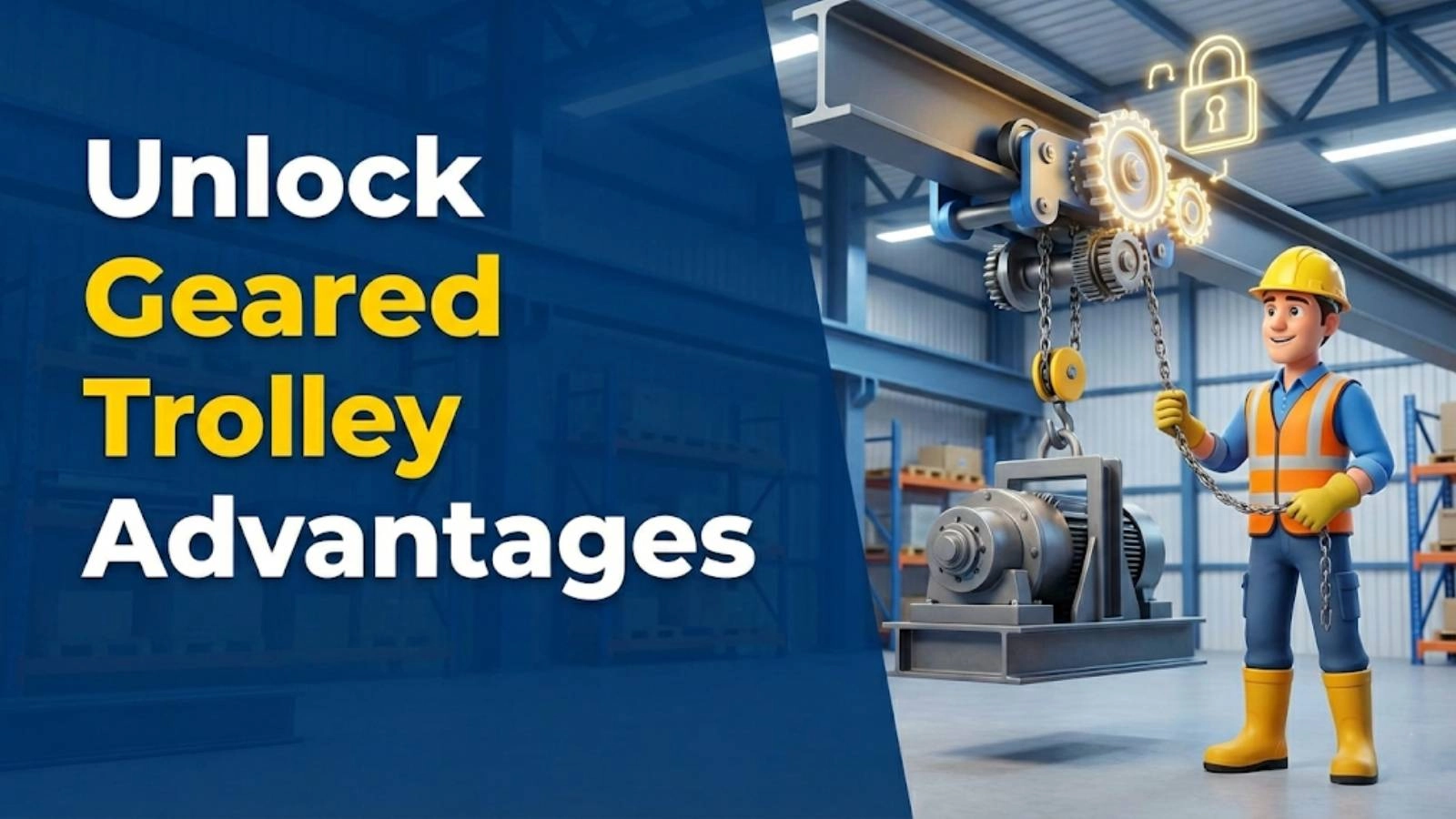
Unlocking Geared Trolley Potential
Geared trolleys are indispensable tools in various industries, facilitating the smooth and controlled movement of heavy loads. Their primary purpose is to provide a means of horizontal movement along a beam or track, complementing lifting devices such as hoists. When used correctly, geared trolleys significantly enhance material handling processes, increasing efficiency and improving workplace safety. However, the full potential of a geared trolley is often unrealized due to common mistakes in installation, maintenance, and operation. By understanding these pitfalls and implementing effective solutions, businesses can unlock the true potential of geared trolley efficiency, leading to optimized productivity and a safer working environment.
1. Neglecting Proper Installation and Maintenance
✅ The efficiency and safety of a geared trolley heavily rely on correct installation and consistent maintenance. Overlooking these essential aspects can lead to premature wear, reduced performance, and potential hazards. Proper installation ensures that the trolley operates smoothly and safely, while regular maintenance keeps it in optimal condition, preventing breakdowns and extending its lifespan.
1.1 The Mistake: Rushing Installation
Rushing the installation process is a common mistake that can have serious consequences. When installation is hurried, crucial steps may be skipped or performed incorrectly, leading to various problems. Correct installation, according to manufacturer specifications, is paramount for ensuring that the trolley functions as intended and maintains its structural integrity.
1.2 The Solution: Following Installation Guidelines
To avoid the pitfalls of rushed installation, it is crucial to adhere meticulously to the manufacturer’s instructions. A step-by-step approach ensures that each component is correctly assembled and aligned. Using qualified technicians for the installation process further minimizes the risk of errors and ensures that the trolley is set up safely and efficiently.
1.3 The Mistake: Ignoring Regular Inspections
Neglecting routine inspections is another critical mistake that can compromise the safety and efficiency of a geared trolley. Wear and tear are inevitable with regular use, and if left unchecked, these issues can escalate into major problems. Damaged or worn components can lead to reduced performance, increased risk of failure, and potential workplace accidents.
1.4 The Solution: Implementing a Maintenance Schedule
Implementing a documented maintenance schedule is essential for ensuring the long-term reliability of a geared trolley. This schedule should be based on factors such as usage frequency, load weights, and environmental conditions. Critical components to check during inspections include the wheels, gears, and load chain, as these are subject to the most wear and stress.
1.5 Expert Insight
“Regular inspection and maintenance are not just best practices; they’re crucial for ensuring the safety and longevity of your geared trolley system. Neglecting these aspects can lead to costly repairs and, more importantly, workplace accidents.” – John Doe, Certified Safety Engineer
2. Overloading and Improper Load Distribution
✅ Overloading and improper load distribution are significant factors that can severely impact the performance and safety of a geared trolley. Exceeding the weight capacity or failing to distribute the load evenly can lead to structural failure, dropped loads, and potential injuries. Addressing these issues is crucial for maintaining a safe and efficient lifting operation.
2.1 The Mistake: Exceeding the Weight Capacity
Exceeding the rated capacity of a geared trolley is a dangerous practice with potentially catastrophic consequences. Overloading can cause structural failure, leading to dropped loads and severe injuries. It’s crucial to stay within defined safety parameters to avoid such incidents.
2.2 The Solution: Strict Adherence to Load Limits
To prevent overloading, clearly mark and communicate the trolley’s weight capacity to all operators. Implementing weight verification procedures before lifting can also help ensure that the load remains within safe limits. These measures can prevent serious accidents and equipment damage.
2.3 The Mistake: Uneven Load Distribution
Uneven load distribution can create instability and stress on the geared trolley. This can cause the trolley to tip or malfunction, increasing the risk of accidents and injuries. Distributing weight properly is paramount.
2.4 The Solution: Centering the Load Properly
Ensuring that the load is centered beneath the trolley’s suspension point is essential for maintaining stability. Using slings and other lifting devices to achieve even weight distribution is also crucial. These techniques help to minimize stress on the trolley and prevent potential accidents.
3. Poor Operator Training and Lack of Communication
✅ Proper operator training and effective communication are essential for the safe and efficient use of geared trolleys. Insufficient training can lead to misuse and accidents, while inadequate communication can result in misunderstandings and uncoordinated movements. Investing in comprehensive training programs and establishing clear communication protocols are vital for a safe and productive work environment.
3.1 The Mistake: Insufficient Operator Training
The risks associated with untrained personnel operating geared trolleys cannot be overstated. Untrained operators are more likely to misuse the equipment, employ improper techniques, and cause accidents. Comprehensive training is crucial for ensuring the safe and efficient operation of geared trolleys.
3.2 The Solution: Comprehensive Training Programs
Creating detailed training programs that cover safe operating procedures, load handling, and emergency protocols is essential. Regular refresher courses can also help reinforce best practices and keep operators up-to-date on safety procedures. Investing in thorough training is a critical step in preventing accidents and ensuring the safety of personnel.
3.3 The Mistake: Inadequate Communication During Lifts
Clear communication between operators, spotters, and other personnel is vital for coordinating lifting operations. Misunderstandings and uncoordinated movements can lead to dangerous situations and accidents. Effective communication protocols are essential for ensuring a smooth and safe lifting process.
3.4 The Solution: Establishing Communication Protocols
Implementing standard hand signals and verbal commands can help ensure clear communication during lifting operations. Using two-way radios for complex lifting tasks can also facilitate coordination and prevent misunderstandings. Establishing these protocols is crucial for minimizing the risk of accidents and ensuring the safety of personnel. We always stress this when working with our clients here in Jubail.
4. Ignoring the Work Environment
✅ The work environment can significantly impact the performance and longevity of a geared trolley. Neglecting environmental hazards such as dust, debris, and corrosive substances can lead to component degradation and reduced efficiency. Similarly, an inadequate workspace can increase the risk of collisions and accidents. Implementing environmental protection measures and optimizing the workspace are crucial for maintaining a safe and efficient operation.
4.1 The Mistake: Neglecting Environmental Hazards
The impact of dust, debris, and corrosive substances on trolley performance should not be underestimated. These contaminants can cause component degradation, leading to reduced efficiency and increased risk of failure. Protecting the trolley from environmental hazards is essential for prolonging its lifespan and ensuring reliable operation.
4.2 The Solution: Implementing Environmental Protection Measures
Regular cleaning and lubrication are essential for removing contaminants and protecting the trolley from environmental hazards. Using protective covers or enclosures in harsh environments can also help prevent damage and degradation. Implementing these measures can significantly extend the lifespan of the trolley and ensure its continued efficiency.
4.3 The Mistake: Inadequate Workspace
Operating a geared trolley in a congested or poorly lit area can increase the risk of collisions and accidents. Inadequate workspace can hinder maneuverability and reduce visibility, making it difficult to operate the trolley safely. Optimizing the workspace is crucial for minimizing the risk of accidents and ensuring a safe working environment.
4.4 The Solution: Optimizing the Workspace
Ensuring adequate clearance around the trolley’s path and providing sufficient lighting are essential for optimizing the workspace. Removing obstructions and improving visibility can significantly reduce the risk of collisions and accidents. A well-organized and properly lit workspace promotes safety and efficiency.
5. Using the Wrong Type of Geared Trolley
✅ Selecting the appropriate type of geared trolley for the specific lifting task is crucial for ensuring efficiency and safety. Using an incorrect model can lead to inefficiencies and increase the risk of accidents. Understanding the different types of trolleys and assessing the specific needs of the lifting operation are essential for making the right choice.
5.1 The Mistake: Selecting an Inappropriate Trolley Model
Using an incorrect geared trolley can lead to inefficiencies and safety risks. Not considering factors such as load type, beam size, and required precision during selection can result in poor performance and potential accidents. Selecting the right trolley is essential for ensuring a safe and efficient lifting operation.
5.2 The Solution: Assessing Specific Needs
Before selecting a trolley, it is important to evaluate the specific requirements of the lifting task. Consider factors such as load weight, frequency of use, and environmental conditions. Assessing these needs will help ensure that the selected trolley is appropriate for the job and can perform efficiently and safely.
5.3 Common Types of Geared Trolleys
Here is a summary of the common types of geared trolleys:
- Plain Trolleys: Ideal for light-duty applications where precision is not critical.
- Geared Trolleys: Designed for heavier loads and offer more controlled movement.
- Motorized Trolleys: Suitable for high-frequency lifting tasks and long travel distances.
6. Ignoring Ergonomics
✅ Ergonomics play a crucial role in operator comfort and safety when using geared trolleys. Neglecting the ergonomic aspects of operation can lead to operator fatigue, strain, and potential injuries. Addressing ergonomic considerations can improve operator well-being and enhance overall productivity.
6.1 The Mistake: Neglecting Operator Comfort
Ignoring the ergonomic aspects of geared trolley operation can lead to operator fatigue and injury. Factors such as handle height, grip, and ease of movement can significantly impact operator comfort and safety. Neglecting these factors can result in reduced productivity and increased risk of musculoskeletal disorders.
6.2 The Solution: Ergonomic Design Considerations
Selecting geared trolleys with adjustable handles and comfortable grips can help improve operator comfort and reduce strain. Providing operators with proper training on posture and lifting techniques can also minimize the risk of injuries. Addressing ergonomic considerations is essential for promoting operator well-being and enhancing overall productivity.
7. Improper Storage
✅ Proper storage practices are essential for maintaining the condition and extending the lifespan of a geared trolley. Storing a trolley incorrectly can lead to damage and reduce its overall lifespan. Implementing proper storage protocols helps protect the trolley from environmental factors and physical damage.
7.1 The Mistake: Improper Storage Practices
Storing a geared trolley incorrectly can lead to damage and reduced lifespan. Exposing the trolley to the elements or storing it in a cluttered environment can cause corrosion, rust, and other forms of degradation. Implementing proper storage practices is crucial for protecting the trolley and ensuring its long-term reliability.
7.2 The Solution: Implementing Proper Storage Protocols
Store trolleys in a dry, clean environment away from direct sunlight and corrosive substances. Use protective covers or containers to prevent damage from dust, debris, and moisture. Implementing these storage protocols helps protect the trolley from environmental factors and physical damage, extending its lifespan and ensuring its continued efficiency.
8. Failing to Update Equipment
✅ Regularly evaluating and updating equipment is essential for maintaining efficiency and safety in material handling operations. Failing to upgrade to newer models can result in lost productivity and missed opportunities for enhanced safety features and performance. Periodically reviewing available technologies and upgrades can help businesses stay competitive and ensure the highest levels of efficiency.
8.1 The Mistake: Not Upgrading to Newer Models
Not upgrading to newer, more efficient models can result in lost productivity and missed opportunities for enhanced safety features. Staying with outdated trolleys can mean missing out on improved ergonomics, increased load capacity, and advanced control systems. Regularly evaluating equipment and considering upgrades is essential for maintaining a competitive edge.
8.2 The Solution: Periodically Evaluating Technology
Periodically review available technologies and upgrades. Consider upgrading to newer models with improved efficiency, ergonomics, and safety features. Staying informed about the latest advancements in geared trolley technology can help businesses make informed decisions about equipment upgrades and ensure that they are using the most efficient and effective tools available.
9. Ignoring Warning Signs
✅ Paying attention to warning signs is crucial for preventing accidents and ensuring the safe operation of geared trolleys. Ignoring audible or visual warnings can lead to serious incidents and equipment damage. Training operators to recognize and report any unusual signs or symptoms is essential for maintaining a safe working environment.
9.1 The Mistake: Ignoring Audible or Visual Warnings
Ignoring warning signs such as unusual noises, vibrations, or visual cues can lead to accidents. These signs often indicate underlying issues that need immediate attention. Failing to address these issues can result in equipment failure, dropped loads, and potential injuries.
9.2 The Solution: Reporting Issues Immediately
Train operators to recognize and report any unusual signs or symptoms immediately. Establish a clear reporting process to ensure prompt investigation and repair. Encouraging operators to report any concerns, no matter how small, can help prevent serious incidents and ensure the safety of personnel.
10. Lack of Documentation
✅ Maintaining detailed records is essential for tracking maintenance, repairs, and inspections of geared trolleys. A lack of proper documentation hinders the ability to identify trends, schedule preventative maintenance, and ensure compliance with safety regulations. Implementing a comprehensive documentation system is crucial for maintaining equipment reliability and promoting a safe working environment.
10.1 The Mistake: Insufficient Record-Keeping
A lack of proper documentation hinders the ability to track maintenance, repairs, and inspections. This can compromise safety and reduce overall efficiency. Without detailed records, it is difficult to identify recurring issues, schedule preventative maintenance, and ensure that equipment is operating safely and efficiently.
10.2 The Solution: Maintaining Detailed Records
Keep detailed records of all maintenance activities, inspections, and repairs. Use a digital or paper-based system to track equipment history. Documenting all activities related to the trolley’s maintenance and operation provides a valuable resource for identifying trends, scheduling preventative maintenance, and ensuring compliance with safety regulations.
11. Incorrect Beam Size
✅ Ensuring compatibility between the geared trolley and the I-beam is crucial for safe and efficient operation. Using a trolley with an incorrect beam size can lead to instability, reduced performance, and potential accidents. Verifying beam dimensions and consulting with experts can help ensure proper compatibility.
11.1 The Mistake: Mismatched Beam Size
Using a geared trolley that is incompatible with the I-beam can create significant safety hazards. A mismatched beam size can cause the trolley to bind, slip, or even fall off the beam, resulting in dropped loads and potential injuries. Ensuring compatibility between the trolley and the beam is essential for preventing these types of incidents.
11.2 The Solution: Beam Compatibility Check
Measure and verify beam dimensions before installation. Consult with experts to ensure compatibility. Taking these steps can help ensure that the trolley is properly matched to the beam, minimizing the risk of accidents and ensuring a safe and efficient lifting operation. Our team here at Safe and Secure Trading Company provides professional consultations in this area.
Conclusion: Optimizing Geared Trolley Efficiency for Peak Performance
In conclusion, maximizing geared trolley efficiency requires careful attention to several key factors. Avoiding common mistakes related to installation, maintenance, overloading, operator training, and environmental considerations is crucial for ensuring safe and productive material handling operations. Proper documentation, regular equipment updates, and ergonomic design considerations further contribute to optimizing geared trolley performance. By implementing these strategies, businesses can unlock the full potential of their geared trolley systems, leading to increased efficiency, improved safety, and reduced operational costs. By working with Safe and Secure Trading Company, we help our clients make sure these critical steps are not overlooked.
FAQ Section
Q: How often should I inspect my geared trolley?
A: Inspections should be conducted regularly, based on usage frequency and environmental conditions. At a minimum, a thorough inspection should be performed monthly, with more frequent checks for trolleys used in heavy-duty applications or harsh environments.
Q: What are the key components to check during a geared trolley inspection?
A: Key components to inspect include the wheels, gears, load chain, suspension point, and safety latches. Look for signs of wear, damage, corrosion, or any other abnormalities that could compromise the trolley’s performance.
Q: What type of lubricant should I use for my geared trolley?
A: Use a high-quality lubricant recommended by the trolley manufacturer. Generally, a heavy-duty grease is suitable for lubricating the wheels and gears, while a chain lubricant is appropriate for the load chain. Avoid using lubricants that are too thin or that may attract dust and debris.
Q: How can I ensure that the load is evenly distributed on the geared trolley?
A: Use slings and lifting devices to center the load beneath the trolley’s suspension point. Ensure that the weight is evenly distributed across all lifting points to prevent instability and stress on the trolley.
Q: What should I do if I notice a warning sign, such as an unusual noise or vibration?
A: Immediately stop using the trolley and report the issue to a qualified technician. Do not attempt to repair the trolley yourself unless you are properly trained and authorized to do so.
Q: How can I determine the appropriate beam size for my geared trolley?
A: Consult the trolley manufacturer’s specifications to determine the recommended beam size. Measure and verify the beam dimensions before installation to ensure compatibility. If you are unsure, consult with a qualified engineer or material handling specialist.
Q: What are the benefits of upgrading to a newer geared trolley model?
A: Newer models may offer improved efficiency, ergonomics, safety features, and load capacity. Upgrading can also result in reduced maintenance costs and increased productivity.
Q: How can I protect my geared trolley from environmental hazards?
A: Store the trolley in a dry, clean environment away from direct sunlight and corrosive substances. Use protective covers or enclosures in harsh environments to prevent damage from dust, debris, and moisture.
Q: What type of training should operators receive before using a geared trolley?
A: Operators should receive comprehensive training on safe operating procedures, load handling, emergency protocols, and proper inspection techniques. Refresher courses should be provided regularly to reinforce best practices and ensure continued competence.
Q: How important is material handling to the overall safety and productivity of a work environment?
A: Material handling is extremely important. Effective material handling solutions minimize workplace injuries, improve efficiency, and reduce downtime. Investing in the right equipment and training is essential for maintaining a safe and productive work environment.
Q: Can a hoist trolley be used on any I-beam?
A: No, a hoist trolley cannot be used on just any I-beam. The beam’s dimensions and weight capacity must be compatible with the trolley’s specifications to ensure safe and efficient operation.
Q: What’s the difference between a manual trolley and a motorized trolley?
A: A manual trolley, such as a geared trolley or push trolley, is operated by hand, requiring the user to push or pull the load along the beam. A motorized trolley is powered by an electric motor, allowing for automated and more efficient movement of heavier loads, especially over longer distances.
Q: How does a geared trolley improve industrial efficiency?
A: A geared trolley improves industrial efficiency by allowing for more precise and controlled movement of heavy materials. The gear mechanism provides a mechanical advantage, making it easier to position loads accurately, reducing strain on the operator, and speeding up the material handling process.
Q: What are the key benefits of using lifting equipment like geared trolleys?
A: The key benefits of using lifting equipment like geared trolleys include enhanced workplace safety, increased productivity, reduced manual labor, and the ability to handle heavy or awkward loads more easily. This equipment also helps to prevent injuries and streamline material handling operations.
Q: What are the differences between a geared trolley and a plain trolley?
A: The main difference is that a geared trolley utilizes gears to provide more controlled and precise movement along a beam, making it suitable for heavier loads and applications requiring accurate positioning. A plain trolley, on the other hand, lacks gears and relies on manual pushing or pulling, making it better suited for lighter loads and less demanding tasks.