Introduction to Geared Trolley Systems
What is a Geared Trolley?
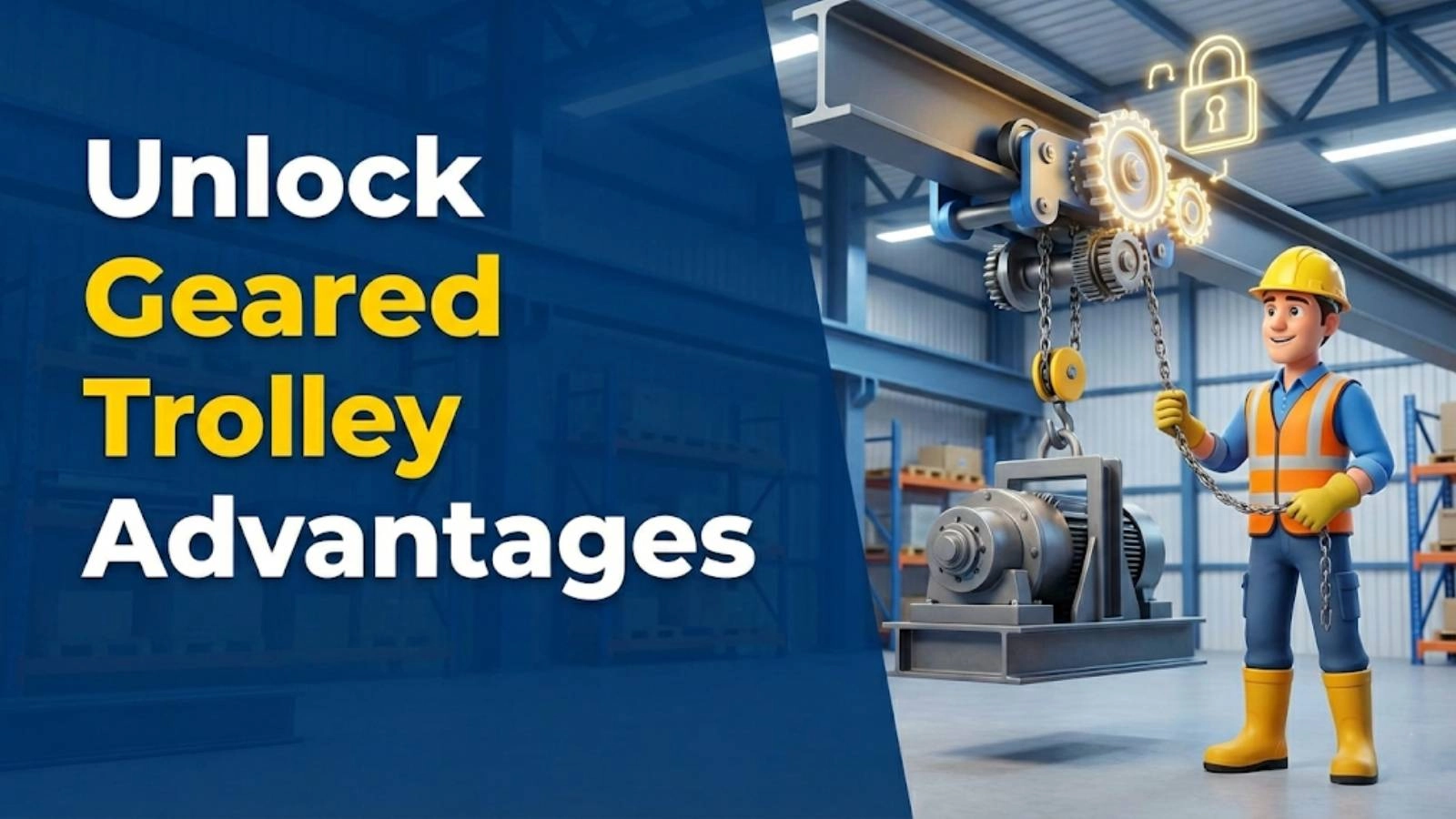
A geared trolley is a crucial component in material handling systems, designed to provide controlled and precise movement of heavy loads along an I-beam. Unlike a plain trolley, a geared trolley uses a hand chain and gears to move loads horizontally, allowing for greater control and reducing the physical effort required. These trolleys are essential for applications where accuracy and controlled speed are paramount. At Safe and Secure Trading Company (SSTC), we understand the importance of reliable and safe material handling, and the geared trolley is a cornerstone of many efficient lifting solutions.
Advantages of Using a Geared Trolley
The advantages of using a geared trolley are numerous. First and foremost, they offer enhanced control over load movement. The geared mechanism allows for precise positioning, which is critical in applications such as machine maintenance, assembly lines, and warehouse operations. Geared trolleys also significantly reduce the physical strain on operators, especially when handling heavy loads. This not only improves worker safety but also increases productivity. Furthermore, geared trolleys are robust and durable, designed to withstand heavy use in demanding industrial environments. Finally, a geared trolley installation offers reliability and precision, making them a preferred choice for many lifting tasks.
Safety Considerations Before Installation
Before commencing a geared trolley installation, safety must be the paramount concern. It’s vital to ensure that the I-beam is structurally sound and capable of supporting the combined weight of the trolley, hoist, and maximum load. Always verify the trolley’s load capacity and ensure it matches or exceeds the intended load. Conduct a thorough inspection of all trolley components for any signs of damage or wear. Establish a clear safety zone around the installation area and use appropriate safety barriers to prevent unauthorized access. SSTC always advises a comprehensive risk assessment before any installation.
Prerequisites and Planning
Identifying the Correct Trolley Size and Capacity
Selecting the correct trolley size and capacity is fundamental to a safe and effective geared trolley installation. Begin by accurately determining the weight of the heaviest load you will be lifting. Then, select a trolley with a rated capacity that exceeds this weight by a comfortable margin, typically 20-25%, to account for dynamic loads and potential overloads. Also, consider the I-beam size; the trolley must be compatible with the beam’s flange width and thickness to ensure proper fit and secure operation. Using an undersized or incompatible trolley can lead to catastrophic failure and serious injury.
Required Tools and Equipment (Detailed List)
Having the right tools and equipment on hand is essential for a smooth and safe geared trolley installation. Here’s a comprehensive list:
- Wrenches and Sockets: A variety of sizes to fit the trolley’s bolts and nuts.
- Torque Wrench: Crucial for tightening bolts to the manufacturer’s specified torque.
- Measuring Tape: For accurate measurements of the I-beam and trolley positioning.
- Level: To ensure the trolley is mounted straight and level.
- Adjustable Wrench: For adjusting the trolley’s fit on the I-beam.
- Hammer: For gentle adjustments and seating components.
- Screwdrivers (Phillips and Flathead): For various fastening tasks.
- Personal Protective Equipment (PPE): Including safety glasses, gloves, and a hard hat.
- Lifting Straps or Slings: To safely lift and position the trolley during installation.
- Ladder or Scaffolding: To access the I-beam at height.
- Lockout/Tagout Equipment: To isolate power sources during installation.
- Chain Block or Come-Along: For maneuvering the trolley into position.
| Tool/Equipment |
Purpose |
Notes |
| Wrenches/Sockets |
Tightening bolts |
Variety of sizes needed |
| Torque Wrench |
Precise tightening |
Essential for safety |
| Measuring Tape |
Accurate dimensions |
Avoid errors |
| Level |
Ensuring alignment |
Critical for smooth operation |
| Adjustable Wrench |
Fine-tuning fit |
Versatile tool |
| Hammer |
Gentle adjustments |
Use with caution |
| Screwdrivers |
Fastening |
Both Phillips and flathead |
| PPE |
Safety |
Non-negotiable |
| Lifting Straps |
Positioning trolley |
Safe lifting practices |
| Ladder/Scaffolding |
Accessing I-beam |
Stable and secure |
| Lockout/Tagout |
Electrical safety |
Prevent accidents |
| Chain Block |
Maneuvering trolley |
Facilitates installation |
Inspecting the I-Beam or Supporting Structure
Thorough inspection of the I-beam or supporting structure is crucial before commencing a geared trolley installation. Check for any signs of corrosion, cracks, or deformation. Ensure that the beam is straight and level. Verify that the beam’s load-bearing capacity is sufficient for the combined weight of the trolley, hoist, and maximum load. If any defects are found, the beam must be repaired or replaced before proceeding. Ignoring structural issues can lead to catastrophic failure and potential injury. Our team in Dubai often finds that regular beam inspections can prevent many common accidents.
Assessing Load Requirements
Accurately assessing load requirements is paramount for ensuring a safe and effective geared trolley installation. Start by determining the maximum weight of the loads you intend to lift. Consider any potential increases in load weight in the future to avoid overloading the system. Evaluate the frequency of lifts and the environmental conditions in which the trolley will operate. These factors will influence the selection of the appropriate trolley capacity and features. A comprehensive load assessment ensures that the trolley is capable of handling the intended tasks safely and efficiently.
Understanding Load Charts and Safety Factors
Understanding load charts and safety factors is essential for safe geared trolley operation. Load charts provide critical information about the trolley’s rated capacity at different operating conditions. Safety factors are multipliers applied to the rated capacity to account for uncertainties and potential overloads. Familiarize yourself with the trolley’s load chart and ensure that all lifts remain within the specified limits. Adhering to safety factors provides an additional margin of safety and helps prevent accidents caused by overloading. For example, a trolley with a 5:1 safety factor can handle five times its rated load before failure, although exceeding the rated load is never recommended.
Ensuring Compliance with Safety Standards (OSHA, ASME)
Compliance with safety standards such as those set by OSHA (Occupational Safety and Health Administration) and ASME (American Society of Mechanical Engineers) is non-negotiable for any geared trolley installation. These standards provide detailed guidelines for the design, installation, inspection, and maintenance of lifting equipment. Ensure that the trolley and installation procedures meet all applicable requirements. This includes proper labeling, load testing, and regular inspections. Compliance with safety standards protects workers, prevents accidents, and ensures the long-term reliability of the lifting system. Ignoring these standards can result in fines, legal liabilities, and, most importantly, serious injuries.
Step-by-Step Geared Trolley Installation
Step 1: Preparing the I-Beam for Installation
Begin by thoroughly cleaning the section of the I-beam where the geared trolley will be installed. Remove any rust, dirt, or debris that could interfere with the trolley’s movement. Use a wire brush or solvent to ensure the surface is clean and smooth. Inspect the beam for any sharp edges or burrs that could damage the trolley wheels or flanges. File down any imperfections to provide a smooth running surface. Proper preparation of the I-beam is essential for ensuring smooth and reliable trolley operation.
Step 2: Assembling the Geared Trolley Components
Carefully unpack all the geared trolley components and lay them out in an organized manner. Refer to the manufacturer’s instructions to identify each part. Assemble the trolley according to the provided diagrams. This typically involves attaching the side plates, wheels, and gearing mechanism. Ensure that all bolts and nuts are properly tightened to the specified torque. A properly assembled trolley is crucial for safe and efficient operation.
Step 3: Mounting the Trolley onto the I-Beam (Detailed Instructions)
With the I-beam prepared and the trolley assembled, carefully lift the trolley into position. Align the trolley wheels with the I-beam flanges. Gently slide the trolley onto the beam, ensuring that the wheels are properly seated. If necessary, use a come-along or chain block to assist with lifting and positioning the trolley. Avoid forcing the trolley onto the beam, as this could damage the components. Once the trolley is in place, ensure that it moves freely along the beam.
[IMAGE: Trolley being mounted on I-beam. Focus on wheel alignment.]
Step 4: Adjusting the Trolley for Smooth Operation
Once the geared trolley is mounted, adjust the trolley for smooth operation. Check the wheel alignment and ensure that the trolley moves freely along the entire length of the I-beam. Adjust the side plates or wheels as needed to eliminate any binding or sticking. Lubricate the wheels and gearing mechanism with a high-quality grease to reduce friction and ensure smooth movement. Proper adjustment is essential for efficient and reliable trolley operation.
Step 5: Securing the Trolley in Place (Locking Mechanisms)
Secure the trolley in place using the provided locking mechanisms. This typically involves tightening set screws or clamps that prevent the trolley from accidentally rolling off the end of the I-beam. Ensure that the locking mechanisms are properly engaged and tightened. Regularly inspect the locking mechanisms to ensure they remain secure. Proper securing of the trolley is critical for preventing accidents and ensuring the safety of personnel.
Step 6: Connecting the Hoist or Lifting Device
With the geared trolley securely mounted, connect the hoist or lifting device. Ensure that the hoist is properly rated for the intended load and is compatible with the trolley. Attach the hoist to the trolley’s load attachment point using a secure shackle or hook. Verify that the connection is properly tightened and secured. Double-check all connections before proceeding. A secure connection between the hoist and trolley is essential for safe lifting operations.
Step 7: Performing Initial Load Testing (Incrementally Increasing Load)
Before putting the geared trolley into regular use, perform initial load testing. Start by lifting a small test load, gradually increasing the weight until you reach the maximum rated capacity. Observe the trolley’s performance and check for any signs of stress or instability. Ensure that the trolley moves smoothly and that the hoist operates properly. If any issues are detected, stop the testing and address the problem before proceeding. Initial load testing helps identify potential problems and ensures that the trolley is safe to operate.
We once had a client who skipped this step and immediately loaded the trolley with its maximum capacity. The trolley showed signs of bending. Luckily, they caught it in time and were able to address the problem before any damage. Always perform incremental load testing.
Step 8: Final Inspection and Adjustments
After completing the load testing, perform a final inspection of the geared trolley installation. Check all bolts, nuts, and connections to ensure they are properly tightened. Verify that the trolley moves smoothly and that the hoist operates correctly. Make any necessary adjustments to optimize performance. Ensure that all safety devices are functioning properly. A thorough final inspection ensures that the trolley is ready for safe and reliable operation.
Step 9: Documenting the Installation and Testing Process
Document the entire geared trolley installation and testing process. Record the date of installation, the model and serial number of the trolley, and the results of the load testing. Include any adjustments or repairs that were made. Keep a copy of the manufacturer’s instructions and load charts. This documentation provides a valuable record of the installation and serves as a reference for future inspections and maintenance. Proper documentation is essential for maintaining a safe and efficient lifting system.
Advanced Installation Techniques
Installing Geared Trolleys on Curved Beams
Installing geared trolleys on curved beams presents unique challenges. Standard trolleys are designed for straight beams, so modifications or specialized trolleys may be necessary. Ensure that the trolley’s wheels are properly aligned with the curve of the beam. Use flexible or articulating trolleys that can accommodate the curvature. Consult with the trolley manufacturer for recommendations and guidance. Proper installation on curved beams requires careful planning and specialized equipment.
Integrating Trolleys with Existing Crane Systems
Integrating geared trolleys with existing crane systems requires careful consideration of compatibility and load capacity. Ensure that the trolley is compatible with the crane’s I-beam and that the crane’s lifting capacity is sufficient for the combined weight of the trolley, hoist, and maximum load. Coordinate the installation with the crane manufacturer or a qualified engineer. Perform thorough testing to ensure that the integrated system operates safely and efficiently. Proper integration enhances the versatility and functionality of the crane system.
Customizing Trolley Configurations for Specific Applications
Customizing geared trolley configurations for specific applications can optimize performance and efficiency. This may involve modifying the trolley’s load attachment point, adding specialized wheels or bearings, or integrating sensors or control systems. Consult with a qualified engineer to design and implement custom configurations. Ensure that all modifications are properly tested and documented. Custom configurations can enhance the trolley’s functionality and adapt it to unique operational requirements.
Safety Protocols During Installation
Lockout/Tagout Procedures
Lockout/tagout procedures are essential for preventing accidental energization of equipment during a geared trolley installation. Before commencing work, identify all potential energy sources and isolate them according to established procedures. Use locks and tags to prevent unauthorized activation of the equipment. Verify that the equipment is de-energized before proceeding with the installation. Lockout/tagout procedures protect workers from electrical hazards and ensure a safe working environment.
Personal Protective Equipment (PPE) Requirements
Personal Protective Equipment (PPE) is crucial for protecting workers during a geared trolley installation. At a minimum, workers should wear safety glasses, gloves, and a hard hat. Depending on the specific tasks, additional PPE may be required, such as steel-toed boots, hearing protection, and fall protection equipment. Ensure that all PPE is properly fitted and in good condition. Enforce the use of PPE to minimize the risk of injury.
Fall Protection Measures
Fall protection measures are essential when working at height during a geared trolley installation. Use guardrails, safety nets, or personal fall arrest systems to prevent falls. Ensure that fall protection equipment is properly inspected and maintained. Train workers on the proper use of fall protection equipment. Implement a comprehensive fall protection plan to minimize the risk of falls. Falls are a leading cause of workplace injuries, so proper fall protection is critical.
Emergency Procedures
Establish clear emergency procedures before commencing a geared trolley installation. Identify potential hazards and develop response plans. Ensure that workers are trained on emergency procedures, including evacuation routes and first aid protocols. Keep a fully stocked first aid kit on site. Establish communication channels for reporting emergencies. Regular drills can help ensure that workers are prepared to respond effectively in the event of an emergency. Preparedness can save lives and minimize the impact of emergencies.
Troubleshooting Common Installation Issues
Trolley Binding or Sticking
Trolley binding or sticking is a common issue during geared trolley installation. This can be caused by misaligned wheels, tight side plates, or debris on the I-beam. Check the wheel alignment and adjust the side plates as needed to eliminate any binding. Clean the I-beam thoroughly to remove any dirt or debris. Lubricate the wheels and gearing mechanism to reduce friction. If the problem persists, consult the manufacturer’s instructions or seek assistance from a qualified technician.
Uneven Load Distribution
Uneven load distribution can occur if the hoist is not properly aligned with the trolley or if the load is not centered. Ensure that the hoist is hanging straight and that the load is evenly distributed. Adjust the trolley or hoist as needed to correct any imbalance. Use a spreader bar to distribute the load evenly across the trolley. Uneven load distribution can lead to instability and potential accidents.
Excessive Noise During Operation
Excessive noise during operation can indicate a problem with the geared trolley. This can be caused by worn bearings, dry gears, or loose components. Inspect the trolley for any signs of wear or damage. Lubricate the bearings and gears with a high-quality grease. Tighten any loose bolts or nuts. If the noise persists, consult the manufacturer’s instructions or seek assistance from a qualified technician. Addressing noise issues can prevent further damage and ensure smooth operation.
Maintenance and Inspection Schedule
Regular Inspection Checklist
A regular inspection checklist is crucial for maintaining the safety and reliability of a geared trolley. The checklist should include the following items:
- Wheels: Check for wear, damage, and proper alignment.
- Gears: Inspect for wear, lubrication, and proper engagement.
- Bolts and Nuts: Verify that all fasteners are tight.
- Load Attachment Point: Check for wear, cracks, and secure connection.
- Locking Mechanisms: Ensure that they are functioning properly.
- I-Beam: Inspect for corrosion, cracks, and deformation.
- Overall Condition: Assess the general condition of the trolley and its components.
Conduct inspections at least monthly, or more frequently depending on the intensity of use.
Lubrication Requirements
Proper lubrication is essential for maintaining the smooth operation of a geared trolley. Lubricate the wheels, gears, and bearings with a high-quality grease according to the manufacturer’s recommendations. Use a grease that is appropriate for the operating environment, such as high-temperature or corrosive conditions. Regularly check the lubrication levels and reapply grease as needed. Proper lubrication reduces friction, prevents wear, and extends the life of the trolley.
Component Replacement Guidelines
Establish clear guidelines for component replacement to ensure the continued safety and reliability of the geared trolley. Replace any worn or damaged components immediately. Use only genuine replacement parts from the manufacturer. Follow the manufacturer’s instructions for component replacement. Keep a record of all component replacements. Timely component replacement prevents breakdowns and ensures the trolley operates safely.
> “Regular inspections and proactive maintenance are key to maximizing the lifespan and safety of geared trolley systems.” – John Smith, Lead Safety Inspector
Geared Trolley Best Practices
Safe Operating Procedures
Safe operating procedures are essential for preventing accidents and injuries when using a geared trolley. Train all operators on proper operating procedures. Ensure that operators are familiar with the trolley’s load capacity and safety features. Enforce the use of PPE. Establish clear communication protocols. Regularly review and update operating procedures. Safe operating procedures create a safe working environment.
Load Management Techniques
Proper load management techniques are crucial for preventing overloads and ensuring the stability of the load. Always determine the weight of the load before lifting. Use appropriate lifting slings and rigging hardware. Center the load under the trolley to prevent uneven weight distribution. Avoid sudden movements or jerks. Monitor the load during lifting and lowering. Proper load management prevents accidents and protects the equipment.
Preventing Overloading
Preventing overloading is essential for protecting the geared trolley and ensuring the safety of personnel. Never exceed the trolley’s rated capacity. Use a load cell or scale to verify the weight of the load. Implement a system for tracking load weights. Train operators on the dangers of overloading. Overloading can cause catastrophic failure and serious injury.
Proper Communication and Signaling
Proper communication and signaling are essential for coordinating lifting operations. Establish clear communication channels between the operator and other workers. Use hand signals or radio communication to convey instructions. Ensure that all workers understand the signals. Designate a signal person to direct the operation. Proper communication and signaling prevent misunderstandings and accidents.
Conclusion: Ensuring a Safe and Efficient Lifting System
By following this comprehensive guide to geared trolley installation, maintenance, and operation, you can ensure a safe, efficient, and reliable lifting system. We have walked through the critical steps, from initial planning and safety checks to advanced techniques and troubleshooting, to empower you with the knowledge and skills for a successful geared trolley installation. Remember that regular maintenance, thorough inspections, and adherence to safety protocols are paramount for the longevity and safe operation of your equipment. With our expertise at SSTC, we are confident that you can achieve optimal performance and minimize risks.
FAQ Section
Q: How often should I inspect my geared trolley?
A: We recommend inspecting your geared trolley at least once a month, or more frequently depending on the intensity of use. Regular inspections help identify potential problems early and prevent accidents.
Q: What type of lubricant should I use for my geared trolley?
A: Use a high-quality grease that is specifically designed for industrial applications. Consult the manufacturer’s recommendations for the appropriate type of lubricant for your trolley.
Q: What should I do if my geared trolley starts making excessive noise?
A: Excessive noise can indicate a problem with the trolley. Inspect the trolley for worn bearings, dry gears, or loose components. Lubricate the bearings and gears, and tighten any loose fasteners. If the noise persists, consult a qualified technician.
Q: Can I install a geared trolley on a curved I-beam?
A: Yes, but it requires specialized trolleys or modifications to standard trolleys. Ensure that the trolley’s wheels are properly aligned with the curve of the beam, and consult with the manufacturer for recommendations.
Q: What safety standards should I comply with during geared trolley installation?
A: Comply with all applicable safety standards, such as those set by OSHA and ASME. These standards provide detailed guidelines for the design, installation, inspection, and maintenance of lifting equipment.
Q: How do I prevent overloading my geared trolley?
A: Never exceed the trolley’s rated capacity. Use a load cell or scale to verify the weight of the load, and implement a system for tracking load weights. Train operators on the dangers of overloading. The geared trolley safety is paramount.
Q: What PPE should I wear during a geared trolley installation?
A: At a minimum, wear safety glasses, gloves, and a hard hat. Depending on the specific tasks, additional PPE may be required, such as steel-toed boots, hearing protection, and fall protection equipment.
Q: How do I document the geared trolley installation process?
A: Record the date of installation, the model and serial number of the trolley, and the results of the load testing. Include any adjustments or repairs that were made. Keep a copy of the manufacturer’s instructions and load charts.
Q: What are some common causes of trolley binding or sticking?
A: Common causes include misaligned wheels, tight side plates, or debris on the I-beam. Check the wheel alignment, adjust the side plates, and clean the I-beam thoroughly.
Q: How do I ensure even load distribution when using a geared trolley?
A: Ensure that the hoist is properly aligned with the trolley and that the load is centered. Use a spreader bar to distribute the load evenly across the trolley.