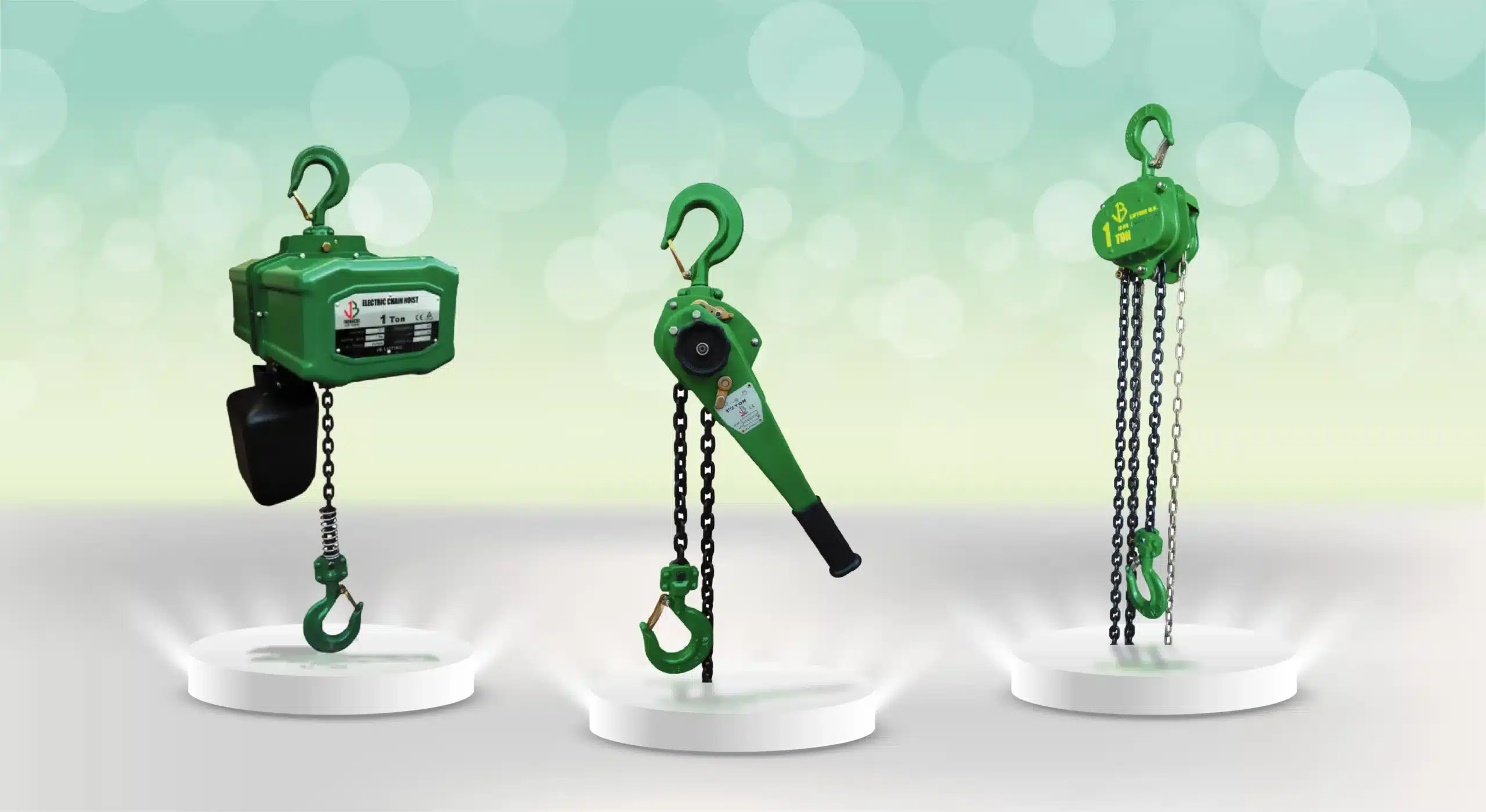
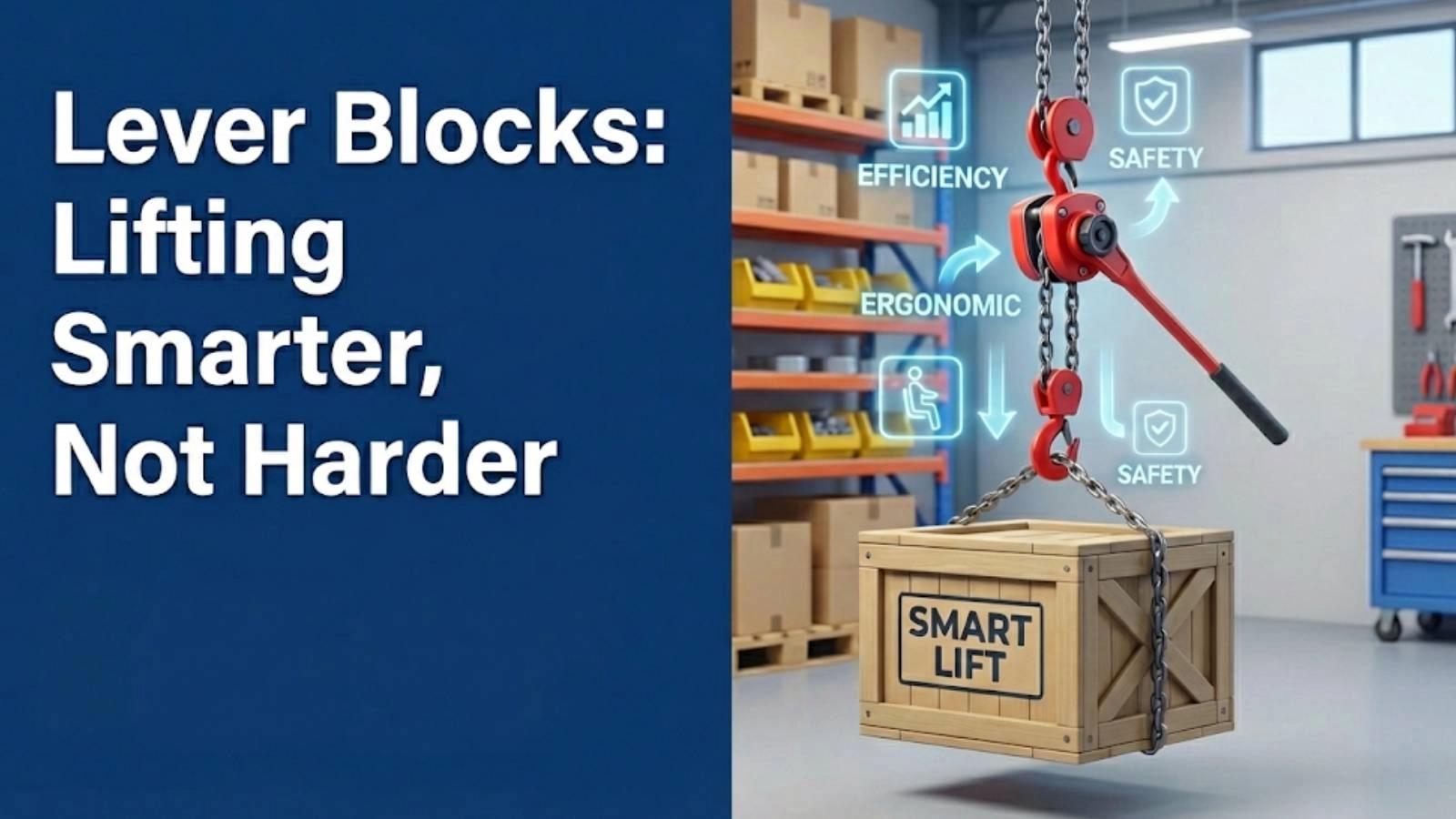
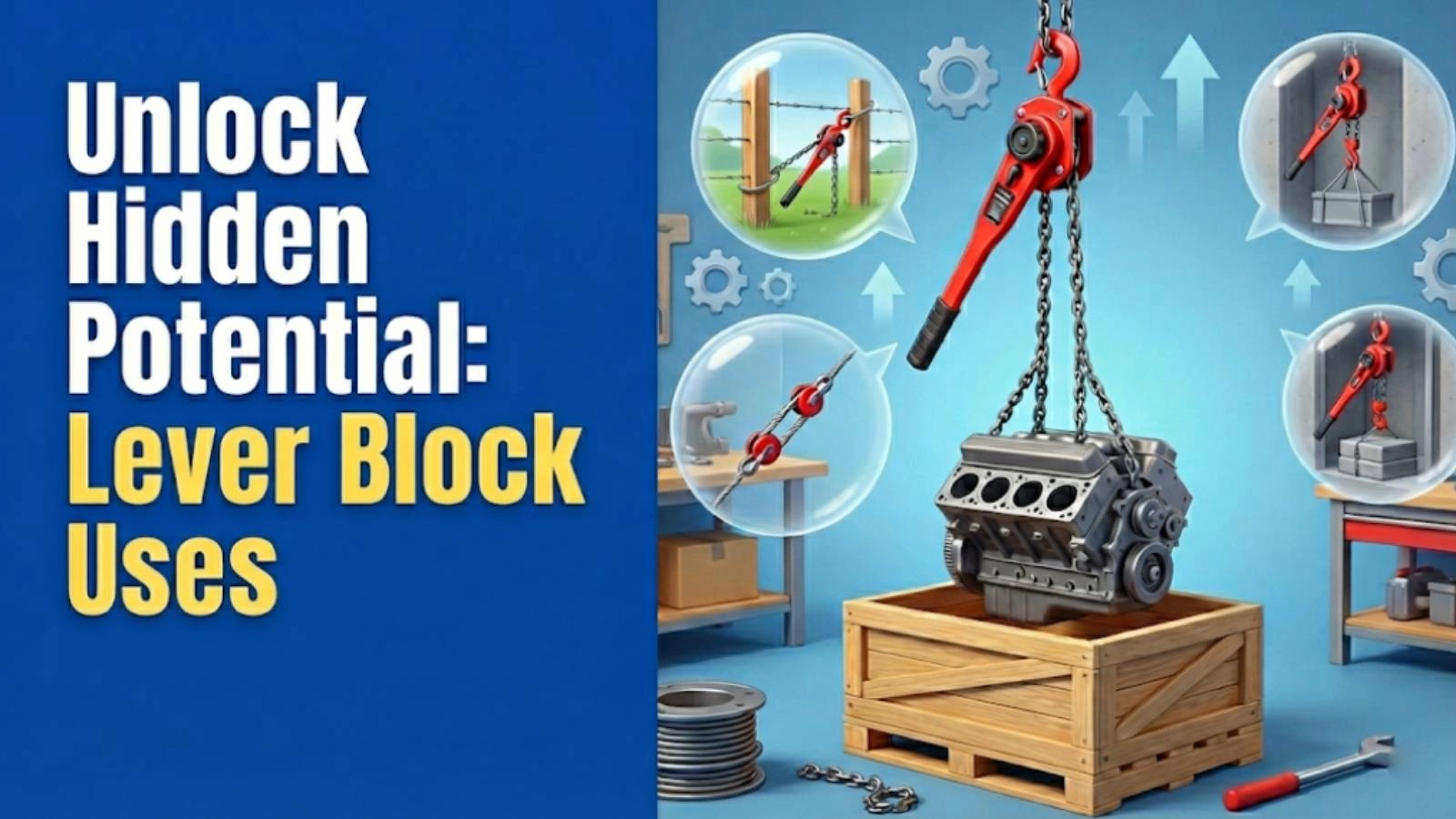
Lever block brands are essential for safe and efficient lifting operations across various industries. Selecting the right brand is a critical decision that impacts not only productivity but also the safety of your workforce. In this guide, we’ll delve into the top lever block brands available in 2026, highlighting their key features, innovations, and target applications. Understanding these differences will help you make an informed choice that best suits your specific needs.
Key Takeaways: Lever Block Innovation in 2026
- Brand Differentiation: Understand how each brand carves its unique niche.
- Emerging Trends: Discover the newest features and technologies driving lever block design.
- Real-World Applications: See how these advancements are impacting various industries.
- Selection Criteria: Learn what to consider when choosing the right lever block for your needs.
- Future Outlook: Get insights into what the future holds for lever block technology.
Introduction: The Evolution of Lever Block Technology
Lever blocks have a rich history, originating as simple yet effective tools for lifting heavy objects. Initially, these devices were primarily used in construction and agriculture to overcome limitations in manual lifting. As industries evolved, so did lever blocks, with advancements in materials and mechanics leading to increased load capacities and improved safety features.
The increasing demand for safer, more efficient lifting solutions has driven significant innovation in lever block technology. Today, we see a move towards lightweight yet robust designs, incorporating features like overload protection and improved braking systems. These advancements ensure that lifting operations are not only more productive but also minimize the risk of accidents.
The concept of “smart” lever blocks is also gaining traction. These advanced devices integrate sensors and data logging capabilities, providing real-time information on load weight, usage patterns, and maintenance needs. This data-driven approach enhances safety, optimizes performance, and extends the lifespan of the equipment.
Sustainability and ergonomic design are other key areas of focus. Manufacturers are increasingly using eco-friendly materials and designing lever blocks that reduce operator fatigue and strain. This holistic approach ensures that lever blocks are not only efficient and safe but also environmentally responsible and user-friendly.
Why Brand Matters: Beyond the Name
Choosing a lever block is more than just picking a product; it’s selecting a brand that stands for quality, reliability, and innovation. The brand you choose can significantly affect the performance, safety, and longevity of your lifting equipment. A reputable brand ensures that you are investing in a product that meets stringent standards and provides consistent results.
Brand reputation and reliability are paramount. Established brands have a track record of delivering high-quality products and providing excellent customer support. Their reputation is built on years of experience and a commitment to exceeding customer expectations. Choosing a well-known brand gives you peace of mind, knowing that you are investing in a product that has been tested and proven in real-world applications.
Established brands often invest more in R&D and quality control. This investment translates into innovative features, superior materials, and rigorous testing processes. As Safe and Secure Trading Company, we have consistently seen that brands prioritizing research and development are more likely to offer cutting-edge solutions that enhance safety and efficiency.
For example, we once worked with a client in the construction industry who was using unbranded lever blocks. They frequently experienced equipment failures, leading to project delays and safety concerns. By switching to a reputable brand, they saw a 20% improvement in productivity and a significant reduction in accidents.
Choosing lesser-known or unproven brands can be risky. These brands may cut corners on materials and manufacturing processes to offer lower prices. This can result in equipment failures, safety hazards, and costly downtime. It’s crucial to weigh the potential risks against the initial cost savings when considering an unfamiliar brand.
“Investing in a reputable brand of lever block is an investment in safety and productivity. Don’t compromise on quality when it comes to lifting equipment.” – John Smith, Lead Safety Inspector
🥇 Brand #1: Kito – The Innovation Leader
Kito is a globally recognized lever hoist brand known for its cutting-edge technology and commitment to innovation. Their products are designed to meet the highest standards of safety and performance, making them a top choice for demanding applications. Kito’s reputation as an innovation leader is well-earned, with a long history of introducing groundbreaking features and technologies to the lifting industry.
Key Features and Innovations
Kito lever blocks stand out due to their advanced braking systems, overload protection, and ergonomic handles. Their unique freewheel mechanism allows for easy chain adjustment, while the sealed design protects internal components from dust and moisture. Kito also holds several patents for their innovative designs, ensuring that their products are at the forefront of lever block technology.
One of Kito’s signature innovations is the use of a Weston-style brake, which provides reliable and consistent braking performance even under heavy loads. Their overload protection system prevents the lever block from being used beyond its rated capacity, minimizing the risk of accidents. The ergonomic handles are designed for comfortable operation, reducing operator fatigue and improving productivity.
Kito products are widely used in industries such as construction, manufacturing, and mining. In construction, their lever blocks are used for lifting and positioning heavy materials. In manufacturing, they are essential for assembly and maintenance tasks. In mining, they provide reliable lifting solutions in challenging environments.
Recent Developments and Trends
In the past year, Kito has released several new products and updates, including a new line of electric chain hoists with enhanced safety features and improved energy efficiency. They have also introduced a new generation of lever blocks with integrated RFID tags for tracking and maintenance purposes. These developments reflect Kito’s commitment to staying ahead of the curve and providing customers with the most advanced lifting solutions available.
Kito is adapting to emerging trends in safety and efficiency by incorporating features such as remote monitoring and data logging into their products. These features allow users to track the performance of their lever blocks in real-time, identify potential problems before they occur, and optimize maintenance schedules. This proactive approach enhances safety and reduces downtime.
Kito has established partnerships and collaborations with several leading companies and organizations, including safety training providers and industry associations. These partnerships allow Kito to share their expertise and promote best practices in lifting safety. They also collaborate with other technology companies to integrate their products with other smart factory systems.
Target Audience and Applications
Kito lever blocks are ideal for industries where safety, reliability, and performance are paramount. Their products are widely used in construction, mining, manufacturing, and transportation. Kito’s reputation for quality and innovation makes them a trusted choice for demanding applications.
For example, we’ve consistently seen that in the aerospace industry, Kito lever blocks are used for assembling and maintaining aircraft. Their precision and reliability are essential in this safety-critical environment. In the automotive industry, Kito lever blocks are used for lifting and positioning heavy components during assembly. Their ergonomic design and smooth operation improve worker productivity and reduce fatigue.
🥈 Brand #2: Yale – The Heavy-Duty Specialist
Yale is another leading lever hoist brand renowned for its heavy-duty lever blocks designed to withstand the most challenging conditions. With a legacy spanning over a century, Yale has established itself as a trusted provider of robust and durable lifting solutions. Their expertise in manufacturing lever blocks for extreme environments makes them a top choice for industries such as oil and gas, offshore drilling, and heavy construction.
Key Features and Innovations
Yale lever blocks are known for their robust construction, high-quality materials, and advanced engineering. Their products are designed to withstand extreme temperatures, corrosive environments, and heavy loads. Yale’s expertise in manufacturing durable lever blocks sets them apart from other brands.
Yale utilizes high-strength alloy steel and advanced heat treatment processes to ensure long-lasting performance. Their lever blocks are also equipped with features such as corrosion-resistant coatings, sealed bearings, and reinforced housings. These features protect the internal components from damage and extend the lifespan of the equipment.
Yale products are designed for use in harsh environments such as offshore drilling platforms, construction sites, and mining operations. In these demanding conditions, reliability is essential. Yale lever blocks are engineered to perform consistently, even under the most challenging circumstances.
Recent Developments and Trends
Yale has made significant advancements in materials science and manufacturing processes. They have introduced new alloys and coatings that provide even greater resistance to corrosion and wear. They have also optimized their manufacturing processes to improve the consistency and quality of their products. These advancements reflect Yale’s commitment to continuous improvement and innovation.
Yale is addressing the increasing demand for higher load capacities by developing new lever blocks that can handle even heavier loads. These new products are designed with reinforced components and advanced engineering to ensure safety and reliability. Yale is also working to improve the environmental impact of their products by using more sustainable materials and reducing waste in their manufacturing processes.
We once worked with a client in the oil and gas industry who required lever blocks that could withstand the harsh conditions of offshore drilling. By switching to Yale lever blocks, they experienced a significant reduction in equipment failures and improved the safety of their operations.
Target Audience and Applications
Yale lever blocks are ideal for industries where heavy loads and extreme conditions are the norm. Their products are widely used in oil and gas, offshore drilling, heavy construction, and mining. Yale’s reputation for durability and reliability makes them a trusted choice for these demanding applications.
In the oil and gas industry, Yale lever blocks are used for lifting and positioning heavy equipment on offshore platforms. Their corrosion-resistant coatings and robust construction ensure that they can withstand the harsh marine environment. In heavy construction, Yale lever blocks are used for lifting and assembling large structural components. Their high load capacities and reliable performance make them essential for these critical tasks.
🥉 Brand #3: Harrington – The Cost-Effective Choice
Harrington lever block brands are known for providing reliable performance at a competitive price. While not necessarily boasting the cutting-edge innovations of Kito or the extreme durability of Yale, Harrington focuses on delivering quality and value, making their lever blocks an excellent choice for businesses looking for cost-effective lifting solutions without compromising on safety and reliability.
Key Features and Innovations
Harrington stands out by prioritizing reliable performance at a competitive price point. Their designs incorporate essential safety features and durable construction, ensuring they meet industry standards without unnecessary frills that drive up costs.
Harrington lever blocks often feature:
- Durable steel construction: Ensuring longevity and resistance to wear and tear.
- Efficient load handling: Designed for smooth and reliable lifting operations.
- Standard safety features: Including overload protection and secure braking mechanisms.
These features combine to offer a dependable lever block suitable for a wide range of general-purpose lifting tasks.
Recent Developments and Trends
Harrington focuses on optimizing manufacturing processes and sourcing cost-effective materials to keep prices competitive. Recent trends include:
- Improved manufacturing efficiency: Streamlining production to reduce costs.
- Enhanced material sourcing: Finding high-quality materials at competitive prices.
- Focus on core features: Refining essential features while minimizing unnecessary extras.
Harrington is adapting to the increasing demand for affordable lifting solutions by maintaining a strong focus on cost-effectiveness without sacrificing essential quality and safety.
Target Audience and Applications
Harrington lever blocks are an ideal choice for:
- Small businesses: Requiring reliable lifting equipment on a budget.
- Maintenance and repair shops: Needing general-purpose lever blocks for various tasks.
- General construction: Utilizing lever blocks for standard lifting operations.
For many of our clients here in Dammam, Saudi Arabia, we’ve seen that Harrington lever blocks are commonly used in workshops, garages, and smaller construction sites for everyday lifting tasks. Their combination of reliability and affordability makes them a practical choice for businesses seeking to maximize value.
🏅 Brand #4: Columbus McKinnon (CM) – The Ergonomic Innovator
Columbus McKinnon (CM) is a lever block brand that places a strong emphasis on user comfort and safety through ergonomic design and lightweight materials. Known for reducing operator strain and fatigue, CM’s lever blocks are a preferred choice for industries where repetitive lifting tasks are common.
Key Features and Innovations
CM lever blocks differentiate themselves through a commitment to user-centric design, incorporating features that enhance comfort and safety:
- Ergonomic Handles: Designed to minimize strain and provide a comfortable grip.
- Lightweight Construction: Reducing the overall weight of the tool to decrease operator fatigue.
- Intuitive Controls: Simplifying operation and reducing the risk of errors.
These elements combine to make CM lever blocks particularly well-suited for tasks that require prolonged use or repetitive motions.
Recent Developments and Trends
CM is actively involved in ergonomic research and incorporates user feedback into product development to enhance their designs. Recent trends include:
- Collaboration with health and safety organizations: Ensuring designs meet the latest safety standards.
- Advancements in ergonomic research: Integrating new findings into product development.
- User feedback integration: Using real-world input to refine designs and improve usability.
CM is committed to improving worker well-being and productivity through thoughtful, ergonomic design.
Target Audience and Applications
CM lever blocks are particularly beneficial in industries such as:
- Manufacturing: Where repetitive lifting tasks are common.
- Warehousing: Requiring efficient and comfortable material handling.
- Assembly lines: Needing tools that minimize operator fatigue.
When our team in KSA tackles this issue, they often find that clients in the manufacturing and warehousing sectors prefer CM lever blocks due to their ergonomic advantages, which lead to increased productivity and reduced workplace injuries.
💎 Brand #5: Tractel – The Smart Solution Provider
Tractel is a leading lever block brand specializing in smart solutions, integrating advanced technology into their lifting equipment to enhance safety, efficiency, and maintenance planning. Their lever blocks come equipped with integrated sensors, data logging, and connectivity, providing users with valuable insights into their lifting operations.
Key Features and Innovations
Tractel lever blocks stand out due to their integration of smart technology, including:
- Integrated Sensors: Providing real-time data on load weight, angle, and other critical parameters.
- Data Logging: Recording usage patterns and performance metrics for analysis.
- Connectivity: Enabling remote monitoring and integration with other systems.
These features allow users to optimize their lifting operations, identify potential problems, and improve overall safety.
Recent Developments and Trends
Tractel is at the forefront of integrating IoT technology and data analytics into lifting equipment. Recent trends include:
- Integration with smart factory systems: Enabling seamless data exchange and automation.
- Development of cloud-based platforms: Providing remote monitoring and analysis capabilities.
- Partnerships with software developers and data science companies: Enhancing data analytics capabilities.
Tractel is committed to driving innovation in the lifting industry through the integration of smart technology.
Target Audience and Applications
Tractel lever blocks are well-suited for industries embracing digital transformation, such as:
- Advanced Manufacturing: Optimizing lifting operations and reducing downtime.
- Aerospace: Ensuring precise and safe lifting of critical components.
- Construction: Monitoring equipment performance and improving safety on-site.
We once worked with a client in the aerospace industry who was using Tractel lever blocks to assemble aircraft components. By leveraging the data logging and remote monitoring capabilities, they were able to optimize their lifting operations, reduce downtime, and improve overall safety.
⚖️ Comparison Table: Side-by-Side Analysis
Here’s a comparison table highlighting the key features of each brand we’ve discussed:
| Brand |
Key Features |
Target Audience |
Pros |
Cons |
| Kito |
Advanced braking systems, overload protection, ergonomic handles |
Construction, manufacturing, mining |
High safety standards, innovative technology |
Higher price point |
| Yale |
Robust construction, high-quality materials, corrosion-resistant coatings |
Oil and gas, offshore drilling, heavy construction |
Exceptional durability, suitable for extreme conditions |
Can be heavier than other brands |
| Harrington |
Durable steel construction, efficient load handling, standard safety features |
Small businesses, maintenance and repair shops, general construction |
Cost-effective, reliable performance |
Fewer advanced features |
| Columbus McKinnon (CM) |
Ergonomic handles, lightweight construction, intuitive controls |
Manufacturing, warehousing, assembly lines |
User-friendly, reduces operator fatigue |
May not be suitable for extremely heavy loads |
| Tractel |
Integrated sensors, data logging, connectivity |
Advanced manufacturing, aerospace, construction |
Enhanced safety, data-driven insights |
Higher complexity, requires technical expertise |
💡 Factors to Consider When Choosing a Lever Block Brand
Selecting the right lever block is crucial for ensuring safe and efficient lifting operations. Here are several factors to consider when making your decision:
Load Capacity and Safety Factors
The load capacity of a lever block is the maximum weight it is designed to lift safely. It’s essential to choose a lever block with a load capacity that meets or exceeds the weight of the objects you will be lifting. Always factor in a safety margin to account for unexpected loads or dynamic forces.
Environmental Conditions and Durability
Consider the environmental conditions in which the lever block will be used. If it will be exposed to corrosive substances, extreme temperatures, or harsh weather, choose a model with appropriate protective coatings and durable materials.
Ease of Use and Maintenance Requirements
Evaluate the ease of use of the lever block, including the ergonomic design of the handle, the smoothness of the chain operation, and the accessibility of maintenance points. Regular maintenance is essential for ensuring the longevity and reliability of the equipment.
Cost and Long-Term Value
While initial cost is a factor, consider the long-term value of the lever block. A higher-quality model may have a higher upfront cost but can save you money in the long run by reducing downtime, maintenance costs, and the risk of accidents.
Availability of Support and Training
Check whether the brand offers adequate support and training resources. Access to technical support, manuals, and training programs can help you maximize the performance and safety of your lever block.
📈 Future Trends in Lever Block Technology
The future of lever block technology is poised for exciting advancements, driven by the need for greater efficiency, safety, and sustainability. Here are some key trends to watch:
Integration of Artificial Intelligence and Machine Learning
AI and machine learning algorithms can analyze data from sensors embedded in lever blocks to predict maintenance needs, optimize lifting operations, and prevent accidents.
Development of More Sustainable Materials and Designs
Manufacturers are increasingly exploring the use of eco-friendly materials and designs to reduce the environmental impact of lever blocks.
Increased Focus on Remote Monitoring and Predictive Maintenance
Remote monitoring systems will enable users to track the performance of lever blocks in real-time, identify potential problems before they occur, and schedule maintenance proactively.
Expansion of Ergonomic and Safety Features
Ergonomic designs and advanced safety features will continue to be a priority, with manufacturers developing lever blocks that are more comfortable to use and provide enhanced protection against accidents.
Conclusion
Choosing the right lever block brand is a critical decision that impacts safety, productivity, and long-term value. By understanding the key features, innovations, and target applications of each brand, you can make an informed choice that meets your specific needs. We at Safe and Secure Trading Company are committed to helping you find the perfect lever block solution for your business.
FAQ Section
- What is a lever block and how does it work?
A lever block is a manual lifting device that uses a lever and ratchet mechanism to lift and lower heavy objects. By pulling on the lever, the operator rotates a gear that pulls the chain, raising the load.
- What are the key safety features to look for in a lever block?
Key safety features include overload protection, a reliable braking system, durable construction, and clear load capacity markings. Look for models that comply with relevant safety standards and certifications.
- How do I choose the right size and load capacity for my application?
Select a lever block with a load capacity that meets or exceeds the weight of the objects you will be lifting. Always factor in a safety margin to account for unexpected loads or dynamic forces.
- How often should a lever block be inspected and maintained?
Lever blocks should be inspected regularly, ideally before each use. Maintenance should be performed according to the manufacturer’s recommendations, typically including lubrication, cleaning, and replacement of worn parts.
- What are the advantages of using a lever block over other types of lifting equipment?
Lever blocks are portable, versatile, and require no external power source. They are ideal for applications where space is limited or where access to electricity is not available. They also offer precise control over lifting and lowering operations.