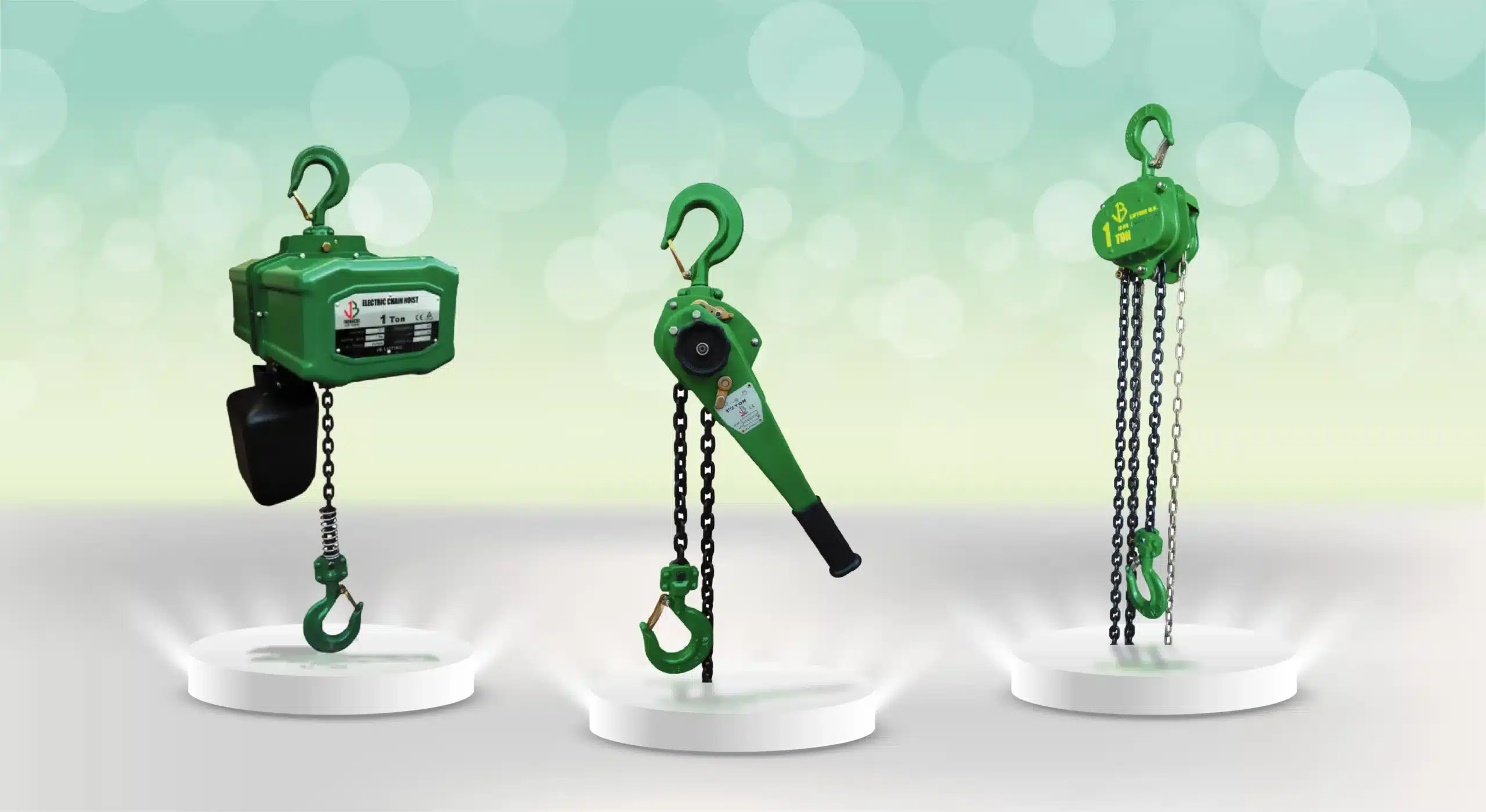
Understanding Lever Block Inspection Requirements
Lever block inspection is a critical process in ensuring the safety and efficiency of lifting operations. These inspections help identify potential defects and hazards before they lead to accidents. At Safe and Secure Trading Company (SSTC), we emphasize that adhering to inspection protocols is not just a regulatory requirement but a fundamental aspect of workplace safety. Through regular and thorough inspections, we can significantly reduce the risk of equipment failure and protect the well-being of workers.
Statistical Overview of Lifting Accidents
Lifting accidents are a significant concern in various industries, often resulting in severe injuries or fatalities. According to the Bureau of Labor Statistics, crane and hoist-related accidents account for a notable percentage of workplace injuries each year. Many of these incidents can be traced back to equipment failure due to inadequate inspection and maintenance. A study by the National Safety Council indicated that approximately 20% of lifting equipment failures are directly attributable to lack of proper inspection. This highlights the critical need for rigorous lever block inspection programs to mitigate these risks.
Regulatory Standards for Lever Block Inspections (OSHA, ASME)
Regulatory bodies such as OSHA (Occupational Safety and Health Administration) and ASME (American Society of Mechanical Engineers) set stringent standards for lever block inspections. OSHA mandates that all lifting equipment, including lever blocks, be inspected regularly to ensure they are in safe operating condition. ASME standards provide detailed guidelines on inspection procedures, frequency, and documentation requirements. These standards outline the responsibilities of employers and equipment operators in maintaining a safe working environment. Compliance with these regulations is essential not only for legal reasons but also for promoting a culture of safety within the organization.
Why Regular Inspections are Crucial
Regular lever block inspection is crucial for several reasons. First and foremost, it ensures the safety of personnel by identifying potential hazards before they cause accidents. Secondly, it helps to maintain the operational efficiency of lifting equipment by detecting minor issues that can be addressed before they escalate into major problems. Additionally, regular inspections extend the lifespan of the equipment by preventing excessive wear and tear. By adhering to a consistent inspection schedule, businesses can minimize downtime, reduce repair costs, and enhance overall productivity. As our team in Dubai often observes, proactive inspection programs are far more cost-effective than reactive repairs following equipment failure.
Pre-Use Inspection: A Daily Necessity
Pre-use inspection is a daily necessity that should be conducted before each operation involving a lever block. This brief but crucial check helps identify any obvious signs of damage or malfunction that could compromise safety. We advise that every operator be trained to perform these inspections as part of their routine. Neglecting this step can lead to serious consequences, as even minor defects can escalate under load.
Visual Inspection of the Lever Block Body
The initial step in a pre-use lever block inspection involves a thorough visual examination of the lever block body. Check for any signs of cracks, dents, or deformations. Pay close attention to the welds and joints, ensuring they are intact and free from any signs of stress. Also, inspect the housing for any damage that could affect the internal mechanisms. Any visible damage should be documented and the lever block immediately removed from service until it can be properly assessed and repaired.
Chain Inspection: Identifying Wear and Damage
Chain inspection is a critical component of the pre-use checklist. Examine the entire length of the chain for signs of wear, corrosion, or damage. Measure the chain’s link diameter to ensure it meets the manufacturer’s specifications. Look for any signs of stretching, kinking, or twisting. Pay close attention to the areas around the master links and connecting links, as these are often subject to higher stress. Any chain that shows excessive wear or damage should be replaced immediately. We once had a client who got stuck on this step; the trick is to use a precise caliper to measure the link diameter and compare it to the manufacturer’s specifications.
Hook Inspection: Checking for Deformities and Cracks
Hook inspection is another essential step in the pre-use process. Check the hooks for any signs of bending, cracking, or twisting. Ensure that the hook latch is functioning correctly and securely engages the hook tip. Pay close attention to the saddle and shank of the hook, as these areas are prone to stress fractures. Use a magnifying glass to inspect for surface cracks. Any hook that exhibits deformities or cracks should be immediately removed from service.
Load Testing: Ensuring Capacity and Safe Limits
Load testing, although typically part of a periodic inspection, a quick functional test can be performed during pre-use. Before any lift, ensure the lever block operates smoothly through a short lift cycle. Verify that the load chain moves freely and that the brake engages properly when the lever is released. Listen for any unusual noises or signs of binding. This simple test helps confirm the lever block’s basic functionality and ensures it is ready for safe operation.
Periodic Inspection: A Deeper Dive
Periodic inspection involves a more thorough examination of the lever block and its components, typically conducted at intervals specified by regulatory standards or the manufacturer’s recommendations. This inspection goes beyond the visual checks of the pre-use process and includes disassembly, measurement, and non-destructive testing. We find that a comprehensive periodic inspection can reveal hidden defects and prevent unexpected failures.
Disassembly and Component Examination: A Detailed Process
Disassembly of the lever block is a crucial step in the periodic inspection process. Carefully dismantle the lever block, following the manufacturer’s instructions. Clean each component thoroughly to remove any dirt, grease, or corrosion. Examine each part for signs of wear, damage, or degradation. Pay close attention to the internal mechanisms, such as gears, pawls, and ratchets. Replace any components that show signs of wear or damage. Reassemble the lever block according to the manufacturer’s specifications.
Non-Destructive Testing (NDT) Methods: When and How to Apply
Non-Destructive Testing (NDT) methods are used to detect hidden flaws and cracks without damaging the component. Common NDT methods include:
- Magnetic Particle Testing (MPT): Detects surface and near-surface cracks in ferromagnetic materials.
- Dye Penetrant Testing (DPT): Detects surface cracks and discontinuities in non-ferromagnetic materials.
- Ultrasonic Testing (UT): Detects internal flaws and measures material thickness.
Apply NDT methods to critical components such as hooks, load chains, and lever arms. Follow the appropriate testing procedures and interpret the results accurately. Any component that fails NDT should be replaced immediately.
Detailed Measurement of Critical Components
Detailed measurement of critical components is essential for assessing wear and tear. Use precision measuring tools, such as calipers and micrometers, to measure the dimensions of hooks, chains, and lever arms. Compare the measurements to the manufacturer’s specifications to determine if any components are outside the acceptable tolerance range. Record all measurements and document any deviations from the standard. Components that are worn beyond the specified limits should be replaced.
Documentation and Record Keeping for Compliance
Accurate documentation and record-keeping are vital for compliance and safety management. Maintain detailed records of all inspections, including the date, inspector’s name, findings, and any corrective actions taken. Store the records in a secure location and make them readily accessible for audits and reviews. Use a digital database to track inspection data and generate reports. Ensure that all documentation complies with regulatory requirements and industry best practices.
Key Components to Inspect Closely
Inspecting the critical components of a lever block is essential to ensuring its safe and reliable operation. Each component plays a vital role in the lifting process, and any defect can lead to catastrophic failure. Therefore, a thorough inspection of these key areas is paramount.
The Lever and Handle: Functionality and Damage
The lever and handle are critical for applying the necessary force to lift and lower loads. Inspect the lever for any signs of bending, cracking, or excessive wear. Ensure that the handle is securely attached and provides a comfortable grip. Check the pawl mechanism to ensure it engages properly and prevents slippage. Lubricate the moving parts to maintain smooth operation. Replace any damaged or worn components to ensure the lever block functions correctly.
The Load Chain: Wear, Elongation, and Corrosion Analysis
The load chain is one of the most critical components of a lever block, bearing the full weight of the load. Conduct a thorough inspection of the entire length of the chain, looking for signs of wear, elongation, corrosion, or damage. Measure the chain’s link diameter to ensure it meets the manufacturer’s specifications. Check for any signs of stretching, kinking, or twisting. Pay close attention to the areas around the master links and connecting links, as these are often subject to higher stress. Any chain that shows excessive wear or damage should be replaced immediately. Our team in Dubai has seen numerous failures due to neglected chain maintenance.
Hooks and Latches: Integrity and Security
Hooks and latches are essential for securely attaching the load to the lever block. Inspect the hooks for any signs of bending, cracking, or twisting. Ensure that the hook latch is functioning correctly and securely engages the hook tip. Pay close attention to the saddle and shank of the hook, as these areas are prone to stress fractures. Use a magnifying glass to inspect for surface cracks. Any hook that exhibits deformities or cracks should be immediately removed from service.
The Housing: Cracks, Deformations, and Overall Condition
The housing provides structural support and protection for the internal components of the lever block. Inspect the housing for any signs of cracks, dents, or deformations. Pay close attention to the welds and joints, ensuring they are intact and free from any signs of stress. Also, inspect the housing for any damage that could affect the internal mechanisms. Any visible damage should be documented, and the lever block should be immediately removed from service until it can be properly assessed and repaired.
Identifying Common Lever Block Defects
Identifying common lever block defects is crucial for preventing accidents and ensuring the safe operation of lifting equipment. Recognizing these issues early allows for timely repairs and replacements, minimizing the risk of equipment failure. We at SSTC believe that proactive defect identification is a cornerstone of effective safety management.
Chain Wear and Elongation: Quantifying the Problem
Chain wear and elongation are common issues that can significantly reduce the load-bearing capacity of a lever block. Measure the chain’s link diameter and overall length to quantify the extent of wear and elongation. Compare the measurements to the manufacturer’s specifications to determine if the chain is within acceptable limits. Excessive wear can lead to chain breakage, while elongation can cause the load to slip. Chains that exceed the allowable wear or elongation limits should be replaced immediately.
Hook Deformities: Bending, Cracking, and Twisting
Hook deformities, such as bending, cracking, and twisting, can compromise the integrity of the hook and increase the risk of load detachment. Inspect the hooks for any visible signs of deformation. Use a magnifying glass to check for surface cracks, especially in high-stress areas like the saddle and shank. Hooks that exhibit any signs of deformation should be removed from service and replaced.
Lever and Pawl Issues: Ensuring Proper Engagement
Lever and pawl issues can prevent the lever block from operating correctly, leading to uncontrolled movement of the load. Check the lever for any signs of bending or damage. Ensure that the pawl mechanism engages properly and prevents slippage. Lubricate the moving parts to maintain smooth operation. Replace any damaged or worn components to ensure the lever block functions correctly.
Housing Damage: Identifying Critical Flaws
Housing damage, such as cracks, dents, or deformations, can compromise the structural integrity of the lever block and affect the alignment of internal components. Inspect the housing for any visible signs of damage. Pay close attention to the welds and joints, ensuring they are intact and free from any signs of stress. Also, inspect the housing for any damage that could affect the internal mechanisms. Any visible damage should be documented, and the lever block should be immediately removed from service until it can be properly assessed and repaired.
Using a Lever Block Inspection Checklist
Implementing a lever block inspection checklist is essential for ensuring thorough and consistent inspections. A well-designed checklist helps inspectors systematically evaluate each component and identify potential defects. At SSTC, we recommend using a checklist as a standard operating procedure for all lever block inspections.
Creating a Comprehensive Inspection Checklist
Creating a comprehensive inspection checklist involves identifying all critical components and potential failure points. Include items such as:
- Visual inspection of the lever block body
- Chain inspection for wear, corrosion, and damage
- Hook inspection for bending, cracking, and latch functionality
- Lever and pawl mechanism functionality
- Housing inspection for cracks, dents, and deformations
- Load testing to verify capacity and safe limits
Tailor the checklist to the specific type and model of lever block. Ensure that the checklist is easy to use and understand.
Implementing the Checklist in Daily Operations
Implementing the checklist in daily operations requires training all personnel involved in lever block inspections. Provide clear instructions on how to use the checklist and what to look for during the inspection. Emphasize the importance of completing the checklist accurately and consistently. Integrate the checklist into the daily workflow to ensure that inspections are performed regularly and documented properly.
Checklist Customization Based on Application
Checklist customization based on application is crucial for addressing specific environmental conditions and usage patterns. Modify the checklist to include additional inspection points relevant to the particular industry or task. For example, lever blocks used in corrosive environments may require more frequent inspection of the chain and housing for signs of corrosion. Adjust the checklist to reflect the specific requirements of each application.
Digital Inspection Tools for Enhanced Efficiency
Digital inspection tools can significantly enhance the efficiency and accuracy of lever block inspections. Use mobile apps or software to create digital checklists that can be accessed on smartphones or tablets. These tools allow inspectors to record findings, take photos, and generate reports in real-time. Digital inspection tools also facilitate data analysis and trend tracking, enabling proactive maintenance and continuous improvement.
| Inspection Item |
Description |
Pass/Fail |
Comments |
| Lever Block Body |
Visual inspection for cracks, dents, or deformations. |
|
|
| Chain |
Inspection for wear, corrosion, and damage. Measure link diameter. |
|
|
| Hooks |
Inspection for bending, cracking, and latch functionality. |
|
|
| Lever and Pawl |
Check mechanism functionality. Ensure proper engagement. |
|
|
| Housing |
Inspection for cracks, dents, and deformations. |
|
|
| Load Test |
Verify capacity and safe limits. |
|
|
The Role of Load Testing in Inspections
Load testing plays a critical role in lever block inspection by verifying the equipment’s capacity and ensuring it can safely handle the intended loads. This process is not just about meeting regulatory requirements; it’s about providing a tangible assurance of safety and reliability. We at SSTC view load testing as an indispensable part of a comprehensive inspection program.
Understanding Load Test Procedures and Requirements
Understanding load test procedures and requirements is essential for conducting accurate and reliable tests. Load testing typically involves applying a test load that exceeds the lever block’s rated capacity by a specified percentage (e.g., 125%). The load should be applied gradually and held for a specified duration (e.g., 10 minutes). During the test, monitor the lever block for any signs of deformation, cracking, or slippage. Follow the procedures outlined in the relevant standards (e.g., ASME B30.21) and document all test parameters and results.
Interpreting Load Test Results
Interpreting load test results requires a thorough understanding of the equipment’s performance characteristics. A successful load test demonstrates that the lever block can safely support the test load without any signs of distress. Any deformation, cracking, or slippage during the test indicates a failure. Compare the test results to the manufacturer’s specifications and regulatory requirements to determine if the lever block is fit for service. Document all findings and take appropriate corrective actions.
Frequency of Load Testing Based on Usage
The frequency of load testing should be determined based on the lever block’s usage and environmental conditions. Lever blocks used in heavy-duty applications or harsh environments may require more frequent load testing than those used in light-duty applications. Regulatory standards may also specify minimum load testing intervals. A general guideline is to perform load testing at least annually or after any major repairs or modifications.
Documenting Load Test Outcomes
Documenting load test outcomes is crucial for maintaining a comprehensive inspection record. Record the date, test load, duration, and results of each load test. Include the inspector’s name, equipment identification, and any relevant observations. Store the records in a secure location and make them readily accessible for audits and reviews. Use a digital database to track load test data and generate reports. Ensure that all documentation complies with regulatory requirements and industry best practices.
> “Regular load testing is essential to verify the integrity of lifting equipment and ensure it can safely handle the intended loads.” – John Smith, Lead Safety Inspector
Safety Precautions During Inspections
Safety precautions during lever block inspections are paramount to protecting inspectors from potential hazards. These precautions encompass lockout/tagout procedures, personal protective equipment (PPE) requirements, proper handling of lifting equipment, and avoiding common inspection pitfalls. We at SSTC emphasize that safety must always be the top priority during any inspection activity.
Lockout/Tagout Procedures
Lockout/tagout procedures are essential for preventing accidental activation of the lever block during inspection. Before beginning any inspection, ensure that the lever block is disconnected from its power source and properly locked out. Apply a tag indicating that the equipment is out of service and should not be operated. Follow the established lockout/tagout procedures to prevent unexpected movement or energization of the equipment.
Personal Protective Equipment (PPE) Requirements)
Personal Protective Equipment (PPE) is necessary to protect inspectors from potential hazards during lever block inspections. At a minimum, inspectors should wear safety glasses, gloves, and appropriate footwear. Additional PPE may be required depending on the specific hazards present in the work environment. Ensure that all PPE is in good condition and properly fitted. Enforce the use of PPE to minimize the risk of injury.
Proper Handling of Lifting Equipment
Proper handling of lifting equipment is crucial for preventing accidents and injuries during lever block inspections. Use appropriate lifting techniques to move and position the lever block. Avoid lifting heavy components manually; use mechanical lifting aids whenever possible. Ensure that the work area is clear of obstructions and hazards. Follow safe work practices to minimize the risk of strains, sprains, and other injuries.
Avoiding Common Inspection Pitfalls
Avoiding common inspection pitfalls is essential for conducting thorough and accurate lever block inspections. Common pitfalls include:
- Rushing through the inspection
- Failing to use a checklist
- Overlooking subtle signs of damage
- Not documenting findings properly
- Neglecting to follow safety procedures
Train inspectors to recognize and avoid these pitfalls. Emphasize the importance of attention to detail and thoroughness. Provide ongoing training to reinforce safe inspection practices.
Analyzing Inspection Data for Continuous Improvement
Analyzing inspection data is critical for identifying trends, implementing corrective actions, and improving maintenance schedules. By tracking inspection findings over time, organizations can proactively address potential issues and prevent equipment failures. At SSTC, we advocate for a data-driven approach to lever block inspection and maintenance.
Tracking Inspection Findings Over Time
Tracking inspection findings over time allows organizations to identify recurring issues and patterns. Use a digital database to record inspection data, including the date, inspector’s name, findings, and corrective actions taken. Generate reports to track the frequency and severity of different types of defects. Analyze the data to identify trends and patterns that may indicate underlying problems.
Identifying Trends and Patterns
Identifying trends and patterns in inspection data can reveal systemic issues that require attention. For example, if a particular type of defect is consistently found on lever blocks from a specific manufacturer, it may indicate a design or manufacturing flaw. If certain lever blocks are experiencing excessive wear or damage, it may indicate that they are being used in an inappropriate application or that the maintenance schedule is inadequate.
Implementing Corrective Actions
Implementing corrective actions is essential for addressing the issues identified during lever block inspections. Develop a system for tracking corrective actions and ensuring that they are completed in a timely manner. Verify the effectiveness of corrective actions to ensure that they have resolved the underlying problems. Document all corrective actions and their outcomes.
Improving Maintenance Schedules
Improving maintenance schedules based on inspection data can help prevent equipment failures and extend the lifespan of lever blocks. Adjust the maintenance schedule to address recurring issues or patterns identified in the inspection data. Increase the frequency of inspections for lever blocks that are experiencing excessive wear or damage. Implement preventive maintenance measures to address potential problems before they lead to equipment failures.
Training and Competency for Inspectors
Training and competency for inspectors are fundamental to ensuring the accuracy and reliability of lever block inspections. Qualified and well-trained inspectors are more likely to identify potential defects and adhere to safety procedures. We at SSTC believe that investing in inspector training is an investment in workplace safety.
Required Qualifications and Certifications
Required qualifications and certifications for lever block inspectors may vary depending on regulatory requirements and industry standards. However, a general guideline is that inspectors should have a thorough understanding of lever block operation, inspection procedures, and safety regulations. They should also be certified by a recognized organization or have completed a formal training program. Ensure that all inspectors meet the minimum qualifications and certifications.
Ongoing Training and Development
Ongoing training and development are essential for keeping inspectors up-to-date on the latest inspection techniques and safety regulations. Provide regular training sessions to reinforce key concepts and address any new developments in the field. Encourage inspectors to attend industry conferences and workshops to expand their knowledge and skills. Support their professional development by providing opportunities for advancement and certification.
Ensuring Inspector Competency
Ensuring inspector competency requires a combination of training, experience, and evaluation. Provide inspectors with hands-on training and mentoring to develop their skills. Evaluate their performance through regular audits and assessments. Provide feedback and coaching to help them improve their inspection techniques. Recognize and reward inspectors who demonstrate exceptional competency.
The Impact of Trained Inspectors on Safety
The impact of trained inspectors on safety is significant. Trained inspectors are more likely to identify potential defects and prevent equipment failures, reducing the risk of accidents and injuries. They are also more likely to adhere to safety procedures and follow best practices. By investing in inspector training, organizations can create a safer and more productive work environment.
Consequences of Neglecting Lever Block Inspections
Neglecting lever block inspections can lead to a range of severe consequences, including increased risk of accidents and injuries, legal and financial liabilities, damage to equipment and property, and a negative impact on productivity and operations. We at SSTC strongly advise against neglecting these critical inspections.
Increased Risk of Accidents and Injuries
The most immediate consequence of neglecting lever block inspections is an increased risk of accidents and injuries. Undetected defects can lead to equipment failure, causing loads to drop unexpectedly or lever blocks to malfunction during operation. These incidents can result in serious injuries or fatalities for workers in the vicinity. Prioritizing regular inspections is essential for protecting the safety and well-being of personnel.
Legal and Financial Liabilities
Neglecting lever block inspections can also result in significant legal and financial liabilities. Regulatory agencies such as OSHA may impose fines and penalties for non-compliance with inspection requirements. In the event of an accident, the organization may be held liable for damages, medical expenses, and lost wages. The cost of litigation and settlements can be substantial. Compliance with inspection regulations is crucial for minimizing legal and financial risks.
Damage to Equipment and Property
Equipment failure due to neglected lever block inspections can cause damage to equipment and property. Falling loads can damage machinery, structures, and other assets in the work area. The cost of repairing or replacing damaged equipment can be significant. Regular inspections help prevent equipment failures and protect valuable assets.
Impact on Productivity and Operations
Neglecting lever block inspections can have a negative impact on productivity and operations. Equipment failures can cause downtime, disrupting workflows and delaying projects. The cost of repairs and replacements can also reduce profitability. By maintaining a proactive inspection and maintenance program, organizations can minimize downtime and improve overall productivity.
Conclusion
We’ve explored the critical importance of lever block inspection, covering everything from regulatory standards and pre-use checks to periodic deep dives and the consequences of neglect. By implementing a comprehensive inspection program, you enhance safety, extend equipment lifespan, and ensure operational efficiency. Remember, a well-maintained lever block is a safe and reliable lever block. We are confident that by following the guidelines provided, you can create a safer and more productive work environment.
FAQ Section
Q: How often should I perform a lever block inspection?
A: The frequency of lever block inspections depends on several factors, including usage, environmental conditions, and regulatory requirements. A pre-use inspection should be conducted before each operation, while a periodic inspection should be performed at least annually or more frequently for heavy-duty applications.
Q: What are the key components to inspect on a lever block?
A: The key components to inspect include the lever block body, load chain, hooks and latches, lever and pawl mechanism, and housing. Each component should be thoroughly examined for signs of wear, damage, or deformation.
Q: What should I do if I find a defect during a lever block inspection?
A: If you find a defect during a lever block inspection, immediately remove the lever block from service. Tag it as “Out of Service” and notify your supervisor. Do not attempt to repair the lever block yourself unless you are qualified to do so.
Q: What is the purpose of load testing a lever block?
A: Load testing verifies the lever block’s capacity and ensures it can safely handle the intended loads. It involves applying a test load that exceeds the lever block’s rated capacity and monitoring for any signs of deformation, cracking, or slippage.
Q: What are the regulatory standards for lever block inspections?
A: Regulatory standards for lever block inspections are set by organizations such as OSHA and ASME. These standards outline the requirements for inspection procedures, frequency, and documentation.
Q: How can I improve the efficiency of lever block inspections?
A: You can improve the efficiency of lever block inspections by using a comprehensive inspection checklist, implementing digital inspection tools, and providing ongoing training for inspectors.