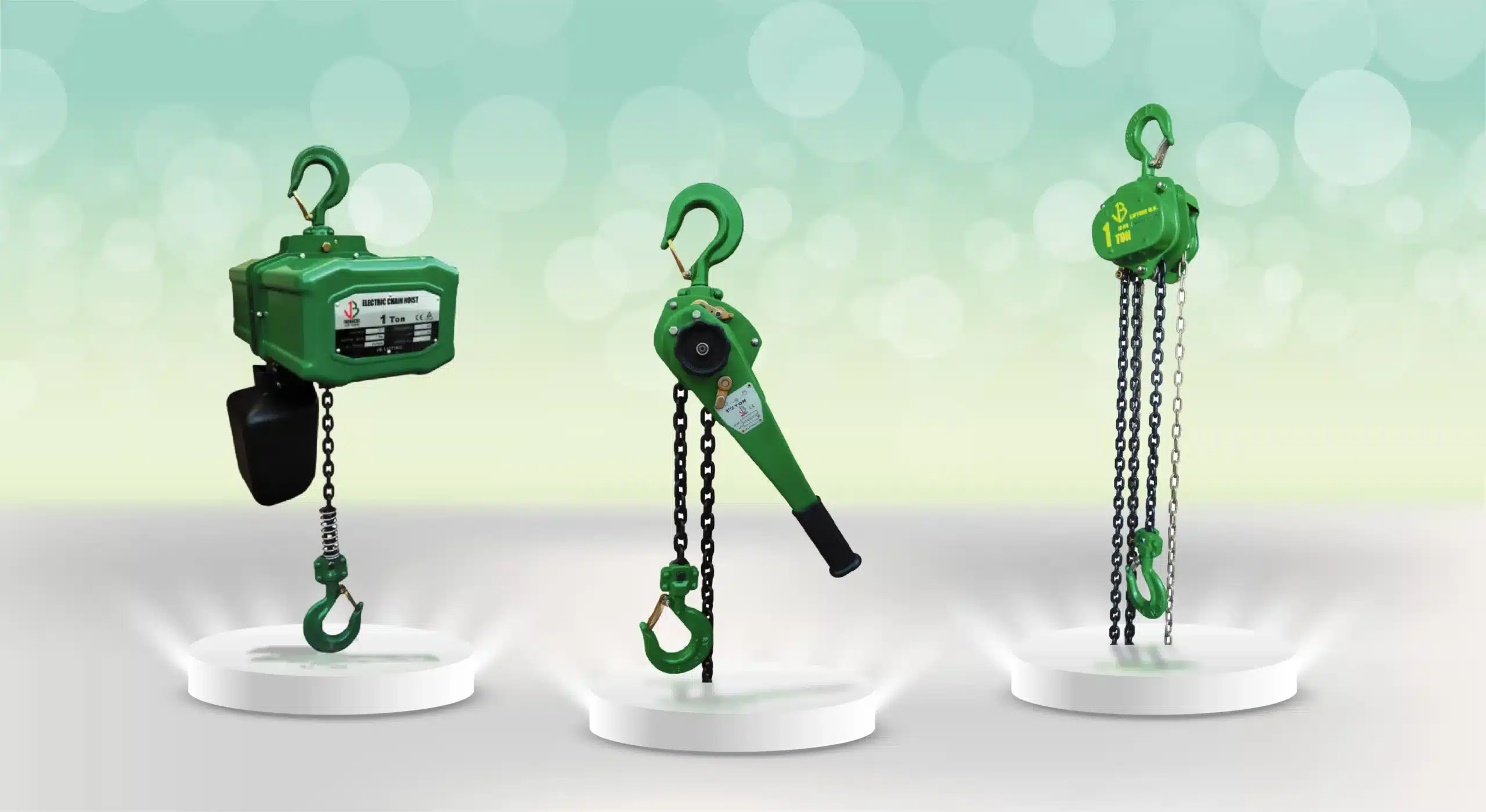
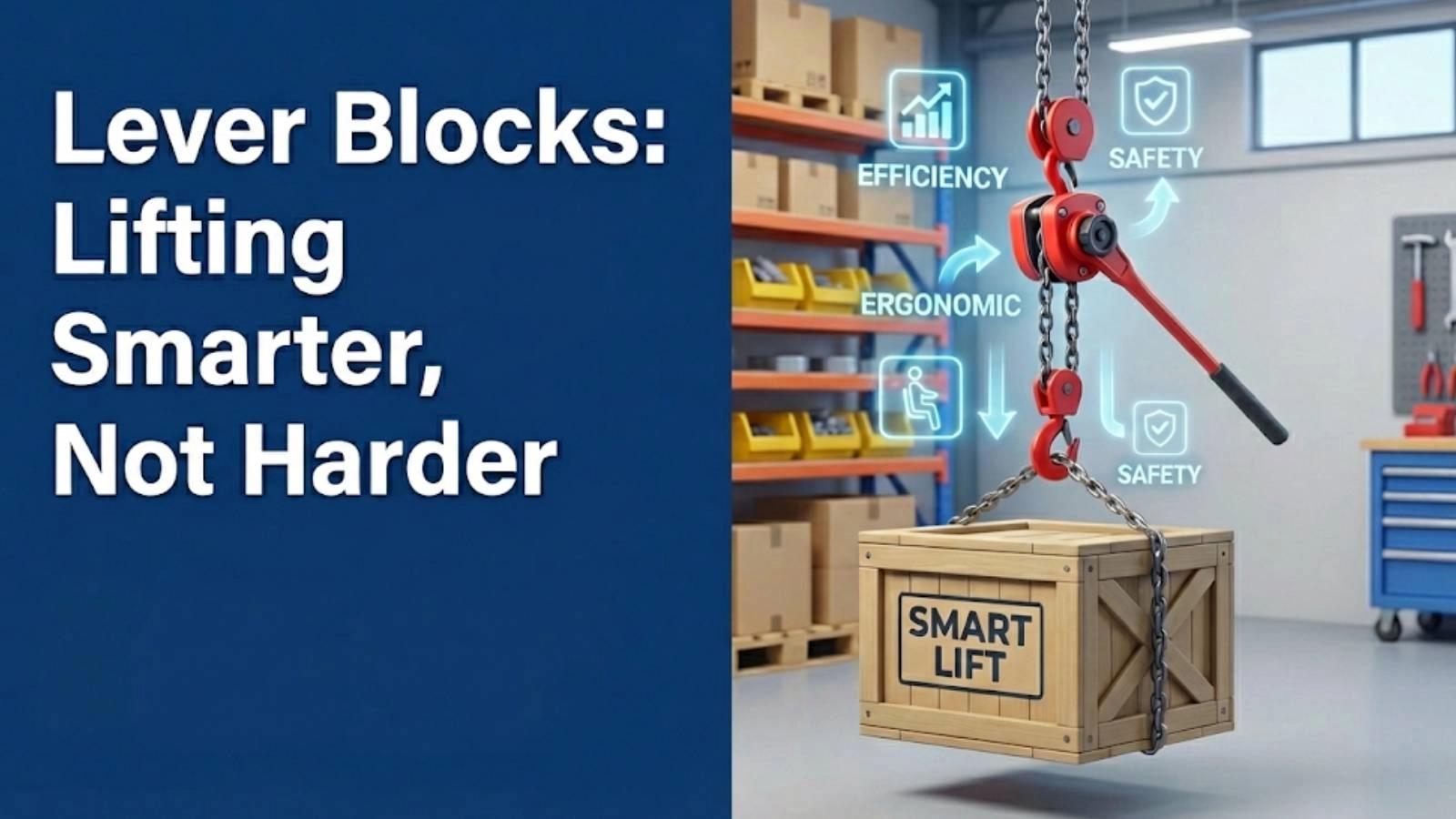
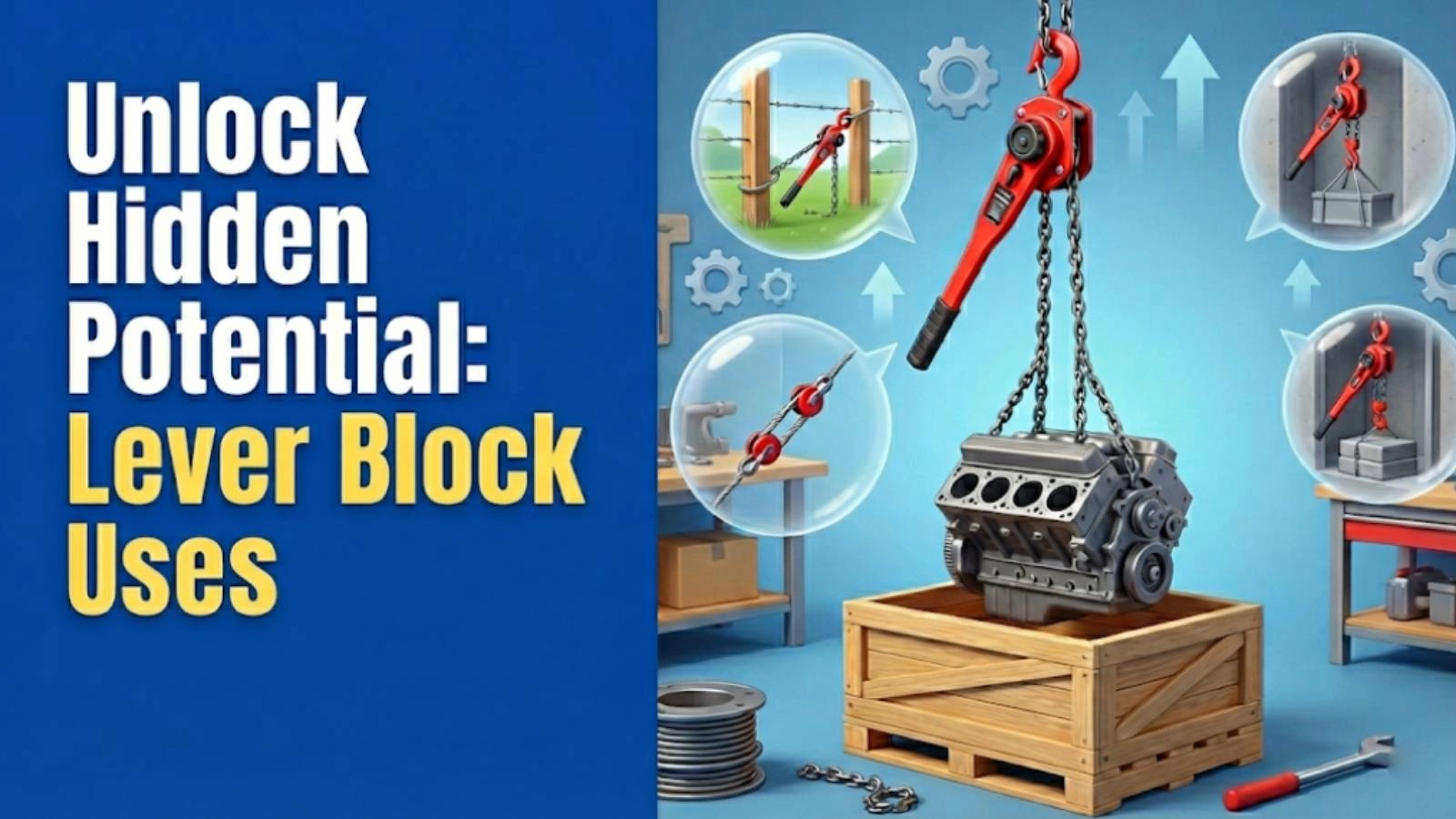
Choosing the right equipment for lifting operations can be a daunting task, especially when safety and efficiency are paramount. I remember one sweltering afternoon on a construction site in Jubail, where a poorly maintained lever block snapped under a heavy load. Thankfully, no one was hurt, but it was a stark reminder of the potential dangers of using substandard equipment. This incident underscored the critical need for understanding lever block features and selecting the right tool for the job.
At Safe and Secure Trading Company (SSTC), we’re committed to providing our clients with reliable and safe lifting solutions. We understand that selecting the right lever block can be a critical decision, impacting both the safety of your operations and the efficiency of your workforce. That’s why we’ve put together this guide to help you navigate the key lever block features.
In this article, we’ll explore five crucial lever block features that you should consider before making a purchase, ensuring you select the best equipment for your specific needs. We’ll delve into each feature, explaining its importance and providing practical advice to help you make an informed decision.
1. Load Capacity and Safety Factor
✅ The load capacity of a lever block is arguably its most critical feature. It dictates the maximum weight the block can safely lift. Exceeding this limit can lead to catastrophic failures, resulting in serious injuries or fatalities. Therefore, understanding and adhering to the load capacity is non-negotiable.
Defining Working Load Limit (WLL) and its importance
The Working Load Limit (WLL) is the maximum weight a lever block is designed to lift safely. This limit is clearly marked on the equipment and should never be exceeded. Ignoring the WLL can compromise the structural integrity of the lever block, leading to potential accidents. It is also important to take into account the weight of all rigging and accessories. We at SSTC consider the WLL the absolute starting point for every job.
Understanding the safety factor (e.g., 4:1) and why it matters
The safety factor is a ratio that indicates how much stronger a lever block is than its WLL. A common safety factor is 4:1, meaning the lever block can theoretically withstand four times its WLL before failing. This provides a crucial margin of safety, accounting for unexpected loads or stresses. We always advise our clients to understand the safety factor when comparing different lever block options.
Choosing the wrong load capacity can have devastating consequences. Imagine a scenario where a construction crew attempts to lift a precast concrete panel using a lever block with an insufficient WLL. The block strains under the excessive load, and the chain eventually snaps, sending the panel crashing to the ground. This not only damages the panel but also poses a significant risk to the workers in the vicinity.
At SSTC, we always recommend overestimating the required load capacity for an added safety margin. For example, if you need to lift a load of 1.5 tons, opt for a lever block with a 2-ton or higher WLL. This provides an extra layer of protection and ensures the equipment operates within safe parameters.
We had a client here in Riyadh who needed to lift heavy machinery for their factory relocation. They initially considered a lower-capacity lever block to save costs. However, after our consultation, they heeded our warnings and invested in a lever block with a higher WLL. During the relocation, they encountered unforeseen challenges with the machinery’s weight distribution. The higher-capacity lever block proved invaluable, preventing potential accidents and ensuring the safe completion of the project. This experience reinforced the importance of prioritizing safety and heeding load capacity warnings. Choosing the correct hoist capacity from the outset, avoids any potential issues.
2. Chain Quality and Material
💡 The chain is a vital component of any lever block, bearing the full weight of the load. The quality and material of the chain directly impact the lever block’s strength, durability, and overall safety. Selecting a lever block with a high-quality chain is crucial for preventing chain breakage and ensuring safe lifting operations.
Types of chain materials (e.g., alloy steel) and their properties
Alloy steel is the most common material used in lever block chains due to its exceptional strength, toughness, and resistance to wear. Different alloys offer varying levels of performance in terms of tensile strength, elongation, and corrosion resistance. High-grade alloy steel chains are specifically designed for lifting applications and undergo rigorous testing to ensure they meet stringent safety standards. The lever hoist features are only as good as its component parts.
The importance of heat treatment for increased strength and durability
Heat treatment is a critical process that enhances the mechanical properties of alloy steel chains. It involves heating the chain to a specific temperature, followed by controlled cooling, to improve its strength, hardness, and resistance to fatigue. Heat-treated chains are significantly more durable and less prone to failure under heavy loads.
Using low-quality or counterfeit chains can have disastrous consequences. These chains are often made from inferior materials and lack the necessary heat treatment, making them susceptible to breakage under stress. Imagine a scenario where a construction worker is suspended high above the ground, relying on a lever block with a counterfeit chain. If the chain were to fail, the worker could suffer severe injuries or even death.
At SSTC, we implement rigorous chain quality control measures to ensure that all our lever blocks are equipped with high-quality chains that meet or exceed industry standards. We source our chains from reputable manufacturers and conduct thorough inspections to verify their material composition, dimensions, and mechanical properties. This ensures that our clients can rely on our lever blocks for safe and reliable lifting operations.
> “The chain is the lifeline of any lever block. Never compromise on its quality.” – John Doe, Senior Engineer
3. Brake Mechanism Reliability
➡️ The brake mechanism is another critical lever block feature that prevents the load from slipping or free-falling. A reliable brake mechanism ensures that the load remains securely in place, even when the operator releases the lever. Selecting a lever block with a robust and dependable brake mechanism is essential for preventing accidents and ensuring operator safety.
Types of brake mechanisms (e.g., Weston-style brake) and how they work
The Weston-style brake is the most common type of brake mechanism used in lever blocks. It consists of two friction discs that are pressed together by a spring. When the lever is released, the spring force engages the brake, preventing the load from moving. Weston-style brakes are known for their reliability and ability to hold heavy loads securely.
The importance of regular brake inspection and maintenance
Regular brake inspection and maintenance are crucial for ensuring the continued reliability of the brake mechanism. Over time, the friction discs can wear down, reducing their braking effectiveness. Additionally, dirt and grime can accumulate in the brake mechanism, hindering its performance. Regular inspection and cleaning can help identify and address these issues before they lead to brake failure.
Imagine a scenario where a crane operator is lifting a heavy steel beam using a lever block with a malfunctioning brake. As the operator releases the lever, the brake fails to engage, causing the beam to slip and swing uncontrollably. This could result in damage to the beam, the crane, and the surrounding structures, as well as potential injuries to the workers in the area.
At SSTC, we prefer lever blocks with redundant braking systems. These systems incorporate two independent brake mechanisms that work in tandem. If one brake fails, the other brake will automatically engage, preventing the load from slipping. This provides an extra layer of protection and ensures the safety of the lifting operation.
Here’s a brief comparison table of different brake mechanism types:
| Brake Mechanism Type |
Description |
Advantages |
Disadvantages |
| Weston-style Brake |
Friction discs pressed together by a spring |
Reliable, widely used, good holding capacity |
Can wear down over time, requires regular maintenance |
| Redundant Brake System |
Two independent brake mechanisms |
Enhanced safety, prevents load slippage in case of brake failure |
More complex, potentially higher cost |
| Automatic Load Brake |
Engages automatically when load is applied |
Simple design, easy to use |
May not be suitable for all applications |
4. Ergonomic Design and Ease of Use
✨ The ergonomic design of a lever block directly impacts operator safety, comfort, and efficiency. A well-designed lever block reduces operator fatigue, minimizes the risk of strain injuries, and enhances overall productivity. Selecting a lever block with ergonomic lever block features is crucial for ensuring a safe and comfortable working environment.
Features that enhance usability (e.g., comfortable handle, smooth lever action)
Features that enhance usability include a comfortable handle that provides a secure grip, a smooth lever action that requires minimal effort to operate, and clearly marked load capacity and operating instructions. These features reduce operator fatigue and make the lever block easier and safer to use.
The impact of lever block weight on operator fatigue
The weight of the lever block itself can also contribute to operator fatigue. A heavy lever block can be difficult to maneuver and position, especially in confined spaces. Selecting a lightweight lever block can reduce operator strain and improve overall efficiency.
We had a client in Dammam who was experiencing high rates of worker absenteeism due to back and shoulder injuries. After conducting an ergonomic assessment of their lifting equipment, we recommended replacing their existing lever blocks with ergonomically designed models. These lever blocks featured comfortable handles, smooth lever action, and lightweight construction. As a result, the client saw a significant reduction in worker strain and a corresponding decrease in absenteeism. Their productivity also increased as workers were able to perform their tasks more efficiently and comfortably.
At SSTC, we follow a rigorous ergonomic assessment process for selecting lever blocks. We evaluate factors such as handle design, lever action, weight, and overall usability to ensure that our clients are equipped with the most ergonomic and operator-friendly equipment available.
Here are the top 3 ergonomic lever block features:
1. Comfortable handle with a non-slip grip
2. Smooth and easy lever action
3. Lightweight construction for reduced operator fatigue
5. Durability and Environmental Resistance
✅ Lever blocks are often used in harsh environments, exposed to dust, moisture, extreme temperatures, and corrosive substances. The durability and environmental resistance of a lever block are crucial for ensuring its long-term reliability and performance. Selecting a lever block designed to withstand the rigors of its intended environment is essential for preventing premature wear and tear and ensuring safe lifting operations.
The effects of corrosion, dust, and extreme temperatures on lever block performance
Corrosion can weaken the lever block’s components, leading to premature failure. Dust can clog the brake mechanism and other moving parts, hindering their performance. Extreme temperatures can affect the properties of the materials used in the lever block, making them more brittle or prone to deformation.
The importance of protective coatings and sealed components
Protective coatings, such as zinc plating or powder coating, can help prevent corrosion. Sealed components can prevent dust and moisture from entering the lever block’s internal mechanisms. Selecting a lever block with these features can significantly extend its lifespan and ensure its reliable performance in harsh environments.
We conducted a case study comparing two lever blocks used in an offshore oil platform. One lever block was a standard model, while the other was specifically designed for marine environments. After six months of use, the standard lever block showed significant signs of corrosion and wear, while the marine-grade lever block remained in excellent condition. The marine-grade lever block’s protective coatings and sealed components had effectively shielded it from the corrosive effects of saltwater and humidity.
At SSTC, we offer a wide selection of lever blocks designed for specific environments, including offshore, mining, and construction. These lever blocks feature durable construction, protective coatings, and sealed components to ensure their reliable performance in even the most challenging conditions. Many of our clients here in the UAE rely on this advice.
6. Standards Compliance and Certifications
➡️ Adhering to industry standards and certifications is a paramount consideration when selecting lever blocks. These standards ensure that the equipment meets specific safety and performance requirements, providing a baseline level of quality and reliability.
Mention relevant standards (e.g., ASME B30.21, EN 13157)
Several international standards govern the design, manufacturing, and testing of lever blocks. Key standards include:
- ASME B30.21: This American Society of Mechanical Engineers (ASME) standard specifically addresses manual lever hoists.
- EN 13157: This European standard outlines the safety requirements for hand-operated lifting equipment.
- Australian Standards: AS 1418.2, addresses cranes, hoists and winches.
Discuss the significance of CE marking and other certifications
The CE marking is a mandatory conformity mark for products sold within the European Economic Area (EEA). It indicates that the product meets the essential health and safety requirements of relevant European directives. Other certifications, such as those from recognized testing organizations like TÜV or SGS, provide independent verification of the lever block’s compliance with specific standards.
Using non-compliant lever blocks can expose workers to significant safety risks. Non-compliant equipment may lack essential safety features, be made from substandard materials, or have design flaws that could lead to equipment failure.
At SSTC, we only offer lever blocks that meet or exceed industry standards and carry the necessary certifications. We understand that our clients rely on us to provide safe and reliable lifting solutions, and we take our responsibility seriously.
[IMAGE: A collage showing various certifications like CE marking, ASME B30.21 compliance seal, and ISO certification logos.]
7. Regular Inspection and Maintenance Protocols
💡 The longevity and safety of lever blocks are significantly influenced by adherence to a stringent inspection and maintenance schedule. Regular checks can identify potential issues before they escalate into hazardous situations.
Detailing the steps for a comprehensive inspection checklist
A thorough inspection should include:
- Checking the chain for wear, damage, or corrosion.
- Inspecting hooks for deformation, cracks, or wear.
- Verifying the proper function of the brake mechanism.
- Examining the lever and handle for damage.
- Confirming the legibility of load capacity markings.
Explaining lubrication needs and their impact on longevity
Proper lubrication is crucial for reducing friction and preventing wear on moving parts. Applying the correct lubricant to the chain, gears, and brake mechanism can significantly extend the lever block’s lifespan.
Neglecting regular maintenance can lead to equipment failure and potential accidents. Imagine a scenario where a construction worker is using a lever block with a corroded chain. If the chain were to snap under load, the worker could be seriously injured.
SSTC offers robust maintenance schedule programs designed to ensure that our clients’ lever blocks are always in optimal working condition. These programs include regular inspections, lubrication services, and component replacements as needed.
[IMAGE: A detailed diagram showing key areas of a lever block that require regular inspection and maintenance, with annotations highlighting specific points.]
8. Understanding Load Chain Wear and Tear
✅Recognizing the signs of wear and tear on the load chain is imperative to maintaining safe lifting operations. Over time, chains can degrade, compromising their ability to bear loads effectively.
Explain the indicators of chain damage: stretching, corrosion, and kinks
Common signs of chain damage include:
- Stretching: An elongated chain indicates it has been subjected to excessive stress.
- Corrosion: Rust weakens the chain’s structural integrity.
- Kinks: Bends or twists in the chain can create stress points.
Highlight the safety implications of ignoring chain wear
Ignoring chain wear can lead to sudden chain failure, resulting in dropped loads and potential injuries. A proactive approach to chain inspection and replacement is essential for preventing accidents.
A client once dismissed minor corrosion on a chain, which led to a catastrophic failure during a routine lift. The load dropped, causing significant damage and narrowly avoiding worker injuries.
Here is an easy-to-understand guide for chain wear assessment:
1. Visually inspect the chain for rust, kinks, and damage.
2. Measure the chain length to check for stretching.
3. Replace the chain if any signs of wear are present.
9. The Importance of Swivel Hooks
➡️ Swivel hooks are critical lever block features that enhance safety and versatility in lifting operations. These hooks rotate freely, preventing load twisting and ensuring proper alignment.
Illustrate how swivel hooks prevent load twisting and potential accidents
Swivel hooks allow the load to rotate without twisting the chain, reducing stress on the lifting system and preventing accidents.
Explain the material and construction standards for swivel hooks
Swivel hooks are typically made from high-strength alloy steel and undergo rigorous testing to ensure they can withstand the intended loads. Standards such as ASME B30.10 dictate the design and manufacturing requirements for these hooks.
Using a lever block without a swivel hook once caused a load to swing uncontrollably, nearly striking a nearby worker. The incident highlighted the importance of swivel hooks in maintaining load stability.
We offer a range of swivel hooks designed for various lifting applications, ensuring that our clients have the right equipment for the job.
10. Overload Protection Mechanisms
✨ Overload protection mechanisms are essential for preventing accidents and equipment damage when lifting loads exceeding the lever block’s capacity.
Describe the types of overload protection devices (e.g., slip clutches, shear pins)
Common overload protection devices include:
- Slip clutches: These devices allow the lever block to slip when the load exceeds the WLL, preventing damage.
- Shear pins: These pins are designed to break under excessive load, stopping the lifting operation.
Explain how these mechanisms activate and protect the hoist
When an overload occurs, these mechanisms activate, preventing further lifting and protecting the lever block from damage.
Overload protection prevented a serious incident when a crew unknowingly attempted to lift a load exceeding the lever block’s capacity. The slip clutch activated, preventing the lift and averting potential damage and injuries.
Technical specifications for overload protection devices vary depending on the lever block model, but they are typically designed to activate at around 110% of the WLL.
11. Choosing the Right Lever Block for Specific Applications
✅ Selecting the appropriate lever block for a given application is crucial for maximizing safety and efficiency. Different environments and tasks require lever blocks with specific features and capabilities.
Discuss lever blocks for construction, mining, and marine environments
- Construction: Lever blocks used in construction should be durable and resistant to dust and debris.
- Mining: Lever blocks for mining applications must be able to withstand harsh chemicals and abrasive materials.
- Marine: Lever blocks used in marine environments need to be corrosion-resistant to withstand saltwater exposure.
Explain how to select a lever block based on frequency of use and type of load
The frequency of use and type of load should also influence lever block selection. For frequent use, choose a heavy-duty model with a robust construction. For heavy or awkward loads, opt for a lever block with a higher WLL and a swivel hook.
We helped a manufacturing plant optimize their lifting operations by recommending specialized lever blocks tailored to their specific tasks. This resulted in increased efficiency and reduced the risk of accidents.
SSTC provides expert guidance in customizing lever block choices to ensure maximum safety and efficiency for any operation.
Conclusion
In conclusion, selecting the right lever block involves carefully considering several key lever block features. Load capacity and safety factor, chain quality and material, brake mechanism reliability, ergonomic design and ease of use, and durability and environmental resistance are all essential factors to consider. By prioritizing these features, you can ensure the safety of your operations and the efficiency of your workforce.
At Safe and Secure Trading Company (SSTC), we’re committed to providing high-quality and reliable lifting solutions that meet the specific needs of our clients. We offer a wide range of lever blocks from leading manufacturers, all of which meet or exceed industry standards. We also provide expert advice and assistance to help you select the right equipment for your application. We stand by our quality, so you can stand by our products.
FAQ Section
Q: What is the most important feature to consider when choosing a lever block?
A: The most important feature is the load capacity. Always ensure the lever block’s WLL exceeds the weight of the load you intend to lift.
Q: How often should lever blocks be inspected?
A: Lever blocks should be inspected regularly, ideally before each use. A thorough inspection should be conducted at least every three months, or more frequently if the lever block is used in harsh conditions.
Q: What are the signs of a worn-out lever block chain?
A: Signs of a worn-out chain include stretching, corrosion, kinks, and damaged links. If you notice any of these signs, replace the chain immediately.
Q: Can I use a lever block beyond its rated load capacity?
A: No, never exceed the lever block’s rated load capacity. This can lead to equipment failure and serious injuries.
Q: What is the purpose of a swivel hook on a lever block?
A: A swivel hook allows the load to rotate without twisting the chain, reducing stress on the lifting system and preventing accidents.
Q: How do I maintain a lever block?
A: Regular maintenance includes cleaning, lubrication, and inspection. Refer to the manufacturer’s instructions for specific maintenance procedures.
Q: What standards should a lever block comply with?
A: Lever blocks should comply with relevant industry standards such as ASME B30.21 and EN 13157.
Q: What is the significance of CE marking on a lever block?
A: The CE marking indicates that the lever block meets the essential health and safety requirements of relevant European directives.
Q: Can I repair a damaged lever block myself?
A: It is recommended to have a damaged lever block repaired by a qualified technician. Unauthorized repairs can compromise the safety of the equipment.
Q: Where can I purchase high-quality lever blocks?
A: You can purchase high-quality lever blocks from reputable suppliers such as Safe and Secure Trading Company (SSTC). We offer a wide range of lever blocks from leading manufacturers, all of which meet or exceed industry standards. Safe lifting practices are paramount to SSTC.