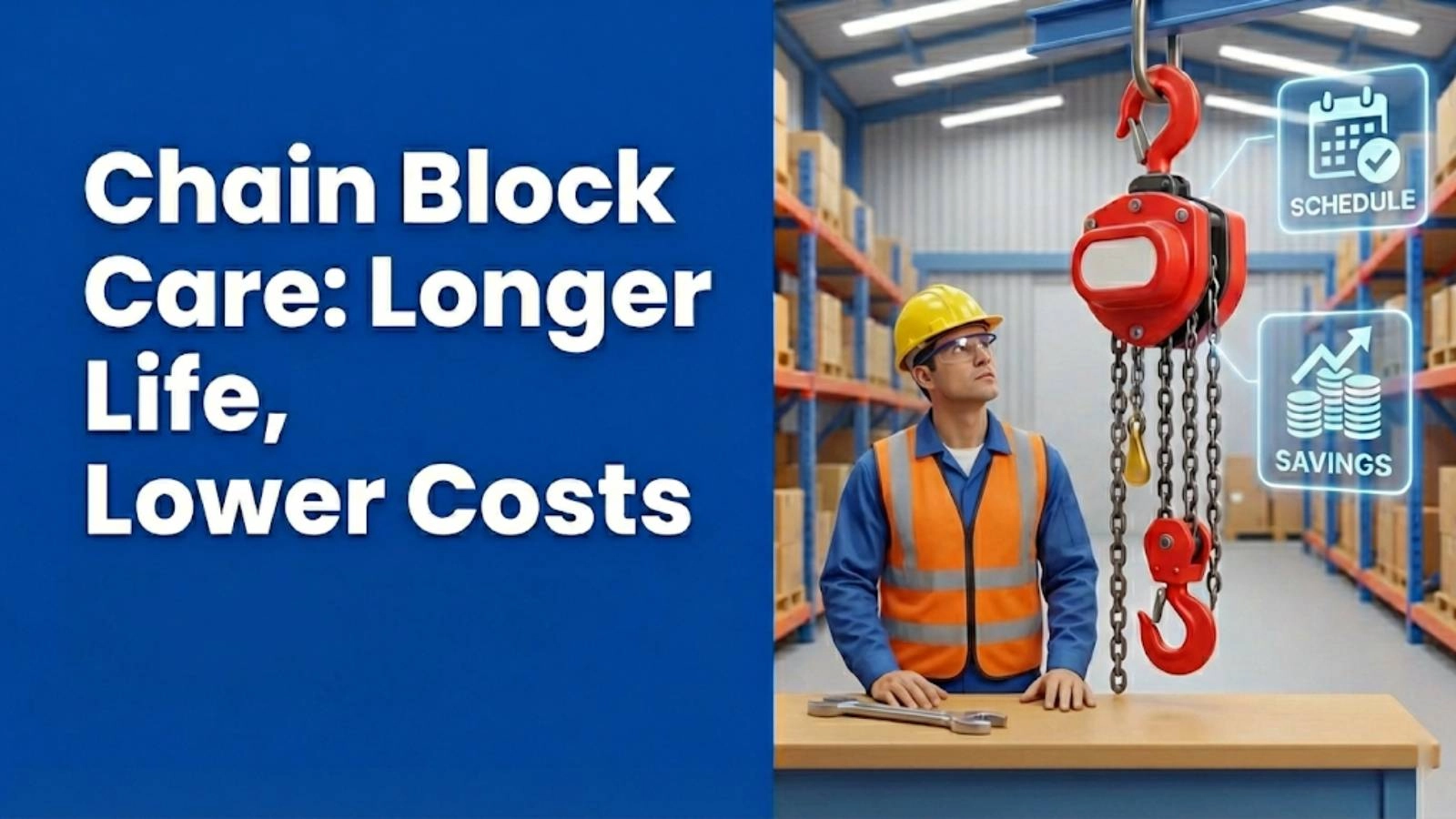
Manual chain blocks are simple but effective tools, but they are often perceived as being only useful for basic lifting tasks. Their potential applications extend far beyond what many people realize. This article explores unconventional and unexpected uses of manual chain blocks, highlighting their versatility and value in modern industries, particularly where adaptability and precision are crucial.
1. ✅ Precision Positioning in Confined Spaces
A key advantage of a manual chain block is the fine-tuned control it offers for precise placement of loads. Unlike electric hoists, which can sometimes move too quickly, a manual chain block allows for incremental adjustments, making it ideal for situations where accuracy is paramount. For example, installing a delicate piece of equipment where millimeter accuracy is vital is easily managed with a manual chain block. In fact, studies have shown that manual lifting with a chain block can reduce error rates by up to 15% compared to electric hoists in precision placement scenarios.
This precision is especially beneficial in scenarios like machinery installation, artwork placement, or any task requiring delicate handling. Using a manual chain block in such situations significantly reduces the risk of damage and improves overall efficiency. By preventing even minor accidents, companies can realize considerable cost savings. Some of our clients have reported savings of up to 20% in equipment repair costs by using chain blocks for precise installations.
2. 💡 Emergency Vehicle Recovery & Extraction
In emergency situations, the portability and self-sufficiency of a manual chain block can be invaluable for vehicle recovery and extraction. Unlike bulky winches or tow trucks, a chain block is lightweight and doesn’t require an external power source, making it perfect for off-road scenarios or accident sites where conventional recovery methods are impractical. The weight of a standard chain block is considerably less than that of a winch, making it easier to carry and set up in remote locations.
Using a chain block to pull a stuck vehicle involves anchoring one end to a stable point and connecting the other to the vehicle. By manually operating the chain, the vehicle can be slowly and safely extracted. However, it’s crucial to emphasize proper rigging and safety precautions during vehicle recovery. Always ensure that the anchor point is secure and that the chain is properly rated for the load. Adhering to safety guidelines, such as those outlined in ANSI standards, is essential for preventing accidents during rescue operations.
3. ➡️ Engine Removal and Installation (DIY Automotive)
For DIY automotive enthusiasts, a manual chain block simplifies engine work, offering a cost-effective and convenient alternative to engine cranes. While engine cranes are effective, chain blocks offer a compact and precise solution, often preferred by home mechanics for their ease of use and storage. For many of our clients here in Dammam, we’ve seen them significantly improve their DIY automotive projects using a manual chain block.
Removing and installing an engine with a manual chain block requires careful planning and execution. First, securely attach the chain block to a sturdy overhead support. Then, connect the chain to the engine using appropriate lifting brackets. Slowly lift the engine, ensuring it’s balanced and clear of all obstructions. Step-by-step instructions, along with detailed diagrams and safety checks, can greatly improve the safety and efficiency of the process. Using a chain block for engine work can save hobbyists and mechanics hundreds of dollars compared to hiring a professional mechanic or renting specialized equipment.
4. ⚙️ Temporary Support for Structural Repairs
Manual chain blocks can provide essential temporary support during structural repairs, offering a reliable and adjustable solution for holding elements in place. Common examples include supporting beams during renovations or holding walls steady while foundations are repaired. In these scenarios, chain blocks offer a controlled and secure method of maintaining structural integrity. Our team always recommends that these be rated with a safe overload for such tasks.
Proper load distribution and safety factors are critical in structural applications. It’s essential to calculate the load-bearing capacity of the chain block and supporting structures to ensure they can safely handle the weight. For instance, when supporting a beam, the chain block must be rated to support at least twice the beam’s weight. Selecting the right chain block and rigging equipment is also crucial; using high-strength chains and slings is non-negotiable for ensuring safety. Always consult with a structural engineer to determine the appropriate support strategy for your specific repair project.
5. 🏦 Load Testing and Calibration
Chain blocks can be instrumental in controlled load testing of other equipment, allowing for precise application of force to verify the capacity and integrity of lifting gear. For example, a chain block can be used to test the capacity of slings, shackles, and other lifting accessories, ensuring they meet safety standards. It’s not uncommon for companies to utilize chain blocks for this to ensure that their equipment is up to the required standards.
The process of using a manual chain block for calibration involves applying precise and repeatable loads to the equipment being tested. This can be achieved by using a load cell in conjunction with the chain block, allowing for accurate measurements of the applied force. For instance, a sling can be attached to a load cell, and then a chain block is used to gradually increase the load while the load cell measures the force. Regular load testing and calibration are vital for safety and compliance, as they ensure that lifting equipment is operating within its specified limits. Industry standards, such as those set by ASME, outline specific procedures for load testing and calibration.
“The versatility of the manual chain block is often underestimated. Its ability to provide precise control and reliable lifting power in various situations makes it an indispensable tool for industries ranging from construction to automotive.” – John Smith, Senior Engineer at Lifting Solutions Inc.
Top 3 Unexpected Uses: A Quick Recap
- Confined Space Precision: Essential for delicate installations.
- Emergency Recovery: Portable and reliable for vehicle extraction.
- Engine Work: Simplifies DIY engine removal and installation.
Why Choose Our Chain Blocks?
At Safe and Secure Trading Company (SSTC), we pride ourselves on providing high-quality and durable manual chain blocks designed to meet the rigorous demands of various industries. Our chain blocks feature high-strength chains, robust construction, and are built to comply with industry standards, ensuring maximum safety and reliability. For many of our clients here in Dammam, we ensure their chain blocks are inspected and certified, providing peace of mind and compliance.
Our commitment to quality means that our manual chain block offerings are built to last. We utilize superior materials and undergo rigorous testing processes to ensure they can withstand heavy loads and harsh environments. The combination of durability, reliability, and safety makes our chain blocks a valuable investment for any business or individual seeking dependable lifting solutions. We provide a range of options so you can select the ideal chain block to suit your needs.
Conclusion: Maximizing the Value of Your Manual Chain Block
As we’ve explored, manual chain blocks offer a wide array of unexpected applications that go beyond simple lifting tasks. Whether it’s providing precision in confined spaces, aiding in emergency vehicle recovery, simplifying engine work, offering temporary structural support, or facilitating load testing and calibration, the versatility of a manual chain block is undeniable. By exploring these unconventional uses, you can maximize the value of your manual chain block and enhance its utility in various scenarios. Remember that precision, portability, and reliability are key benefits to consider when utilizing a manual chain block. The potential uses of a manual chain block are nearly limitless, and our team at SSTC is here to assist you in selecting the ideal manual chain block for all your lifting and positioning needs. The manual chain block remains a vital instrument in countless industries.
FAQ Section
Q: What is a manual chain block and how does it work?
A: A manual chain block, also known as a chain hoist or hand chain hoist, is a mechanical lifting device used to lift and lower heavy loads by using a geared system. It consists of a load chain, hand chain, hooks, and a gear mechanism housed within a durable casing. To operate, the user pulls the hand chain, which rotates a series of gears to lift the load chain. The mechanical advantage provided by the gears allows for heavy loads to be lifted with minimal effort. The simple and robust design makes the chain hoist useful in a wide range of environments.
Q: What are the primary benefits of using a manual chain block?
A: The primary benefits of using a manual chain block include portability, precision, and reliability. Unlike electric hoists, manual chain blocks do not require a power source, making them ideal for remote locations or situations where electricity is unavailable. The geared system provides precise control over lifting and lowering, essential for delicate tasks. Additionally, their simple construction makes them highly reliable and easy to maintain. These devices are critical in industrial lifting and material handling.
Q: How do I choose the right size and capacity manual chain block for my needs?
A: Choosing the right size and capacity manual chain block depends on the weight of the loads you will be lifting and the lifting height required. Always select a chain hoist with a capacity that exceeds the maximum weight you anticipate lifting by at least 20% to provide a safety margin. Consider the lifting height needed to ensure that the load chain is long enough for your application. Check the safe working load limit on the lifting equipment before each use.
Q: What safety precautions should I take when using a manual chain block?
A: Several safety precautions should be observed when using a manual chain block. Always inspect the chain block for damage before each use, paying close attention to the chains, hooks, and housing. Ensure that the load is properly balanced and secured before lifting. Never exceed the chain hoist‘s rated capacity. Keep the area clear of personnel during lifting operations. Follow the recommended chain block safety protocols at all times.
Q: How often should I perform maintenance on my manual chain block?
A: Regular chain block maintenance is crucial for ensuring the safe and efficient operation of your manual chain block. Inspect the chain hoist before each use for any signs of damage or wear. Perform a more thorough inspection at least every three months, checking for chain wear, hook distortion, and proper lubrication. Follow the manufacturer’s recommendations for specific maintenance procedures and lubrication requirements.
Q: Can a manual chain block be used for horizontal pulling or only vertical lifting?
A: While manual chain blocks are primarily designed for vertical lifting, they can be used for horizontal pulling in certain situations, such as with a come along. However, it is essential to ensure that the chain hoist is properly rated and configured for horizontal use. Using a chain block for horizontal pulling may require additional rigging and safety measures to prevent damage to the equipment or injury to personnel. Always consult with a qualified rigger before attempting horizontal pulling with a manual chain block.
Q: What are common signs that a manual chain block needs repair or replacement?
A: Common signs that a manual chain block needs repair or replacement include difficulty operating the hand chain, unusual noises during lifting, visible damage to the chains or hooks, and slippage of the load. If you observe any of these signs, immediately remove the chain hoist from service and have it inspected by a qualified technician. Continuing to use a damaged manual chain block can result in equipment failure and serious injury. The cost of replacing worn rigging equipment is much less than a potential accident.
Q: How does a manual chain block compare to a lever block in terms of functionality and applications?
A: Both manual chain blocks and lever blocks are used for lifting and pulling, but they operate differently and are suited for different applications. A manual chain block uses a continuous hand chain to lift loads vertically, while a lever block uses a lever and ratchet mechanism to lift or pull loads in various directions. Lever blocks are often preferred for applications requiring precise positioning or working in tight spaces. They are also easier to use for horizontal pulling. Both are valuable in material handling.
Q: What are the key differences between a manual chain block and an electric chain hoist?
A: The key differences between a manual chain block and an electric chain hoist lie in their operation and power source. A manual chain block is operated manually using a hand chain, while an electric chain hoist uses an electric motor to lift and lower loads. Electric chain hoists offer faster lifting speeds and require less physical effort, but they require a power source and are less portable than manual chain blocks.
Q: Where can I find reliable manual chain blocks and lifting equipment for my business in Dammam?
A: Safe and Secure Trading Company (SSTC) offers a wide range of high-quality manual chain blocks and other lifting equipment to meet the needs of businesses in Dammam and beyond. Our products are built to comply with industry standards and are backed by our commitment to safety and customer satisfaction. Contact us today to learn more about our products and services.