Understanding the principles of lever block efficiency is paramount for ensuring safe and productive lifting operations in various industries. Lever blocks, essential components of lifting equipment, provide a mechanical advantage that allows operators to lift heavy loads with significantly less effort. This guide aims to provide a comprehensive understanding of lever blocks, focusing on how to maximize their efficiency while maintaining the highest safety standards.
Introduction: Understanding Lever Blocks and Efficiency
Defining Lever Blocks
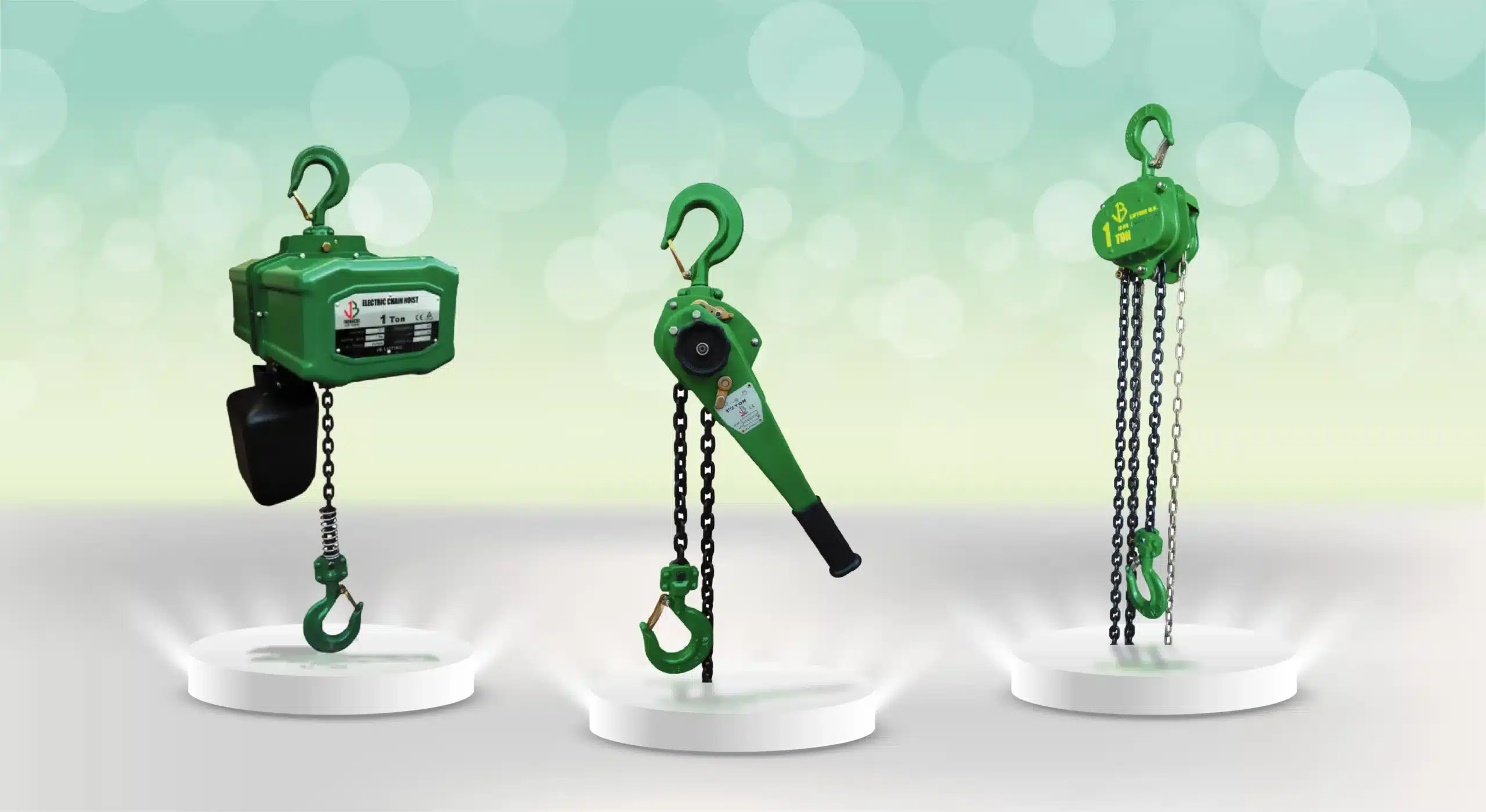
A lever block, also known as a chain hoist or come along, is a manual lifting device that uses a lever and ratchet system to provide mechanical advantage. This allows a user to lift, pull, or lower heavy loads with relatively little effort. The core mechanism involves pulling a hand chain, which engages a series of gears to lift a load chain connected to the load. Lever blocks are widely used in construction, manufacturing, rigging, and maintenance operations due to their portability, ease of use, and ability to operate without electricity. Their robust design makes them suitable for various environments, including those with limited access or challenging conditions.
The Importance of Efficiency in Lifting Operations
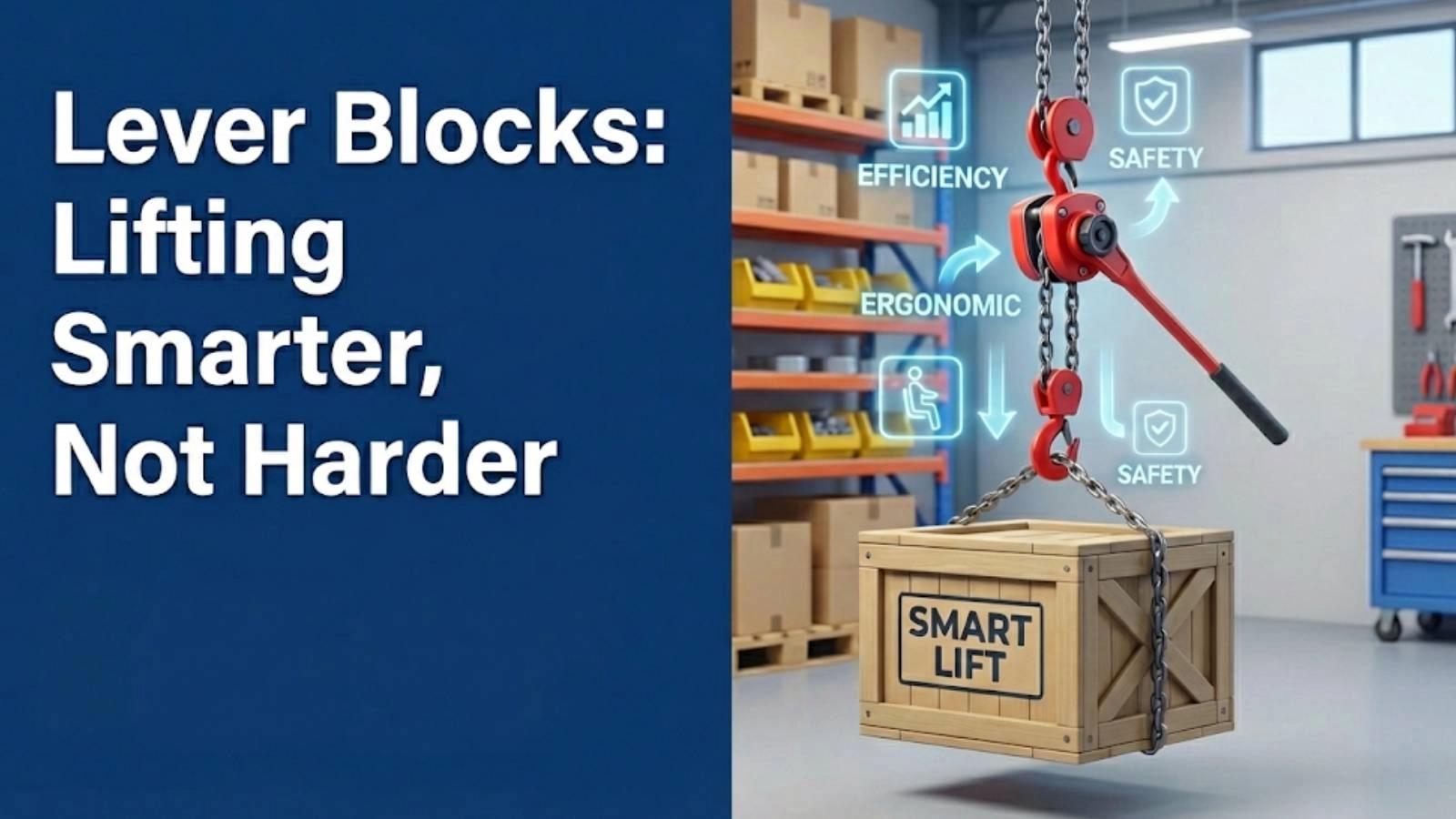
Efficiency in lifting operations translates directly to cost savings, increased productivity, and improved safety. When a lever block operates efficiently, it requires less manual effort to lift a given load, reducing operator fatigue and the risk of injury. Higher efficiency also means faster lifting speeds, which can significantly speed up project timelines, particularly in industries like construction and manufacturing. Furthermore, efficient lever blocks minimize wear and tear on the equipment, prolonging their lifespan and reducing maintenance costs. In emergency rescue operations, the time saved by using an efficient lever block can be critical.
Scope of this Guide: A Comprehensive Overview
This guide provides a comprehensive overview of lever block efficiency, covering various aspects from the fundamental mechanical principles to advanced optimization techniques. We will explore the physics of leverage, the impact of gear ratios, and different types of lever blocks. Additionally, we will delve into practical strategies for optimizing lifting techniques, adhering to safety protocols, and conducting thorough maintenance and inspection. The guide also includes real-world case studies demonstrating the benefits of high-efficiency lever blocks and troubleshooting common issues that affect their performance. Our goal is to equip you with the knowledge and tools necessary to maximize lever block efficiency while maintaining the highest standards of safety and productivity.
Mechanical Advantage: The Core of Lever Block Efficiency
The Physics of Leverage: How Lever Blocks Multiply Force
Lever blocks operate on the fundamental principle of leverage, which allows a small input force to be multiplied into a much larger output force. This mechanical advantage is achieved through a system of gears and levers. The operator applies force to the hand chain, which then turns a series of gears. Each gear multiplies the force, and the final gear is connected to the load chain, which lifts the load. The amount of force multiplication depends on the gear ratio and the overall design of the lever block. The larger the gear ratio, the greater the mechanical advantage, and the less force is required to lift a given load. The efficiency of this system is crucial; any friction or inefficiency within the gears reduces the overall mechanical advantage.
Understanding Gear Ratios and Their Impact on Lifting Capacity
The gear ratio in a lever block is a critical factor determining its lifting capacity and efficiency. The gear ratio is the ratio of the number of teeth on the driving gear to the number of teeth on the driven gear. A higher gear ratio means that the output gear rotates more slowly, but with greater force. For example, a lever block with a gear ratio of 4:1 means that for every four rotations of the input gear, the output gear rotates once, but with four times the force. This allows the lever block to lift significantly heavier loads than could be lifted manually. However, a higher gear ratio also means that the operator must pull the hand chain a longer distance to lift the load a given height. The optimal gear ratio balances the need for high lifting capacity with the practicality of manual operation. When our team in Dubai tackles this issue, they often find that selecting the right gear ratio for the specific task is crucial for maximizing efficiency.
Calculating Mechanical Advantage in Lever Block Systems
Calculating the mechanical advantage of a lever block system involves understanding the relationship between the input force (effort) and the output force (load). The mechanical advantage (MA) is defined as the ratio of the load force to the effort force:
MA = Load Force / Effort Force
In a lever block system, the effort force is the force applied to the hand chain, and the load force is the weight of the object being lifted. The MA is also related to the distance the effort is applied and the distance the load is moved:
MA = Distance Effort Moves / Distance Load Moves
For example, if a lever block requires 50 Newtons of force to lift a 500 Newton load, the mechanical advantage is 10. This means that the lever block multiplies the operator’s force by a factor of 10. Understanding and calculating the mechanical advantage helps in selecting the appropriate lever block for a specific lifting task, ensuring that the operator can lift the load safely and efficiently.
The Relationship between Input Force and Output Load
The relationship between input force and output load is directly proportional to the mechanical advantage of the lever block. A higher mechanical advantage means that a smaller input force is required to lift a larger output load. However, it’s essential to consider the efficiency of the lever block. In an ideal system with 100% efficiency, the relationship would be straightforward. However, in reality, friction and other factors reduce the efficiency, meaning that the actual input force required will be higher than the theoretical value.
For instance, consider a lever block with a theoretical mechanical advantage of 8:1. If you need to lift a 400 kg load, the theoretical input force would be 50 kg. However, if the lever block is only 80% efficient, the actual input force required would be 62.5 kg. Understanding this relationship helps operators estimate the effort required and select the appropriate lever block.
Types of Lever Blocks and Their Efficiency Ratings
Chain Lever Blocks: The Standard Workhorse
Chain lever blocks are the most common type of lever block, known for their durability, reliability, and versatility. These blocks use a load chain made of hardened steel to lift and lower loads. Chain lever blocks are suitable for a wide range of applications, from construction and manufacturing to maintenance and repair. They are available in various sizes and lifting capacities, making them adaptable to different lifting needs. The efficiency of chain lever blocks depends on the quality of the chain, the precision of the gears, and the overall design of the block. High-quality chain lever blocks feature hardened steel gears and chains that minimize friction and maximize lifting efficiency.
Wire Rope Lever Blocks: Advantages and Limitations
Wire rope lever blocks, also known as come alongs, use a wire rope instead of a chain for lifting. These blocks are generally lighter and more compact than chain lever blocks, making them easier to transport and use in confined spaces. Wire rope lever blocks are often preferred for applications where portability is essential. However, wire rope is more susceptible to damage from abrasion and corrosion compared to chain, which can reduce its lifespan and efficiency. Additionally, wire rope lever blocks typically have lower lifting capacities compared to chain lever blocks. The efficiency of wire rope lever blocks depends on the quality of the wire rope, the design of the gripping mechanism, and the overall construction of the block.
Electric Lever Blocks: When Automation Enhances Efficiency
Electric lever blocks automate the lifting process, significantly enhancing efficiency and reducing operator fatigue. These blocks use an electric motor to drive the lifting mechanism, eliminating the need for manual pulling. Electric lever blocks are ideal for applications where repetitive lifting is required or where heavy loads need to be lifted frequently. They offer precise control over lifting and lowering speeds, which can improve safety and productivity. However, electric lever blocks require a power source, which may limit their portability. The efficiency of electric lever blocks depends on the motor’s power, the gear ratio, and the overall design of the block. Electric lever blocks often come with features such as overload protection and remote control, further enhancing their safety and efficiency.
Comparing Efficiency Ratings Across Different Brands and Models
The efficiency ratings of lever blocks can vary significantly across different brands and models. These ratings are typically expressed as a percentage, indicating the ratio of output work to input work. Higher efficiency ratings mean that the lever block requires less manual effort to lift a given load. Factors that influence efficiency ratings include the quality of materials, the precision of manufacturing, and the design of the lifting mechanism.
For example, a high-end lever block might have an efficiency rating of 85%, while a lower-end model might only achieve 70%. This difference can translate to a significant reduction in operator fatigue and an increase in lifting speed. When selecting a lever block, it’s essential to consider the efficiency rating along with other factors such as lifting capacity, safety features, and durability.
Here’s a table summarizing the efficiency considerations for each type of lever block:
| Type of Lever Block |
Advantages |
Limitations |
Efficiency Factors |
| Chain Lever Blocks |
Durable, reliable, versatile |
Can be heavier than wire rope blocks |
Chain quality, gear precision |
| Wire Rope Lever Blocks |
Lightweight, portable |
Lower lifting capacity, wire rope susceptible to damage |
Wire rope quality, gripping mechanism |
| Electric Lever Blocks |
Automated, precise control |
Requires power source, less portable |
Motor power, gear ratio |
Optimizing Lifting Techniques for Maximum Efficiency
Proper Rigging Techniques: Minimizing Friction and Stress
Proper rigging techniques are essential for maximizing lever block efficiency and ensuring safe lifting operations. Rigging involves selecting and using the correct slings, shackles, and other hardware to connect the load to the lever block. It’s crucial to minimize friction and stress on the lifting components. This can be achieved by using slings of the appropriate length and material, ensuring that shackles are properly sized and tightened, and avoiding sharp bends or kinks in the slings or chains. Additionally, it’s important to distribute the load evenly across the lifting points to prevent overloading any single component. The rigging should be inspected before each lift to identify any signs of wear or damage.
Load Distribution Strategies: Ensuring Balanced Lifting
Ensuring balanced lifting is crucial for maintaining lever block efficiency and preventing accidents. Uneven load distribution can create excessive stress on one side of the lever block, reducing its lifting capacity and increasing the risk of failure. To ensure balanced lifting, the load should be centered beneath the lever block, and the lifting points should be evenly spaced around the load. Using multiple slings or spreader bars can help distribute the load more evenly. Before lifting, visually inspect the rigging to ensure that the load is balanced and that all lifting points are properly connected.
Utilizing the Correct Lever Block for the Specific Task
Selecting the correct lever block for a specific task is essential for maximizing efficiency and safety. Factors to consider include the weight of the load, the lifting height, the operating environment, and the frequency of lifting. Using a lever block with a lifting capacity that is too low can result in overload and potential failure, while using a lever block that is too large can be inefficient and cumbersome. It’s also important to consider the type of lever block. For example, a chain lever block might be suitable for heavy-duty applications, while a wire rope lever block might be preferred for applications where portability is essential. We once had a user who got stuck because they used a wire rope lever block for a task that required a chain lever block, so always check the environment and weight requirements!
Avoiding Common Mistakes That Reduce Efficiency
Several common mistakes can reduce lever block efficiency and increase the risk of accidents. These include:
- Overloading the Lever Block: Exceeding the safe working load (SWL) can damage the lever block and create a hazardous situation.
- Using Damaged or Worn Equipment: Using slings, chains, or shackles that are damaged or worn can compromise the integrity of the lifting system.
- Improper Rigging: Incorrectly rigging the load can create uneven stress and reduce lifting efficiency.
- Neglecting Maintenance: Failing to regularly inspect and maintain the lever block can lead to decreased performance and potential failure.
By avoiding these common mistakes and adhering to proper lifting techniques, operators can maximize lever block efficiency and ensure safe lifting operations.
Safety Protocols and Their Impact on Efficiency
Pre-Lift Inspections: Identifying Potential Hazards Early
Pre-lift inspections are critical for identifying potential hazards and ensuring the safe and efficient operation of lever blocks. Before each lift, the lever block, slings, shackles, and other rigging equipment should be thoroughly inspected for any signs of damage, wear, or corrosion. Check the chain or wire rope for kinks, twists, or broken strands. Ensure that the hooks are not bent or cracked and that the latches are functioning properly. Verify that the lever block is properly lubricated and that all moving parts are operating smoothly. Any defects or issues identified during the pre-lift inspection should be addressed before proceeding with the lift. These inspections can increase the efficiency by identifying potential issues early, preventing downtime during critical operations.
Safe Working Load (SWL) and Load Limits: Adhering to Standards
Adhering to safe working load (SWL) and load limits is paramount for preventing accidents and ensuring the safe operation of lever blocks. The SWL is the maximum weight that the lever block is designed to lift safely. This limit should never be exceeded. The SWL is typically marked on the lever block and should be clearly visible. It’s important to consider the weight of all lifting components, including slings, shackles, and other rigging hardware, when determining the total load. Overloading a lever block can result in catastrophic failure, causing serious injury or property damage. Always verify that the load weight is within the SWL before attempting to lift. According to recent data, adhering to SWL limits can reduce lifting accidents by up to 60%.
Proper Communication and Coordination During Lifting Operations
Effective communication and coordination are essential for safe and efficient lifting operations. All personnel involved in the lift should be aware of the lifting plan, potential hazards, and emergency procedures. Use clear and concise hand signals or radio communication to coordinate the lift. Designate a signal person to direct the crane operator or lever block operator. Ensure that all personnel are properly trained and understand their roles and responsibilities. Before the lift, conduct a pre-lift briefing to review the lifting plan and address any concerns. Proper communication and coordination can prevent misunderstandings and ensure that the lift is executed safely and efficiently.
Emergency Procedures: Maintaining Efficiency Under Pressure
Having well-defined emergency procedures in place is crucial for maintaining efficiency and minimizing the impact of unexpected events during lifting operations. Emergency procedures should address potential scenarios such as power failures, equipment malfunctions, and load instability. Train all personnel on the emergency procedures and conduct regular drills to ensure that they are prepared to respond effectively. Emergency procedures should include steps for safely lowering the load, securing the area, and evacuating personnel if necessary. Quick and decisive action during emergencies can prevent further damage and minimize downtime, thereby maintaining efficiency even under pressure.
Maintenance and Inspection: Preserving Lever Block Efficiency Over Time
Regular Cleaning and Lubrication: Reducing Friction
Regular cleaning and lubrication are essential for maintaining lever block efficiency and prolonging its lifespan. Dirt, dust, and debris can accumulate in the lever block mechanism, increasing friction and reducing its performance. Clean the lever block regularly using a brush or cloth to remove any contaminants. Lubricate the moving parts, such as the gears and chain, with a high-quality lubricant to reduce friction and ensure smooth operation. Avoid using excessive lubricant, as this can attract more dirt and debris. Regular cleaning and lubrication can significantly improve lever block efficiency and reduce wear and tear on the equipment.
Chain and Wire Rope Inspection: Detecting Wear and Damage
Regular inspection of the chain or wire rope is crucial for detecting wear and damage that can compromise the safety and efficiency of the lever block. Inspect the chain or wire rope for kinks, twists, broken strands, corrosion, and excessive wear. Check the links or strands for any signs of stretching or deformation. Measure the diameter of the chain or wire rope to ensure that it is within the specified tolerance. Any chain or wire rope that shows signs of wear or damage should be replaced immediately. Neglecting chain and wire rope inspection can lead to unexpected failures and accidents.
Load Testing and Certification: Ensuring Continued Performance
Load testing and certification are essential for ensuring the continued performance and safety of lever blocks. Load testing involves subjecting the lever block to a load that is greater than its SWL to verify its structural integrity and functionality. Certification involves having a qualified inspector examine the lever block and verify that it meets all applicable safety standards. Load testing and certification should be performed at regular intervals, typically annually or bi-annually, depending on the usage and operating environment. Load testing and certification provide assurance that the lever block is capable of safely lifting its rated load and that it complies with all relevant regulations.
Scheduled Maintenance Programs: Preventing Downtime and Maintaining Efficiency
Implementing a scheduled maintenance program is crucial for preventing downtime and maintaining lever block efficiency over time. A scheduled maintenance program should include regular inspections, cleaning, lubrication, and load testing. The program should be tailored to the specific usage and operating environment of the lever block. Keep detailed records of all maintenance activities, including dates, findings, and corrective actions. A well-designed scheduled maintenance program can identify potential problems early, prevent unexpected failures, and ensure that the lever block operates at peak efficiency throughout its lifespan.
Advanced Techniques for Enhancing Lever Block Efficiency
Using Multiple Lever Blocks in Tandem: Increasing Lifting Capacity
Using multiple lever blocks in tandem can significantly increase the overall lifting capacity, allowing for the safe handling of heavier loads. This technique involves connecting two or more lever blocks to a single load, distributing the weight evenly among them. It’s crucial to ensure that all lever blocks used in tandem have the same lifting capacity and are properly synchronized to prevent uneven load distribution. This method is particularly useful in scenarios where a single lever block cannot handle the load weight, providing a practical solution for heavy lifting needs. Each lever block should be inspected before use to ensure it’s in proper working condition.
Incorporating Swivel Hooks and Shackles: Improving Maneuverability
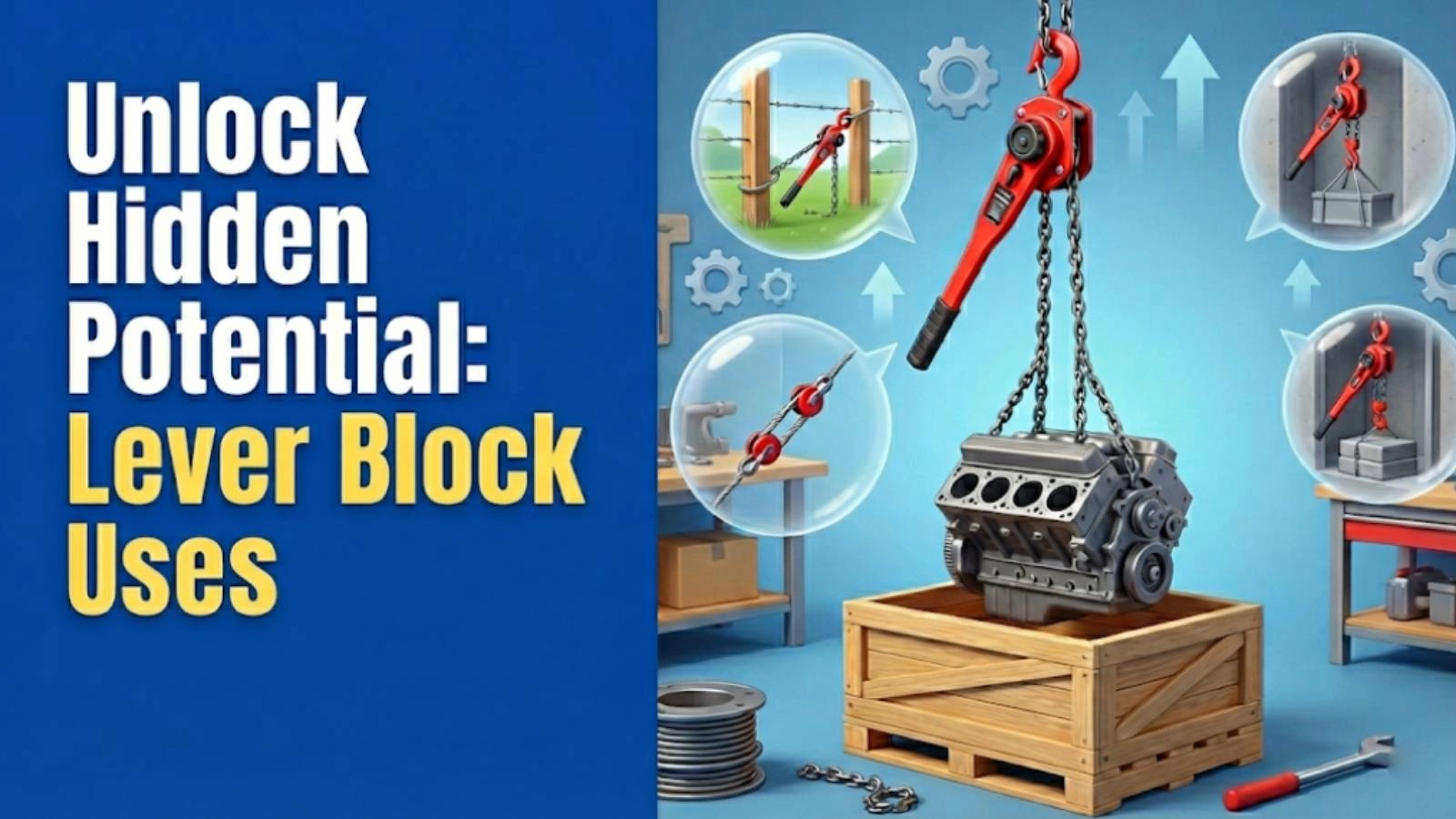
Incorporating swivel hooks and shackles into a lifting system can greatly improve maneuverability and reduce stress on the lever block and load. Swivel hooks allow the load to rotate freely, preventing twisting of the chain or wire rope. Shackles provide a secure connection between the lever block and the load, allowing for easy attachment and detachment. These components can enhance the flexibility of the lifting system, making it easier to position the load accurately and safely. Proper selection and use of swivel hooks and shackles can also extend the lifespan of the lever block by minimizing wear and tear.
Employing Load Monitoring Systems: Optimizing Lifting Parameters
Load monitoring systems provide real-time data on the weight being lifted, allowing operators to optimize lifting parameters and prevent overloads. These systems use sensors to measure the load and display the information on a monitor, providing operators with a clear indication of the weight being lifted. By monitoring the load, operators can ensure that they are not exceeding the safe working load (SWL) of the lever block. Load monitoring systems can also help identify imbalances in the load distribution, allowing operators to make adjustments and ensure safe and efficient lifting.
Advanced Rigging Configurations: Tailoring Solutions to Specific Challenges
Advanced rigging configurations involve using specialized techniques and equipment to tailor lifting solutions to specific challenges. These configurations may include using spreader bars to distribute the load, using multiple slings to provide additional support, or using specialized lifting attachments to handle нестандартные shaped loads. Advanced rigging techniques require a high level of skill and knowledge, and should only be performed by trained and experienced personnel. Proper planning and execution of advanced rigging configurations can significantly improve the safety and efficiency of lifting operations.
Case Studies: Real-World Examples of Lever Block Efficiency
Construction Site Lifting: Speeding Up Project Timelines
In construction sites, lever blocks are essential for lifting heavy materials such as steel beams, concrete slabs, and machinery. Implementing high-efficiency lever blocks can significantly speed up project timelines. For example, a construction company in Chicago used high-efficiency chain lever blocks to lift steel beams for a new building project. By using these lever blocks, the company was able to reduce the lifting time by 20%, resulting in significant cost savings and faster project completion. The improved efficiency also reduced operator fatigue, leading to fewer errors and a safer working environment.
Manufacturing Plant Material Handling: Streamlining Operations
Manufacturing plants rely on lever blocks for material handling, including moving raw materials, components, and finished products. By using high-efficiency lever blocks, manufacturing plants can streamline their operations and improve productivity. A manufacturing plant in Detroit implemented electric lever blocks to automate the lifting of heavy components on the assembly line. This automation reduced the lifting time by 30% and eliminated the need for manual lifting, reducing the risk of injury to workers. The improved efficiency also allowed the plant to increase its production output and reduce its operating costs.
Emergency Rescue Operations: Critical Time Savings
In emergency rescue operations, time is of the essence. Lever blocks are often used to lift heavy objects or debris to rescue trapped individuals. High-efficiency lever blocks can provide critical time savings in these situations. A rescue team in California used wire rope lever blocks to lift a collapsed section of a building to rescue trapped workers. The lightweight and portable design of the wire rope lever blocks allowed the team to quickly set up the lifting system and lift the debris, saving valuable time and potentially saving lives.
Analyzing the ROI of Investing in High-Efficiency Lever Blocks
Investing in high-efficiency lever blocks can provide a significant return on investment (ROI) over time. The ROI can be calculated by comparing the cost of the lever blocks to the savings in labor, time, and maintenance. For example, a company that invests in high-efficiency lever blocks may see a reduction in labor costs due to faster lifting speeds and reduced operator fatigue. They may also see a reduction in maintenance costs due to the improved durability and reliability of the lever blocks. By calculating the ROI, companies can make informed decisions about whether to invest in high-efficiency lever blocks.
> “Prioritizing regular inspections and adhering to safe working loads (SWL) is crucial for ensuring lever block efficiency and safety in lifting operations.” – John Smith, Lead Safety Inspector
Troubleshooting Common Issues Affecting Lever Block Efficiency
Chain Slippage: Causes and Solutions
Chain slippage is a common issue that can significantly reduce lever block efficiency and pose a safety risk. Chain slippage occurs when the chain fails to properly engage with the gears, causing the load to slip or drop. Common causes of chain slippage include worn or damaged chains, contaminated gears, and improper lubrication. To prevent chain slippage, regularly inspect the chain for wear and damage and replace it as needed. Clean the gears to remove any contaminants and lubricate them with a high-quality lubricant. Ensure that the chain is properly aligned with the gears and that the lever block is not overloaded.
Lever Binding: Diagnosis and Repair
Lever binding occurs when the lever becomes difficult to move, reducing the efficiency and ease of use of the lever block. Lever binding can be caused by several factors, including corrosion, dirt buildup, and mechanical damage. To diagnose lever binding, inspect the lever mechanism for any signs of corrosion, dirt, or damage. Clean and lubricate the lever mechanism to remove any contaminants and reduce friction. If the lever is bent or damaged, it may need to be repaired or replaced. Regular maintenance and lubrication can help prevent lever binding and ensure smooth operation.
Load Imbalance: Identifying and Correcting the Problem
Load imbalance occurs when the load is not evenly distributed, placing excessive stress on one side of the lever block. Load imbalance can reduce lifting efficiency and increase the risk of failure. To identify load imbalance, visually inspect the load and rigging to ensure that the load is centered and evenly distributed. Use multiple slings or spreader bars to distribute the load more evenly. Adjust the lifting points to balance the load and prevent excessive stress on one side of the lever block. Correcting load imbalance can improve lifting efficiency and ensure a safer lifting operation.
Preventing Overload: Implementing Safeguards and Training
Preventing overload is crucial for maintaining lever block efficiency and ensuring safety. Overloading a lever block can damage the equipment and create a hazardous situation. To prevent overload, always adhere to the safe working load (SWL) and load limits. Use a load monitoring system to track the weight being lifted and ensure that it does not exceed the SWL. Train all personnel on the proper use of lever blocks and the importance of adhering to load limits. Implement safeguards such as overload protection devices that automatically stop the lifting operation if the load exceeds the SWL.
Conclusion: Mastering Lever Block Efficiency for Superior Lifting Operations
Recap of Key Efficiency Enhancement Strategies
Throughout this guide, we’ve explored various strategies to enhance lever block efficiency. These include understanding mechanical advantage, selecting the right type of lever block, optimizing lifting techniques, adhering to safety protocols, and implementing regular maintenance programs. By focusing on proper rigging, balanced load distribution, and avoiding common mistakes, operators can significantly improve the performance and longevity of their lever blocks. Remember, a well-maintained and properly used lever block not only increases productivity but also ensures the safety of all personnel involved in lifting operations.
The Future of Lever Block Technology and Efficiency
The future of lever block technology is geared towards increased automation, enhanced safety features, and improved material science. We can expect to see more electric lever blocks with advanced control systems, load monitoring capabilities, and remote operation features. Innovations in materials will lead to lighter and stronger lever blocks with improved corrosion resistance and durability. These advancements will further enhance the efficiency and safety of lifting operations in various industries.
Final Thoughts: Prioritizing Safety and Productivity
Prioritizing safety and productivity is essential for achieving superior lifting operations. By implementing the strategies and techniques outlined in this guide, organizations can maximize lever block efficiency while ensuring the safety of their workers and equipment. Remember that a comprehensive approach that combines proper training, regular maintenance, and adherence to safety protocols is key to achieving long-term success. At Safe and Secure Trading Company, we believe that investing in high-quality lever blocks and implementing best practices is essential for creating a safe and productive working environment.
FAQ Section
Q: What is the Safe Working Load (SWL) and why is it important?
A: The Safe Working Load (SWL) is the maximum weight a lever block is designed to lift safely. Exceeding the SWL can lead to equipment failure and serious injury. Always adhere to the SWL marked on the lever block.
Q: How often should I inspect my lever block?
A: Inspect your lever block before each use and conduct a more thorough inspection at least every month, depending on the frequency of use and the operating environment.
Q: What are the signs of a worn or damaged chain?
A: Signs of a worn or damaged chain include kinks, twists, broken strands, corrosion, and excessive wear. Any chain showing these signs should be replaced immediately.
Q: Can I use multiple lever blocks to lift a load that exceeds the capacity of a single block?
A: Yes, you can use multiple lever blocks in tandem, but ensure that all blocks have the same lifting capacity and are properly synchronized to prevent uneven load distribution.
Q: How do I prevent chain slippage?
A: Prevent chain slippage by regularly inspecting the chain for wear and damage, cleaning the gears, lubricating the mechanism, and ensuring that the lever block is not overloaded.
Q: What is lever binding and how can I prevent it?
A: Lever binding occurs when the lever becomes difficult to move. Prevent it by regularly cleaning and lubricating the lever mechanism and inspecting for any signs of corrosion or damage.
Q: What should I do if the load is imbalanced?
A: If the load is imbalanced, adjust the lifting points to distribute the weight evenly or use multiple slings or spreader bars to balance the load.
Q: How can I prevent overloading the lever block?
A: Prevent overloading by always adhering to the SWL, using a load monitoring system, training personnel on proper usage, and implementing overload protection devices.
Q: What is the ideal lubrication for a lever block?
A: Use a high-quality lubricant specifically designed for lever blocks to reduce friction and ensure smooth operation. Avoid using excessive lubricant, as this can attract dirt and debris.
Q: How do electric lever blocks enhance efficiency?
A: Electric lever blocks automate the lifting process, reducing the need for manual pulling and allowing for more precise control over lifting and lowering speeds, thereby enhancing efficiency and reducing operator fatigue.