Introduction: Why Lever Block Maintenance Matters
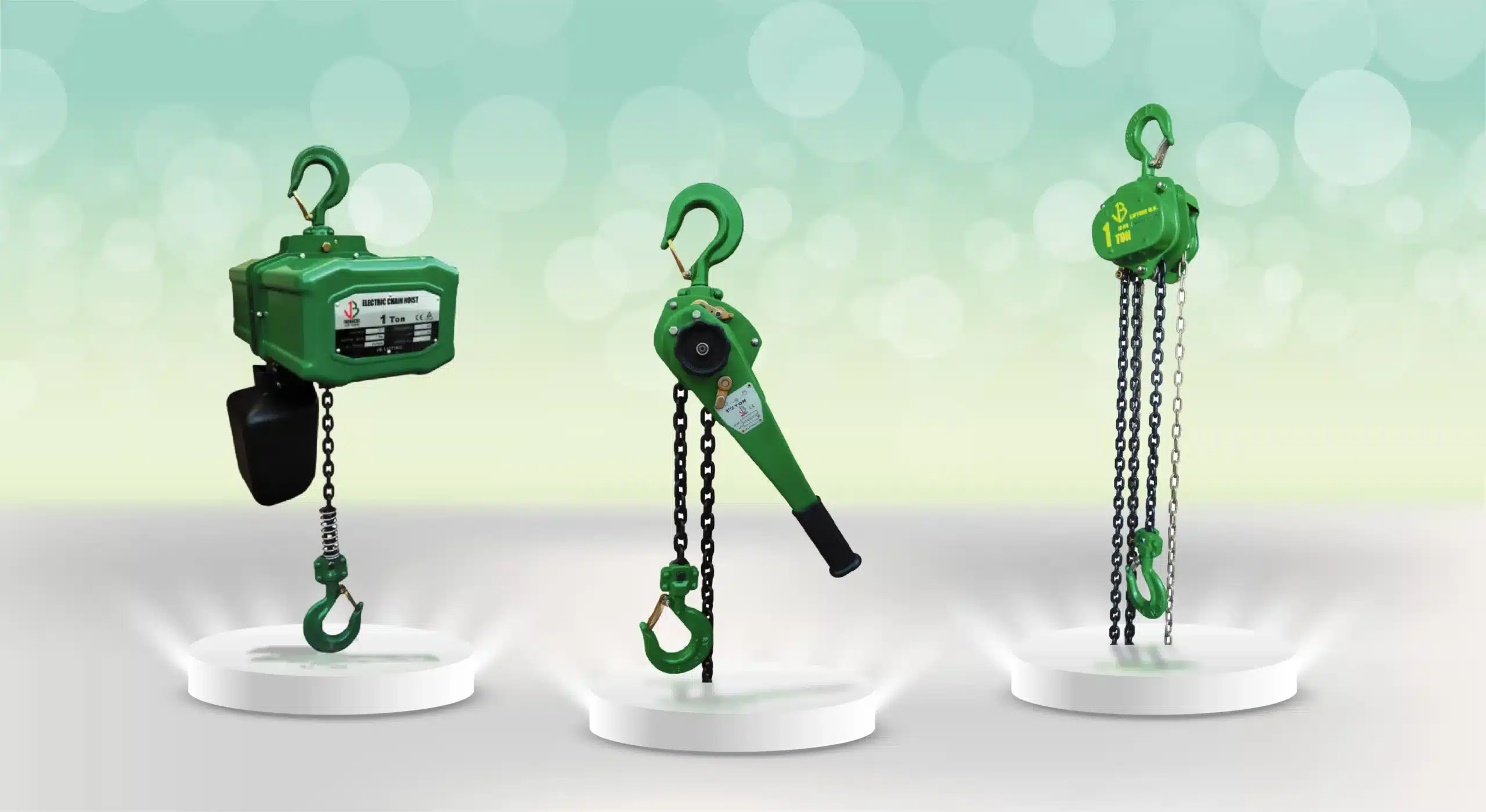
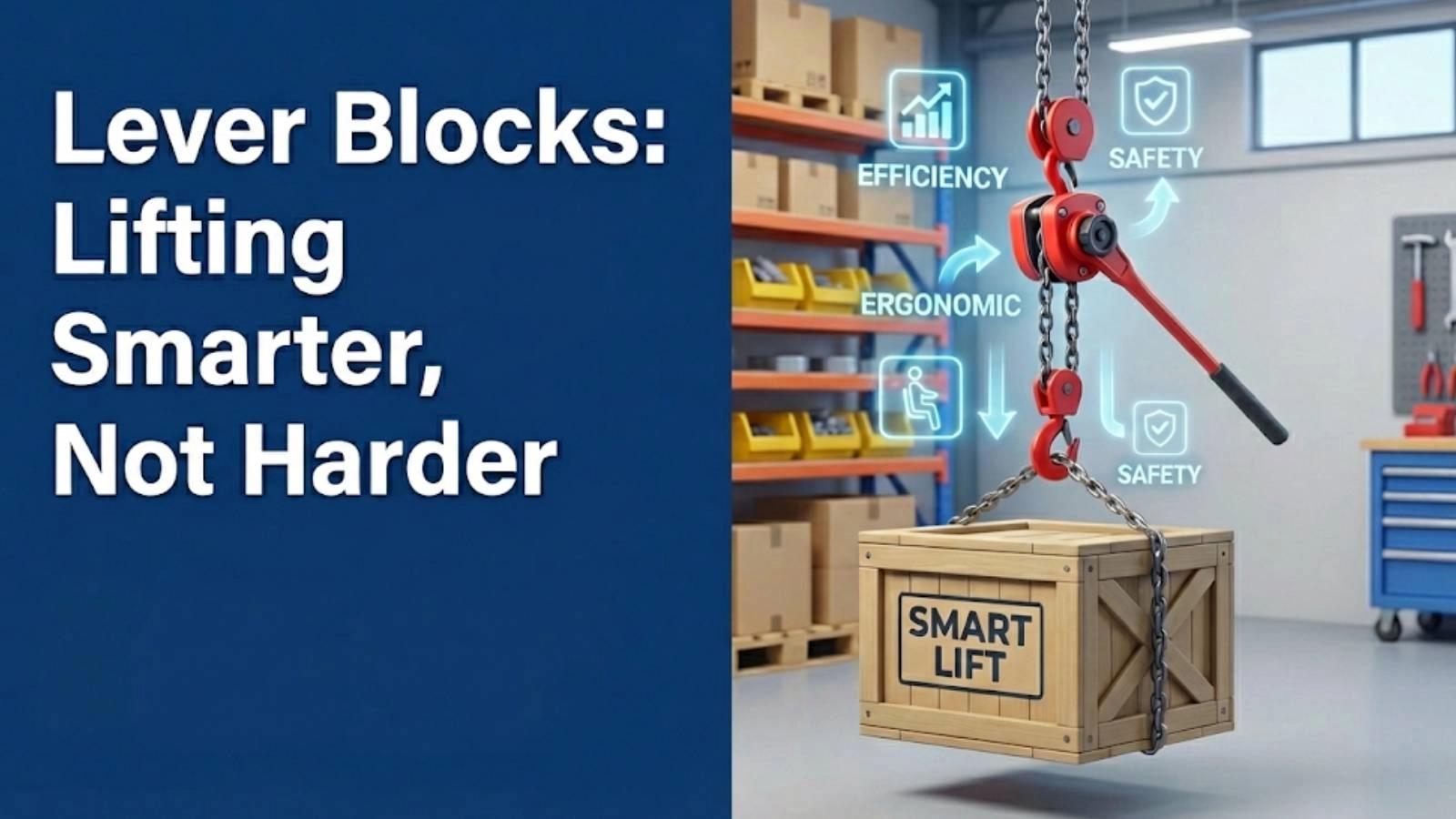
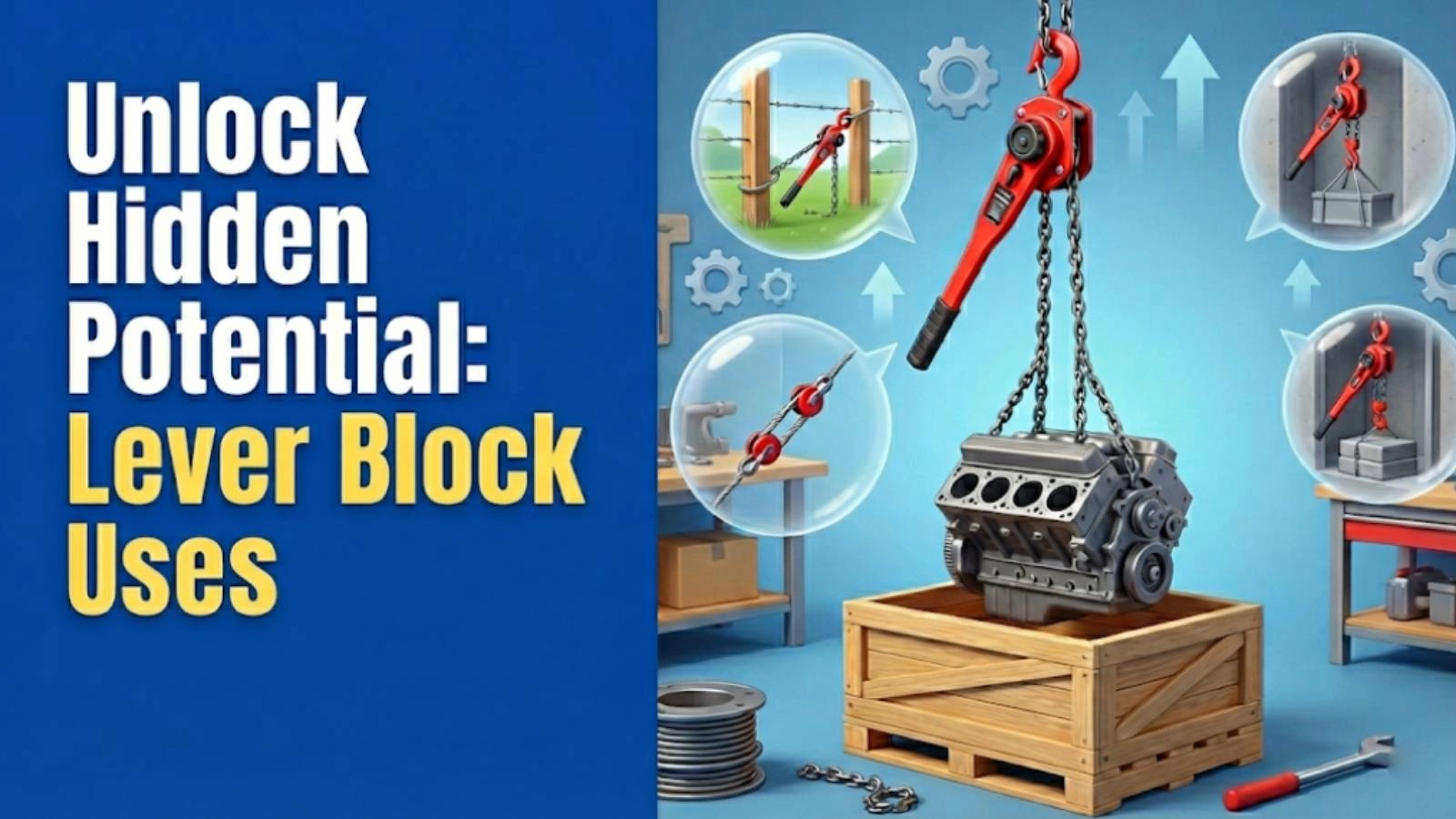
A lever block, also known as a chain block or come-along, is a portable device used to lift, pull, and position heavy loads using leverage. These tools are indispensable in various industries, including construction, manufacturing, and logistics. Lever blocks provide a mechanical advantage, allowing workers to lift or move objects that would otherwise be impossible to handle manually. Their robust design and ease of use make them a staple on job sites worldwide.
Regular lever block maintenance is not merely a suggestion; it is a critical requirement for ensuring the safety of personnel and the longevity of the equipment. Neglecting lever block maintenance can lead to catastrophic consequences, including equipment failure, workplace accidents, and costly downtime. Imagine a construction site where a poorly maintained lever block fails, causing a heavy load to drop unexpectedly. The results could be devastating, leading to serious injuries or even fatalities.
The potential consequences of neglecting lever block maintenance are far-reaching. Aside from the immediate risk of accidents and injuries, there are significant financial implications. Equipment failure can halt operations, resulting in lost productivity and missed deadlines. Moreover, the cost of repairing or replacing a damaged lever block can be substantial, especially when compared to the relatively minor expense of regular maintenance. Furthermore, failure to comply with safety regulations can result in hefty fines and legal liabilities.
This guide is designed to provide you with practical, step-by-step instructions for effective lever block maintenance. Our goal is to equip you with the knowledge and skills necessary to keep your lever blocks in optimal condition, ensuring safe and efficient operation for years to come. We will cover everything from basic inspection procedures to advanced troubleshooting techniques, empowering you to proactively identify and address potential problems before they escalate. By following the guidelines outlined in this guide, you can significantly reduce the risk of accidents, extend the lifespan of your equipment, and maintain a safe working environment.
Understanding Lever Block Components
To effectively maintain a lever block, it’s essential to understand its key components and how they function. Each part plays a crucial role in the overall operation of the device, and a failure in any one area can compromise the entire system. Let’s take a closer look at the major components of a typical lever block.
- Load Chain: The load chain is the primary lifting component of the lever block. It is a series of interconnected links made from high-strength steel, designed to withstand heavy loads. The load chain passes through the body of the lever block and is connected to the load hook. Its integrity is paramount for safe lifting operations.
- Hand Chain: The hand chain is used by the operator to apply the necessary force to lift or lower the load. By pulling on the hand chain, the operator activates the internal mechanism of the lever block, which in turn moves the load chain. The hand chain is typically made of steel and is designed for comfortable and efficient operation.
- Hooks (Top and Bottom): The top hook is used to suspend the lever block from a secure anchor point, while the bottom hook is used to attach the load. Both hooks are equipped with safety latches to prevent accidental disengagement of the load or the lever block itself. The hooks are critical for ensuring a secure connection between the lever block and the load.
- Ratchet and Pawl Mechanism: The ratchet and pawl mechanism is responsible for providing the mechanical advantage that allows the lever block to lift heavy loads. The ratchet is a toothed wheel that engages with the pawl, a pivoting lever that prevents the load from slipping back down. This mechanism ensures precise and controlled lifting and lowering.
- Brake: The brake is an essential safety feature that holds the load in place when the lever block is not in operation. It prevents the load from free-falling and ensures that it remains securely suspended. The brake is typically a friction-based system that engages automatically when the operator stops pulling on the hand chain.
- Housing: The housing is the outer casing of the lever block, which protects the internal components from damage and environmental factors. It is typically made from durable materials such as steel or aluminum and is designed to withstand the rigors of industrial use.
The function of each component is interconnected, working together to provide a safe and efficient lifting solution. The load chain bears the weight of the load, while the hand chain allows the operator to control the lifting and lowering process. The hooks provide secure attachment points, and the ratchet and pawl mechanism ensures precise movement. The brake holds the load in place, and the housing protects the internal components. Understanding these components is the first step toward effective lever block maintenance.
The Importance of Regular Inspection
Regular inspection is the cornerstone of any effective lever block maintenance program. It allows you to identify potential problems early on, before they can escalate into serious safety hazards or costly equipment failures. Inspections should be performed both before each use (pre-use inspection) and at regular intervals (periodic inspection).
Pre-use inspections are quick visual checks performed by the operator before each lifting operation. These inspections are designed to identify obvious signs of damage or wear that could compromise the safety of the equipment. Periodic inspections, on the other hand, are more thorough and are conducted by trained personnel at scheduled intervals. These inspections involve a more detailed examination of all critical components of the lever block.
The difference between these two types of inspection is the depth and frequency of the examination. Pre-use inspections are a quick check to ensure that the lever block is in seemingly good working order before each use. Periodic inspections are more comprehensive and are designed to detect hidden problems that may not be immediately apparent. When our team in Dubai tackles this issue, they often find that users who perform regular pre-use inspections are far more likely to identify potential issues before they become major problems.
Several organizations provide guidelines and standards for lifting equipment inspection, including OSHA (Occupational Safety and Health Administration) and ASME (American Society of Mechanical Engineers). These standards outline the minimum requirements for inspection frequency, procedures, and documentation. Compliance with these standards is essential for maintaining a safe working environment and avoiding potential legal liabilities. It’s important to familiarize yourself with these regulations to ensure that your lever block maintenance program meets all applicable requirements.
> “Regular inspections are not just a best practice; they are a legal requirement in many jurisdictions. Failing to comply with inspection standards can result in significant fines and penalties.” – Jane Doe, Compliance Officer
Did you know? Regular lever block inspections can reduce workplace accidents by up to 30%! This statistic underscores the critical role that inspections play in preventing accidents and injuries. By proactively identifying and addressing potential problems, you can significantly reduce the risk of equipment failure and create a safer working environment for your employees.
Pre-Use Inspection Checklist: A Step-by-Step Guide
A comprehensive pre-use inspection checklist is an essential tool for ensuring the safe operation of your lever block. This checklist should be followed before each and every lifting operation to identify any obvious signs of damage or wear. Here is a step-by-step guide to performing a thorough pre-use inspection:
1. Check for Chain Damage (Wear, Kinks, Corrosion): Carefully examine the load chain for any signs of wear, kinks, or corrosion. Look for links that are stretched, cracked, or excessively worn. Kinks can weaken the chain and make it more susceptible to breakage. Corrosion can also compromise the integrity of the chain. If you find any damage, remove the lever block from service immediately.
2. Inspect Hooks for Cracks, Deformation, or Wear: Inspect both the top and bottom hooks for any signs of cracks, deformation, or wear. Pay close attention to the hook throat, the area where the load is supported. Cracks can propagate quickly and lead to hook failure. Deformation, such as bending or twisting, can also weaken the hook. Excessive wear can reduce the hook’s load-bearing capacity.
3. Verify the Smooth Operation of the Ratchet and Pawl Mechanism: Operate the lever block and ensure that the ratchet and pawl mechanism engages smoothly and securely. Listen for any unusual noises, such as clicking or grinding, which could indicate a problem with the mechanism. The pawl should engage firmly with the ratchet to prevent the load from slipping.
4. Ensure the Brake is Functioning Correctly: Test the brake by applying a small load to the lever block and releasing the hand chain. The brake should hold the load securely in place without any slippage. If the brake is not functioning correctly, it could lead to a dangerous situation where the load free-falls.
5. Check the Housing for Damage or Cracks: Inspect the housing for any signs of damage or cracks. The housing protects the internal components of the lever block, and any damage could compromise its structural integrity. Cracks can allow dirt and moisture to enter the housing, which can accelerate corrosion and wear.
This pre-use inspection checklist should be documented and kept readily available for operators to reference. It is also important to train operators on how to perform these inspections properly. We once had a user who got stuck on this step. The user didn’t realize that minor damage to the housing could lead to bigger problems. A small crack can let in moisture and debris, causing rust and damage to the internal parts. Here’s the trick to avoid that common issue: Pay close attention to the housing, and don’t ignore even small signs of damage.
Periodic Inspection: A Deeper Dive
Periodic inspections are more comprehensive than pre-use inspections and are designed to detect hidden problems that may not be immediately apparent. These inspections should be performed by trained personnel at scheduled intervals, such as monthly or quarterly, depending on the frequency of use and the severity of the operating environment.
The scope of periodic inspections includes a detailed examination of all critical components of the lever block, including the load chain, hooks, ratchet and pawl mechanism, brake, and housing. In addition to the items checked during a pre-use inspection, a periodic inspection should also include the following:
- Chain Stretch Measurement: Measure the length of the load chain to determine if it has stretched beyond the allowable limit. Excessive chain stretch can indicate that the chain has been overloaded or that it is nearing the end of its service life. Chain stretch should be measured using a calibrated measuring device and compared to the manufacturer’s specifications.
- Hook Alignment and Throat Opening: Check the alignment of the hooks to ensure that they are not bent or twisted. Measure the hook throat opening to determine if it has widened beyond the allowable limit. An increased throat opening can indicate that the hook has been overloaded or that it is nearing the end of its service life.
- Brake Wear and Adjustment: Inspect the brake pads or shoes for wear and adjust the brake as necessary to ensure proper stopping power. Brake wear can reduce the effectiveness of the brake and increase the risk of load slippage. The brake should be adjusted according to the manufacturer’s specifications.
- Overall Condition of Internal Components: Examine the internal components of the lever block for any signs of wear, corrosion, or damage. This may require disassembling the lever block. Pay close attention to the ratchet and pawl mechanism, which is critical for the safe operation of the lever block.
Documentation of inspections is essential for tracking the condition of your lever blocks and identifying trends that may indicate potential problems. Each inspection should be documented with the date, inspector’s name, findings, and any corrective actions taken. This documentation should be kept on file and reviewed regularly.
The recommended schedule for periodic inspections will depend on several factors, including the frequency of use, the severity of the operating environment, and the manufacturer’s recommendations. In general, lever blocks that are used frequently or in harsh environments should be inspected more often. Consult with a qualified lifting equipment inspector to determine the appropriate inspection schedule for your specific application. The ASME B30.16 standard provides guidance on inspection intervals and criteria.
Lubrication: Keeping Things Moving Smoothly
Proper lubrication is essential for maintaining the smooth and efficient operation of your lever block. Lubrication reduces friction between moving parts, which minimizes wear and tear, prevents corrosion, and extends the lifespan of the equipment. Neglecting lubrication can lead to increased friction, overheating, and premature failure of critical components.
The appropriate lubricants for lever blocks will vary depending on the specific application and the manufacturer’s recommendations. In general, a high-quality grease or oil designed for use in lifting equipment is recommended. Avoid using lubricants that are too thick or too thin, as these can interfere with the proper operation of the lever block. We typically recommend a lithium-based grease for general-purpose applications.
The lubrication points on a lever block typically include the load chain, the ratchet and pawl mechanism, and any other moving parts. The load chain should be lubricated regularly to prevent corrosion and reduce friction between the links. The ratchet and pawl mechanism should be lubricated to ensure smooth and reliable engagement. Other moving parts, such as the bearings and gears, should also be lubricated as needed.
The frequency of lubrication will depend on the frequency of use, the severity of the operating environment, and the manufacturer’s recommendations. In general, lever blocks that are used frequently or in harsh environments should be lubricated more often. A good rule of thumb is to lubricate the load chain and ratchet and pawl mechanism at least once a month, or more often if necessary.
To lubricate the load chain, apply a thin coat of lubricant to each link, ensuring that the lubricant penetrates between the links. To lubricate the ratchet and pawl mechanism, apply a small amount of lubricant to the contact points between the ratchet and the pawl. Avoid over-lubricating, as this can attract dirt and debris. When our team encounters issues with material handling equipment maintenance, they often stress the need for a clean application.
> “Proper lubrication is the single most important factor in extending the life of your lever block. A little grease goes a long way!” – John Smith, Certified Lifting Equipment Inspector
Load Chain Maintenance: Protecting the Heart of the Hoist
The load chain is the heart of the lever block, and its maintenance is critical for ensuring safe and reliable lifting operations. The load chain is subjected to significant stress and wear during use, and it is essential to inspect and maintain it regularly to prevent failure.
Cleaning the load chain is an important part of load chain maintenance. Dirt, grit, and other contaminants can accumulate on the chain and accelerate wear and corrosion. To clean the load chain, use a brush and a mild detergent to remove any dirt or debris. Rinse the chain thoroughly with water and allow it to dry completely before lubricating.
Identifying and addressing chain damage is also essential. Inspect the chain for any signs of wear, corrosion, kinks, or cracks. Wear can be identified by measuring the diameter of the chain links and comparing it to the manufacturer’s specifications. Corrosion can weaken the chain and make it more susceptible to breakage. Kinks can cause the chain to bind and prevent it from operating smoothly. Cracks can propagate quickly and lead to chain failure.
Chain replacement should be considered when the chain shows signs of excessive wear, corrosion, or damage. The replacement chain must be of the correct type and size for the lever block. Using the wrong type or size of chain can compromise the safety of the equipment. Consult with a qualified lifting equipment inspector to determine the appropriate replacement chain for your specific application.
Using the correct type and size of replacement chain is crucial for ensuring the safe and reliable operation of the lever block. The replacement chain should meet or exceed the original manufacturer’s specifications. It should also be made from high-strength steel and be designed for use in lifting applications. Always follow the manufacturer’s instructions when replacing the load chain.
Hook Inspection and Maintenance: Ensuring Secure Lifting
The hooks are the critical connection points between the lever block and the load, and their inspection and maintenance are essential for ensuring secure lifting. The hooks are subjected to significant stress and wear during use, and it is important to inspect them regularly for any signs of damage or wear.
The inspection process for hooks should include a visual examination for cracks, deformation, and wear. Cracks can propagate quickly and lead to hook failure. Deformation, such as bending or twisting, can also weaken the hook. Wear can reduce the hook’s load-bearing capacity. Pay close attention to the hook throat, the area where the load is supported.
Measuring hook throat opening is an important part of the inspection process. The hook throat opening should be measured using a calibrated measuring device and compared to the manufacturer’s specifications. An increased throat opening can indicate that the hook has been overloaded or that it is nearing the end of its service life.
The criteria for hook replacement include cracks, deformation, and excessive wear. If a hook shows any of these signs, it should be replaced immediately. The replacement hook must meet applicable standards, such as OSHA and ASME. Using hooks that do not meet these standards can compromise the safety of the lifting operation.
Using hooks that meet applicable standards is crucial for ensuring the safe and reliable operation of the lever block. The hooks should be made from high-strength steel and be designed for use in lifting applications. They should also be marked with the manufacturer’s name, model number, and load capacity. Always follow the manufacturer’s instructions when replacing the hooks.
Brake Maintenance: Stopping Power You Can Rely On
The brake is an essential safety feature of the lever block, and its maintenance is critical for ensuring that the load is held securely in place. The brake prevents the load from free-falling and ensures that it remains suspended when the operator is not pulling on the hand chain.
The brake mechanism typically consists of a set of friction pads or shoes that engage with a drum or disc. When the operator stops pulling on the hand chain, the brake automatically engages, preventing the load from moving. The brake mechanism should be inspected regularly for wear and damage.
The process for inspecting the brake should include a visual examination of the brake pads or shoes for wear. The brake pads or shoes should be replaced when they are worn to the point where they no longer provide adequate stopping power. The brake drum or disc should also be inspected for wear and damage.
Guidance on brake adjustment should be followed to ensure that the brake is functioning properly. The brake should be adjusted according to the manufacturer’s specifications. If the brake is not adjusted properly, it may not provide adequate stopping power.
Brake pad replacement (if applicable) should be performed according to the manufacturer’s instructions. The replacement brake pads should be of the correct type and size for the lever block. Using the wrong type or size of brake pads can compromise the safety of the equipment.
Troubleshooting Common Lever Block Problems
Even with regular lever block maintenance, problems can still arise. Here are some common issues and their solutions:
- Chain Slippage: If the chain slips when lifting a load, the first thing to check is the brake. A worn or improperly adjusted brake is the most common cause of chain slippage. Also, inspect the pawl mechanism to ensure it is engaging properly with the ratchet wheel. Clean and lubricate these components to improve their function.
- Difficulty in Lifting: Difficulty in lifting often indicates a problem with the load chain. Check for kinks, bends, or obstructions that may be preventing the chain from moving freely. Straighten any kinks and remove any obstructions. Lubricating the chain can also help to reduce friction and improve lifting performance.
- Jerky Operation: Jerky operation is often caused by a lack of lubrication. Lubricate the chain and moving parts to reduce friction and ensure smooth operation. Also, check for any worn or damaged components that may be causing the jerky movement.
- Handle Sticking: A sticking handle is usually caused by dirt or corrosion in the ratchet and pawl mechanism. Clean and lubricate these components to ensure smooth operation. If the handle continues to stick, the ratchet or pawl may be worn or damaged and need to be replaced.
Safety Precautions During Maintenance
Safety should always be the top priority when performing lever block maintenance. Following these safety precautions can help to prevent accidents and injuries:
- Wear Appropriate PPE (Gloves, Safety Glasses): Always wear appropriate personal protective equipment (PPE) when performing maintenance on a lever block. Gloves will protect your hands from dirt, grease, and sharp edges. Safety glasses will protect your eyes from flying debris.
- Disconnect the Lever Block from the Load Before Performing Maintenance: Before performing any maintenance, disconnect the lever block from the load to prevent accidental movement. This will help to prevent injuries and damage to the equipment.
- Maintain a Clean and Organized Workspace: A clean and organized workspace is essential for safe and efficient maintenance. Keep your tools and equipment organized and avoid clutter. This will help to prevent accidents and injuries.
- Avoid Using Unauthorized Parts or Modifications: Only use authorized parts and avoid making any unauthorized modifications to the lever block. Using unauthorized parts or modifications can compromise the safety of the equipment and void the warranty.
Conclusion: Ensuring Safe and Reliable Lifting
Maintaining your lever block is not just about prolonging its lifespan; it’s about ensuring the safety of your operations and the well-being of your team. Regular inspections, proper lubrication, and timely repairs are crucial steps in preventing accidents and maximizing the efficiency of your lifting equipment. By following the guidelines outlined in this guide, you can confidently maintain your lever blocks and enjoy years of safe and reliable service. We hope this comprehensive guide will help you better understand the nuances of lever block maintenance. We are confident that by following these guidelines, you’ll see an increase in efficiency and, most importantly, safer operations.
FAQ Section
Q: How often should I inspect my lever block?
A: You should perform a pre-use inspection before each use and a periodic inspection at least monthly or quarterly, depending on the frequency of use and the severity of the operating environment.
Q: What type of lubricant should I use on my lever block?
A: We recommend using a high-quality grease or oil designed for use in lifting equipment, such as a lithium-based grease. Avoid using lubricants that are too thick or too thin.
Q: How do I know when to replace the load chain?
A: Replace the load chain when it shows signs of excessive wear, corrosion, or damage, or when it has stretched beyond the allowable limit.
Q: What should I do if I find a crack in a hook?
A: If you find a crack in a hook, replace the hook immediately. Do not use the lever block until the hook has been replaced.
Q: Can I repair a damaged lever block myself?
A: While some minor repairs can be performed by trained personnel, it is generally recommended to have a damaged lever block repaired by a qualified lifting equipment technician.
Q: Where can I find more information about lever block maintenance and safety?
A: You can find more information about lever block maintenance and chain hoist safety on the OSHA and ASME websites, as well as from reputable lifting equipment manufacturers and suppliers.