Lever Block Care: Your Guide
Introduction: The Evolving Landscape of Lever Block Maintenance
In today’s fast-paced industrial environment, lever block maintenance is more critical than ever. The trend is shifting towards predictive maintenance strategies, aiming to minimize downtime and enhance safety. Safe and Secure Trading Company (SSTC) recognizes the importance of staying ahead of these trends, ensuring our clients have the knowledge and tools to maintain their equipment effectively. This guide will delve into the essential aspects of lever block maintenance, providing you with a comprehensive understanding of best practices and emerging technologies.
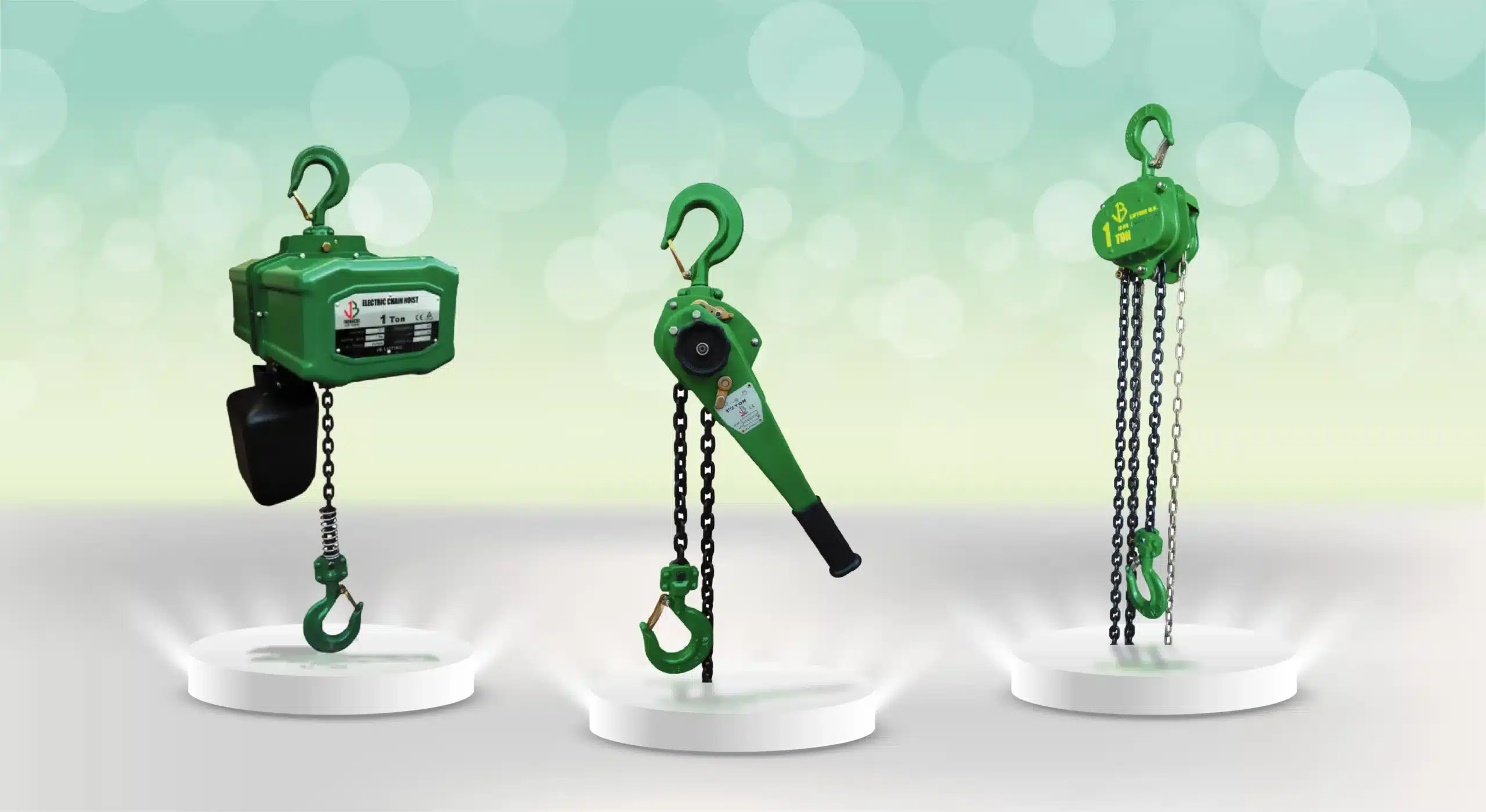
Lever blocks are indispensable tools across various industries, from construction and manufacturing to mining and forestry. These devices, also known as come-alongs or chain falls, are used for lifting, pulling, and positioning heavy loads manually. There are several types of lever blocks, including standard chain blocks, ratchet lever hoists, and mini lever blocks, each designed for specific applications and load capacities. Understanding the specific needs of your operations helps in selecting the right lever block and tailoring the maintenance program accordingly.
Neglecting proper maintenance can lead to a cascade of problems. The rising costs associated with equipment downtime, unexpected repairs, and potential safety incidents underscore the need for a proactive approach. A single failure can halt operations, leading to significant financial losses and putting workers at risk. By implementing a robust lever block maintenance program, you can mitigate these risks and ensure the longevity and reliability of your equipment. We at SSTC have seen firsthand how diligent maintenance can prevent costly accidents and extend the lifespan of lever blocks.
Trend 1: Predictive Maintenance with Lever Blocks
Predictive maintenance involves using data and analytics to anticipate equipment failures before they occur. Instead of relying on fixed maintenance schedules, predictive maintenance employs real-time monitoring and analysis to identify potential issues early, allowing for timely interventions. This approach minimizes downtime, reduces maintenance costs, and enhances overall safety.
Implementing sensor technology is a key component of predictive maintenance for lever blocks. Load cells can be integrated to monitor the weight being lifted, providing data on stress levels and potential overloads. Vibration sensors can detect unusual vibrations that may indicate wear or damage to internal components. Usage tracking systems can monitor the frequency and intensity of lever block use, helping to identify patterns that may lead to premature failure. When our team in Dubai tackles this issue, they often find that integrating load monitoring is the most effective initial step.
Analyzing the data collected from these sensors is crucial for identifying potential issues early. By tracking load patterns, vibration frequencies, and usage statistics, you can detect deviations from normal operating conditions. For example, a sudden increase in vibration may indicate a bearing failure, while consistently exceeding the load limit can lead to chain damage. Case studies have shown that predictive maintenance can reduce downtime by as much as 30% and extend the lifespan of lever blocks by up to 25%.
Trend 2: Advanced Lubrication Techniques
Proper lubrication is essential for reducing friction and wear within lever blocks. Friction can cause premature wear of internal components, leading to reduced efficiency and eventual failure. Effective lubrication minimizes friction, dissipates heat, and protects against corrosion, extending the lifespan of the lever block and ensuring smooth operation.
The latest lubricant technologies offer significant improvements over traditional lubricants. Synthetic lubricants, for example, provide superior performance in extreme temperatures and under heavy loads. They also offer better resistance to oxidation and degradation, extending the lubrication interval and reducing maintenance requirements. Additionally, specialized lubricants are available for specific applications, such as food-grade lubricants for use in the food processing industry or environmentally friendly lubricants for environmentally sensitive areas.
Automated lubrication systems offer a convenient and efficient way to ensure consistent lubrication of lever blocks. These systems can be programmed to deliver precise amounts of lubricant at regular intervals, reducing the risk of over- or under-lubrication. While automated systems offer numerous benefits, including reduced labor costs and improved lubrication consistency, they also have limitations. They require careful setup and monitoring to ensure proper operation, and they may not be suitable for all types of lever blocks or operating environments. Best practices for using automated lubrication systems include selecting the right type of system for your application, programming it to deliver the appropriate amount of lubricant, and regularly inspecting the system to ensure it is functioning correctly.
Trend 3: Enhanced Inspection Protocols
Updating inspection checklists is crucial for addressing modern demands and identifying new failure points. Traditional inspection checklists may not adequately address the complex issues that can arise in today’s industrial environments. A comprehensive inspection checklist should include visual inspections, functional tests, and non-destructive testing methods to identify a wide range of potential problems.
Using drone technology for remote visual inspections offers significant advantages in terms of accessibility and efficiency. Drones can access hard-to-reach areas, such as high elevations or confined spaces, allowing for thorough inspections without the need for scaffolding or specialized equipment. Drones can also be equipped with high-resolution cameras and thermal imaging sensors to detect subtle signs of wear, damage, or corrosion. However, there are also limitations to using drone technology. Drones may be affected by weather conditions, such as wind or rain, and they require skilled operators to ensure safe and effective operation.
Non-Destructive Testing (NDT) methods provide a way to evaluate the integrity of lever blocks without causing damage. Ultrasonic testing uses sound waves to detect internal cracks, voids, or other defects. Magnetic particle inspection uses magnetic fields to detect surface cracks and discontinuities. These methods can identify problems that are not visible to the naked eye, allowing for early intervention and preventing catastrophic failures. SSTC emphasizes the importance of regular NDT as part of a comprehensive maintenance program.
Trend 4: Digital Record-Keeping and Compliance
The shift towards digital maintenance logs offers numerous benefits over traditional paper-based systems. Digital logs reduce paperwork, improve data accuracy, and enhance traceability. They also facilitate data analysis, allowing for better insights into maintenance trends and equipment performance. Digital maintenance logs can be easily accessed and updated from anywhere, making it easier to manage maintenance schedules and track equipment history.
Cloud-based solutions provide a centralized platform for managing maintenance schedules, tracking equipment performance, and ensuring compliance with regulatory standards. These solutions offer accessibility and collaboration, allowing multiple users to access and update information in real-time. Cloud-based solutions also provide data security and backup, protecting against data loss and ensuring business continuity. However, it is important to select a reputable cloud provider and implement appropriate security measures to protect sensitive data.
Ensuring compliance with regulatory standards is a critical aspect of lever block maintenance. Organizations such as OSHA (Occupational Safety and Health Administration) and ASME (American Society of Mechanical Engineers) have established standards and guidelines for the safe use and maintenance of lifting equipment. Compliance with these standards helps to prevent accidents, protect workers, and avoid costly fines and penalties. It is important to stay up-to-date with the latest regulations and implement a maintenance program that meets or exceeds these requirements.
Trend 5: Eco-Friendly Maintenance Practices
Sustainable lubrication options are gaining popularity as organizations seek to reduce their environmental footprint. Biodegradable lubricants are formulated from renewable resources and break down more quickly than traditional lubricants, reducing their impact on the environment. These lubricants offer comparable performance to traditional lubricants and are suitable for a wide range of applications. Choosing sustainable lubrication options is a simple yet effective way to reduce the environmental impact of lever block maintenance.
Recycling and proper disposal of worn parts is another important aspect of eco-friendly maintenance. Worn or damaged lever block components, such as chains, hooks, and gears, should be recycled whenever possible. If recycling is not feasible, these parts should be disposed of in accordance with local regulations. Proper disposal prevents contamination of soil and water and reduces the demand for new raw materials.
Energy-efficient maintenance procedures can also contribute to sustainability. Optimizing usage and reducing waste can lower energy consumption and minimize environmental impact. For example, using the correct size and type of lever block for each task can reduce the amount of energy required. Regular maintenance, such as proper lubrication and chain adjustment, can also improve efficiency and reduce energy consumption.
Step-by-Step Guide to Essential Lever Block Maintenance
Step 1: Visual Inspection: Daily checks for wear and tear.
Begin each workday with a thorough visual inspection of the lever block. Look for any signs of wear, damage, or corrosion on the chain, hooks, levers, and housing. Check for bent, cracked, or distorted components. Ensure that all labels and markings are legible. This daily check is crucial for identifying potential problems before they escalate into serious safety hazards. SSTC recommends that operators be trained to recognize common signs of wear and damage.
Step 2: Cleaning and Lubrication: Proper cleaning and lubrication techniques.
Regular cleaning and lubrication are essential for maintaining the smooth operation of lever blocks. Use a mild detergent and water to remove dirt, grime, and debris from the chain and other components. Avoid using harsh chemicals or solvents that could damage the metal. After cleaning, apply a high-quality lubricant to all moving parts, including the chain, gears, and levers. Be sure to follow the manufacturer’s recommendations for the type and frequency of lubrication.
Step 3: Chain Inspection: Checking for elongation, damage, and corrosion.
Inspect the chain for elongation, damage, and corrosion. Elongation can occur when the chain is subjected to excessive loads or repeated stress. Use a chain gauge to measure the length of the chain and compare it to the manufacturer’s specifications. Look for signs of wear, such as flattened or stretched links. Check for corrosion, rust, or pitting, which can weaken the chain. Replace the chain if it is elongated, damaged, or corroded. We once had a client who got stuck on this step. The trick is to use the correct chain gauge and compare the measurements against the manufacturer’s specifications.
Step 4: Hook Inspection: Inspecting for cracks, deformation, and secure latching.
Inspect the hooks for cracks, deformation, and secure latching. Check for any signs of bending, twisting, or distortion. Use a magnifying glass to look for cracks, especially in areas of high stress. Ensure that the hook latch is functioning properly and securely engages the hook tip. Replace the hook if it is cracked, deformed, or if the latch is not functioning correctly. Regular hook inspection is vital for preventing load slippage and ensuring worker safety.
Step 5: Load Testing: Verifying the lever block’s capacity and functionality.
Periodically perform load testing to verify the lever block’s capacity and functionality. This involves lifting a test weight equal to the lever block’s rated capacity and observing its performance. Check for smooth operation, proper braking, and secure load holding. If the lever block fails to perform as expected, it should be removed from service and inspected by a qualified technician. Load testing should be conducted at least annually or more frequently if the lever block is used in demanding applications.
| Inspection Point |
Frequency |
Action |
| Visual Inspection |
Daily |
Check for wear, damage, corrosion |
| Cleaning & Lubrication |
Weekly |
Remove dirt, apply lubricant |
| Chain Inspection |
Monthly |
Check for elongation, damage |
| Hook Inspection |
Monthly |
Check for cracks, deformation, latch |
| Load Testing |
Annually |
Verify capacity & functionality |
Common Problems and How to Fix Them
Chain slippage is a common problem that can occur when the chain is worn, damaged, or improperly lubricated. It can also be caused by overloading the lever block. To fix chain slippage, first inspect the chain for wear or damage. If the chain is worn, it should be replaced. If the chain is simply dirty or dry, clean and lubricate it thoroughly. Ensure that the lever block is not being overloaded. Always adhere to the manufacturer’s load capacity specifications.
Sticking levers can be caused by dirt, grime, or corrosion. To troubleshoot sticking levers, first clean the lever mechanism with a mild detergent and water. Then, apply a high-quality lubricant to all moving parts. If the lever is still sticking, it may be necessary to disassemble the lever mechanism and inspect for damaged or worn components. Replace any damaged parts and reassemble the lever block. Regular lever block lubrication prevents levers from sticking.
Hook issues, such as cracks or deformation, can compromise the safety of the lever block. If you notice any cracks or deformation on the hook, immediately remove the lever block from service. Replace the hook with a new one that meets the manufacturer’s specifications. Ensure that the hook latch is functioning properly and securely engages the hook tip. Regular inspections are important for early hook issue detection.
Maximizing Lever Block Lifespan: Best Practices
Proper storage techniques are essential for preventing damage and corrosion to lever blocks. Store lever blocks in a clean, dry environment away from direct sunlight and extreme temperatures. Avoid storing lever blocks in areas where they could be exposed to corrosive chemicals or fumes. When storing lever blocks for extended periods, apply a rust inhibitor to protect against corrosion.
Regular training for operators is crucial for ensuring safe and efficient use of lever blocks. Operators should be trained on the proper techniques for lifting, pulling, and positioning loads. They should also be trained on how to inspect lever blocks for wear and damage. Training should cover the importance of adhering to load capacity limits and using the correct type of lever block for each task. We at SSTC prioritize operator training as a fundamental aspect of safe lifting operations.
Scheduled professional inspections are an important part of a comprehensive lever block maintenance program. Qualified technicians can perform thorough inspections and identify potential problems that may not be visible to the untrained eye. Professional inspections should include load testing, non-destructive testing, and detailed visual inspections. These inspections can help to ensure the safety and reliability of lever blocks and extend their lifespan.
“Regular lever block inspections are vital for maintaining safety and operational efficiency. Don’t underestimate the value of a trained eye in identifying potential issues before they escalate.” – John Smith, Lead Safety Inspector
According to a recent study, implementing a comprehensive maintenance program can extend the lifespan of lever blocks by up to 30%.
Conclusion: Ensuring Safety and Efficiency with Modern Lever Block Maintenance
In this guide, we’ve covered the evolving landscape of lever block maintenance, highlighting the importance of predictive maintenance, advanced lubrication techniques, enhanced inspection protocols, digital record-keeping, and eco-friendly practices. By implementing these strategies, you can minimize downtime, reduce maintenance costs, and enhance overall safety. We’ve also provided a step-by-step guide to essential lever block maintenance, covering visual inspections, cleaning and lubrication, chain and hook inspections, and load testing.
The future of lever block maintenance will likely involve even greater use of sensor technology, data analytics, and automation. As technology advances, we can expect to see more sophisticated systems for monitoring equipment performance and predicting failures. These innovations will enable organizations to optimize their maintenance programs and further improve safety and efficiency.
Proactive maintenance is the key to ensuring the longevity, reliability, and safety of lever blocks. By investing in a comprehensive maintenance program, you can protect your workers, reduce downtime, and maximize the value of your equipment. We at Safe and Secure Trading Company are committed to providing you with the knowledge, tools, and support you need to implement an effective lever block maintenance program.
With our expertise and guidance, you can ensure that your lever blocks remain in optimal condition, providing safe and reliable performance for years to come. By following the steps outlined in this guide, you’ve taken a significant step towards ensuring the safety and efficiency of your lifting operations. We’re confident that these guidelines will enhance your understanding of lever block maintenance.
FAQ Section
Q: How often should I perform a visual inspection of my lever block?
A: A visual inspection should be performed daily before each use. This helps to identify any immediate signs of wear, damage, or corrosion that could compromise the safety of the lever block.
Q: What type of lubricant should I use on my lever block?
A: Use a high-quality lubricant specifically designed for lifting equipment. Follow the manufacturer’s recommendations for the type and frequency of lubrication. Synthetic lubricants are often preferred for their superior performance in extreme temperatures and under heavy loads. Lever block lubrication prevents friction wear and ensures smooth operation.
Q: How do I know if my lever block chain is elongated?
A: Use a chain gauge to measure the length of the chain and compare it to the manufacturer’s specifications. If the chain is elongated beyond the specified limit, it should be replaced.
Q: What should I do if I find a crack in the hook of my lever block?
A: Immediately remove the lever block from service. Replace the hook with a new one that meets the manufacturer’s specifications. Never attempt to repair a cracked hook, as this could lead to catastrophic failure.
Q: How often should I perform load testing on my lever block?
A: Load testing should be performed at least annually or more frequently if the lever block is used in demanding applications. This helps to verify the lever block’s capacity and functionality and ensure that it is safe to use. Regular load testing is a critical component of lifting gear inspection.
Q: What regulatory standards should I be aware of for lever block maintenance?
A: Be aware of standards and guidelines from organizations such as OSHA (Occupational Safety and Health Administration) and ASME (American Society of Mechanical Engineers). These organizations have established requirements for the safe use and maintenance of lifting equipment.
Q: Can I use any type of chain with my lever block?
A: No, you should only use the type of chain specified by the lever block manufacturer. Using the wrong type of chain can compromise the safety of the lever block and lead to failure. Always refer to the manufacturer’s specifications for the correct chain type and size.
Q: What are some eco-friendly lubrication options for lever blocks?
A: Biodegradable lubricants are a great option. These lubricants are made from renewable resources and break down more quickly than traditional lubricants, reducing their environmental impact.
Q: How can digital record-keeping improve my lever block maintenance program?
A: Digital record-keeping reduces paperwork, improves data accuracy, and enhances traceability. It also facilitates data analysis, allowing for better insights into maintenance trends and equipment performance. Cloud-based solutions offer accessibility and collaboration, making it easier to manage maintenance schedules and track equipment history.
Q: What should I include in my hoist inspection checklist?
A: A comprehensive hoist inspection checklist should include visual inspections, functional tests, and non-destructive testing methods. Specific items to check include the chain, hooks, levers, housing, labels, and markings. The checklist should also include steps for verifying the lever block’s capacity and functionality.