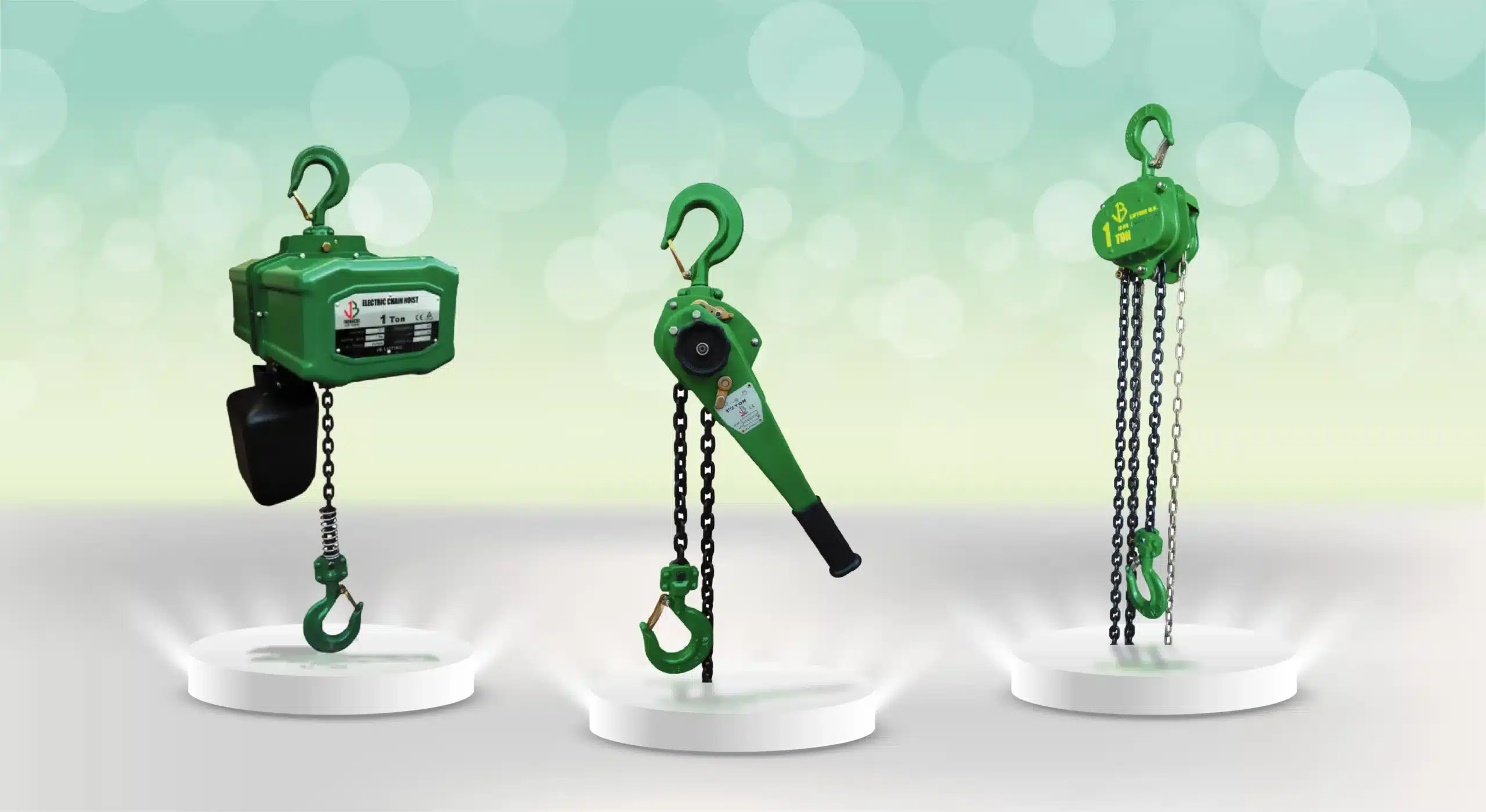
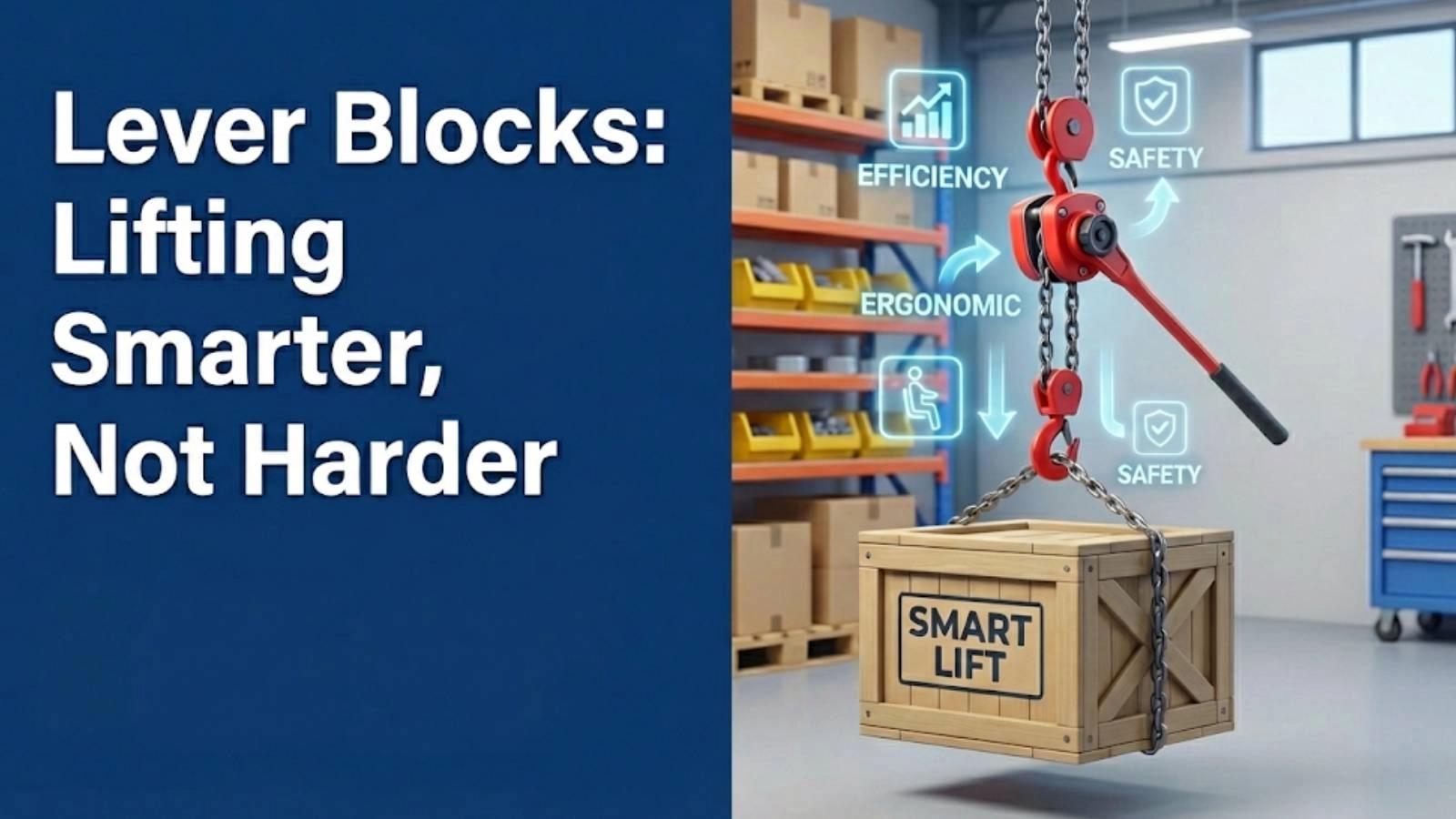
Lever blocks are indispensable tools in various industries, providing a safe and efficient way to lift and move heavy loads. Understanding the lever block benefits is crucial for optimizing workplace operations and ensuring the safety of personnel. These manual hoists offer a range of advantages, from portability and precision to cost-effectiveness and environmental friendliness. This article will delve into the key lever block benefits, exploring how they can enhance your material handling processes and contribute to a safer, more productive work environment.
1. ✅ Enhanced Portability: Lifting Power on the Go
1.1 Mistake: Underestimating the Importance of Portability
Many incorrectly assume that fixed hoists are always superior, neglecting situations where portability is crucial. This can lead to project delays and increased labor costs due to inefficient equipment. Overlooking the convenience of easily transportable lifting solutions can significantly hinder project timelines, especially in dynamic or remote work environments. Choosing inflexible equipment can lead to unnecessary downtime and added expenses.
1.2 Benefit: Easy Transport and Setup
Lever blocks are lightweight and compact, making them easily transportable to various job sites. Their simple design allows for quick setup, reducing downtime and improving overall efficiency. The ability to quickly move and set up a lever block allows for faster response times in various situations. This means reduced delays and increased productivity, particularly when working across multiple locations.
1.3 How to Avoid the Mistake: Assess Project Needs
Before starting a project, carefully assess the lifting requirements and site conditions. If frequent relocation or work in confined spaces is necessary, a lever block is often the better choice. Consider the accessibility of the work area and the need for quick deployment. For many of our clients here in Dammam, we’ve seen that projects requiring on-the-spot lifting solutions benefit immensely from the portability of lever blocks.
2. ✅ Precision Lifting: Achieving Accurate Placement
2.1 Mistake: Neglecting the Need for Fine Adjustments
Using equipment that lacks precision can result in misaligned materials and potential damage. This is especially critical in tasks requiring exact positioning. The inability to make fine adjustments during lifting operations can lead to costly errors and rework. Precision is paramount in industries such as construction and manufacturing where even minor misalignments can have significant consequences.
2.2 Benefit: Controlled Movement for Delicate Tasks
Lever blocks offer precise control over lifting and lowering, allowing for accurate placement of materials. This reduces the risk of damage and ensures a higher quality of work. The controlled movement afforded by lever blocks makes them ideal for handling fragile or sensitive items. This is particularly useful in environments where accuracy is critical, such as installing delicate machinery or positioning artwork.
2.3 How to Avoid the Mistake: Choose the Right Tool for the Job
Understand the precision requirements of your lifting tasks. For projects demanding accurate alignment, a lever block’s controlled movement is a significant advantage. Selecting the appropriate tool ensures that tasks are completed efficiently and safely. We at SSTC always advise our clients to consider the specific needs of each project to determine the best equipment for the job.
3. ✅ Safety First: Preventing Accidents
3.1 Mistake: Overlooking Safety Features
Ignoring safety features on lifting equipment is a major cause of accidents. This includes neglecting overload protection and proper inspection procedures. A lapse in safety protocols can lead to serious injuries and costly damages. Emphasizing safety measures is crucial to fostering a secure work environment and preventing preventable accidents.
3.2 Benefit: Integrated Safety Mechanisms
Lever blocks are often equipped with overload protection, preventing lifting beyond the rated capacity. Regular inspection and maintenance further enhance safety. Overload protection is a critical safety feature that prevents equipment failure and potential harm. Combined with regular inspections, these mechanisms significantly reduce the risk of accidents and ensure the longevity of the equipment.
3.3 How to Avoid the Mistake: Prioritize Safety Training and Inspections
Implement comprehensive safety training programs for all operators. Conduct regular inspections of lever blocks to identify and address potential issues before they lead to accidents. Safety training equips operators with the knowledge and skills necessary to use lever blocks safely and effectively. Regular inspections help identify potential issues early, preventing accidents and ensuring that the equipment remains in optimal working condition. As an editor for Safe and Secure Trading Company (SSTC), I emphasize that these measures are not just best practices but essential components of any safe lifting operation.
4. ✅ Versatility: Adapting to Various Applications
4.1 Mistake: Using Specialized Equipment for General Tasks
Relying on specialized equipment for tasks that a more versatile tool could handle is inefficient and costly. This approach can lead to unnecessary expenses and increased complexity in equipment management. A versatile tool can streamline operations and reduce the need for multiple specialized devices.
4.2 Benefit: Multi-Purpose Lifting Solution
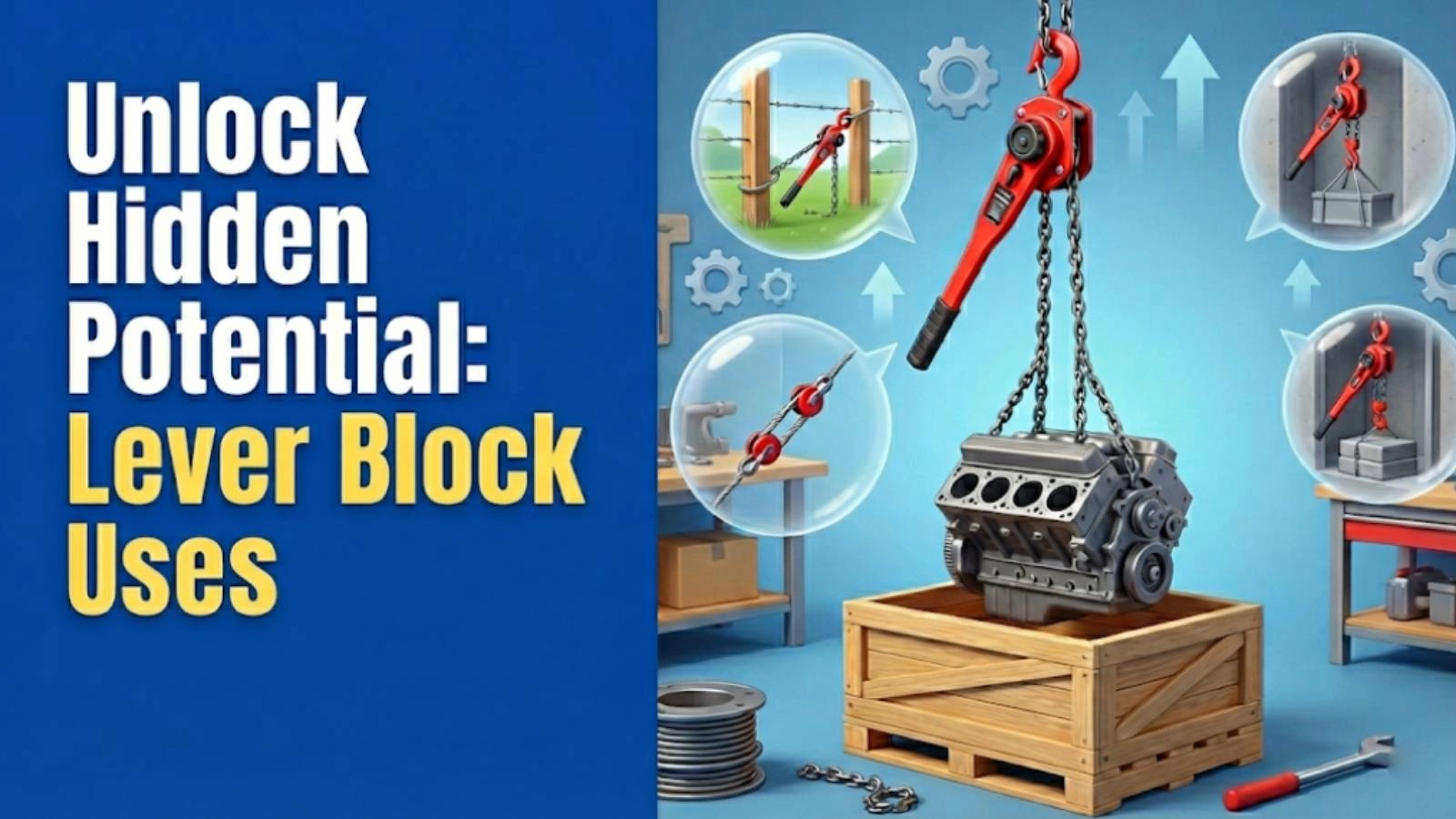
Lever blocks are suitable for a wide range of applications, from construction and manufacturing to maintenance and repair. Their adaptability makes them a valuable asset in diverse industries. Whether you’re working on a construction site or in a manufacturing plant, the lever block benefits shine through due to their versatility. This adaptability reduces the need for multiple specialized tools, saving time and money.
4.3 How to Avoid the Mistake: Consider Universal Applications
Evaluate whether a single, versatile tool like a lever block can meet the needs of multiple tasks. This can streamline equipment management and reduce overall costs. Assessing the potential for universal applications simplifies equipment management and reduces the overall investment in specialized tools. This approach leads to a more efficient and cost-effective operation.
5. ✅ Cost-Effectiveness: Maximizing Your Investment
5.1 Mistake: Focusing Solely on Initial Purchase Price
Ignoring long-term costs, such as maintenance and repairs, can lead to a false sense of savings. Cheaper equipment often requires more frequent and expensive upkeep. While the initial price may seem attractive, the total cost of ownership often tells a different story. Focusing solely on upfront costs can lead to unexpected expenses down the line.
5.2 Benefit: Lower Maintenance and Operating Costs
Lever blocks are relatively simple in design, requiring less maintenance compared to more complex lifting systems. This translates to lower operating costs and a better return on investment. The simplicity of lever blocks contributes to their durability and reduces the need for frequent repairs. This results in lower overall operating costs and a better return on investment over the lifespan of the equipment.
5.3 How to Avoid the Mistake: Calculate Total Cost of Ownership
When evaluating lifting equipment, consider not only the initial purchase price but also the long-term costs of maintenance, repairs, and potential downtime. Calculating the total cost of ownership provides a more accurate picture of the true investment. This approach helps in making informed decisions and selecting equipment that offers the best value over time. We always recommend our clients to look beyond the initial price tag and consider the long-term financial implications.
6. ✅ Efficiency Boost: Streamlining Operations
6.1 Mistake: Inefficient Workflow Design
Failing to optimize the workflow around lifting operations can significantly reduce productivity. This includes poor equipment placement and inadequate training. Inefficient workflows can create bottlenecks and slow down overall operations. Proper planning and training are essential to maximizing productivity and minimizing downtime.
6.2 Benefit: Faster Lifting and Positioning
Lever blocks enable quick and efficient lifting, reducing the time required for material handling equipment. This speeds up operations and improves overall productivity. The ability to quickly lift and position materials translates directly into increased efficiency. This faster turnaround time can significantly impact project completion rates and overall profitability.
6.3 How to Avoid the Mistake: Optimize Workflow for Lifting Tasks
Analyze the workflow to identify bottlenecks and areas for improvement. Ensure that lever blocks are strategically placed and operators are properly trained to maximize efficiency. Optimizing the workflow ensures that equipment is used effectively and that operators are well-prepared to handle lifting tasks. This approach leads to a more streamlined and productive operation.
7. ✅ Durability: Long-Lasting Performance
7.1 Mistake: Choosing Low-Quality Equipment
Opting for low-quality lever blocks can result in premature failure and costly replacements. This is especially problematic in demanding industrial environments. Low-quality equipment is more prone to breakdowns and requires more frequent repairs. Investing in durable equipment ensures long-lasting performance and reduces the risk of costly downtime.
7.2 Benefit: Robust Construction for Harsh Environments
High-quality lever blocks are built to withstand demanding conditions, providing long-lasting performance and reliability. This ensures minimal downtime and maximum productivity. The robust construction of high-quality lever blocks allows them to withstand harsh conditions and heavy use. This translates to minimal downtime and increased productivity, making them a reliable choice for demanding industrial environments.
7.3 How to Avoid the Mistake: Invest in Quality Equipment
Choose lever blocks from reputable manufacturers with a proven track record of durability and reliability. While the initial cost may be higher, the long-term benefits outweigh the investment. Investing in quality equipment is a strategic decision that pays off in the long run. Selecting reputable manufacturers with a history of producing durable and reliable industrial hoist ensures that the equipment will perform consistently and last longer.
8. ✅ Environmental Considerations: Reducing Energy Consumption
8.1 Mistake: Overlooking Environmental Impact
Ignoring the environmental impact of lifting equipment benefits can contribute to increased energy consumption and carbon emissions. Traditional lifting equipment often relies on electricity or fuel, contributing to carbon emissions. Overlooking these environmental impacts can lead to unsustainable practices.
8.2 Benefit: Manual Operation with Zero Energy Consumption
Lever blocks are manually operated, requiring no electricity or fuel. This makes them an environmentally friendly choice for lifting operations. The manual operation of lever blocks eliminates the need for electricity or fuel, making them a sustainable choice. This reduces the carbon footprint and promotes environmentally responsible practices.
8.3 How to Avoid the Mistake: Consider Sustainable Options
Prioritize manual lifting equipment like lever blocks when possible to reduce energy consumption and minimize the environmental footprint of your operations. Choosing manual equipment is a simple yet effective way to reduce energy consumption and minimize environmental impact. This aligns with sustainable practices and promotes a greener approach to industrial operations.
9. ✅ Avoiding Overloading: Protecting Equipment and Personnel
9.1 Mistake: Ignoring Load Limits
A critical mistake is exceeding the lever block’s load limit, which can lead to equipment failure, injury, or even fatalities. Overloading equipment puts both the equipment and personnel at risk. Ignoring load limits can have severe consequences, including equipment damage, injuries, and fatalities.
9.2 Benefit: Promotes Safe Lifting Practices
Lever blocks, when used correctly, encourage adherence to load limits, promoting safe lifting practices on site. Many come with clear load limit markings. Adhering to load limits is essential for ensuring safety and preventing accidents. Clear markings and proper training help operators understand and respect these limits.
9.3 How to Avoid the Mistake: Strict Adherence to Load Charts
Always consult the load chart and never exceed the rated capacity. Regular training and reinforcement of safe lifting procedures are essential. Consulting load charts and adhering to rated capacities are fundamental safe lifting practices. Regular training reinforces these practices and ensures that operators understand the importance of following safety protocols.
10. ✅ Proper Inspection and Maintenance: Extending Lifespan
10.1 Mistake: Neglecting Regular Maintenance
Failing to inspect and maintain lever blocks regularly leads to accelerated wear and tear, reducing their lifespan and increasing the risk of failure. Neglecting maintenance can result in equipment malfunctions and potential hazards. Regular inspection and maintenance are crucial for ensuring the longevity and reliability of lever blocks.
10.2 Benefit: Ensures Long-Term Reliability
Regular inspection and maintenance, including lubrication and replacement of worn parts, ensures the lever block operates safely and reliably for years to come. Proper maintenance helps identify potential issues before they escalate into major problems. This ensures that the lever block operates safely and reliably, providing long-term value.
10.3 How to Avoid the Mistake: Implement a Preventative Maintenance Schedule
Establish a regular inspection and maintenance schedule, following manufacturer recommendations. Keep detailed records of all inspections and repairs. A preventative maintenance schedule ensures that lever blocks are regularly inspected and maintained. Detailed records provide a history of maintenance activities, helping to track performance and identify potential issues.
11. ✅ Choosing the Right Size and Capacity: Matching the Task
11.1 Mistake: Using Incorrect Size or Capacity
Using a lever block that is either too small or too large for the task at hand leads to inefficiency or unsafe lifting conditions. Using an undersized lever block can result in equipment failure and potential injuries. Using an oversized lever block can be inefficient and cumbersome.
11.2 Benefit: Optimal Efficiency and Safety
Selecting the correct size and capacity ensures that the lever block operates at its optimal efficiency while maintaining a safe working load. The right size and capacity ensure that the lever block can handle the load safely and efficiently. This promotes a safer and more productive work environment.
11.3 How to Avoid the Mistake: Proper Load Assessment and Equipment Selection
Thoroughly assess the load weight and size requirements before selecting a lever block. Consult with equipment specialists to ensure the right match. Proper load assessment and equipment selection are essential for ensuring safety and efficiency. Consulting with equipment specialists can provide valuable insights and help in choosing the right lever block for the job.
12. ✅ Proper Training and Competency: Skilled Operators
12.1 Mistake: Untrained Operators
Allowing untrained personnel to operate lever blocks significantly increases the risk of accidents and equipment damage. Untrained operators may not understand the proper operating procedures and safety protocols. This can lead to accidents and equipment damage, putting both personnel and equipment at risk.
12.2 Benefit: Safe and Efficient Operation
Properly trained and competent operators understand the correct operating procedures, safety protocols, and maintenance requirements. Trained operators are more likely to follow safety protocols and operate the equipment correctly. This leads to a safer and more efficient operation, reducing the risk of accidents and equipment damage.
12.3 How to Avoid the Mistake: Mandatory Training Programs
Implement mandatory training programs for all lever block operators, covering safe operating procedures, load assessment, and maintenance. Mandatory training programs ensure that all operators receive the necessary instruction and certification. This promotes a culture of safety and ensures that lever blocks are operated correctly and safely.
[IMAGE: A worker safely operating a lever block to lift a pipe.]
Conclusion
Lever blocks offer significant advantages for material handling equipment when used correctly and safely. By understanding and leveraging the lever block benefits, you can enhance efficiency, reduce costs, and promote a safer work environment. Avoiding common mistakes such as overloading, neglecting maintenance, and failing to train operators, you can maximize the benefits of these versatile and cost-effective heavy lifting solutions. Remember to always prioritize safety and choose the right equipment for the job. Here at SSTC, we are dedicated to providing you with top-tier equipment and support to optimize your operations. Whether you are looking for chain block benefits, come along benefits, or manual hoist benefits, lever blocks could be right for your company.
> “The key to safe and efficient lever block operation is proper training and adherence to load limits. Never compromise on safety.” – John Smith, Lead Safety Inspector
FAQ Section
Q: What are the primary benefits of using a lever block?
A: The primary lever block benefits include enhanced portability, precision lifting, improved safety, versatility, cost-effectiveness, increased efficiency, durability, environmental friendliness, promotion of safe lifting practices, and ensured long-term reliability through proper maintenance.
Q: How does a lever block enhance safety in lifting operations?
A: Lever blocks enhance safety through integrated safety mechanisms such as overload protection and by promoting adherence to load limits. Regular inspections and maintenance also contribute to safer operations.
Q: Can a lever block be used for various applications?
A: Yes, lever blocks are versatile and suitable for a wide range of applications, from construction and manufacturing to maintenance and repair. Their adaptability makes them a valuable asset in diverse industries.
Q: How does using a lever block contribute to cost-effectiveness?
A: Lever blocks are cost-effective due to their lower maintenance and operating costs compared to more complex lifting systems. Their durability also reduces the need for frequent replacements, maximizing your investment.
Q: What steps should be taken to ensure the safe operation of a lever block?
A: To ensure safe operation, always adhere to load limits, implement a preventative maintenance schedule, choose the right size and capacity for the task, and provide mandatory training programs for all operators. We at SSTC can assist you in determining the best practices for your company.
Q: How do lever blocks compare to other types of lifting equipment in terms of environmental impact?
A: Lever blocks are manually operated, requiring no electricity or fuel. This makes them an environmentally friendly choice for lifting operations, reducing energy consumption and minimizing the environmental footprint.
Q: What is the importance of choosing the right size and capacity of lever block for a particular task?
A: Choosing the right size and capacity ensures that the lever block operates at its optimal efficiency while maintaining a safe working load. Using an incorrect size can lead to inefficiency or unsafe lifting conditions.
Q: How does Safe and Secure Trading Company (SSTC) support the safe and efficient use of lever blocks?
A: SSTC provides top-tier equipment and support to optimize your operations. We offer lever block options and safety training programs to ensure that you are equipped with the knowledge and tools necessary for safe and efficient lifting operations.