Lever blocks are indispensable tools in various industries, renowned for their ability to lift and position heavy loads with precision. While their primary function is widely understood, many users only scratch the surface of what these versatile devices can truly offer. This article aims to delve deeper, revealing three lesser-known lever block benefits that can significantly enhance your operations.
We at Safe and Secure Trading Company (SSTC) have observed firsthand how understanding these advantages can transform material handling processes, making them safer, more efficient, and more versatile. From construction sites in Riyadh to manufacturing plants in Jeddah, our clients have benefited from leveraging the full potential of lever blocks.
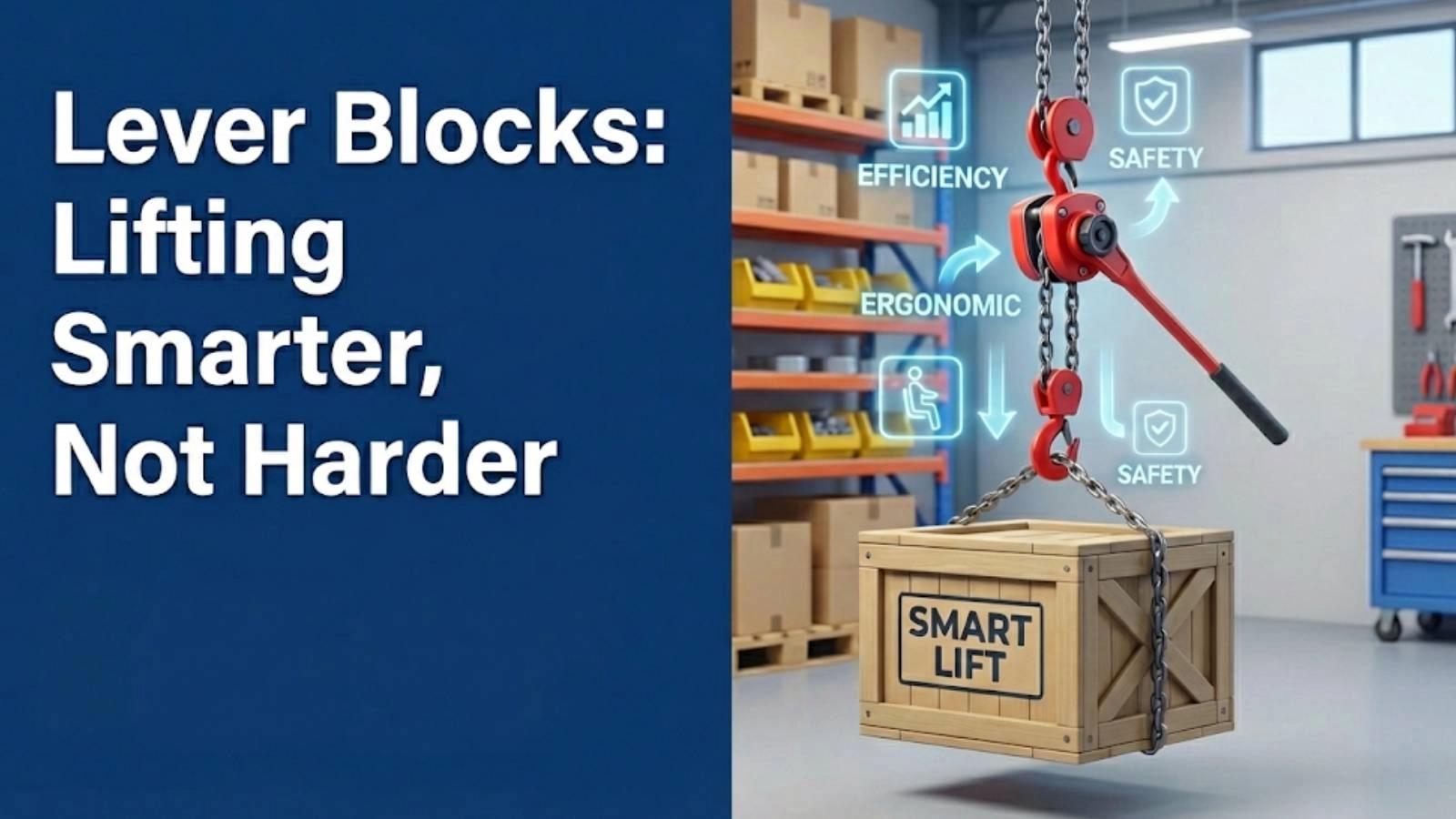
Let’s explore these often-overlooked lever block benefits: Enhanced Safety, Increased Versatility, and Improved Efficiency. By understanding and implementing these advantages, you can optimize your lifting operations and unlock new possibilities for your business.
1. Enhanced Safety Through Controlled Load Management
Problem: Risk of Uncontrolled Descent
Alternative lifting methods, such as ropes or direct manual lifting, pose significant safety risks. The potential for a load to slip or drop unexpectedly is ever-present, potentially leading to severe injuries for workers and damage to equipment. This is particularly concerning in dynamic environments like construction sites or during maintenance operations.
Solution: Lever Blocks Provide Precise Control
Lever blocks offer a superior level of safety through their controlled lifting and lowering capabilities. Unlike simpler methods, lever blocks allow operators to precisely manage the movement of a load, eliminating the risk of sudden drops. This controlled approach is crucial for protecting both the operator and any personnel in the vicinity of the lifting operation. The mechanical advantage lifting principle makes this precise control possible.
Mechanical Advantage Reduces Strain
The lever hoist advantages are numerous, and among them is the significant reduction of physical strain on the operator. The inherent mechanical advantage of a lever block multiplies the force applied by the user, allowing them to lift heavy objects with less effort. This not only reduces the risk of muscle strains and other injuries but also improves overall worker comfort and productivity. We have found that providing ergonomic lifting solutions not only decreases injuries, but also enhances job satisfaction.
Load Holding Mechanism Prevents Slippage
A critical safety feature of lever blocks is their built-in load-holding mechanism. This mechanism securely locks the load in place, preventing any slippage or free-falling, even if the operator releases the lever. This is particularly important when working at heights or in situations where precise positioning is required. For many of our clients here in Dammam, we’ve seen that load-holding mechanisms are essential for avoiding workplace accidents.
Incremental Adjustments for Precise Positioning
Lever blocks enable operators to make minute, precise adjustments when lifting or lowering loads. This capability is invaluable in situations where accuracy is paramount, such as aligning machinery or installing delicate components. The ability to make incremental adjustments minimizes the risk of collisions or damage to the load or surrounding equipment, ensuring a safer and more controlled lifting process. This precise load positioning is crucial in many industrial applications.
2. Increased Versatility in Confined Spaces
Problem: Limited Accessibility with Other Lifting Equipment
Traditional lifting equipment, such as cranes and forklifts, often face limitations when operating in confined spaces or areas with restricted access. These machines may be too large or cumbersome to maneuver in narrow aisles, pits, or other tight quarters, making it difficult to perform essential lifting tasks.
Solution: Lever Blocks Enable Lifting in Tight Quarters
Lever blocks excel in situations where space is limited. Their compact design and flexible mounting options allow them to be used in confined spaces, awkward angles, and remote locations where other equipment is impractical. This versatility makes lever blocks an indispensable tool for a wide range of applications, from maintenance and repair work to construction and manufacturing. For confined space lifting, lever blocks often offer the ideal solution.
Compact Design for Tight Spaces
The compact and portable design of lever blocks is a key factor in their versatility. Their small size allows them to be easily transported and used in areas with limited headroom or narrow passages. This makes them ideal for use in tight spaces such as maintenance tunnels, equipment rooms, and storage areas. The chain block benefits extend to their portability and ease of use in challenging environments.
Flexibility in Mounting Options
Lever blocks offer a high degree of flexibility in terms of mounting options. They can be easily attached to various structures, such as beams, pipes, or walls, using hooks, clamps, or slings. This adaptability allows them to be used in a wide range of environments and configurations, making them a versatile solution for various lifting challenges. Manual hoist advantages include their adaptability to different mounting scenarios.
Horizontal Pulling and Positioning Capabilities
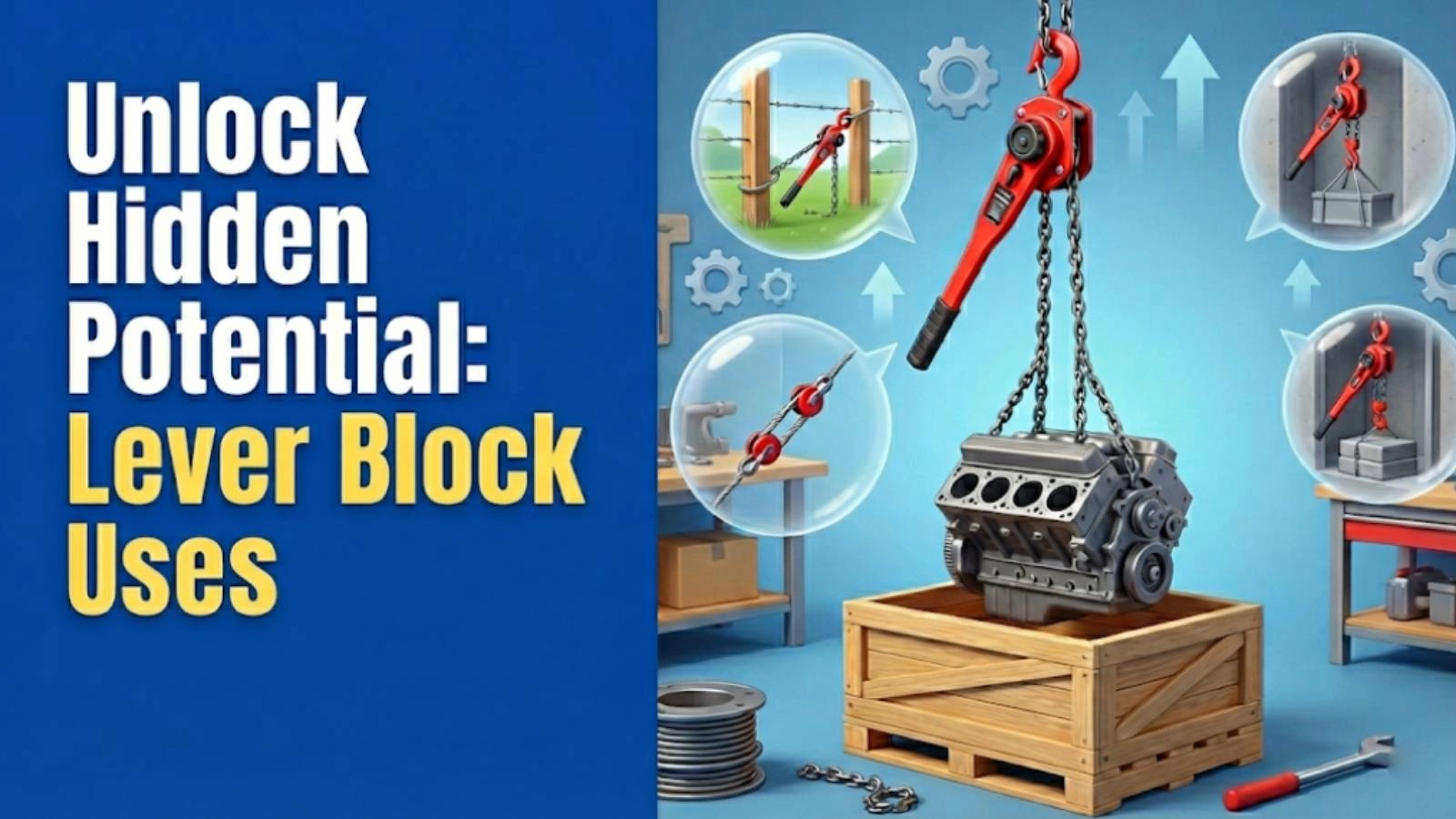
Beyond vertical lifting, lever blocks can also be used for horizontal pulling and precise positioning of loads. This capability expands their utility, allowing them to be used for tasks such as aligning pipes, moving equipment, or tensioning cables. The ability to apply force horizontally makes lever blocks a valuable tool in construction, maintenance, and rigging applications.
3. Improved Efficiency with Ergonomic Operation
Problem: Time-Consuming and Labor-Intensive Lifting Processes
Manual lifting and other less efficient methods can be time-consuming and labor-intensive, slowing down operations and increasing labor costs. These methods often require multiple workers and can lead to fatigue and injuries, further impacting productivity. Inefficient lifting processes can also create bottlenecks and delays, disrupting the overall workflow.
Solution: Lever Blocks Streamline Lifting Tasks
Lever blocks significantly improve efficiency by making lifting tasks quicker and easier. The mechanical advantage they provide reduces the physical effort required to lift heavy loads, allowing workers to complete tasks more quickly and with less strain. This improved efficiency translates to reduced labor costs, increased productivity, and a more streamlined operation overall. The hoist operation efficiency is enhanced by reducing manual effort and the time required for lifting tasks.
Reduced Physical Exertion
The mechanical advantage of a lever block minimizes the physical exertion required to lift heavy loads. This is a significant advantage for workers, reducing fatigue and the risk of injuries such as back strains and muscle pulls. By reducing physical strain, lever blocks contribute to a safer and more productive work environment. Providing ergonomic lifting solutions enhances worker well-being and reduces the likelihood of workplace injuries.
Faster Lifting Speeds Compared to Manual Methods
Lever blocks enable faster lifting speeds compared to manual lifting, particularly for repetitive tasks or heavier items. The smooth and controlled operation of the lever block allows workers to quickly and efficiently raise and lower loads, reducing the time required to complete lifting tasks. This is especially beneficial in high-volume operations where even small time savings can add up to significant productivity gains.
Simplified Operation with User-Friendly Design
The simple and intuitive design of lever blocks makes them easy to learn and operate with minimal training. Their straightforward operation reduces the learning curve, allowing workers to quickly become proficient in their use. This ease of use contributes to improved efficiency and reduces the risk of errors or accidents caused by improper operation. We emphasize the importance of proper training, even for user-friendly equipment like lever blocks.
4. Addressing Common Misconceptions About Lever Blocks
Problem: Underestimation of Capabilities
A common misconception is that lever blocks are only suitable for light loads or occasional use. This underestimation of their capabilities prevents many potential users from realizing the full extent of their benefits. In reality, lever blocks are capable of handling heavy loads and can be used in demanding industrial applications.
Solution: Debunking Myths with Facts and Examples
It’s crucial to dispel these myths by providing concrete examples of how lever blocks can handle heavy loads and perform effectively in various industrial settings. Showcasing successful case studies and highlighting the robust construction and high load capacities of modern lever blocks can help change perceptions and encourage wider adoption.
Load Capacity Considerations
Clarifying load capacity ratings is essential for ensuring safe and effective lever block use. Users need to understand how to properly assess their lifting needs and choose a lever block with an appropriate load capacity for the intended tasks. Exceeding the rated load capacity can lead to equipment failure and potentially dangerous situations. We always advise clients to carefully consider their lifting requirements before selecting a lever block.
Material and Construction Quality
Emphasizing the importance of using high-quality lever blocks made from durable materials is crucial. Lever blocks constructed from high-strength alloys and incorporating robust components are more reliable and safer to use. Investing in quality equipment ensures long-term value and minimizes the risk of breakdowns or accidents.
Regular Inspection and Maintenance
Highlighting the need for regular inspection and maintenance is vital for ensuring the continued safe and reliable operation of lever blocks. Regular inspections can identify potential problems before they lead to equipment failure, while proper maintenance ensures that the lever block remains in good working condition and provides long-term value.
5. Real-World Applications of Lever Block Benefits
Problem: Lack of Awareness of Practical Use Cases
Many potential users are unaware of the diverse range of applications where lever blocks can be beneficial. This lack of awareness limits their adoption and prevents businesses from fully leveraging their advantages.
Solution: Showcasing Case Studies and Examples
Providing real-world examples and case studies can effectively demonstrate the practical benefits of lever blocks. Showcasing how they have been used to solve specific lifting challenges in various industries can inspire potential users and encourage them to explore the possibilities for their own operations.
Construction Sites
Lever blocks are widely used on construction sites to lift and position materials, particularly in areas with limited access. They are invaluable for tasks such as hoisting steel beams, positioning concrete forms, and installing equipment in tight spaces. Their portability and ease of use make them ideal for the dynamic environment of a construction site.
Manufacturing Plants
In manufacturing plants, lever blocks are used to move heavy components and equipment during assembly and maintenance. They are essential for tasks such as positioning machinery, lifting molds, and installing overhead cranes. Their precise control and ergonomic operation make them a valuable tool for improving efficiency and safety in manufacturing operations.
Mining Operations
Lever blocks play a crucial role in mining operations, where they are used to lift and position equipment in underground tunnels and shafts. They are particularly useful in areas with limited headroom or difficult access. Their robust construction and reliable performance make them well-suited for the demanding conditions of a mining environment.
6. Comparing Lever Blocks to Alternative Lifting Solutions
Problem: Choosing the Right Equipment for the Job
Selecting the most appropriate lifting equipment for different tasks and environments can be challenging. Each type of equipment has its own advantages and disadvantages, and choosing the wrong tool can lead to inefficiencies, safety risks, and increased costs.
Solution: A Comparative Analysis
Providing a comparative analysis of lever blocks and other lifting solutions can help users make informed decisions. Comparing lever blocks to chain hoists, electric hoists, and cranes in terms of safety, versatility, and efficiency can highlight their strengths and weaknesses and guide users towards the best option for their specific needs.
Chain Hoists vs. Lever Blocks
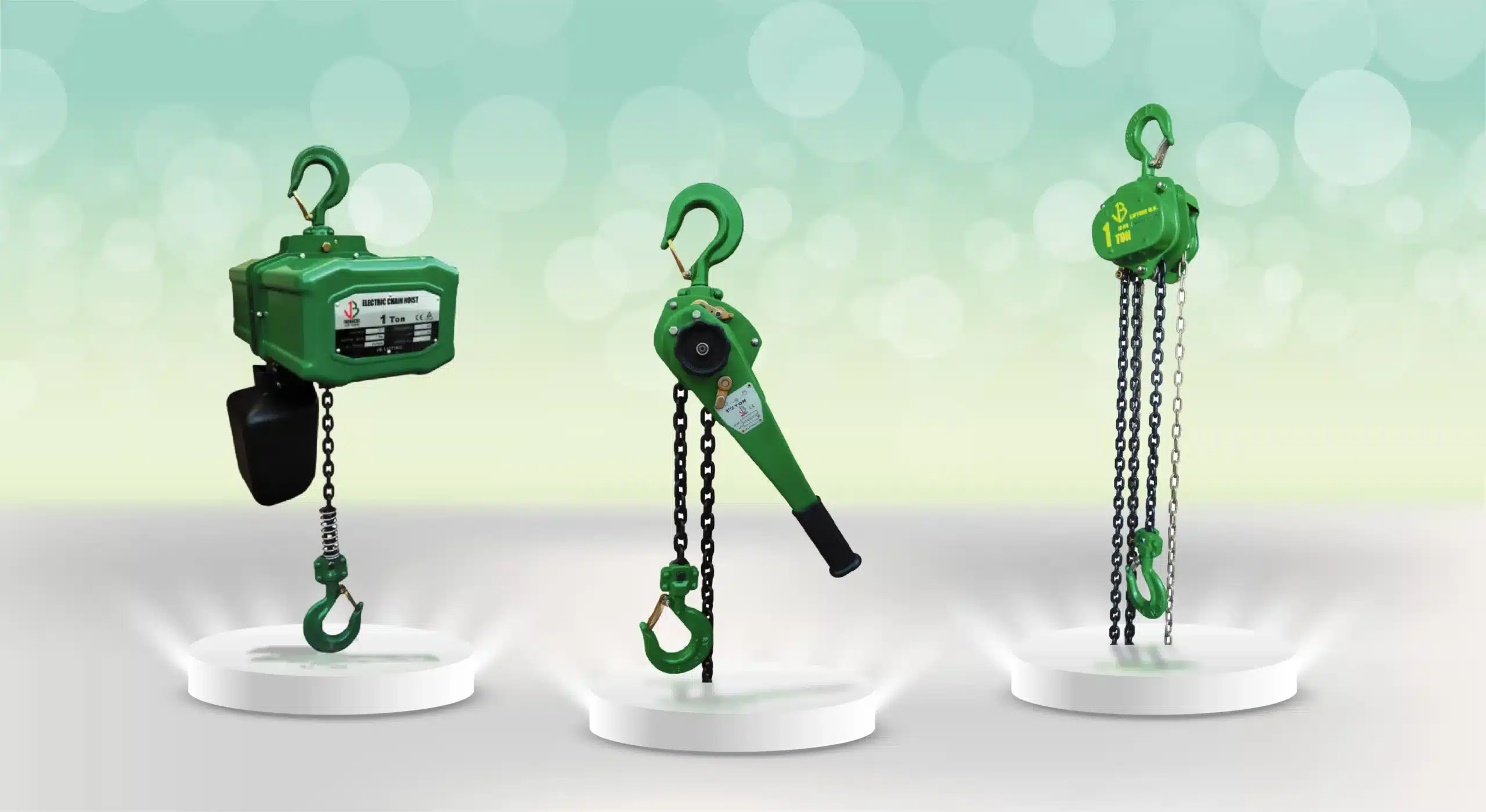
Chain hoists and lever blocks are both manually operated lifting devices, but they differ in their mechanism and application. Chain hoists use a continuous loop of chain to lift loads vertically, while lever blocks use a lever and ratchet mechanism. Lever blocks are generally more portable and versatile, making them suitable for confined spaces and horizontal pulling applications. Chain hoists, on the other hand, typically offer higher load capacities and faster lifting speeds for vertical lifts.
Electric Hoists vs. Lever Blocks
Electric hoists offer the advantage of powered lifting, which can be faster and less strenuous than manual operation. However, they require a power source and may be less portable than lever blocks. Lever blocks are a better choice for situations where power is not readily available or where portability is a key consideration. Furthermore, lever blocks are often more cost-effective for applications that do not require frequent or high-volume lifting.
Cranes vs. Lever Blocks
Cranes offer the highest load capacities and lifting heights, but they are also the most expensive and require significant space and infrastructure. Lever blocks are a more practical and cost-effective solution for smaller-scale lifting tasks, particularly in confined spaces or remote locations where cranes are not feasible. The material handling safety considerations often favor lever blocks in tighter spaces.
7. Proper Training and Certification for Lever Block Operation
Problem: Lack of Knowledge and Safe Operating Procedures
Using lever blocks without proper training and knowledge of safe operating procedures can be extremely dangerous. Lack of awareness of potential hazards, improper lifting techniques, and inadequate inspection and maintenance can lead to accidents, injuries, and equipment damage.
Solution: Emphasizing Training and Certification Programs
Highlighting the importance of training and certification programs for lever block operators is crucial for ensuring safe and efficient use. Comprehensive training programs can equip operators with the knowledge and skills they need to operate lever blocks safely and effectively, reducing the risk of accidents and injuries.
Essential Training Topics
A comprehensive lever block training program should cover essential topics such as:
- Proper inspection procedures
- Safe operating techniques
- Load capacity limitations
- Slinging and rigging techniques
- Maintenance and troubleshooting
- Emergency procedures
Certification Requirements and Standards
Discussing relevant certification requirements and industry standards for lever block operators is essential for promoting safety and compliance. Certification programs demonstrate that operators have met a certain level of competency and are qualified to operate lever blocks safely.
Promoting a Culture of Safety
Emphasizing the need for a strong safety culture in the workplace is crucial for preventing accidents and injuries related to lever block use. A safety culture encourages workers to prioritize safety, report potential hazards, and follow safe operating procedures at all times.
8. The Environmental Benefits of Using Lever Blocks
Problem: Overlooked Sustainability Aspects
Many businesses overlook the environmental impact of their material handling choices, focusing solely on cost and efficiency. However, sustainable practices are becoming increasingly important, and businesses should consider the environmental benefits of different lifting solutions.
Solution: Highlighting Eco-Friendly Advantages
Showcasing the eco-friendly advantages of lever blocks can encourage businesses to adopt more sustainable practices. Lever blocks, being manually powered, offer several environmental benefits compared to electric or hydraulic alternatives.
Reduced Energy Consumption
Using lever blocks eliminates the need for electricity, reducing energy consumption and carbon emissions. This is a significant advantage over electric hoists, which consume energy even when idle. By choosing lever blocks, businesses can reduce their carbon footprint and contribute to a more sustainable future.
Longer Lifespan and Durability
The durability and long lifespan of lever blocks reduce the need for frequent replacements, minimizing waste. Lever blocks are designed to withstand demanding conditions and provide years of reliable service. This longevity makes them a more sustainable choice compared to equipment that requires frequent replacement.
Minimal Environmental Impact
The overall environmental impact of lever blocks is minimal compared to other lifting equipment that rely on electricity or fossil fuels. They do not produce emissions, require minimal maintenance, and have a long lifespan, making them a sustainable and environmentally responsible choice.
“Investing in sustainable lifting solutions like lever blocks isn’t just good for the environment, it’s also good for business. Reducing energy consumption and minimizing waste can lead to significant cost savings in the long run.” – Emily Carter, Sustainability Consultant
9. Cost-Effectiveness of Lever Blocks
Problem: Focusing Solely on Initial Purchase Price
Many businesses only consider the upfront cost when evaluating lifting equipment, overlooking the long-term cost savings associated with different options. This narrow focus can lead to suboptimal decisions that ultimately increase costs over time.
Solution: Showcasing Long-Term Value
Demonstrating the long-term cost savings associated with lever block use can help businesses make more informed decisions. While the initial purchase price of a lever block may be higher than some alternatives, its lower maintenance costs, extended lifespan, and reduced energy consumption can result in significant savings over time.
Lower Maintenance Costs
Lever blocks typically have lower maintenance costs compared to electric or hydraulic alternatives. Their simple design and robust construction minimize the need for repairs and replacements. This translates to lower maintenance expenses and reduced downtime, contributing to overall cost savings.
Extended Lifespan and Durability
The durability and long lifespan of lever blocks reduce the need for frequent replacements. This is a significant advantage over equipment that requires frequent repairs or replacements, as it minimizes the total cost of ownership over the long term.
Reduced Energy Consumption and Operating Costs
Lever blocks eliminate energy consumption costs, leading to significant savings over time. This is a major advantage over electric hoists, which consume energy even when idle. By choosing lever blocks, businesses can reduce their operating costs and improve their bottom line.
10. Choosing the Right Lever Block for Your Needs
Problem: Overwhelmed by Options
Customers often feel lost when trying to select the right lever block due to the variety of models and specifications available. This can lead to confusion and uncertainty, making it difficult to choose the best lever block for their specific needs.
Solution: Providing a Clear Selection Guide
Offering a step-by-step guide can help users choose the appropriate lever block for their specific applications. This guide should cover key considerations such as load capacity, chain length, lift height, and optional features.
Load Capacity Considerations
Reiterating the importance of selecting a lever block with the appropriate load capacity for the intended lifting tasks is crucial. Exceeding the rated load capacity can lead to equipment failure and potentially dangerous situations.
Chain Length and Lift Height
Discussing how to determine the appropriate chain length and lift height based on the specific requirements of the lifting application is essential. The chain length should be long enough to allow the load to be lifted to the desired height without exceeding the lever block’s capacity.
Features and Accessories
Highlighting optional features and accessories, such as overload protection, swivel hooks, and chain containers, can help users choose a lever block that meets their specific needs. These features can enhance the safety and performance of the lever block and make it more convenient to use.
11. Future Trends in Lever Block Technology
Problem: Static Perception of Traditional Tools
Some perceive lever blocks as outdated compared to newer technologies. It’s vital to demonstrate that lever block technology is continuously evolving to meet the changing needs of industry.
Solution: Showcasing Innovations
Highlighting ongoing developments and improvements in lever block design and materials can dispel this perception and demonstrate the continued relevance of lever blocks in modern material handling.
Advanced Materials and Construction
Discussing the use of advanced materials, such as high-strength alloys and composite materials, to improve the durability and performance of lever blocks is important. These materials can reduce the weight of lever blocks while increasing their load capacity and resistance to wear and tear.
Enhanced Safety Features
Highlighting the development of new safety features, such as overload indicators, slip clutches, and automatic braking systems, can further enhance the safety of lever block operation. These features can help prevent accidents and injuries caused by overloading or improper use.
Smart Lever Blocks with IoT Integration
Exploring the potential of integrating lever blocks with IoT (Internet of Things) technology to enable remote monitoring, data analysis, and predictive maintenance is a fascinating area of development. This technology could allow users to track the usage and performance of their lever blocks, identify potential problems before they occur, and optimize their maintenance schedules.
Conclusion
In summary, the lever block benefits extend far beyond simple lifting. The enhanced safety through controlled load management, increased versatility in confined spaces, and improved efficiency with ergonomic operation make them an invaluable asset. The lever block benefits include significant long-term cost savings, making them a smart choice for any business.
At Safe and Secure Trading Company (SSTC), we are committed to providing our clients with the highest quality lever blocks and expert advice to help them optimize their material handling operations. We believe that understanding and leveraging these lesser-known advantages can significantly improve your business’s safety, efficiency, and profitability. We’re here to assist you in making the best choices for your specific lifting needs.
FAQ Section
Q: What is a lever block?
A: A lever block is a manual lifting device that uses a lever and ratchet mechanism to lift and lower heavy loads. It’s known for its portability and precise control.
Q: What are the main advantages of using a lever block?
A: The main advantages include enhanced safety, increased versatility in confined spaces, improved efficiency through ergonomic operation, and long-term cost-effectiveness. The lever hoist advantages make them a favored tool.
Q: How do lever blocks enhance safety?
A: Lever blocks provide precise control over lifting and lowering, preventing sudden drops. They also feature a load-holding mechanism to prevent slippage, reducing the risk of accidents.
Q: Where can lever blocks be used effectively?
A: Lever blocks are particularly useful in confined spaces, construction sites, manufacturing plants, and mining operations, where other lifting equipment may be impractical. Their flexibility helps with material handling safety.
Q: Are lever blocks environmentally friendly?
A: Yes, lever blocks are environmentally friendly because they are manually powered, reducing energy consumption and carbon emissions.
Q: What maintenance is required for lever blocks?
A: Regular inspection and maintenance are required to ensure safe and reliable operation. This includes checking for wear and tear, lubricating moving parts, and ensuring the load chain is in good condition.
Q: How do I choose the right lever block for my needs?
A: Consider the load capacity, chain length, lift height, and optional features. Ensure the lever block is rated for the maximum weight you intend to lift.
Q: Do I need training to operate a lever block safely?
A: Yes, proper training is essential for safe and efficient operation. Training should cover inspection, operation, and maintenance procedures.
Q: Are lever blocks suitable for heavy loads?
A: Yes, high-quality lever blocks are designed to handle heavy loads, provided you select a model with an appropriate load capacity rating.
Q: What is the typical lifespan of a lever block?
A: The lifespan of a lever block depends on the quality of construction and the frequency of use, but with proper maintenance, a lever block can last for many years. The lifting equipment benefits include their long operational life.