Lever Block: How to Choose the Right One
Introduction to Lever Block Selection
Understanding Lever Blocks
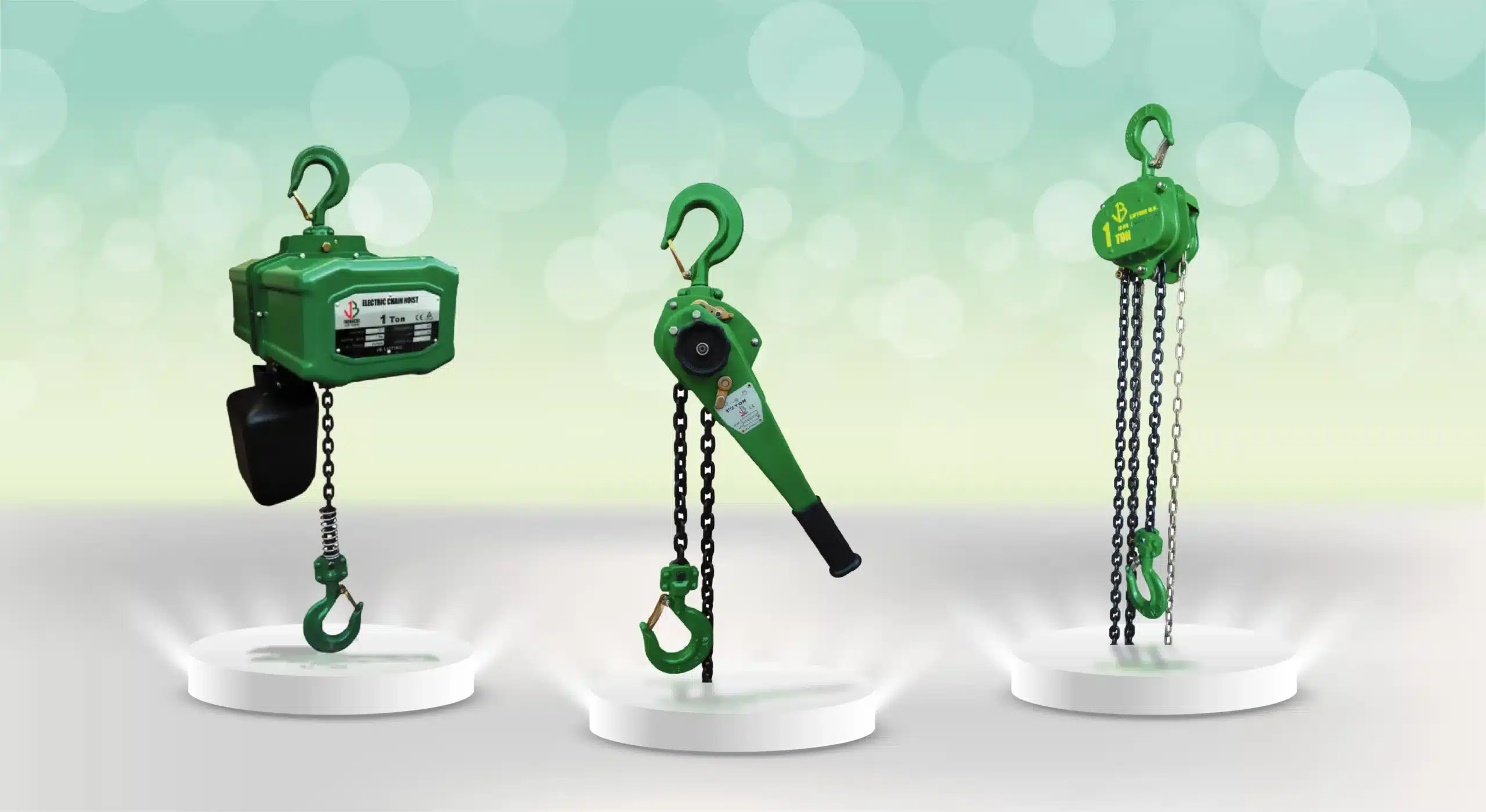
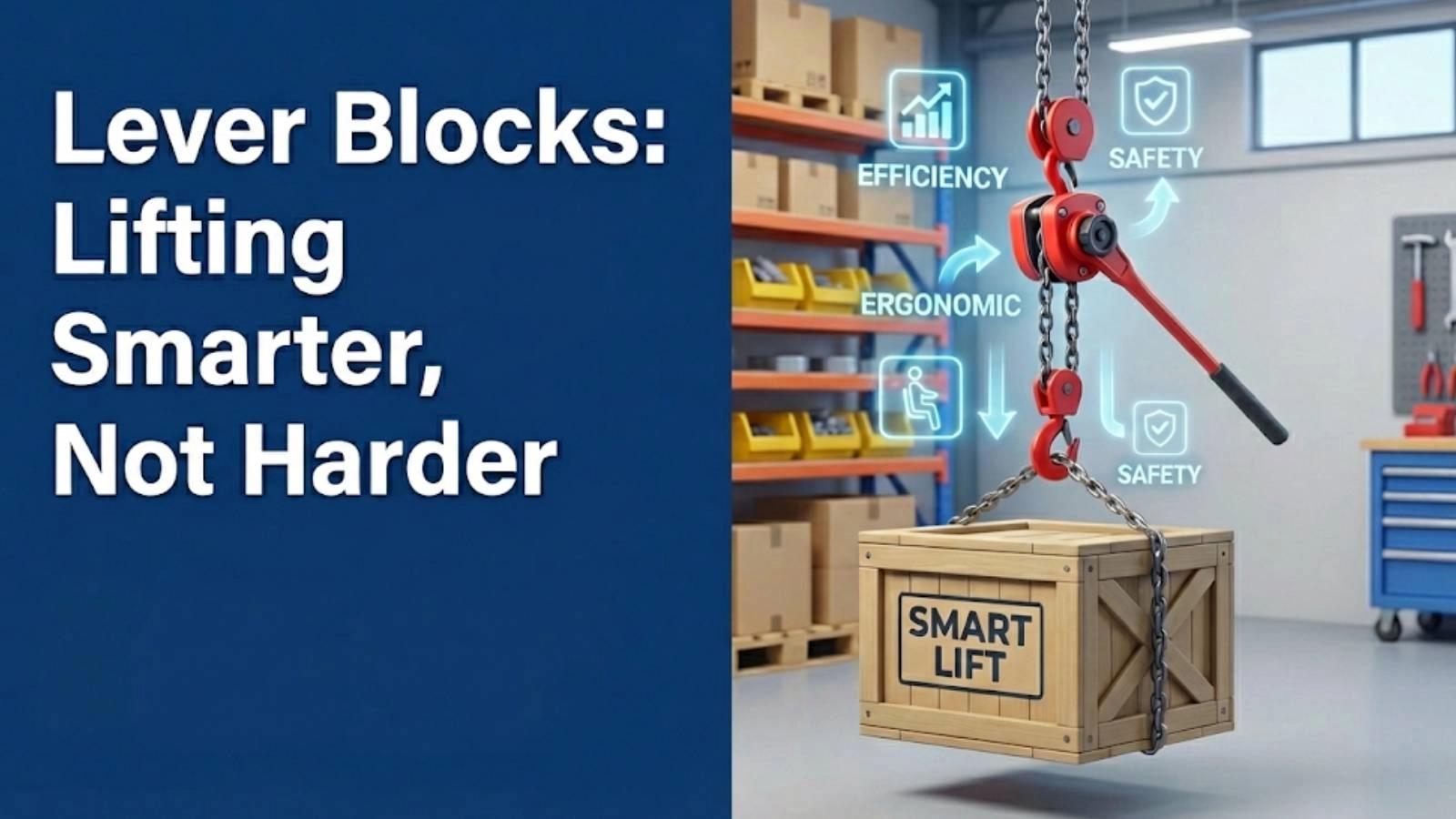
A lever block, also known as a chain hoist or come along, is a manual lifting device used to raise, lower, or pull heavy loads. It operates using a lever and ratchet system to provide mechanical advantage, allowing users to lift substantial weights with relatively little effort. These tools are indispensable in various industries for heavy lifting, offering a portable and reliable solution where powered equipment isn’t feasible or available.
The history of lever blocks dates back to the late 19th century, evolving from simpler pulley systems to the sophisticated devices we use today. Early versions were primarily used in shipbuilding and railway construction, where the need for portable lifting solutions was paramount. Over time, advancements in materials and engineering have led to more compact, durable, and efficient designs. 2026 models often incorporate features like overload protection and improved braking systems for enhanced safety.
Common terminology related to lever blocks includes:
- Working Load Limit (WLL): The maximum load a lever block is designed to lift safely.
- Safety Factor: The ratio between the breaking strength and the WLL.
- Chain Grade: The strength and quality of the chain used in the hoist.
- Lift Height: The maximum vertical distance the load can be lifted.
- Mechanical Advantage: The ratio of the load lifted to the force applied on the lever.
Importance of Proper Lever Block Selection
Selecting the correct lever block is crucial for ensuring safety and efficiency in heavy lifting operations. Using an inadequate or incorrect lever block can lead to equipment failure, property damage, and, most importantly, serious injuries or fatalities. Proper lever block selection ensures that the equipment is capable of handling the intended load safely and reliably.
Failing to choose the right lever block can have dire consequences. Overloading a lever block beyond its WLL can cause the chain to snap, the hooks to break, or the entire unit to fail. This not only jeopardizes the safety of personnel but can also result in significant damage to the load and surrounding infrastructure. Moreover, using a lever block with inadequate features for the specific environment, such as corrosion-resistant materials in marine settings, can lead to premature wear and failure.
Correct equipment selection is paramount for operational efficiency. A properly chosen lever block allows for smooth and controlled lifting, reducing the time and effort required to complete the task. It also minimizes the risk of accidents and downtime, ensuring that operations run smoothly and safely. In our experience at Safe and Secure Trading Company (SSTC), we’ve seen countless instances where the right equipment drastically improves productivity and safety.
Load Capacity Considerations
Determining the maximum load requirement is the first step in lever block selection. Always accurately estimate the weight of the load you intend to lift. It’s better to overestimate slightly than to underestimate, as exceeding the lever block’s capacity is extremely dangerous. Consult the load’s documentation, use calibrated weighing equipment, or seek expert advice to ensure an accurate assessment.
The Working Load Limit (WLL) is the maximum weight a lever block is designed to lift safely. This value is typically marked on the lever block and should never be exceeded. The Breaking Strength, on the other hand, is the force at which the lever block or its components are expected to fail. The WLL is always significantly lower than the breaking strength to provide a margin of safety.
The safety factor is the ratio between the breaking strength and the WLL. A common safety factor for lever blocks is 4:1, meaning the breaking strength is four times the WLL. This ensures that the lever block can withstand unexpected stresses and loads without failing. Always choose a lever block with an appropriate safety factor for the intended application. For instance, in critical lifting applications, a higher safety factor may be required.
Key Factors in Lever Block Selection
Lift Height and Chain Length
Calculating the required lift height for the application is essential. Measure the vertical distance the load needs to be raised, ensuring to account for any obstructions or overhead structures. Add a bit of extra length to this measurement to allow for adjustments and ensure the lever block operates within its optimal range. For example, if you need to lift a load 10 feet, a chain length of at least 12 feet would be appropriate.
Selecting the appropriate chain length is crucial to avoid exceeding safe limits. Using a chain that is too short can cause the lever block to be strained, while a chain that is too long can create unnecessary slack and potential entanglement hazards. Always ensure the chain length is suitable for the specific lifting task. Our team in Dubai often advises clients to consider the accessibility of the lifting point when determining chain length.
Custom chain lengths are available from many manufacturers to meet specific application requirements. These custom lengths allow for precise adjustments and ensure the lever block operates efficiently and safely. When ordering custom chain lengths, provide accurate measurements and specifications to avoid errors. Safe and Secure Trading Company (SSTC) can assist with sourcing lever blocks with custom chain lengths tailored to your needs.
Material and Construction
Analyzing the types of materials used in lever block construction is vital for ensuring durability and reliability. Lever blocks are typically made from steel, alloys, or a combination of both. Steel provides excellent strength and durability, while alloys offer enhanced resistance to corrosion and wear. The choice of material depends on the intended application and environmental conditions.
The material selection significantly impacts the durability and performance of the lever block in different environments. For instance, in marine environments or chemical plants, corrosion-resistant materials like stainless steel or special alloys are essential to prevent premature degradation. In high-temperature environments, heat-resistant alloys may be necessary to maintain strength and integrity. We once had a client who used a standard steel lever block in a coastal environment, and it quickly corroded. Switching to a stainless-steel model resolved the issue.
Forged components are crucial for the strength and reliability of lever blocks. Forging is a manufacturing process that involves shaping metal using localized compressive forces. This results in components with superior grain structure and increased resistance to stress and fatigue. Key components like hooks, shackles, and links should always be forged for maximum safety and durability.
Chain Grade and Type
Identifying different chain grades and their respective strengths is essential for safe lever block operation. Chain grades are typically denoted by numbers, such as Grade 80 and Grade 100, which indicate the chain’s tensile strength. Higher grades offer greater strength and load-bearing capacity. Always select a chain grade that meets or exceeds the requirements of the lifting task.
Alloy steel chains are commonly used in lever blocks due to their high strength-to-weight ratio and excellent resistance to wear. These chains are heat-treated to enhance their mechanical properties, making them suitable for heavy lifting applications. Regular inspection and maintenance are crucial to ensure the alloy steel chain remains in good condition. We recommend checking for signs of wear or damage before each use.
Inspecting chains for wear, damage, and elongation is a critical safety practice. Chains should be regularly inspected for signs of corrosion, cracks, deformation, and excessive elongation. Elongation is a sign that the chain has been stressed beyond its safe working load and should be replaced immediately. Use a chain gauge to accurately measure elongation and compare it to the manufacturer’s specifications.
Understanding Lever Block Mechanics and Operation
Mechanical Advantage
Mechanical advantage is a fundamental principle in lever block operation. It refers to the ratio of the load lifted to the force applied on the lever. A higher mechanical advantage means less force is required to lift a given load. This is achieved through the lever and ratchet system, which multiplies the input force.
Calculating the force required to lift a load using different lever block configurations involves understanding the mechanical advantage. For example, a lever block with a mechanical advantage of 10:1 means that for every 1 pound of force applied to the lever, 10 pounds of load can be lifted. Use this ratio to determine the appropriate lever block for your lifting task.
The impact of mechanical advantage on operator effort is significant. A higher mechanical advantage reduces the physical strain on the operator, making lifting tasks easier and less fatiguing. This is particularly important for repetitive or prolonged lifting operations. However, it’s crucial to remember that while a higher mechanical advantage reduces effort, it also typically results in a slower lifting speed.
Braking Mechanisms
Exploring different types of braking mechanisms is essential for understanding lever block safety. The Weston brake is a common type of braking mechanism used in lever blocks. It consists of a double pawl and ratchet system that automatically engages when the lever is released, preventing the load from slipping.
Understanding the function and reliability of braking systems is crucial for ensuring safe lifting operations. The braking system must be able to hold the load securely in place without slippage. Regular inspection and maintenance are essential to ensure the braking system functions correctly. A malfunctioning brake can lead to serious accidents and injuries.
Regular maintenance and inspection of brakes are vital for ensuring their continued reliability. Check the brake components for wear, damage, and contamination. Clean and lubricate the brake mechanism as needed. Replace any worn or damaged parts immediately. Document all inspections and maintenance activities to track the condition of the braking system.
Hook and Latch Systems
Analyzing different types of hooks is essential for lever block selection. Common types of hooks include clevis hooks, which are easily attached and detached, and swivel hooks, which allow the load to rotate freely. The choice of hook depends on the specific lifting application and the type of load being lifted.
The importance of safety latches cannot be overstated. Safety latches prevent the load from accidentally disengaging from the hook. These latches should be properly functioning and securely closed during lifting operations. Never use a lever block with a damaged or missing safety latch.
Inspecting hooks for deformation and cracks is a critical safety practice. Hooks should be regularly inspected for signs of bending, twisting, or cracking. Any hook that shows signs of damage should be removed from service immediately. Replace damaged hooks with manufacturer-approved replacements to ensure continued safety.
Safety Standards and Compliance
OSHA Regulations
An overview of relevant OSHA regulations for lifting equipment is crucial for workplace safety. OSHA (Occupational Safety and Health Administration) sets standards for the safe use of lifting equipment, including lever blocks. These regulations cover aspects such as inspection, maintenance, and operation of the equipment. Familiarize yourself with the applicable OSHA regulations for your industry and ensure compliance.
Compliance requirements for lever block usage and inspection are essential for maintaining a safe work environment. OSHA requires regular inspections of lifting equipment to identify any potential hazards. These inspections should be documented and performed by qualified personnel. Non-compliance with OSHA regulations can result in fines and penalties.
Record-keeping and documentation are vital for demonstrating compliance with OSHA regulations. Maintain records of all inspections, maintenance activities, and repairs performed on lever blocks. These records should be readily available for review by OSHA inspectors. Proper documentation helps ensure that the equipment is being properly maintained and operated safely.
ASME Standards
Understanding ASME standards related to lever blocks is essential for ensuring equipment safety and reliability. ASME (American Society of Mechanical Engineers) develops standards for the design, manufacturing, and testing of lifting equipment. ASME B30.21 specifically addresses manual lever hoists. Adhering to these standards helps ensure that the lever block meets rigorous safety and performance requirements.
Adherence to design, manufacturing, and testing standards is crucial for lever block safety. ASME standards specify the minimum requirements for the design, materials, and construction of lever blocks. These standards also outline the testing procedures that lever blocks must undergo to verify their performance and safety. Using lever blocks that comply with ASME standards helps ensure that they are safe and reliable.
Third-party certification is significant for verifying compliance with ASME standards. Independent testing organizations can certify that lever blocks meet the requirements of ASME standards. This certification provides assurance that the lever block has been rigorously tested and meets the specified safety and performance criteria. Look for lever blocks that have been certified by a reputable third-party organization.
Regular Inspection and Maintenance
Developing a routine inspection schedule is essential for maintaining the safety and reliability of lever blocks. Inspections should be performed before each use and at regular intervals, such as monthly or quarterly, depending on the frequency of use and the severity of the operating environment. A written inspection checklist can help ensure that all critical components are thoroughly examined.
Identifying common signs of wear, damage, and corrosion is crucial for detecting potential problems early. During inspections, look for signs of wear, such as worn or cracked hooks, damaged chains, and malfunctioning brakes. Also, check for signs of corrosion, especially in environments where the lever block is exposed to moisture or chemicals. Address any issues promptly to prevent them from escalating into more serious problems.
Proper lubrication and maintenance practices are essential for extending the lifespan and maintaining the performance of lever blocks. Lubricate the moving parts of the lever block regularly to reduce friction and prevent wear. Clean the lever block to remove dirt, debris, and contaminants. Follow the manufacturer’s recommendations for lubrication and maintenance.
Environmental Considerations
Temperature Extremes
The impact of high and low temperatures on lever block performance should not be underestimated. Extreme temperatures can affect the strength and ductility of the materials used in lever blocks. High temperatures can cause the metal to soften, while low temperatures can make it brittle. Always consider the operating temperature range when selecting a lever block.
Selecting lever blocks suitable for extreme temperature environments is essential for ensuring safe and reliable operation. For high-temperature environments, choose lever blocks made from heat-resistant alloys that maintain their strength at elevated temperatures. For low-temperature environments, choose lever blocks made from materials that remain ductile and resist embrittlement. Our experience shows that specialized coatings can also help protect against extreme temperatures.
Special lubricants and materials are available for harsh conditions. Use lubricants that are designed to perform well at extreme temperatures. These lubricants maintain their viscosity and lubricating properties over a wide temperature range. Also, consider using lever blocks with special coatings or finishes that provide additional protection against harsh conditions.
Corrosive Environments
Addressing the challenges of using lever blocks in corrosive environments is crucial for preventing premature failure. Corrosive environments, such as marine environments and chemical plants, can accelerate the degradation of lever block components. Corrosion can weaken the metal, leading to cracks and failures.
Choosing corrosion-resistant materials and coatings is essential for lever blocks used in corrosive environments. Stainless steel is a common choice for its excellent corrosion resistance. Other options include galvanized steel, which is coated with a layer of zinc to protect against corrosion, and epoxy coatings, which provide a barrier against corrosive substances. The team at Safe and Secure Trading Company (SSTC) often recommends stainless steel for marine applications.
Regular cleaning and maintenance are vital for preventing corrosion. Clean the lever block regularly to remove salt, chemicals, and other corrosive substances. Apply a protective coating or lubricant to prevent corrosion from forming. Inspect the lever block frequently for signs of corrosion and address any issues promptly.
Dust and Debris
Protecting lever blocks from dust and debris in industrial settings is crucial for maintaining their functionality. Dust and debris can accumulate in the moving parts of the lever block, causing friction and wear. This can lead to reduced performance and premature failure.
Sealed designs offer benefits in dusty and dirty environments. Lever blocks with sealed designs help prevent dust and debris from entering the internal components. This reduces the risk of wear and damage and extends the lifespan of the lever block.
Cleaning procedures are essential for maintaining functionality in dusty environments. Clean the lever block regularly to remove dust and debris. Use compressed air or a brush to remove loose particles. Wipe down the lever block with a damp cloth to remove stubborn dirt. Lubricate the moving parts after cleaning to ensure smooth operation.
Advanced Features and Technologies
Overload Protection
Understanding overload protection mechanisms is crucial for preventing accidents and equipment damage. Overload protection mechanisms are designed to prevent the lever block from being overloaded beyond its safe working load. These mechanisms typically involve a clutch or slip device that activates when the load exceeds the WLL, preventing further lifting.
The benefits of using lever blocks with built-in overload protection are significant. Overload protection helps prevent damage to the lever block, the load, and the surrounding infrastructure. It also protects personnel from the risk of injury due to equipment failure. Lever blocks with overload protection provide an added layer of safety and peace of mind.
Calibration and testing of overload protection devices are essential for ensuring their proper functioning. Overload protection devices should be calibrated and tested regularly to verify that they activate at the correct load. This ensures that the lever block is protected from overloading and that it operates safely. Keep records of all calibration and testing activities.
Wireless Monitoring Systems
Exploring the use of wireless sensors to monitor load and performance is an emerging trend in lever block technology. Wireless sensors can be attached to lever blocks to monitor load, stress, and other performance parameters in real-time. This data can be transmitted wirelessly to a central monitoring system for analysis and reporting.
The benefits of real-time data collection and analysis are numerous. Real-time data allows operators to monitor the performance of the lever block and identify any potential problems before they escalate. This can help prevent accidents, reduce downtime, and improve overall safety and efficiency. Wireless monitoring systems provide valuable insights into lever block operation.
Integration with safety management systems is a key advantage of wireless monitoring. Wireless monitoring systems can be integrated with existing safety management systems to provide a comprehensive view of lifting operations. This allows safety managers to monitor the performance of all lever blocks in their fleet, identify potential hazards, and take corrective action.
Ergonomic Designs
Selecting lever blocks with ergonomic handles and controls can reduce operator fatigue and improve efficiency. Ergonomic handles are designed to fit comfortably in the operator’s hand, reducing strain and fatigue. Ergonomic controls are easy to operate and minimize the risk of repetitive strain injuries.
Reducing operator fatigue and improving efficiency are key benefits of ergonomic designs. Ergonomic lever blocks allow operators to work more comfortably and efficiently, reducing the risk of errors and accidents. This can lead to increased productivity and improved overall performance.
Features that enhance ease of use include lightweight construction, smooth operation, and intuitive controls. Lightweight lever blocks are easier to carry and position. Smooth operation reduces the effort required to lift the load. Intuitive controls make the lever block easier to operate, even for inexperienced users.
Case Studies and Practical Applications
Construction Sites
Selecting lever blocks for various construction tasks requires careful consideration of the specific requirements of each task. Lever blocks are commonly used on construction sites for tasks such as steel erection, formwork, and equipment installation. The choice of lever block depends on the load capacity, lift height, and environmental conditions.
Ensuring safety and efficiency on-site is paramount. Use lever blocks that are properly sized and maintained. Follow all safety regulations and procedures. Provide adequate training to operators. Regularly inspect the lever blocks for signs of wear and damage.
Best practices for using lever blocks in construction environments include:
- Using a spotter to guide the operator.
- Ensuring the load is properly balanced.
- Avoiding side loading.
- Keeping the work area clear of obstructions.
Manufacturing Plants
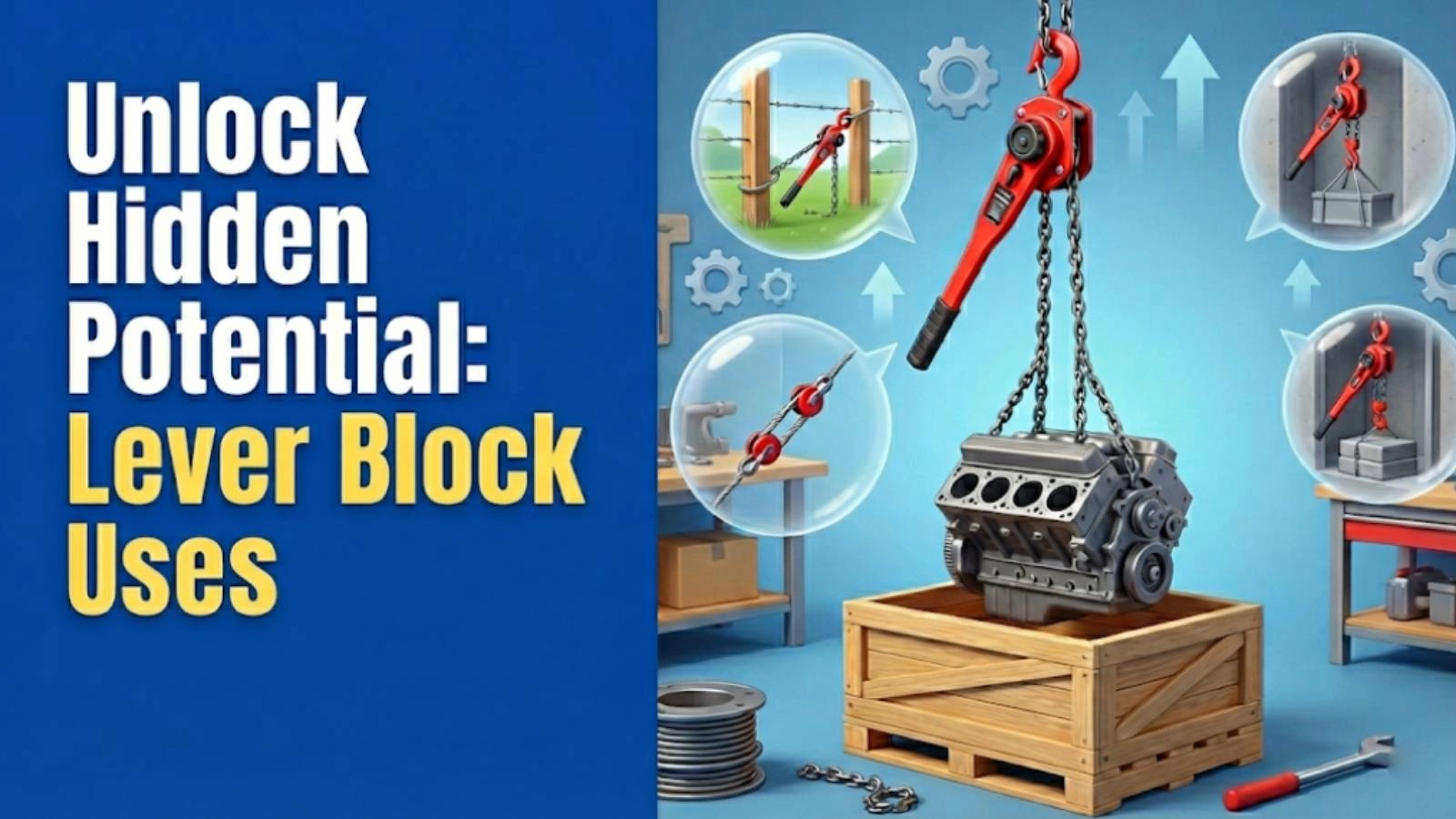
Applications of lever blocks in manufacturing processes are numerous. Lever blocks are used in manufacturing plants for tasks such as machine installation, equipment maintenance, and material handling. They provide a portable and versatile solution for lifting heavy loads in confined spaces.
Optimizing lifting operations in factories and workshops can improve productivity and reduce the risk of accidents. Use lever blocks that are properly sized and maintained. Train operators in safe lifting practices. Implement a regular inspection and maintenance program.
Preventing accidents and improving productivity are key goals in manufacturing environments. By using lever blocks safely and efficiently, manufacturers can reduce the risk of injuries and equipment damage. This can lead to increased productivity and improved overall performance.
Mining Operations
Selecting robust lever blocks for harsh mining environments requires careful consideration of the specific challenges of mining operations. Mining environments are typically characterized by dust, corrosion, and heavy loads. Lever blocks used in mining must be able to withstand these harsh conditions.
Addressing challenges related to dust, corrosion, and heavy loads is crucial for ensuring safe and reliable operation in mining environments. Use lever blocks with sealed designs to protect against dust and debris. Choose corrosion-resistant materials and coatings. Select lever blocks with sufficient load capacity for the intended tasks.
Ensuring compliance with safety regulations is essential for preventing accidents and injuries in mining operations. Follow all applicable safety regulations and procedures. Train operators in safe lifting practices. Regularly inspect the lever blocks for signs of wear and damage.
Troubleshooting and FAQs
Common Issues and Solutions
Addressing issues such as chain jamming, brake failure, and hook deformation is essential for maintaining the safety and reliability of lever blocks. Chain jamming can occur due to dirt, debris, or improper lubrication. Brake failure can result from wear, damage, or contamination. Hook deformation can occur due to overloading or impact.
Providing step-by-step troubleshooting guides can help operators resolve common issues quickly and effectively. These guides should include instructions on how to identify the problem, determine the cause, and implement the appropriate solution. Always follow the manufacturer’s recommendations for troubleshooting and repair.
Preventive measures can help avoid common problems. Regularly clean and lubricate the lever block. Inspect the lever block for signs of wear and damage. Train operators in safe lifting practices. Avoid overloading the lever block.
FAQs on Lever Block Selection and Usage
Answering frequently asked questions from users is crucial for providing clear and concise information. Common questions include:
- What is the Working Load Limit (WLL)?
- How do I choose the right lever block for my application?
- How do I inspect a lever block for damage?
- How do I maintain a lever block?
Providing clear and concise explanations can help users understand the key concepts related to lever block selection and usage. Use simple language and avoid technical jargon. Provide examples and illustrations to clarify complex concepts.
Addressing common misconceptions can help prevent accidents and injuries. Common misconceptions include:
- The WLL is the same as the breaking strength.
- Any lever block can be used for any lifting task.
- Inspections are only necessary when the lever block is new.
When to Replace a Lever Block
Identifying signs that indicate a lever block needs replacement is crucial for ensuring safety. Common signs include:
- Excessive wear or damage to the chain.
- Cracks or deformation in the hooks.
- Malfunctioning brakes.
- Overload protection failure.
Assessing the cost-benefit of repair versus replacement is essential for making informed decisions. In some cases, it may be more cost-effective to repair a damaged lever block. However, in other cases, it may be safer and more economical to replace the lever block. Consider the age, condition, and cost of repair when making this decision.
Proper disposal of old lever blocks is important for environmental reasons. Old lever blocks should be disposed of in accordance with local regulations. Contact a recycling center or waste management company for guidance on proper disposal methods.
Conclusion: Ensuring Safe and Efficient Lifting
Recap of Key Selection Criteria
Summarizing the essential factors in lever block selection is crucial for reinforcing the key concepts. The key factors include:
- Load capacity
- Lift height
- Material and construction
- Chain grade and type
- Mechanical advantage
- Braking mechanisms
- Hook and latch systems
- Safety standards and compliance
- Environmental considerations
Emphasizing the importance of safety and compliance is essential for preventing accidents and injuries. Always follow safety regulations and procedures. Train operators in safe lifting practices. Regularly inspect and maintain lever blocks.
Final thoughts on optimizing lifting operations involve selecting the right lever block for the job, using it safely and efficiently, and maintaining it properly. By following these best practices, you can ensure safe and efficient lifting operations.
Future Trends in Lever Block Technology
Discussing potential advancements in lever block design and functionality is essential for staying ahead of the curve. Potential advancements include:
- Wireless monitoring systems
- Ergonomic designs
- Improved overload protection mechanisms
- Smart lever blocks with built-in sensors and data analytics
Highlighting the role of technology in improving safety and efficiency is crucial for embracing innovation. Technology can help improve safety by providing real-time data on lever block performance and preventing overloading. It can also improve efficiency by streamlining lifting operations and reducing downtime.
At Safe and Secure Trading Company, we are dedicated to ensuring that our clients have the best and safest lifting equipment available. We believe that by choosing the right lever block and following proper safety procedures, you can ensure safe and efficient lifting operations.
FAQ Section
Q: What is the difference between Working Load Limit (WLL) and Breaking Strength?
A: The Working Load Limit (WLL) is the maximum load a lever block is designed to lift safely. The Breaking Strength, on the other hand, is the force at which the lever block or its components are expected to fail. The WLL is always significantly lower than the breaking strength to provide a margin of safety.
Q: How do I choose the right lever block for my application?
A: To choose the right lever block, you need to consider the load capacity, lift height, material and construction, chain grade and type, mechanical advantage, braking mechanisms, hook and latch systems, safety standards and compliance, and environmental considerations. Always select a lever block that meets or exceeds the requirements of the lifting task.
Q: How often should I inspect a lever block?
A: Lever blocks should be inspected before each use and at regular intervals, such as monthly or quarterly, depending on the frequency of use and the severity of the operating environment. A written inspection checklist can help ensure that all critical components are thoroughly examined.
Q: What are the common signs of wear and damage to look for during an inspection?
A: During inspections, look for signs of wear, such as worn or cracked hooks, damaged chains, and malfunctioning brakes. Also, check for signs of corrosion, especially in environments where the lever block is exposed to moisture or chemicals.
Q: How do I maintain a lever block?
A: To maintain a lever block, regularly clean and lubricate the moving parts. Inspect the lever block for signs of wear and damage. Train operators in safe lifting practices. Avoid overloading the lever block. Follow the manufacturer’s recommendations for lubrication and maintenance.
Q: What should I do if I find damage during an inspection?
A: If you find damage during an inspection, remove the lever block from service immediately. Repair the lever block if possible, or replace it with a new one. Never use a damaged lever block.
Q: Can I use any type of chain with a lever block?
A: No, you should only use chains that are specifically designed for use with lever blocks. These chains are typically made from alloy steel and are heat-treated to enhance their mechanical properties. Always select a chain grade that meets or exceeds the requirements of the lifting task.
Q: What is the purpose of a safety latch on a hook?
A: A safety latch prevents the load from accidentally disengaging from the hook. These latches should be properly functioning and securely closed during lifting operations. Never use a lever block with a damaged or missing safety latch.
Q: What is overload protection and why is it important?
A: Overload protection mechanisms are designed to prevent the lever block from being overloaded beyond its safe working load. These mechanisms typically involve a clutch or slip device that activates when the load exceeds the WLL, preventing further lifting. Overload protection helps prevent damage to the lever block, the load, and the surrounding infrastructure, and protects personnel from the risk of injury due to equipment failure.
Q: How do I dispose of an old lever block?
A: Old lever blocks should be disposed of in accordance with local regulations. Contact a recycling center or waste management company for guidance on proper disposal methods.