Lever blocks are essential tools in various industries, offering a simple yet powerful method for lifting and pulling heavy loads. This guide, brought to you by Safe and Secure Trading Company (SSTC), will provide you with a comprehensive understanding of lever blocks, their applications, and how to use them safely and effectively. We aim to equip you with the knowledge you need to confidently select and operate a lever block for your specific needs.
What is a Lever Block? A Beginner’s Introduction
Defining a Lever Block: Simple Lifting Power
A lever block is a manual lifting device that uses a lever and gear system to provide mechanical advantage when lifting or pulling heavy objects. Unlike electric hoists or other powered lifting equipment, lever blocks are manually operated, making them ideal for situations where power is unavailable or impractical. Their portability and ease of use make them a valuable asset in various industries, from construction to automotive repair. We often recommend lever blocks to clients seeking a reliable and straightforward material handling solution.
These tools are especially useful in environments where precise positioning and controlled movements are critical. Because they are manually powered, they give the user more control over each lift. It’s a simple piece of lifting equipment that still stands the test of time in the modern world.
What Makes Up a Lever Block? Key Components Explained
To fully understand how a lever block works, it’s essential to know its key components:
- Load Chain: This is the chain that supports the weight of the load being lifted. It is made of high-strength steel and designed to withstand significant tension.
- Hand Lever: This is the lever that the operator pulls to activate the lifting mechanism. The length of the lever provides mechanical advantage, making it easier to lift heavy loads.
- Hooks: Lever blocks have hooks at both ends: one for attaching to a fixed point (like an overhead beam) and one for attaching to the load. These hooks are typically equipped with safety latches to prevent accidental disengagement.
- Braking Mechanism: This is a critical safety feature that holds the load in place when the lever is not being pulled. Most lever blocks use a friction brake system for reliable load holding.
- Gears and Ratchet System: The heart of the mechanism that turns a short pull on the lever into rotation of the load chain.
Understanding these components is essential for proper operation and maintenance. Here at Safe and Secure Trading Company, we emphasize the importance of regular inspections of these parts to ensure safe and reliable operation.
How Does a Lever Block Actually Work?
The Lever Principle: Gaining Mechanical Advantage
The core of a lever block’s functionality lies in the lever principle. By using a lever and a system of gears, a lever block multiplies the force applied by the operator, allowing them to lift extremely heavy objects with relatively little effort. The longer the lever arm in relation to the distance the gears turn the load chain drum, the greater the mechanical advantage.
This mechanical advantage is what makes manual hoists like lever blocks so effective. For example, a lever block with a 4:1 mechanical advantage means that for every 1 pound of force applied to the lever, the block can lift 4 pounds of weight. It’s physics at its finest, and it enables individuals to safely and efficiently handle loads far beyond their own physical capabilities.
Step-by-Step Lifting Process: From Pulling to Hoisting
Here’s a step-by-step breakdown of how a lever block works during a lifting operation:
1. Attachment: First, securely attach the upper hook of the lever block to a suitable overhead support, such as a beam or trolley. Ensure the support is strong enough to bear the weight of the load.
2. Load Connection: Next, attach the lower hook to the load you want to lift. Make sure the load is properly balanced and securely connected to the hook, and that the safety latch is engaged.
3. Engaging the Lever: Most lever blocks have a switch to select the lift or lower direction. Ensure this is set correctly before you start.
4. Pulling the Lever: Begin pulling the hand lever. Each pull of the lever engages the gears, which in turn pull the load chain and lift the load a small distance.
5. Controlled Lifting: Continue pulling the lever in a smooth, controlled manner until the load reaches the desired height. Avoid jerky or sudden movements, as these can destabilize the load.
6. Lowering (if required): To lower the load, switch to the lower direction, and gently work the hand lever, and the brake will automatically engage when the lever is not being pulled, holding the load securely in place. This is a vital safety feature.
Remember, understanding each step and performing them correctly is crucial for safe and efficient industrial lifting. We at SSTC always advise users to practice these steps in a controlled environment before tackling real-world lifting tasks.
Why Use a Lever Block? Key Advantages for Beginners
Portability: Lifting Anywhere, Anytime
One of the most significant advantages of a lever block is its portability. Unlike electric hoists that require a power source, a lever block can be used virtually anywhere. This makes it an invaluable tool on construction sites, in remote locations, or in any situation where electricity is unavailable.
The compact size and relatively lightweight design of lever blocks further enhance their portability. They can be easily carried from one location to another, making them ideal for on-the-go lifting and pulling tasks. Our clients in the field often appreciate this flexibility, especially when dealing with unpredictable job sites.
Cost-Effectiveness: A Budget-Friendly Lifting Solution
When compared to other types of lifting equipment, such as electric hoists or hydraulic cranes, lever blocks offer a very cost-effective solution. The initial purchase price of a lever block is generally lower, and there are no electricity costs or ongoing maintenance expenses associated with powered equipment.
Furthermore, lever blocks are incredibly durable and can last for many years with proper care and maintenance. This long lifespan makes them an excellent investment for businesses and individuals who need a reliable lifting solution without breaking the bank.
Simplicity: Easy to Operate with Minimal Training
Lever blocks are remarkably simple to operate, requiring minimal training. The basic principles of operation are easy to grasp, and most people can become proficient in using a lever block after just a few practice sessions.
This ease of use makes lever blocks an ideal choice for beginners or for situations where multiple operators need to use the equipment without extensive training. However, even though they are simple to operate, it’s always important to emphasize the critical safety measures that must be followed, as we do in all our training materials here at Safe and Secure Trading Company.
Essential Safety Tips for Using Lever Blocks
Pre-Use Inspection Checklist: Spotting Potential Hazards
Before each use, it is crucial to conduct a thorough inspection of the lever block to identify any potential hazards or signs of wear and tear. This checklist should include the following:
- Chain Inspection: Check the load chain for any signs of damage, such as cracks, kinks, corrosion, or excessive wear. If any damage is found, do not use the lever block.
- Hook Inspection: Inspect the hooks for any signs of bending, cracking, or deformation. Ensure the safety latches are in good working order and securely close.
- Lever Inspection: Check the hand lever for any signs of damage or bending. Ensure it moves smoothly and engages properly.
- Braking Mechanism Inspection: Test the braking mechanism to ensure it holds the load securely. If the brake slips or fails to hold, do not use the lever block.
- Lubrication: Ensure all moving parts are properly lubricated. This will help to reduce friction and wear, and extend the life of the lever block.
Expert Quote:
“Safety should always be the top priority when using any lifting equipment. A pre-use inspection can prevent accidents and ensure the equipment is in safe working condition.” – John Smith, Lead Safety Inspector
Weight Capacity Limits: Never Exceed the Rated Load
Every lever block has a rated weight capacity, which is the maximum load it is designed to lift safely. It is absolutely essential to never exceed this weight limit. Overloading a lever block can lead to serious damage, equipment failure, and potentially life-threatening accidents.
Always check the weight of the load before attempting to lift it, and ensure it is within the rated capacity of the lever block. If you are unsure of the weight, use a reliable weighing device to determine it accurately. When our team in Dubai tackles this issue, they often find that erring on the side of caution and using a lever block with a slightly higher capacity is the best approach.
Proper Lifting Techniques: Smooth and Controlled Movements
Using proper lifting techniques is essential for safe and efficient operation of a lever block. Always strive for smooth and controlled movements, avoiding jerky or sudden motions that can destabilize the load.
Here are some additional tips for proper lifting techniques:
- Maintain a Stable Stance: Keep your feet firmly planted on the ground and maintain a balanced stance.
- Use a Smooth, Steady Pull: Pull the hand lever in a smooth, steady motion, avoiding sudden jerks.
- Keep the Load Balanced: Ensure the load is properly balanced and securely attached to the hook.
- Avoid Side Loading: Lift the load vertically, avoiding any side loading that can put undue stress on the lever block.
Where Are Lever Blocks Commonly Used? Real-World Examples
Construction Sites: Lifting and Positioning Materials
Construction sites are a prime example of where lever blocks are frequently used. They are invaluable for lifting and positioning heavy materials such as steel beams, concrete blocks, and pipes. The portability and ease of use of lever blocks make them ideal for navigating the often-complex and crowded environments of construction sites.
For instance, consider a scenario where a steel beam needs to be lifted into place on the upper floor of a building under construction. A lever block can be easily attached to an overhead support and used to precisely lift and position the beam, even in areas where a crane cannot reach.
Automotive Repair: Engine Lifting and Part Installation
In automotive repair shops, lever blocks are often used for engine lifting and part installation. They provide a safe and controlled way to lift heavy engines and other components, allowing mechanics to perform repairs and maintenance tasks with greater ease and precision.
Many smaller garages find that a lever block is a more budget-friendly option, especially in smaller garages or workshops where space is limited. They are a simple and effective alternative to larger, more expensive lifting equipment.
Forestry and Logging: Pulling and Positioning Logs
Lever blocks are also used in forestry and logging operations for pulling and positioning logs. Their versatility and portability make them well-suited for working in remote and challenging environments.
For example, a lever block can be used to pull a fallen log out of a ditch or to position a log for cutting. Their ability to provide controlled pulling power makes them an essential tool for loggers and forestry workers. This demonstrates the versatility of lifting equipment like lever blocks in sectors you might not expect.
Choosing the Right Lever Block: A Buyer’s Guide for Beginners
Weight Capacity: Matching the Block to Your Lifting Needs
Selecting the right lever block starts with accurately assessing your lifting requirements. The most critical factor is determining the maximum weight you will need to lift. Always choose a lever block with a rated capacity that meets or exceeds your heaviest anticipated load.
It is always safer to opt for a lever block with a slightly higher capacity than you think you will need. This provides an extra margin of safety and ensures the equipment is not operating at its maximum limit, which can reduce wear and tear. For example, if you anticipate lifting loads of up to 1 ton, consider a lever block with a 2-ton capacity.
Chain Length: Determining the Required Lifting Height
The chain length of a lever block determines the maximum height to which you can lift a load. When selecting a lever block, it is essential to consider the maximum lifting height you will require for your specific application.
Measure the distance from the ground to the highest point you need to reach, and choose a lever block with a chain length that is at least as long as that distance. Keep in mind that the effective lifting height may be slightly less than the total chain length, as some of the chain will be taken up by the block itself.
Brand and Quality: Investing in Reliability and Safety
When it comes to lifting equipment, quality and reliability are paramount. Investing in a reputable brand and a high-quality lever block is essential for ensuring safe and reliable operation.
Look for lever blocks that are made from durable materials, such as high-strength steel, and that are manufactured to meet industry standards. Reputable brands often have a proven track record of producing reliable and safe lifting equipment. While a cheaper option may seem appealing, the long-term cost of a failure due to poor construction can be significant in lost time and even injury.
Common Mistakes to Avoid When Using Lever Blocks
Incorrect Rigging: The Dangers of Improper Attachment
Incorrect rigging is one of the most common and dangerous mistakes made when using lever blocks. Improper attachment of the lever block to the support structure or the load can lead to equipment failure, load slippage, and potentially serious accidents.
Always ensure that the lever block is securely attached to a support structure that is strong enough to bear the weight of the load. Use appropriate rigging hardware, such as shackles and slings, and follow proper rigging techniques to ensure a secure and stable connection. It is also important to check that the load is balanced to avoid potential swinging.
Overloading: The Consequences of Exceeding Weight Limits
As mentioned earlier, overloading a lever block is extremely dangerous. Exceeding the weight limit can cause the equipment to fail, leading to load slippage, equipment damage, and potentially serious injuries.
Always double-check the weight of the load before attempting to lift it, and ensure it is within the rated capacity of the lever block. If you are unsure of the weight, use a reliable weighing device to determine it accurately. A chain lever hoist is a precision tool, and exceeding its limits can have severe consequences.
Neglecting Maintenance: The Importance of Regular Inspections
Neglecting regular maintenance is another common mistake that can significantly reduce the lifespan and safety of a lever block. Regular inspections and maintenance are essential for identifying potential problems early on and ensuring the equipment is in safe working condition.
Develop a regular maintenance schedule that includes inspecting the chain, hooks, lever, and braking mechanism for any signs of wear, damage, or corrosion. Lubricate all moving parts regularly, and replace any worn or damaged components promptly. This will ensure that your lever hoist remains reliable and safe to use for years to come.
Troubleshooting Common Lever Block Problems
Chain Jamming: Identifying and Resolving Issues
Chain jamming is a common problem that can occur with lever blocks. It can be caused by dirt, debris, or improper lubrication, which can cause the chain to bind or get stuck in the gears.
If you experience chain jamming, try the following troubleshooting steps:
1. Inspect the Chain: Check the chain for any visible dirt, debris, or kinks.
2. Clean the Chain: Clean the chain with a wire brush and a solvent to remove any dirt or debris.
3. Lubricate the Chain: Lubricate the chain with a suitable lubricant to reduce friction.
4. Work the Lever: Gently work the lever back and forth to try to free the jammed chain.
If these steps do not resolve the issue, it may be necessary to disassemble the lever block and clean the internal components. If you are not comfortable performing this task, it is best to seek professional assistance.
Slipping Load: Addressing Braking Mechanism Problems
A slipping load is a serious safety concern that indicates a problem with the braking mechanism. If the brake is not holding the load securely, it can lead to load slippage and potentially dangerous accidents.
If you experience a slipping load, immediately stop using the lever block and inspect the braking mechanism. Check for any signs of wear, damage, or contamination. If the brake pads are worn or damaged, they will need to be replaced. If the brake is contaminated with oil or grease, clean it with a suitable solvent.
Difficulty Pulling: Lubrication and Mechanical Adjustments
If you are experiencing difficulty pulling the hand lever, it could be due to a lack of lubrication or mechanical adjustments. Over time, the moving parts of the lever block can become dry and stiff, making it harder to operate.
To address this issue, try the following:
1. Lubricate the Moving Parts: Lubricate all moving parts of the lever block, including the lever pivot points and the gear mechanism.
2. Check for Binding: Check for any signs of binding or friction in the lever mechanism.
3. Adjust the Lever: Some lever blocks have adjustable levers that can be tightened or loosened to improve operation.
Lever Blocks vs. Chain Blocks: What’s the Difference?
Operation Mechanism: Lever vs. Hand Chain
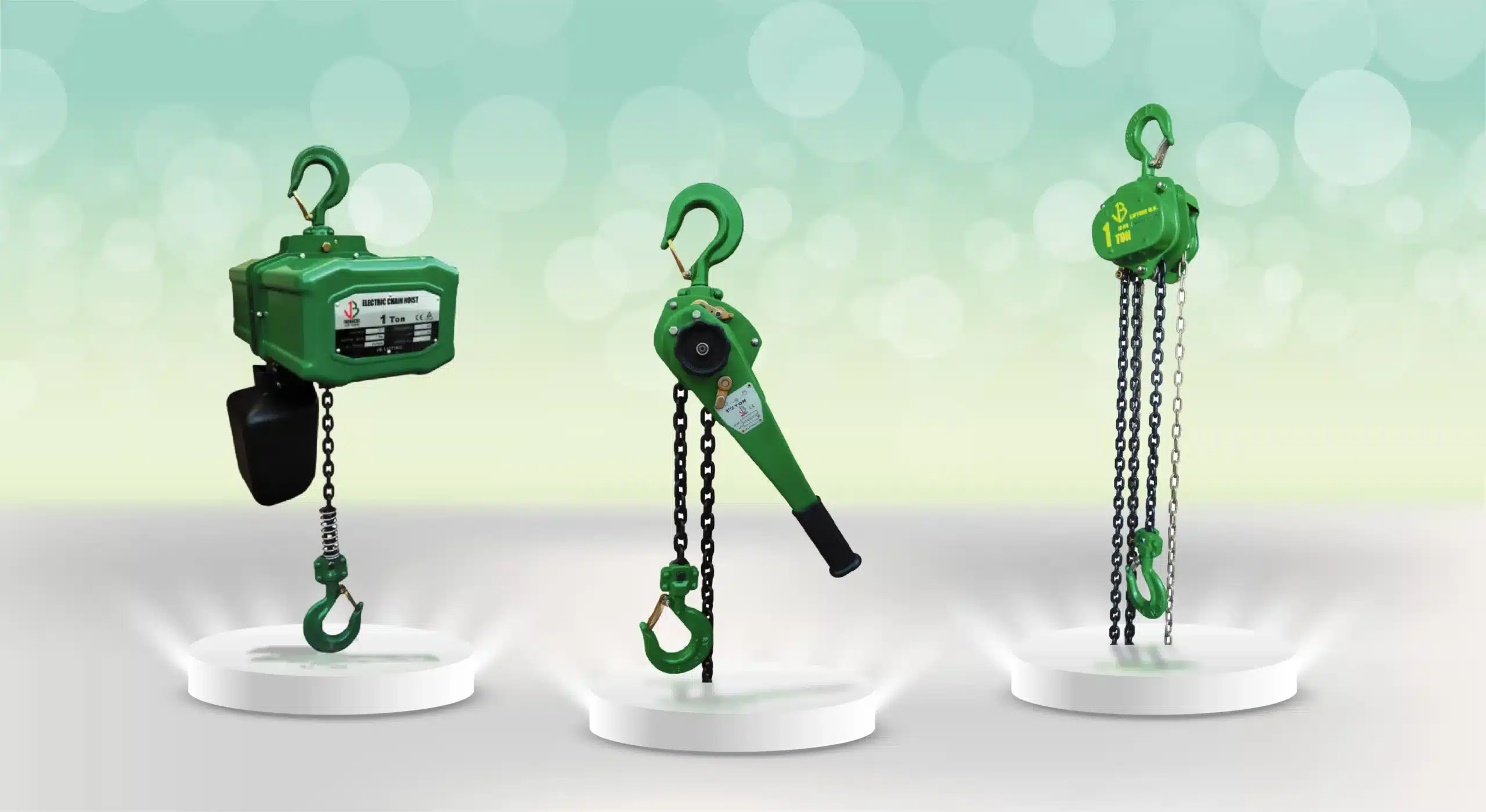
While both lever blocks and chain blocks are manual lifting devices, they differ in their operation mechanism. A lever block uses a hand lever to operate the lifting mechanism, while a chain block uses a hand chain.
With a lever block, the operator pulls on the hand lever to engage the gears and lift the load. With a chain block, the operator pulls on the hand chain, which turns a series of gears to lift the load. The come along action of the chain block makes it useful for certain applications.
Application Suitability: Choosing the Right Tool for the Job
The choice between a lever block and a chain block depends on the specific application. Lever blocks are generally better suited for applications where precise positioning and controlled movements are required, such as construction sites and automotive repair shops. They are also ideal for situations where space is limited, as they can be operated in tight quarters.
Chain blocks, on the other hand, are often preferred for applications where a longer lifting distance is required, or where the operator needs to be positioned further away from the load. They are also a good choice for heavy-duty lifting tasks, as they typically have a higher weight capacity than lever blocks. The ruggedness of a chain block can make it suitable for harsh conditions.
Conclusion: Mastering Lever Blocks for Safe and Efficient Lifting
Recap of Achievement: Confidently Using Lever Blocks
By now, you should have a solid understanding of lever blocks, their components, how they work, and how to use them safely and effectively. You’ve learned about the advantages of lever blocks, common applications, and how to choose the right lever block for your needs. You’re also equipped with essential safety tips, troubleshooting techniques, and a comparison between lever blocks and chain blocks.
With this knowledge, you can confidently select and operate a lever block for your specific lifting tasks. Remember to always prioritize safety, follow proper lifting techniques, and conduct regular inspections and maintenance to ensure the longevity and reliability of your equipment.
Here at Safe and Secure Trading Company, we are committed to providing you with the highest quality lifting equipment and expert guidance to help you achieve your goals safely and efficiently.
FAQ Section
Q: What is the maximum weight I can lift with a lever block?
A: The maximum weight you can lift with a lever block depends on its rated capacity, which is clearly marked on the equipment. Never exceed this weight limit.
Q: How often should I inspect my lever block?
A: You should inspect your lever block before each use to identify any potential hazards or signs of wear and tear. Additionally, schedule regular maintenance inspections to ensure the equipment is in good working condition.
Q: Can I use a lever block in wet conditions?
A: While some lever blocks are designed to be used in wet conditions, it is always best to check the manufacturer’s recommendations. If using a lever block in wet conditions, be sure to dry it thoroughly after each use and lubricate all moving parts to prevent corrosion.
Q: What type of lubricant should I use on my lever block?
A: Use a high-quality lubricant that is specifically designed for lifting equipment. Consult the manufacturer’s recommendations for the appropriate type of lubricant to use.
Q: How do I store my lever block when not in use?
A: Store your lever block in a clean, dry place, away from direct sunlight and extreme temperatures. This will help to prevent corrosion and extend the life of the equipment.
Q: Can I repair my lever block myself?
A: Some minor repairs, such as cleaning and lubricating the chain, can be performed by the user. However, more complex repairs, such as replacing worn or damaged components, should be performed by a qualified technician.