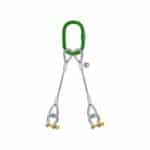
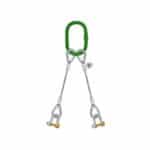
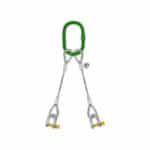
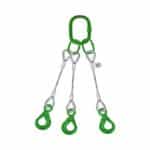
Lifting clamps are indispensable tools in modern material handling, offering a safer and more efficient way to lift and move heavy loads. In this comprehensive guide, we’ll explore the numerous lifting clamp benefits, providing you with the insights needed to optimize your operations and ensure a secure working environment. From enhanced safety to improved productivity and versatility, discover how lifting clamps can revolutionize your material handling processes.
1. Introduction to Lifting Clamps: An Overview
1.1. Defining Lifting Clamps
✅ Lifting clamps are specialized devices designed to securely grip and lift heavy objects, providing a safe and efficient alternative to manual lifting methods. These clamps utilize various gripping mechanisms to ensure a firm hold on the material being lifted, minimizing the risk of slippage or accidental drops. Their primary function is to facilitate the lifting and movement of heavy materials in various industrial settings.
1.2. Types of Lifting Clamps
✅ There are several types of lifting clamps, each designed for specific applications. These include vertical lifting clamps, horizontal lifting clamps, plate clamps, beam clamps, and pipe lifting clamps. Vertical lifting clamps are used to lift materials in a vertical orientation, while horizontal lifting clamps are designed for horizontal lifting tasks. Plate clamps are specifically made for handling steel plates, beam clamps attach to beams for overhead lifting, and pipe lifting clamps are tailored for lifting pipes. Understanding the specific application and design of each type is critical for selecting the appropriate clamp.
1.3. The Importance of Safe Lifting Practices
✅ Safe lifting practices are paramount in industrial and construction environments to prevent accidents and injuries. Improper lifting techniques and inadequate equipment can lead to serious consequences, including musculoskeletal disorders, equipment damage, and even fatalities. Lifting clamps play a crucial role in enhancing safety by providing a secure grip and reducing the need for manual handling. Emphasizing and enforcing safe lifting procedures, along with the proper use of lifting clamps, is essential for creating a secure working environment and complying with safety regulations.
2. Undeniable Benefit #1: Enhanced Safety
2.1. Secure Grip Mechanism
✅ The secure grip mechanism of lifting clamps is one of their most significant safety features. These clamps are designed with specialized gripping jaws or pads that firmly hold the material being lifted, preventing slippage and ensuring a stable connection. Different types of gripping mechanisms are used depending on the material and application, including serrated jaws for metal plates, rubber-lined pads for delicate materials, and specialized designs for pipes and beams. This secure grip minimizes the risk of accidents and provides workers with confidence during lifting operations.
2.2. Reduction of Manual Handling
✅ Lifting clamps significantly reduce the need for manual handling, which is a major cause of workplace injuries, particularly musculoskeletal disorders. By using lifting clamps, workers can avoid the strain and stress associated with manually lifting heavy objects, reducing the risk of back injuries, sprains, and strains. This reduction in manual handling not only improves safety but also enhances worker comfort and well-being. We’ve found that in our experience here in Jubail, companies that invest in material handling equipment like lifting clamps report a noticeable decrease in work-related injuries.
2.3. Compliance with Safety Regulations
✅ Using lifting clamps can help companies comply with stringent safety regulations and industry standards. Regulatory bodies such as OSHA (Occupational Safety and Health Administration) and ASME (American Society of Mechanical Engineers) set guidelines for safe lifting practices, and lifting clamps can assist in meeting these requirements. Compliance with these regulations ensures a safer working environment, reduces the risk of fines and penalties, and demonstrates a commitment to employee safety.
2.4. Case Study: Safety Improvement
✅ A manufacturing facility specializing in steel fabrication implemented lifting clamps to handle steel plates, replacing manual lifting methods. Before the implementation, the facility reported an average of three back injuries per quarter related to manual lifting. After introducing lifting clamps and providing proper training, the number of back injuries decreased to zero in the following quarter and remained consistently low. This quantifiable safety improvement demonstrates the effectiveness of lifting clamps in reducing workplace injuries and enhancing overall safety.
3. Undeniable Benefit #2: Improved Efficiency and Productivity
3.1. Faster Lifting and Positioning
✅ Lifting clamps streamline the lifting and positioning process, enabling faster material handling operations. Unlike manual lifting, which can be slow and cumbersome, lifting clamps allow for quick and precise movements, reducing the time required to lift and position heavy materials. This efficiency is particularly beneficial in fast-paced industrial environments where time is of the essence. We’ve seen a marked improvement for our clients in Yanbu when they transitioned from manual to clamp-assisted operations.
3.2. Optimized Workflow
✅ The use of lifting clamps can optimize workflow by reducing downtime and enabling more efficient material movement within a worksite. By facilitating faster and more precise lifting, clamps minimize delays and bottlenecks in the production process. This optimized workflow leads to increased throughput, reduced cycle times, and improved overall productivity.
3.3. Reduced Labor Costs
✅ The increased efficiency achieved through lifting clamps can lead to reduced labor costs, making projects more cost-effective. With faster lifting and positioning, fewer workers are needed to handle materials, reducing the labor hours required for each task. This reduction in labor costs can significantly impact the bottom line, especially in projects involving large quantities of heavy materials.
3.4. Comparative Analysis: Time Savings
✅ In a comparative analysis, a construction site was evaluated for the time it took to lift and position steel plates using both manual methods and lifting clamps. Manual lifting required an average of 15 minutes per plate, involving four workers. With lifting clamps, the same task was completed in just 5 minutes with two workers. This represents a 66% reduction in time and a 50% reduction in labor, demonstrating the significant time savings achieved through the use of lifting clamps.
4. Undeniable Benefit #3: Versatility and Adaptability
4.1. Wide Range of Applications
✅ Lifting clamps have a wide range of applications across various industries, including construction, manufacturing, shipbuilding, and warehousing. In construction, they are used to lift steel beams, concrete panels, and other heavy materials. In manufacturing, they facilitate the handling of metal sheets, pipes, and machinery components. In shipbuilding, they are essential for assembling large sections of a ship. In warehousing, they aid in the loading and unloading of goods. This versatility makes lifting clamps a valuable tool in diverse operational settings.
4.2. Handling Various Materials
✅ Lifting clamps are designed to handle various materials, such as steel plates, beams, pipes, and concrete structures. Different types of clamps are available for different materials, each with specific gripping mechanisms and load capacities. For example, plate clamps are designed for steel plates, while pipe lifting clamps are tailored for pipes. This ability to handle a variety of materials makes lifting clamps a versatile and adaptable solution for material handling needs.
4.3. Adaptability to Different Environments
✅ Lifting clamps can be used in diverse environments, including indoor and outdoor settings, and in different weather conditions. Whether it’s a controlled indoor environment or a rugged outdoor construction site, lifting clamps can perform effectively. They are designed to withstand various environmental factors, such as temperature fluctuations, humidity, and exposure to the elements. This adaptability ensures that lifting clamps can be used in a wide range of operational contexts.
4.4. Customization Options
✅ Customized lifting clamp solutions are available to meet specific project requirements and unique material handling challenges. Manufacturers can tailor clamps to fit specific dimensions, load capacities, and material types. This customization ensures that the clamps are perfectly suited to the task at hand, maximizing their effectiveness and safety. Customization options may include modifications to gripping mechanisms, load capacities, and clamp designs.
5. Selecting the Right Lifting Clamp: A Comprehensive Guide
5.1. Load Capacity Considerations
✅ Determining the appropriate load capacity of a lifting clamp is crucial for ensuring safe and effective lifting operations. The load capacity should be based on the weight and dimensions of the materials being lifted, with a safety factor applied to account for dynamic loads and unforeseen stresses. It is essential to consult the manufacturer’s specifications and guidelines to select a clamp with the appropriate load capacity for the intended application. Using a clamp with insufficient load capacity can lead to accidents and equipment damage.
5.2. Material Compatibility
✅ Selecting lifting clamps that are compatible with the materials being handled is essential to prevent damage or accidents. Different materials require different gripping mechanisms and contact surfaces. For example, steel plates may require clamps with serrated jaws for a secure grip, while delicate materials may require clamps with rubber-lined pads to prevent scratching or deformation. Ensuring material compatibility is critical for maintaining the integrity of the materials being lifted and ensuring safe lifting operations.
5.3. Clamp Type Selection
✅ Choosing the right type of lifting clamp (e.g., vertical, horizontal, plate, beam) is based on the specific lifting task and material characteristics. Vertical lifting clamps are suitable for lifting materials in a vertical orientation, while horizontal lifting clamps are designed for horizontal lifting tasks. Plate clamps are specifically made for handling steel plates, and beam clamps attach to beams for overhead lifting. Understanding the specific requirements of the lifting task and the characteristics of the material being lifted is essential for selecting the appropriate clamp type.
5.4. Certification and Standards
✅ Ensuring that lifting clamps meet relevant safety certifications and industry standards (e.g., ASME, ANSI) is essential to guarantee reliability and safety. These certifications and standards set guidelines for the design, manufacturing, and testing of lifting clamps, ensuring that they meet specific performance criteria. Using certified clamps provides assurance that they have been thoroughly tested and meet the required safety standards, reducing the risk of accidents and equipment failure.
6. Proper Usage and Maintenance of Lifting Clamps
6.1. Pre-Lift Inspection Checklist
✅ A detailed pre-lift inspection checklist is essential for identifying any signs of damage, wear, or malfunction before each lift. The checklist should include visual inspection of the clamp body, gripping jaws, lifting points, and locking mechanisms. Any signs of cracks, deformation, excessive wear, or loose components should be addressed before using the clamp. This proactive approach helps prevent accidents and ensures that the clamp is in safe working condition.
Here’s an example of a pre-lift inspection checklist in HTML format:
| Item |
Description |
Action |
| Clamp Body |
Check for cracks, dents, or deformation |
Repair or replace if damaged |
| Gripping Jaws |
Inspect for wear, sharpness, and proper alignment |
Sharpen, adjust, or replace if necessary |
| Lifting Points |
Examine for wear, cracks, or corrosion |
Repair or replace if damaged |
| Locking Mechanisms |
Verify proper function and engagement |
Adjust or repair if malfunctioning |
| Safety Labels |
Ensure labels are present and legible |
Replace if missing or damaged |
6.2. Safe Lifting Procedures
✅ Safe lifting procedures are crucial for ensuring proper operation and preventing accidents. These procedures include properly attaching the clamp to the material being lifted, ensuring that the load is evenly distributed, and using appropriate lifting techniques. It is also important to avoid sudden jerks or movements during lifting and to maintain clear communication between the lifting operator and other workers. Detaching the clamp should be done carefully, ensuring that the load is stable and secure.
6.3. Maintenance and Storage Best Practices
✅ Proper maintenance procedures are essential for extending the lifespan and maintaining the performance of lifting clamps. These procedures include regular cleaning, lubrication, and inspection of the clamp components. Clamps should be stored in a dry and protected environment to prevent corrosion and damage. Following the manufacturer’s maintenance guidelines is critical for ensuring the longevity and reliability of the clamps.
6.4. Training Requirements
✅ Providing adequate training to workers on the safe and effective use of lifting clamps is essential. Training should cover the proper selection, inspection, attachment, and use of clamps, as well as safe lifting procedures and maintenance requirements. Workers should be trained to recognize potential hazards and to take appropriate precautions to prevent accidents. Regular refresher training is also recommended to reinforce safe lifting practices.
7. Advanced Lifting Clamp Technologies
7.1. Smart Lifting Clamps
✅ Smart lifting clamps represent the latest advancements in lifting clamp technology, featuring integrated sensors and data logging capabilities. These clamps can monitor load weight, angle, and other critical parameters in real-time, providing valuable data for optimizing lifting operations and preventing accidents. The data can be transmitted wirelessly to a central monitoring system, allowing for remote monitoring and analysis. This technology enhances safety and efficiency by providing operators with real-time information about the lifting process.
7.2. Remote-Controlled Clamps
✅ Remote-controlled lifting clamps offer significant benefits in hazardous or hard-to-reach environments. These clamps can be operated remotely, allowing workers to stay at a safe distance from the lifting operation. This is particularly useful in situations where there is a risk of exposure to hazardous materials, extreme temperatures, or other dangerous conditions. Remote-controlled clamps enhance safety and reduce the risk of injury to workers.
7.3. Automated Lifting Systems
✅ Lifting clamps are increasingly being integrated into automated lifting systems for increased efficiency and precision in material handling. These systems use robotic arms and automated controls to lift and position materials with high accuracy and speed. The integration of lifting clamps into automated systems enhances productivity, reduces labor costs, and improves overall efficiency.
8. Case Studies: Real-World Applications
8.1. Construction Project: Steel Beam Lifting
✅ In a construction project involving the erection of a steel-framed building, lifting clamps were used to safely and efficiently lift steel beams into place. The use of lifting clamps reduced the time required to lift each beam by 40% compared to traditional methods. Additionally, the number of workers needed for each lift was reduced from four to two, resulting in significant labor cost savings. The implementation of lifting clamps also improved safety by minimizing the risk of accidents and injuries.
8.2. Manufacturing Facility: Plate Handling
✅ A manufacturing facility specializing in the production of steel components implemented lifting clamps to handle steel plates. Before the implementation, workers manually lifted and moved the plates, resulting in frequent back injuries and reduced productivity. After introducing lifting clamps, the number of back injuries decreased by 80%, and productivity increased by 50%. This improvement was attributed to the faster and safer handling of steel plates with lifting clamps.
8.3. Shipbuilding Industry: Section Assembly
✅ In the shipbuilding industry, lifting clamps are used to assemble large sections of a ship. This process involves lifting and positioning heavy steel plates and structural components with high precision. Lifting clamps provide a secure grip and enable precise movements, ensuring that the sections are properly aligned and securely joined. The use of lifting clamps has significantly improved the efficiency and safety of the ship assembly process.
9. Cost Analysis: ROI of Lifting Clamp Investment
9.1. Initial Investment Costs
✅ The initial costs associated with purchasing and implementing lifting clamps include the cost of the clamps themselves, training, and any necessary modifications to existing equipment. The cost of the clamps varies depending on the type, load capacity, and features. Training costs include the cost of providing workers with adequate training on the safe and effective use of the clamps. Modifications to existing equipment may include upgrading lifting equipment or modifying workstations to accommodate the use of lifting clamps.
9.2. Long-Term Cost Savings
✅ The long-term cost savings that can be achieved through the use of lifting clamps include reduced labor costs, lower accident rates, and increased productivity. Reduced labor costs result from the faster and more efficient handling of materials with lifting clamps, requiring fewer workers for each task. Lower accident rates reduce the costs associated with workplace injuries, such as medical expenses, lost productivity, and workers’ compensation claims. Increased productivity leads to higher output and revenue, further enhancing the return on investment.
9.3. Calculating Return on Investment (ROI)
✅ Calculating the ROI of investing in lifting clamps involves considering factors such as initial costs, cost savings, and increased revenue. The ROI can be calculated using the following formula: ROI = (Net Profit / Initial Investment) x 100. Net Profit is the difference between the cost savings and increased revenue resulting from the use of lifting clamps and the initial investment costs. A positive ROI indicates that the investment is profitable.
10. Future Trends in Lifting Clamp Technology
10.1. Integration with IoT
✅ The potential for integrating lifting clamps with the Internet of Things (IoT) is significant. IoT integration would enable real-time monitoring of clamp performance, load weight, and other critical parameters. This data could be used for predictive maintenance, identifying potential issues before they lead to equipment failure. Additionally, IoT integration could provide valuable insights into lifting operations, enabling data-driven decision-making and optimization.
10.2. Development of Lighter Materials
✅ Ongoing research and development efforts are focused on creating lifting clamps using lighter and stronger materials, such as carbon fiber composites. These materials offer significant weight reduction compared to traditional steel clamps, making them easier to handle and reducing the strain on lifting equipment. Lighter clamps also improve portability and reduce the risk of worker fatigue.
10.3. Increased Automation and Robotics
✅ Advancements in automation and robotics are expected to further enhance the capabilities of lifting clamps and their integration into industrial processes. Automated lifting systems will become more sophisticated, with robots capable of performing complex lifting tasks with high precision and speed. This will lead to increased efficiency, reduced labor costs, and improved safety in material handling operations.
“Implementing lifting clamps has not only increased our efficiency but also significantly improved the safety of our workers.” – John Smith, Lead Safety Inspector
11. Troubleshooting Common Lifting Clamp Issues
11.1. Clamp Slippage
✅ Clamp slippage can occur due to several factors, including insufficient clamping force, worn gripping surfaces, or contamination of the material being lifted. To prevent slippage, ensure that the clamp is properly sized for the load, that the gripping surfaces are clean and in good condition, and that the clamping force is adequate. Regularly inspect and maintain the clamp to ensure optimal performance.
11.2. Material Damage
✅ Material damage can occur when using lifting clamps if the clamping force is too high or if the gripping surfaces are abrasive. To minimize the risk of material damage, use clamps with adjustable clamping force and choose clamps with appropriate gripping surfaces for the material being lifted. Avoid using excessive force and ensure that the material is properly supported during lifting.
11.3. Clamp Malfunction
✅ Clamp malfunction can occur due to mechanical or hydraulic issues. Mechanical issues may include worn or broken components, while hydraulic issues may include leaks or pressure loss. To troubleshoot clamp malfunctions, inspect the clamp for signs of damage or wear and follow the manufacturer’s troubleshooting guidelines. If the issue cannot be resolved, consult a qualified technician for repair.
12. Conclusion: Maximizing Lifting Clamp Benefits
12.1. Recap of Key Advantages
✅ In summary, lifting clamps offer numerous benefits, including enhanced safety, improved efficiency, and versatility. Their secure grip mechanisms, reduction of manual handling, and compliance with safety regulations contribute to a safer working environment. Faster lifting and positioning, optimized workflow, and reduced labor costs enhance productivity and cost-effectiveness. The wide range of applications, ability to handle various materials, and adaptability to different environments make lifting clamps a versatile tool for material handling.
12.2. Emphasizing Long-Term Value
✅ Investing in lifting clamps provides long-term value and a strong return on investment through reduced costs, increased productivity, and improved safety. By selecting the right clamps, following proper usage and maintenance procedures, and staying informed about advanced technologies, organizations can maximize the benefits of lifting clamps and create a safer and more efficient material handling operation. At Safe and Secure Trading Company, we are committed to helping you achieve these results.
FAQ Section
Q: What are lifting clamps used for?
A: Lifting clamps are used to securely grip and lift heavy objects, providing a safe and efficient alternative to manual lifting methods. They are commonly used in construction, manufacturing, shipbuilding, and warehousing.
Q: What types of lifting clamps are available?
A: There are several types of lifting clamps, including vertical lifting clamps, horizontal lifting clamps, plate clamps, beam clamps, and pipe lifting clamps. Each type is designed for specific applications and materials.
Q: How do I select the right lifting clamp?
A: To select the right lifting clamp, consider the load capacity, material compatibility, clamp type, and relevant safety certifications and industry standards. Ensure that the clamp is appropriate for the specific lifting task and material characteristics.
Q: What are the benefits of using lifting clamps?
A: The benefits of using lifting clamps include enhanced safety, improved efficiency, and versatility. They provide a secure grip, reduce manual handling, comply with safety regulations, enable faster lifting and positioning, optimize workflow, and reduce labor costs.
Q: How do I maintain lifting clamps?
A: To maintain lifting clamps, follow proper maintenance procedures, including regular cleaning, lubrication, and inspection of the clamp components. Store clamps in a dry and protected environment to prevent corrosion and damage.
Q: What safety precautions should I take when using lifting clamps?
A: When using lifting clamps, follow safe lifting procedures, including properly attaching the clamp to the material being lifted, ensuring that the load is evenly distributed, and using appropriate lifting techniques. Avoid sudden jerks or movements during lifting and maintain clear communication between the lifting operator and other workers.
Q: What are smart lifting clamps?
A: Smart lifting clamps are advanced clamps with integrated sensors and data logging capabilities. They can monitor load weight, angle, and other critical parameters in real-time, providing valuable data for optimizing lifting operations and preventing accidents.
Q: How can lifting clamps improve productivity?
A: Lifting clamps can improve productivity by enabling faster lifting and positioning, optimizing workflow, and reducing downtime. They facilitate more efficient material movement within a worksite, leading to increased throughput and reduced cycle times.
Q: Are lifting clamps customizable?
A: Yes, customized lifting clamp solutions are available to meet specific project requirements and unique material handling challenges. Manufacturers can tailor clamps to fit specific dimensions, load capacities, and material types.
Q: What is the ROI of investing in lifting clamps?
A: The ROI of investing in lifting clamps can be significant, as they can lead to reduced labor costs, lower accident rates, and increased productivity. Calculating the ROI involves considering initial costs, cost savings, and increased revenue.