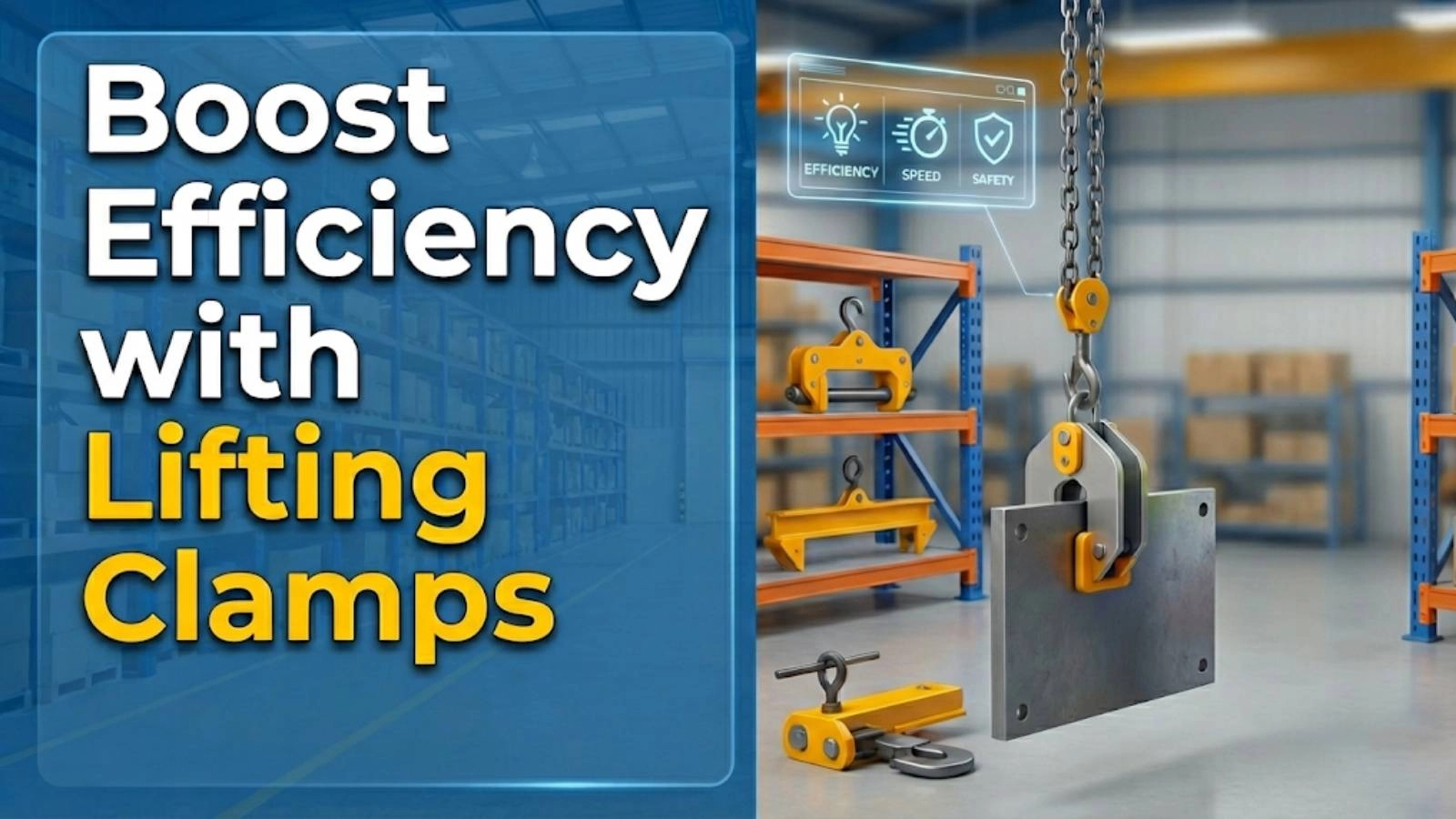
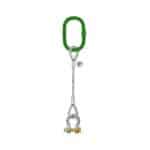
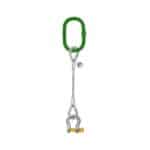
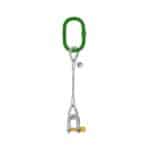
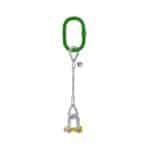
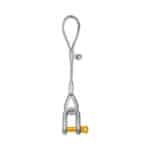
Discover how using lifting clamps can drastically improve your workplace efficiency. Learn about different types, safe usage, and maintenance tips to maximize productivity. Unlock the potential of lifting clamps today!
Boost efficiency in your operations with lifting clamps. These essential tools are designed to securely grip and lift various materials, significantly enhancing workplace productivity. Whether you’re handling steel plates, beams, pipes, or sheet metal, choosing the right lifting clamp efficiency is critical for ensuring overall project success.
Understanding Different Types of Lifting Clamps
Different types of lifting clamps are available, each designed for specific applications. Understanding these variations is crucial for selecting the right tool for your needs and optimizing lifting clamp efficiency.
Vertical Lifting Clamps: What are they and when to use them?
Vertical lifting clamps are engineered to lift materials vertically. Their mechanism typically involves a cam or scissor action that tightens the grip as the load increases. The lifting capacity of these clamps varies depending on the model, ranging from a few hundred pounds to several tons. These clamps often feature a safety latch to prevent accidental release of the load, enhancing lifting clamp safety.
Ideal applications for vertical lifting clamps include lifting steel plates vertically, moving precast concrete panels, and positioning structural steel components. In Dubai, our team often uses these clamps for high-rise construction projects, noting that proper alignment is essential for safe operation. The precision and reliability of vertical lifting clamps significantly contribute to overall lifting clamp efficiency in these demanding environments.
Horizontal Lifting Clamps: Applications and advantages
Horizontal lifting clamps are designed to lift materials horizontally. These clamps typically feature a pivoting jaw that adjusts to the load’s weight, ensuring a secure grip. They are particularly useful when overhead space is limited, or when materials need to be moved sideways. The jaws of horizontal lifting clamps are often lined with hardened steel or polyurethane to prevent damage to the material being lifted.
Best use cases for horizontal clamps include moving steel beams horizontally, positioning pipes in confined spaces, and handling large sheets of metal without bending or warping them. These clamps are frequently used in shipbuilding, bridge construction, and industrial maintenance. The key advantage of horizontal lifting clamps is their ability to maintain a secure grip even when the load is not perfectly balanced, thereby maximizing lifting clamp efficiency in complex scenarios.
Beam Clamps: Securing loads safely and effectively
Beam clamps are used to attach lifting equipment, such as chain hoists or trolleys, to I-beams or other structural elements. These clamps provide a secure and temporary anchor point for lifting loads. They are adjustable to fit various beam sizes and often feature a locking mechanism to prevent slippage. Beam clamps are an essential component of a safe and efficient material handling system.
[IMAGE: A beam clamp attached to an I-beam, supporting a chain hoist.]
Beam clamps work by distributing the load evenly across the beam’s flange, preventing localized stress and deformation. For example, our team at Safe and Secure Trading Company (SSTC) once encountered a situation where a construction crew was struggling to lift heavy HVAC units onto a building’s roof. By installing several beam clamps along the I-beams, they were able to create a stable and secure lifting platform, significantly improving both safety and lifting clamp efficiency. This simple solution highlights the importance of using the right equipment for the job.
Pipe Lifting Clamps: Specialized clamps for cylindrical objects
Pipe lifting clamps are specifically designed for handling cylindrical objects such as pipes and tubes. These clamps feature curved jaws that conform to the shape of the pipe, providing a secure grip without damaging the surface. They are available in various sizes and configurations to accommodate different pipe diameters and weights. The design of these clamps ensures that the load is evenly distributed, minimizing the risk of slippage or crushing.
Features that make them suitable for pipes and tubes include rubber or polyurethane linings to protect the pipe’s surface, adjustable clamping force to accommodate different wall thicknesses, and locking mechanisms to prevent accidental release. These clamps are commonly used in plumbing, construction, and industrial settings for tasks such as installing pipelines, assembling structural frameworks, and loading/unloading pipes from trucks or railcars. The precision engineering of pipe lifting clamps contributes to improved safety and lifting clamp efficiency in these critical applications.
Plate Lifting Clamps: Designed for handling sheet materials
Plate lifting clamps are specifically designed for handling sheet materials, such as steel plates or aluminum sheets. These clamps provide a secure grip on the plate without causing damage or distortion. They typically feature a wide jaw opening to accommodate various plate thicknesses and a locking mechanism to prevent accidental release. The design of plate lifting clamps ensures that the load is evenly distributed, minimizing the risk of bending or warping the plate.
Specific design considerations for lifting plates include using hardened steel jaws to resist wear, incorporating swivel hooks to allow for flexible positioning, and providing adjustable clamping force to accommodate different material thicknesses. These clamps are widely used in metal fabrication shops, shipbuilding yards, and construction sites for tasks such as loading/unloading plates from trucks, positioning plates for welding or cutting, and assembling large structures. The use of plate lifting clamps not only enhances safety but also improves lifting clamp efficiency by reducing the time and effort required to handle sheet materials.
Key Benefits of Using Lifting Clamps
The implementation of lifting clamps offers a multitude of benefits, significantly impacting workplace productivity, safety, and cost-effectiveness. By optimizing material handling processes, these tools contribute to a more efficient and ergonomic work environment.
Increased Speed and Productivity: How clamps save time
Lifting clamps significantly increase speed and productivity in material handling operations. By providing a secure and reliable grip, clamps allow workers to lift and move materials quickly and efficiently. This reduces the time required to complete tasks, allowing for more work to be done in the same amount of time.
Quantifiable examples of time savings with lifting clamps include reducing the time to load steel beams onto a truck by 50%, speeding up the installation of precast concrete panels by 40%, and decreasing the time to position pipes for welding by 30%. These time savings translate directly into increased productivity and reduced project costs. Streamlining processes with efficient material handling not only saves time but also reduces the risk of errors and accidents. A recent study by the National Institute for Occupational Safety and Health (NIOSH) found that the use of lifting clamps can increase material handling lifting clamp efficiency by up to 60%.
Enhanced Safety: Reducing the risk of accidents
One of the primary benefits of using lifting clamps is the enhanced safety they provide. By securely gripping and lifting materials, clamps minimize the risk of dropped loads and other accidents. This is particularly important when handling heavy or unwieldy items. The secure grip provided by lifting clamps reduces the likelihood of materials slipping or shifting during lifting operations.
How clamps minimize the risk of dropped loads includes features such as locking mechanisms, safety latches, and non-slip jaw surfaces. These features ensure that the load remains securely attached to the clamp throughout the lifting process. Improving worker safety through secure lifting not only protects workers from injury but also reduces the risk of property damage and legal liabilities. Implementing proper lifting clamp safety protocols significantly reduces the risk of accidents.
Reduced Labor Costs: Doing more with less manpower
Lifting clamps can significantly reduce labor costs by allowing workers to do more with less manpower. By providing a secure and efficient means of lifting and moving materials, clamps reduce the need for manual handling and physical exertion. This allows companies to optimize labor allocation, freeing up workers to focus on other tasks.
Optimizing labor allocation with efficient clamps includes using clamps to automate repetitive tasks, reducing the number of workers required for each lift, and allowing workers to handle heavier loads more safely and efficiently. Lowering overall project costs through reduced labor needs is a significant advantage of using lifting clamps. A construction company in Germany reported a 25% reduction in labor costs after implementing lifting clamps for steel beam installation. This demonstrates the potential for substantial cost savings through improved lifting clamp efficiency.
Improved Ergonomics: Minimizing strain on workers
Lifting clamps contribute to improved ergonomics by minimizing strain on workers. By reducing the need for manual handling and physical exertion, clamps help to prevent musculoskeletal disorders and other work-related injuries. This creates a more comfortable and safer work environment for employees.
How clamps reduce manual handling and physical strain includes features such as ergonomic handles, lightweight designs, and easy-to-use mechanisms. These features make it easier for workers to operate the clamps and reduce the amount of force required to lift and move materials. Creating a more comfortable and safer work environment not only improves worker morale but also reduces absenteeism and increases productivity. Lifting clamps, when used correctly, are an integral component of material handling safety.
“The key to maximizing ergonomics and safety in material handling is to choose the right lifting clamp for the job and to train workers on its proper use. A well-maintained and properly used lifting clamp can significantly reduce the risk of injury and improve overall productivity.” – Dr. Emily Carter, Ergonomics Specialist
Choosing the Right Lifting Clamp for the Job
Selecting the appropriate lifting clamp for a specific task requires careful consideration of several factors, including load capacity, material compatibility, jaw opening, and clamp type. Making the right choice is crucial for ensuring safe and efficient lifting operations.
Load Capacity: Matching the clamp to the weight
Ensuring that the lifting clamp’s load capacity matches the weight of the material being lifted is paramount for safety and efficiency. Understanding load limits and safety factors is essential for avoiding overloads and ensuring safe lifting. Overloading a clamp can lead to catastrophic failure, resulting in dropped loads, equipment damage, and potential injuries.
Avoiding overloads and ensuring safe lifting involves carefully calculating the weight of the load, selecting a clamp with a load capacity that exceeds the weight of the load by a safe margin, and regularly inspecting the clamp for signs of wear or damage. The safety factor is typically a multiple of the working load limit (WLL) and is designed to account for dynamic loading and other unforeseen stresses. For example, a clamp with a WLL of 1 ton and a safety factor of 4:1 can withstand a force of 4 tons before failing. It’s important to adhere strictly to load capacity ratings to maintain lifting clamp safety and prevent accidents.
Material Compatibility: Selecting the right clamp for the material
Choosing a lifting clamp that is compatible with the material being lifted is crucial for preventing damage to the material and ensuring a secure grip. Considering material properties and surface finish is essential for selecting the right clamp. Different materials have different properties that can affect the performance of the clamp.
Preventing damage to materials during lifting involves selecting clamps with appropriate jaw surfaces, such as rubber or polyurethane linings, to protect delicate materials from scratches or dents. For example, when lifting aluminum sheets, it’s important to use clamps with soft jaw linings to prevent marring the surface. Similarly, when lifting steel plates, it’s important to use clamps with hardened steel jaws to resist wear and maintain a secure grip. Material compatibility is a key factor in maximizing lifting clamp efficiency and preserving the integrity of the materials being handled.
Jaw Opening: Ensuring a secure grip on the load
The jaw opening of a lifting clamp must be appropriate for the thickness of the material being lifted. Ensuring a secure grip on the load involves measuring the thickness of the material and selecting a clamp with a jaw opening that is slightly larger than the material thickness. If the jaw opening is too small, the clamp may not be able to grip the material securely. If the jaw opening is too large, the clamp may slip or damage the material.
[IMAGE: A worker measuring the thickness of a steel plate before selecting a lifting clamp.]
Selecting a clamp with an appropriate jaw opening is critical for ensuring safe and efficient lifting operations. For instance, our team in Dubai frequently encounters situations where workers use clamps with the wrong jaw opening, leading to unstable lifts and potential accidents. By providing workers with a range of clamps with different jaw openings and training them on how to select the right clamp for the job, we can significantly improve lifting clamp safety and reduce the risk of accidents.
Clamp Type: Choosing the best design for the application
The type of lifting clamp chosen should be appropriate for the specific lifting task. Vertical, horizontal, beam, or pipe clamps – which is best? Matching the clamp type to the specific lifting task involves considering factors such as the orientation of the load, the available headroom, and the type of material being lifted.
Vertical lifting clamps are best suited for lifting materials vertically, while horizontal lifting clamps are best suited for lifting materials horizontally. Beam clamps are used to attach lifting equipment to I-beams or other structural elements. Pipe clamps are specifically designed for handling cylindrical objects such as pipes and tubes. Selecting the right clamp type for the application is essential for ensuring safe and efficient lifting operations. This selection can significantly boost lifting clamp efficiency when done right.
Safe Operation and Maintenance Tips
Operating and maintaining lifting clamps safely is paramount for ensuring their longevity and preventing accidents. Regular inspections, proper attachment techniques, and scheduled maintenance are essential for keeping clamps in good working condition.
Pre-Use Inspection: Checking for damage and wear
Before each use, it’s crucial to conduct a thorough pre-use inspection of the lifting clamp. Visual inspection for cracks, bends, and worn parts can identify potential hazards before they lead to accidents. Ensuring proper functionality before each use involves checking the locking mechanism, the jaw surfaces, and the overall condition of the clamp.
[IMAGE: A worker performing a pre-use inspection of a lifting clamp, checking for cracks and wear.]
A comprehensive pre-use inspection checklist should include:
Checking for cracks or bends in the clamp body
Inspecting the jaw surfaces for wear or damage
Ensuring the locking mechanism functions properly
Verifying that the clamp is clean and free of debris
Confirming that the clamp’s load capacity is clearly marked and legible
Performing regular pre-use inspections can help to identify potential problems before they escalate into serious accidents. Our team at SSTC emphasizes the importance of pre-use inspections in all of our training programs.
Proper Attachment Techniques: Securing the load correctly
Proper attachment techniques are essential for securing the load correctly and preventing slippage or dropped loads. Demonstrating the correct way to attach clamps to the load involves positioning the clamp securely on the material, ensuring that the load is evenly distributed, and tightening the locking mechanism (if applicable). Ensuring a secure and balanced grip requires careful attention to detail and adherence to established safety protocols.
[IMAGE: A worker demonstrating the correct way to attach a lifting clamp to a steel plate.]
Key steps for proper attachment include:
Positioning the clamp so that the load is centered and balanced
Ensuring that the jaw surfaces are in full contact with the material
Tightening the locking mechanism to prevent slippage
Verifying that the clamp is securely attached before lifting the load
Avoiding side loading or angular loading of the clamp
Incorrect attachment techniques can lead to unstable lifts and potential accidents.
Regular Maintenance: Keeping clamps in good working condition
Regular maintenance is essential for keeping lifting clamps in good working condition and extending their lifespan. Lubrication, cleaning, and parts replacement are key components of a comprehensive maintenance program. Extending the lifespan of your lifting clamps involves following a scheduled maintenance routine and addressing any issues promptly.
[IMAGE: A worker lubricating a lifting clamp as part of a regular maintenance routine.]
A typical maintenance schedule should include:
Lubricating moving parts with appropriate lubricants
Cleaning the clamp to remove dirt, debris, and contaminants
Inspecting the jaw surfaces for wear or damage
Replacing worn or damaged parts as needed
Storing the clamp in a clean and dry environment
Neglecting maintenance can lead to premature wear, reduced performance, and increased risk of accidents. A well-maintained lifting clamp not only performs better but also lasts longer, providing a greater return on investment.
Training and Certification: Ensuring operators are qualified
Ensuring that operators are properly trained and certified is crucial for safe and efficient lifting operations. Importance of proper training on clamp operation cannot be overstated. Training should cover topics such as clamp selection, attachment techniques, pre-use inspection, and maintenance procedures. Compliance with safety regulations and standards is essential for ensuring that operators are qualified to operate lifting clamps safely.
[IMAGE: A training session where workers are learning how to operate lifting clamps safely.]
A comprehensive training program should include:
Classroom instruction on clamp theory and safety
Hands-on training on clamp operation and maintenance
Practical exercises to reinforce learning
Written and practical exams to assess competency
Certification upon successful completion of the program
Proper training and certification not only improve worker safety but also reduce the risk of accidents, property damage, and legal liabilities. Investing in training is a proactive step towards creating a safer and more efficient work environment.
Implementing Lifting Clamps for Maximum Efficiency
To achieve maximum efficiency with lifting clamps, it’s essential to conduct a thorough workflow analysis, strategically place the clamps, and integrate them seamlessly with other equipment. These steps can help to streamline material handling processes and improve overall productivity.
Workflow Analysis: Identifying bottlenecks and opportunities
A workflow analysis involves assessing current material handling processes to identify bottlenecks and opportunities for improvement. Identifying areas where lifting clamps can improve efficiency requires a systematic approach to evaluating each step of the process.
[IMAGE: A flowchart illustrating a workflow analysis for material handling processes.]
The key steps in a workflow analysis include:
Mapping the current material handling process
Identifying bottlenecks and inefficiencies
Evaluating the potential for using lifting clamps to improve efficiency
Developing a plan for implementing lifting clamps
Measuring the results after implementation
By conducting a thorough workflow analysis, companies can identify the areas where lifting clamps can have the greatest impact on efficiency. This analysis helps to prioritize investments and ensure that resources are allocated effectively.
Strategic Placement: Positioning clamps for optimal access
Strategic placement of lifting clamps is essential for optimizing workflow and minimizing travel distance. Placing clamps where they are easily accessible reduces the time and effort required to retrieve and use them. Optimal placement also ensures that the clamps are readily available when and where they are needed.
[IMAGE: A layout diagram showing the strategic placement of lifting clamps in a manufacturing facility.]
Factors to consider when determining the strategic placement of lifting clamps include:
The frequency of use
The distance to the work area
The type of material being handled
The available space
The proximity to other equipment
By carefully considering these factors, companies can position lifting clamps in a way that maximizes efficiency and minimizes wasted time and effort.
Integrating Clamps with Other Equipment: Hoists, cranes, and forklifts
Integrating lifting clamps with other equipment, such as hoists, cranes, and forklifts, can create a seamless and efficient material handling system. Combining clamps with other lifting equipment for synergy can significantly improve productivity and reduce the need for manual handling.
[IMAGE: A forklift using a lifting clamp to lift a steel plate.]
The benefits of integrating clamps with other equipment include:
Increased lifting capacity
Improved maneuverability
Reduced cycle times
Enhanced safety
Optimized workflow
By integrating lifting clamps with other equipment, companies can create a comprehensive material handling system that is both efficient and safe. Creating a seamless and efficient material handling system is a key factor in maximizing productivity.
Common Mistakes to Avoid
Avoiding common mistakes when using lifting clamps is crucial for ensuring safety and maximizing efficiency. These mistakes can lead to accidents, equipment damage, and reduced productivity.
Overloading Clamps: Exceeding the weight limit
Overloading clamps is one of the most common and dangerous mistakes that can be made when using lifting equipment. Dangers of overloading and potential consequences include catastrophic failure of the clamp, dropped loads, equipment damage, and potential injuries. Adhering strictly to load capacity ratings is essential for preventing these accidents.
[IMAGE: A warning sign showing the dangers of overloading lifting clamps.]
To avoid overloading clamps:
Always know the weight of the load being lifted
Select a clamp with a load capacity that exceeds the weight of the load
Never exceed the clamp’s rated load capacity
Regularly inspect the clamp for signs of wear or damage
Using Damaged Clamps: Ignoring signs of wear and tear
Using damaged clamps is another common mistake that can lead to accidents and equipment damage. Risks associated with using damaged or worn clamps include reduced lifting capacity, unstable lifts, and potential failure of the clamp. Promptly replacing damaged clamps is essential for ensuring safety.
[IMAGE: A close-up of a damaged lifting clamp, showing signs of wear and tear.]
Signs of wear and tear to look for include:
Cracks or bends in the clamp body
Worn or damaged jaw surfaces
A malfunctioning locking mechanism
Corrosion or rust
Missing or damaged parts
If any of these signs are present, the clamp should be removed from service and replaced immediately.
Improper Attachment: Not securing the load correctly
Improper attachment of lifting clamps can lead to unstable lifts and potential hazards. Consequences of insecure attachments and potential hazards include dropped loads, equipment damage, and potential injuries. Ensuring a firm and balanced grip requires careful attention to detail and adherence to established safety protocols.
[IMAGE: A diagram showing the correct and incorrect ways to attach lifting clamps to a load.]
To ensure proper attachment:
Position the clamp so that the load is centered and balanced
Ensure that the jaw surfaces are in full contact with the material
Tighten the locking mechanism to prevent slippage
Verify that the clamp is securely attached before lifting the load
Avoid side loading or angular loading of the clamp
Neglecting Maintenance: Failing to keep clamps in good condition
Neglecting maintenance can lead to premature wear, reduced performance, and increased risk of accidents. Impact of poor maintenance on clamp performance and safety can be significant. Regular maintenance schedules and procedures are essential for keeping clamps in good working condition.
[IMAGE: A schedule for regular maintenance of lifting clamps.]
A typical maintenance schedule should include:
Lubricating moving parts with appropriate lubricants
Cleaning the clamp to remove dirt, debris, and contaminants
Inspecting the jaw surfaces for wear or damage
Replacing worn or damaged parts as needed
Storing the clamp in a clean and dry environment
Case Studies: Real-World Examples of Lifting Clamp Efficiency
Real-world examples of how lifting clamps improve efficiency across various industries. These case studies highlight the quantifiable benefits and positive impacts of using lifting clamps in construction, manufacturing, and warehouse operations.
Construction Project: Speeding up steel beam installation
A construction company in 2026 implemented lifting clamps for steel beam installation on a high-rise building project. How lifting clamps reduced installation time resulted in significant productivity gains. The company reported a 40% reduction in installation time, which translated into substantial cost savings.
Quantifiable results in terms of productivity gains included:
A 40% reduction in installation time
A 25% reduction in labor costs
A 15% reduction in overall project costs
The use of lifting clamps not only improved efficiency but also enhanced safety by reducing the need for manual handling of heavy steel beams.
Manufacturing Facility: Improving material handling processes
A manufacturing facility in 2026 implemented lifting clamps to streamline material handling processes. How clamps streamlined material flow resulted in a significant increase in throughput and efficiency. The facility reported a 30% increase in throughput and a 20% reduction in material handling costs.
Positive impact on throughput and efficiency included:
A 30% increase in throughput
A 20% reduction in material handling costs
A 10% reduction in overall production costs
The use of lifting clamps allowed the facility to move materials more quickly and efficiently, reducing bottlenecks and improving overall productivity.
Warehouse Operations: Optimizing storage and retrieval
A warehouse in 2026 implemented lifting clamps to improve storage and retrieval operations. How lifting clamps improved warehouse efficiency resulted in significant benefits in terms of space utilization and retrieval speed. The warehouse reported a 20% increase in space utilization and a 30% reduction in retrieval time.
Benefits in terms of space utilization and retrieval speed included:
A 20% increase in space utilization
A 30% reduction in retrieval time
A 15% reduction in overall warehousing costs
The use of lifting clamps allowed the warehouse to store more materials in the same amount of space and retrieve them more quickly, improving overall efficiency and reducing costs.
Troubleshooting Common Issues
Addressing common issues with lifting clamps promptly can prevent accidents and ensure continuous operation. Here are some troubleshooting tips for clamp slippage, difficulty attaching clamps, and clamp damage.
Clamp Slippage: Identifying causes and solutions
Clamp slippage can be a dangerous issue that needs immediate attention. Potential causes include worn jaws, improper load distribution, and oily surfaces. Solutions involve addressing these underlying causes to restore a secure grip.
Worn Jaws: Over time, the jaws of a lifting clamp can wear down, reducing their ability to grip the load securely. Regularly inspect the jaws and replace them when they show signs of wear.
Improper Load Distribution: If the load is not evenly distributed, the clamp may slip. Ensure that the load is centered and balanced before lifting.
Oily Surfaces: Oily surfaces can reduce the friction between the clamp and the load, causing slippage. Clean the surfaces thoroughly before lifting.
Difficulty attaching clamps can slow down operations and increase the risk of accidents. Potential causes include awkward angles, tight spaces, and obstructions. Solutions involve finding ways to improve accessibility.
Awkward Angles: Use extension tools to reach awkward angles and attach the clamp securely.
Tight Spaces: Reposition the load to create more space for attaching the clamp.
Obstructions: Clear any obstructions that are preventing you from attaching the clamp properly.
Clamp Damage: Recognizing and preventing future occurrences
Clamp damage can compromise the safety and efficiency of lifting operations. Potential causes include overloading, improper use, and lack of maintenance. Solutions involve proper training, regular inspections, and adhering to load limits.
Overloading: Always adhere to the clamp’s rated load capacity to prevent damage.
Improper Use: Train workers on the proper use of lifting clamps to avoid misuse and abuse.
Lack of Maintenance: Implement a regular maintenance schedule to keep clamps in good working condition and prevent damage.
Use Extension Tools, Reposition Load, Clear Obstacles
Clamp Damage
Overloading, Improper Use, Lack of Maintenance
Proper Training, Regular Inspections, Adhere to Load Limits
“
Conclusion: Achieve Peak Efficiency with Lifting Clamps
In conclusion, lifting clamps are indispensable tools for enhancing workplace lifting clamp efficiency, safety, and cost-effectiveness. By understanding the different types of clamps, choosing the right clamp for the job, and following safe operation and maintenance tips, you can significantly improve your material handling processes. Implementing these strategies will not only boost productivity but also create a safer and more ergonomic work environment. We are confident that by leveraging the insights shared in this article, you’ll be well-equipped to optimize your operations and achieve peak efficiency.
Q: What is a lifting clamp and what are its primary uses?
A: A lifting clamp is a device used to securely grip and lift materials such as steel plates, beams, pipes, and sheet metal. Its primary uses include material handling, construction, manufacturing, and warehouse operations.
Q: What are the different types of lifting clamps available?
A: The different types of lifting clamps include vertical lifting clamps, horizontal lifting clamps, beam clamps, pipe lifting clamps, and plate lifting clamps. Each type is designed for specific applications.
Q: How do I choose the right lifting clamp for the job?
A: To choose the right lifting clamp, consider the load capacity, material compatibility, jaw opening, and clamp type. Select a clamp that is appropriate for the specific lifting task and material being handled.
Q: What are some common mistakes to avoid when using lifting clamps?
A: Common mistakes to avoid include overloading clamps, using damaged clamps, improper attachment, and neglecting maintenance. Adhering to safety protocols and proper maintenance procedures is essential.
Q: How can I ensure the safe operation of lifting clamps?
A: To ensure safe operation, conduct a pre-use inspection, use proper attachment techniques, provide regular maintenance, and ensure that operators are properly trained and certified.
Q: How can lifting clamps improve workplace efficiency?
A: Lifting clamps improve workplace efficiency by increasing speed and productivity, enhancing safety, reducing labor costs, and improving ergonomics. They allow workers to do more with less manpower and create a safer work environment.
Q: What is the importance of regular maintenance for lifting clamps?
A: Regular maintenance is essential for keeping lifting clamps in good working condition and extending their lifespan. Lubrication, cleaning, and parts replacement are key components of a comprehensive maintenance program.
Q: How often should lifting clamps be inspected?
A: Lifting clamps should be inspected before each use to check for damage and wear. Regular inspections can help identify potential problems before they lead to accidents.
Q: What should be included in a lifting clamp training program?
A: A comprehensive training program should include classroom instruction on clamp theory and safety, hands-on training on clamp operation and maintenance, practical exercises, and written and practical exams to assess competency.
Q: Where can I find more information about lifting clamp safety regulations and standards?
A: More information about lifting clamp safety regulations and standards can be found on the websites of organizations such as OSHA, ANSI, and ASME. These organizations provide guidelines and standards for the safe operation and maintenance of lifting equipment.
Related Tags: industrial tools, lifting clamps, Material Handling, Productivity, Safety, Workplace Efficiency
This mode enables people with epilepsy to use the website safely by eliminating the risk of seizures that result from flashing or blinking animations and risky color combinations.
Visually Impaired Mode
Improves website's visuals
This mode adjusts the website for the convenience of users with visual impairments such as Degrading Eyesight, Tunnel Vision, Cataract, Glaucoma, and others.
Cognitive Disability Mode
Helps to focus on specific content
This mode provides different assistive options to help users with cognitive impairments such as Dyslexia, Autism, CVA, and others, to focus on the essential elements of the website more easily.
ADHD Friendly Mode
Reduces distractions and improve focus
This mode helps users with ADHD and Neurodevelopmental disorders to read, browse, and focus on the main website elements more easily while significantly reducing distractions.
Blindness Mode
Allows using the site with your screen-reader
This mode configures the website to be compatible with screen-readers such as JAWS, NVDA, VoiceOver, and TalkBack. A screen-reader is software for blind users that is installed on a computer and smartphone, and websites must be compatible with it.
Online Dictionary
Readable Experience
Content Scaling
Default
Text Magnifier
Readable Font
Dyslexia Friendly
Highlight Titles
Highlight Links
Font Sizing
Default
Line Height
Default
Letter Spacing
Default
Left Aligned
Center Aligned
Right Aligned
Visually Pleasing Experience
Dark Contrast
Light Contrast
Monochrome
High Contrast
High Saturation
Low Saturation
Adjust Text Colors
Adjust Title Colors
Adjust Background Colors
Easy Orientation
Mute Sounds
Hide Images
Hide Emoji
Reading Guide
Stop Animations
Reading Mask
Highlight Hover
Highlight Focus
Big Dark Cursor
Big Light Cursor
Cognitive Reading
Virtual Keyboard
Navigation Keys
Voice Navigation
Accessibility Statement
safeandsecureksa.com
19 February 2026
Compliance status
We firmly believe that the internet should be available and accessible to anyone, and are committed to providing a website that is accessible to the widest possible audience,
regardless of circumstance and ability.
To fulfill this, we aim to adhere as strictly as possible to the World Wide Web Consortium’s (W3C) Web Content Accessibility Guidelines 2.1 (WCAG 2.1) at the AA level.
These guidelines explain how to make web content accessible to people with a wide array of disabilities. Complying with those guidelines helps us ensure that the website is accessible
to all people: blind people, people with motor impairments, visual impairment, cognitive disabilities, and more.
This website utilizes various technologies that are meant to make it as accessible as possible at all times. We utilize an accessibility interface that allows persons with specific
disabilities to adjust the website’s UI (user interface) and design it to their personal needs.
Additionally, the website utilizes an AI-based application that runs in the background and optimizes its accessibility level constantly. This application remediates the website’s HTML,
adapts Its functionality and behavior for screen-readers used by the blind users, and for keyboard functions used by individuals with motor impairments.
If you’ve found a malfunction or have ideas for improvement, we’ll be happy to hear from you. You can reach out to the website’s operators by using the following email
Screen-reader and keyboard navigation
Our website implements the ARIA attributes (Accessible Rich Internet Applications) technique, alongside various different behavioral changes, to ensure blind users visiting with
screen-readers are able to read, comprehend, and enjoy the website’s functions. As soon as a user with a screen-reader enters your site, they immediately receive
a prompt to enter the Screen-Reader Profile so they can browse and operate your site effectively. Here’s how our website covers some of the most important screen-reader requirements,
alongside console screenshots of code examples:
Screen-reader optimization: we run a background process that learns the website’s components from top to bottom, to ensure ongoing compliance even when updating the website.
In this process, we provide screen-readers with meaningful data using the ARIA set of attributes. For example, we provide accurate form labels;
descriptions for actionable icons (social media icons, search icons, cart icons, etc.); validation guidance for form inputs; element roles such as buttons, menus, modal dialogues (popups),
and others. Additionally, the background process scans all the website’s images and provides an accurate and meaningful image-object-recognition-based description as an ALT (alternate text) tag
for images that are not described. It will also extract texts that are embedded within the image, using an OCR (optical character recognition) technology.
To turn on screen-reader adjustments at any time, users need only to press the Alt+1 keyboard combination. Screen-reader users also get automatic announcements to turn the Screen-reader mode on
as soon as they enter the website.
These adjustments are compatible with all popular screen readers, including JAWS and NVDA.
Keyboard navigation optimization: The background process also adjusts the website’s HTML, and adds various behaviors using JavaScript code to make the website operable by the keyboard. This includes the ability to navigate the website using the Tab and Shift+Tab keys, operate dropdowns with the arrow keys, close them with Esc, trigger buttons and links using the Enter key, navigate between radio and checkbox elements using the arrow keys, and fill them in with the Spacebar or Enter key.Additionally, keyboard users will find quick-navigation and content-skip menus, available at any time by clicking Alt+1, or as the first elements of the site while navigating with the keyboard. The background process also handles triggered popups by moving the keyboard focus towards them as soon as they appear, and not allow the focus drift outside it.
Users can also use shortcuts such as “M” (menus), “H” (headings), “F” (forms), “B” (buttons), and “G” (graphics) to jump to specific elements.
Disability profiles supported in our website
Epilepsy Safe Mode: this profile enables people with epilepsy to use the website safely by eliminating the risk of seizures that result from flashing or blinking animations and risky color combinations.
Visually Impaired Mode: this mode adjusts the website for the convenience of users with visual impairments such as Degrading Eyesight, Tunnel Vision, Cataract, Glaucoma, and others.
Cognitive Disability Mode: this mode provides different assistive options to help users with cognitive impairments such as Dyslexia, Autism, CVA, and others, to focus on the essential elements of the website more easily.
ADHD Friendly Mode: this mode helps users with ADHD and Neurodevelopmental disorders to read, browse, and focus on the main website elements more easily while significantly reducing distractions.
Blindness Mode: this mode configures the website to be compatible with screen-readers such as JAWS, NVDA, VoiceOver, and TalkBack. A screen-reader is software for blind users that is installed on a computer and smartphone, and websites must be compatible with it.
Keyboard Navigation Profile (Motor-Impaired): this profile enables motor-impaired persons to operate the website using the keyboard Tab, Shift+Tab, and the Enter keys. Users can also use shortcuts such as “M” (menus), “H” (headings), “F” (forms), “B” (buttons), and “G” (graphics) to jump to specific elements.
Additional UI, design, and readability adjustments
Font adjustments – users, can increase and decrease its size, change its family (type), adjust the spacing, alignment, line height, and more.
Color adjustments – users can select various color contrast profiles such as light, dark, inverted, and monochrome. Additionally, users can swap color schemes of titles, texts, and backgrounds, with over seven different coloring options.
Animations – person with epilepsy can stop all running animations with the click of a button. Animations controlled by the interface include videos, GIFs, and CSS flashing transitions.
Content highlighting – users can choose to emphasize important elements such as links and titles. They can also choose to highlight focused or hovered elements only.
Audio muting – users with hearing devices may experience headaches or other issues due to automatic audio playing. This option lets users mute the entire website instantly.
Cognitive disorders – we utilize a search engine that is linked to Wikipedia and Wiktionary, allowing people with cognitive disorders to decipher meanings of phrases, initials, slang, and others.
Additional functions – we provide users the option to change cursor color and size, use a printing mode, enable a virtual keyboard, and many other functions.
Browser and assistive technology compatibility
We aim to support the widest array of browsers and assistive technologies as possible, so our users can choose the best fitting tools for them, with as few limitations as possible. Therefore, we have worked very hard to be able to support all major systems that comprise over 95% of the user market share including Google Chrome, Mozilla Firefox, Apple Safari, Opera and Microsoft Edge, JAWS and NVDA (screen readers).
Notes, comments, and feedback
Despite our very best efforts to allow anybody to adjust the website to their needs. There may still be pages or sections that are not fully accessible, are in the process of becoming accessible, or are lacking an adequate technological solution to make them accessible. Still, we are continually improving our accessibility, adding, updating and improving its options and features, and developing and adopting new technologies. All this is meant to reach the optimal level of accessibility, following technological advancements. For any assistance, please reach out to