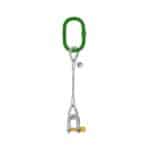
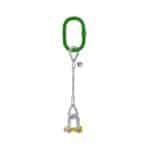
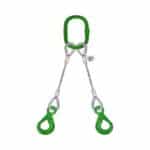
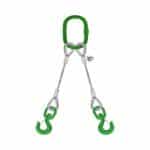
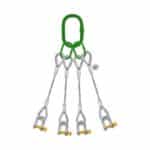
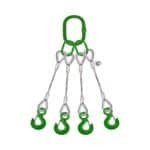
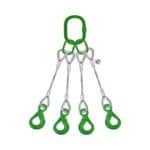
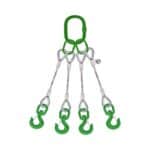
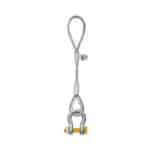
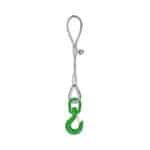
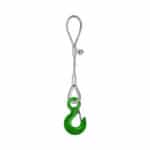
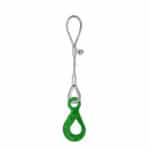
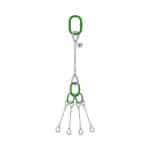
Choosing the right lifting clamp load is critical for ensuring safety and efficiency in material handling operations. Selecting an inadequate lifting clamp can lead to catastrophic consequences, including dropped loads, equipment damage, and, most importantly, serious injuries or fatalities. There are many different types of lifting clamps. Ignoring material type, load weight, and lifting angles is a dangerous practice that can have severe repercussions.
Introduction: The Importance of Matching Clamp to Load
Selecting the correct lifting clamp load is paramount for ensuring the safety and efficiency of any lifting operation. Using the wrong type of clamp or exceeding its safe working load can result in disastrous consequences. Therefore, understanding the different types of lifting clamps and their specific applications is crucial for preventing accidents and ensuring a safe working environment.
The consequences of using the wrong lifting clamp.
Using the wrong lifting clamp can have severe and far-reaching consequences. The most immediate and obvious risk is the potential for the load to slip or drop. This can lead to:
- Injury: Dropped loads can cause serious injuries or even fatalities to workers in the vicinity.
- Damage to Equipment: A dropped load can damage the lifting equipment itself, as well as surrounding machinery and structures.
- Material Damage: The load being lifted can be damaged beyond repair, resulting in significant financial loss.
- Operational Delays: Accidents caused by improper lifting can lead to costly delays in production or construction schedules.
- Legal Ramifications: Companies can face fines and legal action if accidents occur due to negligence in selecting or using lifting equipment.
We’ve seen instances where improper clamp selection led to significant project setbacks and, more tragically, workplace injuries. Choosing the right lifting clamp load is not just a matter of convenience, it’s a matter of life and death.
Brief overview of different lifting clamp types.
There are various types of lifting clamps available, each designed for specific applications and load characteristics. Some common types include:
- Vertical Lifting Clamps: Designed for lifting steel plates and other materials vertically.
- Horizontal Lifting Clamps: Used for lifting materials horizontally, often in situations where vertical lifting is not feasible.
- Plate Lifting Clamps: Specifically designed for lifting steel plates of varying thicknesses.
- Beam Clamps: Used for attaching to I-beams and other structural steel members to provide a lifting point.
- Pipe Lifting Clamps: Designed for lifting pipes and other cylindrical objects.
- Lifting clamp types have different features for different materials.
Each type of clamp has its own safe working load (SWL) and limitations, making it essential to select the appropriate clamp for the specific load and lifting application.
Why a “one-size-fits-all” approach is dangerous.
Adopting a “one-size-fits-all” approach to lifting clamp selection is inherently dangerous and can lead to serious accidents. Different materials, load weights, dimensions, and lifting angles require different types of clamps and lifting techniques.
- Material Compatibility: Clamps designed for steel may not be suitable for lifting aluminum or concrete.
- Load Weight: Exceeding the safe working load (SWL) of a clamp can cause it to fail.
- Lifting Angle: Lifting at an incorrect angle can significantly reduce the clamp’s capacity and stability.
When our team in Dubai handles these operations, they always emphasize that a comprehensive assessment of the load and lifting requirements is paramount. Never assume that a single clamp can handle every lifting situation safely. Always choose the right tool for the job.
Understanding Your Load: Key Characteristics
Before selecting a lifting clamp, it’s essential to thoroughly understand the characteristics of the load you’ll be lifting. This includes the material type, surface condition, weight, dimensions, orientation, and lifting angle. Neglecting any of these factors can lead to improper clamp selection and potentially dangerous situations.
Material Type and Surface Condition
The material type and surface condition of the load significantly impact the selection of an appropriate lifting clamp.
- Steel: Requires clamps designed for ferrous metals, often with hardened jaws for secure grip.
- Aluminum: Requires clamps with softer jaw materials to prevent damage to the aluminum surface.
- Concrete: Requires specialized clamps designed for handling concrete slabs or precast elements.
The surface condition also plays a crucial role:
- Smooth Surfaces: May require clamps with serrated jaws or friction pads to enhance grip.
- Rough Surfaces: May require clamps with larger gripping areas to distribute the load evenly.
- Oily Surfaces: Require clamps with specialized coatings or aggressive jaw designs to prevent slippage.
- Painted Surfaces: May require clamps with protective coatings to prevent damage to the paint.
Understanding these factors is crucial for selecting a lifting clamp that provides a secure and reliable grip on the load.
Steel, aluminum, concrete, etc.
Different materials have different densities, strengths, and surface properties, all of which affect how a lifting clamp interacts with the load. For instance, steel, being a dense and strong material, requires clamps designed to withstand high loads and provide a firm grip. Aluminum, on the other hand, is lighter and softer than steel, necessitating clamps with features that prevent damage to the material’s surface. Concrete, often lifted in slabs or precast forms, demands specialized clamps that can handle its weight and irregular shape. We’ve seen projects delayed because the wrong lifting clamps were used to lift the concrete.
Smooth, rough, oily, painted surfaces.
The surface condition of the load is equally important. A smooth surface offers less friction, requiring clamps with enhanced gripping mechanisms or specialized pads to prevent slippage. Rough surfaces, while offering more friction, may be uneven, demanding clamps with adaptable jaws that can conform to the contours of the load. Oily or painted surfaces present a challenge due to reduced friction and the risk of contamination, often necessitating clamps with coatings or designs that maintain a secure grip despite these conditions. Choosing the correct steel plate lifting clamp for the correct surface is essential.
How different materials affect clamp grip and required force.
Different materials exhibit varying degrees of friction and resistance to deformation, which directly impacts the clamp’s grip and the force required to maintain a secure hold. Steel, with its high friction coefficient and resistance to deformation, generally allows for a more secure grip with less applied force. Aluminum, being softer and more prone to deformation, requires a more delicate balance of force to prevent damage while maintaining a secure grip. Concrete, often porous and brittle, demands clamps that distribute force evenly to avoid cracking or crumbling.
Load Weight and Dimensions
Accurately determining the load’s weight and dimensions is paramount for selecting the right lifting clamp. Exceeding the clamp’s safe working load (SWL) or using a clamp with an inadequate jaw opening can have disastrous consequences.
- Accurate Weight: Use calibrated scales or consult engineering drawings to determine the load’s precise weight.
- Precise Dimensions: Measure the load’s length, width, and thickness to ensure proper clamp fit and stability.
Always err on the side of caution and select a clamp with a safe working load that exceeds the load’s actual weight by a significant margin.
Calculating the accurate weight of the load.
Determining the accurate weight of the load is the first and most critical step in selecting an appropriate lifting clamp. Guessing or estimating the weight can lead to dangerous situations if the clamp’s safe working load (SWL) is exceeded. Utilize calibrated weighing scales, consult engineering drawings, or employ other reliable methods to obtain an accurate weight measurement. When dealing with complex or irregularly shaped loads, it may be necessary to calculate the weight based on the material density and volume. Always double-check your calculations and consider adding a safety factor to account for any uncertainties.
Measuring dimensions (length, width, thickness) for proper clamp fit.
In addition to weight, the dimensions of the load – length, width, and thickness – are crucial factors in ensuring a proper clamp fit. The clamp’s jaw opening must be sufficient to accommodate the load’s thickness, and the clamp’s overall size must be appropriate for the load’s length and width. Using a clamp with an inadequate jaw opening can result in an insecure grip, while using a clamp that is too large can make it difficult to position and control the load. Take precise measurements of the load’s dimensions and consult the clamp manufacturer’s specifications to ensure compatibility.
Why exceeding the clamp’s safe working load (SWL) is critical to avoid.
Exceeding the clamp’s safe working load (SWL) is one of the most dangerous mistakes that can be made in a lifting operation. The SWL is the maximum weight that the clamp is designed to safely lift, and exceeding this limit can lead to catastrophic failure. Overloading a lifting clamp can cause it to deform, crack, or even break completely, resulting in the load dropping and potentially causing serious injuries or fatalities. Always choose a clamp with an SWL that exceeds the load’s actual weight by a significant margin, and never attempt to lift a load that exceeds the clamp’s rated capacity.
Load Orientation and Lifting Angle
The orientation of the load and the lifting angle significantly impact the clamp’s capacity and stability. Different types of clamps are designed for specific lifting orientations, such as vertical, horizontal, or angular lifting. Using a clamp in an orientation for which it is not designed can compromise its ability to securely grip the load.
- Vertical Lifting: Requires clamps designed to support the load’s entire weight vertically.
- Horizontal Lifting: Requires clamps that can grip the load securely from the side.
- Angular Lifting: Requires clamps with adjustable features to accommodate the lifting angle.
Always consult the manufacturer’s instructions to determine the appropriate lifting orientation and angle for the selected clamp.
Vertical, horizontal, angular lifting requirements.
The specific lifting requirements of the job – whether vertical, horizontal, or angular – dictate the type of lifting clamp that should be used. Vertical lifting involves raising the load directly upwards, requiring clamps designed to bear the load’s weight in a straight line. Horizontal lifting, on the other hand, involves lifting the load from the side, necessitating clamps that can grip the material securely without slippage. Angular lifting, which involves lifting the load at an angle, demands clamps with adjustable features to maintain stability and prevent the load from shifting.
How lifting angle impacts clamp capacity and stability.
The lifting angle has a significant impact on the clamp’s capacity and stability. As the lifting angle increases, the effective lifting capacity of the clamp decreases. This is because the force exerted on the clamp is no longer solely vertical but is also distributed horizontally, reducing the clamp’s ability to support the load’s weight. Additionally, lifting at an angle can create instability, causing the load to swing or shift, potentially leading to accidents. Always consult the clamp manufacturer’s specifications to determine the reduction in lifting capacity for different lifting angles.
Illustrative examples of correct and incorrect lifting angles.
Imagine lifting a steel plate vertically using a vertical lifting clamp. This is an example of a correct lifting angle, as the clamp is designed to bear the load’s weight in a straight line. Now, imagine attempting to lift the same steel plate horizontally using the same vertical lifting clamp. This is an example of an incorrect lifting angle, as the clamp is not designed to grip the plate from the side, and the load is likely to slip. Similarly, attempting to lift a load at a steep angle using a clamp that is not designed for angular lifting can compromise its stability and lead to accidents. Always adhere to the manufacturer’s recommendations for lifting angles.
“Always double-check your lifting plan. A small error in angle calculation can lead to catastrophic failure.” – Expert Lifting Consultant
Exploring Different Types of Lifting Clamps
A wide variety of lifting clamps are available, each designed for specific applications and load characteristics. Understanding the different types of clamps and their intended uses is essential for selecting the right clamp for the job.
Vertical Lifting Clamps
Vertical lifting clamps are designed for lifting steel plates and other materials vertically. They typically feature a locking mechanism that engages when the clamp is lifted, providing a secure grip on the load.
- Ideal Applications: Lifting steel plates, beams, and other structural steel members vertically.
- Features: Locking mechanisms, hardened jaws, and safety latches.
- Benefits: Provide a secure and reliable grip for vertical lifting applications.
[IMAGE: A vertical lifting clamp lifting a steel plate vertically.]
Ideal applications for vertical lifting clamps.
Vertical lifting clamps excel in applications where loads need to be lifted and moved in a vertical orientation. These clamps are particularly well-suited for handling steel plates, structural steel members, and other materials that can be securely gripped from the top. Construction sites, fabrication shops, and warehouses are common environments where vertical lifting clamps prove invaluable for efficiently and safely moving heavy objects. The precise grip and vertical lifting capability make them essential tools in various industrial settings.
Features and benefits of various vertical clamp designs.
Vertical lifting clamps come in various designs, each with its own unique set of features and benefits. Some common features include:
- Automatic Locking Mechanisms: These mechanisms engage automatically when the clamp is lifted, providing a secure grip on the load.
- Hardened Jaws: Hardened jaws provide excellent grip and durability, even when lifting heavy loads.
- Safety Latches: Safety latches prevent accidental release of the load, adding an extra layer of security.
- Adjustable Jaw Openings: Adjustable jaw openings allow the clamp to accommodate different material thicknesses.
- Swivel Eyelets: Swivel eyelets allow the load to be rotated while suspended, providing greater flexibility.
These features contribute to the safe and efficient lifting of materials in various vertical lifting applications.
Horizontal Lifting Clamps
Horizontal lifting clamps are designed for lifting materials horizontally, often in situations where vertical lifting is not feasible. They typically feature a scissor-like design that grips the load from the sides.
- When to Use: When vertical lifting is not possible due to space constraints or load orientation.
- Special Considerations: Ensuring the load is properly balanced and supported.
[IMAGE: A horizontal lifting clamp lifting a steel plate horizontally.]
When to use horizontal lifting clamps.
Horizontal lifting clamps are invaluable in scenarios where vertical lifting is impractical or impossible. These clamps are particularly useful when space constraints limit overhead clearance or when the load’s orientation necessitates lifting from the side. They are commonly employed in shipbuilding, bridge construction, and other applications where large, flat materials need to be maneuvered horizontally. The ability to lift from the side makes horizontal lifting clamps a versatile solution for overcoming challenging lifting obstacles.
Special considerations for horizontal lifting.
When using horizontal lifting clamps, several special considerations must be taken into account to ensure safety and stability. First and foremost, the load must be properly balanced to prevent it from tipping or shifting during the lift. This may require using multiple clamps or employing additional rigging equipment to distribute the load evenly. Additionally, the surface of the load must be clean and free of debris to ensure a secure grip. Regular inspections of the clamps and rigging equipment are also essential to identify any signs of wear or damage. Adhering to these precautions will help minimize the risk of accidents and ensure a safe lifting operation.
Plate Lifting Clamps
Plate lifting clamps are specifically designed for lifting steel plates of different thicknesses. They come in various designs, including screw clamps and scissor clamps.
- Variations: Screw clamps, scissor clamps.
- Applications: Lifting and moving steel plates in fabrication shops, construction sites, and warehouses.
[IMAGE: Different types of plate lifting clamps.]
Designed for lifting steel plates of different thicknesses.
Plate lifting clamps are engineered to securely lift and maneuver steel plates of varying thicknesses. These clamps come in different designs, each tailored to specific plate dimensions and lifting requirements. The primary goal is to provide a safe and efficient method for handling steel plates in industrial settings. The rugged construction and specialized gripping mechanisms ensure that steel plates can be lifted and moved with confidence, minimizing the risk of accidents and improving overall productivity.
Variations: screw clamps, scissor clamps.
Plate lifting clamps come in two primary variations: screw clamps and scissor clamps. Screw clamps feature a screw mechanism that tightens the clamp’s jaws onto the steel plate, providing a secure grip. Scissor clamps, on the other hand, utilize a scissor-like action to grip the plate, often with a spring-loaded mechanism to maintain constant pressure. Each type has its own advantages and is suitable for different applications. Screw clamps offer a more precise and adjustable grip, while scissor clamps provide a faster and more convenient clamping action.
Beam Clamps
Beam clamps are used for attaching to I-beams and other structural steel members to provide a lifting point. They come in adjustable and fixed designs.
- Attaching to I-beams: Provide a secure and temporary lifting point.
- Adjustable and fixed beam clamp types: Offer versatility for different beam sizes and applications.
[IMAGE: A beam clamp attached to an I-beam.]
Attaching to I-beams for hoisting applications.
Beam clamps serve as essential connectors for hoisting applications, securely attaching to I-beams and other structural steel members to create a reliable lifting point. These clamps provide a temporary or semi-permanent solution for suspending lifting equipment, allowing for the safe and efficient raising and lowering of materials. Beam clamps are commonly used in construction sites, warehouses, and manufacturing facilities where overhead lifting is required. Their robust design and secure attachment mechanism ensure that lifting operations can be carried out with confidence.
Adjustable and fixed beam clamp types.
Beam clamps come in two primary types: adjustable and fixed. Adjustable beam clamps offer versatility by accommodating different beam sizes and flange thicknesses. These clamps feature a threaded rod or other mechanism that allows the jaw opening to be adjusted to fit the beam securely. Fixed beam clamps, on the other hand, are designed for specific beam sizes and do not offer adjustability. Fixed beam clamps are typically more compact and may be preferred in situations where space is limited. The choice between adjustable and fixed beam clamps depends on the specific application and the range of beam sizes that need to be accommodated.
Pipe Lifting Clamps
Pipe lifting clamps are specifically designed for lifting pipes and other cylindrical objects. They come in chain-type and scissor-type designs.
- Specific design: Designed for lifting pipes and cylindrical objects safely.
- Chain-type and scissor-type pipe clamps: Offer different gripping mechanisms for various pipe sizes and weights.
[IMAGE: A pipe lifting clamp lifting a section of pipe.]
Specific design for lifting pipes and cylindrical objects.
Pipe lifting clamps are meticulously designed to handle the unique challenges of lifting pipes and other cylindrical objects. These clamps feature specialized gripping mechanisms that conform to the curved surface of the pipe, providing a secure and reliable hold. The design takes into account the weight, diameter, and material of the pipe to ensure that it can be lifted safely and efficiently. Pipe lifting clamps are essential tools in industries such as pipeline construction, oil and gas, and water management, where the safe handling of pipes is critical.
Chain-type and scissor-type pipe clamps.
Pipe lifting clamps come in two main types: chain-type and scissor-type. Chain-type pipe clamps utilize a chain or cable that wraps around the pipe, tightening to provide a secure grip. These clamps are often used for lifting larger diameter pipes and offer a high load capacity. Scissor-type pipe clamps, on the other hand, feature a scissor-like action that grips the pipe from the sides. These clamps are typically used for smaller diameter pipes and offer a quick and easy clamping action. The choice between chain-type and scissor-type pipe clamps depends on the specific pipe size, weight, and lifting requirements.
Critical Factors for Selecting the Right Clamp
Selecting the right lifting clamp involves careful consideration of several critical factors, including the safe working load (SWL), jaw opening, material compatibility, and locking mechanisms. Neglecting any of these factors can compromise safety and lead to accidents.
Safe Working Load (SWL) and Capacity
Understanding the safe working load (SWL) and capacity of a lifting clamp is paramount. The SWL is the maximum weight that the clamp is designed to safely lift, and exceeding this limit can have catastrophic consequences.
- Importance of SWL Markings: Always check the clamp for clear and legible SWL markings.
- Sufficient Safety Margin: Choose a clamp with an SWL that exceeds the load’s weight by a significant margin.
Understanding the importance of SWL markings.
The safe working load (SWL) marking on a lifting clamp is a critical piece of information that must be carefully considered before each lift. The SWL indicates the maximum weight that the clamp is designed to safely handle under normal operating conditions. This marking is typically displayed prominently on the clamp and should be easily readable. Before using any lifting clamp, it is essential to verify that the SWL marking is present and legible. Never use a clamp if the SWL marking is missing or damaged, as this could indicate that the clamp has been compromised and is no longer safe to use.
Choosing a clamp with a sufficient safety margin.
When selecting a lifting clamp, it is crucial to choose one with a sufficient safety margin. This means that the clamp’s safe working load (SWL) should exceed the actual weight of the load being lifted by a significant amount. A safety margin provides a buffer against unexpected factors, such as variations in load weight, dynamic loading, and potential wear and tear on the clamp. A general rule of thumb is to choose a clamp with an SWL that is at least twice the weight of the load being lifted. This provides a comfortable safety margin and helps to ensure that the clamp is not overloaded.
The risks of overloading a lifting clamp.
Overloading a lifting clamp is extremely dangerous and can lead to catastrophic consequences. When a clamp is overloaded, it is subjected to stresses that exceed its design limits. This can cause the clamp to deform, crack, or even break completely. If a clamp fails while lifting a load, the load can drop, potentially causing serious injuries, fatalities, and property damage. Overloading a lifting clamp can also damage the clamp itself, rendering it unsafe for future use. It is essential to always adhere to the clamp’s safe working load (SWL) and never attempt to lift a load that exceeds its rated capacity.
Jaw Opening and Grip Range
The jaw opening and grip range of a lifting clamp must match the thickness of the load being lifted. Using a clamp with an inadequate jaw opening can result in an insecure grip and potential slippage.
- Matching Jaw Opening: Ensure the clamp’s jaw opening is sufficient to accommodate the load’s thickness.
- Adjustable Jaw Openings: Consider clamps with adjustable jaw openings for versatility.
[IMAGE: A close-up showing the adjustable jaw opening of a lifting clamp.]
Ensuring the clamp jaw opening matches the load thickness.
Ensuring that the clamp’s jaw opening matches the load thickness is paramount for a safe and secure lift. If the jaw opening is too small, the clamp will not be able to grip the load properly, resulting in an unstable and potentially dangerous situation. Conversely, if the jaw opening is too large, the clamp may not be able to exert enough pressure to grip the load securely, leading to slippage. Always measure the thickness of the load and compare it to the clamp’s specifications to ensure a proper fit.
Adjustable jaw openings for versatility.
Adjustable jaw openings provide versatility and adaptability when dealing with loads of varying thicknesses. Clamps with adjustable jaw openings allow the user to fine-tune the grip to match the specific dimensions of the load, ensuring a secure and reliable hold. This feature is particularly useful in situations where the load thickness may vary or when the clamp is used for multiple applications with different load sizes. The ability to adjust the jaw opening enhances the clamp’s usability and makes it a valuable tool for a wide range of lifting tasks.
Material Compatibility
Choosing clamps made of appropriate materials for the load is crucial for preventing corrosion, damage, and ensuring a secure grip.
- Appropriate Materials: Select clamps made of materials compatible with the load being lifted.
- Avoiding Corrosion: Use corrosion-resistant clamps in corrosive environments.
Choosing clamps made of appropriate materials for the load.
The material of the lifting clamp must be compatible with the material of the load being lifted to prevent damage and ensure a secure grip. For example, lifting steel plates with clamps made of hardened steel is a common practice, as the materials are compatible and provide a strong and reliable connection. However, lifting aluminum plates with steel clamps can damage the softer aluminum surface. In such cases, clamps made of softer materials, such as aluminum or brass, should be used to prevent scratching or denting the aluminum. Always consider the material compatibility when selecting a lifting clamp.
Avoiding corrosion and damage to both the clamp and the load.
Corrosion can significantly weaken lifting clamps and compromise their ability to safely lift loads. Similarly, corrosion can damage the load itself, reducing its structural integrity and increasing the risk of failure. To prevent corrosion, choose clamps made of corrosion-resistant materials, such as stainless steel or galvanized steel, especially when working in corrosive environments. Regularly inspect clamps for signs of corrosion and replace them if necessary. Additionally, protect the load from corrosion by applying protective coatings or using corrosion inhibitors.
Example: Stainless steel clamps for corrosive environments.
In corrosive environments, such as marine environments or chemical processing plants, stainless steel clamps are an excellent choice for preventing corrosion. Stainless steel is highly resistant to rust and other forms of corrosion, making it ideal for use in these harsh conditions. Stainless steel clamps can be used to lift a variety of materials, including steel, aluminum, and plastic, without the risk of corrosion-related damage. The added cost of stainless steel clamps is often offset by their increased lifespan and reduced maintenance requirements in corrosive environments.
Locking Mechanisms and Safety Features
Lifting clamps should have reliable locking mechanisms and safety features to prevent accidental release of the load.
- Spring-Loaded Mechanisms: Ensure the clamp has a spring-loaded locking mechanism that engages automatically.
- Safety Latches: Look for clamps with safety latches that provide a secondary locking system.
- Inspecting Locking Mechanisms: Regularly inspect locking mechanisms for proper function.
Spring-loaded locking mechanisms.
Spring-loaded locking mechanisms are a vital safety feature in lifting clamps. These mechanisms automatically engage when the clamp is lifted, providing a secure and reliable grip on the load. The spring tension ensures that the locking mechanism remains engaged, even if the clamp is subjected to vibrations or sudden movements. Spring-loaded locking mechanisms provide an extra layer of security and help to prevent accidental release of the load, reducing the risk of accidents.
Safety latches and secondary locking systems.
Safety latches and secondary locking systems provide an additional level of protection against accidental release of the load. These features typically consist of a latch or pin that manually locks the clamp in the closed position, preventing it from opening even if the primary locking mechanism fails. Safety latches are particularly important when lifting heavy or critical loads, as they provide a backup system to ensure that the load remains securely attached to the clamp.
Inspecting locking mechanisms for proper function.
Regular inspection of locking mechanisms is essential to ensure that they are functioning properly and providing a secure grip on the load. Before each use, visually inspect the locking mechanism for signs of damage, wear, or corrosion. Test the locking mechanism to ensure that it engages smoothly and securely. If any problems are detected, remove the clamp from service and have it repaired by a qualified technician before using it again. Proper maintenance and inspection of locking mechanisms are crucial for maintaining the safety and reliability of lifting clamps.
Step-by-Step Selection Process: A Practical Guide
Selecting the right lifting clamp involves a systematic approach that considers the load characteristics, lifting requirements, and clamp specifications. Following a step-by-step process can help ensure that the correct clamp is chosen for the job.
Step 1: Identify Load Characteristics (Reiterate from Section 2)
The first step in selecting a lifting clamp is to identify the characteristics of the load being lifted. This includes the weight, dimensions, material, and surface condition.
- Weight: Determine the accurate weight of the load using calibrated scales or engineering drawings.
- Dimensions: Measure the length, width, and thickness of the load.
- Material: Identify the material of the load (steel, aluminum, concrete, etc.).
- Surface Condition: Assess the surface condition of the load (smooth, rough, oily, painted).
Step 2: Determine Lifting Requirements
The next step is to determine the lifting requirements, including the lifting orientation (vertical, horizontal, angular), the height and distance of the lift, and any potential obstacles or limitations.
- Lifting Orientation: Determine whether the load needs to be lifted vertically, horizontally, or at an angle.
- Height and Distance: Consider the height and distance the load needs to be lifted.
- Obstacles and Limitations: Identify any potential obstacles or limitations that may affect the lifting operation.
Step 3: Choose the Appropriate Clamp Type
Based on the load characteristics and lifting requirements, select the appropriate clamp type from the various options available (vertical lifting clamp, horizontal lifting clamp, plate lifting clamp, beam clamp, pipe lifting clamp).
- Refer to Section 3: Consult the descriptions of different clamp types in Section 3 to determine the most suitable option.
- Consider Specific Needs: Choose a clamp that is specifically designed for the type of load and lifting operation being performed.
Step 4: Verify SWL and Jaw Opening
Once the clamp type has been selected, verify that the clamp’s safe working load (SWL) and jaw opening are adequate for the load being lifted.
- Adequate SWL: Ensure that the clamp’s SWL exceeds the load’s weight by a significant margin.
- Proper Jaw Opening: Verify that the clamp’s jaw opening is sufficient to accommodate the load’s thickness.
Step 5: Inspect and Test the Clamp
Before using the clamp, thoroughly inspect it for any signs of damage, wear, or corrosion. Test the clamp’s locking mechanism to ensure that it is functioning properly.
- Pre-Use Inspection: Follow a pre-use inspection checklist to ensure that all components are in good working order.
- Load Testing: If required, perform a load test to verify the clamp’s capacity and stability.
Common Mistakes to Avoid
Several common mistakes can compromise the safety and efficiency of lifting operations. Avoiding these mistakes is crucial for preventing accidents and ensuring a safe working environment.
- Using a clamp with an insufficient SWL.
- Neglecting to inspect the clamp before each use.
- Improperly positioning the clamp on the load.
- Ignoring the manufacturer’s instructions.
- Using damaged or worn-out clamps.
Maintaining and Inspecting Lifting Clamps
Regular maintenance and inspection are essential for ensuring the continued safety and reliability of lifting clamps. Following a consistent maintenance schedule can help identify potential problems before they lead to accidents.
- Regular inspection schedules and procedures.
- Identifying signs of wear and tear.
- Lubrication and cleaning guidelines.
- Proper storage to prevent damage.
Case Studies: Real-World Examples of Proper Clamp Selection
Examining real-world examples of proper clamp selection can provide valuable insights into the practical application of the principles discussed in this guide.
Example 1: Lifting steel plates in a fabrication shop.
In a fabrication shop, steel plates of varying thicknesses need to be lifted and moved frequently. To ensure safety and efficiency, the following steps are taken:
- Load Characteristics: The weight and thickness of each steel plate are accurately measured.
- Lifting Requirements: The plates need to be lifted vertically and moved to different workstations.
- Clamp Selection: Vertical lifting clamps with adjustable jaw openings are selected to accommodate the varying plate thicknesses.
- SWL Verification: The safe working load (SWL) of the clamps is verified to ensure that it exceeds the weight of the heaviest plate.
- Inspection and Testing: The clamps are inspected before each use to ensure that they are in good working order.
Example 2: Hoisting pipes during pipeline construction.
During pipeline construction, pipes of different diameters need to be hoisted and positioned accurately. To ensure safety and efficiency, the following steps are taken:
- Load Characteristics: The weight and diameter of each pipe are accurately measured.
- Lifting Requirements: The pipes need to be lifted vertically and horizontally to align them for welding.
- Clamp Selection: Pipe lifting clamps with chain-type gripping mechanisms are selected to accommodate the varying pipe diameters.
- SWL Verification: The safe working load (SWL) of the clamps is verified to ensure that it exceeds the weight of the heaviest pipe.
- Inspection and Testing: The clamps are inspected before each use to ensure that they are in good working order.
Example 3: Moving concrete barriers on a highway project.
On a highway project, concrete barriers need to be moved and positioned to create traffic lanes. To ensure safety and efficiency, the following steps are taken:
- Load Characteristics: The weight and dimensions of each concrete barrier are accurately measured.
- Lifting Requirements: The barriers need to be lifted vertically and moved to different locations along the highway.
- Clamp Selection: Specialized concrete lifting clamps are selected to provide a secure grip on the barriers.
- SWL Verification: The safe working load (SWL) of the clamps is verified to ensure that it exceeds the weight of the heaviest barrier.
- Inspection and Testing: The clamps are inspected before each use to ensure that they are in good working order.
Conclusion: Ensuring Safe and Efficient Lifting Operations
Selecting the right lifting clamp load is crucial for ensuring safe and efficient lifting operations. By understanding the load characteristics, lifting requirements, and clamp specifications, you can choose the appropriate clamp for the job and prevent accidents. Remember to always prioritize safety and adhere to the manufacturer’s instructions. Ensuring the safety of workers is the highest priority in material handling.
We at Safe and Secure Trading Company (SSTC) hope that this guide has provided you with valuable insights into the process of selecting the right lifting clamp. By following the steps outlined in this guide, you can ensure that your lifting operations are conducted safely and efficiently. Our experience in this field shows that consistent application of these steps significantly reduces workplace accidents.
Lifting equipment safety is paramount, and ongoing training is essential for maintaining a safe working environment. Keep your workers informed, and your operations safe.
FAQ Section
Q: What is the most important factor to consider when selecting a lifting clamp?
A: The safe working load (SWL) is the most important factor. Always choose a clamp with an SWL that exceeds the weight of the load by a significant margin.
Q: How often should lifting clamps be inspected?
A: Lifting clamps should be inspected before each use and regularly as part of a scheduled maintenance program.
Q: What should I do if I find a damaged lifting clamp?
A: Remove the clamp from service immediately and have it repaired by a qualified technician or replace it.
Q: Can I use a lifting clamp for a purpose other than what it was designed for?
A: No, never use a lifting clamp for a purpose other than what it was designed for. This can compromise its safety and lead to accidents.
Q: Where can I find the safe working load (SWL) of a lifting clamp?
A: The SWL is typically marked on the clamp itself. Look for a clear and legible marking.
Q: What are the different lifting clamp types available?
A: There are several types of lifting clamps available, including vertical lifting clamps, horizontal lifting clamps, plate lifting clamps, beam clamps, and pipe lifting clamps.
Q: What are some common lifting clamp types used for material handling?
A: Some common lifting clamp types used for material handling include steel plate lifting clamp, vertical lifting clamp, horizontal lifting clamp, beam clamp, and pipe lifting clamp.
Q: What is the significance of jaw opening in lifting clamps?
A: Jaw opening is critical as it determines the thickness of material the clamp can securely grip. The jaw opening must match the load thickness for a safe lift.
Q: What kind of lifting clamp is suitable for steel plate lifting?
A: A steel plate lifting clamp, either vertical or horizontal depending on the orientation of the lift, is specifically designed for this purpose and ensures secure handling of steel plates.
Q: What should be done to maintain rigging equipment for longevity?
A: Regular inspection, proper lubrication, cleaning, and storing rigging equipment in a dry place can significantly extend its lifespan and ensure safe operation.