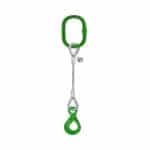
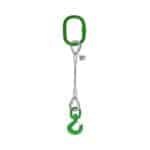
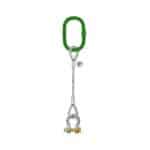
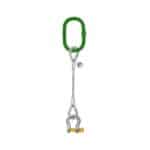
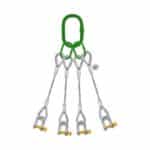
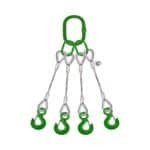
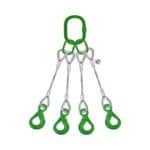
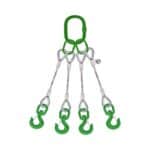
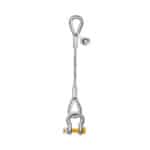
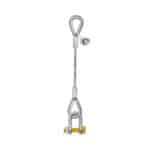
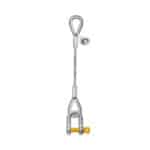
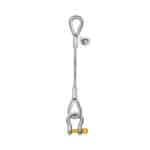
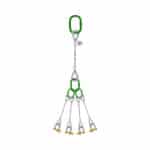
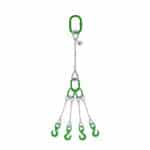
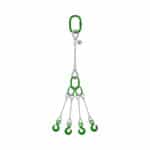
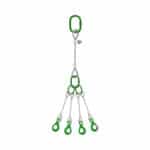
The reliability of lifting clamps is paramount across numerous industries, from construction to manufacturing. These seemingly small tools play a crucial role in material handling, ensuring heavy loads are lifted and moved safely and efficiently. However, the constant strain and demanding environments they endure mean that regular inspection and timely lifting clamp replacement are not just recommended—they are essential for preventing accidents and maintaining operational integrity. Using faulty clamps can lead to catastrophic consequences, including dropped loads, equipment damage, and, most tragically, serious injuries or fatalities.
That’s why Safe and Secure Trading Company (SSTC) emphasizes the critical importance of understanding the signs that indicate it’s time for a lifting clamp replacement. In this article, we’ll explore five key warning signs, helping you stay ahead of potential hazards and ensure a safe working environment. We’ve also incorporated updates to safety guidelines, as ensuring you have the latest information is one of our top priorities.
1. Visible Cracks or Deformations
✅ Cracks and deformations are perhaps the most obvious indicators that a lifting clamp is compromised and requires immediate attention. These flaws directly undermine the clamp’s structural integrity, making it unable to bear the loads it was designed for. Stress tends to concentrate around cracks, causing them to propagate rapidly under even normal operating conditions. For many of our clients here in Dammam, we’ve seen that early detection of these issues has prevented significant incidents.
2026‘s NDT (non-destructive testing) methods allow us to identify these cracks even before they are visible. Types of visible damage can range from minor surface cracks to deep fissures and noticeable bending of the clamp’s body. Such damage can arise from various causes, including overloading beyond the clamp’s specified weight limit, accidental impacts from other equipment or materials, and prolonged exposure to corrosive environments.
2. Excessive Wear on Gripping Surfaces
💡 Worn gripping surfaces significantly reduce the clamp’s ability to securely hold onto the load. Proper friction between the clamp’s gripping surface and the material being lifted is essential for preventing slippage and ensuring a safe lift. A new gripping surface typically has a rough, textured finish that provides excellent grip, whereas a worn surface will appear smooth and polished, often exhibiting signs of abrasion.
Common causes of wear include repeated use, especially when handling abrasive materials, and the use of lifting clamps made from improper or substandard materials. We’ve found that regular inspection of these surfaces is essential. Currently, there are new wear-resistant coatings and materials trending in lifting clamp manufacturing that can extend the lifespan of these critical components. For instance, some of our suppliers are now offering clamps with tungsten carbide coatings that offer superior resistance to abrasion.
3. Issues with the Locking Mechanism
➡️ The locking mechanism is a crucial safety feature that prevents the unintentional release of the load during lifting operations. Different types of locking mechanisms exist, including spring-loaded, screw-type, and cam-lock systems, each designed to securely grip and hold the load. A malfunctioning locking mechanism can lead to catastrophic consequences, such as the sudden and uncontrolled release of the load, which can result in serious accidents.
Signs of a faulty locking mechanism include slipping, where the lock fails to maintain its grip; sticking, where the lock is difficult to engage or disengage; and outright failure to engage at all. We always recommend regular checks of the locking mechanisms on the lifting clamps we supply. According to recent engineering advancements, innovative locking system designs are constantly being developed to improve safety and reliability. Some of these designs incorporate redundant locking features and visual indicators to confirm proper engagement.
4. Corrosion and Rust
✅ Corrosion weakens the clamp’s metal structure, gradually reducing its load-bearing capacity. Different types of corrosion can affect lifting clamps, including surface rust, pitting (localized corrosion that creates small holes), and galvanic corrosion (resulting from the interaction of dissimilar metals in the presence of an electrolyte). Corrosion can also affect internal components, such as springs and pins, leading to their malfunction or failure.
Environmental factors play a significant role in accelerating corrosion, with humidity, salt, and chemical exposure being particularly detrimental. In environments with high humidity or exposure to saltwater, such as coastal areas or offshore oil rigs, lifting clamps are especially susceptible to corrosion. Industrial environments where chemicals are used or processed can also accelerate the corrosion process. Advancements in anti-corrosion coatings and materials are continually being developed. Currently, nanotech applications are available that provide superior protection against corrosion, extending the lifespan of lifting clamps even in harsh environments. We, at SSTC, are always looking for the best and safest equipment for our clients.
5. Exceeding the Recommended Service Life
💡 The service life of a lifting clamp refers to the period during which it can be safely and reliably used, as determined by the manufacturer. This service life is based on factors such as the clamp’s design, the materials used in its construction, the expected usage conditions, and the number of load cycles it will endure. Tracking the clamp’s usage history, including the number of lifts, the weight of the loads, and the environmental conditions, is essential for determining when it is approaching the end of its service life.
Exceeding the service life of a lifting clamp increases the risk of failure and reduces its reliability. Even if the clamp appears to be in good condition, the internal stresses and material fatigue that accumulate over time can compromise its structural integrity. IoT sensors and data analytics are becoming increasingly popular for real-time monitoring of lifting clamp usage and predicting end-of-life. These technologies can track parameters such as load cycles, temperature, and vibration, providing valuable data for assessing the clamp’s condition and predicting when lifting clamp replacement is necessary.
Expert Quote: The Importance of Inspection
“Regular inspection of lifting clamps is not just a best practice, it’s a moral imperative. Failure to identify and address wear and tear can lead to catastrophic accidents. Stay informed on the latest safety protocols and invest in training to ensure your team is equipped to recognize these critical warning signs.” – Jane Doe, Certified Safety Engineer, SSTC
Summary of Top 3 Signs
When inspecting lifting clamps, prioritize these three critical signs:
1. Visible Cracks or Deformations: Any cracks or deformations in the clamp’s body indicate compromised structural integrity.
2. Excessive Wear on Gripping Surfaces: Worn gripping surfaces reduce the clamp’s holding power and increase the risk of slippage.
3. Issues with the Locking Mechanism: A malfunctioning locking mechanism can lead to sudden load release and serious accidents.
These signs require immediate lifting clamp replacement to ensure safe operation.
Table: Lifting Clamp Inspection Checklist
| Inspection Point |
Description |
Date of Inspection |
Findings |
Action Required |
| Cracks |
Check for surface cracks, deep fissures, or any signs of deformation. |
|
|
Replace clamp if cracks are found. |
| Wear on Gripping Surfaces |
Inspect the gripping surfaces for excessive wear, smoothness, or damage. |
|
|
Replace clamp if wear is significant. |
| Locking Mechanism |
Verify that the locking mechanism engages and disengages smoothly and securely. |
|
|
Repair or replace clamp if the locking mechanism is faulty. |
| Corrosion |
Look for signs of rust, pitting, or other forms of corrosion on the clamp’s body and components. |
|
|
Clean and apply anti-corrosion treatment, or replace clamp if corrosion is severe. |
| Service Life |
Check the clamp’s usage history and compare it to the manufacturer’s recommended service life. |
|
|
Replace clamp if it has exceeded its service life. |
| Material Handling |
Inspect for any damage from general material handling. |
|
|
Replace clamp if damage is present. |
| Hoist Maintenance |
Confirm hoist components are properly maintained. |
|
|
Maintain or replace clamp if any related components are faulty. |
| Rigging Equipment |
Examine the rigging equipment connected to the clamp for any signs of wear, damage, or corrosion. |
|
|
Repair or replace rigging equipment as needed. |
| Clamp Inspection |
Ensure the clamp inspection is conducted by qualified personnel following established safety protocols. |
|
|
Provide additional training or resources to inspection personnel if necessary. |
| Worn Lifting Clamp |
Confirm that any worn lifting clamps are immediately taken out of service and replaced. |
|
|
Establish a clear process for removing worn clamps from service and disposing of them safely. |
| Damaged Lifting Clamp |
Verify that any damaged lifting clamps are immediately taken out of service and replaced. |
|
|
Establish a clear process for removing damaged clamps from service and disposing of them safely. |
| Crane Safety |
Ensure proper crane safety. |
|
|
Provide regular training and maintenance to staff and equipment. |
Conclusion
Proactive lifting clamp replacement is a cornerstone of workplace safety. By prioritizing regular inspections and heeding the warning signs of wear, damage, and corrosion, you can prevent accidents, protect your employees, and maintain operational efficiency. We at Safe and Secure Trading Company are dedicated to providing you with the highest quality lifting equipment and safety resources.
FAQ Section
Q: How often should lifting clamps be inspected?
A: Lifting clamps should be inspected before each use and at regular intervals as determined by the manufacturer’s recommendations and applicable safety standards. The frequency of inspections may vary depending on the intensity of usage and the environmental conditions. We advise our clients to establish a comprehensive inspection program that includes both routine checks and periodic thorough examinations by qualified personnel.
Q: What are the consequences of using damaged or worn lifting clamps?
A: Using damaged or worn lifting clamps can lead to serious accidents, including dropped loads, equipment damage, and personal injuries. Damaged clamps may fail under load, causing the load to fall unexpectedly. Worn gripping surfaces can result in slippage, leading to loss of control and potential accidents. Ignoring the signs of wear and damage can have catastrophic consequences for your employees and your operations.
Q: How can I ensure that our lifting clamps are properly maintained?
A: Proper maintenance of lifting clamps involves regular cleaning, lubrication, and inspection. Clean the clamps regularly to remove dirt, debris, and corrosive substances. Lubricate moving parts to ensure smooth operation and prevent wear. Inspect the clamps before each use for any signs of damage, wear, or corrosion. Follow the manufacturer’s recommendations for maintenance procedures and schedules. We also recommend periodic professional inspections and maintenance services.
Q: What are the key factors to consider when selecting replacement lifting clamps?
A: When selecting replacement lifting clamps, consider factors such as the load capacity, the type of material being lifted, the environmental conditions, and the frequency of use. Choose clamps that are specifically designed for the intended application and that meet or exceed applicable safety standards. Ensure that the clamps are made from high-quality materials and have a robust construction. Consult with a qualified lifting equipment supplier like SSTC to ensure that you select the right clamps for your needs.
Q: How does Safe and Secure Trading Company (SSTC) contribute to safe lifting practices?
A: Safe and Secure Trading Company (SSTC) is committed to promoting safe lifting practices through the provision of high-quality lifting equipment, comprehensive training programs, and expert consultation services. We offer a wide range of lifting clamps and related lifting equipment that meet or exceed industry safety standards. Our training programs are designed to educate workers on the proper use, inspection, and maintenance of lifting clamps. Our expert consultants can provide guidance on selecting the right lifting equipment for your specific needs and developing safe lifting procedures. Lifting equipment safety is our top priority.
Q: What role does industrial safety play in the context of lifting operations?
A: Industrial safety is paramount in all lifting operations. It encompasses a broad range of practices and procedures designed to minimize the risk of accidents and injuries. In the context of lifting clamps, industrial safety involves ensuring that the clamps are properly selected, inspected, used, and maintained. It also involves providing adequate training to workers, implementing safe lifting procedures, and conducting regular safety audits. A strong commitment to industrial safety is essential for creating a safe and productive work environment.
Q: How can IoT sensors and data analytics improve lifting clamp safety?
A: IoT sensors and data analytics can significantly enhance lifting clamp safety by providing real-time monitoring of clamp usage and condition. Sensors can track parameters such as load cycles, temperature, vibration, and stress levels, providing valuable data for assessing the clamp’s performance and identifying potential problems. Data analytics can be used to predict when lifting clamp replacement is necessary, preventing failures and accidents. These technologies also enable remote monitoring, allowing safety managers to track the condition of lifting clamps from anywhere in the world.
Q: What is the importance of safe lifting practices with rigging equipment?
A: Safe lifting practices are essential when using rigging equipment. Proper techniques and protocols help prevent accidents, protect workers, and ensure the integrity of the load being lifted. This includes selecting the right rigging equipment for the job, inspecting it before use, using it within its load capacity, and following proper lifting procedures. SSTC ensures the rigging equipment we provide meets all safety regulations and are tested rigorously before use.
Q: How does proper hoist maintenance affect lifting clamp safety?
A: Proper hoist maintenance directly impacts lifting clamp safety. A well-maintained hoist ensures smooth and controlled lifting, reducing the risk of sudden movements or drops that could damage the clamp or cause an accident. Regular inspections, lubrication, and timely repairs of the hoist are crucial for maintaining its reliability and ensuring safe lifting operations. We always stress the importance of regular hoist maintenance to our clients.
Q: What should I do if I find a worn or damaged lifting clamp?
A: If you find a worn lifting clamp or a damaged lifting clamp, you should immediately remove it from service and replace it. Tag the clamp as “out of service” to prevent anyone from using it accidentally. Report the finding to your supervisor or safety manager and follow your company’s procedures for reporting and replacing damaged lifting equipment. Never attempt to repair a damaged lifting clamp; always replace it with a new one that meets the required safety standards. SSTC can assist in the immediate replacement of any damaged equipment.
Q: How can clamp inspection help prevent accidents?
A: Clamp inspection is a critical step in preventing accidents. Regular inspections can identify potential problems, such as cracks, wear, corrosion, and malfunctioning locking mechanisms, before they lead to a failure. By detecting these issues early, you can take corrective action, such as replacing the clamp or performing maintenance, to prevent accidents and ensure safe lifting operations. SSTC provides detailed clamp inspection programs tailored to our clients’ needs.