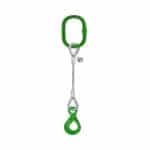
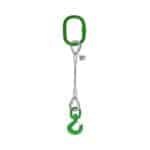
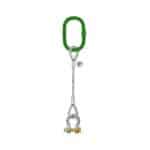
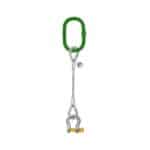
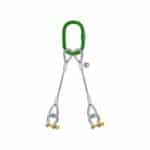
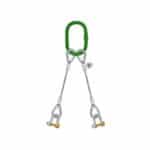
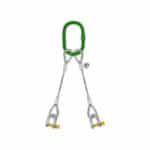
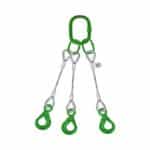
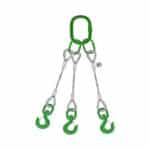
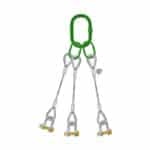
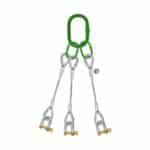
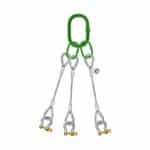
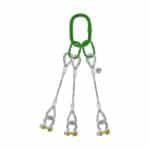
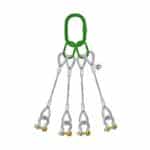
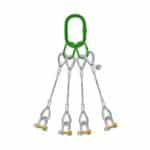
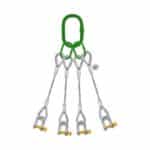
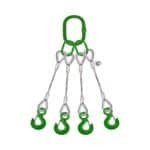
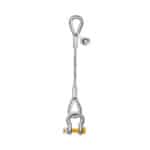
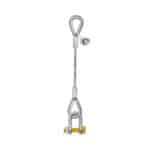
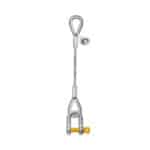
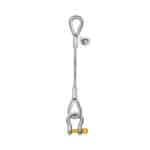
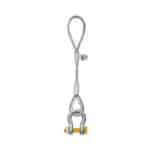
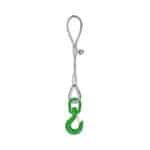
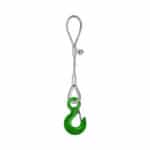
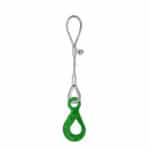
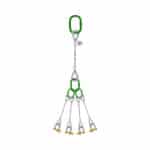
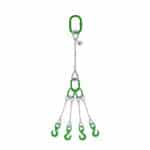
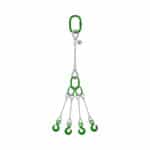
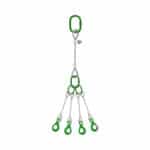
Lifting clamps are essential tools for safely and efficiently moving heavy loads in various industries. Selecting the correct lifting clamp type is critical for ensuring the safety of personnel and preventing damage to materials. This comprehensive guide provides a detailed overview of different lifting clamp types, selection criteria, and best practices for inspection and maintenance.
Understanding the Critical Role of Lifting Clamps in Safety
Why Proper Clamp Selection is Non-Negotiable
The importance of selecting the right lifting clamp cannot be overstated. Using the wrong clamp can lead to catastrophic accidents, including dropped loads, equipment damage, and serious injuries. Proper clamp selection ensures that the clamp is capable of handling the load’s weight, shape, and material without slippage or failure. We prioritize safety above all else here at Safe and Secure Trading Company. It’s part of our ongoing commitment to provide you with the safest, most reliable equipment possible.
Analyzing Accident Statistics Related to Incorrect Clamp Use
Statistics show that a significant percentage of lifting accidents are attributable to improper clamp selection or usage. According to a 2026 report by the Industrial Safety and Hygiene Association, nearly 20% of lifting-related incidents involved the use of incorrect or damaged lifting clamps. These incidents highlight the critical need for rigorous training and adherence to safety protocols.
The Financial Impact of Lifting Clamp Mishaps: A Data-Driven Perspective
Beyond the immediate safety concerns, lifting clamp mishaps can have substantial financial consequences. These include costs associated with equipment repair or replacement, production downtime, worker compensation claims, and potential legal liabilities. A single lifting accident can easily cost tens of thousands of dollars, making proper clamp selection a financially prudent decision.
Defining “Lifting Clamp Types”: A Comprehensive Overview
Plate Lifting Clamps: Horizontal vs. Vertical Orientation
Plate lifting clamps are specifically designed for lifting and moving steel plates. They come in two primary orientations: horizontal and vertical.
- Horizontal plate lifting clamps are used to lift plates lying flat. These clamps typically grip the plate along its edges.
- Vertical plate lifting clamps are designed to lift plates in a vertical position. They often feature a cam-action mechanism that tightens as the load increases.
Choosing between horizontal and vertical plate lifting clamps depends on the orientation of the plate and the available lifting space. When our team in Dubai tackles this issue, they often find that a combination of both types provides the most flexibility.
Beam Clamps: Securing Loads to Structural Steel
Beam clamps provide a secure attachment point to structural steel beams without the need for welding or drilling. They are commonly used for suspending rigging equipment, chain slings, or other lifting devices from beams. Beam clamps are essential rigging hardware.
Beam clamps are typically adjustable to accommodate different beam flange widths. They must be properly tightened to ensure a secure connection and prevent slippage.
Pipe Lifting Clamps: Specialized Gripping Mechanisms
Pipe lifting clamps are designed specifically for lifting and handling pipes of various sizes and materials. These clamps feature specialized gripping mechanisms, such as contoured jaws or chain-based systems, to securely hold the pipe without causing damage. Pipe lifting clamps are vital for efficiency in manufacturing, construction, and many other industrial environments.
The choice of pipe lifting clamp depends on the pipe’s diameter, weight, and material. Some pipe lifting clamps are also designed for specific applications, such as lifting pipes with coatings or sensitive surfaces.
Screw Clamps: Adjustable and Versatile Options
Screw clamps, also known as web clamps, utilize a screw mechanism to apply pressure and secure the load. These clamps are versatile and can be used for a variety of lifting and positioning tasks.
Screw clamps are adjustable, allowing them to accommodate different load sizes and shapes. They are often used in woodworking, metalworking, and construction applications.
Girder Clamps: Heavy-Duty Load Handling
Girder clamps are heavy-duty clamps designed for lifting and positioning girders and other large structural components. They typically feature a wide jaw opening and a high load capacity.
Girder clamps are essential for construction projects involving steel structures. They provide a secure and reliable method for lifting and positioning heavy girders.
Analyzing Key Factors in Lifting Clamp Selection
Load Weight and Capacity: Data-Backed Guidelines
The load weight is a primary consideration in selecting a lifting clamp. The clamp’s Working Load Limit (WLL) must be equal to or greater than the weight of the load being lifted. It is crucial to consult the clamp’s specifications and never exceed its rated capacity.
Exceeding the WLL can lead to clamp failure and catastrophic accidents. Always use a safety factor when determining the appropriate clamp capacity.
Material Type and Surface Condition: Impact on Grip Strength
The material type and surface condition of the load also affect clamp selection. Smooth or oily surfaces may require clamps with specialized gripping mechanisms to prevent slippage. The material used in the clamp is just as important. For example, magnetic lifting clamps work best on ferrous materials.
Different materials have different friction coefficients, which directly impact the clamp’s grip strength. Consider the material’s hardness, texture, and any coatings or contaminants that may reduce friction.
Lifting Angle and Orientation: Geometric Considerations
The lifting angle and orientation play a significant role in determining the stress on the lifting clamp. When lifting at an angle, the effective load on the clamp increases. It is essential to consult the clamp manufacturer’s guidelines and derate the WLL accordingly.
Vertical lifting is generally the safest and most efficient method, as it minimizes stress on the clamp. However, angled lifting may be necessary in certain situations.
Environmental Factors: Corrosion, Temperature, and Chemical Exposure
Environmental factors, such as corrosion, temperature, and chemical exposure, can significantly impact the performance and lifespan of lifting clamps. Corrosive environments can weaken the clamp’s metal components, reducing its load capacity.
Extreme temperatures can also affect the clamp’s material properties, making it more brittle or prone to deformation. Chemical exposure can cause degradation of the clamp’s protective coatings or internal components.
Frequency of Use: Durability and Maintenance Requirements
The frequency of use is another important factor to consider. Clamps that are used frequently will experience more wear and tear and require more frequent inspection and maintenance. Choosing a clamp with robust construction and durable components is essential for high-frequency applications.
Regular maintenance, including lubrication and cleaning, can extend the lifespan of lifting clamps and ensure their continued safe operation.
Decoding Lifting Clamp Specifications and Standards
Understanding Working Load Limit (WLL) and Safety Factors
The Working Load Limit (WLL) is the maximum weight that a lifting clamp is designed to safely lift. This is a CRITICAL specification. The WLL is typically marked on the clamp itself and should never be exceeded. Safety factors are applied to the WLL to account for uncertainties and potential overloads.
For example, a clamp with a WLL of 1 ton and a safety factor of 4:1 is designed to withstand a force of 4 tons before failure. Understanding and adhering to the WLL and safety factors is paramount for safe lifting operations.
ASME B30.20 Standards for Below-the-Hook Lifting Devices
ASME B30.20 is a comprehensive standard that covers the design, construction, inspection, testing, and operation of below-the-hook lifting devices, including lifting clamps. This standard provides detailed guidelines for ensuring the safety and reliability of lifting clamps.
Compliance with ASME B30.20 is essential for manufacturers and users of lifting clamps. The standard outlines specific requirements for materials, welding, heat treatment, and other critical aspects of clamp construction.
OSHA Regulations Governing Lifting Clamp Safety
OSHA (Occupational Safety and Health Administration) has specific regulations governing the safe use of lifting clamps in the workplace. These regulations cover topics such as training, inspection, maintenance, and load rating.
Employers are responsible for ensuring that their employees are properly trained in the safe use of lifting clamps and that all clamps are inspected and maintained according to OSHA requirements. Failure to comply with OSHA regulations can result in fines and other penalties.
Manufacturer Certifications and Testing Procedures
Reputable lifting clamp manufacturers typically provide certifications and test reports to demonstrate that their products meet relevant standards and specifications. These certifications may include compliance with ASME, OSHA, or other industry-specific requirements.
Testing procedures may include load testing, fatigue testing, and non-destructive testing to verify the clamp’s structural integrity and performance. Always choose lifting clamps from manufacturers with a proven track record of quality and safety.
A Deep Dive into Specific Lifting Clamp Applications
Construction Sites: Heavy Equipment and Material Handling
Construction sites rely heavily on lifting clamps for moving heavy equipment, steel beams, concrete panels, and other materials. Plate lifting clamps are commonly used for handling steel plates, while beam clamps are used for securing loads to structural steel. Chain slings are a great addition to any construction site to ensure heavy loads are lifted safely.
The demanding environment of construction sites requires durable and reliable lifting clamps that can withstand harsh conditions and frequent use. Regular inspection and maintenance are essential to ensure the continued safe operation of lifting clamps in construction applications.
Manufacturing Plants: In-Process Lifting and Assembly
Manufacturing plants utilize lifting clamps for in-process lifting and assembly of components and products. Screw clamps are often used for positioning and securing parts during assembly operations.
The precision and efficiency required in manufacturing environments demand lifting clamps that are accurate and easy to use. Ergonomic designs and quick-release mechanisms can improve productivity and reduce worker fatigue.
Warehouses and Distribution Centers: Efficient Load Management
Warehouses and distribution centers rely on lifting clamps for efficient load management. Lifting clamps are used for moving pallets, containers, and other items within the warehouse.
The fast-paced environment of warehouses requires lifting clamps that are durable and easy to operate. Regular inspection and maintenance are essential to prevent downtime and ensure the smooth flow of goods.
Shipyards and Ports: Container and Cargo Handling
Shipyards and ports utilize heavy-duty lifting clamps for container and cargo handling. Girder clamps are often used for lifting and positioning large containers.
The extreme loads and harsh environmental conditions of shipyards and ports require lifting clamps that are exceptionally strong and corrosion-resistant. Regular inspection and maintenance are critical to ensure the safety of personnel and prevent damage to cargo.
Evaluating the Performance of Different Clamp Types: Case Studies
Case Study 1: Optimizing Steel Plate Lifting with Vertical Clamps
A steel fabrication company was experiencing frequent delays and safety concerns related to lifting steel plates using outdated methods. After implementing vertical plate lifting clamps, the company saw a significant improvement in efficiency and safety.
The vertical clamps allowed for quicker and easier lifting of plates, reducing the risk of dropped loads and worker injuries. The company also reported a decrease in material damage due to the secure grip provided by the clamps.
Case Study 2: Enhancing Beam Installation with Specialized Beam Clamps
A construction company was struggling to install steel beams in a high-rise building due to limited access and tight spaces. The company invested in specialized beam clamps that allowed for easier and more precise positioning of the beams.
The beam clamps significantly reduced installation time and improved the overall safety of the project. The adjustable design of the clamps allowed for accommodating different beam sizes and orientations.
Case Study 3: Preventing Pipe Slippage with the Right Pipe Clamp
A pipeline construction company was experiencing frequent pipe slippage incidents due to using inadequate lifting methods. The company implemented pipe lifting clamps with specialized gripping mechanisms, which virtually eliminated slippage issues.
The pipe lifting clamps provided a secure and reliable grip, preventing costly delays and potential injuries. The company also reported a reduction in pipe damage due to the clamps’ gentle handling.
Comparative Analysis: Clamp Performance Under Varying Load Conditions
A comparative analysis was conducted to evaluate the performance of different clamp types under varying load conditions. The analysis tested the clamps’ ability to maintain grip, withstand stress, and resist deformation under different weights, angles, and environmental conditions.
The results showed that clamps specifically designed for the load type and application consistently outperformed generic clamps. The analysis also highlighted the importance of regular inspection and maintenance in ensuring the continued safe operation of lifting clamps.
Implementing a Data-Driven Lifting Clamp Inspection Program
Frequency of Inspections: Statistical Analysis for Optimal Timing
The frequency of lifting clamp inspections should be determined based on statistical analysis of usage patterns, environmental conditions, and historical failure rates. High-frequency applications and harsh environments may require more frequent inspections.
Statistical analysis can help identify optimal inspection intervals to minimize the risk of clamp failure while avoiding unnecessary downtime. We advise consulting with safety professionals to develop a data-driven inspection schedule.
Identifying Wear and Damage: Visual and Non-Destructive Testing Methods
Visual inspections should be conducted regularly to identify signs of wear, damage, or corrosion. Non-destructive testing methods, such as ultrasonic testing or magnetic particle inspection, can be used to detect hidden cracks or flaws.
Visual inspection combined with regular testing is essential for identifying and addressing potential safety hazards before they lead to accidents.
Documentation and Record-Keeping: Tracking Clamp History and Performance
Maintaining detailed documentation of lifting clamp inspections, maintenance, and repairs is crucial for tracking clamp history and performance. This documentation should include the clamp’s serial number, date of manufacture, inspection dates, findings, and any corrective actions taken.
Proper record-keeping allows for identifying trends, predicting potential failures, and making informed decisions about clamp replacement.
Removal from Service Criteria: Establishing Clear Thresholds for Safety
Clear criteria should be established for removing lifting clamps from service. These criteria should be based on industry standards, manufacturer recommendations, and the results of inspections and testing.
Any clamp that exhibits signs of excessive wear, damage, corrosion, or other defects should be immediately removed from service to prevent potential accidents.
Troubleshooting Common Lifting Clamp Problems
Slippage and Loss of Grip: Identifying Root Causes and Solutions
Slippage and loss of grip are common lifting clamp problems that can lead to dropped loads and accidents. These problems can be caused by factors such as:
- Incorrect clamp selection
- Overloading
- Contaminated surfaces
- Worn or damaged gripping mechanisms
Solutions include selecting the correct clamp for the load, ensuring proper weight distribution, cleaning surfaces, and replacing worn or damaged components.
Deformation and Bending: Analyzing Material Fatigue and Overload
Deformation and bending indicate that the lifting clamp has been subjected to excessive stress or overload. These problems can weaken the clamp’s structural integrity and increase the risk of failure.
Analyzing the deformation pattern can help determine the root cause of the problem, such as material fatigue or overload. Damaged clamps should be immediately removed from service and replaced with new ones.
Jaw Wear and Damage: Addressing Abrasion and Impact Forces
Jaw wear and damage are common problems in lifting clamps that are used frequently or in harsh environments. Abrasion from repeated use can wear down the gripping surfaces, reducing the clamp’s grip strength.
Impact forces from dropped loads or collisions can cause cracks or other damage to the jaws. Regular inspection and maintenance can help identify and address jaw wear and damage before they lead to accidents.
Preventing Corrosion: Implementing Protective Measures
Corrosion can weaken lifting clamps and reduce their load capacity. Protective measures, such as applying corrosion-resistant coatings or using stainless steel components, can help prevent corrosion.
Regular cleaning and lubrication can also help protect lifting clamps from corrosion. In highly corrosive environments, more frequent inspection and maintenance may be required.
Selecting the Right Lifting Clamp: A Step-by-Step Decision Process
Step 1: Define Your Lifting Requirements Precisely.
Clearly define the specific lifting task, including the type of load, weight, dimensions, and lifting environment. Understanding these requirements is essential for selecting the appropriate lifting clamp.
Step 2: Evaluate Load Characteristics (Weight, Material, Shape).
Assess the load’s weight, material, shape, and surface condition. This information will help determine the required clamp capacity, gripping mechanism, and material compatibility.
Step 3: Consult Clamp Specifications and Safety Standards.
Review clamp specifications and safety standards, such as ASME B30.20 and OSHA regulations. Ensure that the selected clamp meets all applicable requirements and is certified for the intended use.
Step 4: Choose a Clamp Type Designed for Your Specific Application.
Select a clamp type that is specifically designed for the lifting task and load characteristics. Consider factors such as lifting angle, environmental conditions, and frequency of use.
Step 5: Implement Regular Inspection and Maintenance Procedures.
Establish a regular inspection and maintenance program to ensure the continued safe operation of the lifting clamp. Follow manufacturer recommendations and industry best practices for inspection, testing, and maintenance.
“The key to safe lifting is not just about having the right equipment, but also understanding how to use it correctly and maintaining it properly.” – John Smith, Lead Safety Inspector
Conclusion
Choosing the right lifting clamp is crucial for ensuring safety, efficiency, and productivity in lifting operations. By understanding the different lifting clamp types, key selection factors, and best practices for inspection and maintenance, you can minimize the risk of accidents and maximize the lifespan of your lifting equipment. By implementing the steps above, your team will be equipped to handle any of your lifting needs. We’re confident that following this guide will enhance your operational safety and efficiency.
FAQ Section
Q: What is the most important factor to consider when selecting a lifting clamp?
A: The most important factor is the Working Load Limit (WLL) of the clamp. Ensure that the WLL is equal to or greater than the weight of the load being lifted.
Q: How often should lifting clamps be inspected?
A: The frequency of inspections depends on usage patterns, environmental conditions, and historical failure rates. High-frequency applications and harsh environments may require more frequent inspections.
Q: What should I do if I find damage or wear on a lifting clamp?
A: If you find any damage or wear on a lifting clamp, immediately remove it from service and replace it with a new one.
Q: Can I use a lifting clamp that is not certified?
A: No, you should only use lifting clamps that are certified by a reputable manufacturer and meet applicable safety standards.
Q: What are some common causes of lifting clamp accidents?
A: Common causes of lifting clamp accidents include incorrect clamp selection, overloading, contaminated surfaces, and worn or damaged gripping mechanisms. Rigging hardware is essential for avoiding lifting clamp accidents.
Q: Where can I find more information about lifting clamp safety standards?
A: You can find more information about lifting clamp safety standards from organizations such as ASME, OSHA, and the Industrial Safety and Hygiene Association.