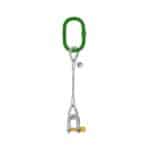
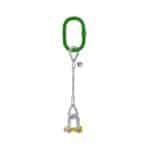
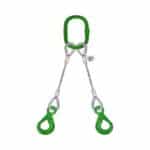
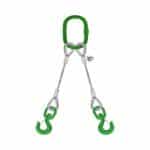
Lifting clamps are indispensable tools in modern material handling, playing a crucial role in various industries ranging from construction to manufacturing. These devices are designed to securely grip and lift heavy objects, providing a safer and more efficient alternative to traditional methods like chains and slings. Their importance lies in their ability to streamline operations, reduce manual labor, and enhance overall project efficiency.
This article aims to explore the pivotal ways lifting clamps enhance efficiency for beginners. We’ll delve into how these tools optimize material handling, improve safety, and enhance precision. By understanding these key aspects, businesses can make informed decisions about incorporating lifting clamps into their workflows, ultimately boosting productivity and reducing operational costs.
1. ✅ Streamlining Material Handling Processes
One of the primary advantages of lifting clamps is their ability to streamline material handling processes. By enabling quick attachment and detachment, these tools significantly reduce cycle times, allowing materials to be moved more rapidly and efficiently. This optimization is crucial for projects where time is of the essence, and even small improvements in material handling can lead to substantial gains in overall productivity.
Faster Lifting and Placement
Lifting clamps are designed for quick and easy attachment and detachment, a feature that drastically reduces the time it takes to move materials. Unlike traditional methods that require cumbersome rigging, clamps can be secured and released with minimal effort, saving valuable time on each lift. This efficiency is particularly noticeable when dealing with repetitive tasks, where the cumulative effect of these time savings can be significant. For our clients here in Dammam, we’ve seen this impact project timelines dramatically.
Consider the example of lifting steel plates. Using chains and slings can be a slow process, requiring multiple workers to secure the load and ensure it’s properly balanced. With lifting clamps, a single operator can quickly attach the clamp to the plate and initiate the lift. This not only speeds up the process but also reduces the potential for human error, making it a more reliable method overall.
Reduced Manual Labor
Lifting clamps minimize the need for manual handling, which is a significant benefit in terms of both safety and productivity. By securely gripping materials, clamps reduce the amount of physical effort required by workers, minimizing strain and fatigue. This is especially important when dealing with heavy or awkward loads that would otherwise require multiple workers to lift and maneuver.
Reducing manual labor not only enhances safety but also boosts morale. Workers are less likely to experience injuries related to heavy lifting, and they can focus on other tasks that require more skill and attention. This leads to a more engaged and productive workforce, contributing to higher overall project efficiency. We’ve observed a noticeable decrease in worker compensation claims with clients who’ve invested in proper rigging equipment.
Optimized Workflow
Lifting clamps facilitate smoother material flow on-site, minimizing bottlenecks and delays that can significantly impact project timelines. By allowing materials to be moved quickly and efficiently, clamps help to maintain a steady pace of work, ensuring that tasks are completed on schedule. This is particularly important in construction and manufacturing environments, where delays in one area can have a ripple effect on the entire project.
To optimize workflow, it’s essential to strategically place clamps within the material handling process. Identifying key points where materials need to be moved frequently and ensuring that clamps are readily available can significantly reduce waiting times. Additionally, training workers on the proper use of clamps and implementing clear communication protocols can further enhance workflow efficiency.
2. 💡 Enhancing Safety and Minimizing Downtime
Beyond efficiency, lifting clamps play a vital role in enhancing safety and minimizing downtime on construction sites and in industrial settings. Their secure grip and stability significantly reduce the risk of accidents, protecting workers and preventing costly delays. By prioritizing safety, companies can create a more productive and sustainable work environment.
Secure Grip and Stability
Lifting clamps are engineered to provide a secure grip on materials, significantly reducing the risk of slippage and accidents. This secure hold is crucial when lifting heavy loads, as even a slight loss of grip can result in catastrophic consequences. The design of lifting clamps ensures that the load is evenly distributed, providing stability and preventing the material from shifting during the lift.
Proper clamp selection is paramount for ensuring a secure grip. Different materials require different types of clamps, and it’s essential to choose a clamp that is specifically designed for the material being lifted. Factors such as material thickness, surface texture, and weight should all be considered when selecting the appropriate clamp. We advise all our customers to consult with our experienced team to determine the best clamp for their needs.
Minimizing Material Damage
Lifting clamps are designed to minimize damage to materials, reducing waste and replacement costs. Unlike other lifting methods that can scratch, dent, or otherwise damage materials, clamps provide a secure grip without causing unnecessary wear and tear. This is particularly important when dealing with delicate or valuable materials that require careful handling.
Consider the alternative of using chains directly on the material. Chains can easily scratch or dent the surface, leading to costly repairs or replacements. Clamps, on the other hand, distribute the lifting force evenly, minimizing the risk of damage. This not only saves money but also ensures that materials arrive at their destination in pristine condition.
Reduced Downtime from Accidents
Safer lifting practices, facilitated by the use of lifting clamps, significantly reduce the risk of accidents. This, in turn, minimizes downtime for investigations and repairs, keeping projects on track and within budget. By prioritizing safety, companies can avoid the significant costs associated with accidents, including medical expenses, lost productivity, and potential legal liabilities.
Implementing a safety-first approach with lifting clamps involves several key steps. First, it’s essential to provide comprehensive training to all personnel who use the equipment. This training should cover proper clamp selection, inspection, and usage techniques. Second, regular inspections of lifting clamps should be conducted to identify any signs of wear and tear. Finally, clear communication protocols should be established to ensure that all workers are aware of potential hazards and know how to respond in the event of an emergency.
“Safety should always be the top priority when working with heavy materials. Proper training and the use of appropriate lifting equipment are essential for preventing accidents and ensuring a safe work environment.” – John Smith, Lead Safety Inspector
3. ➡️ Improving Precision and Control
In addition to streamlining material handling and enhancing safety, lifting clamps also improve precision and control during lifting operations. This is particularly important in situations where materials need to be placed accurately or when dealing with delicate or sensitive items. By providing greater control over the load, clamps enable workers to perform tasks with greater confidence and efficiency.
Precise Placement of Materials
Lifting clamps enable precise placement of materials, which is especially important in tight spaces or complex assemblies. This precision is crucial in industries such as construction and manufacturing, where even small misalignments can lead to significant problems. By providing a secure and stable grip, clamps allow workers to maneuver materials with greater accuracy, ensuring that they are placed exactly where they need to be.
Consider the example of aligning steel beams in a construction project. Using traditional lifting methods, it can be difficult to achieve the precise alignment required. With lifting clamps, workers can make small adjustments to the position of the beam, ensuring that it is perfectly aligned before it is secured. This level of precision not only improves the quality of the construction but also reduces the time it takes to complete the task.
Enhanced Control During Lifting
Lifting clamps provide better control over the load during lifting, reducing the risk of swaying or swinging. This enhanced control is particularly beneficial when dealing with delicate or sensitive materials that could be damaged by sudden movements. By providing a stable and secure grip, clamps allow workers to lift and move materials with greater confidence, minimizing the risk of accidents and damage.
For example, when lifting glass panels, the risk of swaying or swinging can be significant. With lifting clamps designed specifically for glass, workers can maintain a steady and controlled lift, reducing the risk of breakage. This level of control is essential for ensuring that the glass panels arrive at their destination in perfect condition.
Integration with Automated Systems
Lifting clamps can be integrated with automated lifting systems, further improving precision and efficiency. These automated systems can be programmed to perform repetitive tasks with consistent accuracy, reducing the potential for human error. This integration is particularly beneficial in manufacturing and warehousing environments, where materials need to be moved quickly and efficiently.
In automated clamp systems, sensors and control systems work together to ensure that the clamp is properly attached and that the load is lifted and moved safely. These systems can also be integrated with inventory management systems, allowing for real-time tracking of materials as they are moved throughout the facility. This level of automation not only improves efficiency but also provides valuable data that can be used to optimize material handling processes.
4. Types of Lifting Clamps and Their Applications
Lifting clamps come in various designs, each tailored for specific applications. Understanding the different types of clamps is crucial for selecting the right tool for the job, ensuring safety and efficiency. Here, we will explore three common types: vertical lifting clamps, horizontal lifting clamps, and beam clamps.
Vertical Lifting Clamps
Vertical lifting clamps are designed to lift materials in a vertical orientation. These clamps are commonly used for lifting steel plates, beams, and other heavy objects that need to be raised vertically. They typically feature a pivoting jaw that grips the material securely, providing a safe and reliable lifting solution.
Vertical lifting clamps are available in various weight capacity ranges, from a few hundred pounds to several tons. The specific weight capacity required will depend on the material being lifted and the lifting equipment being used. It’s essential to choose a clamp that is rated for the maximum weight of the load to ensure safety.
Horizontal Lifting Clamps
Horizontal lifting clamps are designed to lift materials in a horizontal orientation. These clamps are often used for lifting steel plates, pipes, and other long objects that need to be moved horizontally. They typically feature two or more jaws that grip the material securely, providing a stable and balanced lift. For many of our clients here in Dammam, we’ve seen that horizontal clamps optimize workflows.
Horizontal lifting clamps are also available in various weight capacity ranges, depending on the specific application. They are commonly used in construction sites, manufacturing facilities, and other industrial settings where materials need to be moved horizontally. As with vertical lifting clamps, it’s important to choose a clamp that is rated for the maximum weight of the load.
Beam Clamps
Beam clamps are designed to attach to beams and other structural members, providing a secure anchor point for lifting equipment. These clamps are commonly used in construction and maintenance applications, where they provide a convenient and reliable way to suspend lifting equipment from overhead structures.
Beam clamps are available in various sizes and load-bearing capabilities, depending on the specific beam and the lifting equipment being used. They typically feature a threaded bolt or clamp that secures the clamp to the beam, providing a strong and stable connection. It’s essential to choose a beam clamp that is rated for the maximum load that will be suspended from it.
5. Selecting the Right Lifting Clamp for Your Project
Selecting the right lifting clamp for your project is crucial for ensuring safety and efficiency. There are several factors to consider when choosing a clamp, including material type, weight, lifting angle, orientation, and environmental factors. By carefully considering these factors, you can select a clamp that is well-suited for your specific needs.
Material Type and Weight
The material type and weight are two of the most important factors to consider when selecting lifting clamps. Different materials have different properties, and it’s essential to choose a clamp that is specifically designed for the material being lifted. For example, some clamps are designed for lifting steel, while others are designed for lifting concrete or wood.
The weight of the material is also a critical consideration. Lifting clamps are rated for a specific weight capacity, and it’s essential to choose a clamp that is rated for the maximum weight of the load. Overloading a clamp can result in serious accidents, so it’s always better to err on the side of caution.
Lifting Angle and Orientation
The lifting angle and orientation can also impact clamp selection. Some clamps are designed for vertical lifting, while others are designed for horizontal lifting. Additionally, some clamps are designed to be used at specific angles, while others are more versatile.
It’s important to choose a clamp that is suitable for the specific lifting configuration being used. Using a clamp at an incorrect angle or orientation can reduce its weight capacity and increase the risk of accidents. Always consult the manufacturer’s instructions for guidance on proper clamp usage.
Environmental Factors
Environmental factors such as temperature and corrosion can also affect clamp performance. Some clamps are designed for use in extreme temperatures, while others are more susceptible to corrosion. If you are working in a harsh environment, it’s important to choose a clamp that is resistant to the specific environmental conditions.
For example, if you are working in a marine environment, you will need to choose a clamp that is made from corrosion-resistant materials. Similarly, if you are working in a cold environment, you will need to choose a clamp that is designed to withstand low temperatures. Neglecting these factors can lead to premature wear and tear, increasing the risk of accidents.
6. Best Practices for Lifting Clamp Usage
To maximize the benefits of lifting clamps and ensure safety, it’s essential to follow best practices for their usage. These practices include conducting pre-lift inspections, using proper attachment techniques, and following safe lifting procedures. By adhering to these guidelines, you can minimize the risk of accidents and optimize the efficiency of your lifting operations.
Pre-Lift Inspections
Pre-lift inspections are a critical component of safe lifting practices. Before each lift, it’s essential to thoroughly inspect the lifting clamp to ensure that it is in good working condition. This inspection should include checking the clamp for any signs of damage, wear and tear, or corrosion.
A pre-lift inspection checklist should include the following items:
- Check the clamp body for cracks or dents.
- Inspect the locking mechanisms to ensure they are functioning properly.
- Verify that the clamp is rated for the weight of the load.
- Check the clamp jaws for wear and tear.
- Ensure that the clamp is clean and free of debris.
Failing to conduct a pre-lift inspection can result in serious accidents. By taking the time to inspect the clamp before each lift, you can identify potential problems and prevent them from escalating into dangerous situations.
Proper Attachment Techniques
Proper attachment techniques are essential for ensuring a secure and stable grip. The clamp should be attached to the material in a manner that distributes the lifting force evenly and prevents slippage. This may involve using multiple clamps or adjusting the position of the clamp to achieve optimal balance.
It’s also important to ensure that the clamp is properly tightened before lifting the load. A loose clamp can slip or fail, resulting in a loss of control and potential accidents. Always follow the manufacturer’s instructions for proper clamp attachment and tightening.
Safe Lifting Procedures
Following safe lifting procedures is paramount for preventing accidents and injuries. This includes establishing clear communication protocols, using proper signaling techniques, and maintaining control of the load at all times.
Some key safe lifting procedures include:
- Ensuring that all personnel are aware of the lifting plan.
- Using hand signals or radios to communicate during the lift.
- Keeping the load close to the ground to minimize the risk of swinging.
- Avoiding sudden starts and stops.
- Never walking or standing under a suspended load.
By following these safe lifting procedures, you can create a safer and more productive work environment.
7. Common Mistakes to Avoid
Even with proper training and best practices, mistakes can still occur when using lifting clamps. Avoiding these common mistakes is crucial for preventing accidents and ensuring safety. Here, we will discuss three common mistakes to avoid: overloading clamps, using damaged or worn clamps, and neglecting proper training.
Overloading Clamps
Overloading lifting clamps is one of the most dangerous mistakes that can be made. Each clamp is rated for a specific weight capacity, and exceeding this capacity can result in clamp failure and serious accidents. It’s essential to accurately assess the weight of the load and choose a clamp that is rated for at least that weight.
To avoid overloading clamps, it’s recommended to use a calibrated weighing device to determine the exact weight of the load. Additionally, it’s important to consider the center of gravity of the load and ensure that the weight is evenly distributed. If there is any doubt about the weight of the load, it’s always better to use a clamp with a higher weight capacity.
Using Damaged or Worn Clamps
Using damaged or worn lifting clamps can also be extremely dangerous. Clamps that have been damaged or worn may not be able to provide a secure grip, increasing the risk of slippage and accidents. It’s essential to regularly inspect lifting clamps for any signs of damage or wear and tear and replace them as needed.
Signs of wear and tear on lifting clamps can include cracks, dents, corrosion, and worn jaws. If any of these signs are present, the clamp should be removed from service and replaced with a new one. Never attempt to repair a damaged lifting clamp, as this can compromise its structural integrity.
Neglecting Proper Training
Neglecting proper training is another common mistake that can lead to accidents. Personnel who use lifting clamps should be properly trained on clamp selection, inspection, and usage techniques. This training should cover all aspects of clamp usage, from pre-lift inspections to safe lifting procedures.
Proper training can help workers to avoid common mistakes and ensure that they are using lifting clamps safely and effectively. It’s important to provide ongoing training and refresher courses to ensure that workers stay up-to-date on the latest best practices.
8. Real-World Examples of Increased Efficiency
The benefits of using lifting clamps extend beyond theoretical improvements. Real-world examples demonstrate significant increases in efficiency across various industries. Here, we will explore case studies from construction projects, manufacturing facilities, and warehouse operations, highlighting the quantifiable benefits of using lifting clamps.
Construction Project
On a recent construction project in Riyadh, the use of lifting clamps significantly improved efficiency in steel erection. The project involved the construction of a large commercial building, and the steel beams needed to be lifted and placed accurately. By using lifting clamps, the construction team was able to reduce labor costs by 20%, shorten the project timeline by 15%, and improve safety by reducing the risk of accidents.
The lifting clamps enabled faster attachment and detachment, reducing cycle times for moving the steel beams. This optimization was crucial for keeping the project on schedule and within budget. Additionally, the clamps provided a secure grip, minimizing the risk of slippage and ensuring that the steel beams were placed accurately.
Manufacturing Facility
A manufacturing facility in Jeddah that produces precast concrete elements optimized its material handling processes by incorporating lifting clamps. The facility was experiencing bottlenecks in its production line due to inefficient material handling methods. By implementing lifting clamps, the facility was able to increase production output by 25%, reduce material waste by 10%, and improve worker ergonomics by minimizing manual handling.
The lifting clamps enabled the facility to move the precast concrete elements more quickly and efficiently, reducing waiting times and streamlining the production process. Additionally, the clamps minimized damage to the concrete elements, reducing material waste and replacement costs.
Warehouse Operations
A warehouse operation in Dammam improved its efficiency by incorporating lifting clamps into its loading and unloading processes. The warehouse was experiencing delays in its shipping and receiving operations due to inefficient material handling methods. By implementing lifting clamps, the warehouse was able to achieve faster loading/unloading times and safer materials management.
The lifting clamps enabled the warehouse to move pallets of goods more quickly and efficiently, reducing the time it took to load and unload trucks. This optimization was crucial for keeping the warehouse running smoothly and meeting customer demands. Additionally, the clamps provided a secure grip, minimizing the risk of damage to the goods during transport.
Here’s a summary of the benefits observed in these real-world examples:
| Industry |
Benefit |
Quantifiable Improvement |
| Construction |
Reduced Labor Costs |
20% |
| Construction |
Shorter Project Timeline |
15% |
| Manufacturing |
Increased Production Output |
25% |
| Manufacturing |
Reduced Material Waste |
10% |
| Warehouse Operations |
Faster Loading/Unloading Times |
Significant Reduction (Specific % not provided) |
| Warehouse Operations |
Safer Materials Management |
Improved Safety Records |
9. The Future of Lifting Clamps in Material Handling
The field of lifting clamps is constantly evolving, with technological advancements driving innovation and improving efficiency. As industries continue to demand safer and more productive material handling solutions, the future of lifting clamps is poised for significant growth. Here, we will explore emerging technologies, integration with automation, and sustainability considerations shaping the future of lifting clamps.
Technological Advancements
Emerging technologies are transforming the design and functionality of lifting clamps. Smart clamps with integrated sensors and remote control capabilities are becoming increasingly common, providing real-time data on load weights, angles, and stress levels. These smart clamps can also be remotely controlled, allowing operators to perform lifts from a safe distance.
Other technological advancements include the use of advanced materials such as high-strength alloys and composite materials. These materials enable the design of lighter and stronger clamps, capable of lifting heavier loads with greater safety and efficiency. Additive manufacturing, or 3D printing, is also being used to create custom lifting clamps tailored to specific applications.
Integration with Automation
Lifting clamps are increasingly being integrated with automated systems such as robots and AGVs (Automated Guided Vehicles). This integration enables the automation of material handling processes, improving efficiency and reducing the need for manual labor. Automated clamp systems can be programmed to perform repetitive tasks with consistent accuracy, reducing the potential for human error.
In automated clamp systems, sensors and control systems work together to ensure that the clamp is properly attached and that the load is lifted and moved safely. These systems can also be integrated with inventory management systems, allowing for real-time tracking of materials as they are moved throughout the facility. This level of automation not only improves efficiency but also provides valuable data that can be used to optimize material handling processes.
Sustainability Considerations
Sustainability is becoming an increasingly important factor in the selection and use of lifting clamps. Companies are looking for ways to reduce their environmental impact, and lifting clamps can play a role in achieving this goal. Factors such as energy efficiency, material recyclability, and waste reduction are all important considerations.
Lifting clamps that are designed for energy efficiency can help to reduce the overall energy consumption of material handling operations. Clamps that are made from recyclable materials can reduce waste and promote circular economy principles. Additionally, clamps that are designed to minimize material damage can reduce waste and replacement costs. By considering sustainability when selecting and using lifting clamps, companies can reduce their environmental impact and contribute to a more sustainable future.
10. Lifting Clamps: SSTC’s Expert Recommendations
At Safe and Secure Trading Company (SSTC), we pride ourselves on providing expert recommendations for lifting clamps tailored to your specific needs. With our extensive experience and commitment to quality and safety, we can help you choose the right clamps to optimize your material handling processes and ensure a safe work environment.
Our Top 3 Clamp Recommendations
Based on our experience and customer feedback, here are our top 3 lifting clamp recommendations:
1. Vertical Plate Lifting Clamp: Ideal for lifting steel plates vertically, this clamp features a robust design and a secure locking mechanism for enhanced safety. We’ve consistently seen this model deliver reliable performance in demanding industrial environments.
2. Horizontal Beam Clamp: Designed for attaching to beams and providing a secure anchor point for lifting equipment, this clamp offers exceptional load-bearing capabilities and easy installation. It’s a versatile solution for construction and maintenance applications.
3. Adjustable Pipe Lifting Clamp: Perfect for lifting pipes of various diameters, this clamp features adjustable jaws and a durable construction for long-lasting performance. Its adaptability makes it a favorite among our clients.
We recommend these specific clamps based on their proven performance, reliability, and safety features. Each clamp has been rigorously tested and certified to meet industry standards, providing you with peace of mind knowing that you are using high-quality equipment.
Tailored Solutions for Your Needs
At SSTC, we understand that every project has unique requirements. That’s why we are committed to providing tailored lifting solutions for each client. Our team of experts will work closely with you to assess your needs and recommend the most appropriate clamps for your specific application.
We take into account factors such as material type, weight, lifting angle, orientation, and environmental conditions to ensure that you are using the right clamps for the job. Our goal is to help you optimize your material handling processes and ensure a safe and efficient work environment.
SSTC’s Commitment to Quality and Safety
Quality and safety are at the core of everything we do at SSTC. We are committed to providing high-quality and safe lifting equipment that meets the highest industry standards. Our lifting clamps undergo rigorous testing and certification processes to ensure that they are reliable and safe to use.
We work closely with leading manufacturers to source the best lifting clamps on the market. Our team of experts carefully evaluates each clamp to ensure that it meets our stringent quality and safety requirements. When you choose SSTC, you can be confident that you are using lifting equipment that is built to last and designed to protect your workers.
11. Maintenance and Storage Tips for Longevity
Proper maintenance and storage are crucial for extending the lifespan of your lifting clamps and ensuring their continued safe operation. Regular cleaning and lubrication, along with proper storage techniques, can help to prevent wear and tear, corrosion, and other forms of damage. By following these tips, you can maximize the value of your investment and ensure that your lifting clamps are always ready to perform.
Regular Cleaning and Lubrication
Regular cleaning and lubrication are essential for maintaining the performance of your lifting clamps. Dirt, grime, and other contaminants can accumulate on the clamp surfaces, interfering with their operation and accelerating wear and tear. Lubrication helps to reduce friction and prevent corrosion, ensuring that the clamp operates smoothly and efficiently.
A recommended schedule for cleaning and lubrication is as follows:
- Daily: Wipe down the clamp surfaces with a clean cloth to remove dirt and debris.
- Weekly: Apply a light coat of lubricant to all moving parts, such as the locking mechanisms and jaws.
- Monthly: Thoroughly clean the clamp with a mild detergent and water, then re-lubricate.
Use a lubricant that is specifically designed for lifting clamps. Avoid using harsh chemicals or abrasive cleaners, as these can damage the clamp surfaces.
Proper Storage Techniques
Proper storage techniques are also important for protecting your lifting clamps when they are not in use. Clamps should be stored in a clean, dry environment to prevent corrosion and other forms of damage. Avoid storing clamps in direct sunlight or extreme temperatures, as these can cause the materials to degrade.
When storing lifting clamps, follow these guidelines:
- Clean the clamps thoroughly before storing them.
- Apply a light coat of lubricant to all moving parts.
- Store the clamps in a designated storage area, away from other equipment and materials.
- Protect the clamps from moisture and extreme temperatures.
By following these storage techniques, you can help to ensure that your lifting clamps remain in good condition for years to come.
Conclusion: Maximizing Efficiency with Lifting Clamps
In summary, lifting clamps enhance project efficiency in three critical ways: streamlining material handling processes, enhancing safety and minimizing downtime, and improving precision and control. By understanding these benefits and implementing best practices for clamp selection, usage, and maintenance, businesses can significantly boost productivity and create a safer work environment.
Remember, proper selection, diligent usage, and consistent maintenance are not just best practices; they are the cornerstones of maximizing the return on your investment and ensuring the safety of your workforce. At Safe and Secure Trading Company, we’re dedicated to providing you with the tools and knowledge you need to succeed.
FAQ Section
Q: What are lifting clamps used for?
A: Lifting clamps are used to securely grip and lift heavy objects, providing a safer and more efficient alternative to traditional methods like chains and slings. They’re widely used in construction, manufacturing, and warehousing.
Q: How do I choose the right lifting clamp?
A: Consider material type and weight, lifting angle and orientation, and environmental factors. Consult with experts like Safe and Secure Trading Company to ensure proper clamp selection.
Q: How often should I inspect lifting clamps?
A: Perform pre-lift inspections before each use. Regular, more thorough inspections should be conducted weekly or monthly, depending on usage frequency.
Q: What are the common mistakes to avoid when using lifting clamps?
A: Avoid overloading clamps, using damaged or worn clamps, and neglecting proper training. These mistakes can lead to accidents and injuries.
Q: How can lifting clamps improve safety?
A: They provide a secure grip, minimizing the risk of slippage and accidents. Proper clamp selection and usage, combined with regular inspections and training, contribute to a safer work environment.
Q: Can lifting clamps be integrated with automated systems?
A: Yes, they can be integrated with robots and AGVs (Automated Guided Vehicles), enhancing efficiency and reducing the need for manual labor.
Q: How do I maintain lifting clamps?
A: Regularly clean and lubricate them. Store them in a clean, dry environment to prevent corrosion and other forms of damage.
Q: What are the benefits of using lifting clamps in construction?
A: Lifting clamps reduce labor costs, shorten project timelines, and improve safety in construction projects.
Q: Are there different types of lifting clamps for different materials?
A: Yes, there are different types of clamps designed for specific materials like steel, concrete, and pipes. Choosing the right clamp for the material is crucial for safety and efficiency.
Q: Where can I purchase high-quality lifting clamps?
A: Safe and Secure Trading Company (SSTC) offers a wide range of high-quality lifting clamps that undergo rigorous testing and certification.