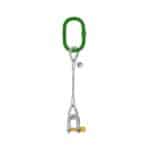
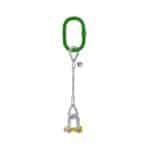
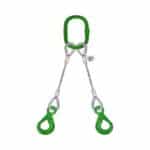
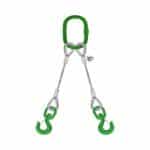
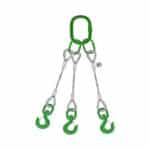
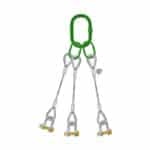
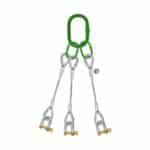
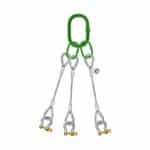
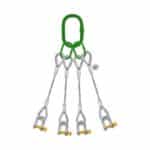
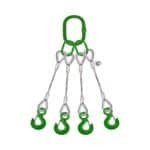
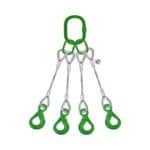
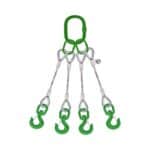
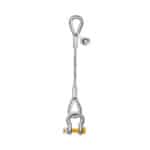
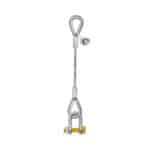
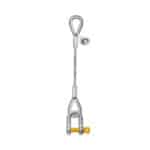
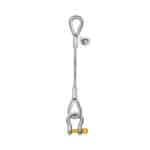
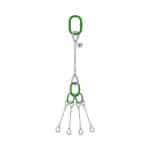
Lifting clamps are essential tools in various industries, facilitating the safe and efficient movement of heavy materials. These devices grip, lift, and transport items like steel plates, pipes, and concrete structures. At Safe and Secure Trading Company (SSTC), we understand that selecting and using lifting clamps correctly is paramount to preventing accidents and optimizing operations.
The Overlooked Importance of Lifting Clamps in Material Handling
Lifting clamps often go unnoticed until something goes wrong. However, they are a critical component of material handling, directly impacting safety, efficiency, and cost-effectiveness. We’ve seen firsthand how the right lifting clamps can transform a worksite, and how easily things can go wrong when clamps are misused.
Why Lifting Clamps Matter
The advantages of using appropriate lifting clamps extend far beyond simply moving materials. They influence workplace safety, operational speed, and overall project costs.
- Enhanced Safety: How clamps reduce the risk of dropped loads.
Lifting clamps are specifically designed to provide a secure grip, minimizing the risk of materials slipping and causing accidents. A properly selected and maintained clamp ensures a firm hold, preventing dangerous drops. Our team in Dubai regularly emphasizes the importance of choosing clamps with the appropriate safety factor.
- Improved Efficiency: Speeding up lifting operations with the right clamp.
The right lifting clamp allows for quicker and more streamlined material handling. Dedicated clamps for specific materials and shapes reduce setup time and enable faster lifting cycles. In our experience, the correct clamp can significantly reduce the time it takes to move materials, leading to increased productivity.
- Reduced Labor Costs: Minimizing manual handling.
Lifting clamps reduce the need for manual handling, freeing up workers for other tasks and minimizing the risk of strain injuries. By automating the lifting process with clamps, companies can optimize their workforce and reduce labor costs. One of our clients implemented a clamp system that reduced their manual handling requirements by 40%, resulting in considerable cost savings.
Choosing the Wrong Type of Clamp: A Costly Error
Selecting the wrong lifting clamp can lead to a cascade of problems, from damaged materials to serious accidents. This is why a thorough understanding of clamp types and their applications is crucial. SSTC prioritizes educating our clients so that they can choose the right tool for the job.
Mismatched Clamp to Material: A Recipe for Disaster
Using a clamp designed for one type of material on another can compromise its grip and lead to accidents. The material’s properties, surface condition, and weight distribution all play a crucial role in clamp selection.
Not considering material type (steel, concrete, wood).
Each material has different characteristics that influence the type of clamp required. Steel, for example, may require a clamp with hardened jaws for a secure grip, while concrete may need a clamp with a wider contact area to distribute the load evenly. Wood, being more fragile, might need clamps with protective pads to avoid damage.
Failing to assess material surface condition.
The surface condition of the material significantly affects the clamp’s grip. A rusty or oily surface can reduce friction and cause slippage. Clamps with specialized pads or gripping mechanisms may be necessary for materials with uneven or contaminated surfaces. This is why proper surface preparation is essential before lifting.
The importance of using the correct clamp pad or jaw type.
Different materials require different clamp pad or jaw types to ensure a secure grip without causing damage. For example, soft materials like aluminum or finished surfaces may require pads made of rubber or polyurethane to prevent scratches or dents. The wrong pad can compromise the clamp’s effectiveness and lead to material damage.
Ignoring Weight Limits: A Critical Overload Mistake
Exceeding the weight limit of a lifting clamp is a major safety violation that can lead to clamp failure and serious accidents. Understanding the Safe Working Load (SWL) and its relationship to breaking strength is crucial for safe lifting operations.
Exceeding the Safe Working Load (SWL).
The Safe Working Load (SWL) is the maximum weight a lifting clamp is designed to handle safely. Exceeding this limit can cause the clamp to deform, break, or lose its grip, resulting in a dropped load and potential injuries. Never exceed the SWL marked on the clamp.
Understanding the difference between SWL and breaking strength.
The breaking strength is the point at which the clamp will fail completely. The SWL is a fraction of the breaking strength, providing a safety margin to account for dynamic loads, wear, and other factors. It’s crucial to understand that the SWL is the only weight you should ever use to calculate your lifting capacity.
Consequences of overloading: clamp failure and accidents.
Overloading a lifting clamp can have catastrophic consequences, including clamp failure, dropped loads, and serious injuries or fatalities. In addition to the immediate danger, overloading can also damage the material being lifted and result in costly repairs or replacements. Prevention is always the best approach.
Link Bait: According to a recent study, 35% of lifting accidents are attributed to exceeding the SWL of lifting clamps.
Neglecting Pre-Lift Inspections: A Preventable Oversight
Failing to inspect lifting clamps before each use is a common but dangerous mistake. A thorough inspection can identify damage or wear that could compromise the clamp’s performance and lead to accidents.
Damaged or Worn Clamps: A Hidden Danger
Even minor damage to a lifting clamp can significantly reduce its strength and reliability. Cracks, deformations, and corrosion can weaken the clamp’s structure and increase the risk of failure. Regular inspections are essential for identifying these hidden dangers.
Checking for cracks, deformations, and corrosion.
Inspect the clamp body, jaws, and locking mechanisms for any signs of cracks, deformations, or corrosion. Pay close attention to areas that are subject to high stress, such as the pivot points and load-bearing surfaces. A magnifying glass can be helpful for detecting small cracks.
Inspecting the jaw mechanism and locking devices.
Ensure that the jaw mechanism and locking devices are functioning properly. The jaws should open and close smoothly, and the locking mechanism should engage securely. If any issues are detected, the clamp should be removed from service immediately.
Documenting inspection results and maintenance logs.
Keep a record of all inspections, including the date, inspector’s name, and any findings. Maintenance logs should also be maintained to track repairs, replacements, and lubrication schedules. This documentation provides a valuable history of the clamp’s condition and helps to ensure that it is properly maintained.
Improper Clamp Placement: Compromising Stability
Incorrect clamp placement can create an imbalance, increasing the risk of the load shifting or falling. Proper positioning is crucial for maintaining stability and ensuring a safe lift.
Off-Center Loading: Creating Imbalance
When the weight of the load is not evenly distributed, it can create an off-center loading condition. This can cause the clamp to tilt or slip, leading to instability and potential accidents. Always strive to center the load as much as possible.
The impact of uneven weight distribution.
Uneven weight distribution can place excessive stress on one side of the clamp, reducing its grip and increasing the risk of failure. The clamp’s capacity is based on even weight distribution, so any deviation can compromise its safety.
Strategies for centering the load and maintaining balance.
Use multiple clamps, spreader bars, or adjustable rigging to distribute the weight evenly and maintain balance. Careful planning and preparation are essential for ensuring a stable lift, especially with awkwardly shaped items.
Using multiple clamps for larger or awkwardly shaped items.
For larger or awkwardly shaped items, using multiple lifting clamps can provide greater stability and distribute the load more evenly. Ensure that each clamp is rated for the appropriate weight and that they are positioned to provide maximum support.
Incorrect Angle of Lift: Stressing the Clamp Beyond Its Limits
Lifting clamps are designed to operate within specific angle limitations. Exceeding these limits can place undue stress on the clamp and compromise its integrity.
Understanding the clamp’s angle limitations.
Each lifting clamp has specific angle limitations that should be strictly adhered to. These limitations are typically specified in the manufacturer’s manual and should be clearly understood before use. Exceeding these angles can significantly reduce the clamp’s SWL.
Using spreader bars or adjusting rigging to achieve the correct angle.
Spreader bars can be used to maintain the correct lifting angle and prevent side loading. Adjusting the rigging can also help to ensure that the clamp is not subjected to excessive stress.
The risk of side loading and how to prevent it.
Side loading occurs when the load is applied at an angle to the clamp, placing stress on the side of the jaws. This can damage the clamp and reduce its lifting capacity. Use spreader bars or adjust the rigging to ensure that the load is applied vertically.
“Proper rigging techniques are essential for safe lifting operations. Always ensure that the lifting angle is within the clamp’s specified limits.” – John Smith, Lead Safety Inspector
Lack of Proper Training: An Avoidable Risk Factor
Untrained operators are a significant risk factor in lifting accidents. Proper training is essential for ensuring that operators understand how to select, inspect, and use lifting clamps safely.
Untrained Operators: Increased Accident Potential
Untrained operators are more likely to make mistakes that can lead to accidents. They may not be aware of the clamp’s limitations, proper inspection procedures, or safe operating practices. Investing in training is essential for creating a safe working environment.
The importance of formal training programs.
Formal training programs provide operators with the knowledge and skills they need to use lifting clamps safely and effectively. These programs should cover clamp selection, inspection, safe operating procedures, and emergency response.
Covering clamp selection, inspection, and safe operating procedures.
Training programs should cover the following topics:
- Clamp selection based on material type, weight, and surface condition
- Pre-lift inspection procedures to identify damage or wear
- Safe operating procedures, including proper clamp placement and lifting techniques
- Emergency response procedures in case of an accident
Regular refresher training and competency assessments.
Regular refresher training and competency assessments are essential for ensuring that operators maintain their knowledge and skills. This helps to reinforce safe practices and identify any areas where additional training may be needed.
Ignoring Manufacturer Guidelines: A Critical Oversight
Manufacturer guidelines provide essential information about the safe use and maintenance of lifting clamps. Ignoring these guidelines can void the warranty and increase the risk of accidents.
Overlooking Specific Instructions: A Common Error
Many operators fail to read and understand the manufacturer’s manual, which contains specific instructions about the clamp’s operation, maintenance, and safety precautions. This can lead to improper use and potential accidents.
Reading and understanding the manufacturer’s manual.
The manufacturer’s manual should be read and understood by all operators before using the lifting clamp. This manual contains critical information about the clamp’s limitations, safe operating procedures, and maintenance requirements.
Adhering to recommended maintenance schedules.
The manufacturer’s manual also provides recommended maintenance schedules for the lifting clamp. Adhering to these schedules is essential for ensuring that the clamp remains in good working condition and that any potential problems are identified and addressed promptly.
Using genuine replacement parts to maintain clamp integrity.
When replacing worn or damaged parts, always use genuine replacement parts from the manufacturer. Using non-genuine parts can compromise the clamp’s integrity and increase the risk of failure.
Poor Maintenance Practices: Shortening Clamp Lifespan
Poor maintenance practices can shorten the lifespan of lifting clamps and increase the risk of accidents. Regular lubrication, cleaning, and proper storage are essential for maintaining clamp integrity.
Neglecting Lubrication: Leading to Premature Wear
Lubrication is essential for reducing friction and preventing premature wear of the clamp’s moving parts. Neglecting lubrication can cause the clamp to seize up, become difficult to operate, and eventually fail.
The importance of proper lubrication for moving parts.
Proper lubrication reduces friction, prevents corrosion, and extends the lifespan of the clamp’s moving parts. Use the correct type of lubricant and apply it regularly, according to the manufacturer’s recommendations.
Using the correct type of lubricant for the clamp.
Use the type of lubricant recommended by the manufacturer. Different lubricants have different properties, and using the wrong type can damage the clamp or reduce its performance.
Establishing a regular lubrication schedule.
Establish a regular lubrication schedule based on the manufacturer’s recommendations and the frequency of use. This will help to ensure that the clamp is properly lubricated and that any potential problems are identified early.
Incorrect Storage: Exposing Clamps to Damage
Improper storage can expose lifting clamps to moisture, chemicals, and extreme temperatures, leading to corrosion and damage. Storing clamps in a clean, dry, and organized manner is essential for protecting them from the elements.
Protecting clamps from moisture, chemicals, and extreme temperatures.
Store lifting clamps in a clean, dry environment, away from moisture, chemicals, and extreme temperatures. This will help to prevent corrosion and damage.
Storing clamps in a clean and organized manner.
Store lifting clamps in a clean and organized manner to prevent accidental damage. Use designated storage areas and ensure that clamps are not stacked on top of each other.
Using designated storage areas to prevent accidental damage.
Designate specific storage areas for lifting clamps to prevent accidental damage and ensure that they are easily accessible when needed.
Failing to Consider Environmental Factors: External Risks
Environmental factors such as extreme temperatures and corrosive environments can affect the performance and lifespan of lifting clamps. It is important to consider these factors when selecting and using clamps.
Extreme Temperatures: Affecting Clamp Performance
Extreme temperatures can affect the strength and ductility of clamp materials. High temperatures can reduce the clamp’s load-bearing capacity, while low temperatures can make the materials brittle and prone to cracking.
The impact of heat and cold on clamp materials.
High temperatures can cause the clamp’s metal to soften and lose strength. Low temperatures can make the metal brittle and prone to cracking.
Using clamps designed for specific temperature ranges.
Use lifting clamps that are designed for the specific temperature range in which they will be used. These clamps are typically made of materials that are less susceptible to temperature-related degradation.
Adjusting lifting procedures to account for temperature effects.
Adjust lifting procedures to account for temperature effects. For example, reduce the SWL in extremely hot or cold conditions.
Corrosive Environments: Accelerating Clamp Degradation
Corrosive environments, such as those containing chemicals or salt water, can accelerate the degradation of lifting clamps. This can lead to rust, corrosion, and eventual failure.
Protecting clamps from chemicals, salt water, and other corrosive substances.
Protect lifting clamps from chemicals, salt water, and other corrosive substances. Use corrosion-resistant clamps in harsh environments and implement regular cleaning and inspection programs.
Using corrosion-resistant clamps in harsh environments.
Use lifting clamps that are made of corrosion-resistant materials, such as stainless steel or galvanized steel, in harsh environments.
Implementing regular cleaning and inspection programs.
Implement regular cleaning and inspection programs to remove corrosive substances and identify any signs of corrosion.
| Mistake |
Consequence |
Prevention |
| Mismatched Clamp to Material |
Compromised Grip, Material Damage |
Assess material type and surface condition. Use appropriate clamp pads. |
| Ignoring Weight Limits |
Clamp Failure, Accidents |
Never exceed SWL. Understand difference between SWL and breaking strength. |
| Neglecting Pre-Lift Inspections |
Hidden Dangers, Accidents |
Check for cracks, deformations, and corrosion. Inspect jaw mechanism. |
| Improper Clamp Placement |
Imbalance, Load Shifting |
Center the load. Use multiple clamps for large items. |
| Incorrect Angle of Lift |
Overstressed Clamp, Failure |
Understand angle limitations. Use spreader bars. |
| Lack of Proper Training |
Increased Accident Potential |
Formal training programs. Regular refresher courses. |
| Ignoring Manufacturer Guidelines |
Voided Warranty, Accidents |
Read and understand the manual. Adhere to maintenance schedules. |
| Poor Maintenance Practices |
Shortened Lifespan, Premature Wear |
Regular lubrication. Proper storage. |
| Failing to Consider Environmental Factors |
Accelerated Degradation, Reduced Performance |
Use clamps designed for specific temperatures. Protect from corrosive substances. |
The Benefits of Using the Right Lifting Clamps Correctly
When lifting clamps are selected, used, and maintained correctly, the benefits are significant, including enhanced safety, increased efficiency, and improved productivity.
Enhanced Safety and Reduced Accidents
Using the right lifting clamps correctly minimizes the risk of dropped loads and injuries, creating a safer working environment for all personnel.
- Minimizing the risk of dropped loads and injuries.
Properly selected and maintained lifting clamps provide a secure grip, reducing the risk of materials slipping and causing accidents.
- Creating a safer working environment for all personnel.
A safer working environment reduces the risk of injuries and improves morale.
- Reducing liability and insurance costs.
By minimizing the risk of accidents, companies can reduce their liability and insurance costs.
Increased Efficiency and Productivity
Using the right lifting clamps correctly speeds up lifting operations, reduces downtime, and optimizes material handling processes.
- Speeding up lifting operations and reducing downtime.
The right lifting clamp allows for quicker and more streamlined material handling, reducing setup time and enabling faster lifting cycles.
- Optimizing material handling processes.
By using the right lifting clamps, companies can optimize their material handling processes and reduce waste.
- Improving overall project timelines.
Faster and more efficient lifting operations can improve overall project timelines and reduce costs.
Conclusion: Mastering Lifting Clamp Safety for Optimal Results
Understanding and avoiding the common mistakes associated with lifting clamps is essential for ensuring safe and efficient material handling. Proper training, regular inspections, and adherence to manufacturer guidelines are crucial for preventing accidents and maximizing the lifespan of these critical tools. We at SSTC are dedicated to promoting the safe and effective use of lifting equipment.
FAQ Section
Q: What are the main types of Lifting Clamps?
A: There are several types of lifting clamps, including plate lifting clamps, pipe lifting clamps, vertical lifting clamps, horizontal lifting clamps, and beam clamps. Each type is designed for specific applications and materials.
Q: What is Safe Working Load (SWL)?
A: Safe Working Load (SWL) is the maximum weight that a lifting clamp is designed to handle safely. It is crucial not to exceed the SWL to prevent clamp failure and accidents.
Q: How often should Lifting Clamps be inspected?
A: Lifting clamps should be inspected before each use to identify any signs of damage or wear. Regular inspections help ensure that the clamps are in good working condition.
Q: What are the consequences of overloading a Lifting Clamp?
A: Overloading a lifting clamp can lead to clamp failure, dropped loads, and serious injuries or fatalities. It can also damage the material being lifted and result in costly repairs or replacements.
Q: Why is training important for operators using Lifting Clamps?
A: Training is essential for ensuring that operators understand how to select, inspect, and use lifting clamps safely. Untrained operators are more likely to make mistakes that can lead to accidents.
Q: What should I do if I find damage during a pre-lift inspection?
A: If you find any damage, such as cracks, deformations, or corrosion, the clamp should be removed from service immediately. Do not attempt to use a damaged clamp.
Q: Where can I find the Safe Working Load (SWL) of a Lifting Clamp?
A: The Safe Working Load (SWL) is typically marked on the clamp itself and can also be found in the manufacturer’s manual.
Q: Can I use any type of lubricant on Lifting Clamps?
A: No, use the type of lubricant recommended by the manufacturer. Different lubricants have different properties, and using the wrong type can damage the clamp or reduce its performance.
Q: What is the importance of using genuine replacement parts?
A: When replacing worn or damaged parts, always use genuine replacement parts from the manufacturer to maintain clamp integrity and avoid compromising safety.
Q: How do environmental factors affect Lifting Clamps?
A: Extreme temperatures can affect the strength and ductility of clamp materials, while corrosive environments can accelerate their degradation. Use appropriate clamps and implement protective measures.
Q: What is material handling safety?
A: Material handling safety refers to the practices and procedures implemented to minimize the risk of injuries and accidents during the movement, storage, and control of materials in a workplace. It encompasses proper training, equipment maintenance, and adherence to safety regulations to ensure a safe working environment.
Q: Why is clamp safety important?
A: Clamp safety is critical because it directly affects the well-being of workers and the integrity of materials. Properly using and maintaining clamps reduces the risk of dropped loads, injuries, and damage to equipment, ensuring a safer and more efficient work environment.
Q: What is steel lifting?
A: Steel lifting involves the process of raising and moving steel materials using specialized equipment such as cranes, hoists, and lifting clamps. Safe steel lifting requires careful planning, proper rigging, and adherence to safety protocols to prevent accidents and ensure the structural integrity of the lifted materials.
Q: What is concrete lifting?
A: Concrete lifting is the process of raising and moving concrete structures or precast elements using specialized equipment like cranes, hoists, and concrete lifting clamps. This operation requires careful planning, proper rigging techniques, and adherence to safety regulations to prevent accidents and ensure the structural integrity of the concrete components.
Q: What is rigging equipment?
A: Rigging equipment refers to the various tools and components used to lift, secure, and move heavy loads. This includes items such as ropes, chains, slings, shackles, and lifting clamps. Proper selection, inspection, and use of rigging equipment are essential for ensuring safe lifting operations.
Q: What is lifting gear?
A: Lifting gear encompasses all the equipment and accessories used in lifting operations, including cranes, hoists, slings, shackles, and lifting clamps. Selecting the appropriate lifting gear, conducting regular inspections, and adhering to safety guidelines are crucial for preventing accidents and ensuring efficient material handling. We at Safe and Secure Trading Company prioritize providing our clients with high-quality lifting gear to maintain safe operational standards.