The construction and maritime industries rely heavily on lifting operations, making the integrity of rigging equipment paramount. A seemingly small component, like a shackle, can be the difference between a safe lift and a catastrophic failure. Understanding how to prevent lifting shackle failure is essential for protecting workers, equipment, and the environment.
A Tragic Tale: Recount a brief, anonymized story of an accident caused by shackle failure, emphasizing the human cost.
Imagine a construction site bustling with activity. Suddenly, a loud snap echoes through the air, followed by screams. A crane, lifting a heavy steel beam, experiences a lifting shackle failure. The beam plummets to the ground, striking a nearby worker. This devastating incident, though fictionalized, represents the very real consequences of neglecting shackle safety. While the specific cause varies, the outcome is often the same: serious injuries, fatalities, and significant property damage.
The Hidden Danger: Explain how seemingly small components like shackles can pose a significant safety risk if not properly managed.
Shackles are often overlooked due to their size and perceived simplicity. However, these unassuming components are critical links in any lifting operation. A shackle subjected to forces beyond its capacity, improperly maintained, or used in the wrong application can quickly become a weak point. This seemingly minor vulnerability can trigger a chain reaction, leading to a major accident. The risk multiplies when operators are not fully trained in safe lifting practices.
Setting the Stage: Briefly introduce the five key ways to prevent lifting shackle failure.
This article will explore five key areas to minimize the risk of lifting shackle failure. By understanding shackle markings and types, performing routine inspections, mastering proper usage, implementing comprehensive maintenance programs, and fostering a culture of safety, you can significantly reduce the likelihood of accidents and ensure a safer working environment. It is our goal to arm you with actionable information to improve your work site.
1. Know Your Shackle: The Foundation of Safety
✅ Knowing your lifting shackles inside and out is the first step in preventing accidents. Understanding the shackle’s specifications, proper usage, and limitations is vital for safe and secure lifting operations. It’s not just about having a shackle; it’s about having the right shackle and using it correctly.
Decoding the Markings: Explain the importance of understanding shackle markings (WLL, manufacturer, size).
Each shackle is stamped with important information, including the Working Load Limit (WLL), manufacturer’s name or logo, size, and sometimes a grade identification. The WLL indicates the maximum weight the shackle is designed to safely handle in a straight pull. Exceeding this limit can lead to deformation or catastrophic lifting shackle failure. Ignoring the manufacturer’s information can result in using the shackle in inappropriate conditions, shortening its life and endangering operations.
Shackle Types and Applications: Differentiate between various shackle types (e.g., anchor, chain, bolt-type) and their appropriate uses.
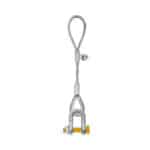
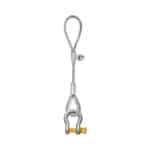
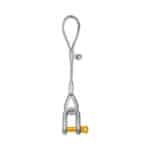
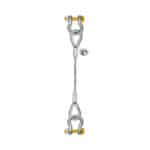
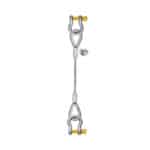
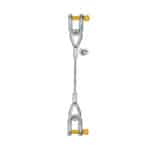
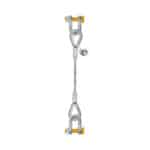
There are several types of shackles, each designed for specific applications. Anchor shackles (also known as bow shackles) have a larger bow, making them suitable for connecting to slings or other rigging hardware. Chain shackles (or D-shackles) have a tighter bow, ideal for straight-line pulls. Bolt-type shackles, which use a bolt, nut, and cotter pin for closure, are often used in long-term or permanent installations where frequent opening and closing aren’t required. Using the wrong type of shackle for the job increases the risk of lifting shackle failure.
Material Matters: Discuss the different materials used in shackle construction (e.g., alloy steel, carbon steel) and their strengths and limitations.
Shackles are typically made from alloy steel or carbon steel. Alloy steel shackles offer higher strength and are often used in critical lifting applications. Carbon steel shackles are more common for lighter loads and less demanding environments. The choice of material impacts the shackle’s resistance to deformation, wear, and corrosion. Understanding the material properties is essential for selecting the appropriate shackle for the intended load and environment. For many of our clients here in Dammam, we’ve seen that using the wrong materials in high-stress environments leads to premature shackle failure prevention issues.
2. The Power of Regular Visual Inspections: Catching Problems Early
✨ Regular visual inspections are a proactive approach to identify potential problems before they escalate into dangerous situations. These inspections can reveal signs of wear, damage, or misuse that could compromise the shackle’s integrity. Implementing a consistent inspection routine is a critical element of lifting safety.
Setting Up a Routine: Emphasize the need for a consistent inspection schedule before each lift.
Inspecting shackles before each lift is crucial. A pre-use inspection can identify any issues that may have arisen since the last use, such as damage sustained during storage or transit. The frequency of more in-depth inspections should be determined based on the severity of the operating environment, the frequency of use, and manufacturer recommendations. A written inspection schedule helps to ensure that no shackle is overlooked.
Spotting the Warning Signs: Detail specific visual cues to look for (e.g., cracks, deformation, corrosion, wear).
During inspections, pay close attention to the following:
- Cracks: Any cracks, regardless of size, can significantly weaken the shackle.
- Deformation: Bends, twists, or elongation indicate that the shackle has been overloaded.
- Corrosion: Rust or pitting can reduce the shackle’s strength and make it more susceptible to failure.
- Wear: Excessive wear on the bow or pin can compromise the shackle’s ability to bear the load.
- Damaged Threads: Damaged or stripped threads on the pin can prevent proper closure and securement.
Identifying these warning signs early can prevent a potentially catastrophic lifting shackle failure.
Documenting Your Findings: Explain the importance of maintaining a log of inspections and any identified issues.
Maintaining a detailed inspection log is essential for tracking the condition of your shackles. The log should include the date of inspection, the inspector’s name, the shackle’s identification number, and any findings, including photographs of any defects. This documentation helps to identify trends, track the progression of wear or damage, and make informed decisions about when to retire a shackle. This log becomes a valuable part of your overall rigging equipment inspection program.
3. Mastering Proper Shackle Usage: Techniques for Safe Lifting
➡️ Correct shackle usage is just as important as selecting the right shackle. Improper techniques can place undue stress on the shackle, leading to premature wear or even immediate failure. Understanding and implementing safe lifting practices is essential for preventing accidents.
The Right Fit: Stress the importance of using shackles of the correct size and capacity for the intended load.
Using a shackle that is too small for the load is a common cause of lifting shackle failure. Always select a shackle with a WLL that meets or exceeds the weight of the load being lifted, including any dynamic loading factors. It is always better to err on the side of caution and use a slightly larger shackle than to risk overloading a smaller one.
Avoiding Side Loading: Explain the dangers of side loading and how to prevent it through proper rigging techniques.
Side loading occurs when the force is applied at an angle to the shackle’s bow, rather than in a straight line. This can significantly reduce the shackle’s WLL and increase the risk of failure. To prevent side loading, use spreader bars or other rigging hardware to ensure that the load is applied directly in line with the shackle’s bow. Our team has seen many accidents caused by not taking this into account.
Pin Placement Matters: Illustrate the correct way to install the shackle pin and ensure it is fully seated and secured.
The shackle pin must be fully seated and properly secured to prevent it from working loose during the lift. Ensure that the pin is threaded completely into the shackle bow and that the cotter pin or other locking device is in place to prevent the pin from backing out. Never use a shackle with a damaged or missing pin, and always replace it with a pin of the correct size and type.
4. Maintaining Your Shackles: Extending Lifespan, Ensuring Safety
💡 Proper maintenance is crucial for extending the lifespan of your shackles and ensuring their continued safety. Regular cleaning, lubrication, and proper storage can prevent corrosion, wear, and other forms of damage that can lead to lifting shackle failure. A small investment in maintenance can save you from much larger costs down the road.
Cleaning and Lubrication: Describe the proper methods for cleaning and lubricating shackles to prevent corrosion and wear.
Clean shackles regularly to remove dirt, grime, and other contaminants that can accelerate corrosion. Use a wire brush or other abrasive tool to remove rust or scale. After cleaning, lubricate the shackle pin and threads with a suitable lubricant to prevent corrosion and ensure smooth operation. Choose a lubricant that is compatible with the shackle material and the operating environment.
Storage Best Practices: Offer tips for storing shackles in a dry, clean environment to protect them from damage.
Store shackles in a dry, clean environment away from direct sunlight, extreme temperatures, and corrosive chemicals. Hang the shackles on a rack or store them in a container to prevent them from being damaged or lost. Avoid storing shackles on the ground, where they can be exposed to moisture and dirt.
Knowing When to Retire: Establish clear criteria for when a shackle should be removed from service, regardless of visual appearance.
Even with proper maintenance, shackles will eventually reach the end of their service life. Remove a shackle from service if it shows any signs of damage, such as cracks, deformation, or excessive wear. Also, retire a shackle if it has been overloaded or subjected to shock loading, even if there are no visible signs of damage. Always err on the side of caution and replace any shackle that is questionable.
5. The Human Element: Training and Communication are Key
✅ Even the best shackles and maintenance programs are ineffective without a strong commitment to training and communication. Ensuring that all personnel involved in lifting operations are properly trained and that clear communication protocols are in place is essential for preventing accidents. The human element is the cornerstone of lifting safety.
Comprehensive Training Programs: Highlight the need for thorough training on safe lifting practices and shackle usage.
Provide comprehensive training to all personnel involved in lifting operations, including crane operators, riggers, and signalpersons. The training should cover topics such as shackle selection, inspection, usage, maintenance, and retirement criteria. Hands-on training and practical exercises can help to reinforce the concepts and ensure that personnel are competent in performing their duties. Our team can help to get you on the right path.
Clear Communication Protocols: Emphasize the importance of clear communication among team members during lifting operations.
Establish clear communication protocols to ensure that all team members are aware of the lifting plan and their roles in the operation. Use standardized hand signals or radio communication to coordinate movements and ensure that everyone is on the same page. Encourage team members to speak up if they have any concerns or observe any potential hazards.
Empowering Employees: Encourage a culture where employees feel comfortable reporting potential safety hazards without fear of reprisal.
Foster a safety culture where employees feel comfortable reporting potential hazards without fear of reprisal. Encourage them to speak up if they observe any unsafe conditions or practices, such as damaged shackles or improper rigging techniques. Promptly address any reported concerns and take corrective action to prevent accidents.
Bonus Tip: Staying Compliant with Safety Standards
✨ Compliance with safety standards is not just a legal requirement; it’s a moral imperative. Staying up-to-date on the latest regulations and implementing a formal safety management system can help to ensure that your lifting operations are as safe as possible. Compliance is a continuous process that requires ongoing effort and commitment.
Understanding Relevant Regulations: Provide links to OSHA and other regulatory bodies that govern lifting operations.
Familiarize yourself with the relevant regulations governing lifting operations in your jurisdiction. In the United States, OSHA (Occupational Safety and Health Administration) provides comprehensive guidelines for safe lifting practices. Other regulatory bodies, such as ANSI (American National Standards Institute) and ASME (American Society of Mechanical Engineers), also publish standards related to rigging equipment and lifting operations. Here are some helpful resources:
Keeping Up-to-Date: Encourage readers to stay informed about changes in safety standards and best practices.
Safety standards and best practices are constantly evolving. Stay informed about changes in regulations, new technologies, and emerging hazards by attending industry conferences, subscribing to safety publications, and participating in online forums. Regularly review your safety procedures and update them as necessary to reflect the latest knowledge and best practices.
Implementing a Safety Management System: Suggest implementing a formal safety management system to ensure ongoing compliance.
Implement a formal safety management system to ensure ongoing compliance with safety standards and regulations. A safety management system provides a framework for identifying hazards, assessing risks, implementing controls, and monitoring performance. It also helps to promote a culture of safety and accountability throughout the organization.
Expert Insight: The Role of Load Testing
Load testing is a critical process for verifying the integrity and capacity of lifting equipment, including shackles. It involves subjecting the equipment to a predetermined load to ensure that it can withstand the forces it will encounter during operation. Load testing can help to identify defects or weaknesses that may not be visible during a visual inspection.
Understanding Proof Load vs. Working Load Limit: Clarify the difference between proof load testing and the working load limit of a shackle.
The proof load is the load that a shackle is subjected to during a load test. It is typically higher than the WLL to provide a safety factor. The WLL is the maximum load that the shackle is designed to safely handle in normal operation. The proof load test verifies that the shackle can withstand a load greater than its WLL without failure.
When to Consider Load Testing: Discuss situations where load testing may be necessary, such as after repairs or modifications.
Consider load testing shackles in the following situations:
- After repairs or modifications: Load testing can verify that the repairs or modifications have not compromised the shackle’s integrity.
- After suspected overloading: If a shackle has been subjected to a load exceeding its WLL, load testing can help to determine if it has been damaged.
- Periodically, as part of a preventative maintenance program: Regular load testing can help to identify defects or weaknesses before they lead to failure.
> “Regular load testing is an essential part of any comprehensive lifting safety program. It provides an added layer of assurance that your equipment is safe and reliable.” – John Smith, Lead Safety Inspector
Finding Qualified Testing Services: Provide guidance on selecting a reputable and certified load testing service.
When selecting a load testing service, ensure that they are reputable, certified, and have experience testing shackles and other lifting equipment. Ask for references and check their qualifications and certifications. Ensure that they use calibrated testing equipment and follow established testing procedures.
Here’s a summary of the top 3 ways to prevent lifting shackle failure:
1. Regular Visual Inspections: Critical for early detection of damage.
2. Proper Shackle Usage: Prevents overloading and side-loading.
3. Comprehensive Training: Empowers employees to identify and report hazards.
Conclusion: Prioritizing Safety, Preventing Tragedy
Recap of Key Takeaways: Summarize the five most important ways to prevent lifting shackle failure.
To prevent lifting shackle failure, it’s vital to: know your shackle, perform regular visual inspections, master proper usage techniques, maintain your shackles diligently, and prioritize comprehensive training and clear communication. Neglecting these elements can have devastating consequences. Remember that shackle maintenance includes appropriate cleaning and lubrication.
The Long-Term Benefits of Safety: Emphasize the benefits of a strong safety culture, including reduced accidents, improved morale, and increased productivity.
A strong safety culture not only reduces the risk of accidents but also improves employee morale, increases productivity, and reduces costs associated with downtime and insurance claims. Investing in safety is an investment in the long-term success and sustainability of your organization.
Call to Action: Encourage readers to implement these safety measures in their own workplaces.
We, at Safe and Secure Trading Company, believe that safety should be the top priority. Start implementing these practices today!
FAQ Section
Q: How often should I inspect my shackles?
A: Shackles should be visually inspected before each use. More thorough inspections should be conducted at regular intervals, depending on the severity of the operating environment and the frequency of use.
Q: What do I do if I find a defect during a shackle inspection?
A: If you find any defects, such as cracks, deformation, or excessive wear, remove the shackle from service immediately and replace it with a new one. Do not attempt to repair a damaged shackle.
Q: Can I use a shackle that has been overloaded?
A: No, never use a shackle that has been overloaded, even if there are no visible signs of damage. Overloading can weaken the shackle and make it more susceptible to failure.
Q: What type of lubricant should I use on my shackles?
A: Use a lubricant that is compatible with the shackle material and the operating environment. A general-purpose lubricant, such as a lithium-based grease, is often suitable.
Q: Where can I find more information about shackle safety standards?
A: You can find more information about shackle safety standards from OSHA, ANSI, ASME, and other regulatory bodies. You can also consult with a qualified rigging expert or safety consultant.
Q: What is the difference between a shackle’s WLL and its breaking strength?
A: The Working Load Limit (WLL) is the maximum load that a shackle is designed to safely handle in normal operation. The breaking strength is the load at which the shackle is expected to fail. The WLL is typically a fraction of the breaking strength to provide a safety factor.
Q: Are there different grades of shackles, and why does it matter?
A: Yes, shackles come in different grades, typically indicated by a number stamped on the shackle (e.g., Grade 80, Grade 100). Higher grades indicate stronger materials and higher WLLs. Using the correct grade of shackle is crucial for ensuring that it can safely handle the intended load.
Q: How does temperature affect a shackle’s WLL?
A: Extreme temperatures can affect a shackle’s WLL. High temperatures can reduce the shackle’s strength, while low temperatures can make it more brittle. Consult the manufacturer’s specifications for temperature derating information.
Q: What is the best way to store shackles when they are not in use?
A: Store shackles in a dry, clean environment away from direct sunlight, extreme temperatures, and corrosive chemicals. Hang the shackles on a rack or store them in a container to prevent them from being damaged or lost.
Q: Is it acceptable to modify a shackle, such as by welding on it?
A: No, never modify a shackle by welding, cutting, or otherwise altering it. Modifications can weaken the shackle and make it unsafe to use.
Q: What role does proper training play in preventing shackle-related accidents?
A: Proper training is essential for ensuring that all personnel involved in lifting operations are knowledgeable about shackle selection, inspection, usage, and maintenance. Training helps to prevent accidents caused by human error.
Q: What is the importance of following the manufacturer’s instructions for shackle use and maintenance?
A: The manufacturer’s instructions provide important information about the shackle’s proper usage, limitations, and maintenance requirements. Following these instructions is crucial for ensuring the shackle’s safe and reliable operation.
Q: How can I ensure that my shackles are being used safely and correctly on a job site?
A: Conduct regular safety audits and inspections to ensure that shackles are being used safely and correctly. Provide ongoing training and education to personnel to reinforce safe lifting practices.
Q: What are the long-term cost savings associated with investing in high-quality shackles and proper maintenance?
A: Investing in high-quality shackles and proper maintenance can reduce the risk of accidents, downtime, and equipment damage, resulting in significant long-term cost savings.
Q: How does the environment in which shackles are used (e.g., marine, chemical) affect their lifespan and maintenance requirements?
A: Harsh environments, such as marine or chemical environments, can accelerate corrosion and wear on shackles. In these environments, more frequent inspections, cleaning, and lubrication are required. Consider using shackles made from corrosion-resistant materials, such as stainless steel.
Q: What is the role of shackle load capacity in safe lifting operations?
A: Shackle load capacity, or Working Load Limit (WLL), is the maximum weight a shackle is designed to safely handle. Understanding and adhering to the shackle load capacity is paramount. Overloading a shackle can lead to deformation or catastrophic failure, endangering personnel and equipment. Always select a shackle with a WLL that meets or exceeds the weight of the load, including any dynamic loading factors.
Q: How does Safe and Secure Trading Company contribute to promoting lifting safety in the industry?
A: Safe and Secure Trading Company is committed to promoting lifting safety through our high-quality products, comprehensive training programs, and expert consulting services. We work closely with our clients to help them implement safe lifting practices and prevent accidents.
Q: What are the key elements of a shackle safety checklist?
A: A shackle safety checklist should include items such as verifying the shackle’s WLL, inspecting for damage (cracks, deformation, corrosion, wear), ensuring the pin is properly installed and secured, and confirming that the shackle is the correct type and size for the intended load.
Q: What steps can be taken for effective shackle failure prevention?
A: Effective shackle failure prevention involves a multi-faceted approach: knowing your shackle (markings, types, materials), conducting regular visual inspections, mastering proper usage techniques, maintaining your shackles diligently, and prioritizing comprehensive training and clear communication.
Q: How does visual shackle inspection contribute to overall safety?
A: Visual shackle inspection is a proactive measure that allows you to identify potential problems, such as cracks, deformation, or corrosion, before they escalate into dangerous situations. Regular inspections are a cornerstone of preventative maintenance.
Q: What are some common types of shackles and their specific applications?
A: Common shackle types include anchor shackles (bow shackles), chain shackles (D-shackles), and bolt-type shackles. Anchor shackles are suitable for connecting to slings or other rigging hardware. Chain shackles are ideal for straight-line pulls. Bolt-type shackles are often used in long-term or permanent installations.
Q: How does shackle maintenance enhance safety and extend the lifespan of rigging equipment?
A: Regular shackle maintenance, including cleaning, lubrication, and proper storage, prevents corrosion, wear, and other forms of damage that can lead to lifting shackle failure. This not only enhances safety but also extends the lifespan of your rigging equipment, reducing replacement costs.