Here’s your article:
Stop Lifting Shackle Failure: Shackle Savior
Lifting shackle failure is a critical concern in any industry that relies on heavy lifting. A seemingly small component can cause catastrophic accidents if not handled with the utmost care and diligence. This article will provide a comprehensive guide to understanding, preventing, and mitigating the risks associated with lifting shackle failure, ensuring the safety of your operations and personnel.
1. The Silent Threat: Understanding Lifting Shackle Failure
1.1 The Hidden Danger in Plain Sight
Shackles, often unassuming in appearance, are integral to many lifting operations. These devices connect slings, chains, and other rigging components to the load being lifted. While they may seem robust, they can pose a significant risk if not properly managed. Even seemingly robust equipment can fail, highlighting the importance of rigorous inspection and adherence to safe lifting practices.
1.2 Common Causes of Shackle Failure: A Recipe for Disaster
There are several common reasons for lifting shackle failure, each contributing to a higher risk of accidents. Overloading, where the shackle is subjected to a weight exceeding its Working Load Limit (WLL), is a primary cause. Corrosion, often hidden from plain sight, weakens the metal over time. Improper usage, such as side loading or using the wrong type of shackle for the application, also contributes. These factors can lead to accidents with severe consequences.
1.3 Case Study: The Bridge Collapse
Imagine a construction site where a new bridge segment is being hoisted into place. The lifting shackles connecting the crane to the segment were visually inspected, but a hairline fracture, hidden by a layer of rust, went unnoticed. As the segment reached its full height, the shackle snapped under the immense stress. The segment crashed down, taking out a portion of the newly constructed support structure. Several workers were injured, and the project was delayed by months. The emotional toll on the workers and their families was immeasurable, a stark reminder of the importance of shackle safety.
2. Know Your Shackle: Mastering Shackle Identification
2.1 Decoding the Markings: What Shackle Labels Tell You
✅ Understanding shackle markings is critical for ensuring safe lifting operations. These markings provide essential information, including the Working Load Limit (WLL), manufacturer’s name or logo, and the shackle’s size. The WLL indicates the maximum weight the shackle is designed to safely support under normal conditions. Reading and understanding these markings is not just a good practice; it’s a necessity.
2.2 Shackle Types: Choosing the Right One for the Job
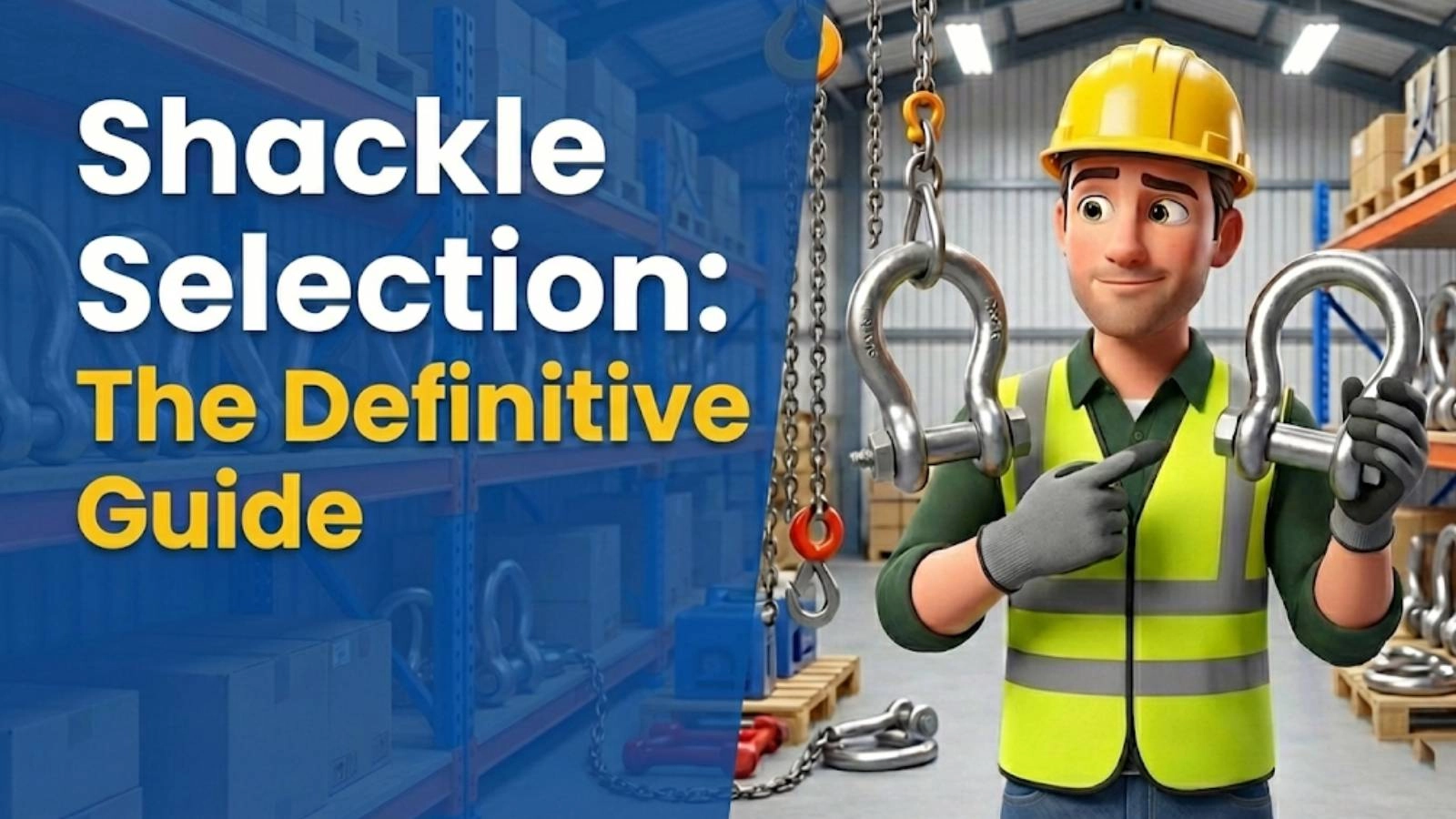
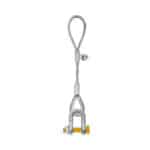
💡 Different types of shackles are designed for specific applications. Screw pin shackles are commonly used for temporary or frequently connected systems, while bolt type shackles are preferred for long-term or critical lifts. Using the wrong type of shackle can significantly increase the risk of lifting shackle failure. The consequences can be avoided by ensuring that the chosen shackle matches the requirements of the lifting scenario.
2.3 The WLL Myth: Understanding Safety Factors
➡️ The Working Load Limit (WLL) is not the ultimate breaking point of a shackle. Safety factors are incorporated into the WLL to account for unforeseen stresses and variations in material strength. For example, a shackle with a WLL of 2 tons might have a breaking strength of 10 tons, providing a safety factor of 5:1. Ignoring safety factors can lead to overloading and potentially catastrophic lifting shackle failure.
3. The Power of Inspection: Spotting Trouble Before It Strikes
3.1 Pre-Lift Checklist: Your First Line of Defense
A comprehensive pre-lift inspection checklist is your first line of defense against lifting shackle failure. This checklist should include a thorough visual examination of the shackle for signs of wear, cracks, deformation, or corrosion. Checking the pin for proper threading and ensuring it is securely fastened is also essential. Regular and meticulous inspections can identify potential problems before they lead to accidents.
3.2 Corrosion Creep: The Silent Killer
Corrosion is a silent killer that can significantly weaken shackles over time. It often starts as surface rust but can penetrate deep into the metal, reducing its strength and load-bearing capacity. Regular cleaning and lubrication can help prevent corrosion, but it’s also crucial to inspect shackles for signs of existing corrosion, such as pitting, flaking, or discoloration. Shackles showing signs of significant corrosion should be immediately removed from service.
3.3 When to Say No: Rejecting Damaged Shackles
Empowering workers to make informed decisions about shackle safety is crucial. Providing clear guidelines on when a shackle should be immediately removed from service is an important part of that. Any shackle showing signs of cracks, deformation, excessive wear, or corrosion should be rejected. It’s better to err on the side of caution, even if it means delaying the job slightly. Safety must always come first.
4. The Art of Proper Usage: Lifting Smart, Lifting Safe
4.1 Angle Awareness: Minimizing Stress on Shackles
Lifting angles significantly affect the load capacity of shackles. As the angle between the sling legs increases, the stress on the shackles also increases. At a 90-degree angle, each shackle bears a load equal to the weight of the object being lifted. At wider angles, the stress can exceed the WLL, leading to lifting shackle failure. It’s important to minimize lifting angles to ensure shackles are operating within their safe load limits.
4.2 Avoiding Side Loading: Keeping Shackles Aligned
Side loading occurs when a shackle is loaded in a direction that is not in line with its intended axis. This can happen when the load shifts or when the sling legs are not properly aligned. Side loading puts undue stress on the shackle, significantly reducing its load capacity and increasing the risk of lifting shackle failure. Proper rigging techniques and careful load management are essential for preventing side loading.
4.3 Thread Engagement: Ensuring Secure Connections
Proper thread engagement is crucial for screw pin shackles. The pin must be fully engaged to ensure that the load is evenly distributed across the shackle body. Incomplete engagement can concentrate stress on a small portion of the threads, leading to thread stripping or shackle failure. Always ensure that the pin is fully threaded and securely fastened before lifting.
5. Maintenance Matters: Extending Shackle Lifespan
5.1 Cleaning and Lubrication: Preventing Corrosion
Cleaning and lubricating shackles are essential for preventing corrosion and wear. Regular cleaning removes dirt, debris, and contaminants that can accelerate corrosion. Lubrication creates a protective barrier against moisture and reduces friction between moving parts. Appropriate lubricants, such as marine-grade grease or anti-seize compounds, should be used to provide long-lasting protection.
5.2 Storage Strategies: Protecting Shackles When Not in Use
Proper storage methods are crucial for protecting shackles from damage and corrosion when not in use. Shackles should be stored in a clean, dry environment away from extreme temperatures and humidity. Avoid storing shackles directly on the ground, where they can be exposed to moisture and contaminants. Using storage containers or racks can help keep shackles organized and protected.
5.3 Documentation is Key: Maintaining Shackle Records
Maintaining records for shackle inspections and maintenance is essential for tracking their condition and ensuring their continued safety. These records should include the date of inspection, the inspector’s name, the condition of the shackle, and any maintenance performed. A sample shackle inspection log might include columns for: Date, Shackle ID, Inspector, Condition (Pass/Fail), and Notes. These records can help identify trends, predict potential failures, and ensure compliance with safety regulations.
Here’s an example of what that Shackle Inspection Log might look like:
| Date |
Shackle ID |
Inspector |
Condition (Pass/Fail) |
Notes |
| 2026-07-26 |
S-001 |
John Smith |
Pass |
No visible defects |
| 2026-07-26 |
S-002 |
John Smith |
Fail |
Minor corrosion on pin |
| 2026-07-26 |
S-003 |
John Smith |
Pass |
Cleaned and lubricated |
6. Training and Competency: Building a Culture of Safety
6.1 Comprehensive Training Programs: Equipping Workers with Knowledge
Comprehensive training programs on shackle safety are essential for equipping workers with the knowledge and skills necessary to perform lifting operations safely. These programs should cover topics such as shackle identification, inspection procedures, proper usage techniques, and maintenance requirements. Training should be hands-on and interactive, allowing workers to practice the skills they learn. We always recommend that our clients invest in continuous training to ensure everyone is up-to-date on the latest safety practices.
6.2 Competency Assessments: Ensuring Proficiency
Competency assessments are crucial for verifying workers’ understanding of shackle safety procedures. These assessments can include written tests, practical demonstrations, and on-the-job evaluations. Workers should be assessed regularly to ensure they maintain their competency over time. Competency assessments help identify areas where workers may need additional training or support.
6.3 The Role of Leadership: Promoting a Safety-First Culture
Leadership plays a critical role in promoting a safety-first culture. Leaders should set a positive example by following safety procedures and encouraging others to do the same. They should also provide the resources and support necessary for workers to perform their jobs safely. Leaders should foster a culture of open communication, where workers feel comfortable reporting safety concerns without fear of reprisal.
7. Regulatory Compliance: Adhering to Industry Standards
7.1 OSHA Standards: Understanding Legal Requirements
OSHA (Occupational Safety and Health Administration) standards provide legal requirements for lifting shackles and rigging. These standards cover topics such as inspection, maintenance, and usage. Non-compliance with OSHA standards can result in fines, penalties, and even legal action. It’s essential to understand and adhere to OSHA standards to ensure the safety of workers and avoid legal liabilities.
7.2 ASME Guidelines: Following Best Practices
ASME (American Society of Mechanical Engineers) guidelines provide best practices for lifting shackles and rigging. While not legally binding like OSHA standards, following ASME guidelines can enhance safety and prevent accidents. ASME guidelines cover topics such as design, manufacturing, and testing. Adhering to ASME guidelines demonstrates a commitment to safety and can help improve the reliability of lifting operations.
7.3 Staying Updated: Keeping Abreast of Regulatory Changes
Staying updated on changes to regulations and standards is crucial for maintaining compliance and ensuring the safety of lifting operations. Regulations and standards can change over time, reflecting new technologies, best practices, and lessons learned from accidents. Subscribing to industry newsletters, attending conferences, and participating in training programs are all effective ways to stay informed.
8. The Psychology of Safety: Changing Attitudes and Behaviors
8.1 Risk Perception: Understanding the Human Element
Human psychology plays a significant role in risk perception. Individuals may underestimate or overestimate risks based on their experiences, biases, and emotions. Overcoming these biases and promoting realistic risk assessments is essential for preventing accidents. Training programs can help workers develop a more accurate understanding of risks and the potential consequences of unsafe behaviors.
8.2 Communication is Crucial: Fostering Open Dialogue
Open communication about safety concerns is essential for creating a safe working environment. Workers should feel comfortable reporting potential hazards without fear of reprisal. Management should actively solicit feedback from workers and take their concerns seriously. Regular safety meetings and toolbox talks can provide opportunities for workers to discuss safety issues and share best practices.
8.3 Positive Reinforcement: Recognizing Safe Practices
Positive reinforcement is a powerful tool for promoting safe practices. Recognizing and rewarding workers who consistently follow safety procedures can encourage others to do the same. Positive reinforcement can take many forms, such as verbal praise, written commendations, or small gifts. The key is to make it clear that safe behavior is valued and appreciated.
9. The Future of Shackle Safety: Innovation and Technology
9.1 Smart Shackles: Utilizing Technology for Enhanced Monitoring
Smart shackles with integrated sensors offer enhanced monitoring capabilities for lifting operations. These sensors can measure load, angle, and temperature, providing real-time data that can be used to detect potential problems and prevent failures. Smart shackles can also transmit data wirelessly to a central monitoring system, allowing operators to track the performance of multiple shackles simultaneously.
9.2 Advanced Materials: Exploring Stronger and Lighter Alternatives
The use of advanced materials in shackle construction is leading to stronger and lighter alternatives to traditional steel shackles. Materials such as high-strength alloys and composite materials offer improved strength-to-weight ratios, making them ideal for demanding lifting applications. These materials can also be more resistant to corrosion and wear, extending the lifespan of the shackle.
9.3 Predictive Maintenance: Using Data Analysis to Prevent Failures
Data analysis can be used to predict shackle failures and optimize maintenance schedules. By collecting and analyzing data on shackle performance, such as load cycles, environmental conditions, and inspection results, it’s possible to identify patterns and trends that indicate potential problems. This information can then be used to schedule maintenance and repairs before failures occur, reducing downtime and improving safety.
10. Real-World Success Stories: Learning from Best Practices
10.1 Company A: A Case Study in Shackle Safety Excellence
Company A, a fictionalized construction firm, implemented a comprehensive shackle safety program that significantly reduced the risk of accidents. The program included mandatory training for all workers, regular inspections of shackles, and strict adherence to OSHA and ASME guidelines. Company A also invested in smart shackles and predictive maintenance technologies to further enhance safety. As a result, Company A experienced a dramatic decrease in accidents and injuries related to lifting shackle failure.
10.2 Lessons Learned: Key Takeaways from Successful Initiatives
The key lessons learned from Company A’s success story include the importance of comprehensive training, regular inspections, adherence to industry standards, and the use of advanced technologies. By implementing these strategies, organizations can significantly reduce the risk of lifting shackle failure and create a safer working environment. These strategies are applicable to any industry that uses lifting equipment.
10.3 Implementing Change: Applying Best Practices to Your Organization
Implementing similar safety initiatives in your own organization requires a commitment from leadership, a willingness to invest in training and technology, and a culture of open communication. Start by assessing your current shackle safety practices and identifying areas for improvement. Develop a comprehensive safety plan that includes training, inspection, maintenance, and the use of appropriate technologies. Communicate the plan to all workers and provide them with the resources and support they need to follow it.
11. Common Myths About Lifting Shackles: Debunking Misconceptions
11.1 Myth: All Shackles Are Created Equal
It’s a dangerous misconception to think all shackles have the same strength and quality. Different manufacturers use varying materials and manufacturing processes, resulting in shackles with different performance characteristics. Choosing reputable manufacturers and verifying shackle ratings is crucial for ensuring safety. Always check the markings on the shackle to confirm its WLL and other specifications.
11.2 Myth: A Little Bit of Corrosion Doesn’t Matter
Even small amounts of corrosion can significantly weaken shackles, leading to failure. Corrosion can penetrate deep into the metal, reducing its strength and load-bearing capacity. Regular cleaning and lubrication can help prevent corrosion, but it’s also important to inspect shackles for signs of existing corrosion and remove them from service if necessary. We always tell our clients that even a little rust can be a big problem.
11.3 Myth: If It Looks Okay, It Is Okay
A visual inspection alone is not sufficient to determine shackle safety. While a visual inspection can identify obvious defects, such as cracks or deformation, it may not reveal internal damage or corrosion. Thorough inspections, including non-destructive testing methods, are necessary to ensure that shackles are safe for use. Relying solely on visual inspections can create a false sense of security.
12. The Ultimate Shackle Safety Checklist: A Quick Reference Guide
12.1 Pre-Use Inspection Checklist
- ✅ Verify shackle markings (WLL, manufacturer).
- ✅ Inspect for cracks, deformation, or wear.
- ✅ Check for corrosion.
- ✅ Ensure proper pin threading and engagement.
- ✅ Confirm correct shackle type for the application.
12.2 Usage Guidelines
- ✅ Minimize lifting angles.
- ✅ Avoid side loading.
- ✅ Ensure proper thread engagement.
- ✅ Do not exceed WLL.
- ✅ Use appropriate rigging techniques.
12.3 Maintenance Schedule
- ✅ Daily visual inspection.
- ✅ Weekly cleaning and lubrication.
- ✅ Monthly thorough inspection (including NDT if necessary).
- ✅ Annual load testing (if required).
- ✅ Maintain inspection records.
Expert Quote:
“Shackle safety is not just about following rules; it’s about understanding the potential consequences of failure and making a personal commitment to safety.” – John Smith, Lead Safety Inspector
Summary: Top 3 Ways to Avoid Lifting Shackle Failure
1. Implement rigorous, documented inspection processes.
2. Provide comprehensive and continuous training.
3. Use the correct shackles, with the correct WLL, for the job.
Conclusion
In conclusion, preventing lifting shackle failure requires a multi-faceted approach that includes understanding the risks, mastering shackle identification, implementing thorough inspection procedures, promoting proper usage techniques, and fostering a culture of safety. By following the guidelines outlined in this article, organizations can significantly reduce the risk of accidents and create a safer working environment. We are committed to helping our clients improve their safety performance and prevent lifting shackle failure.
FAQ Section
Q: How often should lifting shackles be inspected?
A: Lifting shackles should be visually inspected before each use and thoroughly inspected at least monthly. More frequent inspections may be required depending on the severity of the service conditions.
Q: What is the difference between a screw pin shackle and a bolt type shackle?
A: Screw pin shackles are typically used for temporary or frequently connected systems, while bolt type shackles are preferred for long-term or critical lifts. Bolt type shackles offer a more secure connection and are less likely to loosen over time.
Q: How does corrosion affect the strength of a lifting shackle?
A: Corrosion weakens the metal over time, reducing its strength and load-bearing capacity. Even small amounts of corrosion can significantly increase the risk of lifting shackle failure.
Q: What is side loading and how can it be prevented?
A: Side loading occurs when a shackle is loaded in a direction that is not in line with its intended axis. It can be prevented by ensuring that the load is properly aligned and that the sling legs are not pulling the shackle sideways.
Q: What is the Working Load Limit (WLL)?
A: The Working Load Limit (WLL) is the maximum weight that a lifting shackle is designed to safely support under normal conditions. It is typically marked on the shackle.
Q: What is the safety factor for lifting shackles?
A: The safety factor for lifting shackles varies depending on the application and the relevant standards. A common safety factor is 5:1, meaning that the shackle’s breaking strength is five times its WLL.
Q: How do lifting angles affect the load on shackles?
A: As the lifting angle increases, the stress on the shackles also increases. At a 90-degree angle, each shackle bears a load equal to the weight of the object being lifted. At wider angles, the stress can exceed the WLL.
Q: What are some best practices for storing lifting shackles?
A: Lifting shackles should be stored in a clean, dry environment away from extreme temperatures and humidity. Avoid storing shackles directly on the ground, where they can be exposed to moisture and contaminants.
Q: What should be included in a shackle inspection record?
A: A shackle inspection record should include the date of inspection, the inspector’s name, the shackle’s identification number, the condition of the shackle, and any maintenance performed.
Q: How can I stay updated on changes to regulations and standards related to lifting shackles?
A: Subscribe to industry newsletters, attend conferences, and participate in training programs to stay informed about changes to regulations and standards. Consult with safety professionals and regulatory agencies for the latest information.