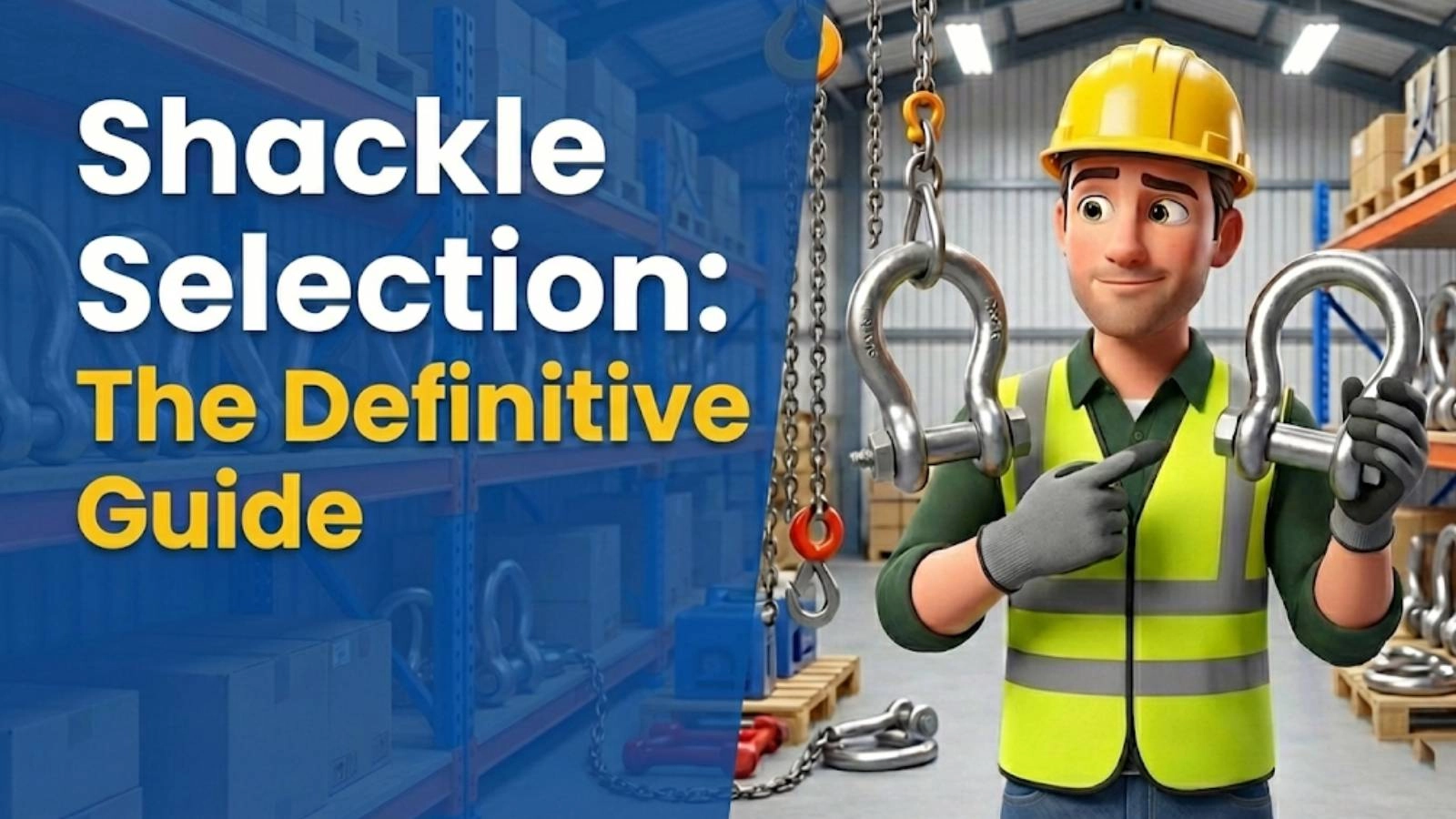
Lifting shackle safety is paramount in any material handling operation. A seemingly small component, the lifting shackle, plays a crucial role in securing heavy loads. Damaged or compromised shackles can lead to catastrophic accidents, resulting in injuries, fatalities, and significant property damage. Regular inspection and timely replacement of worn or damaged shackles are not just best practices; they are essential for maintaining a safe and productive work environment. Being able to identify lifting shackle signs of wear, damage, or impending failure is a critical skill for anyone involved in lifting operations.
The Hidden Dangers of Neglecting Shackle Inspections
Overlooking shackle inspections is a gamble with potentially devastating consequences. The cumulative effect of minor wear and tear, combined with unforeseen stresses, can quickly escalate into a dangerous situation. A shackle failure can trigger a chain of events leading to accidents, injuries, and costly equipment damage. Understanding these hidden dangers is the first step in prioritizing shackle safety.
Complacency Leads to Catastrophe
Familiarity can breed complacency, and nowhere is this more dangerous than in routine lifting operations. When inspections become a mere formality, critical lifting shackle signs of wear can be easily missed. This lapse in attention can lead to using damaged shackles, increasing the risk of failure. It’s essential to maintain a vigilant approach, treating each inspection with the same level of diligence.
Unforeseen Load Stresses
Even with careful planning, unexpected load stresses can occur during lifting operations. Shifts in weight distribution, sudden movements, or angled pulls can place undue strain on shackles. These unforeseen stresses can exacerbate existing weaknesses in the shackle, making it more susceptible to failure. A proactive inspection program can help identify these vulnerabilities before they become critical.
The Ripple Effect of a Single Failure
The failure of a single shackle can have a cascading effect, impacting other components and personnel involved in the lifting operation. A dropped load can damage equipment, injure workers, and disrupt operations. The financial and human costs of such an incident can be significant, highlighting the importance of preventing shackle failures through diligent inspection and maintenance.
1. ✅ Visible Deformations: Bending or Stretching
Any visible deformation of the shackle body or pin is a clear lifting shackle sign that the shackle has been overloaded or subjected to excessive stress. This compromises its structural integrity and necessitates immediate removal from service. The shape of a shackle is carefully engineered to distribute load effectively; any alteration in that shape indicates a fundamental weakening of the component.
Problem: Overloading and Material Yielding
Exceeding a shackle’s working load limit (WLL) causes the material to yield, resulting in permanent deformation. When the load surpasses the shackle’s capacity, the steel stretches beyond its elastic limit and enters a plastic deformation phase. This means that the shackle will not return to its original shape after the load is removed, indicating that it has been permanently damaged.
Solution: Immediate Replacement and Load Limit Review
A deformed shackle should be immediately replaced with a new one that meets the required specifications. Following this replacement, it’s crucial to conduct a thorough review of load limits and lifting procedures to prevent future overloading. Ensuring that all personnel are aware of the WLL and understand the importance of adhering to safe lifting practices is paramount.
Case Study: Deformation Leading to Failure
Imagine a construction site where a team is lifting a precast concrete panel. The shackle used to attach the panel to the crane shows a slight bend, but the crew, eager to stay on schedule, ignores this lifting shackle sign. As the panel is lifted, the deformed shackle, already weakened, experiences additional stress. Suddenly, the shackle snaps, sending the concrete panel crashing to the ground. Fortunately, no one was injured, but the incident caused significant damage and a costly delay. This scenario illustrates the potential consequences of neglecting visible deformations.
2. ✅ Cracks and Surface Flaws: A Ticking Time Bomb
Cracks, even hairline ones, on a shackle are a critical lifting shackle sign, indicating fatigue and the potential for catastrophic failure. Surface flaws, such as gouges, nicks, or deep scratches, also weaken the shackle by creating stress concentration points. These imperfections act as initiation sites for cracks, which can rapidly propagate under load.
Problem: Stress Fractures and Material Fatigue
Repeated stress cycles, even at loads below the WLL, can lead to microscopic cracks that propagate over time. This phenomenon, known as material fatigue, weakens the shackle’s internal structure. These stress fractures often start at surface imperfections and gradually grow until they reach a critical size, at which point the shackle is at imminent risk of failure.
Solution: Thorough Visual Inspection and Non-Destructive Testing
Regular and thorough visual inspections are essential for detecting cracks and surface flaws. These inspections should be performed by trained personnel who know where to look for signs of damage. In addition to visual inspections, non-destructive testing (NDT) methods, such as dye penetrant testing or magnetic particle inspection, can be used to detect subsurface cracks that are not visible to the naked eye.
Expert Quote:
“Even a seemingly insignificant crack on a lifting shackle can rapidly propagate under load, leading to a catastrophic failure. Regular inspection and prompt replacement are non-negotiable for ensuring safety.” – John Doe, Certified Lifting Inspector
3. ✅ Corrosion and Pitting: Weakening from Within
Corrosion, especially pitting, weakens the shackle’s material, reducing its load-bearing capacity. Even if the corrosion appears superficial, it can compromise the shackle’s internal strength. Pitting corrosion creates small, localized holes that act as stress concentrators, making the shackle more susceptible to cracking and failure. Ignoring this lifting shackle sign can have dire consequences.
Problem: Environmental Degradation and Material Loss
Exposure to moisture, chemicals, and salt can accelerate corrosion in shackles. Electrolytic corrosion is especially dangerous, and it is common in environments with high humidity and salt concentration. The corrosion process eats away at the metal, reducing the cross-sectional area of the shackle and weakening its overall structure.
Solution: Protective Coatings and Regular Cleaning
To prevent corrosion, shackles should be protected with corrosion-resistant coatings, such as galvanizing or epoxy paint. Regular cleaning and maintenance are also essential for removing dirt, grime, and corrosive substances. In harsh environments, more frequent cleaning and inspection may be necessary.
SSTC Insight: Corrosion Prevention in Harsh Environments
Safe and Secure Trading Company has extensive experience in providing corrosion-resistant shackles for clients operating in demanding environments like offshore oil rigs in the Arabian Gulf. We understand the challenges posed by saltwater and humidity, and we offer a range of shackles specifically designed to withstand these conditions. For many of our clients here in Dammam, we’ve seen that preventative maintenance significantly extends the lifespan of their lifting equipment. Regular shackle inspection is a critical part of any material handling safety program. We also offer shackle inspection services to clients in the region.
Understanding Working Load Limit (WLL) and Safety Factors
Understanding the shackle’s WLL and the built-in safety factor is crucial for safe lifting operations. Never exceed the WLL, as doing so can lead to shackle failure and potentially catastrophic consequences. The WLL is the maximum load that a shackle is designed to safely handle under normal operating conditions. Safety factors are incorporated into the design to account for unforeseen stresses and variations in material properties.
Defining Working Load Limit
The Working Load Limit (WLL) is the maximum weight a shackle is certified to lift under normal conditions. This is usually clearly marked on the shackle itself, often alongside other important information like the manufacturer’s name and the shackle size. Always verify the WLL before using a shackle. It is critical to ensure that the shackle’s WLL is suitable for the task at hand.
The Role of Safety Factors
Safety factors are a crucial aspect of lifting equipment safety. They are a multiplier applied to the WLL to account for uncertainties and potential overloads. For example, a shackle with a WLL of 1 ton and a safety factor of 5 is designed to withstand a load of 5 tons before failure. This safety margin provides a buffer against unexpected stresses and ensures that the shackle will not fail under normal operating conditions.
Consequences of Exceeding WLL
Exceeding the WLL of a shackle puts undue stress on the material, increasing the risk of deformation, cracking, and ultimately, failure. Overloading can also damage other components in the lifting system, such as slings and cranes. In addition to the risk of equipment failure, overloading can also lead to serious injuries or fatalities.
Implementing a Regular Shackle Inspection Program
Establishing a routine inspection program is essential for maintaining shackle safety. This program should include regular inspections, detailed documentation of findings, and comprehensive personnel training. A well-structured inspection program can help identify potential problems before they escalate into dangerous situations.
Setting Inspection Frequency
The appropriate inspection interval depends on factors such as the frequency of use, the severity of the operating environment, and the type of load being lifted. Shackles used in harsh environments or for critical lifts should be inspected more frequently. As a general guideline, shackles should be inspected at least monthly, and more often if conditions warrant.
Documenting Inspection Findings
Maintaining detailed records of inspections is crucial for tracking shackle condition and identifying trends. Inspection records should include the date of the inspection, the name of the inspector, the condition of the shackle, and any corrective actions taken. These records can be used to identify shackles that are nearing the end of their service life and to improve inspection procedures.
Training Personnel on Inspection Procedures
Training personnel on how to properly inspect shackles and identify lifting shackle signs of damage is essential for ensuring the effectiveness of the inspection program. Training should cover topics such as visual inspection techniques, the identification of common types of damage, and the proper use of inspection tools. Trained personnel are more likely to detect subtle signs of wear and tear that might be missed by untrained individuals.
Choosing the Right Replacement Shackle
Selecting the appropriate replacement shackle is critical for maintaining the safety and integrity of lifting operations. Consider factors such as material, size, and WLL when choosing a replacement shackle. The replacement shackle should meet or exceed the specifications of the original shackle.
Material Considerations: Alloy Steel vs. Carbon Steel
Alloy steel shackles offer higher strength and durability compared to carbon steel shackles. Alloy steel shackles are typically used for heavy-duty lifting applications where strength and resistance to wear are critical. Carbon steel shackles are less expensive but may not be suitable for demanding applications. Understanding the properties of different shackle materials is essential for selecting the right shackle for the job.
Selecting the Correct Size and WLL
The replacement shackle should have the same size and WLL as the original shackle. Using a shackle with a lower WLL can lead to overloading and failure. Ensure that the shackle’s dimensions are compatible with the lifting equipment and the load being lifted. Carefully consider all factors before selecting a replacement shackle.
Compliance with Industry Standards
Ensure that the replacement shackle complies with relevant industry standards, such as ASME B30.26 or EN 13889. These standards specify requirements for shackle design, manufacturing, testing, and marking. Choosing shackles that comply with industry standards provides assurance that the shackles have been rigorously tested and meet established safety requirements. Shackle inspection should be performed regularly and according to the manufacturer’s recommendations.
Safe Lifting Practices to Extend Shackle Life
Adopting safe lifting practices can minimize stress on shackles and prolong their lifespan. Proper rigging techniques, avoiding shock loading, and storing shackles properly are all essential for maximizing shackle life. These practices not only extend the lifespan of the equipment but also contribute to a safer working environment.
Proper Rigging Techniques
Using correct rigging techniques is essential for distributing the load evenly and minimizing stress on shackles. Ensure that the load is properly balanced and that the shackles are aligned correctly. Avoid using shackles at angles that exceed the manufacturer’s recommendations. Proper rigging techniques can significantly reduce the risk of shackle failure.
Avoiding Shock Loading
Shock loading, which occurs when a load is suddenly applied to a shackle, can create stresses that far exceed the WLL. Avoid sudden impacts or jerks during lifting operations. Smooth and controlled movements are essential for minimizing shock loading and prolonging shackle life. Taking care to avoid shock loading will help ensure the long-term safety and reliability of your lifting equipment.
Storing Shackles Properly
Storing shackles in a dry, protected environment can prevent corrosion and damage. Keep shackles away from moisture, chemicals, and extreme temperatures. Consider using a storage container or rack to keep shackles organized and prevent them from being damaged. Proper storage can significantly extend the lifespan of shackles and reduce the risk of failure.
Summary of Top 3 Lifting Shackle Signs
Here’s a quick recap of the most important lifting shackle signs to watch out for:
- Deformation: Any bending or stretching indicates overloading and compromised integrity.
- Cracks: Even hairline cracks are a serious safety hazard, indicating fatigue and potential failure.
- Corrosion: Rust and pitting weaken the shackle’s structural integrity, reducing its load-bearing capacity.
By recognizing these lifting shackle signs, you can take proactive steps to prevent accidents and ensure a safer working environment.
Conclusion
Vigilance in inspecting lifting shackles is paramount. Identifying and addressing these lifting shackle signs promptly can prevent accidents and ensure a safe working environment. We believe that with proper training, diligent inspection, and adherence to safe lifting practices, the risks associated with shackle failure can be significantly reduced. Safe and Secure Trading Company is committed to providing our clients with the highest quality lifting equipment and safety training. We are ready to help with your next inspection!
FAQ Section
Q: How often should I inspect my lifting shackles?
A: The frequency of inspection depends on the usage and environment. As a general guideline, inspect shackles at least monthly, and more often if they are used frequently or in harsh conditions.
Q: What should I do if I find a damaged shackle?
A: Remove the damaged shackle from service immediately and replace it with a new one that meets the required specifications. Do not attempt to repair a damaged shackle.
Q: Can I use a shackle that has been exposed to chemicals?
A: It depends on the chemicals and the duration of exposure. If the shackle has been exposed to corrosive chemicals, it should be inspected thoroughly for signs of damage. If there is any doubt about the shackle’s integrity, it should be removed from service.
Q: What is the difference between a screw pin shackle and a bolt type shackle?
A: Screw pin shackles are typically used for applications where the load is static and there is no risk of the pin backing out. Bolt type shackles are used for applications where the load is dynamic or there is a risk of the pin loosening. Bolt type shackles are secured with a nut and cotter pin, which prevents the pin from backing out.
Q: Where can I find the WLL of a shackle?
A: The WLL is typically marked on the shackle itself, often alongside other important information like the manufacturer’s name and the shackle size.
Q: What are some common causes of shackle failure?
A: Common causes of shackle failure include overloading, corrosion, fatigue, and improper use.
Q: How can I prevent shackle failure?
A: You can prevent shackle failure by following these steps:
- Inspect shackles regularly for signs of damage.
- Use shackles that are appropriate for the load and application.
- Do not exceed the WLL of the shackle.
- Use proper rigging techniques.
- Avoid shock loading.
- Store shackles properly.
Q: What is shackle inspection and why is it important?
A: Shackle inspection is the process of visually and/or mechanically examining a shackle to identify any signs of damage, wear, or corrosion that could compromise its strength and safety. It’s important because it helps prevent accidents, injuries, and equipment damage caused by shackle failure.
Q: What is load testing for shackles?
A: Load testing is a procedure where a shackle is subjected to a specific load, often exceeding its WLL, to verify its strength and integrity. This test is typically performed by certified professionals using calibrated equipment. Load testing helps ensure that shackles meet safety standards and are suitable for their intended use.
Q: What are some key points about lifting equipment safety that I should keep in mind?
A: Some key points to remember about lifting equipment safety include:
- Always inspect equipment before use.
- Use equipment that is appropriate for the load and application.
- Never exceed the WLL of the equipment.
- Use proper rigging techniques.
- Receive proper training on the safe use of lifting equipment.
Q: How does shackle wear affect its performance?
A: Shackle wear, such as abrasion, gouges, or thinning of the material, reduces the shackle’s cross-sectional area and weakens its overall structure. This can lead to a decrease in its load-bearing capacity and an increased risk of failure under stress. Regular inspection can help identify shackle wear early on.
Q: Can you explain more about material handling safety and how shackles fit into it?
A: Material handling safety encompasses all aspects of safely moving, storing, and controlling materials in a workplace. Shackles are a critical component in many material handling operations, as they are used to connect slings, hooks, and other lifting devices to loads. Ensuring that shackles are properly inspected, maintained, and used within their WLL is essential for preventing accidents and injuries in material handling.