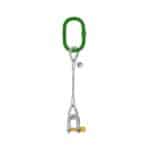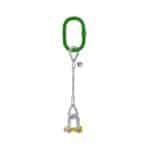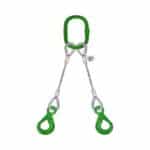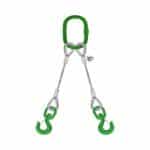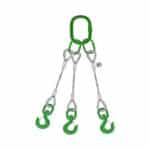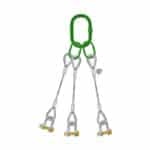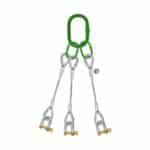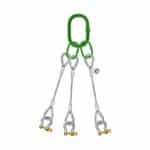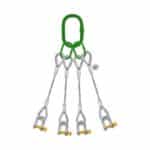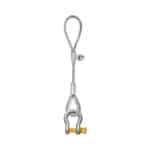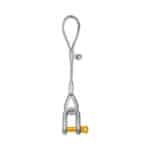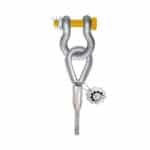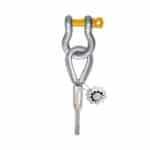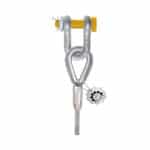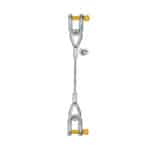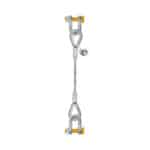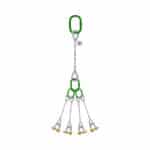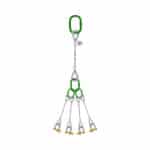
Lifting Shackles
Ways To Boost Productivity Using Suitable Lifting Equipment
In sectors requiring bulky materials, such as manufacturing, shipping, and logistics, the usage of lifting apparatus is...


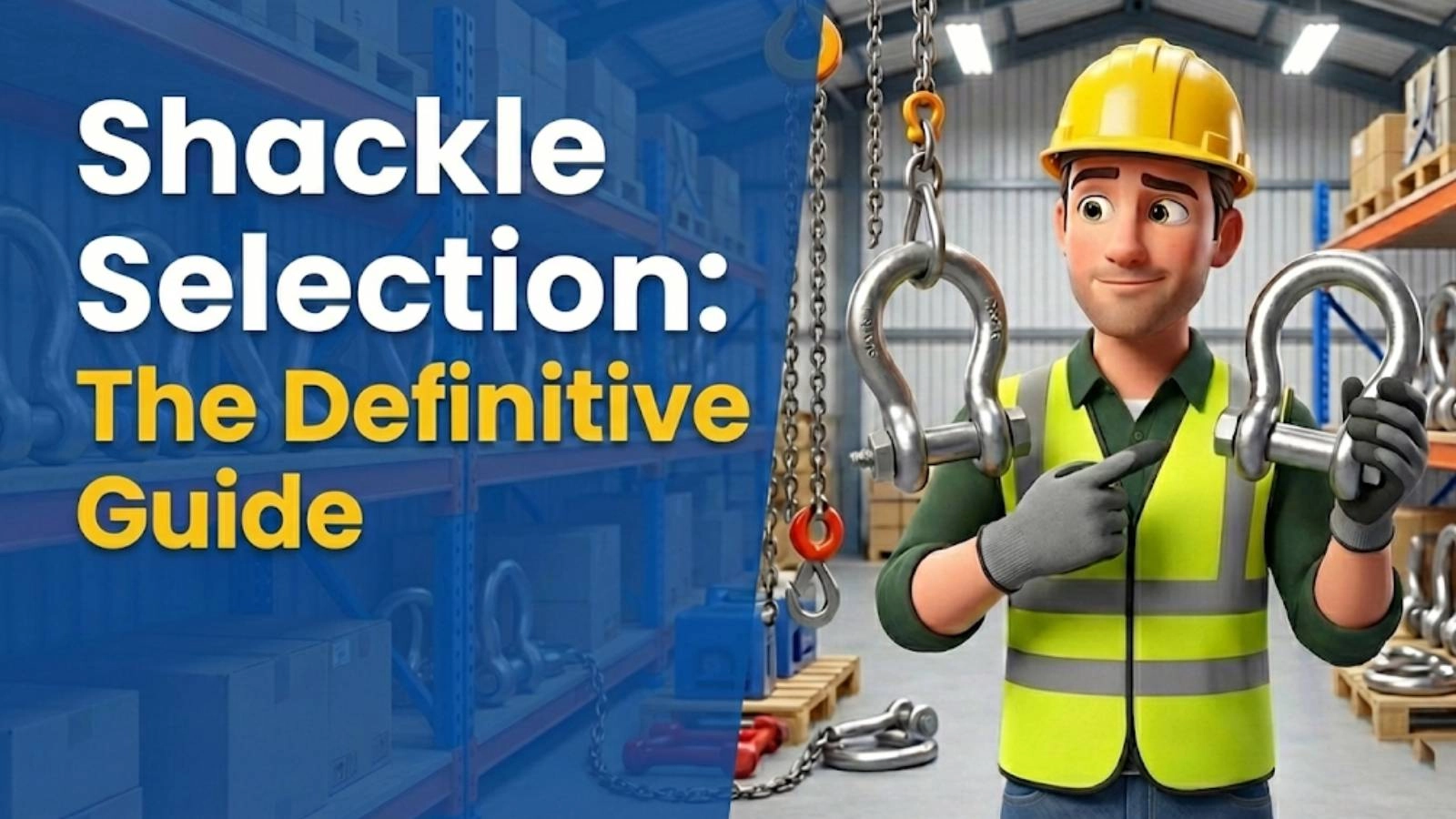
In the world of rigging and lifting, the seemingly simple lifting shackle plays a pivotal role. It’s the unsung hero connecting slings, chains, and loads, ensuring safe and efficient operations across various industries. Choosing the right shackle isn’t just a matter of convenience; it’s a critical safety decision that can prevent accidents, protect equipment, and save lives. This lifting shackle guide will provide you with the knowledge and insights needed to make informed decisions, ensuring you select the optimal shackle for your specific lifting needs.
A lifting shackle is a U-shaped piece of metal, typically made of steel, with a removable pin across the opening. Its primary function is to connect various components in a lifting or rigging system, such as slings, chains, and the load itself. The shackle acts as a crucial link, allowing for secure and flexible connections. The proper selection of a lifting shackle guide provides is critical because it directly impacts the safety and efficiency of any lifting operation.
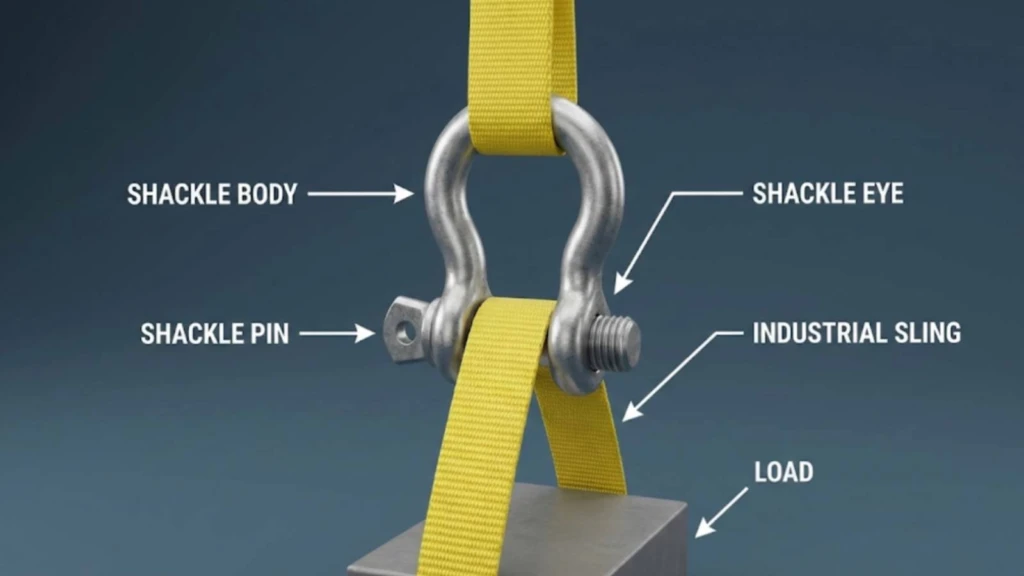
Shackles are fundamental to rigging systems, acting as versatile connectors that allow for the safe and controlled movement of heavy objects. Their ability to articulate and distribute load forces makes them indispensable in countless applications. The correct shackle selection, as outlined in this lifting shackle guide, is vital for preventing equipment failure and ensuring the safety of personnel.
In our experience with clients, we’ve seen that many accidents are attributable to improper shackle use. One of the most common mistakes we help businesses fix is understanding the load capacity and selecting the correct shackle size. We once worked with a client who was using shackles with an insufficient SWL (Safe Working Load). By upgrading to the correct shackle, they saw a significant improvement in safety.
Using the wrong shackle can have severe safety implications. If a shackle fails under load, it can lead to dropped loads, equipment damage, and, most tragically, serious injuries or fatalities. Proper shackle selection is paramount to prevent these accidents.
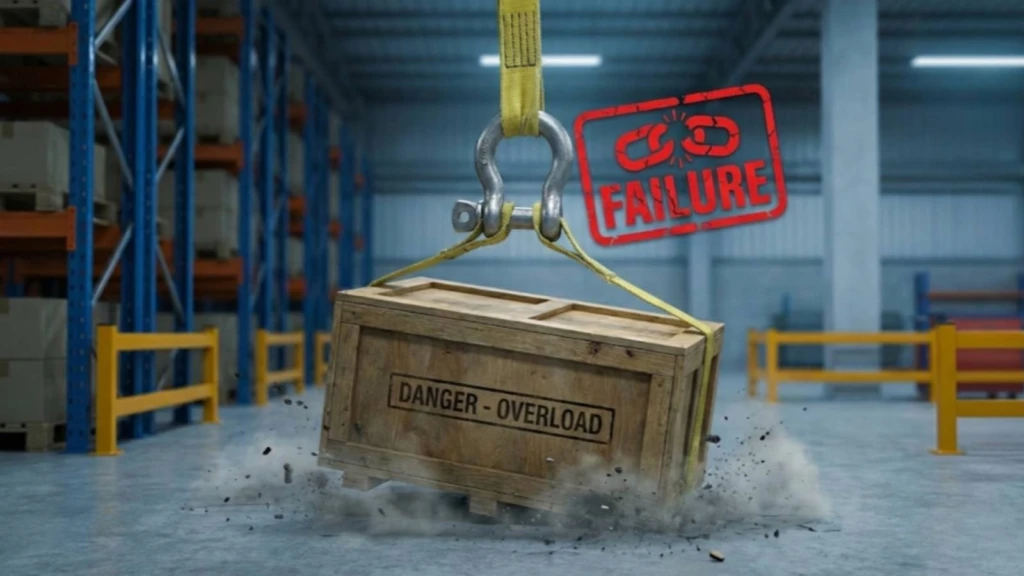
Compliance with safety standards is another critical aspect of shackle selection. Organizations like OSHA (Occupational Safety and Health Administration) and ASME (American Society of Mechanical Engineers) have established guidelines for the safe use of lifting equipment, including shackles. Adhering to these standards ensures that lifting operations are conducted safely and responsibly.
Bow shackles, also known as anchor shackles, are characterized by their large, rounded “bow” shape. This design makes them particularly well-suited for angular loading, where the force is applied at an angle to the shackle’s centerline. The wider bow allows for a greater range of motion and reduces stress on the shackle body.
A key advantage of bow shackles is their ability to accommodate multiple sling legs or attachments. The larger bow provides ample space for connecting various rigging components, making them versatile for complex lifting configurations. Common applications include lifting operations where the load may shift or rotate, requiring the shackle to handle off-axis forces.
D shackles, also known as chain shackles, have a narrower, “D” shape. This design is optimized for in-line loading, where the force is applied directly along the shackle’s centerline. D shackles are ideal for situations where the load is stable and the force is predictable.
D shackles are often used in applications where space is limited, as their compact design allows them to fit into tighter spaces. They are commonly used in conjunction with chains and other rigging hardware that require a secure, straight-line connection. This lifting shackle guide emphasizes the importance of selecting the right shackle based on the specific loading conditions.
Beyond bow and D shackles, several specialty shackles are designed for specific applications. These include:
Carbon steel shackles are a common choice for many lifting applications due to their strength and affordability. Carbon steel is an alloy of iron and carbon, offering good tensile strength and durability.
[IMAGE: A carbon steel shackle showing its typical finish and markings.]
However, carbon steel shackles are susceptible to corrosion, especially in wet or marine environments. They may also lose strength at extreme temperatures. Typical applications for carbon steel shackles include general construction, rigging, and lifting operations where corrosion is not a significant concern.
Alloy steel shackles are made from steel that has been alloyed with other elements, such as manganese, nickel, or chromium, to enhance their properties. Alloy steel shackles offer superior strength and durability compared to carbon steel shackles.
[IMAGE: An alloy steel shackle, possibly with a painted finish for identification.]
Alloy steel shackles are ideal for demanding applications where high strength and resistance to wear are required. They are commonly used in heavy lifting, offshore operations, and other critical applications. This lifting shackle guide highlights the importance of material selection for specific environmental conditions.
Stainless steel shackles are made from an alloy of steel, chromium, and other elements that provide excellent corrosion resistance. Stainless steel shackles are ideal for use in marine environments, chemical processing plants, and other corrosive settings.
[IMAGE: A stainless steel shackle showing its bright, corrosion-resistant finish.]
While stainless steel shackles offer excellent corrosion resistance, they may not be as strong as alloy steel shackles. They are typically used in applications where corrosion resistance is a primary concern, such as in the food and beverage industry, pharmaceutical manufacturing, and marine rigging.
Here’s a quick table summarizing the shackle materials:
| Material | Properties | Advantages | Disadvantages | Typical Applications |
|---|---|---|---|---|
| Carbon Steel | Good tensile strength, moderate durability | Affordable, widely available | Susceptible to corrosion, may lose strength at extreme temperatures | General construction, rigging |
| Alloy Steel | High strength, excellent durability | Superior strength, resistance to wear | More expensive than carbon steel | Heavy lifting, offshore operations |
| Stainless Steel | Excellent corrosion resistance | Ideal for corrosive environments | May not be as strong as alloy steel | Marine, chemical processing |
The Safe Working Load (SWL) is the maximum weight that a shackle is designed to lift safely. This is a crucial factor in shackle selection, as exceeding the SWL can lead to shackle failure and potential accidents. The SWL is typically marked on the shackle itself, along with other identifying information.
[IMAGE: Close-up showing the SWL markings on a shackle.]
Adhering to SWL limits is essential for ensuring the safety of lifting operations. Always verify the SWL of the shackle before use and ensure that it meets or exceeds the weight of the load. Ignoring the SWL can have catastrophic consequences.
The Working Load Limit (WLL) is another term used to describe the maximum weight that a shackle can safely lift. In many cases, SWL and WLL are used interchangeably, but it’s important to understand the nuances. WLL is often used in regulatory standards and is defined as the maximum load that a component or system is authorized to support in a particular service condition.
Regulatory standards for WLL vary depending on the jurisdiction and industry. Organizations like OSHA and ASME provide guidelines for determining WLL and ensuring compliance with safety regulations. Always refer to the relevant standards and regulations when selecting and using lifting shackles.
The Minimum Breaking Load (MBL) is the force at which a shackle is expected to fail. This is a critical parameter for understanding the safety factor of a shackle. The safety factor is the ratio of the MBL to the SWL or WLL. For example, a shackle with a safety factor of 5:1 has an MBL that is five times greater than its SWL.
Understanding safety factors is crucial for preventing catastrophic failures. Safety factors provide a margin of safety to account for dynamic loading, shock loads, and other unpredictable forces. Always select shackles with an appropriate safety factor for the specific lifting application. Preventing catastrophic failures is a key focus of any lifting shackle guide.
Selecting the correct shackle size is crucial for ensuring safe and efficient lifting operations. Several factors influence shackle size selection, including:
Calculating the required shackle size involves several steps:
1. Determine the weight of the load: Accurately determine the weight of the load being lifted.
2. Consider the angle of the load: If the load is being lifted at an angle, use load charts and tables to determine the effective load on the shackle.
3. Account for dynamic loading and shock loads: Dynamic loading and shock loads can significantly increase the force on the shackle. Apply a safety factor to account for these factors.
4. Select a shackle with adequate capacity: Choose a shackle with a SWL or WLL that meets or exceeds the calculated load requirements, including the safety factor.
Using the wrong size shackle can have serious consequences. Undersized shackles can fail under load, leading to dropped loads and potential accidents. Oversized shackles, on the other hand, can be cumbersome and difficult to handle, and may not fit properly in the rigging system.
[IMAGE: Illustration showing the risks of using undersized and oversized shackles.]
Optimizing shackle size for efficiency and safety involves selecting a shackle that is appropriately sized for the load and the rigging system. Avoid using shackles that are either too small or too large, and always verify the SWL or WLL before use.
Before each use, lifting shackles should be thoroughly inspected to ensure they are in good working condition. A pre-use inspection checklist should include the following:
In addition to pre-use inspections, lifting shackles should also undergo periodic inspections to identify any potential problems that may not be visible during a quick visual check. The frequency of periodic inspections should be based on the frequency of use and the severity of the operating environment.
[IMAGE: A technician performing a detailed inspection of a shackle using specialized tools.]
Documenting inspection results is an important part of maintaining a safe lifting program. Keep a record of all inspections, including the date, the inspector’s name, and any findings. This documentation can help track the condition of the shackles and identify any recurring problems. Damaged shackles should be removed from service immediately.
Proper maintenance is essential for extending the life of lifting shackles and ensuring their continued safety. Maintenance tasks should include:
Proper shackle attachment is crucial for ensuring safe lifting operations. Key considerations include:
Properly tightening shackle pins is essential for ensuring a secure connection. Key considerations include:
Several common shackle misuse scenarios can lead to accidents and injuries. These include:
In the construction industry, shackles are used in a variety of applications, including:
In the marine industry, shackles are used in a variety of applications, including:
In industrial manufacturing, shackles are used in a variety of applications, including:
Different shackle pin types offer varying levels of security and ease of use.
Variations in shackle body designs cater to specific load distribution and connection needs.
Environmental conditions can significantly impact shackle performance and longevity.
OSHA (Occupational Safety and Health Administration) provides comprehensive regulations for the safe use of lifting shackles in the workplace. These regulations cover various aspects, including shackle selection, inspection, maintenance, and usage practices.
Compliance guidelines for employers and employees include providing proper training, conducting regular inspections, and ensuring that shackles are used within their rated capacity. Failure to comply with OSHA standards can result in fines, penalties, and, more importantly, accidents and injuries.
ASME (American Society of Mechanical Engineers) develops and publishes standards for a wide range of mechanical equipment, including lifting shackles. ASME B30.26 is a key standard for rigging hardware, covering the design, manufacturing, and testing of shackles.
Ensuring compliance with ASME standards involves selecting shackles that meet the specified requirements, conducting regular inspections and testing, and following safe usage practices. Adhering to ASME standards helps ensure the safety and reliability of lifting operations.
In addition to OSHA and ASME standards, other relevant standards may apply depending on the location and industry. For example, EN (European Norms) standards are widely used in Europe and other parts of the world.
Comparing different international standards is important for ensuring global compliance, especially for companies that operate in multiple countries. Always refer to the relevant standards and regulations for the specific jurisdiction and industry.
> “Proper shackle selection isn’t just about lifting a load; it’s about lifting responsibly and ensuring everyone goes home safely.” – John Smith, Senior Rigging Engineer
Choosing the correct lifting shackle guide requires a comprehensive understanding of shackle types, materials, load capacities, and safe usage practices. By adhering to safety standards, conducting regular inspections, and selecting the appropriate shackle for each lifting application, you can significantly enhance operational safety and prevent accidents. At Safe and Secure Trading Company (SSTC), we prioritize safety above all else, and we’re committed to providing expert guidance and high-quality lifting solutions to our clients. With this lifting shackle guide, you’re well-equipped to make informed decisions and ensure the safety of your lifting operations.
The Safe Working Load (SWL) is the most critical factor. Always ensure the shackle’s SWL meets or exceeds the weight of the load you intend to lift.
Lifting shackles should be inspected before each use and periodically, based on the frequency of use and the severity of the operating environment. More frequent inspections are required in harsh conditions.
No, never use a shackle that has been repaired. Shackles that have been welded or otherwise modified are no longer considered safe and should be removed from service immediately.
A bow shackle (also known as an anchor shackle) has a larger, rounded shape, making it suitable for angular loading. A D shackle (also known as a chain shackle) has a narrower, “D” shape and is best suited for straight, in-line loading.
The numbers stamped on a shackle typically indicate the manufacturer, the SWL (Safe Working Load), the size of the shackle, and any relevant standards or certifications. Always refer to the manufacturer’s specifications for detailed information.
Ways To Boost Productivity Using Suitable Lifting Equipment

Taming the Titans: SSTC Delivers JB Lifting’s Heavy-Duty, Hot-Dip Galvanized Shackles

A Comprehensive Guide to Lifting Shackle Types, Uses, and Safety Tips