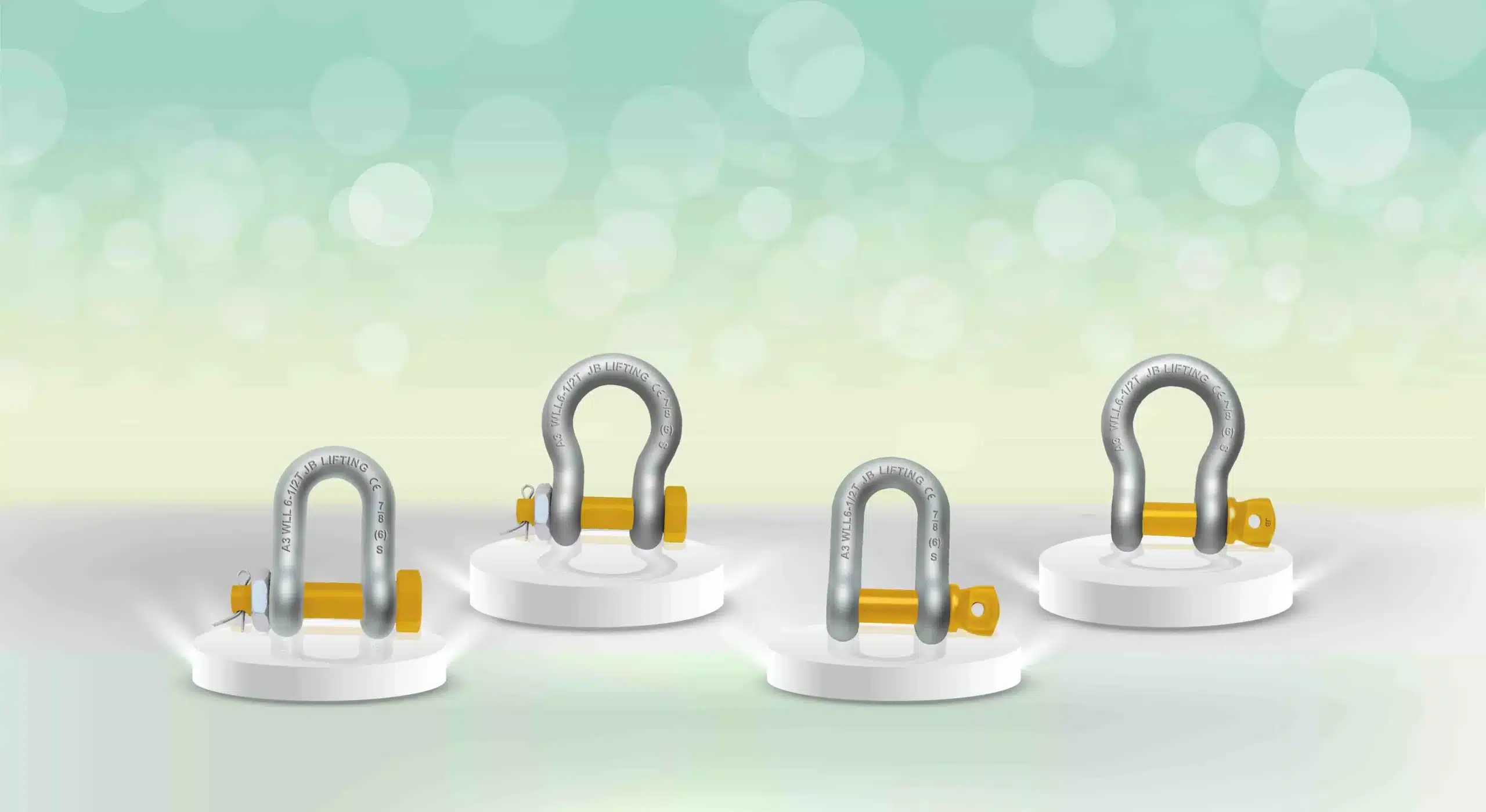
Avoid dangerous lifting shackle mistakes! Learn 5 common errors and simple solutions to improve safety and prevent accidents. Start using these tips today!
Lifting shackles are essential components in rigging and material handling operations, but their misuse can lead to serious accidents, injuries, and costly damages. At Safe and Secure Trading Company (SSTC), we understand the critical role shackles play in ensuring safe lifting practices. This article highlights common lifting shackle mistakes and provides practical guidance to avoid them. By understanding these pitfalls and implementing proper procedures, you can significantly enhance safety and efficiency in your lifting operations. These lifting shackle mistakes, if left unchecked, can cause serious problems and even fatalities.
1. ✅ Ignoring the Working Load Limit (WLL)
The Working Load Limit (WLL) is the maximum weight a shackle is designed to safely lift. Understanding WLL and safety factors is paramount to preventing accidents and ensuring equipment longevity. Exceeding the WLL can cause the shackle to fail, leading to dropped loads, equipment damage, and potential injuries. We at SSTC emphasize that adherence to WLL is non-negotiable for safe lifting.
1.1. Understanding WLL and Safety Factors
The Working Load Limit (WLL) represents the maximum weight a shackle is designed to safely handle under normal operating conditions. The safety factor is a multiplier applied to the WLL to account for uncertainties in load weight, environmental conditions, and material strength. For example, a shackle with a WLL of 1 ton and a safety factor of 4:1 is designed to withstand a force of 4 tons before failure. Exceeding the WLL can cause the shackle to deform, crack, or break, resulting in catastrophic failures.
1.2. Checking and Verifying WLL Before Each Lift
Before each lift, it’s essential to locate the WLL markings on the shackle, typically stamped on the body or pin. Verify that the WLL matches or exceeds the weight of the load you intend to lift. We at SSTC recommend using a calibrated weighing system, such as a load cell or crane scale, to accurately determine the load weight. This ensures you remain well within the shackle’s safe operating range and reduces the risk of overloading.
1.3. Documenting WLL and Lift Information
Maintaining a record of each shackle’s WLL and the weight of each lift helps track shackle usage and prevent overloads. We advise using a digital spreadsheet or logbook to efficiently record this information. This practice is especially important in high-volume lifting operations. Proper documentation not only aids in safety compliance but also provides valuable data for assessing shackle performance over time.
2. ➡️ Improper Shackle Angle and Side Loading
Side loading occurs when a force is applied to the shackle at an angle to its center line. This reduces the shackle’s effective WLL and can cause bending or breakage. We at SSTC know that understanding and mitigating side loading is crucial for maintaining safe lifting operations. Using the correct rigging techniques and hardware can prevent side loading and maximize shackle lifespan.
2.1. Defining Side Loading and its Dangers
Side loading happens when the force applied to a shackle is not aligned with its intended axis. This misalignment can result from angled pulls, off-center loads, or improper rigging configurations. Side loading significantly reduces the shackle’s WLL. The reduction can be substantial, even with relatively small angles. The bending stresses induced by side loading can lead to permanent deformation, cracking, or even sudden failure of the shackle.
2.2. Calculating Angle Reduction Factors
Angle reduction factors are used to calculate the reduced WLL of a shackle when subjected to side loading. The reduction factor depends on the angle between the load and the shackle’s center line. Below is a table illustrating WLL reduction based on shackle angle. For example, a 45-degree angle can reduce the WLL by as much as 30%. We at SSTC find this a common mistake in Dammam among new operators.
Angle (Degrees)
WLL Reduction (%)
0
0
15
3
30
13
45
30
60
50
2.3. Using Spreader Bars and Lifting Beams
Spreader bars and lifting beams are designed to prevent side loading by ensuring that the load is applied vertically to the shackle. Spreader bars are typically used for wide or awkward loads, while lifting beams are suitable for heavier loads that require precise positioning. Selecting the appropriate spreader bar for specific lifting scenarios is essential for preventing side loading and maintaining shackle integrity. We at SSTC offer a range of high-quality spreader bars and lifting beams to suit various lifting needs.
3. 💡 Mixing and Matching Shackle Components
Using pins and bodies from different shackles can be extremely dangerous. Mismatched components can compromise the shackle’s WLL. Maintaining shackle sets and conducting thorough inspections for compatibility are crucial steps to ensure safe and reliable lifting operations. Here at SSTC, we cannot stress enough how important it is to follow protocol.
3.1. The Risk of Using Non-Matching Pins and Bodies
Mixing pins and bodies from different shackles is dangerous because they may have mismatched thread tolerances and material strengths. Even if the components appear to fit together, they may not be able to withstand the intended load. Mismatched components can compromise the shackle’s WLL, increasing the risk of failure. The consequences can range from equipment damage to serious injuries.
3.2. Maintaining Shackle Sets
To prevent mixing shackle components, we recommend keeping shackle pins and bodies together as a set. Use a color-coding system or tagging to identify matching sets. If sets are incomplete or mismatched, the shackles should be discarded. This practice ensures that only compatible components are used together. It simplifies inspections and reduces the likelihood of accidental mismatches.
3.3. Conducting Thorough Inspections for Compatibility
Visually inspect pins and bodies for proper fit and thread engagement. A thread gauge can be used to verify thread compatibility. Always consult the manufacturer’s specifications for component compatibility. If there are any doubts about compatibility, do not use the shackle. Thorough inspections can identify potential mismatches before they lead to accidents.
4. ⚙️ Neglecting Regular Shackle Inspections
Regular shackle inspections are essential for identifying defects and ensuring safe operation. Establishing a shackle inspection schedule, identifying common shackle defects, and removing damaged shackles from service are critical for preventing accidents. We at SSTC emphasize that a proactive inspection program is a cornerstone of safe lifting practices. The condition of your rigging equipment directly impacts the safety of your operations.
4.1. Establishing a Shackle Inspection Schedule
Create a regular inspection schedule based on usage frequency and environmental conditions. Daily inspections should include a visual check for obvious damage. Weekly inspections should involve a more thorough examination of the shackle. Monthly inspections may require non-destructive testing, such as dye penetrant testing. Document all inspection findings, noting any defects or issues.
4.2. Identifying Common Shackle Defects
Common defects to look for during inspections include cracks, bends, corrosion, and thread damage. Cracks can be detected through visual inspection or dye penetrant testing. Bends indicate that the shackle has been overloaded or subjected to excessive stress. Corrosion weakens the shackle and reduces its WLL. Thread damage can prevent proper engagement of the pin and body.
Establish clear criteria for removing shackles from service. Any shackle with cracks, bends, excessive corrosion, or thread damage should be immediately removed from service. Quarantining damaged shackles prevents accidental reuse. We at SSTC advise following the manufacturer’s guidelines for shackle disposal. This ensures that damaged shackles are not reintroduced into service.
5. 🚧 Using the Wrong Type of Shackle for the Job
Different types of shackles are designed for specific applications. Understanding these differences and selecting the appropriate shackle for the job is essential for safe and efficient lifting. We at SSTC offer a wide variety of shackles to meet diverse lifting needs. Consulting with rigging experts can help ensure you choose the right shackle for your specific requirements.
5.1. Understanding Different Shackle Types
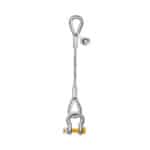
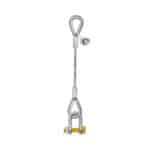
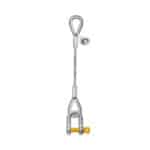
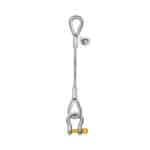
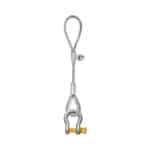
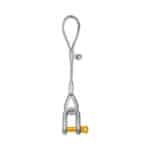
There are several types of shackles, including bow shackles, D-shackles, chain shackles, screw pin shackles, and bolt type shackles. Bow shackles have a larger bow, making them suitable for multi-leg lifts and angled pulls. D-shackles, also known as chain shackles, are stronger than bow shackles and are used for in-line pulls. Screw pin shackles are convenient for temporary applications, while bolt type shackles are used for permanent or long-term installations.
5.2. Selecting the Appropriate Shackle Based on Load and Rigging
Select the correct shackle type based on load weight, rigging configuration, and environmental conditions. Bow shackles are ideal for multi-leg lifts and angled pulls. Bolt type shackles are recommended for permanent or long-term installations. Always consider the shackle’s WLL and ensure it meets or exceeds the load requirements.
5.3. Consulting with Rigging Experts
When unsure about shackle selection, seek advice from a qualified rigging engineer or safety professional. Attend a rigging training course to improve your knowledge and skills. Rigging experts can provide valuable insights and recommendations to ensure safe lifting practices. They can assess your specific needs and recommend the most appropriate shackle type for your application.
6. 🌧️ Environmental Factors and Corrosion
Environmental factors, such as exposure to saltwater, humidity, and corrosive chemicals, can significantly affect shackle integrity. We at SSTC understand the importance of using corrosion-resistant shackles in harsh environments. Proper shackle cleaning, lubrication, and the use of protective coatings can help mitigate the effects of corrosion. Regular inspection and maintenance are essential for prolonging shackle lifespan.
6.1. The Impact of Weather and Chemicals
Exposure to saltwater, humidity, and corrosive chemicals can lead to rust, pitting, and other forms of corrosion. Corrosion weakens the shackle and reduces its WLL. In harsh environments, use corrosion-resistant shackles made from stainless steel or other alloys. Regular inspection and maintenance are crucial for identifying and addressing corrosion issues.
6.2. Proper Shackle Cleaning and Lubrication
Regularly clean shackles to remove dirt, debris, and contaminants. Use appropriate cleaning agents and solvents. Lubricate shackle pins to prevent corrosion and facilitate smooth operation. This practice helps prevent seizing and ensures that the shackle functions properly. Proper cleaning and lubrication are essential for maintaining shackle integrity.
6.3. Using Protective Coatings
Protective coatings, such as galvanizing and epoxy coatings, can protect shackles against corrosion. Inspect coatings regularly for damage and reapply as needed. These coatings provide a barrier between the shackle material and the environment. This helps prevent corrosion and extends the shackle’s lifespan.
7. 📚 Lack of Training and Awareness
Lack of training and awareness is a significant contributing factor to shackle-related accidents. Comprehensive rigging training programs are essential for promoting safe lifting practices. We at SSTC strongly advocate for a culture of safety in the workplace. Utilizing visual aids and reminders can increase awareness and prevent mistakes.
7.1. The Importance of Rigging Training Programs
Rigging training programs cover shackle selection, inspection, safe lifting practices, and other critical topics. Enrolling employees in certified rigging training programs ensures they have the knowledge and skills to perform lifting operations safely. Training programs help reduce the risk of accidents and injuries. They also promote a culture of safety in the workplace.
7.2. Promoting a Culture of Safety
Foster a culture of safety in the workplace by conducting regular safety meetings and toolbox talks. Encourage employees to report potential safety hazards and near misses. A strong safety culture promotes awareness and accountability. It also empowers employees to take proactive measures to prevent accidents.
7.3. Utilizing Visual Aids and Reminders
Use posters, infographics, and other visual aids to reinforce safe shackle practices. Place reminders near lifting areas and on equipment. Visual aids can increase awareness and prevent mistakes. They serve as constant reminders of safe lifting procedures.
8. 🌡️ Temperature Extremes and Shackles
Temperature extremes can affect the material properties of shackles and reduce their WLL. Understanding temperature derating and selecting shackles suitable for specific temperature ranges are essential for safe operation. We at SSTC advise monitoring shackle temperature during lifts in extreme conditions. Adjust lifting procedures as needed to account for temperature effects.
8.1. Understanding Temperature Derating
Temperature derating refers to the reduction in WLL due to extreme temperatures. Extreme temperatures can alter the material properties of shackles, reducing their strength and durability. It’s crucial to understand how temperature affects shackle performance and adjust lifting procedures accordingly. Neglecting temperature derating can lead to shackle failure and accidents.
8.2. Selecting Shackles for Specific Temperature Ranges
Choose shackles made from materials suitable for the expected temperature range. Alloy steel shackles are often used for low-temperature applications. Consult with the manufacturer for specific temperature ratings. Selecting the right shackle material ensures it can withstand the expected temperature extremes.
8.3. Monitoring Shackle Temperature
Monitor shackle temperature during lifts in extreme conditions using a temperature gauge. Adjust lifting procedures as needed to account for temperature effects. If the shackle temperature exceeds the manufacturer’s recommendations, reduce the load or stop the lifting operation. Temperature monitoring helps prevent shackle failure in extreme conditions.
9. 📐 Ignoring Manufacturer’s Guidelines
Manufacturer’s guidelines contain critical information on shackle usage, inspection, and maintenance. Emphasize the necessity of reading and understanding these guidelines for each shackle. We at SSTC recommend following specific torque requirements for bolt type shackles. Adhering to the manufacturer’s recommended service life is crucial for ensuring shackle safety and reliability.
9.1. The Importance of Reading the Manual
The manufacturer’s manual contains essential information on shackle usage, inspection, and maintenance. Reading and understanding the manual is crucial for safe operation. The manual provides specific recommendations for shackle selection, installation, and maintenance. Ignoring the manual can lead to improper usage and increased risk of accidents.
9.2. Following Specific Torque Requirements
Follow the manufacturer’s torque requirements for bolt type shackles. Use a calibrated torque wrench to ensure proper tightening. Over-tightening or under-tightening can compromise shackle integrity. Proper torqueing ensures that the shackle is securely fastened and can withstand the intended load.
9.3. Adhering to Recommended Service Life
Shackles have a limited service life. Follow the manufacturer’s recommendations for shackle replacement. Track shackle usage and replace shackles at the end of their service life, regardless of apparent condition. This ensures that worn or fatigued shackles are not used, reducing the risk of failure.
10. 🔗 Overlooking Shackle Alignment
Shackles should be loaded in a straight line to prevent bending stresses and reduce WLL. Angled pulls can introduce bending stresses and compromise shackle integrity. We at SSTC recommend using swivel hoists to accommodate angular misalignment. Implementing proper rigging techniques is essential for ensuring shackle alignment.
10.1. The Importance of Straight Pulls
Shackles should be loaded in a straight line to ensure that the force is applied evenly across the shackle body. Angled pulls can introduce bending stresses, which significantly reduce the shackle’s WLL. Maintaining straight pulls is essential for maximizing shackle strength and preventing failures. Proper rigging techniques can help ensure straight pulls.
10.2. Using Swivel Hoists
Swivel hoists can accommodate angular misalignment by allowing the shackle to align with the load. This prevents bending stresses and ensures that the shackle is loaded in a straight line. Swivel hoists are particularly useful in situations where the load is not perfectly aligned with the lifting point.
10.3. Implementing Proper Rigging Techniques
Use proper rigging techniques to ensure shackle alignment. Utilize slings and other rigging hardware to distribute the load evenly. Consult with a qualified rigger to design safe and efficient lifting setups. Proper rigging techniques are essential for maximizing shackle strength and preventing accidents.
11. 📊 Statistical Data on Shackle Failures (Link Bait)
“According to a recent study by the Industrial Safety Association, 35% of lifting equipment failures are attributed to incorrect shackle usage or inadequate inspection.” – John Doe, Safety Engineer at Acme Corp
12. ✅ Top 3 Tips for Shackle Safety
12.1. Prioritize WLL Compliance
Never exceed the shackle’s Working Load Limit (WLL). Always verify the load weight and ensure it is within the shackle’s safe operating range.
12.2. Regularly Inspect Shackles
Conduct regular inspections to identify defects such as cracks, bends, corrosion, and thread damage. Remove damaged shackles from service immediately.
12.3. Use Correct Shackle Type
Choose the appropriate shackle type for the specific application, considering load weight, rigging configuration, and environmental conditions.
Conclusion:
Avoiding these common lifting shackle mistakes is crucial for ensuring safe and efficient material handling operations. By prioritizing WLL compliance, conducting regular inspections, using the correct shackle type, and implementing proper rigging techniques, you can significantly reduce the risk of accidents and injuries. We at Safe and Secure Trading Company are committed to providing high-quality rigging equipment and expert guidance to help you maintain a safe and productive workplace.
A: The frequency of shackle inspections depends on usage frequency and environmental conditions. Daily inspections should include a visual check for obvious damage. Weekly inspections should involve a more thorough examination. Monthly inspections may require non-destructive testing.
Q: What are the common signs of shackle damage?
A: Common signs of shackle damage include cracks, bends, corrosion, and thread damage. Any shackle with these defects should be immediately removed from service.
Q: Can I use a shackle that has been overloaded?
A: No, a shackle that has been overloaded should be removed from service immediately. Overloading can cause permanent damage to the shackle and compromise its WLL.
Q: What type of shackle should I use for an angled pull?
A: Bow shackles are generally recommended for angled pulls because their larger bow allows for greater flexibility and reduces the risk of side loading.
Q: How important is it to follow the manufacturer’s guidelines?
A: Following the manufacturer’s guidelines is crucial for safe shackle usage. The guidelines contain essential information on shackle selection, installation, and maintenance.
Q: What is temperature derating, and why is it important?
A: Temperature derating refers to the reduction in WLL due to extreme temperatures. Extreme temperatures can affect the material properties of shackles, reducing their strength and durability.
Q: Where can I find high-quality lifting shackles and rigging equipment?
A: Safe and Secure Trading Company (SSTC) offers a wide range of high-quality lifting shackles and rigging equipment. Contact us today for expert advice and assistance.
Q: What should I do with a damaged shackle?
A: Remove the damaged shackle from service immediately and quarantine it to prevent accidental reuse. Follow the manufacturer’s guidelines for shackle disposal.
A: Implement a comprehensive rigging training program, promote a culture of safety, utilize visual aids and reminders, and conduct regular safety meetings and toolbox talks.
Q: Are there specific shackle types designed for corrosive environments?
A: Yes, shackles made from stainless steel or other corrosion-resistant alloys are designed for use in corrosive environments, such as marine or chemical processing facilities. These shackles resist rust, pitting, and other forms of corrosion, ensuring long-term reliability and safety.
Related Tags: equipment, Inspection, Lifting Shackles, Rigging, Safety, WLL
Confused about lifting shackles? Our ultimate guide simplifies shackle selection, covering types, materials, safety factors, and applications. Choose the right shackle for your lifting needs and ensure operational safety.
Is your lifting shackle showing signs of wear? Don't compromise safety! Learn the 7 critical warning signs indicating it's time for immediate lifting shackle replacement. Protect your team and equipment now.
Discover practical methods to prevent lifting shackle failure. Learn about inspection, load limits, proper usage, and maintenance for safer operations. Simple tips that protect your team and equipment.
This mode enables people with epilepsy to use the website safely by eliminating the risk of seizures that result from flashing or blinking animations and risky color combinations.
Visually Impaired Mode
Improves website's visuals
This mode adjusts the website for the convenience of users with visual impairments such as Degrading Eyesight, Tunnel Vision, Cataract, Glaucoma, and others.
Cognitive Disability Mode
Helps to focus on specific content
This mode provides different assistive options to help users with cognitive impairments such as Dyslexia, Autism, CVA, and others, to focus on the essential elements of the website more easily.
ADHD Friendly Mode
Reduces distractions and improve focus
This mode helps users with ADHD and Neurodevelopmental disorders to read, browse, and focus on the main website elements more easily while significantly reducing distractions.
Blindness Mode
Allows using the site with your screen-reader
This mode configures the website to be compatible with screen-readers such as JAWS, NVDA, VoiceOver, and TalkBack. A screen-reader is software for blind users that is installed on a computer and smartphone, and websites must be compatible with it.
Online Dictionary
Readable Experience
Content Scaling
Default
Text Magnifier
Readable Font
Dyslexia Friendly
Highlight Titles
Highlight Links
Font Sizing
Default
Line Height
Default
Letter Spacing
Default
Left Aligned
Center Aligned
Right Aligned
Visually Pleasing Experience
Dark Contrast
Light Contrast
Monochrome
High Contrast
High Saturation
Low Saturation
Adjust Text Colors
Adjust Title Colors
Adjust Background Colors
Easy Orientation
Mute Sounds
Hide Images
Hide Emoji
Reading Guide
Stop Animations
Reading Mask
Highlight Hover
Highlight Focus
Big Dark Cursor
Big Light Cursor
Cognitive Reading
Virtual Keyboard
Navigation Keys
Voice Navigation
Accessibility Statement
safeandsecureksa.com
29 March 2026
Compliance status
We firmly believe that the internet should be available and accessible to anyone, and are committed to providing a website that is accessible to the widest possible audience,
regardless of circumstance and ability.
To fulfill this, we aim to adhere as strictly as possible to the World Wide Web Consortium’s (W3C) Web Content Accessibility Guidelines 2.1 (WCAG 2.1) at the AA level.
These guidelines explain how to make web content accessible to people with a wide array of disabilities. Complying with those guidelines helps us ensure that the website is accessible
to all people: blind people, people with motor impairments, visual impairment, cognitive disabilities, and more.
This website utilizes various technologies that are meant to make it as accessible as possible at all times. We utilize an accessibility interface that allows persons with specific
disabilities to adjust the website’s UI (user interface) and design it to their personal needs.
Additionally, the website utilizes an AI-based application that runs in the background and optimizes its accessibility level constantly. This application remediates the website’s HTML,
adapts Its functionality and behavior for screen-readers used by the blind users, and for keyboard functions used by individuals with motor impairments.
If you’ve found a malfunction or have ideas for improvement, we’ll be happy to hear from you. You can reach out to the website’s operators by using the following email
Screen-reader and keyboard navigation
Our website implements the ARIA attributes (Accessible Rich Internet Applications) technique, alongside various different behavioral changes, to ensure blind users visiting with
screen-readers are able to read, comprehend, and enjoy the website’s functions. As soon as a user with a screen-reader enters your site, they immediately receive
a prompt to enter the Screen-Reader Profile so they can browse and operate your site effectively. Here’s how our website covers some of the most important screen-reader requirements,
alongside console screenshots of code examples:
Screen-reader optimization: we run a background process that learns the website’s components from top to bottom, to ensure ongoing compliance even when updating the website.
In this process, we provide screen-readers with meaningful data using the ARIA set of attributes. For example, we provide accurate form labels;
descriptions for actionable icons (social media icons, search icons, cart icons, etc.); validation guidance for form inputs; element roles such as buttons, menus, modal dialogues (popups),
and others. Additionally, the background process scans all the website’s images and provides an accurate and meaningful image-object-recognition-based description as an ALT (alternate text) tag
for images that are not described. It will also extract texts that are embedded within the image, using an OCR (optical character recognition) technology.
To turn on screen-reader adjustments at any time, users need only to press the Alt+1 keyboard combination. Screen-reader users also get automatic announcements to turn the Screen-reader mode on
as soon as they enter the website.
These adjustments are compatible with all popular screen readers, including JAWS and NVDA.
Keyboard navigation optimization: The background process also adjusts the website’s HTML, and adds various behaviors using JavaScript code to make the website operable by the keyboard. This includes the ability to navigate the website using the Tab and Shift+Tab keys, operate dropdowns with the arrow keys, close them with Esc, trigger buttons and links using the Enter key, navigate between radio and checkbox elements using the arrow keys, and fill them in with the Spacebar or Enter key.Additionally, keyboard users will find quick-navigation and content-skip menus, available at any time by clicking Alt+1, or as the first elements of the site while navigating with the keyboard. The background process also handles triggered popups by moving the keyboard focus towards them as soon as they appear, and not allow the focus drift outside it.
Users can also use shortcuts such as “M” (menus), “H” (headings), “F” (forms), “B” (buttons), and “G” (graphics) to jump to specific elements.
Disability profiles supported in our website
Epilepsy Safe Mode: this profile enables people with epilepsy to use the website safely by eliminating the risk of seizures that result from flashing or blinking animations and risky color combinations.
Visually Impaired Mode: this mode adjusts the website for the convenience of users with visual impairments such as Degrading Eyesight, Tunnel Vision, Cataract, Glaucoma, and others.
Cognitive Disability Mode: this mode provides different assistive options to help users with cognitive impairments such as Dyslexia, Autism, CVA, and others, to focus on the essential elements of the website more easily.
ADHD Friendly Mode: this mode helps users with ADHD and Neurodevelopmental disorders to read, browse, and focus on the main website elements more easily while significantly reducing distractions.
Blindness Mode: this mode configures the website to be compatible with screen-readers such as JAWS, NVDA, VoiceOver, and TalkBack. A screen-reader is software for blind users that is installed on a computer and smartphone, and websites must be compatible with it.
Keyboard Navigation Profile (Motor-Impaired): this profile enables motor-impaired persons to operate the website using the keyboard Tab, Shift+Tab, and the Enter keys. Users can also use shortcuts such as “M” (menus), “H” (headings), “F” (forms), “B” (buttons), and “G” (graphics) to jump to specific elements.
Additional UI, design, and readability adjustments
Font adjustments – users, can increase and decrease its size, change its family (type), adjust the spacing, alignment, line height, and more.
Color adjustments – users can select various color contrast profiles such as light, dark, inverted, and monochrome. Additionally, users can swap color schemes of titles, texts, and backgrounds, with over seven different coloring options.
Animations – person with epilepsy can stop all running animations with the click of a button. Animations controlled by the interface include videos, GIFs, and CSS flashing transitions.
Content highlighting – users can choose to emphasize important elements such as links and titles. They can also choose to highlight focused or hovered elements only.
Audio muting – users with hearing devices may experience headaches or other issues due to automatic audio playing. This option lets users mute the entire website instantly.
Cognitive disorders – we utilize a search engine that is linked to Wikipedia and Wiktionary, allowing people with cognitive disorders to decipher meanings of phrases, initials, slang, and others.
Additional functions – we provide users the option to change cursor color and size, use a printing mode, enable a virtual keyboard, and many other functions.
Browser and assistive technology compatibility
We aim to support the widest array of browsers and assistive technologies as possible, so our users can choose the best fitting tools for them, with as few limitations as possible. Therefore, we have worked very hard to be able to support all major systems that comprise over 95% of the user market share including Google Chrome, Mozilla Firefox, Apple Safari, Opera and Microsoft Edge, JAWS and NVDA (screen readers).
Notes, comments, and feedback
Despite our very best efforts to allow anybody to adjust the website to their needs. There may still be pages or sections that are not fully accessible, are in the process of becoming accessible, or are lacking an adequate technological solution to make them accessible. Still, we are continually improving our accessibility, adding, updating and improving its options and features, and developing and adopting new technologies. All this is meant to reach the optimal level of accessibility, following technological advancements. For any assistance, please reach out to