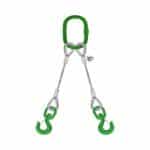
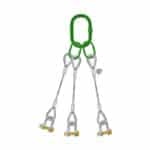
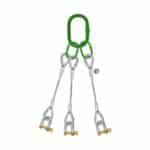
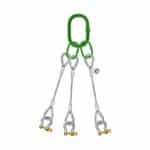
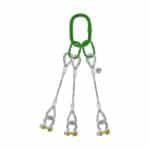
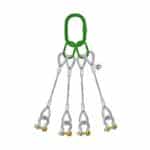
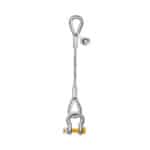
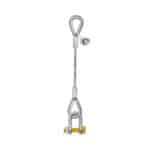
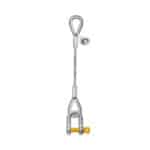
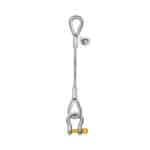
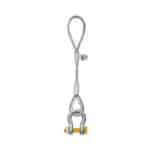
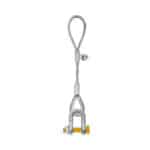
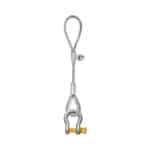
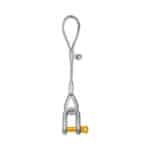
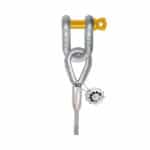
Here are the most common lifting shackle mistakes people make, and how to avoid them.
A lifting shackle is a critical piece of rigging hardware used to connect the load to the lifting device. Ensuring its safe use is paramount in any lifting operation. Too often, we see seemingly small errors lead to catastrophic failures, resulting in property damage, injuries, or even fatalities. At Safe and Secure Trading Company (SSTC), we’re committed to promoting the highest standards of rigging safety. That’s why we’ve compiled this list of common lifting shackle mistakes and how to avoid them. Read on to ensure you never make these errors.
1. The Silent Killer: Ignoring the WLL (Working Load Limit)
The Working Load Limit (WLL) is the maximum weight a shackle is designed to safely lift. Disregarding this crucial rating is a recipe for disaster. Many accidents happen because operators overestimate or simply don’t know the shackle’s WLL. It’s non-negotiable: exceeding the WLL puts everyone at risk and compromises the shackle’s integrity.
1.1. A Tragic Tale: When Numbers Mattered Most
Several years ago, a construction crew in Riyadh was lifting a precast concrete panel. The panel weighed approximately 12 tons, and the crew, rushing to meet a deadline, chose shackles that appeared “big enough”. What they failed to realize was that the shackles were only rated for 10 tons each. As the panel was hoisted, one of the shackles snapped under the excessive load. The panel crashed to the ground, narrowly missing several workers. This incident underscores the critical importance of verifying the WLL before every lift.
1.2. Understanding the WLL: Beyond the Numbers
The WLL isn’t just a random number; it’s a carefully calculated value based on the shackle’s material, design, and manufacturing process. A safety factor is always built into the WLL, typically a ratio of 4:1 or 5:1, meaning the shackle can withstand four or five times its rated load before breaking. However, this safety factor isn’t an invitation to push the limits. It’s there to account for dynamic loading, shock loads, and other unpredictable factors. We often advise our clients to stay well below the WLL for an additional safety margin.
1.3. Metric vs. Imperial: A Conversion Nightmare
Mixing metric and imperial units can lead to dangerous miscalculations. For example, a shackle rated for 5 metric tons is NOT the same as a shackle rated for 5 imperial tons. A metric ton is approximately 2,205 pounds, while an imperial ton (also known as a long ton) is 2,240 pounds. This difference, while seemingly small, can be significant when dealing with heavy loads. Always double-check the units and use a reliable conversion tool to avoid potentially fatal errors. Many of our clients here in Dammam have incorporated a unit conversion checklist as part of their rigging safety program.
2. Mismatched Mates: The Shackle-Load Compatibility Crisis
Using the wrong type or size of shackle for the application can lead to a load handling disaster. Shackles must be appropriately sized and matched to the load and other rigging components. Never force a shackle to fit, and always ensure it’s compatible with the other hardware in the lifting system. Using the correct type of lifting shackle ensures the safety of the load and the team.
2.1. The Odd Couple: When Shackle Size Doesn’t Fit
Using a shackle that is too small for the load can cause it to distort or break under pressure. Conversely, a shackle that is too large can create unnecessary slack and instability in the lifting system. The shackle should fit snugly within the eye of the sling or other connecting hardware without excessive play. As a general rule, the shackle’s bow should be at least as wide as the diameter of the rope or sling it’s connecting.
2.2. Angle of Attack: Side Loading and its Consequences
Side loading occurs when the force is applied to the shackle at an angle to the pin. This drastically reduces the shackle’s WLL and can cause it to bend or break. Shackles are designed to be loaded in-line, with the force applied along the axis of the bow. To avoid side loading, use spreader bars or other rigging techniques to ensure the load is evenly distributed. One of our clients saw a near miss because of side loading, and they subsequently redesigned their entire lifting plan.
2.3. Material Matters: Choosing the Right Alloy
Shackles are typically made from alloy steel or carbon steel. Alloy steel shackles are stronger and more durable than carbon steel shackles, making them suitable for heavier loads and more demanding applications. However, alloy steel shackles can be more susceptible to hydrogen embrittlement in certain environments. Carbon steel shackles are less expensive but have a lower WLL and are more prone to corrosion. Selecting the appropriate material depends on the specific application and environmental conditions. When working near the coast, for instance, stainless steel shackles may be a better choice due to their excellent corrosion resistance.
3. The Inspection Illusion: Neglecting Routine Checks
Regular inspection of lifting shackles is crucial for identifying potential problems before they lead to accidents. Shackles should be inspected before each use and at regular intervals, depending on their usage and environment. A thorough inspection can reveal hidden damage or wear that could compromise the shackle’s integrity.
3.1. A Visual Deception: What to Look For
During a visual inspection, look for the following:
- Cracks: Any cracks, no matter how small, are a sign of potential failure.
- Bends: A bent shackle indicates that it has been overloaded or subjected to excessive force.
- Corrosion: Rust or other forms of corrosion can weaken the shackle’s material.
- Wear: Excessive wear on the bow or pin can reduce the shackle’s WLL.
- Deformation: Any deformation of the shackle’s shape is a cause for concern.
- Illegible Markings: The WLL and manufacturer’s markings should be clearly visible.
If any of these defects are found, the shackle should be removed from service immediately.
3.2. The Logbook’s Lament: Documenting Your Diligence
Maintaining a detailed inspection log for all lifting shackles is essential for tracking their condition and identifying potential problems over time. The log should include the date of inspection, the inspector’s name, the shackle’s identification number, and any defects found. This log can help you identify trends and predict when a shackle may need to be replaced. We’ve seen companies dramatically improve their safety records by implementing rigorous inspection and documentation procedures.
3.3. Frequency Follies: How Often Should You Inspect?
The frequency of shackle inspections depends on several factors, including:
- Usage: Shackles used frequently should be inspected more often than those used infrequently.
- Environment: Shackles used in harsh environments (e.g., corrosive, high-temperature) should be inspected more often.
- Load Type: Shackles used to lift critical or hazardous loads should be inspected more often.
As a general guideline, shackles should be inspected before each use and at least every three months. However, more frequent inspections may be necessary in certain situations.
| Factor |
Inspection Frequency |
| Normal Use |
Before each use and every 3 months |
| Heavy Use |
Before each use and weekly |
| Harsh Environment |
Before each use and daily/weekly |
| Critical Loads |
Before each use and daily |
4. Pin Predicaments: The Perils of Incorrect Pin Usage
The shackle pin is just as important as the bow. Using the wrong type of pin, or using it incorrectly, can lead to a failure. Always use the correct pin for the shackle and ensure it is properly installed and secured.
4.1. The Finger of Fate: Using Makeshift Pins
Never use makeshift pins, such as bolts or pieces of rebar, in place of the correct shackle pin. Makeshift pins are not designed to withstand the same loads as shackle pins and can fail without warning. Always use a genuine shackle pin that is specifically designed for the shackle being used.
4.2. Torqued Troubles: Over-Tightening and Under-Tightening
Properly torquing the shackle pin is essential for ensuring its secure and reliable performance. Over-tightening the pin can damage the threads, while under-tightening can allow the pin to loosen over time. Consult the manufacturer’s specifications for the recommended torque value and use a calibrated torque wrench to achieve the correct tightness. We have seen operations grind to a halt as a result of seized shackle pins from over-tightening.
4.3. Securing Solutions: Locking Mechanisms and their Role
Shackle pins are often equipped with locking mechanisms, such as cotter pins or bolts, to prevent accidental removal. Always ensure that the locking mechanism is properly installed and secured before lifting. Neglecting this step can lead to the pin backing out during the lift, causing the load to drop.
5. Environmental Enemies: Corrosion and Chemical Attacks
Exposure to harsh environments can significantly degrade the strength and integrity of lifting shackles. Corrosion, chemical attacks, and extreme temperatures can all weaken the shackle’s material and increase the risk of failure. Protecting shackles from these environmental enemies is crucial for maintaining their safety and reliability.
5.1. The Rusting Reality: Corrosion’s Gradual Grip
Corrosion is a major threat to lifting shackles, especially in marine environments or areas with high humidity. Rust weakens the shackle’s material, reducing its WLL and increasing the risk of failure. To prevent corrosion, apply protective coatings, such as paint or galvanizing, to the shackles. Regularly inspect the shackles for signs of rust and remove any corrosion with a wire brush.
5.2. Acidic Assault: Chemical Exposure Concerns
Exposure to certain chemicals can also damage shackles, corroding or degrading their material. Acids, alkalis, and solvents can all attack the shackle’s metal, weakening its structure. If shackles are exposed to chemicals, consult the manufacturer’s recommendations for cleaning and inspection. In some cases, it may be necessary to replace the shackles with chemically resistant alternatives.
5.3. Climate Considerations: Extreme Temperatures and their Impact
Extreme temperatures can affect the strength and ductility of shackle materials. High temperatures can reduce the shackle’s WLL, while low temperatures can make it more brittle and prone to cracking. Select shackles that are specifically designed for the temperature range in which they will be used. Consult the manufacturer’s specifications for temperature derating factors.
6. Storage Sins: Neglecting Proper Shackle Care
Proper storage is essential for protecting lifting shackles from damage and corrosion. Neglecting proper shackle care can lead to premature wear and tear, reducing their lifespan and increasing the risk of failure. Store shackles in a clean, dry environment, away from direct sunlight and extreme temperatures.
6.1. The Pile of Problems: Improper Storage Techniques
Storing shackles in a haphazard manner, such as piling them on the floor or leaving them exposed to the elements, can lead to damage and corrosion. Use racks or containers to store shackles in an organized and protected manner. This will prevent them from being scratched, dented, or exposed to moisture.
6.2. Cleaning Commandments: Removing Grime and Grit
Regularly cleaning shackles to remove dirt, grime, and other contaminants is essential for maintaining their performance. Use a mild detergent and water to clean the shackles, and then dry them thoroughly. Avoid using harsh chemicals or abrasive cleaners, as these can damage the shackle’s material.
6.3. Lubrication Lessons: Preventing Seizing and Wear
Lubricating shackle pins can prevent seizing and reduce wear. Use a suitable lubricant, such as a marine-grade grease, to lubricate the pin threads and bearing surfaces. Apply the lubricant sparingly and wipe off any excess. This will help ensure that the pin moves freely and prevents corrosion.
7. The Training Trap: Lack of Proper Rigging Knowledge
Perhaps the most critical factor in shackle safety is the level of training and knowledge of the personnel using them. A lack of proper rigging knowledge can lead to a multitude of errors, increasing the risk of accidents. Providing comprehensive rigging training and certification is essential for ensuring safe lifting operations.
7.1. The Untrained Terror: Unqualified Operators and their Risks
Allowing untrained personnel to use lifting shackles is a recipe for disaster. Untrained operators may not understand the WLL, proper inspection procedures, or the potential hazards associated with lifting operations. Only qualified and certified riggers should be allowed to use lifting shackles.
7.2. Procedure Pitfalls: Ignoring Standard Operating Procedures
Failing to follow established rigging procedures can also lead to accidents. Standard operating procedures (SOPs) provide a framework for safe lifting operations, outlining the steps that must be followed to ensure the safety of personnel and equipment. Develop and enforce clear SOPs for all lifting operations, and ensure that all personnel are familiar with them.
7.3. Communication Catastrophes: Misunderstandings and Signals
Clear communication is essential during lifting operations. Misunderstandings and incorrect signals can lead to accidents. Establish a clear communication protocol, using standardized hand signals or radio communication. Ensure that all personnel understand the communication protocol and can effectively communicate with each other.
“Effective communication is the backbone of any safe lifting operation. Ensuring clear signals and understanding is paramount to preventing accidents.” – John Smith, Lead Safety Inspector
Top 3 shackle mistakes to avoid:
1. Exceeding the WLL.
2. Using the wrong size or type of shackle.
3. Neglecting routine inspections.
A Final Word
Avoiding these common lifting shackle mistakes can dramatically improve the safety of your lifting operations. By understanding the risks and implementing proper procedures, you can prevent accidents and ensure the well-being of your personnel. At Safe and Secure Trading Company, we are committed to providing our clients with the highest quality lifting equipment and safety training. We believe that safety is a shared responsibility, and we are proud to partner with our clients to create a safer working environment.
Conclusion
We’ve covered a lot of ground, from understanding the critical importance of WLL to the nuances of inspection, storage, and training. By focusing on these areas, you can significantly reduce the risk of accidents and create a safer lifting environment. Remember, safety is not just a set of rules; it’s a mindset. By making safety a priority, you can protect your personnel, your equipment, and your business. We are confident that by implementing these best practices, you can achieve a higher level of safety in your lifting operations.
FAQ Section
Q: How do I determine the correct size shackle for my load?
A: Determine the weight of your load and ensure that the shackle’s WLL exceeds that weight. Also, ensure that the shackle’s bow is large enough to accommodate the slings or other rigging hardware that will be connected to it.
Q: How often should I inspect my lifting shackles?
A: Inspect your lifting shackles before each use and at regular intervals, depending on their usage and environment. As a general guideline, inspect them at least every three months, or more frequently if they are used heavily or in harsh environments.
Q: What are the signs of a damaged lifting shackle?
A: Look for cracks, bends, corrosion, wear, deformation, and illegible markings. If you find any of these defects, remove the shackle from service immediately.
Q: Can I use a bolt in place of a shackle pin?
A: No, never use a bolt or any other makeshift pin in place of a shackle pin. Makeshift pins are not designed to withstand the same loads as shackle pins and can fail without warning.
Q: How should I store my lifting shackles?
A: Store your lifting shackles in a clean, dry environment, away from direct sunlight and extreme temperatures. Use racks or containers to store them in an organized and protected manner.
Q: What is side loading and why is it dangerous?
A: Side loading occurs when the force is applied to the shackle at an angle to the pin. This drastically reduces the shackle’s WLL and can cause it to bend or break.
Q: What is the difference between alloy steel and carbon steel shackles?
A: Alloy steel shackles are stronger and more durable than carbon steel shackles, but they can be more susceptible to hydrogen embrittlement. Carbon steel shackles are less expensive but have a lower WLL and are more prone to corrosion.
Q: What type of training is required for personnel using lifting shackles?
A: Personnel using lifting shackles should receive formal rigging training and certification. This training should cover topics such as WLL, inspection procedures, rigging techniques, and communication protocols.
Q: What are the key elements of a safe lifting operation?
A: The key elements of a safe lifting operation include:
Properly trained and certified personnel
Thorough inspection of all lifting equipment
Clear communication protocols
Following established rigging procedures
Using the correct type and size of lifting equipment
Staying within the WLL of all lifting equipment
*Maintaining a safe working environment
Q: Where can I find high-quality lifting shackles and rigging equipment?
A: Safe and Secure Trading Company (SSTC) offers a wide range of high-quality lifting shackles, lifting equipment, and rigging hardware. We also provide rigging safety training and consultation services. Contact us today to learn more. Our presence in Dammam and other key locations ensures we can readily serve your needs.