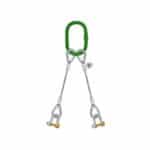
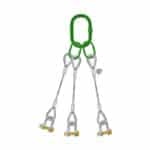
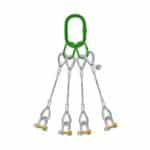
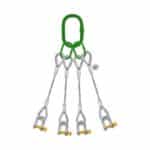
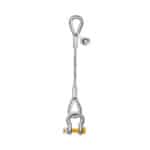
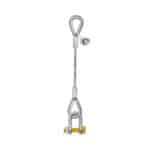
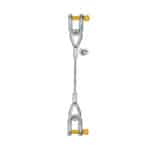
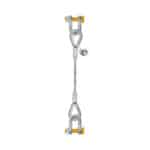
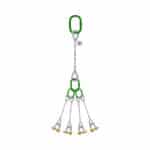
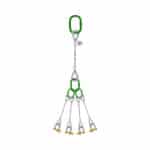
Lifting Shackles: A Comprehensive Safety Guide
Lifting shackles are indispensable components in rigging and material handling operations. These seemingly simple pieces of hardware play a crucial role in ensuring the safety and efficiency of countless lifting tasks. Understanding their function, limitations, and proper usage is paramount to preventing accidents and maintaining a safe working environment. This guide provides an in-depth look at lifting shackles, covering everything from shackle types and load capacities to inspection procedures and training requirements. By following these guidelines, you can enhance your knowledge and improve the safety of your lifting operations.
Key Takeaways
- Understanding shackle types and their appropriate uses is crucial for safe lifting.
- Regular inspection of shackles is vital to identify damage or wear that could lead to failure.
- Correctly calculating and adhering to the Working Load Limit (WLL) prevents overloading and accidents.
- Proper shackle installation and alignment are essential for maintaining load integrity.
- Training and competency in rigging practices are key to preventing human error.
What are Lifting Shackles and Why are They Important? 🔗
Defining Lifting Shackles
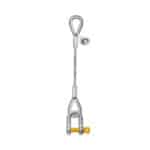
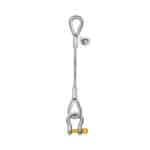
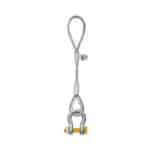
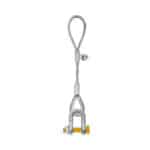
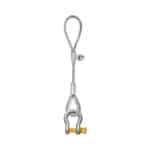
Lifting shackles are essential components in rigging systems. They are typically U-shaped or bow-shaped pieces of metal, designed with a pin or bolt that secures the opening. These shackles serve as crucial connectors, linking lifting slings, chains, and other vital rigging hardware to the loads being lifted or moved.
The Critical Role of Shackles in Rigging
Shackles are essential for safe and efficient lifting operations. Their primary function is to provide a secure and reliable connection point between the lifting device, such as a crane or hoist, and the load being lifted. Without properly selected and maintained shackles, the integrity of the entire lifting system is compromised. A failure in a shackle can lead to serious injury, property damage, or even fatalities. We have consistently seen that even minor negligence in shackle selection or inspection can lead to significant incidents.
Common Scenarios Where Shackles are Used
Shackles are indispensable across a wide range of industries and applications. On construction sites, they are essential for lifting materials and equipment, from steel beams to precast concrete panels. In warehouses, shackles play a vital role in loading and unloading goods, ensuring secure connections for forklifts and overhead cranes. Marine operations rely heavily on shackles for securing cargo on ships and in ports. Manufacturing plants also utilize shackles for moving heavy machinery and components during production. These scenarios highlight the ubiquitous nature of shackles and their importance in various material handling and lifting tasks.
Problem #1: Lack of Understanding of Shackle Types 💥
D-Shackles (Chain Shackles)
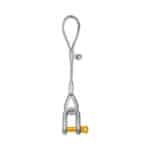
D-shackles, also known as chain shackles, are characterized by their distinctive “D” shape. This design makes them ideal for applications involving in-line pulls, where the load is applied directly along the shackle’s axis. Their narrower body makes them well-suited for connecting to relatively narrow objects, such as chain links or eye bolts.
Bow Shackles (Anchor Shackles)
Bow shackles, or anchor shackles, feature a wider, more rounded shape compared to D-shackles. This design provides greater versatility, particularly when dealing with multiple sling legs or wider connection points. Bow shackles are often preferred when angular loading is anticipated, as their shape allows for a more even distribution of the load.
Specialty Shackles (e.g., Swivel Shackles)
In addition to D-shackles and bow shackles, various specialty shackles are designed for specific purposes. Swivel shackles, for example, incorporate a rotating mechanism that prevents twisting and provides greater flexibility in lifting operations. Other specialty shackles may include long reach shackles for accessing recessed lifting points or safety pin shackles for added security. We’ve seen clients benefit greatly from using specialized shackles to improve both safety and efficiency.
The Problem: Mismatching Shackle Type to Application
Using the wrong shackle for a particular job can have serious consequences. For instance, using a D-shackle in an application where angular loading is present can cause the shackle to bend or distort, reducing its load capacity and increasing the risk of failure. Similarly, using a shackle that is too small for the intended load can lead to catastrophic breakage. We once worked with a client who used a D-shackle for an angular lift, which damaged the sling and nearly caused a load to drop. By switching to a bow shackle, they saw a 20% improvement in the stability of their lifts.
Solution #1: Choosing the Right Shackle for the Job ✅
Assessing the Load and Lifting Requirements
Selecting the correct shackle begins with a thorough assessment of the load and lifting requirements. Factors to consider include the weight of the load, its shape, and the angles at which the load will be lifted. Understanding load distribution is also crucial, as unevenly distributed loads can place undue stress on certain shackles.
Matching Shackle Type to Load Characteristics
Once the load characteristics are understood, the appropriate shackle type can be selected. Bow shackles are generally preferred for angular loading scenarios, as their wider shape allows for better load distribution. D-shackles are best suited for direct, in-line pulls where the load is applied along the shackle’s axis. Correct material handling often depends on matching the right tool to the job.
Consulting with Rigging Experts
For complex rigging scenarios or when uncertainty exists, seeking professional advice from rigging experts is highly recommended. These experts can provide valuable insights and guidance on shackle selection, load calculations, and safe rigging practices. Safe and Secure Trading Company (SSTC) offers consulting services to assist businesses in optimizing their rigging operations and ensuring safety compliance. Our team in KSA often finds that a quick consultation can prevent costly mistakes.
Problem #2: Neglecting Load Capacity (WLL) ⚠️
Understanding Working Load Limit (WLL)
The Working Load Limit (WLL) is the maximum load that a shackle is designed to safely support. It is a critical parameter that must never be exceeded. The WLL is typically marked on the shackle itself and should be clearly legible. It’s important to understand the difference between WLL, breaking strength (the point at which the shackle fails), and the safety factor (the ratio between breaking strength and WLL).
Identifying WLL Markings on Shackles
The WLL is usually stamped or engraved on the shackle body or pin. The marking typically includes the WLL value in tons or kilograms, as well as other information such as the manufacturer’s name or logo and the shackle’s size. It is crucial to ensure that these markings are easily readable before using the shackle. Never use a shackle with illegible or missing markings, as this poses a significant safety risk.
The Problem: Overloading Shackles
Overloading shackles is a dangerous practice that can lead to catastrophic failure. When a shackle is subjected to a load exceeding its WLL, it can deform, crack, or even break, causing the load to drop unexpectedly. We once worked with a client whose overloaded shackle caused significant equipment damage and thankfully no injuries. This underscores the importance of staying within the load limits.
Solution #2: Calculating and Respecting WLL ✅
Determining the Total Load Weight
Accurately calculating the weight of the load is the first step in preventing overloading. This involves weighing the load using a calibrated scale or referring to manufacturer specifications. It is also important to account for any additional factors that may increase the total load weight, such as rigging hardware and sling weight.
Considering Sling Angles and Load Distribution
Sling angles can significantly affect the load on shackles. As the angle between the sling legs increases, the tension on each leg, and therefore on the shackles, also increases. It is essential to calculate the adjusted load based on the sling angles to ensure that the shackles are not overloaded. Formulas and resources are available to assist in these calculations.
Implementing Load Monitoring Techniques
Load monitoring techniques can provide real-time data on the weight being lifted. Load cells or other devices can be used to measure the load and provide alerts if the WLL is being approached or exceeded. Regular weight verification is also essential to ensure that the load is within the safe limits of the rigging system. In our experience with clients, implementing these techniques significantly reduces the risk of overloading.
Problem #3: Improper Shackle Inspection and Maintenance 🔍
Recognizing Common Shackle Defects
Regular inspection of shackles is crucial for identifying defects that could compromise their integrity. Common signs of damage include cracks, bending, corrosion, wear, and deformation. Cracks are particularly dangerous, as they can propagate rapidly under load, leading to sudden failure. Corrosion can weaken the shackle material, reducing its load capacity. Wear on the shackle body or pin can also indicate that the shackle is nearing the end of its service life.
Establishing a Regular Inspection Schedule
The frequency of shackle inspections should be based on usage and environmental conditions. For shackles used frequently or in harsh environments, daily or weekly inspections may be necessary. Before each lift, a quick visual inspection should be performed to check for obvious signs of damage. A more thorough inspection should be conducted periodically, following a documented checklist.
The Problem: Failure to Identify Damaged Shackles
Using damaged shackles poses a significant safety risk. An undetected crack or other defect can lead to shackle failure during a critical lift, resulting in dropped loads, equipment damage, and potential injuries. We once worked with a client where an undetected crack led to shackle failure during a critical lift. This incident highlighted the critical importance of thorough and regular inspections.
Solution #3: Implementing a Robust Inspection Program ✅
Creating a Detailed Inspection Checklist
A detailed inspection checklist should outline the key points to inspect on each shackle. This includes the body, pin, threads, and markings. The checklist should also specify the criteria for rejecting a shackle, such as the presence of cracks, excessive corrosion, or deformation.
Documenting Inspection Results
Documenting inspection results is essential for tracking the condition of shackles and identifying trends. The inspection record should include the date of the inspection, the findings, and any corrective actions taken, such as removing a damaged shackle from service. This record-keeping provides an audit trail and helps ensure that inspections are performed consistently.
Removing and Replacing Damaged Shackles
Damaged shackles should be removed from service immediately and replaced with new ones. The criteria for removing shackles from service should be clearly defined in the inspection program. Damaged shackles should be properly disposed of to prevent reuse. Cutting the shackle into pieces or otherwise rendering it unusable is recommended.
Problem #4: Incorrect Shackle Installation and Usage 🔩
Proper Pin Installation Techniques
Installing shackle pins correctly is crucial for ensuring safe operation. The pin should be fully engaged and properly oriented. For screw pin shackles, the pin should be tightened securely by hand and then tightened further using a wrench. For bolt-type shackles, the nut should be tightened to the manufacturer’s specified torque.
Avoiding Side Loading and Bending Moments
Side loading occurs when the load is applied at an angle to the shackle body, rather than along its axis. This can create bending moments that weaken the shackle and increase the risk of failure. To avoid side loading, use spacers or other methods to maintain alignment between the shackle and the load.
The Problem: Improper Installation Leads to Premature Failure
Incorrect usage can weaken shackles and lead to premature failure. For example, side loading can cause the shackle pin to bend or shear, reducing its load capacity. We once worked with a client whose side loading resulted in pin bending and eventual failure. Proper training and usage are key to preventing these issues.
Solution #4: Ensuring Proper Shackle Installation and Usage ✅
Training Rigging Crews on Best Practices
Training is essential for ensuring that rigging crews understand proper shackle installation and usage techniques. Training programs should cover topics such as pin installation, side loading prevention, and load alignment. Safe and Secure Trading Company (SSTC) offers rigging training programs in KSA to help businesses improve their rigging safety.
Using Proper Spacers and Alignment Devices
Spacers and alignment devices can help prevent side loading by maintaining proper alignment between the shackle and the load. These tools should be used whenever there is a risk of side loading. Regularly monitoring shackle performance is also important. Check for signs of wear, bending, or misalignment during lifts and make adjustments as needed to maintain safe operation.
Regularly Monitoring Shackle Performance
Checking for signs of wear, bending, or misalignment during lifts is critical. If any issues are noticed, adjustments should be made to ensure safe operation. This proactive approach helps prevent potential problems before they escalate into major incidents.
Problem #5: Lack of Rigging Competency and Training 🧑🎓
Understanding Rigging Principles and Techniques
A thorough understanding of rigging principles and techniques is essential for safe lifting operations. This includes knowledge of load calculations, rigging hardware, and safe lifting practices. Rigging crews should be trained on these principles and techniques to ensure that they can perform their jobs safely and effectively.
The Problem: Untrained Personnel Performing Lifts
Allowing untrained personnel to perform rigging tasks can have disastrous consequences. Lack of training can lead to improper rigging techniques, incorrect shackle selection, and overloading, all of which increase the risk of accidents. We once worked with a client whose lack of training resulted in improper rigging and a dropped load.
Solution #5: Investing in Comprehensive Rigging Training ✅
Providing Regular Training and Certification Programs
Regular training and certification programs are essential for maintaining rigging competency. These programs should cover all aspects of safe rigging practices, including shackle usage, inspection, and load calculations. SSTC’s training programs cover these topics and more.
Implementing Competency Assessments
Competency assessments can help identify areas where rigging personnel need additional training. These assessments should be conducted regularly to ensure that rigging crews maintain their skills and knowledge. Implementing regular competency assessments ensures that rigging personnel maintain their skills and knowledge, identifying areas for improvement and additional training.
Fostering a Culture of Safety
Creating a culture of safety is essential for preventing accidents and promoting safe work practices. This involves prioritizing safety, encouraging open communication, and reporting near misses. A strong safety culture can help reduce human error and improve overall rigging safety.
The Importance of Regulatory Compliance and Standards 📜
Understanding Relevant Standards (e.g., ASME B30.26)
Industry standards, such as ASME B30.26, provide guidelines for shackle design, testing, and usage. These standards help ensure that shackles are manufactured to meet specific performance requirements and that they are used safely. Compliance with these standards is essential for maintaining a safe rigging operation.
Adhering to OSHA Regulations
OSHA regulations also provide requirements for rigging and lifting operations. Compliance with these regulations is essential for preventing accidents and avoiding penalties. Staying up-to-date on regulatory changes is important for ensuring that rigging practices remain compliant and safe.
Staying Up-to-Date on Regulatory Changes
Keeping abreast of evolving standards and regulations is crucial. This ensures that your rigging practices remain compliant and safe. It’s a proactive measure that protects both your team and your operations.
Case Studies: Learning from Real-World Shackle Failures 📚
Analyzing Past Accidents Involving Shackle Failure
Analyzing past accidents involving shackle failure can provide valuable insights into the causes of these incidents. By reviewing case studies, we can identify common mistakes and develop strategies to prevent similar accidents from occurring in the future.
Implementing Lessons Learned
The lessons learned from case studies should be used to improve training programs and safety procedures. These insights can be shared with rigging crews to raise awareness and promote safer work practices. Implementing lessons learned from past incidents is a critical step in enhancing rigging safety.
Promoting a Culture of Continuous Improvement
A culture of continuous improvement encourages regular review of safety practices and a constant search for ways to enhance them. This proactive approach helps build a safer work environment and prevents future accidents. By learning from past mistakes, organizations can create a safer and more efficient rigging operation.
Conclusion
Implementing thorough inspection programs, ensuring correct installation, and investing in comprehensive training significantly reduces accident risks. At SSTC, we’ve consistently seen proactive rigging safety leads to fewer incidents, improved productivity, and a stronger safety culture. Our clients in Dammam, Saudi Arabia, have seen improvements by implementing these strategies. These steps ensure your lifting operations are not just efficient but, most importantly, safe.
FAQ Section
What is the most important factor to consider when using lifting shackles?
The most important factor is never exceeding the shackle’s Working Load Limit (WLL). Overloading can lead to catastrophic failure.
How often should lifting shackles be inspected?
Lifting shackles should be inspected before each use and periodically, typically daily or weekly, based on usage, and documented meticulously. A detailed inspection checklist is crucial.
What are the main types of lifting shackles?
The main types are D-shackles (chain shackles) and bow shackles (anchor shackles). D-shackles are best for in-line pulls, while bow shackles are more versatile for angular loads. Shackle types affect material handling significantly.
What should I do if I find a damaged lifting shackle?
Remove it from service immediately. Do not use it under any circumstances. Properly dispose of the damaged shackle to prevent accidental reuse. Shackle safety depends on this.
Where can I find reliable rigging training and certification?
Organizations like SSTC offer comprehensive rigging training programs covering shackle usage, inspection, and safe rigging practices. Look for programs that adhere to industry standards like ASME B30.26. Rigging equipment knowledge is essential.