The process of lifting heavy loads safely and efficiently depends heavily on the appropriate lifting sling choice. A seemingly simple piece of equipment, the lifting sling, is critical for ensuring the safety of workers and the integrity of the materials being moved. Choosing the right sling involves a deep understanding of various factors, from load weight and sling angles to material properties and environmental conditions.
Understanding Lifting Sling Basics
What is a Lifting Sling?
A lifting sling is a component used to connect a load to a lifting device, such as a crane or hoist. It acts as an intermediary, allowing the lifting equipment to safely raise, lower, or move the load. Slings come in various materials and configurations, each designed to handle specific types of loads and lifting scenarios. They are essential tools in construction, manufacturing, warehousing, and many other industries where heavy lifting is commonplace.
Proper lifting sling choice isn’t just about picking the first sling that looks strong enough. It’s about carefully considering the weight and nature of the load, the geometry of the lift, and the environment in which the lift will take place. This careful consideration ensures that the sling can safely handle the load without failing or causing damage. We at Safe and Secure Trading Company (SSTC) emphasize that a correct lifting sling choice is the first step in any safe lifting operation.
Common Types of Lifting Slings
There are several common types of lifting slings, each with its own strengths and weaknesses. The main types include chain slings, wire rope slings, and synthetic slings, which are further divided into webbing slings and round slings. Each type is designed for specific applications and load characteristics.
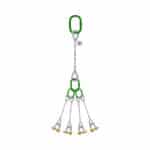
- Chain Slings: These are made from alloy steel chains and are known for their durability and resistance to high temperatures and abrasion.
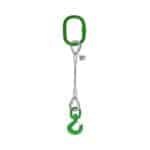
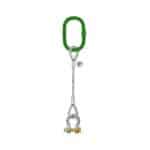
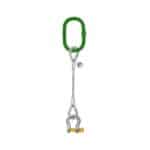
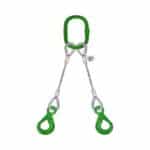
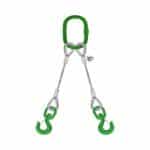
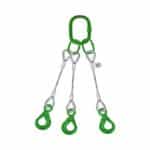
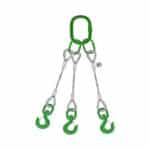
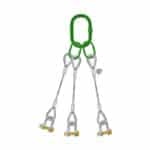
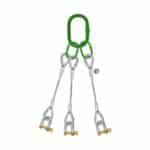
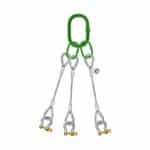
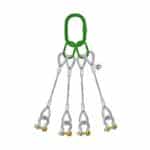
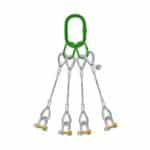
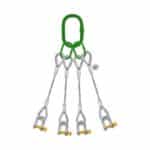
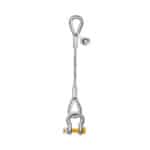
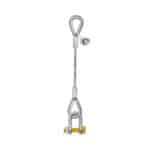
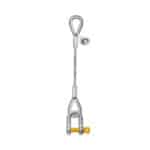
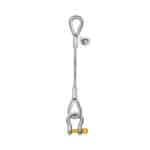
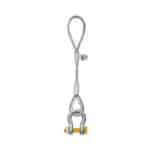
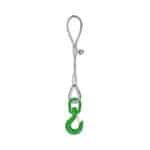
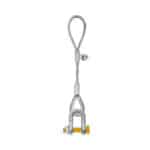
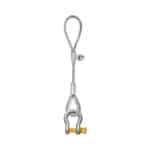
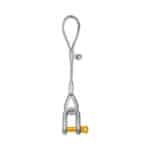
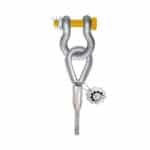
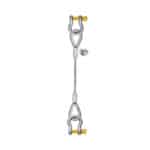
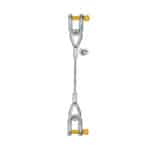
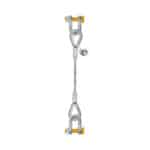
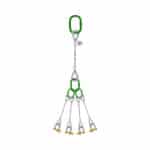
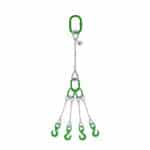
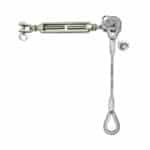
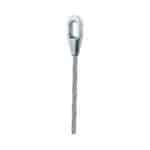
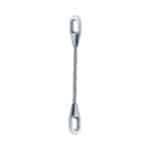
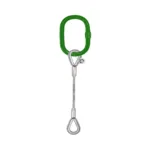
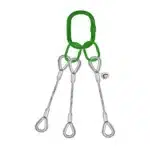
- Wire Rope Slings: Constructed from multiple strands of wire rope, these slings offer a good balance of strength and flexibility.
- Synthetic Slings: Made from materials like nylon or polyester, these slings are lightweight, flexible, and non-marring, making them ideal for delicate loads. Synthetic slings include webbing slings and round slings.
The best lifting sling choice depends on the specific requirements of the lifting operation. For example, when our team in Dubai handles heavy machinery, they often opt for chain slings due to their robust nature and ability to withstand harsh conditions.
Evaluating Your Lifting Needs
Determining the Load Weight
Accurately determining the weight of the load is the first and most critical step in lifting sling choice. An incorrect weight estimate can lead to sling failure, resulting in serious accidents and damage. There are several methods you can use to determine the load weight, depending on the situation.
- Consulting Load Charts: Many manufacturers provide load charts or weight tables for their products. These charts list the weights of specific items, making it easy to determine the load weight.
- Using a Weighing Scale: If the item is portable, you can use a weighing scale to directly measure its weight. Ensure that the scale has sufficient capacity and accuracy for the load.
- Calculating Weight Based on Volume and Density: If the item’s dimensions and material density are known, you can calculate its weight using the formula: Weight = Volume x Density.
- Consulting with Engineers: For complex or irregularly shaped loads, it may be necessary to consult with engineers who can provide accurate weight estimates.
We once had a client who underestimated the weight of a large steel beam, leading to a near-miss incident. The correct lifting sling choice was impossible without knowing the actual weight of the beam. Always double-check your weight estimates to ensure accuracy.
Calculating the Sling Angle
The angle at which the slings are used significantly affects their capacity. As the sling angle decreases (becomes more horizontal), the tension on each sling leg increases. This is because the vertical component of the force that supports the load decreases, requiring a larger force in the sling leg to compensate. Understanding and calculating the sling angle is crucial for safe lifting sling choice.
To calculate the sling angle, you need to know the vertical height and the horizontal distance between the sling attachment points. You can then use trigonometric functions to determine the angle. The formula to calculate the tension on each sling leg is:
T = (W / N) x (L / H)
Where:
- T = Tension on each sling leg
- W = Weight of the load
- N = Number of sling legs
- L = Length of the sling leg
- H = Vertical height from the load to the suspension point
For example, if a load weighs 1000 lbs, is lifted with two slings, each 10 feet long, and the vertical height is 8 feet, the tension on each sling leg would be:
T = (1000 / 2) x (10 / 8) = 625 lbs
This calculation shows that the tension on each sling leg is greater than half the load weight due to the sling angle. This increase in tension must be considered when determining the lifting sling choice.
Considering the Load’s Center of Gravity
The center of gravity (CG) of a load is the point where the entire weight of the object is concentrated. It’s essential to consider the load’s center of gravity for safe lifting because lifting a load off-center can cause instability, leading to accidents and damage.
- Identifying the Center of Gravity: For symmetrical objects, the center of gravity is usually at the geometric center. For asymmetrical objects, the center of gravity may need to be determined experimentally or through calculations.
- Ensuring Proper Sling Placement: The slings should be attached to the load in a way that the lifting point is directly above the center of gravity. This ensures that the load is balanced and stable during the lift.
- Using Multiple Slings: When lifting asymmetrical loads, using multiple slings can help distribute the weight more evenly and maintain stability. Adjust the sling lengths to compensate for the off-center weight distribution.
Failing to account for the load’s center of gravity can result in the load tilting or swinging during the lift, posing a significant safety risk. Always ensure that the load is properly balanced before commencing the lift. The lifting sling choice must factor in the uneven distribution of weight in such scenarios.
Selecting the Right Sling Type
Chain Slings: Pros and Cons
Chain slings are a popular lifting sling choice, known for their strength, durability, and resistance to high temperatures and abrasion. They are typically made from alloy steel, which provides excellent load-bearing capacity and longevity. However, chain slings also have some drawbacks, such as their weight and potential for damage to delicate loads.
Pros:
- High Strength: Chain slings can handle very heavy loads, making them suitable for industrial applications.
- Durability: They are resistant to wear and tear, ensuring a long service life.
- Heat Resistance: Chain slings can withstand high temperatures, making them ideal for use in foundries and other high-heat environments.
- Adjustability: Chain slings can be easily adjusted in length using shortening clutches or other hardware.
Cons:
- Weight: Chain slings are heavy, which can make them difficult to handle and transport.
- Potential for Damage: The hard surface of chain slings can damage delicate loads if not properly protected.
- Corrosion: Chain slings are susceptible to corrosion if not properly maintained.
Chain slings are often the preferred lifting sling choice for heavy-duty lifting in harsh environments.
Wire Rope Slings: Pros and Cons
Wire rope slings are another common lifting sling choice, offering a good balance of strength, flexibility, and cost-effectiveness. They are constructed from multiple strands of wire rope, which provides high tensile strength and resistance to bending and kinking. However, wire rope slings are susceptible to corrosion and can be difficult to inspect for internal damage.
Pros:
- Strength: Wire rope slings offer high strength-to-weight ratio.
- Flexibility: They are flexible and easy to handle, making them suitable for a wide range of lifting applications.
- Cost-Effective: Wire rope slings are generally more affordable than chain slings.
Cons:
- Susceptibility to Corrosion: Wire rope slings are prone to corrosion, especially in humid or marine environments.
- Difficulty in Inspection: Internal damage, such as broken wires, can be difficult to detect during visual inspections.
- Potential for Kinking: Wire rope slings can kink if not handled properly, reducing their strength and service life.
Wire rope slings are a versatile lifting sling choice for general-purpose lifting in construction and industrial settings.
Synthetic Slings (Webbing and Round): Pros and Cons
Synthetic slings, including webbing slings and round slings, are made from materials like nylon or polyester. They are lightweight, flexible, and non-marring, making them ideal for lifting delicate loads or in situations where minimizing damage is critical. However, synthetic slings have limited heat resistance and can be vulnerable to cuts and abrasions.
Pros:
- Lightweight: Synthetic slings are much lighter than chain or wire rope slings, making them easier to handle and transport.
- Flexibility: They are highly flexible and can conform to the shape of the load, providing better support.
- Non-Marring: Synthetic slings are less likely to damage delicate loads, such as painted surfaces or polished materials.
Cons:
- Limited Heat Resistance: Synthetic slings can be damaged by high temperatures, making them unsuitable for use in high-heat environments.
- Vulnerability to Cuts and Abrasions: They are susceptible to cuts and abrasions, which can weaken the sling and reduce its load-bearing capacity.
- UV Degradation: Exposure to ultraviolet (UV) radiation can degrade synthetic slings over time, reducing their strength and service life.
Synthetic slings are often the best lifting sling choice for applications where minimizing damage to the load is a priority, such as in the aerospace or automotive industries.
Determining Sling Capacity
Understanding Working Load Limit (WLL)
The Working Load Limit (WLL) is the maximum weight that a sling is designed to lift safely. It is typically marked on the sling’s tag or marking and is a critical factor in ensuring safe lifting operations. Exceeding the WLL can lead to sling failure, resulting in serious accidents and damage.
- Importance of WLL: The WLL provides a clear indication of the sling’s safe lifting capacity, helping users to avoid overloading the sling.
- Identifying the WLL: The WLL is usually marked on the sling’s tag, along with other important information, such as the sling’s material, size, and manufacturing date.
- Using WLL Correctly: Always ensure that the load weight does not exceed the sling’s WLL. Consider the sling angle and other factors that can affect the sling’s capacity.
We advise our clients to always check the WLL before each lift. Ignoring the WLL is a leading cause of sling-related accidents.
Factoring in Safety Factors
Safety factors are essential to account for uncertainties and potential variations in load weight, sling strength, and environmental conditions. A safety factor is a ratio by which the sling’s minimum breaking strength (MBS) exceeds the WLL. Common safety factor ratios for different types of slings include:
- Chain Slings: 4:1 or 5:1
- Wire Rope Slings: 5:1
- Synthetic Slings: 5:1
For example, if a sling has a WLL of 1000 lbs and a safety factor of 5:1, its minimum breaking strength would be 5000 lbs. The safety factor provides a margin of safety to protect against unexpected overloads or sling degradation.
Considering Environmental Factors
Environmental conditions can significantly affect sling capacity. Factors such as temperature, chemicals, and UV exposure can degrade the sling material and reduce its load-bearing capacity.
- Temperature: High temperatures can weaken synthetic slings, while low temperatures can make steel slings brittle.
- Chemicals: Exposure to chemicals can corrode or degrade sling materials, reducing their strength.
- UV Exposure: Prolonged exposure to UV radiation can degrade synthetic slings, causing them to lose strength and flexibility.
Adjustments to the WLL may be necessary based on environmental conditions. For example, a synthetic sling used in a high-heat environment may need to have its WLL reduced to account for the increased risk of degradation. Understanding these environmental factors is crucial when making your lifting sling choice.
Inspecting Slings Before Use
Visual Inspection Checklist
Regular inspection of lifting slings is essential to ensure their safety and reliability. A visual inspection should be conducted before each use to identify any signs of damage or wear that could compromise the sling’s load-bearing capacity. Here’s a detailed checklist for visually inspecting slings:
Check for excessive wear, stretching, or distortion of the chain links.
Look for cracks, nicks, or gouges on the chain links or connecting hardware.
Ensure that the chain is free from corrosion or rust.
Verify that the shortening clutches and other hardware are in good working order.
Inspect the wire rope for broken wires, kinks, or crushing.
Look for signs of corrosion or rust on the wire rope and end fittings.
Check the end fittings for cracks, distortion, or wear.
Ensure that the wire rope is properly lubricated.
Inspect the webbing or round sling for cuts, tears, abrasions, or snags.
Look for signs of UV degradation, such as fading or discoloration.
Check the stitching for broken or frayed threads.
Ensure that the tag is present and legible.
The lifting sling choice is only as good as the inspection process that precedes its use.
Identifying and Addressing Damage
Certain types of damage require immediate removal of the sling from service. These include:
- Chain Slings: Cracks, excessive wear, or distortion of the chain links.
- Wire Rope Slings: Broken wires, kinks, or crushing of the wire rope.
- Synthetic Slings: Cuts, tears, or abrasions that expose the core fibers.
Any sling that exhibits these types of damage should be immediately removed from service and replaced with a new sling. Procedures for reporting and replacing damaged slings should be clearly defined and followed.
Safe Lifting Practices
Proper Sling Attachment Techniques
Proper sling attachment techniques are crucial for ensuring safe lifting operations. Incorrect attachment can lead to sling failure, load instability, and accidents.
- Attaching Slings to the Load:
Ensure that the slings are properly seated in the lifting hooks or shackles.
Avoid sharp bends or kinks in the slings.
Use the correct type and size of lifting hardware for the sling and the load.
- Attaching Slings to the Lifting Device:
Ensure that the lifting hooks or shackles are properly sized for the sling.
Avoid overloading the lifting device.
Use a spreader bar or lifting beam when necessary to distribute the load evenly.
Avoiding Sharp Edges and Abrasion
Sharp edges and abrasion can damage slings, reducing their load-bearing capacity and service life. Protecting slings from these hazards is essential for safe lifting operations.
- Using Edge Protectors: Edge protectors can be used to cushion the sling against sharp edges and prevent abrasion.
- Padding Sharp Corners: Padding sharp corners with wood, rubber, or other materials can help protect the sling from damage.
- Avoiding Dragging Slings: Avoid dragging slings across abrasive surfaces, as this can cause wear and tear.
Ensuring Load Stability
Load stability is critical for safe lifting operations. An unstable load can tilt, swing, or drop, posing a significant safety risk.
- Proper Load Balancing: Ensure that the load is properly balanced before commencing the lift.
- Using Multiple Slings: Using multiple slings can help distribute the weight more evenly and maintain stability.
- Controlling Load Movement: Use tag lines or other methods to control load movement and prevent swinging.
Regulatory Compliance and Standards
OSHA Requirements for Lifting Slings
OSHA (Occupational Safety and Health Administration) has specific requirements for lifting sling safety. Employers are required to:
- Ensure that lifting slings are properly inspected before each use.
- Remove damaged or worn slings from service.
- Provide training to employees on safe lifting practices.
- Comply with OSHA standards for sling capacity and usage.
Staying up-to-date with OSHA requirements is essential for maintaining a safe workplace.
ASME Standards for Slings
ASME (American Society of Mechanical Engineers) develops standards for the design, inspection, and use of lifting slings. These standards provide detailed guidelines for ensuring sling safety and reliability.
- ASME B30.9: This standard covers slings, including chain slings, wire rope slings, and synthetic slings.
- ASME B30.26: This standard covers rigging hardware, including shackles, hooks, and links.
Accessing and interpreting ASME standards can help ensure that lifting operations are conducted safely and in compliance with industry best practices.
Troubleshooting Common Issues
Sling Slippage
Sling slippage can occur when the sling does not have enough friction to grip the load securely. This can be caused by:
- Slippery Surfaces: Wet, oily, or dirty surfaces can reduce friction and cause the sling to slip.
- Incorrect Sling Type: Using the wrong type of sling for the load can also lead to slippage.
- Overloading: Exceeding the sling’s WLL can cause it to stretch and slip.
To prevent sling slippage:
- Clean and dry the load and sling surfaces.
- Use a sling with a high friction coefficient, such as a chain sling or a synthetic sling with a textured surface.
- Ensure that the load weight does not exceed the sling’s WLL.
Load Instability
Load instability can occur when the load is not properly balanced or when the slings are not correctly positioned. This can cause the load to tilt, swing, or drop.
- Incorrect Sling Placement: Positioning the slings incorrectly can cause the load to be unbalanced.
- Uneven Load Distribution: If the load is not evenly distributed, it can tilt or swing during the lift.
- Wind Conditions: Wind can also cause load instability, especially when lifting large or flat objects.
To address load instability:
- Ensure that the slings are properly positioned and that the load is balanced.
- Use multiple slings to distribute the weight more evenly.
- Use tag lines to control load movement and prevent swinging.
Damage Detection
Identifying subtle or hidden damage to slings can be challenging, but it is essential for ensuring safety. Here are some tips for detecting damage:
- Use a Bright Light: Use a bright light to inspect the sling for cracks, cuts, or abrasions.
- Feel for Damage: Run your hand along the sling to feel for any rough spots or damage.
- Consult with a Qualified Inspector: If you are unsure about the condition of a sling, consult with a qualified inspector.
> “Regular sling inspections are not just a regulatory requirement; they are a critical component of a proactive safety program. Early detection of damage can prevent catastrophic failures.” – John Smith, Lead Safety Inspector
The lifting sling choice is only as valuable as your ability to maintain and inspect it properly.
Conclusion: Confident Sling Selection
Recap of Achievement
Throughout this guide, we’ve covered the essential steps for making a safe and effective lifting sling choice. From understanding the basics of different sling types to evaluating your lifting needs and inspecting slings for damage, you now have a comprehensive understanding of the factors involved in lifting sling choice. By following these guidelines, you can ensure the safety of your lifting operations and protect your workers from accidents.
Next Steps
To further enhance your knowledge and skills in lifting sling safety, we recommend exploring additional resources and training opportunities. SSTC offers comprehensive training programs and expert consulting services to help you optimize your lifting operations and maintain a safe workplace.
FAQ Section
Q: How often should lifting slings be inspected?
A: Lifting slings should be visually inspected before each use and formally inspected at least annually by a qualified person. More frequent inspections may be necessary depending on the frequency of use and the severity of the operating environment.
Q: What are the consequences of using a damaged lifting sling?
A: Using a damaged lifting sling can lead to sling failure, resulting in serious accidents, injuries, and property damage. It is crucial to remove damaged slings from service immediately.
Q: Can I repair a damaged lifting sling?
A: In most cases, damaged lifting slings should not be repaired. It is generally recommended to replace damaged slings with new ones to ensure safety and reliability.
Q: How do I choose the right size of lifting sling for my load?
A: To choose the right size of lifting sling, you need to determine the weight of the load, the sling angle, and any environmental factors that may affect the sling’s capacity. Ensure that the sling’s WLL is greater than the load weight, considering the sling angle and safety factors.
Q: What is the difference between a webbing sling and a round sling?
A: A webbing sling is made from flat woven material, while a round sling is made from a continuous loop of synthetic fibers encased in a protective cover. Webbing slings are generally more rigid and offer better abrasion resistance, while round slings are more flexible and can conform to the shape of the load. The lifting sling choice between the two depends on the specific application and load characteristics.