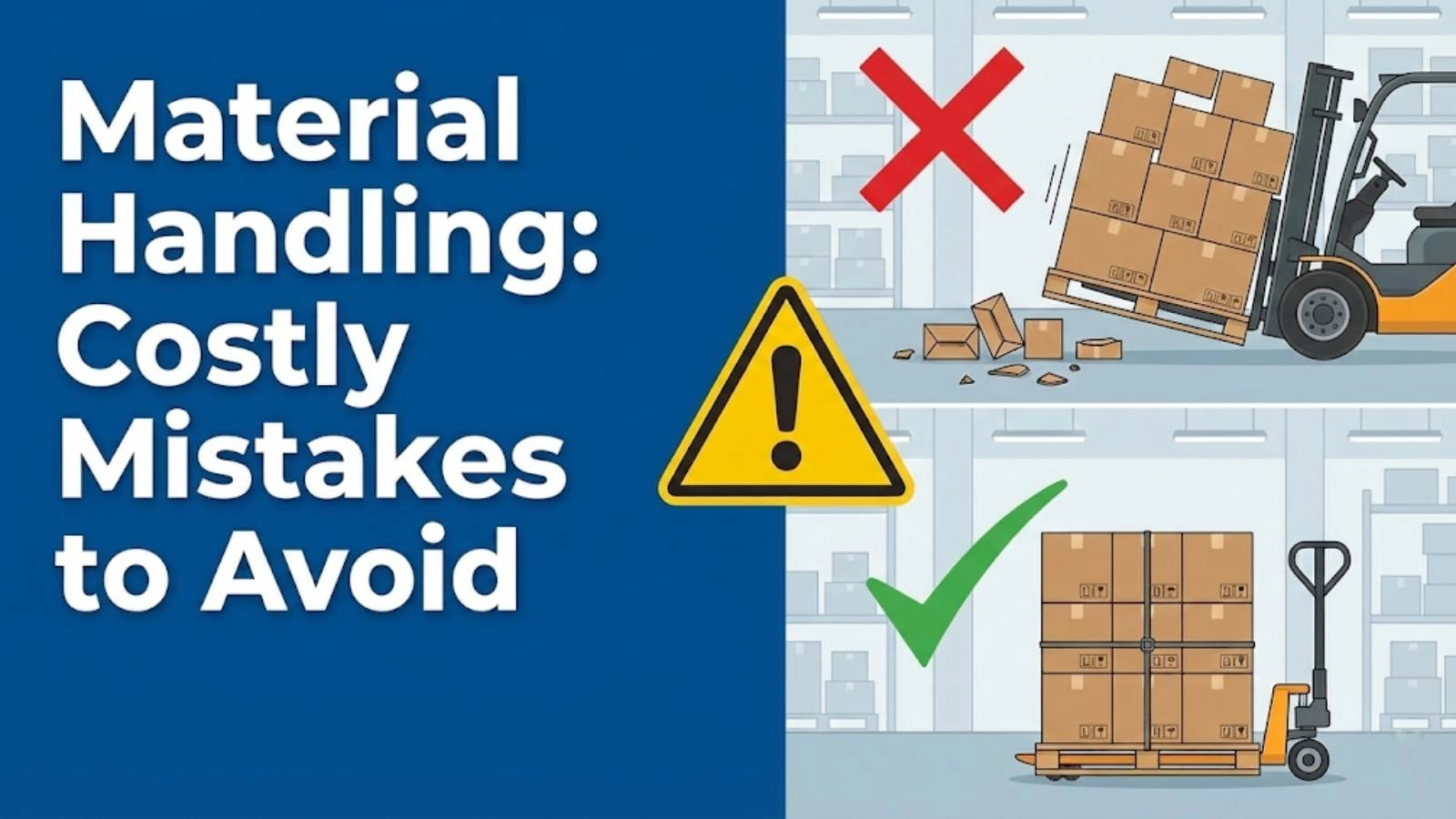
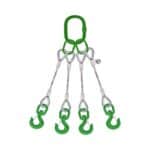
Material handling equipment (MHE) is the backbone of countless industries, ensuring the smooth and efficient movement of goods throughout warehouses, factories, and distribution centers. Choosing the right method for acquiring this essential equipment – buying, renting, or leasing – is a critical decision that can significantly impact a company’s financial health and operational efficiency.
Defining Material Handling Equipment (MHE)
Material handling equipment encompasses a wide range of machinery and tools designed to move, store, control, and protect materials and products. This includes forklifts, pallet jacks, conveyors, industrial trucks, and other specialized warehouse equipment. Each type of MHE serves a specific purpose, contributing to the overall efficiency of material flow within a facility. Forklifts, for example, are indispensable for lifting and moving heavy loads, while conveyors streamline the transportation of items over fixed routes. Pallet jacks offer a cost-effective solution for moving palletized goods over short distances.
Efficient material handling directly translates to reduced operational costs. By optimizing the movement of materials, companies can minimize labor expenses, decrease damage to goods, and improve overall productivity. Investing in the right MHE can also lead to significant improvements in workplace safety, reducing the risk of accidents and injuries.
The Core Decision: Buy, Rent, or Lease?
The decision to buy, rent, or lease material handling equipment is a complex one, with each option offering its own set of advantages and disadvantages. Purchasing MHE involves a significant upfront investment but provides long-term ownership and control over the equipment. Renting, on the other hand, offers flexibility and lower initial costs, making it suitable for short-term projects or seasonal demands. Leasing combines elements of both, allowing companies to access equipment without a large upfront investment while enjoying predictable monthly payments.
Choosing the right acquisition method depends on a company’s specific needs, financial situation, and operational goals. Factors to consider include the frequency of equipment use, budget constraints, maintenance capabilities, and long-term growth plans. A thorough analysis of these factors is essential to ensure that the chosen acquisition strategy aligns with the company’s overall business objectives. Safe and Secure Trading Company can offer material handling solutions that can cater to any of these goals.
Deep Dive: Purchasing Material Handling Equipment
Purchasing material handling equipment is a significant investment, but it can offer substantial long-term benefits for companies with consistent and predictable MHE needs. Ownership provides greater control over the equipment, allowing for customization and modification to suit specific operational requirements. However, it also comes with responsibilities for maintenance, repairs, and eventual disposal.
Advantages of Ownership
- ✅ Long-term cost savings potential: While the initial investment is higher, owning material handling equipment can result in lower overall costs over the equipment’s lifespan, especially for companies that use the equipment frequently.
- ✅ Customization and modification capabilities: Owning equipment allows companies to modify it to meet their unique needs, such as adding specialized attachments or altering its configuration.
- ✅ Asset building and resale value: Purchased equipment becomes an asset on the company’s balance sheet and can be resold when it is no longer needed, providing a return on investment.
For many of our clients here in Dammam, we’ve seen that the long-term cost savings and customization options associated with ownership are major factors in their decision to purchase material handling equipment. They view it as a strategic investment that pays off over time.
Disadvantages of Ownership
- ❌ High initial capital expenditure: Purchasing material handling equipment requires a significant upfront investment, which can strain a company’s cash flow.
- ❌ Responsibility for maintenance and repairs: As the owner, the company is responsible for all maintenance and repairs, which can be costly and time-consuming.
- ❌ Depreciation and obsolescence risks: Equipment depreciates over time, and there is a risk that it will become obsolete before the end of its useful life, requiring further investment in newer equipment.
“Owning your equipment gives you ultimate control, but it also means you’re on the hook for everything – from routine maintenance to major repairs.” – John Smith, Lead Safety Inspector
Key Considerations Before Buying
Before committing to purchasing material handling equipment, companies should carefully consider their long-term equipment needs, budget constraints, and maintenance capabilities. A thorough assessment of these factors will help ensure that the purchase is a sound financial decision.
- Assessing long-term equipment needs and usage frequency: Determine how frequently the equipment will be used and for what purposes. If the equipment will be used extensively over a long period, purchasing may be the most cost-effective option.
- Evaluating budget constraints and equipment financing options: Determine how much capital is available for the purchase and explore equipment financing options, such as loans or leases, if necessary.
- Performing due diligence on equipment suppliers and warranties: Research different equipment suppliers and compare their products, prices, and warranties. Choose a reputable supplier that offers reliable equipment and comprehensive warranty coverage.
| Consideration |
Description |
| Usage Frequency |
Estimate how often the equipment will be used. High usage favors buying. |
| Budget |
Assess capital availability and financing options. |
| Supplier Reputation |
Research supplier reliability and warranty offerings. |
Deep Dive: Renting Material Handling Equipment
Renting material handling equipment offers a flexible and cost-effective solution for companies with short-term needs or fluctuating demands. Renting allows businesses to access a variety of equipment without a significant upfront investment and reduces the burden of maintenance and repairs.
Advantages of Renting
- ✅ Lower upfront costs and flexible terms: Renting requires minimal upfront investment and offers flexible rental terms, allowing companies to adjust their equipment needs as demand changes.
- ✅ Access to a variety of equipment for different tasks: Renting provides access to a wide range of equipment, allowing companies to choose the right tool for each specific task without having to purchase multiple machines.
- ✅ Reduced maintenance and repair responsibilities: The rental company is typically responsible for all maintenance and repairs, reducing the burden on the renter.
A client of ours needed a specialized forklift for a one-time project. They found that renting was the perfect solution, as it allowed them to complete the project without investing in equipment they would only use once.
Disadvantages of Renting
- ❌ Higher overall cost for long-term use: Renting can be more expensive than buying or leasing over the long term, especially for companies that use the equipment frequently.
- ❌ Limited customization options: Rental equipment typically cannot be customized or modified to meet specific needs.
- ❌ Potential equipment availability issues: The desired equipment may not always be available when needed, especially during peak seasons.
When Renting Makes Sense
Renting material handling equipment is a smart choice in several situations:
- Short-term projects and seasonal demands: Renting is ideal for companies that need equipment for a specific project or during peak seasons, such as the holiday rush.
- Testing equipment before purchasing: Renting allows companies to test different types of equipment before making a purchase decision. This can help them determine which equipment best suits their needs.
- Supplementing existing fleet during peak periods: Renting can be used to supplement an existing fleet of material handling equipment during periods of high demand, ensuring that the company has enough equipment to meet its needs.
| Scenario |
Why Renting is Ideal |
| Short-term Projects |
Avoid capital expenditure for temporary needs. |
| Equipment Testing |
Evaluate equipment performance before purchasing. |
| Peak Demand |
Supplement existing fleet during busy periods. |
Deep Dive: Leasing Material Handling Equipment
Leasing material handling equipment offers a middle ground between buying and renting, providing companies with access to equipment without a large upfront investment while enjoying predictable monthly payments. Leasing can be a good option for companies that need equipment for an extended period but do not want to own it outright.
Types of Leases: Capital vs. Operating
There are two main types of leases: capital leases and operating leases.
- Capital Leases: A capital lease is essentially a financing agreement that transfers ownership of the equipment to the lessee at the end of the lease term. Capital leases are treated as a purchase for accounting purposes, meaning that the lessee recognizes the asset on their balance sheet and depreciates it over time.
- Operating Leases: An operating lease is a rental agreement that does not transfer ownership of the equipment. Operating leases are treated as an expense for accounting purposes, meaning that the lessee simply records the lease payments as an expense on their income statement.
The choice between a capital lease and an operating lease depends on a company’s specific financial situation and accounting preferences. A financial professional should be consulted to decide which is best.
Advantages of Leasing
- ✅ Lower upfront costs than purchasing: Leasing requires a smaller upfront investment than purchasing, freeing up capital for other business needs.
- ✅ Predictable monthly payments for budgeting: Leasing provides predictable monthly payments, making it easier for companies to budget their expenses.
- ✅ Potential tax benefits (consult with a tax advisor): Lease payments may be tax-deductible, reducing a company’s taxable income. It is important to consult with a tax advisor to determine the specific tax benefits available.
- ✅ Access to newer equipment with maintenance included: Leasing often includes maintenance and repair services, ensuring that the equipment is always in good working condition. This also allows companies to access newer equipment with the latest technology.
Disadvantages of Leasing
- ❌ Higher overall cost than purchasing over the long term: Leasing can be more expensive than purchasing over the long term, as the company is essentially paying for the use of the equipment rather than owning it.
- ❌ Limited ownership rights and customization options: Leasing provides limited ownership rights, and the company may not be able to customize or modify the equipment.
- ❌ Penalties for early termination: Leasing agreements typically include penalties for early termination, which can be costly if the company no longer needs the equipment.
For many of our clients in the industrial sector, we’ve seen that leasing provides a balance between cost-effectiveness and access to updated material handling equipment. They appreciate the predictable monthly payments and the reduced burden of maintenance.
Lease Structures and Key Terms
Understanding lease structures and key terms is essential for negotiating favorable lease agreements.
- Understanding lease rates, terms, and residual values: Lease rates are the interest rates charged on the lease. Terms are the length of the lease agreement. Residual values are the estimated value of the equipment at the end of the lease term.
- Negotiating favorable lease agreements: Companies should negotiate lease rates, terms, and residual values to ensure that they are getting the best possible deal. They should also carefully review the lease agreement to understand all of the terms and conditions.
| Lease Term |
Description |
| Lease Rate |
The interest rate charged on the lease. |
| Lease Term |
The length of the lease agreement. |
| Residual Value |
The estimated value of the equipment at the end of the lease term. |
Financial Analysis: Cost Comparison Models
A thorough financial analysis is essential for determining the most cost-effective method for acquiring material handling equipment. This analysis should consider all costs associated with buying, renting, and leasing, including upfront costs, ongoing expenses, and potential tax benefits.
Total Cost of Ownership (TCO) for Buying
The total cost of ownership (TCO) for buying equipment includes the purchase price, maintenance costs, repair costs, insurance costs, and depreciation. By calculating the TCO, companies can get a clear picture of the true cost of owning equipment over its lifespan.
TCO = Purchase Price + Maintenance Costs + Repair Costs + Insurance Costs + Depreciation
Rental Cost Analysis
Rental cost analysis involves determining the total rental expenses based on usage frequency and rental rates. This analysis should consider the cost of renting different types of equipment and the potential for discounts based on volume or long-term rentals.
Total Rental Expenses = Rental Rate x Usage Frequency x Rental Period
Lease vs. Buy vs. Rent Scenarios
Developing comparative models to illustrate the financial impact of each option under different conditions is a key step in the decision-making process. These models should consider factors such as equipment usage, interest rates, tax rates, and depreciation schedules.
Here’s a concise summary of the key differences:
- Buying: High upfront cost, lower long-term cost, full ownership.
- Renting: Low upfront cost, higher long-term cost, no ownership.
- Leasing: Moderate upfront cost, moderate long-term cost, limited ownership.
| Acquisition Method |
Upfront Cost |
Long-Term Cost |
Ownership |
| Buying |
High |
Low |
Full |
| Renting |
Low |
High |
None |
| Leasing |
Moderate |
Moderate |
Limited |
Operational Considerations: Matching Acquisition to Workflow
The choice of acquisition method should also be aligned with a company’s operational workflows and maintenance capabilities. Buying, renting, and leasing each have different implications for warehouse efficiency, downtime, and scalability.
Impact on Warehouse Efficiency
- Buying: Owning equipment provides greater control over its use and availability, potentially improving warehouse efficiency. However, it also requires the company to manage maintenance and repairs, which can be time-consuming.
- Renting: Renting allows companies to access a variety of equipment for different tasks, potentially improving warehouse efficiency. However, equipment availability may be an issue during peak seasons.
- Leasing: Leasing provides access to newer equipment with maintenance included, potentially improving warehouse efficiency. However, the company may have limited customization options.
Maintenance and Downtime Implications
- Buying: The company is responsible for all maintenance and repairs, which can lead to downtime if not managed effectively.
- Renting: The rental company is typically responsible for maintenance and repairs, reducing the burden on the renter and minimizing downtime.
- Leasing: Leasing often includes maintenance and repair services, ensuring that the equipment is always in good working condition and minimizing downtime.
Scalability and Adaptability
- Buying: Owning equipment can limit scalability and adaptability, as the company may be stuck with equipment that is no longer suitable for its needs.
- Renting: Renting provides greater scalability and adaptability, as the company can easily adjust its equipment needs as demand changes.
- Leasing: Leasing provides a balance between scalability and adaptability, as the company can upgrade to newer equipment at the end of the lease term.
Tax and Accounting Implications
The tax and accounting implications of buying, renting, and leasing material handling equipment can be significant. Companies should carefully consider these implications when making their acquisition decision.
Depreciation and Amortization
- Depreciation: When buying equipment, companies can depreciate the asset over its useful life, reducing their taxable income.
- Amortization: When leasing equipment, companies can amortize the lease payments over the lease term, also reducing their taxable income.
Tax Deductions and Credits
- Tax Deductions: Lease payments may be tax-deductible, reducing a company’s taxable income.
- Tax Credits: There may be tax credits available for purchasing certain types of equipment, such as energy-efficient equipment.
It is crucial to consult with a tax professional to determine the specific tax benefits available for buying, renting, or leasing material handling equipment.
Risk Management and Mitigation
Risk management is an important consideration when acquiring material handling equipment. Companies should develop strategies to mitigate the risks associated with equipment failure, downtime, insurance, and obsolescence.
Equipment Failure and Downtime
- Maintenance Programs: Implementing regular maintenance programs can help prevent equipment failure and minimize downtime.
- Backup Equipment: Having backup equipment available can ensure that operations can continue even if one piece of equipment fails.
Insurance and Liability
- Insurance Coverage: Companies should have adequate insurance coverage to protect against liability in case of accidents or injuries involving material handling equipment.
- Safety Training: Providing safety training to employees can help reduce the risk of accidents and injuries.
Obsolescence Planning
- Upgrade Strategies: Developing strategies for upgrading or replacing obsolete equipment can help ensure that the company always has access to the latest technology.
- Resale Options: Exploring options for reselling obsolete equipment can help recover some of the initial investment.
Case Studies and Real-World Examples
Examining real-world case studies can provide valuable insights into the benefits and challenges of buying, renting, and leasing material handling equipment.
Company A: Buying Strategy
Company A is a large manufacturing company that relies heavily on material handling equipment to move raw materials and finished goods throughout its facility. The company has a long-term perspective and prefers to own its equipment, as this gives it greater control over its use and maintenance. Company A has a dedicated maintenance team that ensures its equipment is always in good working condition.
Company B: Renting Strategy
Company B is a seasonal business that experiences significant fluctuations in demand. The company rents material handling equipment during its peak season to supplement its existing fleet. Renting allows Company B to quickly and easily scale its equipment needs to meet changing demand without having to invest in additional equipment.
Company C: Leasing Strategy
Company C is a growing logistics company that needs access to the latest material handling technology but does not want to tie up its capital in equipment purchases. The company leases its equipment, which allows it to access newer models with the latest features and maintenance included. Leasing provides Company C with predictable monthly payments and helps it manage its cash flow effectively.
Future Trends in MHE Acquisition
The landscape of material handling equipment acquisition is constantly evolving, driven by technological advancements, changing business models, and growing sustainability concerns.
The Rise of Subscription Models
Subscription-based equipment access is becoming increasingly popular, offering companies a flexible and cost-effective way to access the equipment they need without a long-term commitment. Subscription models typically include maintenance, repairs, and upgrades, providing companies with peace of mind and predictable expenses.
Technological Advancements
Automation and robotics are transforming the material handling industry, with automated guided vehicles (AGVs), autonomous mobile robots (AMRs), and robotic forklifts becoming increasingly common. These technologies can improve efficiency, reduce labor costs, and enhance safety.
Sustainability Considerations
Sustainability is becoming an increasingly important factor in MHE acquisition decisions. Companies are seeking out energy-efficient equipment and environmentally friendly acquisition methods, such as leasing and remanufacturing.
Conclusion: Making the Right Choice
The decision to buy, rent, or lease material handling equipment is a complex one that depends on a company’s specific needs, financial situation, and operational goals. There’s no one-size-fits-all solution, and the optimal choice may vary depending on the circumstances.
Summarizing Key Factors
- Buying: Best for companies with long-term needs, consistent usage, and the ability to manage maintenance and repairs.
- Renting: Best for companies with short-term needs, fluctuating demands, and limited maintenance capabilities.
- Leasing: Best for companies that need access to newer equipment, predictable payments, and maintenance included.
Tailoring Acquisition Strategy to Business Needs
Aligning acquisition strategy with specific operational requirements and financial goals is essential for maximizing the return on investment in material handling equipment. Consider factors such as equipment usage, budget constraints, maintenance capabilities, and long-term growth plans.
Final Recommendations and Next Steps
Conduct thorough research, compare different options, and consult with experts to determine the best acquisition strategy for your business. We at Safe and Secure Trading Company have years of experience and are willing to help.
We believe in equipping businesses with the knowledge and resources they need to make informed decisions about their material handling equipment.
FAQ Section
Q: What is MHE?
A: MHE stands for Material Handling Equipment. It includes forklifts, pallet jacks, conveyors, and other machines used to move, store, and control materials in a warehouse or factory.
Q: What are the advantages of buying MHE?
A: Advantages include long-term cost savings, customization options, and asset building.
Q: What are the advantages of renting MHE?
A: Advantages include lower upfront costs, access to a variety of equipment, and reduced maintenance responsibilities.
Q: What are the advantages of leasing MHE?
A: Advantages include lower upfront costs than buying, predictable monthly payments, and potential tax benefits.
Q: How do I decide whether to buy, rent, or lease MHE?
A: Consider your long-term equipment needs, budget constraints, maintenance capabilities, and tax implications. Consulting with a financial advisor and material handling expert can also help.
Q: What is TCO?
A: TCO stands for Total Cost of Ownership. It includes all costs associated with owning equipment, such as the purchase price, maintenance costs, and repair costs.
Q: What are the risks associated with owning MHE?
A: Risks include high initial capital expenditure, responsibility for maintenance and repairs, and depreciation and obsolescence.
Q: How can I mitigate the risks associated with owning MHE?
A: Implement regular maintenance programs, purchase insurance coverage, and develop strategies for upgrading or replacing obsolete equipment.
Q: What are the tax implications of buying, renting, or leasing MHE?
A: Buying equipment allows you to depreciate the asset over its useful life. Lease payments may be tax-deductible. Consult with a tax professional for personalized advice.
Q: What are some future trends in MHE acquisition?
A: Future trends include the rise of subscription models, technological advancements in automation and robotics, and increasing sustainability considerations.