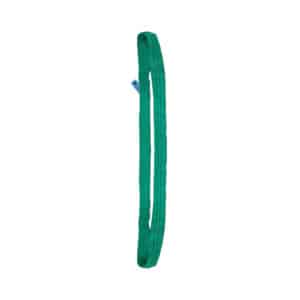
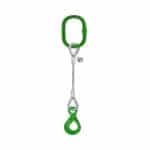
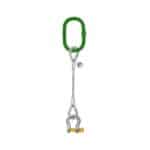
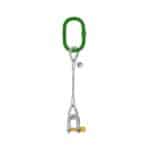
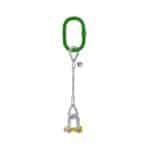
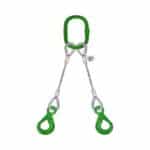
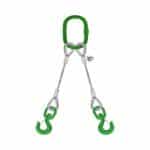
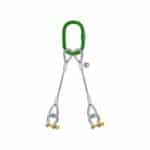
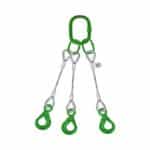
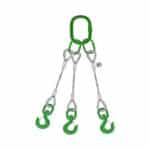
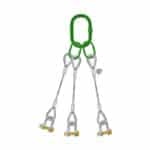
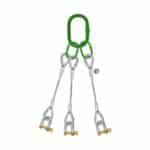
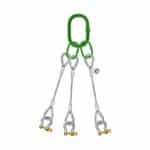
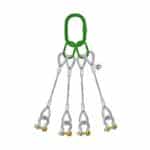
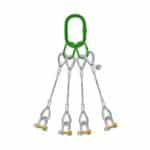
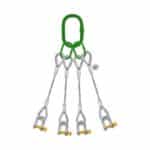
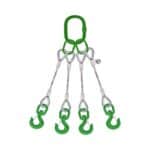
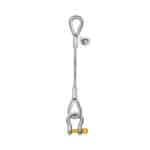
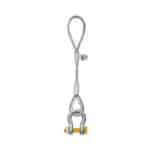
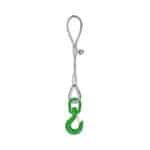
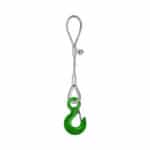
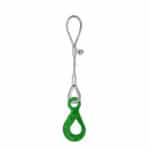
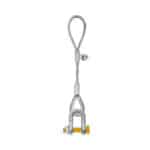
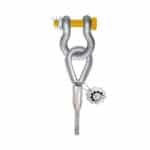
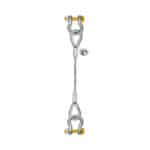
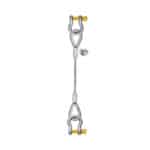
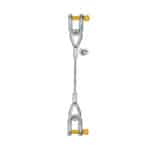
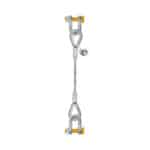
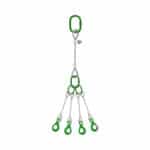
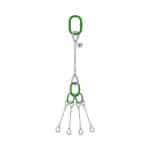
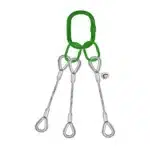
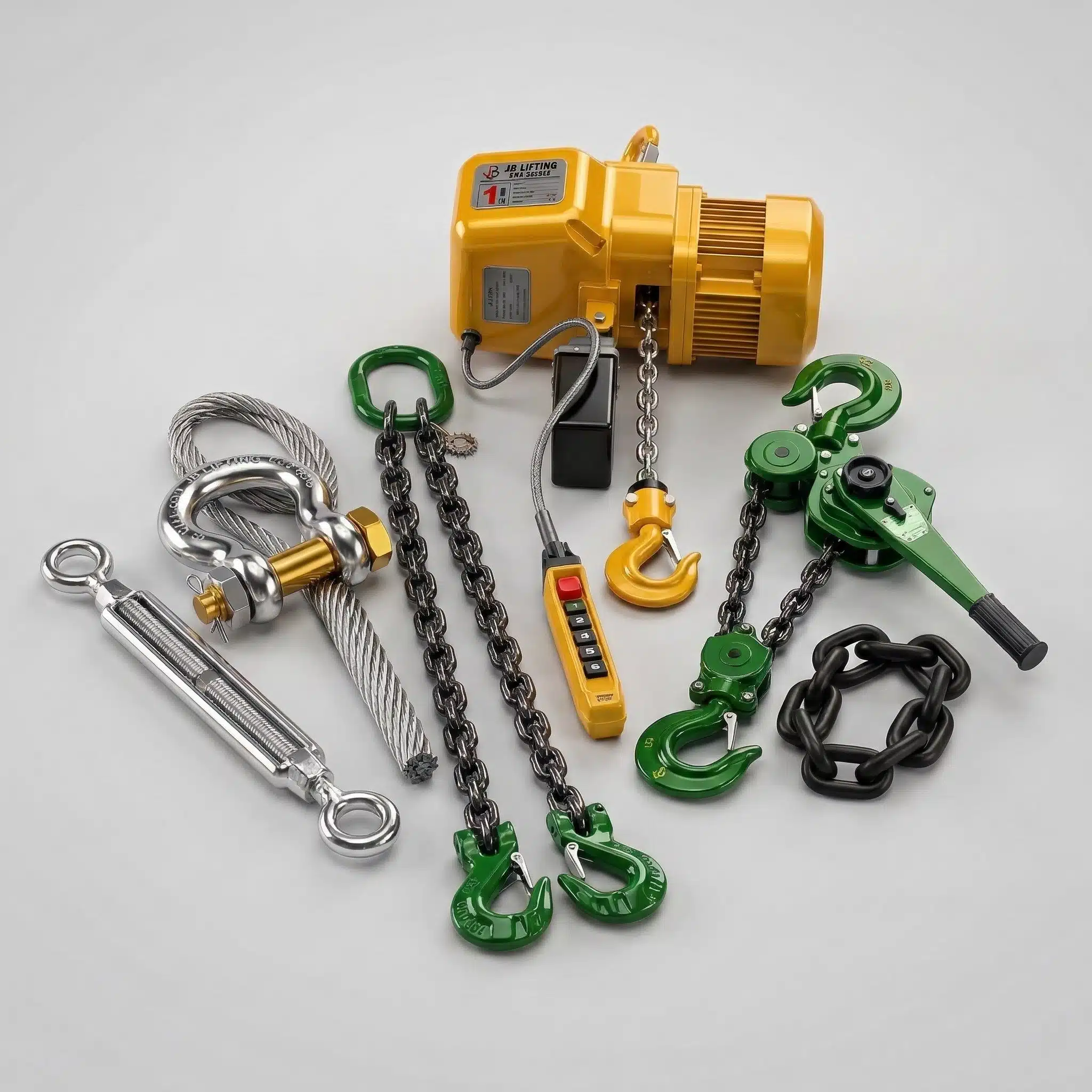
Lifting chains play vital roles across industries, offering robust solutions for hoisting, rigging, and securing heavy loads. Typically crafted from durable alloy steel, they vary in size, with different diameters and lengths tailored to specific lifting needs. Categorized by grades like Grade 80 and Grade 100, indicating load-bearing capacity and suitability for various applications, higher grades signify greater strength and durability. Equipped with end fittings like hooks, master links, and connectors, they facilitate easy attachment to loads and lifting equipment.
Safety features, such as latch mechanisms on hooks, prevent accidental load release, enhancing operational safety. Chains may carry certifications like ISO or ASTM to ensure adherence to safety and quality standards. Regular inspection and maintenance are critical to sustain reliability and safety throughout their operational lifespan. These versatile chains find applications in various industries, from securing cargo with transport chains to heavy-duty hoisting with specialized lifting chains, making them indispensable tools for lifting operations.
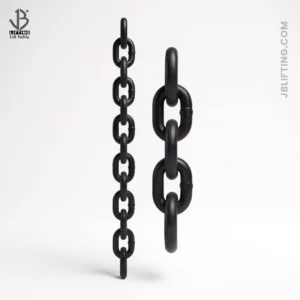
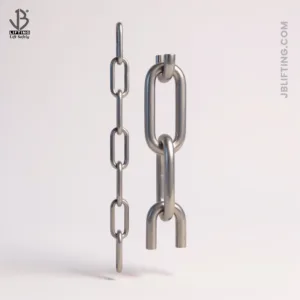
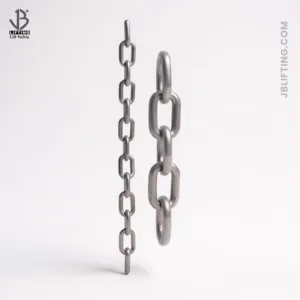
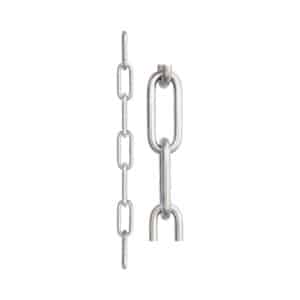
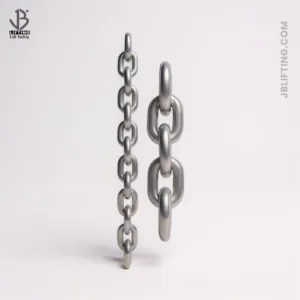

Alloy Steel and Carbon Steel Chains by JB Lifting
At SSTC, in partnership with JB Lifting, we offer a wide selection of high-quality alloy steel and carbon steel chains designed for various industries, including construction, manufacturing, shipping, and oil and gas. Our chains come in different grades, sizes, finishes, and coatings, including hot dip galvanized options, ensuring superior strength, durability, and corrosion resistance for all lifting, towing, and securing applications.Alloy Steel Chains by JB Lifting
1. Grade 80 – Alloy Chain (SF: 4:1)
- Material: Alloy Steel
- Embossing: Permanently embossed with "80" grade marking.
- Finish: Self-colored.
- Size: Available in sizes ranging from 6mm to 32mm.
- Working Load Limit (WLL): 1,120kg to 31,500kg.
- Application: Ideal for heavy-duty lifting and load securing tasks, commonly used in construction, rigging, and lifting equipment.
2. Grade 100 – Alloy Chain (SF: 4:1)
- Material: High-strength Alloy Steel.
- Embossing: Permanently embossed with "100" grade marking.
- Finish: Self-colored.
- Size: Available in sizes ranging from 6mm to 32mm.
- Working Load Limit (WLL): 1,500kg to 35,000kg.
- Application: Suitable for demanding lifting operations, such as heavy lifting in manufacturing plants and the shipping industry.
3. Grade 120 – Alloy Chain (SF: 4:1)
- Material: High-strength Alloy Steel.
- Embossing: Permanently embossed with "120" grade marking.
- Finish: Self-colored.
- Size: Available in sizes ranging from 6mm to 32mm.
- Working Load Limit (WLL): 2,000kg to 45,000kg.
- Application: Used for ultra-heavy-duty lifting tasks, offering superior strength and durability for the most demanding industrial applications.
Carbon Steel Chains by JB Lifting
1. Grade 30 – Proof Coil Chain (SF: 4:1)
- Material: Carbon Steel
- Embossing: Permanently embossed with "30" grade marking.
- Finish: Self-colored and galvanized for corrosion protection.
- Size: Available in sizes ranging from 4mm to 25mm.
- Working Load Limit (WLL): 180kg to 8,140kg.
- Application: Perfect for general-purpose applications, including light to medium lifting and securing.
2. Grade 43 – High Test Chain (SF: 3:1)
- Material: Carbon Steel
- Embossing: Permanently embossed with "43" grade marking.
- Finish: Self-colored for versatility.
- Size: Available in sizes ranging from 7mm to 22mm.
- Working Load Limit (WLL): 1,180kg to 11,140kg.
- Application: Ideal for more demanding lifting operations, including towing, rigging, and heavy-duty tasks.
3. Grade 70 – Transport Chain (SF: 4:1)
- Material: Carbon Steel
- Embossing: Permanently embossed with "70" grade marking.
- Finish: Self-colored for durability.
- Size: Available in sizes ranging from 7mm to 20mm.
- Working Load Limit (WLL): 1,430kg to 11,200kg.
- Application: Primarily used in transport applications, including securing cargo on trailers, trucks, and flatbeds.
Hot Dip Galvanized Steel Chains by JB Lifting
1. Hot Dip Galvanized Steel Chains (DIN 763 & DIN 766)
- Material: Carbon Steel or Alloy Steel.
- Finish: Hot-dip galvanized for superior corrosion resistance and protection against harsh environmental conditions.
- Sizes and Applications: Available in various sizes, these chains are ideal for marine, industrial, and construction use. Hot dip galvanized chains are perfect for environments where rust and corrosion are a concern.
2. Hot Dip Galvanized Grade 80, 100, 120 Chains
- Material: Alloy Steel or Carbon Steel.
- Finish: Hot-dip galvanized for extended durability and corrosion protection.
- Size: Available in sizes ranging from 6mm to 32mm for alloy chains and 7mm to 22mm for carbon steel chains.
- Working Load Limit (WLL): Customizable to meet the specific needs of lifting, securing, and towing tasks.
- Application: Suitable for marine environments, outdoor construction, oil and gas, and other harsh conditions where corrosion resistance is critical.
Galvanized and Stainless Steel Chains by JB Lifting
1. Galvanized Steel Chains (DIN 763 & DIN 766)
- Material: Carbon Steel or Alloy Steel.
- Finish: Hot-dip galvanized for corrosion protection in marine and outdoor environments.
- Sizes and Applications: Standard sizes suitable for lifting, towing, and securing operations, particularly in marine and industrial environments.
2. Stainless Steel Chains
- Material: Stainless Steel.
- Finish: Corrosion-resistant, ideal for extreme environments such as marine, offshore, and chemical processing industries.
- Sizes and Applications: Available in various sizes for lifting and securing in industrial, marine, and corrosive environments.
Anchor Chains by JB Lifting
1. Anchor Chain
- Material: Typically made from carbon steel or alloy steel.
- Application: Designed for securing boats, ships, and offshore platforms. These chains provide a reliable and strong solution for maritime applications.
- Sizes and Working Load Limits: Available in various sizes and capacities to suit different vessel sizes and applications.
Why Choose JB Lifting Chains at SSTC?
- Premium Quality Materials: JB Lifting chains are made from high-grade materials, ensuring exceptional strength, durability, and performance.
- Versatile Grades and Coatings: Offering a range of grades, including Grade 80, 100, 120 and hot dip galvanized chains, JB Lifting provides solutions for all lifting, towing, and securing needs, from light to ultra-heavy-duty tasks.
- Corrosion Resistance: Hot dip galvanized and stainless steel chains offer superior corrosion resistance, ideal for use in marine, offshore, and harsh environments.
- Custom Solutions: We offer custom lengths, sizes, and configurations to suit your specific lifting and securing needs.
- International Compliance: JB Lifting chains meet international standards such as DIN, EN, and ASTM, ensuring reliability and safety in every application.
Contact SSTC today to learn more about JB Lifting chains and how we can tailor a solution to your lifting and securing needs. With our wide range of options, including hot dip galvanized chains, we are committed to providing the best lifting equipment for your operations.
Advantages of JB Lifting Chains Over Competitors
At SSTC, we provide JB Lifting chains that offer numerous advantages compared to competitors in terms of quality, performance, safety, and reliability. Below is a comparison highlighting why JB Lifting chains stand out in the market.| Feature | JB Lifting Chains | Competitors |
| Material Quality | Made from high-grade alloy steel and carbon steel for superior strength and durability. | May use lower-quality materials, leading to potential wear and reduced lifespan. |
| Corrosion Resistance | Hot-dip galvanized and stainless steel chains offer superior corrosion resistance, ideal for harsh environments. | Many competitors use less effective coatings or no coatings, leading to faster degradation in corrosive environments. |
| Variety of Grades | Available in Grade 30, 43, 70, 80, 100, and 120, offering options for light to ultra-heavy-duty lifting tasks. | Limited grades available, often not covering the full spectrum of lifting requirements. |
| Customization Options | Offers custom lengths, sizes, and configurations, including specific tonnage requirements for all industries. | Limited customization options, forcing users to settle for pre-defined sizes and configurations. |
| Safety Factors | 4:1 and 3:1 safety factors depending on the grade, ensuring maximum safety during lifting operations. | Some competitors offer lower safety factors or inconsistent safety standards across their product range. |
| Corrosion Protection | Hot-dip galvanized chains provide enhanced protection for marine and outdoor applications, ideal for offshore and shipping industries. | Less emphasis on galvanizing, leading to faster corrosion and shorter lifespan in outdoor and marine environments. |
| Embossed Grade Markings | Permanently embossed grade markings on all chains, making it easy to verify the grade and compliance. | Often lack permanent marking or labels, making it harder to verify the grade or specifications of the chain. |
| Range of Applications | Ideal for industries such as construction, marine, shipping, oil & gas, mining, and heavy manufacturing. | Many competitors may not provide chains suited for heavy-duty industrial applications or specific industries like marine. |
| Compliance with Industry Standards | Meets international standards, including DIN, EN, and ASTM, ensuring global compliance. | Some competitors may not fully comply with global industry standards, leading to potential safety risks. |
| Customer Support | Dedicated support from SSTC to assist with product selection, custom orders, and post-purchase services. | Limited customer support, with less focus on personalized service and guidance for specific lifting needs. |
| Cost-Effectiveness | Competitive pricing with long-lasting performance, reducing total cost of ownership. | Often priced higher without offering the same quality, customization, or durability. |
Why JB Lifting Chains Stand Out:
- Superior Durability: JB Lifting chains are made with high-strength materials and advanced coatings (such as hot-dip galvanization), ensuring longer service life, especially in challenging environments like marine, outdoor, and heavy-duty industrial applications.
- Customization: JB Lifting offers custom chains in various grades, sizes, and tonnage capacities, tailored to your specific lifting, towing, and securing requirements, giving you more flexibility than many competitors who offer limited options.
- Safety & Compliance: With a focus on safety, JB Lifting chains come with high safety factors (4:1, 3:1) and are permanently embossed with grade markings for easy verification. They also meet or exceed international standards for lifting operations, ensuring that you have a reliable and safe solution.
- Corrosion Resistance: JB Lifting chains are available in galvanized and stainless steel finishes, providing better protection against corrosion, which is especially important in marine and industrial environments. Competitors may not offer the same level of protection, leading to shorter chain life.
- Support and Service: At SSTC, we provide dedicated customer service for all JB Lifting products, offering expert advice and quick turnaround on custom orders. This level of support is often unmatched by competitors who may have limited customer interaction.
What We Offer
- Custom Chain Lengths:
- Chains can be customized to your preferred length, available in meters, inches, feet, or centimeters, depending on your requirements.
- Whether you need a short, precise length or a long, heavy-duty chain, we can provide tailored solutions to suit your exact needs.
- Variety of Chain Types:
- Available in Grade 30, Grade 43, Grade 70, Grade 80, Grade 100, and Grade 120, offering chains for light-duty to ultra-heavy-duty applications.
- Choose from alloy steel chains, carbon steel chains, galvanized chains, and stainless steel chains for different lifting and securing tasks.
- Durable and Corrosion-Resistant Chains:
- Chains can be ordered with hot dip galvanized or stainless steel finishes for enhanced corrosion resistance, ensuring durability in harsh environments like marine, construction, and industrial settings.
- Industry-Specific Solutions:
- Whether you need chains for construction, shipping, oil & gas, marine, mining, or manufacturing, we can tailor the chain length and design to match your industry-specific requirements.
Why Choose SSTC for Custom Chain Length Orders?
- Expert Consultation:
- Our experienced team works closely with you to determine the exact chain length and configuration needed for your specific application, ensuring you get the best solution.
- High-Quality Materials:
- Chains are made from high-strength alloy steel and carbon steel, providing superior performance and durability in demanding environments.
- Safety and Compliance:
- All chains meet international standards (DIN, EN, ASTM), ensuring reliable and safe lifting, towing, and securing operations.
- With our custom safety factor options, you can be assured of maximum safety and reliability.
- Quick Turnaround:
- Custom chain length orders are processed promptly, ensuring minimal delays in your operations.
- Wide Range of Options:
- We offer custom lengths, grades, finishes, and configurations, giving you the flexibility to tailor your chains to your exact needs.
How to Place Your Custom Chain Length Order
- Contact Us:
- Share your chain length, grade, configuration, and finish preferences (e.g., galvanized, stainless steel), along with any tonnage requirements.
- Consultation and Design:
- Our experts will assist you in selecting the right configuration, size, and safety factor for your application.
- Receive Your Custom Chain:
- Your custom chain, complete with the requested length, configuration, and finish, will be manufactured and delivered to your location.
Contact SSTC today to place your custom or tailored chain length order. Whether you need specific lengths in meters, inches, feet, or centimeters, we provide high-quality, durable chains tailored to your exact specifications!
Maintenance Guidelines and Inspection Checklist for JB Lifting Chains
Proper maintenance and regular inspections are essential to ensure the safety, longevity, and performance of your JB Lifting chains. By following these guidelines and checklists, you can ensure your chains remain in top condition for safe and efficient use.Maintenance Guidelines for JB Lifting Chains
- Cleaning:
- Clean chains regularly using a mild detergent and water to remove dirt, grease, and debris.
- Avoid using harsh chemicals or abrasives, as these can damage the chain and its coating.
- After cleaning, allow the chain to dry completely before storing.
- Lubrication:
- Regularly lubricate the chain to prevent rusting and maintain smooth operation.
- Use an appropriate chain lubricant or oil, depending on the chain material and application environment.
- Apply lubricant to the links, rollers, and pin areas to reduce friction and wear.
- Storage:
- Store chains in a cool, dry place away from moisture, extreme temperatures, or direct sunlight.
- Ensure that chains are kept off the ground to prevent contact with corrosive surfaces like soil or concrete.
- For chains with galvanized or stainless steel finishes, store them in environments that minimize exposure to harsh chemicals.
- Inspection After Use:
- Always inspect the chain after each use for signs of wear, damage, or excessive load stress.
- If the chain has been exposed to severe conditions (such as high temperatures, chemicals, or extreme loading), a more detailed inspection is required.
- Handling:
- Avoid dragging chains across rough surfaces, as this can cause abrasions and damage to the chain links.
- Never use a chain that is kinked, twisted, or damaged.
- Ensure proper handling of chains during use to avoid shock loading, which can significantly reduce the chain’s lifespan.
Inspection Checklist for JB Lifting Chains
Pre-Use Inspection:
- Check for Visible Damage:
- Inspect the chain for cuts, nicks, abrasions, or signs of wear that could compromise its strength.
- Look for any cracks, deformation, or bent links.
- Check the Grade Marking:
- Verify that the grade marking (e.g., Grade 80, Grade 100, Grade 120) is clearly visible and readable. This ensures the chain meets its rated load capacity.
- Check for Rust or Corrosion:
- Inspect the chain for corrosion, especially if it is galvanized or stainless steel. Pay close attention to the areas where links meet, as these areas are more likely to rust.
- Ensure Proper Lubrication:
- Check if the chain is adequately lubricated. Lack of lubrication can lead to friction, excessive wear, and eventual failure.
- Ensure Proper Length:
- Verify the length of the chain to ensure it meets the required specifications for your lifting or securing application.
During Use:
- Monitor for Overloading:
- Ensure the chain is used within its working load limit (WLL) and safety factor. Do not exceed the rated tonnage capacity.
- Inspect for Twisting or Kinking:
- Check for twisting or kinking during use. These conditions can cause the chain to fail under load.
- Observe for Signs of Excessive Stretching:
- Excessive elongation or stretching of the chain indicates it is under heavy strain and may be unsafe for continued use.
- Ensure Proper Alignment:
- Make sure that the chain is not misaligned or subject to off-center loading, as this can cause uneven wear and weaken the chain.
Post-Use Inspection:
- Check for Wear:
- Inspect the chain links, pins, and shackles for excessive wear. A worn chain should be retired to avoid failure.
- Check for Heat Damage:
- Look for signs of heat damage (e.g., discoloration, brittleness, or hardening), which could result from exposure to high temperatures.
- Check the Hooks and Fittings:
- Inspect all hooks, shackles, swivel links, and other fittings for cracks, deformations, or signs of wear.
- Check for Loose or Missing Parts:
- Ensure that no pins or nuts are missing, and there are no loose components in the chain assembly.
Periodic Inspections (Every 6 Months or More Frequently):
- Check the Entire Chain Length:
- Perform a thorough inspection of the entire chain for signs of wear, corrosion, or stress fractures.
- Examine for Stretching or Elongation:
- Measure the chain to see if there has been any stretching or deformation since the last inspection. If the chain has stretched beyond acceptable limits, it must be replaced.
- Check for Link or Shackle Misalignment:
- Verify that all links and shackles are properly aligned and functioning smoothly.
- Detailed Examination for Internal Wear:
- If applicable, inspect internal links or pins for damage or signs of weakening. This may require disassembling parts of the chain
Retirement Criteria for JB Lifting Chains:
- Excessive Wear or Elongation: If the chain has stretched beyond acceptable limits, it should be retired and replaced.
- Cracks or Deformation: Any cracked, bent, or deformed links should immediately be replaced.
- Corrosion: If corrosion has compromised the structural integrity of the chain, it should be retired, especially for critical lifting tasks.
- Exceeding Load Limits: Never use a chain that has been overloaded beyond its rated working load limit (WLL).
Precautions for Using JB Lifting Chains
To ensure the safe and efficient use of JB Lifting chains, it is important to follow these essential precautions. Proper handling, usage, and maintenance can prevent accidents and ensure the longevity of your chains. 1. Adhere to Rated Load Capacity:- Always use JB Lifting chains within their working load limits (WLL). Never exceed the rated capacity of the chain, as it could result in failure.
- Ensure that the correct safety factor (3:1, 4:1) is selected based on the lifting task.
- Perform a thorough pre-use inspection to check for any visible damage such as cuts, abrasions, deformation, or corrosion. Do not use chains that show signs of wear or damage.
- Make sure the grade markings are visible and legible. This confirms that the chain is rated correctly for the intended load.
- Always ensure that the chain is properly aligned and free of twists or kinks. Twisted or kinked chains can significantly reduce the chain’s strength and lead to failure.
- Avoid shock loading or sudden jerks during lifting or securing. Gradually apply the load to prevent stress on the chain and reduce the risk of damage.
- Always use proper lifting techniques to maintain the load’s stability and ensure that the chain is securely fastened.
- Load the chain evenly and make sure the lifting points are centered to avoid uneven tension.
- Never let chains come into direct contact with sharp edges or rough surfaces, as this can cause abrasions, cuts, or damage to the chain.
- Use protective sleeves or padding to cover sharp edges or rough surfaces when necessary.
- Never overload JB Lifting chains. Overloading can cause stretching, deformation, or failure of the chain. Always ensure that the load is within the rated capacity.
- Store chains in a cool, dry, and clean area, away from moisture, chemicals, or extreme temperatures that can lead to rust or corrosion.
- Avoid storing chains directly on the ground, as moisture can accelerate corrosion. Store them off the floor in a dry, well-ventilated area.
- Lubricate chains regularly to reduce friction, prevent corrosion, and ensure smooth operation. Apply suitable lubricants based on the chain's material and the operating environment.
- Retire chains immediately if they show signs of damage such as fractures, cracks, or bent links. Even minor damage can lead to chain failure under load.
- Always follow the retirement criteria for chains, and do not attempt to repair a damaged chain.
- Be cautious when using chains in environments exposed to extreme heat, chemicals, or abrasive conditions. If required, select galvanized, stainless steel, or high-strength alloy chains for additional protection.
- Ensure that the chain is suitable for the intended lifting, towing, or securing application. Select the right grade (e.g., Grade 80, Grade 100, Grade 120) for your specific load requirements.
- Never modify the JB Lifting chain by cutting, welding, or making any changes to its structure, as this can compromise its strength and safety.
Do’s and Don’ts for Using JB Lifting Chains
To ensure the safety, efficiency, and longevity of your JB Lifting chains, it’s essential to follow proper usage and maintenance guidelines. Below is a list of do’s and don’ts that will help you handle and use JB Lifting chains effectively.Do’s
- Do Follow Rated Load Capacity (WLL):
- Always use JB Lifting chains within their working load limits (WLL) to avoid overloading and ensure safe lifting or securing.
- Do Inspect Chains Before Each Use:
- Conduct a pre-use inspection for signs of wear, corrosion, cracks, or deformation. Only use chains that are in good condition.
- Do Lubricate Regularly:
- Apply appropriate lubricant to chains to reduce friction, prevent rust, and ensure smooth operation, especially in high-stress environments.
- Do Use the Correct Chain for the Task:
- Select the right grade and size chain (e.g., Grade 80, Grade 100) based on the load requirements and application (lifting, towing, securing).
- Do Store Chains Properly:
- Store chains in a dry, cool place, off the ground, and away from moisture or corrosive chemicals. Use protective covers for chains used in harsh conditions.
- Do Check for Twisting or Kinking:
- Ensure the chain is not twisted or kinked during use. A twisted or kinked chain can be weakened and prone to failure.
- Do Use Protective Sleeves on Sharp Edges:
- Use protective sleeves or padding to prevent damage to the chain when lifting or securing loads with sharp edges.
- Do Handle Chains Carefully:
- Always handle chains carefully to prevent abrasions, scratches, or impact damage. Use lifting slings or hooks for secure attachment.
- Do Inspect Fittings and Attachments:
- Regularly inspect all shackles, hooks, and other attachments for wear and ensure they are properly attached before use.
- Do Remove Damaged Chains from Service:
-
- Immediately retire chains with visible signs of damage, wear, or deformation. Using a damaged chain could result in accidents.
Don’ts
- Don’t Overload the Chain:
- Never exceed the working load limit (WLL) of the chain. Overloading can cause the chain to fail and lead to dangerous situations.
- Don’t Use Chains with Visible Damage:
- Do not use JB Lifting chains that show signs of fraying, cracking, or deformation. Damaged chains should be replaced immediately.
- Don’t Use Chains for Purposes They Are Not Rated For:
- Never use a chain for lifting if it’s rated for securing only, or vice versa. Always match the application with the appropriate chain grade and specification.
- Don’t Subject Chains to Shock Loading:
- Avoid shock loading by gradually applying the load instead of jerking or sudden movements that could cause damage or chain failure.
- Don’t Store Chains Improperly:
- Do not store chains in wet, high-humidity, or harsh chemical environments that may lead to corrosion or premature wear.
- Don’t Use Twisted or Kinked Chains:
- Never use chains that are twisted, kinked, or damaged. Twisting can lead to uneven wear and reduced strength.
- Don’t Drag Chains on the Ground:
- Avoid dragging chains across rough surfaces or the ground, as it can cause abrasions, damage links, or lead to wear.
- Don’t Use Chains with Missing or Damaged Attachments:
- Do not use chains that have missing or damaged fittings such as hooks or shackles. Ensure all components are intact and properly connected.
- Don’t Modify the Chain:
- Never attempt to cut, weld, or modify the chain. Modifications can compromise the integrity and safety of the chain.
- Don’t Ignore Regular Inspections:
- Do not skip periodic inspections. Chains should be checked every 6 months or after heavy use for any signs of wear, corrosion, or damage.
BULK ORDERS AND DISCOUNTS FOR JB Lifting Chains
At SSTC, we are committed to supporting businesses that rely on high-quality lifting, towing, and securing equipment, including JB Lifting chains. For companies with large-scale needs, we offer exclusive pricing and loyalty benefits to make your purchases more cost-effective while fostering long-term partnerships.Special Pricing for Bulk Orders
- Bulk Discounts:
- Save significantly when you order JB Lifting chains in larger quantities. Perfect for industries like construction, shipping, oil and gas, and manufacturing, where heavy lifting and securing tasks require reliable and durable chains.
- Tailored Packages:
- Customize your order with different chain grades (e.g., Grade 30, Grade 70, Grade 80, Grade 100), sizes, lengths, and finishes (e.g., galvanized, stainless steel). Still benefit from bulk pricing while receiving the exact configuration you need.
- Fleet Solutions:
- Shipping companies, logistics providers, and fleets can enjoy special pricing for chains used in mooring, towing, and securing operations. We understand the unique demands of high-volume applications and offer competitive solutions tailored to your needs.
Loyalty Programs for Repeat Clients
- Exclusive Rewards:
- Repeat customers gain access to exclusive perks such as free maintenance consultations, helping you keep your chains in optimal condition and extend their lifespan.
- Priority Support:
- Enjoy faster order processing, priority shipping, and priority access to new product launches, ensuring you stay ahead with the latest JB Lifting chains and innovations in lifting and securing solutions.
- Customized Discounts:
- We offer special loyalty pricing based on your usage and industry requirements. Whether you need custom chain lengths, specific grades, or volume-based discounts, we provide tailored solutions that fit your business needs.
How to Take Advantage of Bulk Orders and Discounts
- Contact SSTC:
- Reach out to our sales team to discuss your bulk order requirements. We will help you choose the best JB Lifting chains, customize your order, and provide a competitive quote.
- Discuss Loyalty Benefits:
- If you're a repeat customer, talk to us about how our loyalty programs can help you save even more on future orders and get access to exclusive rewards.
- Place Your Bulk Order:
- Once your order is finalized, enjoy discounted prices on your chains, along with the convenience of priority service and customized packaging to meet your specific needs.
Delivery and Shipping Information for JB Lifting Chains
At SSTC, we offer fast and reliable shipping across Saudi Arabia and provide excellent customer service for all our JB Lifting chains. Whether you're ordering for local operations or large-scale projects, we ensure that your chains arrive safely and on time.Delivery Time
- Standard Delivery:
- Orders for JB Lifting chains are typically processed and shipped within 1-2 business days.
- Delivery time generally ranges between 3 to 7 business days, depending on your location within Saudi Arabia.
- Expedited Shipping:
- If you require urgent delivery, we offer expedited shipping options.
- Please contact us directly to arrange faster shipping and discuss your specific delivery needs.
Shipping Fees
- Free Shipping:
- We offer free shipping on orders over a certain amount.
- For more details, please check the product page or contact our sales team to confirm eligibility.
- Standard Shipping Rates:
- Shipping rates for JB Lifting chains depend on your location and the size of your order.
- We aim to provide competitive rates and offer the best value for our customers.
Packaging
- Secure Packaging:
- All JB Lifting chains are securely packed to ensure they arrive in perfect condition.
- We use high-quality packaging materials to protect the chains during transit, minimizing the risk of damage.
- Discrete Packaging:
- If you require discrete packaging, we offer this option to ensure confidentiality for all orders, especially for large or sensitive shipments.
International Shipping
- Availability:
- International shipping is available for JB Lifting chains.
- If you are located outside of Saudi Arabia, please contact us for shipping rates, delivery times, and other details specific to your country.
Frequently Asked Questions (FAQs) about JB Lifting Chains
- What types of chains does JB Lifting offer? JB Lifting offers a wide range of alloy steel chains and carbon steel chains, including Grade 30, Grade 43, Grade 70, Grade 80, Grade 100, and Grade 120. Chains are available in different grades, sizes, and finishes, such as hot dip galvanized, stainless steel, and self-colored chains.
- Can I order JB Lifting chains in custom lengths? Yes, SSTC offers custom chain length orders to meet your specific lifting, securing, or towing needs. Chains can be ordered in meters, inches, feet, or centimeters, depending on your requirements.
- What is the working load limit (WLL) for JB Lifting chains? The working load limit (WLL) for JB Lifting chains varies by grade: • Grade 30: 180kg to 8,140kg • Grade 43: 1,180kg to 11,140kg • Grade 70: 1,430kg to 11,200kg • Grade 80: 1,120kg to 31,500kg • Grade 100: 1,500kg to 35,000kg • Grade 120: 2,000kg to 45,000kg Always ensure that the chain is used within its rated WLL to maintain safety.
- What is the safety factor for JB Lifting chains? JB Lifting chains typically have safety factors of 3:1 or 4:1 depending on the grade. This means that the chain is designed to handle three to four times its rated working load limit (WLL) under normal conditions.
- Are JB Lifting chains suitable for marine or outdoor use? Yes, JB Lifting chains are available in galvanized and stainless steel finishes, making them ideal for marine, outdoor, and harsh industrial environments. The galvanized and stainless steel options provide corrosion resistance to protect against the elements.
- How should I store JB Lifting chains? Store chains in a cool, dry place away from moisture and direct sunlight. Keep them off the ground to avoid exposure to corrosive surfaces like concrete or soil. For chains with galvanized or stainless steel finishes, store them in ventilated areas to prevent the accumulation of moisture that may cause corrosion.
- How do I maintain JB Lifting chains? • Clean chains regularly with mild detergent and water. • Lubricate the chains to reduce friction and prevent rust. • Inspect the chains for signs of wear, damage, or corrosion before and after each use. • Store them in a dry place to avoid exposure to moisture or chemicals.
- What should I do if my JB Lifting chain is damaged? If a chain shows signs of cracks, bends, fraying, or excessive wear, it should be immediately retired and replaced. Never attempt to repair a damaged chain. Using a damaged chain can result in catastrophic failure.
- Can I use JB Lifting chains for lifting, towing, and securing? Yes, JB Lifting chains are versatile and can be used for lifting, towing, and securing heavy loads in a variety of industries such as construction, shipping, oil and gas, and marine applications.
- How can I determine which JB Lifting chain is right for my application? To determine the appropriate chain for your needs, consider factors such as the load capacity, chain length, material requirements (e.g., galvanized, stainless steel), and the specific environment (e.g., marine, chemical exposure). SSTC offers expert guidance to help you choose the right chain for your lifting or securing needs.
- Are JB Lifting chains compliant with safety standards? Yes, JB Lifting chains meet international standards, including DIN, EN, and ASTM certifications, ensuring they are safe and reliable for use in lifting, securing, and towing operations.
- How can I order JB Lifting chains? You can place an order for JB Lifting chains directly through SSTC. Contact our sales team to discuss your specific requirements, including chain lengths, grade, and finish, and we will provide you with a tailored solution.
Contact SSTC today for expert advice, customized chain orders, or any questions related to JB Lifting chains. We're here to help you find the perfect lifting, towing, or securing solution for your operations.