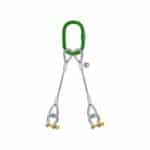
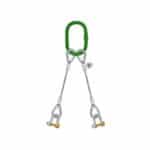
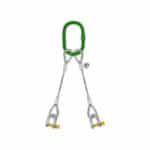
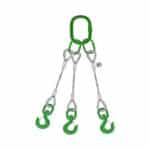
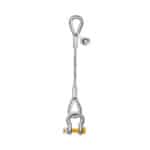
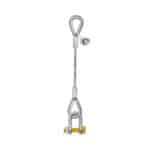
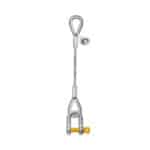
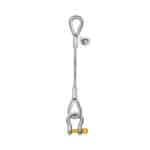
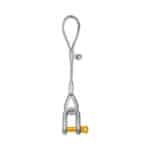
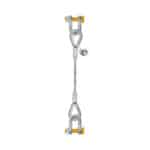
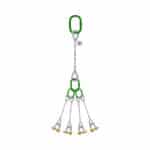
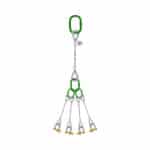
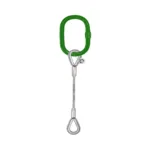
Extending the rigging equipment lifespan is crucial for ensuring safety, minimizing downtime, and reducing costs in various industries. Rigging equipment, including wire ropes, chain slings, and synthetic slings, is subjected to immense stress and harsh conditions, making it susceptible to wear and tear. By implementing proactive maintenance strategies, adhering to safe rigging practices, and understanding the factors that contribute to rigging equipment failure, businesses can significantly extend the lifespan of their rigging gear and maintain a safe working environment. Here are ten actionable steps to help you achieve that goal.
1. ✨ Neglecting Proper Inspection Schedules
Problem: Undetected Wear and Tear
Without regular inspections, minor damages like fraying, corrosion, or deformation can go unnoticed, ultimately compromising the integrity of your rigging equipment lifespan. These seemingly small issues can quickly escalate into significant weaknesses, leading to a higher risk of failure during critical operations. The consequences of such failures can be severe, including equipment damage, workplace injuries, and costly project delays.
Solution: Implement a Rigorous Inspection Plan
To combat this, we advise establishing a detailed inspection schedule tailored to the usage frequency and environmental conditions of your rigging equipment lifespan. For instance, rigging used daily in a marine environment should be inspected more frequently than equipment used occasionally in a controlled indoor setting. Train personnel to meticulously identify signs of damage, such as cuts, abrasions, corrosion, and deformation, and empower them to immediately remove any compromised equipment from service. Accurate record-keeping is essential for tracking inspection results, identifying trends, and ensuring accountability.
Actionable Step: Create a Daily/Weekly/Monthly Checklist
Developing a comprehensive inspection checklist that covers all critical components and potential failure points is a key step. Here’s an example of what an inspection checklist might include, with varying frequencies:
| Component |
Daily |
Weekly |
Monthly |
| Wire Rope |
Visual check for fraying, kinks |
Lubrication, diameter measurement |
Detailed inspection for internal corrosion |
| Chain Sling |
Check for wear, elongation, twists |
Measure link diameter, check for cracks |
Proof load test (if required) |
| Synthetic Sling |
Inspect for cuts, abrasions, chemical damage |
UV damage assessment, fiber integrity check |
Remove from service if damage exceeds limits |
| Hooks & Shackles |
Check for deformation, cracks, secure locking |
Inspect threads, measure jaw opening |
Non-destructive testing (NDT) |
2. ✨ Inadequate Storage Conditions
Problem: Environmental Degradation
Exposure to harsh weather conditions, chemicals, and extreme temperatures can dramatically accelerate the degradation of rigging equipment lifespan. When not properly stored, rigging is vulnerable to corrosion, weakened synthetic fibers, and overall reduced lifespan, leading to unsafe conditions and premature replacement costs.
Solution: Controlled Storage Environment
We recommend storing rigging equipment in a clean, dry, and well-ventilated area to maximize extending rigging life. This protects it from direct sunlight, extreme temperatures, and corrosive substances. Use appropriate storage containers or racks to prevent physical damage and maintain organization. For example, wire ropes can be stored on reels to prevent kinking, while synthetic slings can be hung to avoid moisture buildup.
Actionable Step: Designate a Storage Area
Designating a specific, controlled storage area is crucial for preserving the rigging equipment lifespan. For many of our clients here in Dammam, we’ve seen that centralizing storage not only extends equipment life but also improves inventory management and reduces the risk of lost or misplaced items.
3. ✨ Overlooking Load Capacity Limits
Problem: Exceeding Safe Working Load (SWL)
Consistently exceeding the Safe Working Load (SWL) of rigging equipment is a major contributor to irreversible damage, leading to premature rigging equipment failure and potentially catastrophic accidents. Overloading stresses the materials beyond their design limits, causing microscopic cracks and deformations that weaken the equipment over time.
Solution: Strict Adherence to Load Limits
To prevent overloading, we emphasize the importance of clearly marking the SWL on all rigging equipment and ensuring that operators are thoroughly trained to calculate and adhere to these limits. Utilizing load monitoring devices, such as dynamometers or load cells, can provide real-time feedback on the weight being lifted, preventing accidental overloads.
Actionable Step: SWL Signage and Training
Implementing clear SWL signage and comprehensive training programs is essential. Here’s a summary of the crucial points:
1. Signage: Post clear and visible SWL information on all rigging equipment and in work areas.
2. Training: Conduct regular training sessions to educate personnel on load calculation, sling angles, and the importance of adhering to SWL limits.
3. Monitoring: Use load monitoring devices to prevent accidental overloading during lifting operations.
4. ✨ Ignoring the Impact of Chemical Exposure
Problem: Chemical Corrosion and Degradation
Exposure to certain chemicals can cause corrosion, weakening, and degradation of rigging equipment lifespan, especially synthetic slings and wire ropes. Chemical reactions can compromise the structural integrity of the materials, leading to premature failure and safety hazards.
Solution: Chemical Compatibility and Cleaning
We advise identifying potential chemical hazards in the work environment and selecting rigging equipment lifespan made of materials that are resistant to those chemicals. For example, stainless steel wire ropes are more resistant to corrosion in marine environments than carbon steel ropes. Establish a cleaning protocol to remove chemical residue after use.
Actionable Step: Chemical Resistance Chart
Creating a chemical resistance chart can help personnel select the appropriate rigging for different environments. Here’s an example of what a chart might include:
| Chemical |
Wire Rope |
Chain Sling |
Synthetic Sling |
| Hydrochloric Acid |
Poor |
Poor |
Excellent |
| Sodium Hydroxide |
Good |
Good |
Good |
| Hydraulic Oil |
Excellent |
Excellent |
Fair |
| Salt Water |
Fair (Stainless Steel Recommended) |
Fair (Stainless Steel Recommended) |
Excellent |
5. ✨ Insufficient Training and Improper Use
Problem: Operator Error and Misapplication
A lack of proper training on the correct use of rigging equipment can lead to misuse, damage, and accidents. Incorrect hitching methods, improper sling angles, and failure to use protective padding can significantly reduce the rigging equipment lifespan.
Solution: Comprehensive Training Programs
Provide comprehensive training programs for all personnel who use rigging equipment. Training should cover proper inspection procedures, safe operating practices, load calculation, and correct hitching techniques. Hands-on training and practical demonstrations are crucial for reinforcing theoretical knowledge. We have seen improvements in safe rigging practices with clients who invested in thorough training.
Actionable Step: Training & Certification Program
Implementing a structured training and certification program ensures that all personnel are competent in the safe use of rigging equipment. This program should include:
- Initial Training: Comprehensive training on rigging principles, equipment types, inspection procedures, and safe operating practices.
- Regular Refresher Courses: Periodic refresher courses to reinforce knowledge and update personnel on new techniques and regulations.
- Certification: Formal certification upon completion of training, demonstrating competency in rigging operations.
6. ✨ Ignoring the Manufacturer’s Guidelines
Problem: Deviation from Recommended Practices
Manufacturers provide specific guidelines for the use, maintenance, and inspection of their rigging equipment. Ignoring these guidelines can void warranties and lead to premature rigging equipment failure.
Solution: Follow Manufacturer’s Instructions
Always consult the manufacturer’s guidelines before using rigging equipment. Adhere to their recommended maintenance schedules, inspection procedures, and operating limits. Keep manufacturer’s manuals readily accessible for reference.
Actionable Step: Create a Manual Library
Establishing a centralized library of manufacturer’s manuals ensures that personnel have easy access to the information they need. This library can be physical or digital, but it should be well-organized and easily searchable.
7. ✨ Using Mismatched or Incompatible Components
Problem: Stress and Uneven Load Distribution
Using mismatched or incompatible rigging components can create stress points and uneven load distribution, leading to premature wear and potential rigging equipment failure.
Solution: Component Compatibility Checks
Ensure that all rigging components are compatible with each other and are designed to work together safely. Use only certified and matched components from reputable manufacturers.
Actionable Step: Rigging Component Audit
Conducting a thorough audit of all rigging components can help identify mismatched or incompatible items. This audit should include:
- Inventory: A detailed inventory of all rigging components, including manufacturer, model number, and SWL.
- Compatibility Check: Verification that all components are compatible with each other and suitable for the intended application.
- Replacement: Immediate replacement of any mismatched or incompatible components with certified and matched items.
8. ✨ Neglecting Lubrication of Moving Parts
Problem: Friction and Wear
Lack of lubrication on moving parts, such as wire ropes and chain links, increases friction and wear, leading to corrosion and reduced rigging equipment lifespan.
Solution: Implement Lubrication Schedule
Establish a regular lubrication schedule for all moving parts of rigging equipment. Use appropriate lubricants that are compatible with the equipment and the operating environment.
Actionable Step: Lubrication Schedule
Developing a lubrication schedule ensures that all moving parts receive regular lubrication. This schedule should include:
- Frequency: Determine the appropriate lubrication frequency based on usage and environmental conditions.
- Lubricant Type: Select the correct lubricant for each type of rigging equipment.
- Application Method: Specify the proper method for applying lubricant, such as brushing, spraying, or immersion.
9. ✨ Overlooking the Importance of Regular Recertification
Problem: Decreased Strength Over Time
Even with proper maintenance, rigging equipment can gradually lose strength over time due to material fatigue and accumulated wear.
Solution: Scheduled Recertification
Implement a program for regular recertification of rigging equipment by qualified professionals. Recertification should include thorough inspection, testing, and documentation.
Actionable Step: Recertification Program
Implementing a structured recertification program ensures that rigging equipment is regularly inspected and tested to verify its continued safety and reliability. This program should include:
- Frequency: Establish a recertification frequency based on equipment type, usage, and regulatory requirements.
- Qualified Personnel: Use only qualified and certified professionals to perform recertification inspections and testing.
- Documentation: Maintain detailed records of all recertification inspections and testing results.
10. ✨ Failing to Replace Worn or Damaged Equipment Promptly
Problem: Continued Use of Unsafe Equipment
Continuing to use rigging equipment that shows signs of wear or damage increases the risk of failure and accidents.
Solution: Immediate Replacement Protocol
Establish a protocol for immediately removing and replacing any rigging equipment that shows signs of wear, damage, or exceeds its service life.
Actionable Step: Rigging Equipment Write-off
Establishing a clear protocol for writing off and replacing worn or damaged rigging equipment ensures that unsafe items are removed from service promptly. This protocol should include:
- Identification: Clear criteria for identifying equipment that needs to be written off.
- Removal: Procedures for removing unsafe equipment from service and preventing its reuse.
- Replacement: Guidelines for selecting and procuring replacement equipment.
Here’s a quote that demonstrates how crucial rigging equipment maintenance is:
“Regular maintenance and inspection are paramount to ensuring the safety and longevity of rigging equipment. Neglecting these practices can lead to catastrophic failures.” – John Smith, Lead Safety Inspector
By following these actionable steps, you can significantly extend the rigging equipment lifespan, improve workplace safety, and reduce the risk of costly accidents. From implementing rigorous inspection schedules to adhering to load capacity limits and providing comprehensive training, each measure plays a critical role in maintaining the integrity and reliability of your rigging gear.
Conclusion
Extending the rigging equipment lifespan requires a proactive and comprehensive approach. By implementing these ten actionable steps, businesses can significantly improve safety, reduce downtime, and minimize costs. Regular inspections, proper storage, adherence to load limits, and comprehensive training are essential components of a successful rigging maintenance program. Here at Safe and Secure Trading Company, we are committed to helping our clients maintain safe and efficient operations. We provide top-quality rigging equipment maintenance services, expert training, and reliable support to ensure the longevity and safety of your rigging gear. By following these strategies, you can ensure the safety of your operations and maximize the return on your investment in rigging equipment lifespan. Ultimately, investing in the longevity of your rigging equipment is an investment in the safety and success of your operations. We’re here to help you make that investment wisely.
FAQ Section
Q: How often should I inspect my rigging equipment?
A: The frequency of inspections depends on the usage and environmental conditions. Daily visual checks should be performed before each use, with more detailed inspections conducted weekly, monthly, and annually, as outlined in a comprehensive rigging inspection checklist.
Q: What are the key signs of wear and damage to look for during inspections?
A: Look for signs of fraying, kinking, corrosion, deformation, cuts, abrasions, and chemical damage. Any equipment showing these signs should be immediately removed from service.
Q: What should I do if I find damaged rigging equipment?
A: Immediately remove the equipment from service and replace it with a certified and compatible replacement. Do not attempt to repair damaged rigging equipment unless specifically authorized by the manufacturer.
Q: How can I ensure that my personnel are properly trained in rigging safety?
A: Provide comprehensive training programs that cover rigging principles, equipment types, inspection procedures, safe operating practices, and load calculation. Regular refresher courses and certification programs can help maintain competency.
Q: What is the importance of following manufacturer’s guidelines?
A: Manufacturers provide specific guidelines for the use, maintenance, and inspection of their rigging equipment. Ignoring these guidelines can void warranties and lead to premature equipment failure. Always consult the manufacturer’s manual before using rigging equipment.
Q: How does chemical exposure affect rigging equipment?
A: Exposure to certain chemicals can cause corrosion, weakening, and degradation of rigging equipment. Identify potential chemical hazards in the work environment and select rigging equipment made of materials that are resistant to those chemicals. Establish a cleaning protocol to remove chemical residue after use.
Q: What is the Safe Working Load (SWL)?
A: The Safe Working Load (SWL) is the maximum weight that rigging equipment is designed to lift safely. Exceeding the SWL can cause irreversible damage and lead to catastrophic accidents.
Q: How often should I lubricate my rigging equipment?
A: Establish a regular lubrication schedule for all moving parts of rigging equipment. The frequency of lubrication depends on the usage and environmental conditions. Use appropriate lubricants that are compatible with the equipment and the operating environment.
Q: What is recertification and why is it important?
A: Recertification is the process of regularly inspecting and testing rigging equipment to verify its continued safety and reliability. Recertification should be performed by qualified professionals and should include thorough inspection, testing, and documentation.
Q: What factors contribute to corrosion in rigging?
A: Corrosion in rigging can be accelerated by exposure to moisture, salt water, chemicals, and extreme temperatures. Regular cleaning, lubrication, and proper storage can help prevent corrosion.
Q: How long does a synthetic sling typically last?
A: The synthetic sling lifespan can vary depending on usage, environmental conditions, and maintenance practices. However, synthetic slings typically have a shorter lifespan than wire ropes or chain slings and should be inspected regularly for signs of wear and damage. The synthetic sling lifespan can be prolonged through proper care and storage.
Q: What is the typical wire rope lifespan?
A: The wire rope lifespan depends heavily on the operating environment and the frequency of use. Regular inspections and lubrication are crucial to extending the wire rope lifespan.
Q: How does chain sling maintenance affect its longevity?
A: Proper chain sling maintenance, including regular cleaning, inspection, and lubrication, significantly extends its lifespan. Avoiding overloading and chemical exposure also plays a vital role.
Q: What factors affect rigging load capacity?
A: Several factors influence rigging load capacity, including the type of rigging, the sling angle, and the condition of the equipment. Always adhere to the manufacturer’s specified SWL and consider these factors when planning lifting operations.