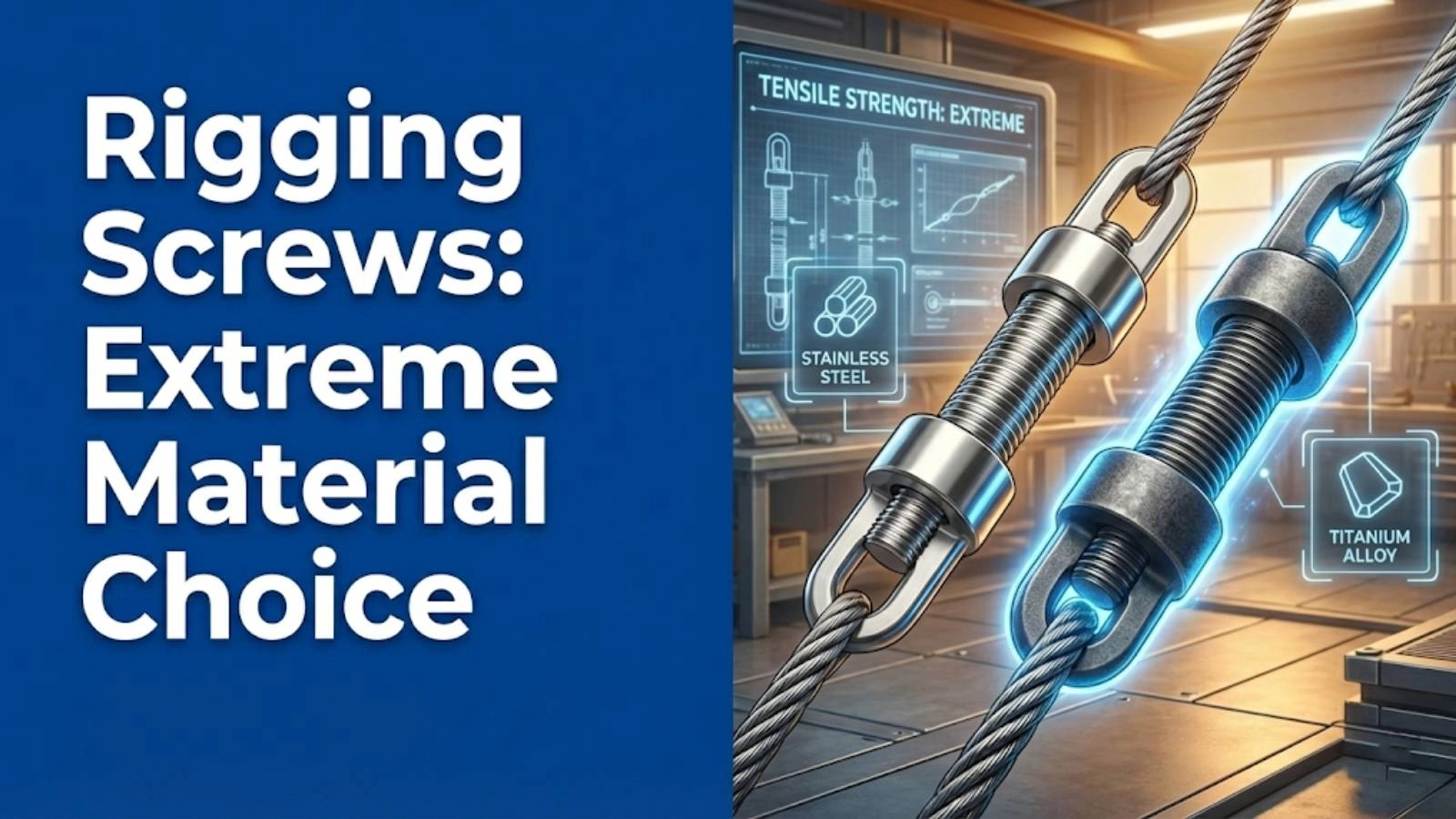
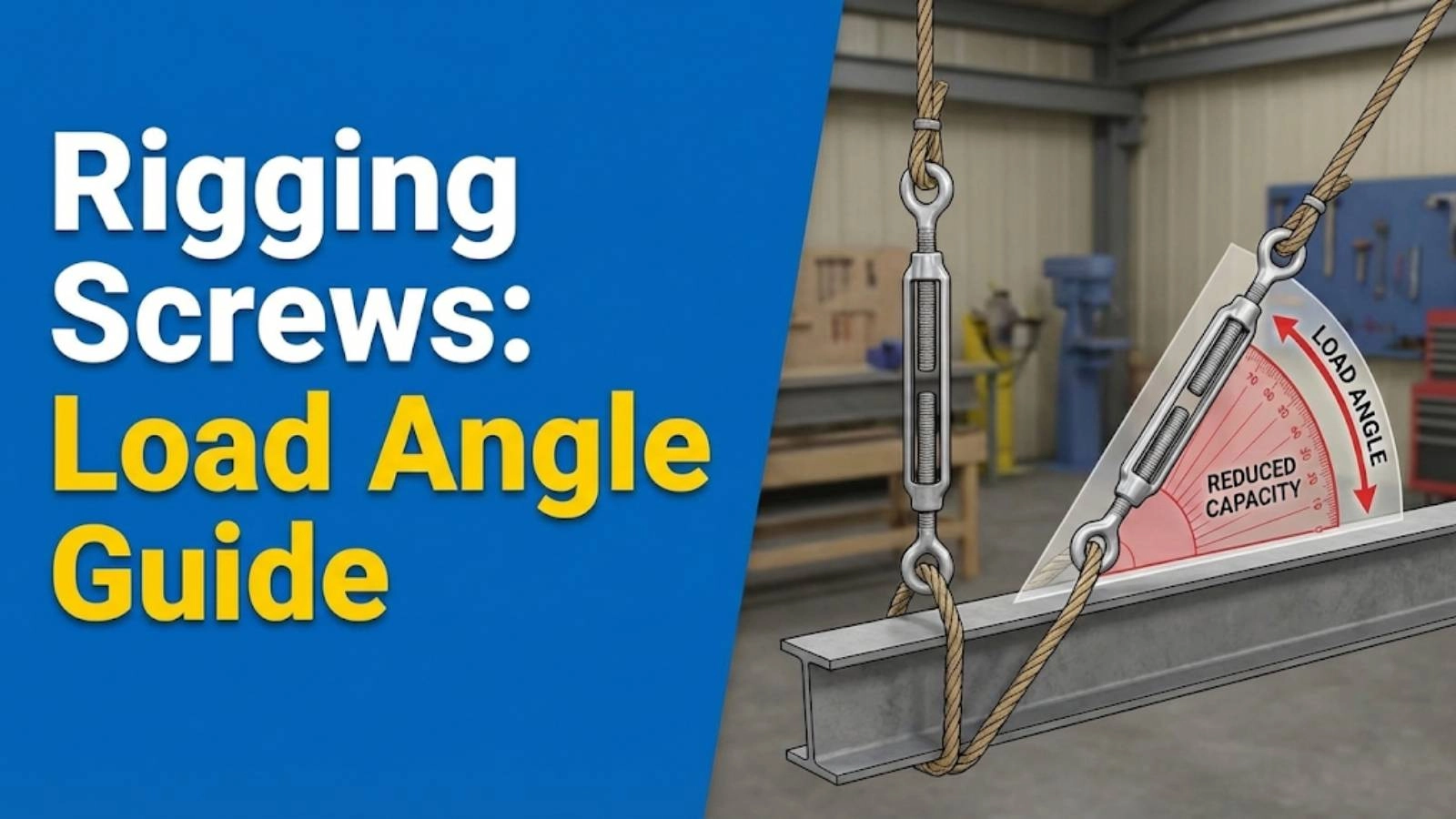
Rigging screw inspection is a critical safety practice that ensures the integrity of lifting and rigging operations. At Safe and Secure Trading Company (SSTC), we understand that these small but mighty components are the linchpin of many industrial processes. A comprehensive rigging screw inspection program is not merely a regulatory requirement; it’s a commitment to preventing accidents, protecting lives, and maintaining operational efficiency. This guide will walk you through every step of the rigging screw inspection process, from preparation to documentation, ensuring your team is equipped with the knowledge and tools to maintain a safe working environment.
Key Takeaways
- Regular rigging screw inspection is crucial for preventing accidents and ensuring workplace safety.
- Proper maintenance extends the lifespan of rigging screws and reduces the risk of failure.
- A comprehensive checklist helps ensure all critical aspects of rigging screw safety are covered.
The Silent Guardian: Why Rigging Screw Inspection Matters ✨
A Story of Near Misses and Lessons Learned
Imagine a bustling oil rig in the Arabian Gulf, where the relentless sun beats down on every piece of equipment. Now, visualize a seemingly insignificant hairline fracture in a rigging screw, hidden beneath layers of grime. This tiny defect could spell disaster if left unchecked. Rigging screw inspection is your first and most important line of defense against such catastrophic failures.
The Cost of Neglect: Accidents Waiting to Happen
Without proper rigging screw inspection, seemingly minor flaws can escalate into major hazards. This neglect could lead to a snapped screw, a dropped load, and potentially devastating consequences, including equipment damage and, more tragically, serious injuries or fatalities. In our experience with clients across various industries, we’ve consistently seen that proactive inspection programs drastically reduce the risk of such incidents.
Beyond the Numbers: Human Lives at Stake
This isn’t just about meeting compliance standards or protecting your bottom line; it’s fundamentally about safeguarding the lives of your workers. Every rigging screw inspection is an act of vigilance, a tangible commitment to the safety and well-being of those who depend on these components. In our experience, a strong safety culture starts with recognizing the human element in every procedure. We once worked with a client in Jubail, Saudi Arabia who had a near-miss incident. By implementing rigorous inspection protocols, they fostered a heightened sense of safety awareness among their employees, leading to a significant reduction in accidents.
Gear Up: Preparing for a Thorough Inspection 🧰
Essential Tools for the Job
A visual inspection alone is often not enough. You need the right tools to uncover hidden flaws and assess the condition of your rigging screws accurately. A good magnifying glass is essential for detecting small cracks and corrosion. A reliable measuring tool, such as a digital caliper, ensures dimensional accuracy. A bright, portable light illuminates hard-to-reach areas and highlights surface defects. For more advanced non-destructive testing, specialized equipment like magnetic particle testers or ultrasonic flaw detectors may be necessary.
The Right PPE: Safety First, Always
Before you even approach a rigging screw, ensure you’re properly equipped with the necessary personal protective equipment (PPE). Safety glasses are crucial for protecting your eyes from debris. Gloves provide a secure grip and protect your hands from sharp edges and contaminants. Appropriate work attire, including sturdy footwear and high-visibility clothing, minimizes the risk of injury. We’ve consistently seen that companies with robust PPE programs experience fewer workplace accidents.
Understanding the Manufacturer’s Specs
Before conducting any inspection, take the time to thoroughly review the manufacturer’s specifications for each rigging screw. Know the rated load limits, recommended usage guidelines, and any specific warnings or limitations. This information is critical for identifying potential overloading or misuse. A common mistake we help businesses fix is assuming all rigging screws are created equal. Always consult the manufacturer’s documentation to ensure compliance and prevent accidents.
The Ultimate Checklist: A Step-by-Step Guide ✅
Visual Inspection: What to Look For 👀
- Corrosion: Look for rust, pitting, and other signs of corrosion, which can significantly weaken the metal. Even minor surface corrosion can compromise the screw’s integrity over time. We’ve consistently seen that saltwater environments accelerate corrosion, so extra vigilance is required in coastal areas.
- Cracks: Carefully examine the rigging screw for hairline fractures, especially around the threads and body. These cracks can propagate rapidly under stress, leading to sudden failure. A magnifying glass and bright light are essential for detecting these hidden flaws.
- Deformation: Check for bends, twists, or elongation, which indicate overloading or misuse. Any sign of deformation is a cause for concern and warrants immediate removal from service. We once worked with a client who was overloading their rigging screws regularly, resulting in premature failure. By implementing proper load monitoring procedures, they significantly extended the lifespan of their equipment.
- Thread Damage: Inspect the threads for stripping, damage, or wear. Damaged threads compromise the screw’s ability to grip and transfer load effectively. A thread gauge can be used to check for proper thread dimensions. In our experience, damaged threads are a common cause of rigging screw failure.
Measuring with Precision: Critical Dimensions 📏
- Thread Diameter: Use a caliper to measure the thread diameter and ensure it matches the manufacturer’s specifications. Deviations from the specified diameter can indicate wear or damage.
- Overall Length: Check the overall length of the rigging screw for elongation, which may indicate stretching due to overloading. Compare the measured length to the original length specified by the manufacturer.
- Gage Length: Measure the gage length (the distance between the end fittings) to assess deformation or stretching. Compare the measured gage length to the manufacturer’s specifications. We’ve found that accurate measurements are essential for detecting subtle changes that can indicate impending failure.
Load Testing: Putting it to the Test 💪
- Proof Load Testing: Subject the rigging screw to a specific proof load (a percentage of its working load limit) to verify its integrity. This test should be performed by qualified personnel using calibrated equipment. The rigging screw should be visually inspected for any signs of deformation or damage after the test. We recommend proof load testing after any significant repair or modification.
- Destructive Testing: Testing to failure to determine ultimate strength. This type of testing is typically performed on a sample basis to verify the manufacturer’s load ratings. Note: destructive tests cannot be reused. In our experience, destructive testing provides valuable data for assessing the overall quality and reliability of rigging screws.
Non-Destructive Testing (NDT): Unseen Flaws Revealed 🔍
- Magnetic Particle Inspection (MPI): This method uses magnetic fields and iron particles to detect surface and near-surface cracks. MPI is particularly effective for detecting cracks that are not visible to the naked eye. We recommend MPI for rigging screws used in critical lifting applications.
- Dye Penetrant Inspection (DPI): DPI involves applying a colored dye to the surface of the rigging screw, allowing it to penetrate any surface flaws. Excess dye is then removed, and a developer is applied to draw the dye out of the flaws, making them visible. DPI is a relatively simple and cost-effective method for detecting surface cracks and other defects.
- Ultrasonic Testing (UT): UT uses sound waves to detect internal flaws that are not accessible by other methods. UT is particularly useful for detecting cracks, voids, and other internal defects. We’ve consistently seen that UT is an invaluable tool for assessing the integrity of rigging screws used in high-stress applications. We’ve seen firsthand how NDT rigging can reveal hidden flaws that would otherwise go undetected, preventing potential accidents.
Maintenance Matters: Extending the Life of Your Rigging Screws ⚙️
Cleaning and Lubrication: Keeping Things Smooth
- Remove Debris: Clean the rigging screw thoroughly to remove dirt, grit, and other contaminants. Use a wire brush or solvent to remove stubborn debris. We recommend cleaning rigging screws after each use, especially in harsh environments.
- Lubricate Threads: Apply a high-quality lubricant to the threads to reduce friction and prevent corrosion. Use a lubricant specifically designed for rigging applications. We’ve consistently seen that proper lubrication significantly extends the lifespan of rigging screws and ensures smooth operation.
Storage Best Practices: Avoiding Premature Degradation
- Dry Environment: Store rigging screws in a dry, well-ventilated area to prevent corrosion. Avoid storing them in damp or humid environments.
- Protective Coating: Apply a protective coating to prevent rust and corrosion. Use a rust inhibitor or other protective coating specifically designed for metal surfaces. We’ve found that a simple coat of rust inhibitor can significantly extend the lifespan of rigging screws in storage.
Proper Usage: Preventing Overload and Misuse
- Never Exceed Load Limits: Always adhere to the manufacturer’s specified load limits. Overloading rigging screws can lead to premature failure and accidents. We recommend using a load monitoring system to prevent overloading.
- Avoid Shock Loading: Prevent sudden impacts or jerks that can damage the screw. Shock loading can significantly reduce the lifespan of rigging screws and increase the risk of failure. Rigging failure prevention is a key aspect of our training programs.
Documentation is Key: Creating a Rigging Screw Inspection Log 📝
Why Keep Records? Traceability and Accountability
Detailed records provide a valuable history of each rigging screw, allowing you to track its performance and identify potential problems early on. These records are also essential for demonstrating compliance with safety regulations and industry standards. Furthermore, they provide traceability in the event of an accident or failure, helping to identify the root cause and prevent future incidents.
What to Include in Your Log
- Date of Inspection: Record the date and time of each inspection.
- Inspector’s Name: Identify the person who performed the inspection to ensure accountability.
- Findings: Document any defects, damage, or other issues discovered during the inspection. Be specific and detailed in your descriptions.
- Corrective Actions: Note any repairs, replacements, or other actions taken to address the issues identified. Include the date of the corrective action and the name of the person who performed it.
Digital vs. Paper: Choosing the Right System for Your Needs
Consider using a digital system for easier data management and analysis. Digital logs can be easily searched, sorted, and analyzed to identify trends and patterns. They also allow for remote access and collaboration. However, a well-organized paper log can also be effective, especially for smaller operations with limited resources. The key is to choose a system that is easy to use and maintain.
Here is an example of a Rigging Screw Inspection Log table.
| Date of Inspection |
Inspector’s Name |
Rigging Screw ID |
Location |
Visual Inspection Findings |
Measurements (Thread Diameter, Length) |
Load Test Results (if applicable) |
NDT Results (MPI, DPI, UT) |
Corrective Actions Taken |
Next Inspection Date |
| [Date] |
[Inspector’s Name] |
[Rigging Screw ID] |
[Location] |
[Visual Inspection Findings] |
[Measurements] |
[Load Test Results] |
[NDT Results] |
[Corrective Actions] |
[Next Inspection Date] |
| [Date] |
[Inspector’s Name] |
[Rigging Screw ID] |
[Location] |
[Visual Inspection Findings] |
[Measurements] |
[Load Test Results] |
[NDT Results] |
[Corrective Actions] |
[Next Inspection Date] |
| [Date] |
[Inspector’s Name] |
[Rigging Screw ID] |
[Location] |
[Visual Inspection Findings] |
[Measurements] |
[Load Test Results] |
[NDT Results] |
[Corrective Actions] |
[Next Inspection Date] |
Common Mistakes to Avoid: Staying on the Right Track 🚫
Rushing the Inspection: Taking Shortcuts
Never rush the rigging screw inspection process. Take your time and be thorough. Rushing can lead to overlooking critical flaws and increasing the risk of accidents. In our experience, a meticulous approach is always the best approach. We’ve seen too many incidents caused by rushed inspections.
Ignoring Minor Flaws: Small Problems Can Become Big Problems
Don’t dismiss seemingly minor flaws. Small problems can quickly escalate into major failures. Even a small crack or a slight bend can compromise the integrity of the rigging screw. Always address even the smallest flaws promptly.
Neglecting Documentation: Losing Valuable Data
Always maintain accurate and complete records of all inspections. Neglecting documentation can lead to losing valuable data and hindering your ability to track the performance of your rigging screws. Accurate documentation is essential for maintaining a safe and efficient operation.
Expert Insights: Tips from the Field 💡
“Rigging screw inspection isn’t just a task; it’s a mindset. By understanding the potential risks and taking a proactive approach, you’re contributing to a safer and more productive workplace.” – John Doe, Senior Rigging Specialist
Real-World Examples: Learning from Others’ Mistakes 📚
Case Study 1: The Construction Site Collapse
[IMAGE: Depiction of a collapsed crane or scaffolding structure]
A construction company in Riyadh, KSA, experienced a near-fatal accident when a crane collapsed due to a faulty rigging screw. The subsequent investigation revealed that the rigging screw had not been properly inspected and had a hidden crack that propagated under load. This incident highlights the importance of regular and thorough rigging screw inspection to prevent catastrophic failures. We often share this case study in our training sessions to emphasize the potential consequences of neglecting rigging safety.
Case Study 2: The Manufacturing Plant Mishap
[IMAGE: Damaged goods or equipment in a manufacturing setting caused by rigging failure]
A manufacturing plant in Dammam, Saudi Arabia, suffered significant equipment damage when a heavy load fell due to a damaged rigging screw. The rigging screw had been overloaded and had sustained thread damage. This incident underscores the importance of adhering to load limits and using rigging screws properly to prevent accidents and equipment damage. We worked with this client to implement a comprehensive rigging safety program, including regular inspections, load monitoring, and employee training.
Conclusion
Rigging screw inspection is not just a task; it is a critical component of a robust safety program. By following this ultimate checklist and adhering to best practices, you can significantly reduce the risk of accidents, protect your workforce, and ensure the safe and efficient operation of your business. Remember, a proactive approach to rigging screw inspection is an investment in safety and peace of mind. The safe rigging practices outlined above are what we use at SSTC, and they’ve helped countless clients ensure their workplaces are as safe as possible.
FAQ Section
How often should I inspect my rigging screws?
The frequency of rigging screw inspection depends on usage and environmental conditions. However, a general guideline is to perform a visual inspection of rigging screws before each use and conduct a thorough inspection at least annually. For rigging screws used in critical lifting applications or harsh environments, more frequent inspections may be necessary. Wire rope inspection should be part of the regular inspection as well.
What do I do if I find a defect during rigging screw inspection?
Remove the rigging screw from service immediately and replace it with a new one that meets the manufacturer’s specifications. Do not attempt to repair a damaged rigging screw. Dispose of the damaged rigging screw properly to prevent it from being used again.
Can I repair a damaged rigging screw?
It is generally not recommended to repair a damaged rigging screw. It is best to replace it with a new one to ensure safety. Repairs can compromise the integrity of the rigging screw and increase the risk of failure.
What certifications should my rigging inspectors have?
Rigging inspectors should be certified by a recognized organization, such as the National Commission for the Certification of Crane Operators (NCCCO) or a similar body. Certification demonstrates that the inspector has the knowledge and skills necessary to perform rigging inspections properly.