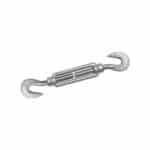
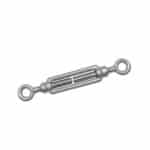
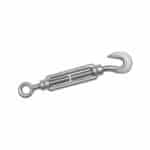
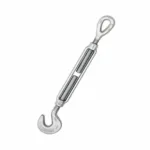
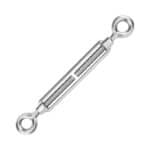
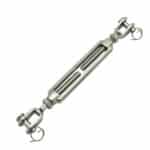
The untold stories of rigging screws are fascinating. These seemingly simple components are often the silent heroes of our industries and adventures, diligently holding things together under immense strain. However, their reliability shouldn’t be taken for granted. A rigging screw failure can lead to catastrophic consequences, highlighting the critical importance of understanding rigging screw lifespan, safety, and the value of investing in proper maintenance. In this guide, we’ll reveal three key secrets to extending the lifespan of your rigging screws: proactive maintenance, smart material choices, and regular inspections. These are the critical areas to focus on.
1. ✅ The Power of Proactive Cleaning & Lubrication
Proactive cleaning and lubrication are fundamental to maximizing rigging screw lifespan. Imagine the daily grind these components endure. Environmental contaminants, such as saltwater in marine environments or dust and debris in construction settings, constantly attack the metal surfaces. These substances accelerate corrosion and wear, gradually weakening the rigging screws and shortening their service life. Consistent cleaning and lubrication create a protective barrier, mitigating these harmful effects.
The daily grind: How contaminants shorten lifespan.
Saltwater corrosion poses a significant threat in marine environments. The chloride ions in saltwater actively attack stainless steel, leading to pitting and crevice corrosion. Similarly, in construction settings, abrasive dust and debris can scratch and wear away protective coatings, exposing the underlying metal to corrosion. Even seemingly harmless substances can contribute to the degradation process. These are the daily battles that rigging screws face.
Choosing the right cleaners: A guide to gentle yet effective solutions.
Selecting the appropriate cleaning agents is crucial. We recommend using gentle, pH-neutral solutions specifically designed for stainless steel or the material of your rigging screws. Avoid harsh chemicals like bleach or strong acids, as these can damage the metal and accelerate corrosion. Always rinse thoroughly with fresh water after cleaning to remove any residual cleaning agents. Proper cleaning is an investment in rigging hardware longevity.
The art of lubrication: Greasing your way to longevity.
Lubrication is equally important. Applying a high-quality lubricant to the threads of rigging screws reduces friction, prevents galling, and creates a barrier against moisture and contaminants. We suggest selecting a lubricant specifically formulated for marine or industrial applications, depending on your environment. Apply the lubricant liberally to the threads, ensuring it penetrates all areas. Reapply regularly, especially after exposure to water or harsh conditions, for optimal protection and enhanced turnbuckle lifespan.
Real-world impact: stories of failures due to lack of maintenance vs extended life with maintenance
We’ve seen firsthand the consequences of neglecting maintenance. For example, one of our clients in Jubail experienced a rigging failure that resulted in significant downtime and equipment damage. The investigation revealed severe corrosion on the rigging screws due to a lack of cleaning and lubrication. Conversely, another client who implemented a proactive maintenance program, including regular cleaning and lubrication, saw a dramatic increase in the rigging screw lifespan and a significant reduction in equipment failures. The difference was night and day.
2. 💡 Smart Material Choices for the Environment
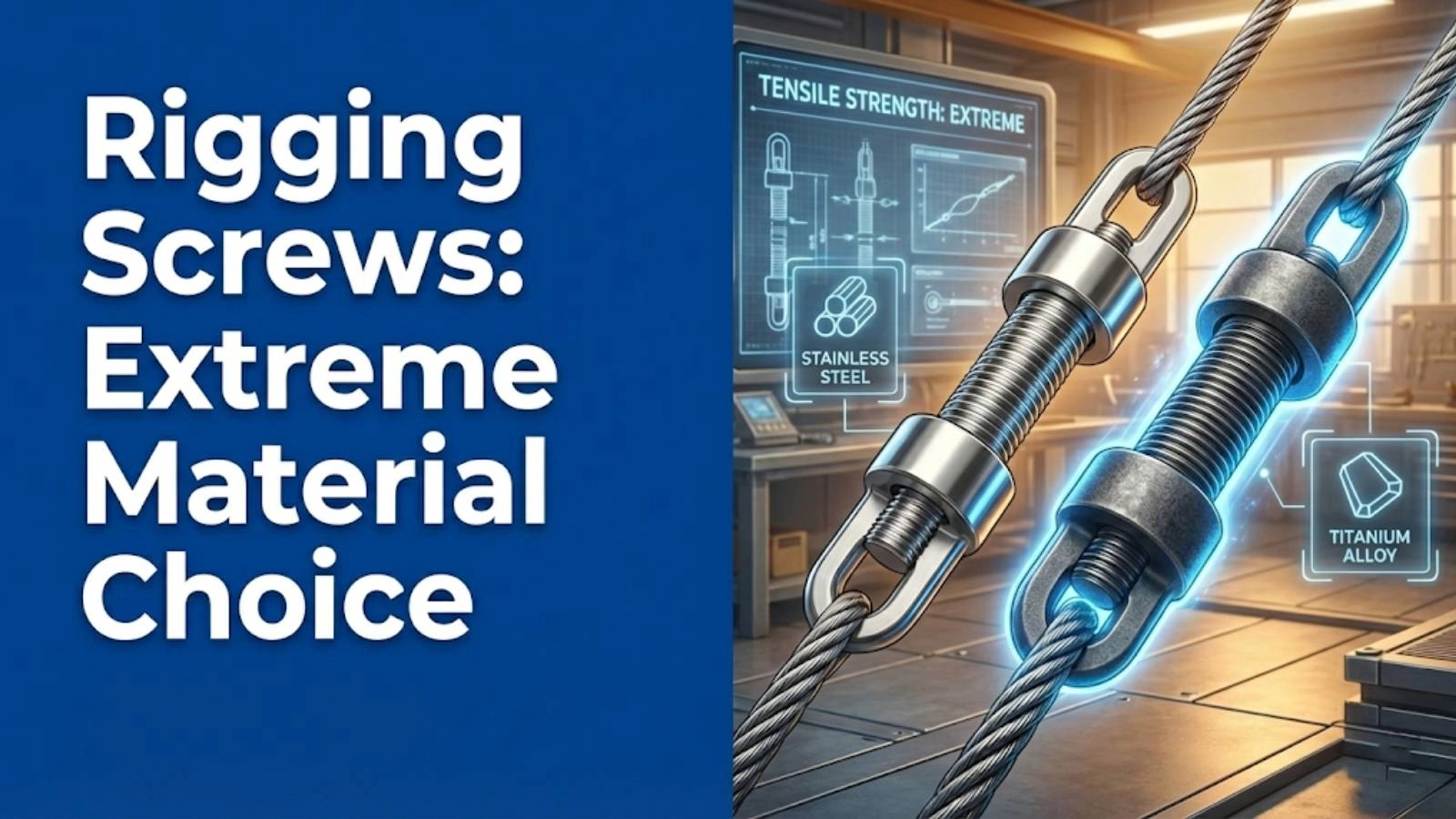
Choosing the right material for your rigging screws is essential for ensuring their longevity and reliability. Different metals offer varying levels of corrosion resistance and strength, and selecting the appropriate material for your specific environment is crucial. Smart material choices are a cornerstone of preventing rigging failure.
Decoding the metals: Stainless steel grades and their corrosion resistance.
Stainless steel is a popular choice for rigging screws due to its excellent corrosion resistance. However, not all stainless steels are created equal. Different grades offer varying levels of protection against corrosion. Understanding the differences between these grades is essential for making informed decisions.
304 vs. 316 stainless steel: Which is right for your application?
304 stainless steel is a general-purpose grade that offers good corrosion resistance in many environments. However, it is susceptible to pitting and crevice corrosion in highly corrosive environments, such as those with high chloride concentrations. 316 stainless steel contains molybdenum, which significantly enhances its resistance to pitting and crevice corrosion, making it a better choice for marine and other harsh environments. We often recommend 316 for our clients operating near the Arabian Gulf.
Understanding the PREN (Pitting Resistance Equivalent Number) value.
The PREN value is a numerical representation of a stainless steel’s resistance to pitting corrosion. A higher PREN value indicates greater resistance to pitting. When selecting stainless steel rigging screws, we advise considering the PREN value to ensure it is appropriate for your specific application.
Beyond stainless steel: Exploring alternative materials.
While stainless steel is a common choice, other materials may be suitable for specific applications. Titanium, for example, offers exceptional strength-to-weight ratio and excellent corrosion resistance. Galvanized steel provides a cost-effective option for less demanding environments.
Titanium rigging screws: Lightweight strength and corrosion resistance.
Titanium rigging screws offer a significant weight reduction compared to stainless steel, making them ideal for applications where weight is a critical factor. Additionally, titanium exhibits excellent corrosion resistance, even in harsh environments. However, titanium is generally more expensive than stainless steel.
Galvanized steel: Cost-effective option for specific environments.
Galvanized steel rigging screws are coated with a layer of zinc, which provides a protective barrier against corrosion. Galvanized steel is a cost-effective option for less demanding environments where corrosion is not a significant concern. However, the zinc coating can be damaged, exposing the underlying steel to corrosion.
Environmental awareness: Matching materials to conditions.
The environment in which your rigging screws will be used plays a crucial role in material selection. Consider factors such as saltwater exposure, humidity, chemical exposure, and abrasive wear when choosing the appropriate material. Environmental awareness is paramount to rigging hardware longevity.
Marine environments: Saltwater, humidity, and UV exposure.
Marine environments pose a significant challenge due to the presence of saltwater, high humidity, and UV exposure. We recommend using 316 stainless steel or titanium for marine applications to ensure adequate corrosion resistance. Additionally, consider using protective coatings to further enhance corrosion protection.
Industrial settings: Chemical exposure and abrasive wear.
Industrial settings may expose rigging screws to a variety of chemicals and abrasive materials. Select materials that are resistant to the specific chemicals present in your environment. Also, consider using protective coatings to protect against abrasive wear.
Anecdote: A tale of choosing the wrong screw and the dangers that followed.
We once had a client in Yanbu who opted for a lower-grade stainless steel rigging screw to save costs. Within months, the screws began to show signs of severe corrosion, and one eventually failed, causing a near-catastrophic incident. This incident highlighted the importance of investing in the right materials for the environment. As the old saying goes, you get what you pay for.
> “Choosing the right materials is the foundation of rigging screw longevity. Understanding the environment and selecting appropriate materials can significantly extend the lifespan of your rigging hardware and prevent costly failures.” – David Lee, Marine Engineer
3. ➡️ Inspection: Your Eyes as Lifespan Extenders
Regular inspection is a critical component of extending rigging screw lifespan. Visual inspections can identify early warning signs of damage or wear, allowing you to take corrective action before a failure occurs. Inspection is not merely a task, but a vital practice that uses your eyes as lifespan extenders.
The visual scan: Spotting early warning signs.
A visual inspection should include a thorough examination of the rigging screw for any signs of cracks, corrosion, deformation, or thread damage. Pay close attention to areas that are subject to high stress or exposure to corrosive elements. Identifying these early warning signs can prevent rigging failure.
Identifying cracks, corrosion, and deformation.
Cracks can propagate rapidly under stress, leading to catastrophic failure. Corrosion weakens the metal, reducing its load-bearing capacity. Deformation indicates that the rigging screw has been subjected to excessive load. Any of these signs should warrant immediate attention.
Understanding the significance of thread damage.
Damaged threads can significantly reduce the strength of the rigging screw and make it difficult to properly tighten. Damaged threads can also lead to accelerated wear and corrosion. We advise replacing rigging screws with damaged threads immediately.
Beyond the eye: Advanced inspection techniques.
In addition to visual inspections, advanced inspection techniques can be used to detect hidden flaws that are not visible to the naked eye. These techniques include dye penetrant testing and ultrasonic testing.
Dye penetrant testing for detecting surface cracks.
Dye penetrant testing involves applying a dye to the surface of the rigging screw, allowing it to penetrate any surface cracks. The excess dye is then removed, and a developer is applied, which draws the dye out of the cracks, making them visible. This is an effective method for detecting surface cracks that may be too small to see with the naked eye.
Ultrasonic testing for internal flaw detection.
Ultrasonic testing uses sound waves to detect internal flaws in the rigging screw. Sound waves are transmitted through the material, and any flaws will reflect the waves back to the sensor. This allows for the detection of internal cracks, voids, or other imperfections that could compromise the strength of the rigging screw.
Establishing a schedule: Frequency based on usage and environment.
The frequency of inspections should be based on the usage and environment of the rigging screws. High-stress applications and harsh environments require more frequent inspections. Establishing a schedule ensures consistent marine rigging care.
Daily inspections for high-stress applications.
For high-stress applications, such as lifting heavy loads or operating in dynamic conditions, we recommend daily inspections. This allows for the early detection of any signs of damage or wear.
Monthly or quarterly inspections for general use.
For general use applications, monthly or quarterly inspections may be sufficient. However, we suggest increasing the frequency of inspections if the rigging screws are exposed to harsh environments.
Case study: The time SSTC’s inspection saved a client from disaster
We recall a situation in Jeddah where our team, during a routine rigging inspection for a construction client, identified a hairline crack in a critical rigging screw. The crack was not visible to the naked eye but was detected using dye penetrant testing. Had we not identified the crack, the rigging screw would have likely failed under load, potentially causing a catastrophic accident. Our proactive inspection prevented a disaster and saved our client significant costs.
4. 🔩 The Rigging Screw Ecosystem: Compatible Components
The longevity of a rigging screw isn’t solely dependent on the screw itself but also on the compatibility of the entire rigging system. Mismatched components can introduce undue stress and accelerate wear, shortening the rigging screw lifespan. Consider a rigging screw part of a broader ecosystem.
Threads and tolerances: Why matching matters.
The threads of a rigging screw must match the threads of the connecting components. Mismatched threads can lead to cross-threading, stripping, and reduced load-bearing capacity. Understanding thread types ensures rigging hardware longevity.
Understanding thread types (UNC, UNF, Metric).
UNC (Unified National Coarse), UNF (Unified National Fine), and Metric threads are common thread types used in rigging applications. Ensure that all components in your rigging system have matching thread types. Mixing thread types can compromise the integrity of the system.
The importance of proper thread engagement.
Proper thread engagement is also critical. The threads of the rigging screw must be fully engaged with the threads of the connecting component to ensure proper load distribution. Insufficient thread engagement can lead to premature failure.
Load ratings: Ensuring components work in harmony.
All components in a rigging system must have adequate load ratings for the intended application. The rigging screw, shackles, and other hardware must be rated to handle the maximum load that will be applied to the system. Matching shackle size and strength is essential.
Matching shackle size and strength to rigging screws.
Using shackles that are too small or have a lower load rating than the rigging screws can overload the rigging screws and lead to failure. Ensure that the shackles are properly sized and rated for the intended load.
Avoiding overloading rigging systems.
Overloading a rigging system is a leading cause of rigging failure. Always stay within the safe working load (SWL) of the rigging system. Exceeding the SWL can lead to catastrophic consequences.
The domino effect: How one weak link can jeopardize the entire system.
A rigging system is only as strong as its weakest link. A single component with a lower load rating or a hidden flaw can jeopardize the entire system. Even high-quality stainless steel rigging can fail if paired with weaker links. We always stress the importance of careful component selection.
Industry standards: SSTC adherence and testing process
At Safe and Secure Trading Company (SSTC), we adhere to strict industry standards for rigging hardware. Our rigging screws undergo rigorous testing to ensure they meet or exceed all applicable standards. This includes load testing, corrosion testing, and dimensional inspections. Our adherence to these standards provides our clients with confidence in the quality and reliability of our products.
5. 🌧️ Weathering the Storm: Environmental Shielding
Rigging screws often face harsh environmental conditions, from saltwater spray to industrial chemicals. Providing an environmental shield can significantly extend their lifespan. This involves applying protective coatings or physical barriers to protect the rigging screws from corrosion and physical damage.
Protective coatings: A barrier against corrosion.
Protective coatings provide a barrier between the rigging screw and the environment, preventing corrosion. Common coatings include zinc coatings, epoxy coatings, and PTFE coatings. The right coating choice can drastically improve rigging screw lifespan.
Zinc coatings, epoxy coatings, and PTFE coatings.
Zinc coatings provide sacrificial protection, corroding in place of the underlying steel. Epoxy coatings provide a durable, chemical-resistant barrier. PTFE coatings offer excellent corrosion resistance and low friction.
Selecting the right coating for your specific environment.
The choice of coating depends on the specific environment in which the rigging screws will be used. Consider factors such as saltwater exposure, chemical exposure, and temperature when selecting a coating. For example, for our clients in Ras Al-Khair, we often recommend epoxy coatings due to the industrial nature of the environment.
Physical barriers: Sleeves and wraps for added protection.
Physical barriers, such as sleeves and wraps, provide additional protection against physical damage and corrosion. These barriers can protect the threads of the rigging screws from impact and abrasion. They also provide a barrier against moisture and contaminants.
Protecting threads from physical damage.
Damaged threads can significantly weaken a rigging screw and make it difficult to properly tighten. Sleeves and wraps can protect the threads from physical damage, extending the rigging screw lifespan.
Extending lifespan in harsh environments.
In harsh environments, such as those with high saltwater exposure or chemical exposure, physical barriers can significantly extend the lifespan of rigging screws. These barriers provide an extra layer of protection against corrosion and damage.
The hidden culprit: Galvanic corrosion and its prevention.
Galvanic corrosion occurs when two dissimilar metals are in contact in the presence of an electrolyte, such as saltwater. The more active metal corrodes preferentially, while the less active metal is protected. This can lead to rapid corrosion of rigging screws if they are in contact with dissimilar metals.
To prevent galvanic corrosion, use compatible materials or isolate dissimilar metals with non-conductive materials. For example, use stainless steel shackles with stainless steel rigging screws, or use insulating washers between steel and aluminum components.
Humorous take: A storm’s tale and the screws that endured.
We recall a story from a client who weathered a particularly violent storm. After the storm, they found their boat battered but intact. Upon closer inspection, they discovered that the rigging screws, which had been treated with a protective coating, had held up remarkably well, while other components had suffered significant damage. The client quipped, “Those little screws saved my boat! They’re tougher than they look!”
6. 📐 Proper Installation: Setting the Stage for Success
Even the highest-quality rigging screw will fail prematurely if it is not installed correctly. Proper installation is critical for ensuring even load distribution and preventing thread damage. This includes achieving the right tightness, preventing cross-threading and stripping, and ensuring proper alignment.
Torque talk: Achieving the right tightness.
The torque applied to a rigging screw affects its performance and lifespan. Undertightening can lead to loosening and reduced load-bearing capacity. Overtightening can damage the threads and reduce the strength of the rigging screw. The correct torque is essential for marine rigging care.
Understanding torque specifications for rigging screws.
Torque specifications are provided by the manufacturer and indicate the proper amount of torque to apply to the rigging screw. Always refer to the manufacturer’s specifications when installing rigging screws.
Using torque wrenches for accurate tightening.
Torque wrenches allow you to accurately apply the specified amount of torque to a rigging screw. Using a torque wrench is the best way to ensure that the rigging screw is properly tightened.
Preventing thread damage: Avoiding cross-threading and stripping.
Cross-threading and stripping can significantly weaken a rigging screw and make it difficult to properly tighten. These issues arise during installation.
Starting threads by hand and using proper tools.
Always start the threads by hand to avoid cross-threading. Use proper tools, such as wrenches and sockets, to tighten the rigging screw. Avoid using excessive force, which can damage the threads.
Applying anti-seize compounds.
Applying anti-seize compounds to the threads can prevent galling and make it easier to tighten the rigging screw. Anti-seize compounds also help to prevent corrosion.
Alignment is key: Ensuring even load distribution.
Proper alignment is essential for ensuring even load distribution across the rigging system. Misaligned components can concentrate stress on certain areas, leading to premature failure.
Client lesson: a preventable disaster
We once consulted with a client who experienced a rigging failure due to improper installation. The client had overtightened the rigging screws, damaging the threads and reducing their strength. The failure resulted in significant equipment damage and downtime. We used this situation as a learning opportunity, providing the client with training on proper installation techniques.
7. 🏋️ Understanding Load Limits and Safe Working Loads
Understanding load limits and safe working loads (SWL) is paramount for preventing rigging failures. Overloading a rigging system can have catastrophic consequences. Understanding the math behind rigging ensures rigging hardware longevity.
The math behind rigging: Calculating safe working loads (SWL).
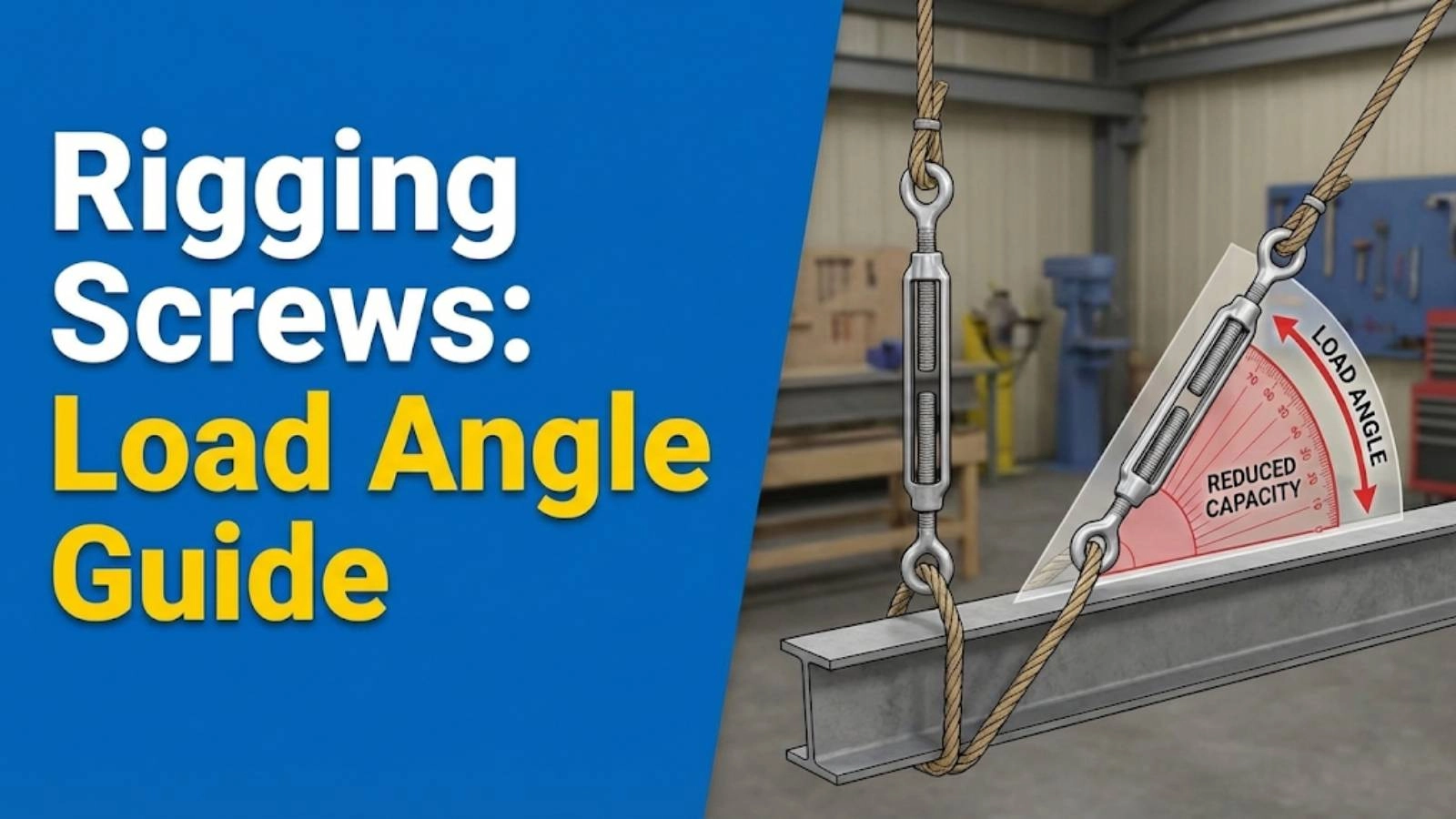
The safe working load (SWL) is the maximum load that a rigging system can safely handle. The SWL is typically calculated by dividing the breaking strength of the rigging system by a safety factor.
Understanding the relationship between SWL and breaking strength.
The breaking strength is the load at which a rigging system will fail. The safety factor is a multiplier that reduces the breaking strength to account for uncertainties and potential hazards.
Applying safety factors for different applications.
The appropriate safety factor depends on the application. For critical applications, such as lifting heavy loads, a higher safety factor is required. For less critical applications, a lower safety factor may be acceptable.
Dynamic loads: Accounting for shock and vibration.
Dynamic loads, such as shock and vibration, can significantly increase the stress on a rigging system. Accounting for these dynamic loads is essential for ensuring safety.
Increasing safety factors for dynamic loading conditions.
For dynamic loading conditions, we recommend increasing the safety factor to account for the increased stress. Using load cells to monitor stress helps to ensure safety.
Using load cells to monitor stress.
Load cells are devices that measure the force applied to a rigging system. Using load cells allows you to monitor the stress on the system and ensure that it remains within safe limits.
The risk of overloading: Consequences and prevention.
Overloading a rigging system can lead to catastrophic consequences, including equipment damage, injuries, and even fatalities. It is crucial to prevent overloading by understanding load limits and safe working loads.
A close call: SSTC’s expertise saves the day
We were called in to investigate a near-miss incident at a construction site in Riyadh. The rigging system had been overloaded, causing a critical rigging screw to bend and deform. Our team quickly identified the overload and implemented corrective actions, preventing a potentially catastrophic failure. Our expertise in load calculations and safe working loads saved the day.
8. 📚 Documentation: Keeping Records for Future Reference
Proper documentation is essential for tracking the maintenance and wear of rigging screws. Keeping detailed records allows you to identify patterns and trends, predict potential failures, and ensure compliance with safety regulations. Comprehensive documentation ensures ongoing marine rigging care.
The inspection log: Tracking maintenance and wear.
The inspection log should include detailed records of all inspections, including the date, findings, and actions taken. This log should be maintained for each rigging screw in the system.
Recording inspection dates, findings, and actions taken.
Accurate records of inspection dates, findings, and actions taken are essential for tracking the maintenance and wear of rigging screws. These records can help you identify potential problems early on.
Using digital tools for efficient record-keeping.
Digital tools, such as spreadsheets and databases, can be used to efficiently manage and analyze inspection data. These tools can help you identify patterns and trends and predict potential failures.
Replacement history: Identifying patterns and trends.
Tracking the replacement history of rigging screws can help you identify common failure modes and improve maintenance practices. This data can also be used to predict the lifespan of individual rigging screws.
Tracking the lifespan of individual rigging screws.
By tracking the lifespan of individual rigging screws, you can identify those that are nearing the end of their service life and replace them before they fail. This can help to prevent unexpected failures and ensure safety.
Identifying common failure modes.
Identifying common failure modes can help you improve maintenance practices and prevent future failures. For example, if you consistently find that rigging screws are failing due to corrosion, you may need to implement a more aggressive corrosion prevention program.
Compliance and liability: Protecting yourself and your business.
Proper documentation is essential for demonstrating compliance with safety regulations and protecting yourself and your business from liability. In the event of an accident, detailed records of inspections and maintenance can help demonstrate that you took reasonable steps to prevent the incident.
| Key Strategy |
Description |
Benefit |
| Proactive Cleaning & Lubrication |
Regularly cleaning and lubricating rigging screws to remove contaminants and reduce friction. |
Extends lifespan, prevents corrosion, and ensures smooth operation. |
| Smart Material Choices |
Selecting appropriate materials for the specific environment, such as 316 stainless steel for marine applications. |
Maximizes corrosion resistance and strength, preventing premature failure. |
| Regular Inspection |
Conducting regular visual and advanced inspections to identify early warning signs of damage or wear. |
Enables early detection of problems, allowing for timely corrective action and preventing catastrophic failures. |
Conclusion: The Future of Rigging Screws
In conclusion, maximizing rigging screw lifespan requires a multifaceted approach, focusing on proactive cleaning and lubrication, smart material choices, and regular inspection. By implementing these strategies, you can significantly extend the service life of your rigging screws, prevent costly failures, and ensure the safety of your operations. The future of rigging screw reliability hinges on proactive maintenance and responsible usage. We are confident that these techniques will help you get the most out of your equipment.
FAQ Section
Q: How often should I clean my rigging screws?
A: The frequency of cleaning depends on the environment. In harsh environments, such as marine or industrial settings, we recommend cleaning rigging screws at least monthly. In less demanding environments, quarterly cleaning may be sufficient.
Q: What type of lubricant should I use on my rigging screws?
A: We advise using a high-quality lubricant specifically designed for marine or industrial applications. The lubricant should be compatible with the material of your rigging screws and should provide excellent corrosion protection.
Q: How can I tell if my rigging screws are overloaded?
A: Signs of overloading include deformation, bending, or cracking. If you suspect that your rigging screws are overloaded, we recommend having them inspected by a qualified professional.
Q: What is the best way to prevent galvanic corrosion?
A: The best way to prevent galvanic corrosion is to use compatible materials or isolate dissimilar metals with non-conductive materials. For example, use stainless steel shackles with stainless steel rigging screws, or use insulating washers between steel and aluminum components.
Q: How do I properly store rigging screws when they are not in use?
A: When storing rigging screws, clean them thoroughly and apply a protective coating or lubricant. Store them in a dry, well-ventilated area to prevent corrosion.
Q: Are there specific industry standards SSTC follows for rigging screws?
A: Yes, Safe and Secure Trading Company adheres to stringent industry standards, and our rigging screws undergo rigorous testing to ensure they meet or exceed all applicable standards. This includes load testing, corrosion testing, and dimensional inspections.
Q: What is the expected turnbuckle lifespan if maintained correctly?
A: With proper maintenance, including regular cleaning, lubrication, and inspection, a high-quality turnbuckle can last for many years, even decades. However, the actual lifespan depends on the severity of the environment and the frequency of use.
Q: Can stainless steel rigging screws corrode?
A: Yes, even stainless steel rigging screws can corrode, especially in harsh environments with high chloride concentrations. However, using the appropriate grade of stainless steel, such as 316, and implementing a proper maintenance program can minimize corrosion.
Q: What is the role of thread lubrication in rigging screw maintenance?
A: Thread lubrication is essential for reducing friction, preventing galling, and protecting against corrosion. A high-quality lubricant should be applied to the threads regularly, especially after exposure to water or harsh conditions. This contributes significantly to rigging hardware longevity.
Q: How does saltwater exposure affect rigging screw lifespan?
A: Saltwater exposure is a major factor that reduces rigging screw lifespan due to its corrosive properties. It’s vital to choose the correct materials, like 316 stainless steel, and use protective coatings or shields to combat its harmful effects.
Q: How often should I replace my rigging screws?
A: There is no fixed interval for replacing rigging screws, as the lifespan depends on several factors, including material, environment, and usage. It’s crucial to regularly inspect your rigging screws for signs of wear or damage and replace them as necessary.
Q: What are the key indicators of needing rigging screw maintenance?
A: Key indicators include visible corrosion, cracks, deformation, damaged threads, difficulty in tightening or loosening, and any signs of overloading. Regular visual and advanced inspections will help identify these issues early on.