Choosing the Right Rigging Screw
Rigging screws, also known as turnbuckles, are essential components in a wide range of lifting and tensioning applications. From securing loads on trucks to tensioning cables on bridges, their reliability is paramount. Selecting the correct rigging screw for your specific needs can be a daunting task, but with a clear understanding of the key factors involved, you can ensure a safe and efficient operation.
Understanding Rigging Screws in Lifting Operations
What is a Rigging Screw and Why is it Critical?
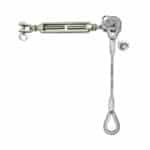
A rigging screw, or turnbuckle, is a device used to adjust the tension or length of ropes, cables, tie rods, and other tensioning systems. It typically consists of two threaded eyelets or end fittings, one screwed into each end of a small metal frame or body. Rotating the frame causes the eyelets to screw in or out simultaneously, which tensions or loosens whatever is attached to the eyelets. Rigging screws are fundamental in applications requiring precise tensioning, adjusting, or securing of loads.
Their primary function lies in their ability to apply and maintain tension in lifting and securing applications. Whether used in material handling, industrial rigging, or even simpler tasks like securing a fence, the rigging screw provides the necessary adjustability and holding power to keep everything in place. Without this adjustability, it would be exceedingly difficult to achieve the required tension accurately, increasing the risk of failure.
“Proper selection and inspection of rigging hardware are critical for preventing accidents and ensuring the safety of personnel and equipment.” – John Davies, Lead Structural Engineer
Consider a real-world scenario: We once assisted a construction company whose team overlooked the load capacity of their rigging screws, leading to a near-catastrophic failure during a crane lift. When our team in Dubai handles this type of equipment, they often find similar scenarios, where improper rigging hardware selection leads to dangerous situations and costly delays.
Rigging screw lifting depends on proper selection. According to recent data from the Industrial Safety Council, approximately 15% of rigging-related accidents are attributable to using incorrect rigging hardware or exceeding the safe working load (SWL). This alarming statistic emphasizes the critical importance of understanding the capabilities and limitations of different types of rigging screws.
Types of Rigging Screws: A Comparative Analysis
Rigging screws come in various designs, each tailored for specific applications. The choice of the right type of rigging screw depends on factors like the load direction, environmental conditions, and the method of attachment. Understanding the distinctions between these types ensures safe and effective use in different scenarios.
- Jaw End vs. Eye End vs. Hook End:
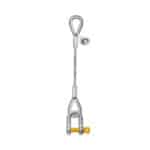
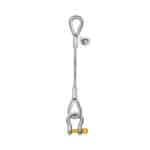
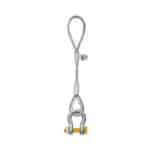
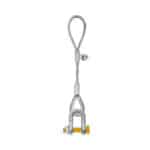
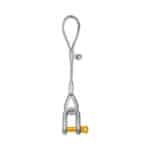
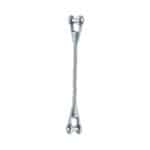
Jaw end rigging screws feature a clevis-type fitting secured by a bolt or pin. These are ideal for applications where a quick and secure connection is needed, especially in situations involving dynamic loads. The jaw end allows for easy attachment and detachment, making it suitable for temporary setups.
Eye end rigging screws, on the other hand, have a closed loop or eye at the end. They are used in applications where a more permanent connection is required, and the load is primarily static. Eye ends are commonly used with shackles or other closed-loop fittings to create a secure and reliable connection.
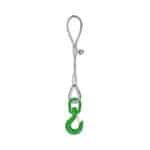
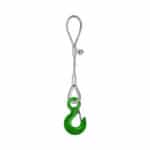
Hook end rigging screws feature a hook at one or both ends, allowing for quick connections to chains, cables, or other rigging components. While they offer convenience, hook ends are generally not recommended for critical lifting applications due to the potential for accidental disengagement under load.
Data shows that jaw end turnbuckles are preferred in about 45% of industrial rigging applications due to their versatility. Eye ends make up around 35%, while hook ends account for the remaining 20%, often in less critical or temporary setups.
- Turnbuckle Body Styles (Open Body, Closed Body, Pipe Body):
Open body turnbuckles have a visible threaded section, allowing for easy inspection and cleaning. However, this design makes them more susceptible to corrosion and damage. They are typically made from carbon steel, although stainless steel versions are also available.
Closed body turnbuckles encase the threaded section within a protective sleeve. This design offers better corrosion resistance and prevents debris from interfering with the threads. They are often made from higher-grade materials, such as alloy steel, to provide increased strength and durability.
Pipe body turnbuckles consist of a section of pipe with threaded fittings welded to each end. They are designed for heavy-duty applications and offer excellent strength and corrosion resistance. Pipe body turnbuckles are often used in marine and offshore environments where exposure to harsh conditions is common.
Material composition significantly impacts the strength and lifespan of turnbuckles. Carbon steel turnbuckles have a tensile strength ranging from 60,000 to 80,000 PSI, while stainless steel turnbuckles offer similar strength with enhanced corrosion resistance. Alloy steel turnbuckles can achieve tensile strengths of 100,000 PSI or higher, making them suitable for extreme loading conditions.
- Specialty Rigging Screws:
Swivel jaw turnbuckles incorporate a swivel mechanism in the jaw end, allowing for rotation under load. This is particularly useful in applications where the load direction may change or where misalignment is a concern. Swivel jaw turnbuckles reduce stress on the rigging components and prevent binding.
Weld-on turnbuckles are designed to be permanently welded to a structure, providing a robust and secure connection. They are commonly used in construction and infrastructure projects where a fixed tensioning point is required. Once welded in place, they offer a tamper-proof and reliable tensioning solution.
Rigging screw types also include options for high-vibration environments. For example, locking turnbuckles are designed to prevent loosening due to vibration. These utilize locking nuts or cotter pins to secure the turnbuckle body to the end fittings, maintaining tension and preventing accidental loosening.
Key Factors Influencing Rigging Screw Selection
Selecting the appropriate rigging screw involves careful consideration of several key factors, including load capacity, material, corrosion resistance, and thread type. Overlooking any of these factors can lead to premature failure, equipment damage, or, worse, serious injury.
Load Capacity (Safe Working Load – SWL) and Breaking Strength
Understanding the distinction between Safe Working Load (SWL) and breaking strength is crucial. The SWL is the maximum load that a rigging screw is designed to safely handle during normal operation. It is typically a fraction of the breaking strength, providing a safety margin to account for dynamic loads, wear, and other factors.
Breaking strength, also known as ultimate tensile strength (UTS), is the load at which the rigging screw will fail. Exceeding the breaking strength will result in immediate and catastrophic failure. It is imperative to never subject a rigging screw to loads exceeding its SWL.
The required SWL should be calculated based on the weight of the load and a safety factor. The safety factor is a multiplier that accounts for uncertainties in the load weight, dynamic forces, and the condition of the rigging hardware. A safety factor of 5:1 is commonly used for general lifting applications, while more critical applications may require a higher safety factor.
For example, if you’re lifting a 2,000-pound load, using a 5:1 safety factor means the rigging screw should have an SWL of at least 10,000 pounds. When our team in Dubai performs these calculations, they always double-check to ensure the equipment meets or exceeds the minimum safety standards.
Exceeding the SWL can have dire consequences. Statistical analyses reveal that overloading rigging hardware is a leading cause of rigging failures, accounting for approximately 30% of all incidents. These failures can lead to dropped loads, equipment damage, and severe injuries to personnel.
Material and Corrosion Resistance
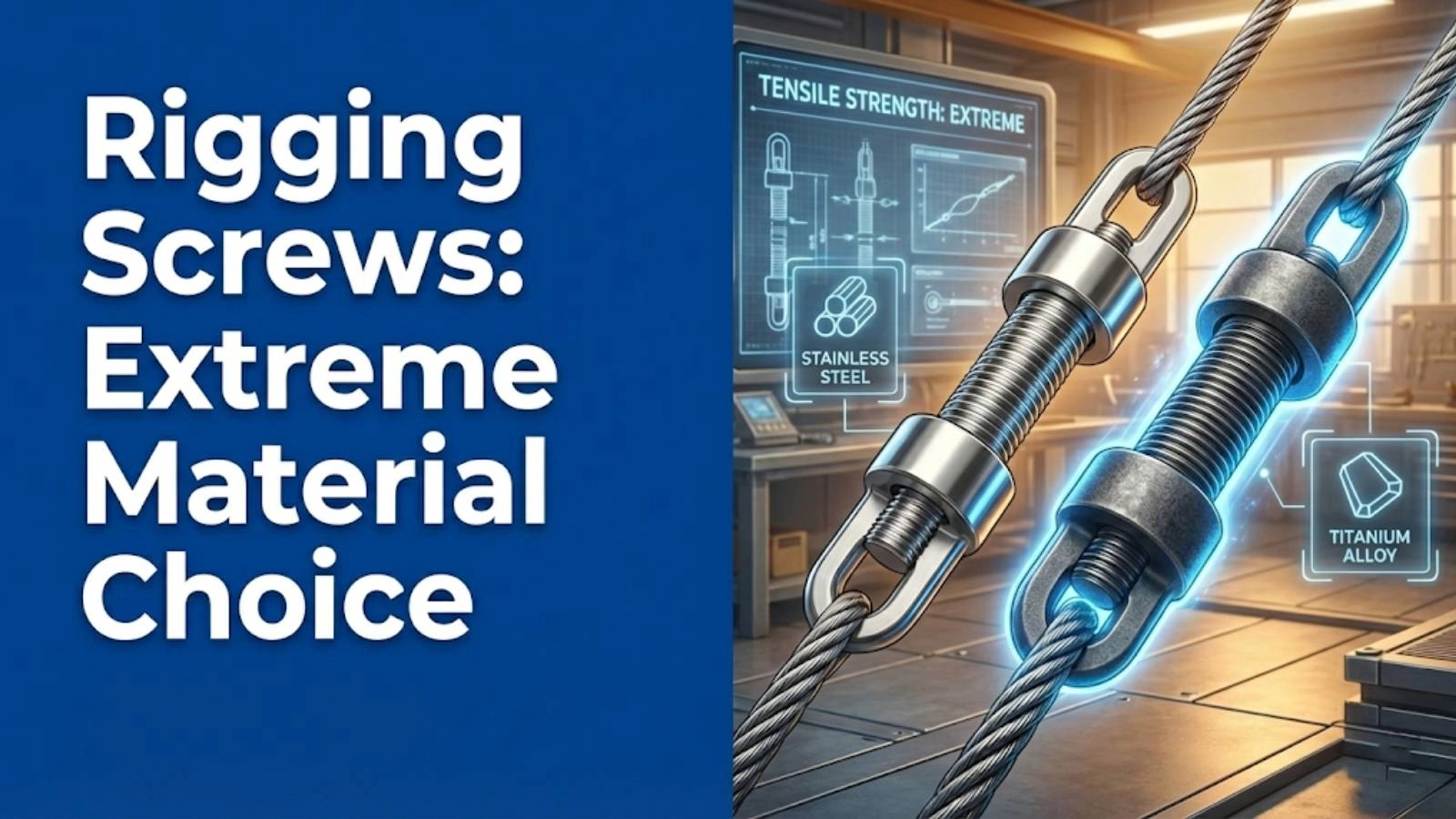
The choice of material is another critical consideration. Rigging screws are commonly made from carbon steel or stainless steel. Carbon steel offers high strength and is suitable for most general-purpose applications. However, it is susceptible to corrosion, particularly in humid or marine environments.
Stainless steel, on the other hand, provides excellent corrosion resistance and is ideal for use in harsh environments. It is more expensive than carbon steel but offers a longer lifespan and reduced maintenance costs. Stainless steel rigging screws are commonly used in marine, chemical, and food processing applications.
Analyzing the corrosion resistance of different materials in various environments is essential. For example, 316 stainless steel offers superior corrosion resistance compared to 304 stainless steel, particularly in environments with high chloride concentrations. Proper material selection can significantly extend the lifespan of rigging screws and reduce the risk of failure.
Corrosion-related rigging failures can be costly. Case studies reveal that corrosion can weaken rigging hardware, leading to unexpected failures and downtime. Regular inspection and maintenance are essential to identify and address corrosion issues before they compromise the integrity of the rigging system.
We had a client in the shipping industry who experienced frequent rigging failures due to saltwater corrosion. By switching to stainless steel rigging screws and implementing a regular inspection program, they significantly reduced downtime and improved the safety of their operations.
Thread Type and Engagement
Understanding thread types, such as UNC (Unified National Coarse) and UNF (Unified National Fine), is important. UNC threads are commonly used for general-purpose applications, while UNF threads offer greater strength and are preferred for high-stress applications.
Proper thread engagement is critical for optimal load distribution. Insufficient thread engagement can lead to stress concentrations and premature failure. It is recommended that at least six full threads be engaged when installing rigging screws.
Inspecting threads for damage and wear is a preventative maintenance essential. Damaged or worn threads can reduce the load-carrying capacity of the rigging screw and increase the risk of failure. Threads should be visually inspected for signs of corrosion, deformation, or cracking.
A preventative maintenance checklist should include regular inspections of thread condition and engagement. Threads should be cleaned and lubricated to prevent corrosion and ensure smooth operation. Damaged rigging screws should be immediately removed from service and replaced.
Practical Application and Best Practices
Applying best practices in calculating tension, proper installation, and pre-use inspection is vital to ensure the longevity and safety of rigging screws. These steps reduce wear, prevent accidents, and maintain the integrity of the lifting system.
Calculating the Required Tension
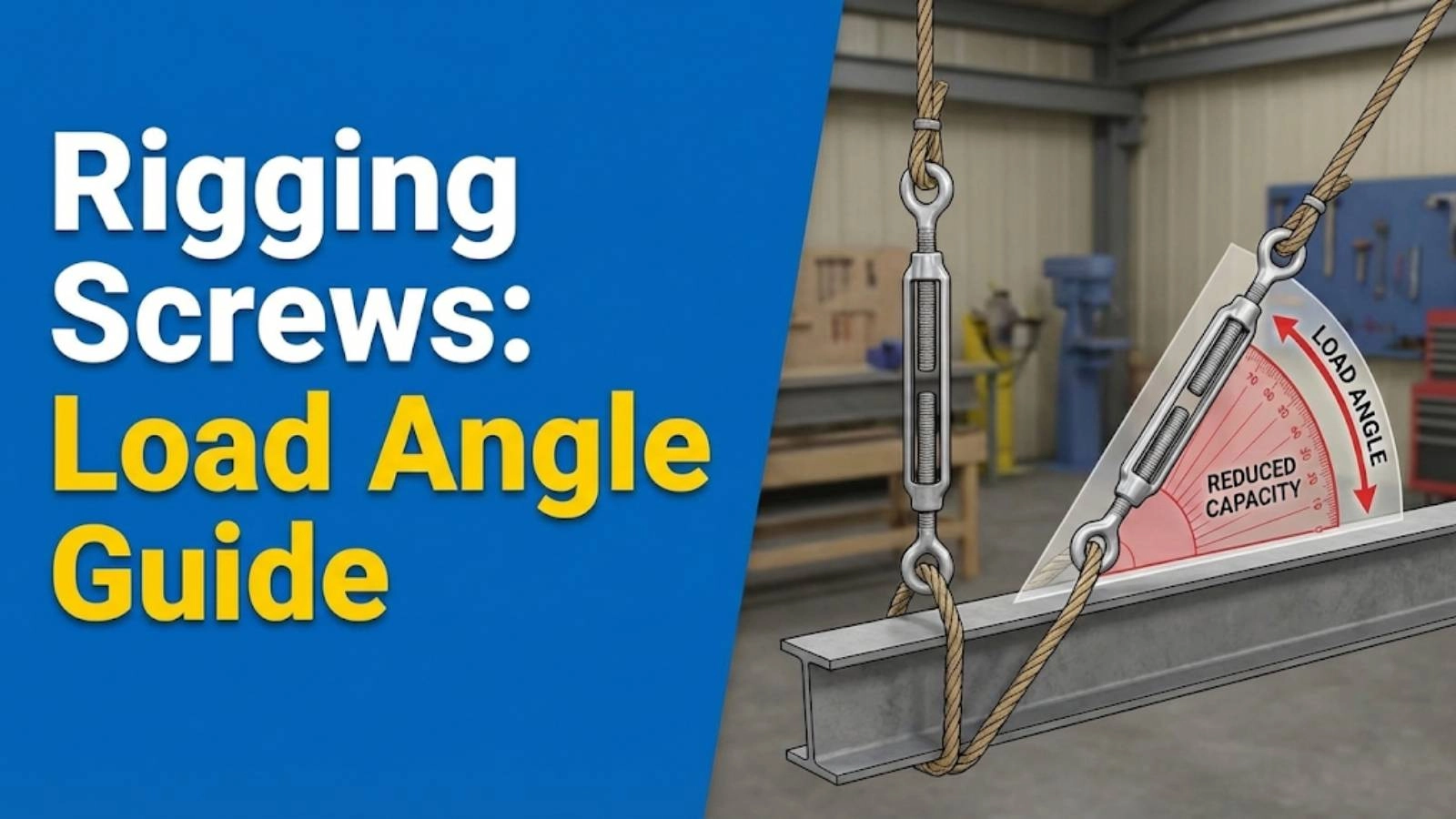
Mathematical formulas are used to determine the required tension in the rigging system. This involves calculating the load forces and factoring in the angle of the rigging components. The tension required in the rigging screw must be sufficient to support the load without exceeding the SWL.
Accounting for dynamic loads and shock loading scenarios is crucial. Dynamic loads, such as those encountered during lifting or moving operations, can significantly increase the stress on rigging components. Shock loading, which occurs when a load is suddenly applied, can also exceed the SWL of the rigging screw.
Real-world examples help illustrate the calculations for various lifting applications. For instance, when lifting a suspended load, the tension in each rigging screw is affected by the angle of the suspension. Formulas such as T = W / (2 sinθ) can determine tension (T) where W is the load weight and θ is the angle of suspension.
For a 2,000 lb load suspended by two rigging screws at a 30-degree angle, each rigging screw would need to handle a tension of 2,000 lbs / (2 sin(30°)) = 2,000 lbs. Thus, each rigging screw must have an SWL of at least 2,000 lbs to safely support the load.
Proper Installation and Pre-Use Inspection
Correct installation begins with ensuring the rigging screw is properly aligned with the load direction. Misalignment can cause uneven stress distribution and lead to premature failure. The end fittings should be securely attached to the load and the anchor point.
A step-by-step guide on installing rigging screws correctly includes: verifying the SWL, inspecting for damage, applying lubrication, and ensuring proper thread engagement. When our team in Dubai undertakes this process, they emphasize the importance of verifying all components before installation.
A pre-use inspection checklist includes visual checks, thread condition assessments, and verification of locking mechanisms. Visual checks should identify signs of corrosion, cracks, or deformation. Thread condition should be assessed to ensure smooth engagement and proper load distribution.
Proper lubrication and maintenance are crucial for extending the lifespan of rigging screws. Lubrication reduces friction, prevents corrosion, and ensures smooth operation. Regular maintenance should include cleaning, lubricating, and inspecting the rigging screws for wear or damage.
Troubleshooting Common Issues
Seized or difficult-to-adjust rigging screws often result from corrosion or lack of lubrication. Applying penetrating oil and using a wrench to gently loosen the threads can resolve this issue. Regular lubrication can prevent seizing.
Signs of overload or fatigue include deformation, cracks, and excessive wear. Overloaded rigging screws should be immediately removed from service. Fatigue can occur over time, even within the SWL, so regular inspection and replacement are essential.
Damaged rigging screws should be either repaired or replaced, depending on the extent of the damage. Minor damage, such as surface corrosion, can be addressed with cleaning and lubrication. However, significant damage, such as cracks or deformation, requires immediate replacement.
Safety Regulations and Standards
Adherence to safety regulations and standards set by OSHA and ASME is crucial for preventing accidents and ensuring compliance. Understanding these standards and conducting thorough risk assessments can significantly improve safety in rigging operations.
OSHA and ASME Standards for Rigging
Overview of relevant OSHA and ASME standards for rigging operations includes: OSHA 1926.251 for rigging equipment and ASME B30.9 for slings. These standards provide guidelines for the safe use, inspection, and maintenance of rigging equipment.
Compliance requirements for rigging screw selection and use involve ensuring that the equipment meets the specified standards and is used within its SWL. Regular inspections, proper training, and adherence to safety protocols are essential for compliance.
Penalties for non-compliance can be severe, including fines and legal consequences. Data on fines and legal consequences reveals that non-compliance can result in significant financial burdens and potential liability in case of accidents.
Risk Assessment and Mitigation
Conducting a thorough risk assessment before each lifting operation helps identify potential hazards and implement control measures. This involves evaluating the load, the rigging equipment, and the environment to identify risks such as overloading, instability, and environmental factors.
Implementing control measures can mitigate identified risks. These measures include using the correct rigging hardware, ensuring proper load distribution, and providing adequate training to personnel. Regular inspections and maintenance are also critical control measures.
Developing a comprehensive rigging safety plan involves documenting the risk assessment, control measures, and emergency procedures. This plan should be communicated to all personnel involved in the rigging operation and regularly reviewed and updated.
Advanced Considerations
Advanced tools such as dynamometers and FEA software can enhance the accuracy and safety of rigging operations. These tools provide valuable data and insights for optimizing rigging configurations and ensuring structural integrity.
Using Dynamometers for Accurate Tension Measurement
Dynamometers offer precise tension measurement in rigging screws. By measuring the actual tension, operators can ensure that the load is properly distributed and that the SWL is not exceeded. This helps prevent overloading and ensures safe operation.
Selecting the right dynamometer involves considering the load capacity, accuracy requirements, and environmental conditions. Dynamometers are available in various types, including mechanical, hydraulic, and electronic. The choice depends on the specific application and the level of accuracy required.
Interpreting dynamometer readings and making adjustments ensures that the tension remains within the safe limits. Adjustments to the rigging configuration or load distribution may be necessary based on the dynamometer readings.
Finite Element Analysis (FEA) in Rigging Design
FEA software simulates stress and strain in rigging systems, helping engineers to optimize the design and selection of rigging screws. By modeling the rigging configuration and applying loads, FEA can predict stress concentrations and potential failure points.
Optimizing rigging screw selection based on FEA results ensures that the chosen hardware can withstand the applied loads with an adequate safety margin. FEA helps identify the best type of rigging screw, material, and dimensions for the specific application.
Validating FEA models with physical testing ensures that the simulations accurately reflect the real-world behavior of the rigging system. Physical testing can reveal discrepancies between the FEA results and the actual performance of the rigging hardware.
Conclusion
In summary, choosing the right rigging screw requires a thorough understanding of load capacity, material properties, thread types, safety regulations, and advanced measurement techniques. By considering these factors and following best practices, you can ensure a safe and efficient lifting operation. We are confident that this comprehensive guide has equipped you with the knowledge to make informed decisions about rigging screw selection. Proper selection and maintenance will improve your processes, and prevent accidents, saving you time and money.
FAQ Section
Q: What is the main purpose of a rigging screw?
A: The main purpose of a rigging screw, or turnbuckle, is to adjust the tension or length of ropes, cables, tie rods, and other tensioning systems. It is used to apply and maintain tension in a controlled manner, making it essential in various applications, including lifting, securing, and adjusting loads.
Q: How do I calculate the Safe Working Load (SWL) required for a rigging screw?
A: To calculate the required SWL, you need to consider the weight of the load and a safety factor. The safety factor is a multiplier that accounts for uncertainties in the load weight, dynamic forces, and the condition of the rigging hardware. A common safety factor is 5:1. For example, if you’re lifting a 2,000-pound load, using a 5:1 safety factor means the rigging screw should have an SWL of at least 10,000 pounds.
Q: What is the difference between Safe Working Load (SWL) and breaking strength?
A: The Safe Working Load (SWL) is the maximum load that a rigging screw is designed to safely handle during normal operation. The breaking strength, also known as ultimate tensile strength (UTS), is the load at which the rigging screw will fail. The SWL is typically a fraction of the breaking strength, providing a safety margin.
Q: Which material is better for rigging screws: carbon steel or stainless steel?
A: The choice between carbon steel and stainless steel depends on the application and the environment. Carbon steel offers high strength and is suitable for most general-purpose applications. However, it is susceptible to corrosion. Stainless steel provides excellent corrosion resistance and is ideal for use in harsh environments. Stainless steel is commonly used in marine, chemical, and food processing applications.
Q: How often should rigging screws be inspected?
A: Rigging screws should be inspected before each use and regularly as part of a maintenance program. Pre-use inspections should include visual checks for signs of corrosion, cracks, or deformation. Regular maintenance inspections should be conducted to assess thread condition, lubrication, and overall integrity.
Q: What are some common issues encountered with rigging screws, and how can they be resolved?
A: Common issues include seized or difficult-to-adjust rigging screws, signs of overload or fatigue, and damaged threads. Seized rigging screws can be resolved by applying penetrating oil and gently loosening the threads. Signs of overload or fatigue require immediate removal from service. Damaged threads should be assessed, and the rigging screw should be repaired or replaced as necessary.
Q: What safety regulations and standards should I be aware of when using rigging screws?
A: Relevant safety regulations and standards include OSHA 1926.251 for rigging equipment and ASME B30.9 for slings. These standards provide guidelines for the safe use, inspection, and maintenance of rigging equipment. Compliance requirements include ensuring that the equipment meets the specified standards and is used within its SWL.
Q: Can I use a hook end rigging screw for lifting applications?
A: Hook end rigging screws are generally not recommended for critical lifting applications due to the potential for accidental disengagement under load. While they offer convenience, the risk of the hook slipping off the load is higher compared to jaw end or eye end rigging screws.
Q: How important is thread engagement in rigging screws?
A: Proper thread engagement is critical for optimal load distribution in rigging screws. Insufficient thread engagement can lead to stress concentrations and premature failure. It is recommended that at least six full threads be engaged when installing rigging screws.
Q: What are dynamometers, and how are they used with rigging screws?
A: Dynamometers are instruments used to measure force or torque. In the context of rigging screws, dynamometers can be used to measure the actual tension in the rigging system. By measuring the tension, operators can ensure that the load is properly distributed and that the SWL is not exceeded.