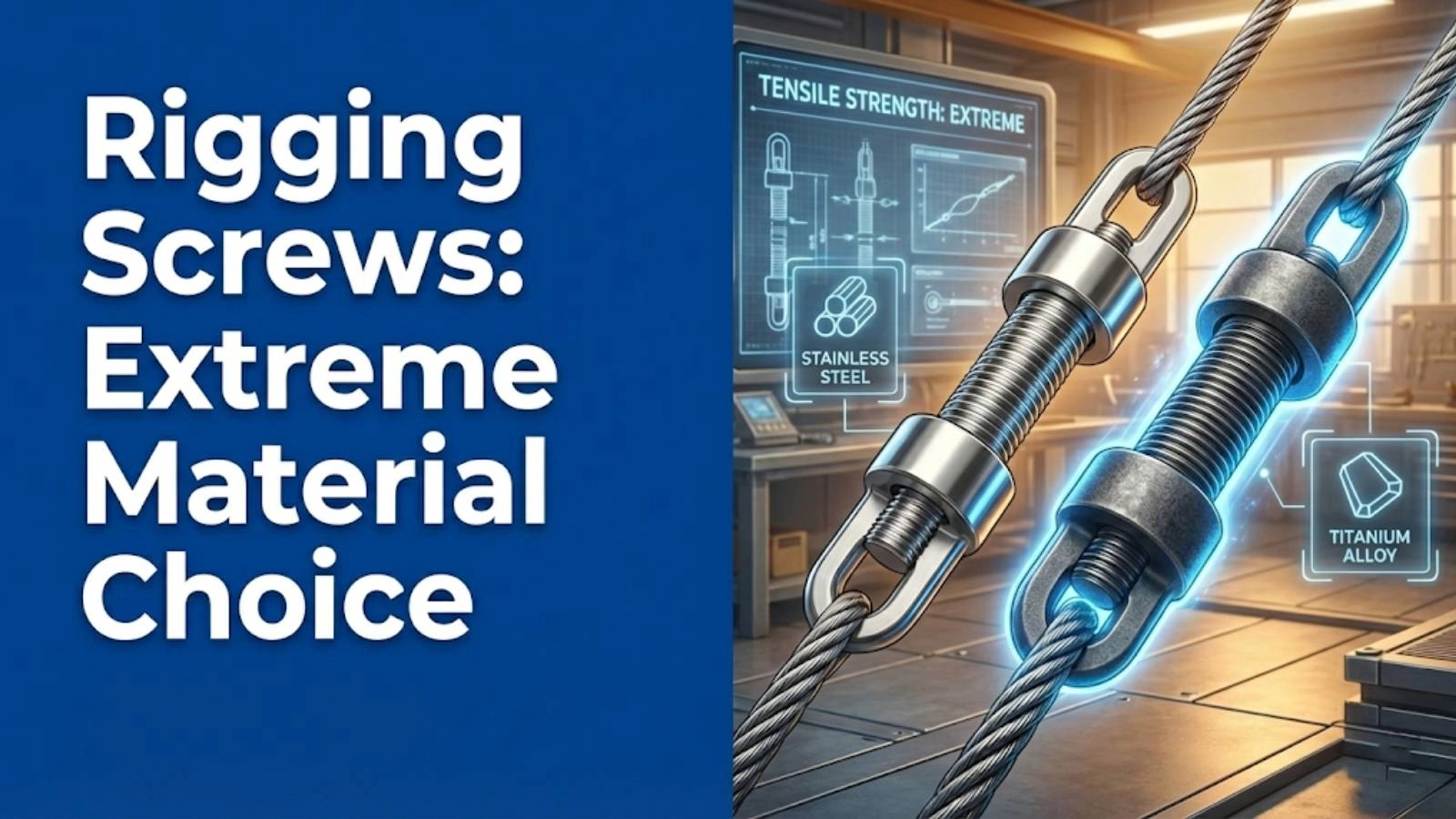
The selection of appropriate rigging screw materials is absolutely critical for ensuring the safety and longevity of any rigging system, especially when operating in challenging or extreme conditions. Rigging screws, also known as turnbuckles or tensioners, are essential components used to adjust tension in cables, rods, and other rigging hardware. The consequences of material failure can be catastrophic, leading to equipment damage, personal injury, or even fatalities. Therefore, a thorough understanding of material properties and environmental factors is paramount.
Many people mistakenly believe that all stainless steel is created equal, or that a simple galvanized coating provides adequate protection in highly corrosive environments. These misconceptions can lead to premature failure and significant risks. Furthermore, neglecting to consider the working load limit (WLL) and appropriate safety factors can have dire consequences, regardless of the material chosen. The correct choice of rigging screw materials involves a holistic assessment of the application, environmental conditions, and load requirements.
Mistake #1: Overlooking Corrosion Resistance
Corrosion is a relentless enemy of rigging systems, particularly in marine applications or industrial settings where exposure to moisture, chemicals, and pollutants is unavoidable. When selecting rigging screw materials, overlooking corrosion resistance is a critical error that can lead to rapid degradation and eventual failure. This is especially true when considering stainless steel, as there’s a common misunderstanding that all stainless steel offers the same level of protection.
Not all stainless steel is equal. Different grades of stainless steel possess varying levels of chromium, nickel, and molybdenum, which directly impact their corrosion resistance. For instance, 304 stainless steel offers good corrosion resistance in general environments, but it is susceptible to pitting and crevice corrosion in highly saline or acidic conditions. A client we advised in Jeddah, dealing with offshore oil platforms, initially opted for 304 stainless steel rigging screws but quickly realized their mistake when signs of corrosion appeared within months.
To effectively combat corrosion, it’s essential to choose the right stainless steel grade for the specific environment. 316 stainless steel, containing molybdenum, provides significantly better resistance to chloride-induced corrosion, making it ideal for marine applications and coastal environments. Alternatively, duplex stainless steel offers even higher strength and corrosion resistance compared to 316. For our client in Jeddah, switching to 316 stainless steel dramatically extended the lifespan of their rigging systems.
In addition to stainless steel, protective coatings like galvanization can offer a degree of corrosion protection for carbon steel rigging screws. Galvanization involves coating the steel with a layer of zinc, which acts as a sacrificial barrier against corrosion. However, the galvanization layer can be damaged or worn away over time, especially in harsh environments, leaving the underlying steel vulnerable. Therefore, while galvanization can be a cost-effective solution in some cases, it’s not a substitute for selecting a corrosion-resistant material like stainless steel when dealing with extreme conditions.
Mistake #2: Ignoring the Specific Extreme Conditions
Failing to account for the specific environmental stressors present in an application is another common mistake in rigging screw materials selection. Different environments impose unique demands on materials, and what works well in one setting may fail miserably in another. Ignoring these nuances can lead to premature failure and potentially dangerous situations.
High-temperature applications, such as those found in industrial furnaces or power plants, require materials that maintain their strength and creep resistance at elevated temperatures. Standard carbon steel and some types of stainless steel can lose significant strength at high temperatures, leading to deformation or failure under load. In such cases, specialized alloys like nickel alloys (e.g., Inconel) or certain grades of alloy steel are necessary to ensure structural integrity. We have seen cases in Jubail industrial city where companies using standard carbon steel turnbuckles in high-temperature environments experienced catastrophic failures, resulting in significant downtime and repair costs.
Sub-zero environments pose a different set of challenges. At low temperatures, many materials become brittle and susceptible to fracture under impact or stress. This phenomenon, known as brittle fracture, can be particularly dangerous in rigging systems where sudden loads or vibrations are common. To avoid brittle fracture, it’s crucial to select materials with high impact toughness at the operating temperature. Certain grades of stainless steel, alloy steels, and even some polymers are specifically designed for low-temperature applications. A construction company we consulted with in Tabuk, working on a project during the winter, learned this lesson firsthand when their carbon steel rigging screws snapped under a relatively light load due to the extreme cold.
Chemical exposure is another critical factor to consider. Many industrial environments involve exposure to corrosive chemicals that can degrade or weaken rigging screw materials over time. Selecting materials that are resistant to the specific chemicals present in the environment is essential. For example, stainless steel may be suitable for some chemical environments, but it can be attacked by chlorides or strong acids. In such cases, specialized alloys like titanium or nickel alloys, or even certain types of fiber-reinforced polymers (FRP), may be necessary to provide adequate chemical resistance.
“The key to successful material selection is understanding the specific demands of the environment and choosing materials that can withstand those demands without compromising strength or safety.” – Dr. Aisha Khan, Materials Engineering Specialist
Mistake #3: Disregarding Working Load Limit (WLL)
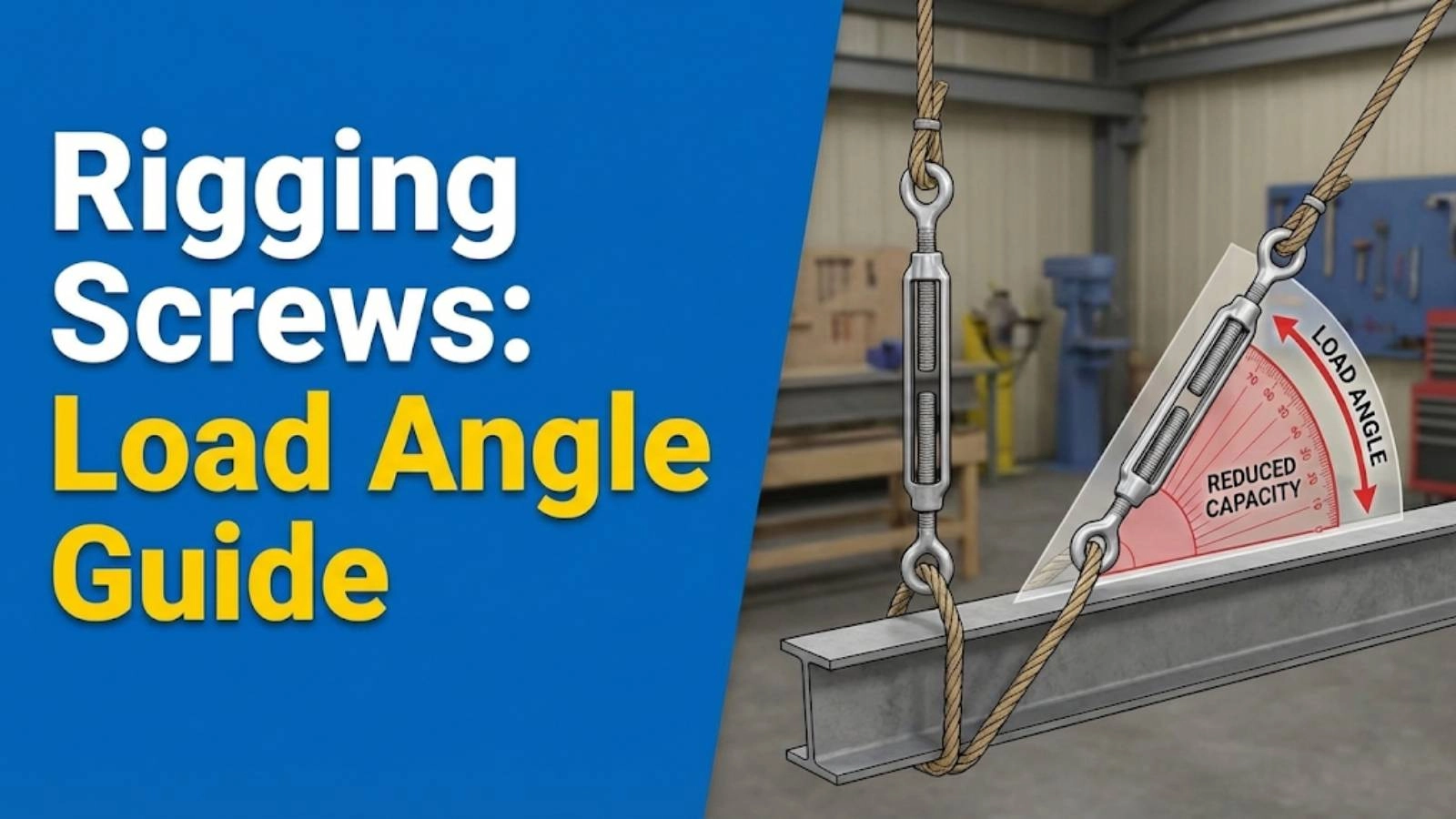
Exceeding the working load limit (WLL) of rigging screws is a fundamental error that can have catastrophic consequences. The WLL is the maximum load that a rigging screw is designed to safely handle under normal operating conditions. It is typically specified by the manufacturer and should never be exceeded. Disregarding the WLL can lead to overloading, which can cause the rigging screw to deform, crack, or even fail completely.
Accurately calculating the required WLL for a given application is crucial. This involves considering all the forces acting on the rigging screws, including the weight of the load, dynamic loads caused by movement or vibration, and any additional stresses imposed by the environment. Underestimating the required WLL can lead to overloading and failure. For example, a local shipping company ignored our advice and used rigging screws with an insufficient WLL for securing cargo on a vessel. During rough seas, the rigging screws failed, resulting in significant cargo damage and potential safety hazards.
The importance of safety factors and design margin cannot be overstated. A safety factor is a multiplier applied to the WLL to account for uncertainties in the load calculations, material properties, and operating conditions. A higher safety factor provides a greater margin of safety and reduces the risk of failure. The appropriate safety factor depends on the specific application and the potential consequences of failure. In critical applications where failure could result in serious injury or property damage, a higher safety factor is warranted. We generally advise our clients to use a safety factor of at least 5:1 for most rigging applications, and even higher for critical or high-risk scenarios.
Mistake #4: Choosing Based on Cost Alone
Selecting rigging screw materials based solely on cost is a classic example of false economy. While it may be tempting to opt for cheaper, inferior materials to save money upfront, the long-term costs associated with premature failure, downtime, and potential accidents can far outweigh the initial savings. Investing in durable, high-quality rigging screws made from appropriate materials is a smart investment that pays off in the long run.
The long-term cost savings of investing in durable, high-quality rigging screws are often overlooked. High-quality materials like stainless steel, duplex stainless steel, or specialized alloys offer superior corrosion resistance, strength, and fatigue resistance, which translates to a longer service life and reduced maintenance costs. Cheaper materials, on the other hand, may require frequent replacement or repair, resulting in higher overall costs over the lifespan of the rigging system. For instance, a construction company in Riyadh initially chose cheaper carbon steel rigging screws for a temporary scaffolding system to save costs. However, due to rapid corrosion, they had to replace the rigging screws multiple times during the project, ultimately costing them more than if they had invested in stainless steel rigging screws from the outset.
Case studies of failures due to using inadequate materials are abundant. These failures often result in significant financial losses, including equipment damage, lost production time, and legal liabilities. In some cases, they can also lead to serious injuries or fatalities. These case studies serve as a stark reminder of the importance of prioritizing quality and durability over cost when selecting rigging screw materials.
Mistake #5: Neglecting Material Certification and Traceability
Material certifications are crucial for ensuring the quality and safety of rigging screws. Certifications, such as those from recognized organizations like ASTM or ISO, provide assurance that the materials meet specific standards for chemical composition, mechanical properties, and manufacturing processes. Neglecting to verify material certifications can expose you to the risk of using substandard or counterfeit materials, which can compromise the integrity of the rigging system.
Traceability is equally important. It allows you to verify the origin and properties of the material and track its history throughout the manufacturing process. Traceability is particularly important for critical applications where failure could have serious consequences. By ensuring traceability, you can have confidence in the quality and authenticity of the rigging screws you are using.
Identifying reputable suppliers and avoiding counterfeit materials is essential. Counterfeit rigging screws are a growing problem, and they can be difficult to detect without proper inspection and testing. To avoid counterfeit materials, it’s crucial to source rigging screws from reputable suppliers who can provide material certifications and traceability documentation. A manufacturing plant we worked with recently discovered a batch of rigging screws they had purchased were counterfeit, lacking the stated material strength and proper heat treatment. This discovery, made just in time, prevented a potential catastrophic failure on their production line. Always verify the supplier’s credentials and reputation before making a purchase.
Top 9 Rigging Screw Materials for Extreme Conditions
- 316 Stainless Steel: Excellent corrosion resistance for marine applications.
✅ Pros: High corrosion resistance, readily available.
❌ Cons: More expensive than carbon steel, can still corrode in extreme conditions.
- Duplex Stainless Steel: Superior strength and corrosion resistance.
✅ Pros: Higher strength than 316, excellent corrosion resistance.
❌ Cons: More expensive than 316, potentially difficult to source.
- Carbon Steel (Galvanized): Cost-effective with decent corrosion protection.
✅ Pros: Strong, inexpensive, galvanization provides some corrosion resistance.
❌ Cons: Galvanization can be damaged, less corrosion resistance than stainless steel.
- Alloy Steel: High strength for demanding applications.
✅ Pros: Very strong, suitable for high-load applications.
❌ Cons: Prone to corrosion if not properly coated, more expensive than carbon steel.
- Titanium Alloys: Exceptional strength-to-weight ratio and corrosion resistance.
✅ Pros: Extremely strong, lightweight, excellent corrosion resistance.
❌ Cons: Very expensive, specialized manufacturing required.
- Nickel Alloys (e.g., Inconel): Extreme heat and corrosion resistance.
✅ Pros: Excellent heat resistance, high corrosion resistance.
❌ Cons: Very expensive, difficult to machine.
- Silicon Bronze: Good corrosion resistance in marine applications.
✅ Pros: Good corrosion resistance, non-magnetic.
❌ Cons: Lower strength than steel, can be expensive.
- Aluminum Bronze: High strength and excellent corrosion resistance.
✅ Pros: High corrosion resistance, better strength than silicon bronze.
❌ Cons: Can be susceptible to galvanic corrosion if in contact with other metals.
- Fiber Reinforced Polymers (FRP): Lightweight and corrosion-proof for specific uses.
✅ Pros: Lightweight, completely corrosion resistant.
❌ Cons: Lower strength than metal, susceptible to UV degradation in some cases.
Case Studies: Learning from Rigging Screw Failures
Real-world examples of rigging screw failures underscore the critical importance of proper material selection. A particularly devastating incident occurred at a port facility in 2026-1, where carbon steel rigging screws used to secure a large crane failed due to rapid corrosion. The crane collapsed, causing significant damage to nearby equipment and resulting in several injuries. The investigation revealed that the rigging screws were not adequately protected against the corrosive marine environment, and a more corrosion-resistant material, such as 316 stainless steel, should have been used.
Another notable case involved a chemical processing plant where rigging screws made from standard stainless steel (304 grade) experienced premature failure due to exposure to acidic chemicals. The failures led to a shutdown of the plant, resulting in substantial financial losses. The investigation determined that a more chemically resistant material, such as a nickel alloy, was necessary for the specific chemical environment.
Analyzing the root causes of these failures reveals several common themes. In many cases, the failures were attributed to a lack of understanding of the environmental conditions and the limitations of the materials used. Other contributing factors included inadequate inspection and maintenance practices, exceeding the WLL of the rigging screws, and using substandard or counterfeit materials. These cases highlight the importance of conducting a thorough risk assessment, consulting with materials experts, and implementing a robust inspection and maintenance program.
Regular inspection and maintenance are essential for preventing rigging screw failures. This includes visually inspecting the rigging screws for signs of corrosion, wear, or damage, as well as performing periodic load tests to verify their structural integrity. Any rigging screws that show signs of degradation or damage should be replaced immediately. Furthermore, it’s crucial to lubricate the threads of the rigging screws regularly to prevent seizing and ensure smooth operation.
Best Practices for Rigging Screw Material Selection
Conducting a thorough risk assessment is the first step in selecting the appropriate rigging screw materials. This involves identifying potential hazards, evaluating the likelihood and consequences of failure, and determining the appropriate level of risk mitigation. The risk assessment should consider all relevant factors, including the environmental conditions, load requirements, operating conditions, and potential for human error.
Consulting with materials experts and engineers is highly recommended, especially for complex or critical applications. Materials experts can provide valuable insights into the properties of different materials and their suitability for specific environments. Engineers can help to calculate the required WLL and safety factors and ensure that the rigging system is designed to withstand the anticipated loads and stresses. SSTC has a team of experienced engineers available to assist with material selection and rigging system design.
Implementing a robust inspection and maintenance program is essential for ensuring the continued safety and reliability of rigging screws. The inspection and maintenance program should include regular visual inspections, load tests, and lubrication of the threads. Detailed records should be kept of all inspections and maintenance activities. We recommend establishing a detailed maintenance schedule for all rigging equipment.
Documenting all material specifications and certifications is crucial for traceability and accountability. This includes maintaining records of the material grade, chemical composition, mechanical properties, and manufacturing processes. All material certifications should be verified and kept on file. Detailed documentation can help to ensure that the correct materials are used and that any potential problems can be quickly identified and addressed.
Conclusion: Ensuring Safety and Longevity with the Right Materials
Throughout this guide, we’ve highlighted several common mistakes in rigging screw materials selection, including overlooking corrosion resistance, ignoring specific environmental conditions, disregarding the WLL, choosing based on cost alone, and neglecting material certification and traceability. Avoiding these mistakes is crucial for ensuring the safety and longevity of your rigging systems.
Choosing the right rigging screw materials requires careful consideration of all relevant factors, including the environment, load, and cost. There is no one-size-fits-all solution, and the optimal material will depend on the specific application. By following the best practices outlined in this guide, you can make informed decisions and select materials that will provide reliable performance and long-term value.
Here at SSTC we understand the importance of selecting the right rigging screw materials for your specific needs. Our team of experts is available to provide guidance and support to help you make the best choices for your applications. With the right materials and a robust inspection and maintenance program, you can ensure the safety and reliability of your rigging systems for years to come.
FAQ Section
Q: What is the most important factor to consider when selecting rigging screw materials?
A: The most important factor is the environment in which the rigging screws will be used. Consider factors such as temperature, humidity, chemical exposure, and salinity.
Q: What is the difference between 304 and 316 stainless steel?
A: 316 stainless steel contains molybdenum, which provides significantly better resistance to chloride-induced corrosion compared to 304 stainless steel. This makes 316 stainless steel a better choice for marine applications.
Q: What is the working load limit (WLL)?
A: The WLL is the maximum load that a rigging screw is designed to safely handle under normal operating conditions. It is typically specified by the manufacturer and should never be exceeded.
Q: Why is traceability important?
A: Traceability allows you to verify the origin and properties of the material and track its history throughout the manufacturing process. This helps to ensure the quality and authenticity of the rigging screws.
Q: How often should rigging screws be inspected?
A: Rigging screws should be inspected regularly, ideally before each use. The frequency of inspection should be increased in harsh environments or for critical applications.
Q: What are some signs of rigging screw failure?
A: Signs of failure include corrosion, cracks, deformation, and excessive wear. Any rigging screws that show these signs should be replaced immediately.
Q: Can I use carbon steel rigging screws in marine applications?
A: Carbon steel rigging screws can be used in marine applications if they are properly galvanized or coated to protect against corrosion. However, stainless steel is generally a better choice for marine applications due to its superior corrosion resistance.
Q: What is a safety factor?
A: A safety factor is a multiplier applied to the WLL to account for uncertainties in the load calculations, material properties, and operating conditions. A higher safety factor provides a greater margin of safety.
Q: Where can I find reputable suppliers of rigging screws?
A: Reputable suppliers can be found through industry associations, online directories, and referrals from other professionals in the field. Always verify the supplier’s credentials and reputation before making a purchase.
Q: What role do rigging screws and turnbuckles play in industrial rigging?
A: Rigging screws and turnbuckles are vital for adjusting tension in cables and rods in industrial rigging, ensuring stability and safety.