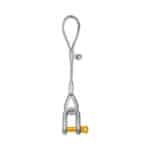
Rigging screws are essential components in various applications, from marine rigging to industrial rigging, ensuring the safety and stability of structures and equipment. However, mistakes in their selection, installation, and maintenance can lead to catastrophic failures and dangerous accidents. At Safe and Secure Trading Company (SSTC), we’ve observed that many preventable incidents stem from common oversights. In this comprehensive guide, we’ll outline twelve critical rigging screw mistakes to avoid, providing expert advice and practical solutions to ensure your rigging operations are safe and secure.
1. Problem: Ignoring the Safe Working Load (SWL)
💡One of the most dangerous mistakes is ignoring the Safe Working Load (SWL) of a rigging screw. The SWL represents the maximum load that a rigging screw is designed to handle safely. Exceeding this limit can lead to immediate failure, potentially causing severe injuries or property damage. Always remember, respecting the SWL is paramount for safe rigging practices.
1.1. The Danger of Overloading
Overloading a rigging screw puts excessive stress on its components, exceeding their designed capacity. This can result in deformation, cracking, or even complete breakage of the screw. In dynamic loading scenarios, where loads fluctuate or experience sudden impacts, the risk of failure is significantly increased. Ignoring the SWL is not just a mistake; it’s a gamble with serious consequences.
1.2. Properly Calculating Load Requirements
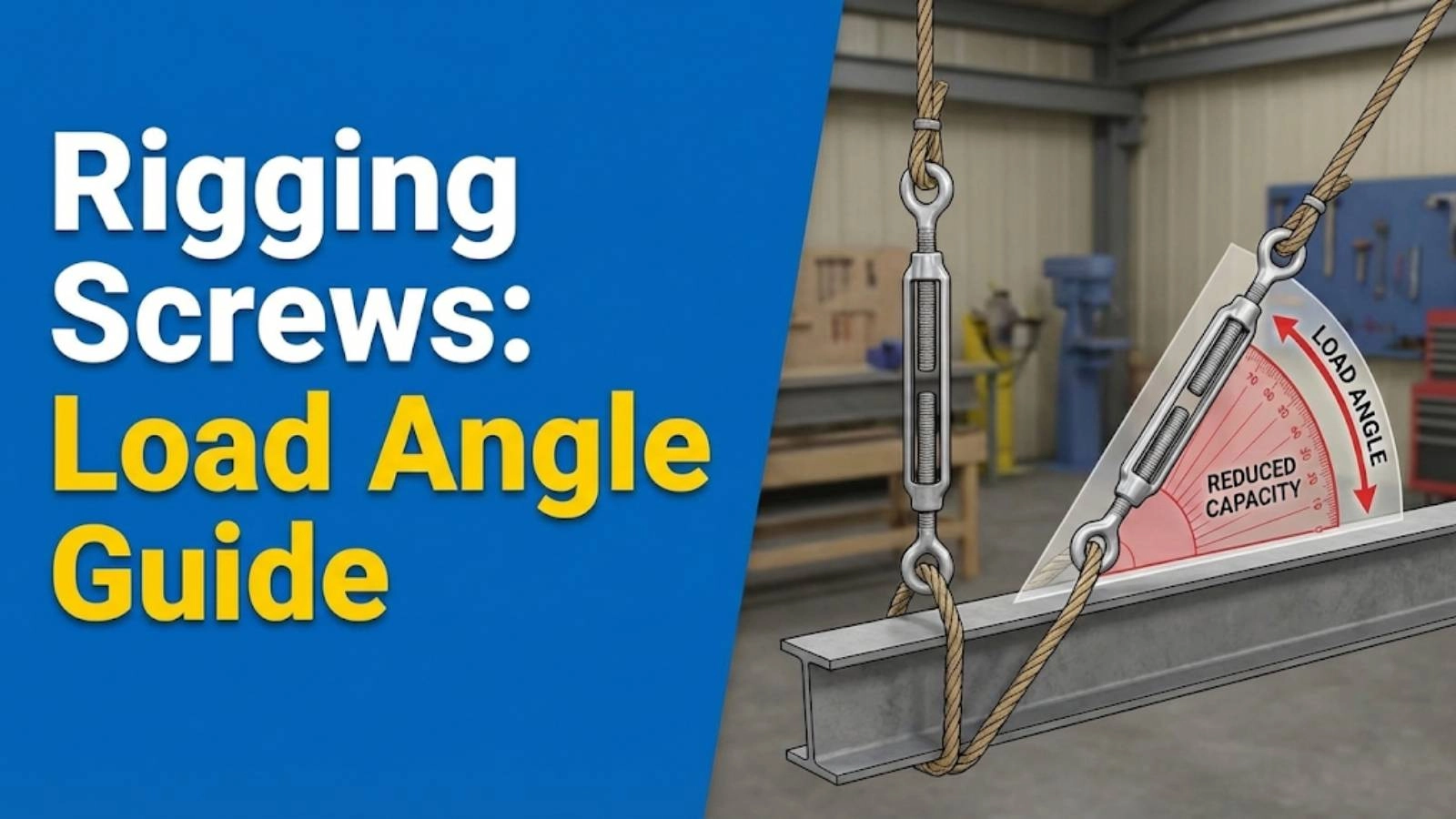
Accurately assessing the weight and stress on rigging systems is crucial for selecting the appropriate rigging screws. Consider all potential loads, including static weights, dynamic forces from movement or vibration, and environmental factors like wind or wave action. Employing load calculation software or consulting with experienced engineers can help ensure you have a precise understanding of your load requirements. For many of our clients here in Dammam, we’ve emphasized the importance of professional load assessments to mitigate risks.
1.3. Solution: SWL Tables and Safety Factors
✅ Always consult SWL tables provided by manufacturers to determine the load capacity of your rigging screws. These tables are typically based on rigorous testing and provide reliable data for safe operation. Additionally, incorporate appropriate safety factors to account for uncertainties and unexpected loads. A safety factor of 4:1 or 5:1 is commonly used in rigging applications, meaning the breaking strength of the screw is four or five times greater than the SWL.
2. Problem: Choosing the Wrong Material for the Environment
➡️The environment in which a rigging screw operates plays a significant role in its longevity and performance. Selecting the wrong material can lead to premature corrosion, degradation, and eventual failure. It’s essential to consider the environmental conditions, such as exposure to saltwater, chemicals, or extreme temperatures, when choosing your rigging screws.
2.1. Corrosion and Degradation Risks
Corrosion is a major threat to rigging screws, particularly in marine and industrial settings. Galvanic corrosion occurs when dissimilar metals are in contact in the presence of an electrolyte, leading to the accelerated corrosion of one metal. Crevice corrosion occurs in confined spaces, such as under washers or between threads, where oxygen depletion promotes corrosion. Understanding these corrosion mechanisms is vital for selecting the appropriate materials.
2.2. Material Compatibility Issues
Mixing different metals in a rigging system can create galvanic corrosion, compromising the strength and integrity of the rigging. For example, using stainless steel rigging screws with carbon steel fittings can lead to rapid corrosion of the carbon steel. Always ensure that all components in the rigging system are made of compatible materials to minimize the risk of corrosion. We always advise our clients to double-check material compatibility to avoid costly failures.
2.3. Solution: Selecting Corrosion-Resistant Materials
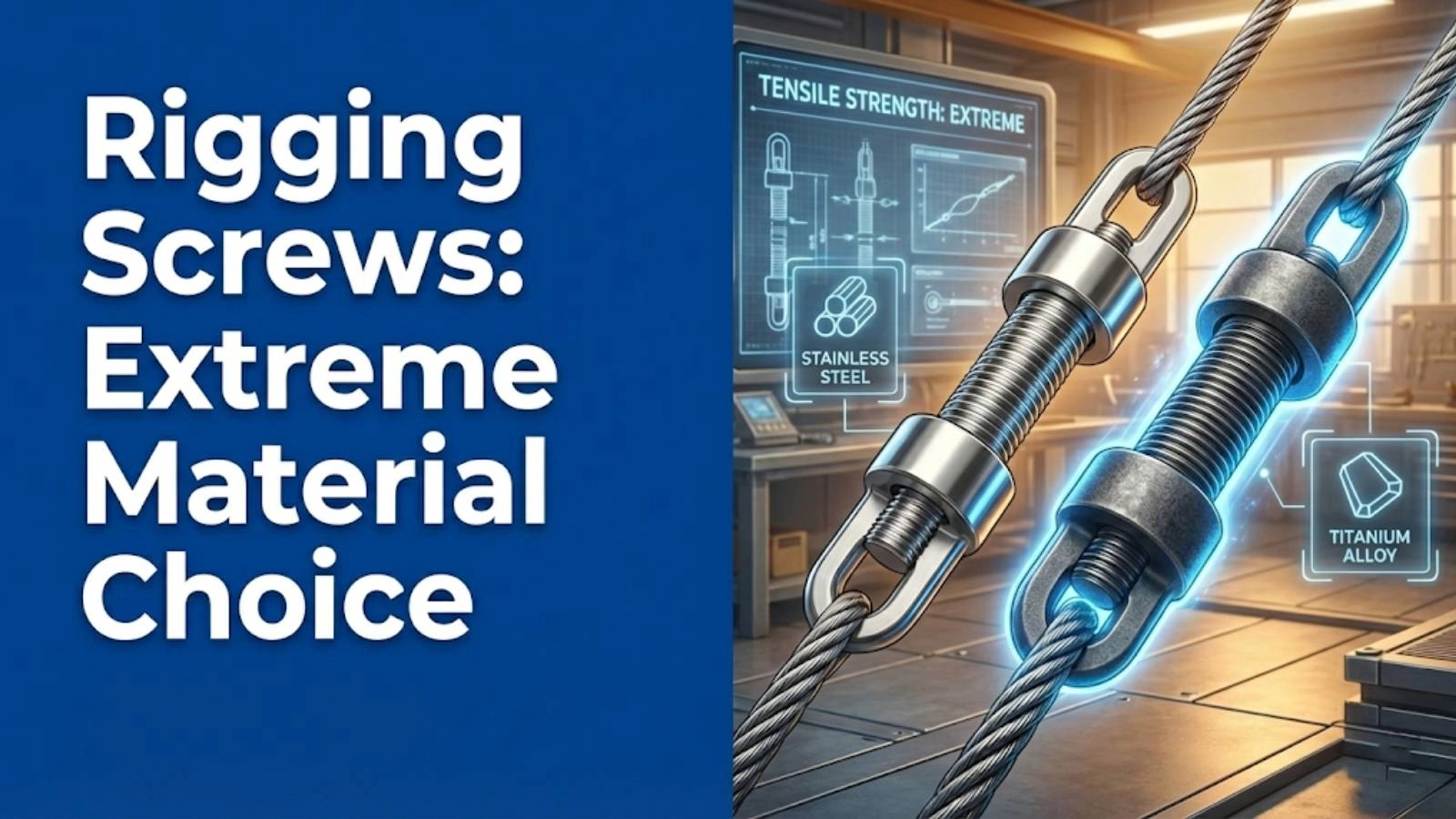
✅ To combat corrosion, choose materials that are resistant to the specific environmental conditions. Stainless steel rigging, particularly 316 stainless steel, offers excellent corrosion resistance in marine environments. Galvanized steel provides a protective zinc coating that prevents corrosion in many industrial applications. Regularly inspect rigging screws for signs of corrosion and replace them if necessary.
3. Problem: Mismatched Thread Types and Sizes
✨Using mismatched thread types and sizes is a common mistake that can lead to serious problems. Incompatible threads can damage the screw and connecting components, compromising the strength and safety of the rigging system. Always ensure that all threads are properly matched before assembly.
3.1. Cross-Threading and Stripping Threads
Cross-threading occurs when a screw is forced into a nut or fitting with misaligned threads. This can damage the threads on both components, weakening the connection and making it more susceptible to failure. Stripping threads happens when the threads are damaged to the point where they no longer provide adequate grip. Both of these issues can compromise the integrity of the rigging system.
3.2. Incompatible Fittings and Attachments
Ensuring that all fittings and attachments are compatible with the rigging screws is critical for a secure and reliable connection. Using incompatible fittings can lead to improper load distribution and increased stress on the rigging screw. This can result in premature wear and failure of the components. We’ve encountered situations where mismatched components led to unexpected downtime and costly repairs.
3.3. Solution: Using Calipers and Thread Gauges
✅To avoid mismatched threads, use calipers and thread gauges to verify the thread types and sizes before assembly. Calipers can measure the diameter of the screw and nut, while thread gauges can determine the thread pitch and type. By taking these measurements, you can ensure that the threads are compatible and avoid cross-threading or stripping.
4. Problem: Improper Installation and Tightening
➡️Proper installation and tightening are crucial for ensuring the safe and reliable performance of rigging screws. Over-tightening can create stress fractures, while loose connections can lead to vibration and eventual failure. It’s essential to follow the manufacturer’s recommendations for tightening torque and use appropriate tools for installation.
4.1. Over-Tightening and Stress Fractures
Over-tightening a rigging screw can create excessive stress on the material, leading to stress fractures and weakening the screw. This can significantly reduce the SWL and increase the risk of failure under load. Always use a torque wrench to achieve the correct tightening torque and avoid over-tightening.
4.2. Loose Connections and Vibration
Loose connections can cause vibration, which can lead to further loosening and eventual failure of the rigging screw. Vibration can also cause wear and tear on the threads, reducing their grip and increasing the risk of slippage. Regularly check rigging screws for tightness and re-tighten as needed.
4.3. Solution: Torque Wrenches and Lock Washers
✅Using torque wrenches is essential for achieving the correct tightening torque and preventing over-tightening. Torque wrenches provide a precise measurement of the torque applied to the screw, ensuring that it is tightened to the manufacturer’s specifications. Lock washers can also be used to prevent loosening due to vibration. These washers create friction between the screw and the nut, helping to maintain a secure connection.
5. Problem: Neglecting Regular Inspections and Maintenance
💡Regular inspections and maintenance are vital for identifying potential problems early and preventing catastrophic failures. Neglecting these tasks can lead to undetected wear, corrosion, and damage, compromising the safety and reliability of the rigging system. Implementing a maintenance schedule is crucial for ensuring the longevity of your rigging screws.
5.1. Identifying Signs of Wear and Damage
During inspections, look for signs of wear, corrosion, and damage. This includes cracks, dents, deformation, and excessive rust. Pay close attention to the threads, as they are particularly vulnerable to wear and damage. If you find any signs of these issues, replace the rigging screw immediately.
5.2. Lubrication and Cleaning Procedures
Regular lubrication and cleaning can help prevent corrosion and maintain optimal performance of rigging screws. Lubricate the threads with a corrosion-resistant grease to reduce friction and prevent seizing. Clean the screws regularly to remove dirt, debris, and salt buildup. This will help extend their lifespan and ensure their continued reliability.
5.3. Solution: Implementing a Maintenance Schedule
✅Establish a regular inspection and maintenance schedule to identify and address potential problems early. This schedule should include visual inspections, lubrication, cleaning, and torque checks. The frequency of inspections will depend on the environmental conditions and the intensity of use. A well-maintained rigging system is a safe rigging system.
6. Problem: Lack of Understanding of Different Rigging Screw Types
➡️Different types of rigging screws are designed for specific applications and load requirements. A lack of understanding of these differences can lead to the selection of an inappropriate screw, compromising the safety and performance of the rigging system. It’s essential to choose the right type of rigging screw for the job.
6.1. Jaw vs. Eye vs. Hook End Fittings
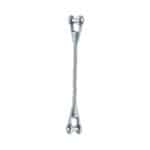
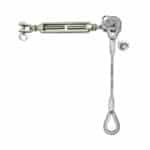
Jaw, eye, and hook end fittings each offer unique advantages and disadvantages. Jaw end fittings provide a secure connection that can be easily adjusted. Eye end fittings are versatile and can be used with a variety of attachments. Hook end fittings allow for quick and easy connections, but they may not be as secure as jaw or eye fittings.
6.2. Closed Body vs. Open Body Turnbuckles
Closed body turnbuckles offer greater strength and corrosion resistance compared to open body turnbuckles. However, open body turnbuckles are more accessible for inspection and lubrication. The choice between these two types depends on the specific application and the environmental conditions.
6.3. Solution: Consulting with Rigging Experts
✅Consulting with rigging experts can help you select the appropriate type of rigging screw for your specific application. Experts can assess your load requirements, environmental conditions, and other factors to recommend the best solution. Their expertise can help you avoid costly mistakes and ensure the safety and reliability of your rigging system.
7. Problem: Using Damaged or Repaired Rigging Screws
✨Using damaged or repaired rigging screws is a risky practice that can lead to catastrophic failures. These screws may have weakened components or hidden damage that compromises their ability to withstand loads. Always replace damaged rigging screws instead of attempting repairs.
7.1. The Risks of Using Compromised Hardware
Compromised hardware poses a significant risk to the safety and integrity of rigging systems. Using damaged rigging screws can lead to unexpected failures, resulting in serious injuries or property damage. It’s essential to prioritize safety and replace any hardware that shows signs of damage or wear.
7.2. Detecting Previous Repairs
Detecting previous repairs on rigging screws can be challenging, but it’s crucial for identifying potentially weakened hardware. Look for signs of welding, grinding, or other modifications that may indicate a previous repair. These repairs can compromise the strength and integrity of the screw, making it unsafe for use.
7.3. Solution: Replacing Damaged Components
✅The safest and most reliable solution is to replace damaged rigging screws instead of attempting repairs. Replacing damaged components ensures that the rigging system maintains its original strength and integrity. This can prevent unexpected failures and ensure the safety of personnel and equipment. We advise our clients to never compromise on safety by using damaged or repaired rigging screws.
8. Problem: Failure to Keep Records and Documentation
💡Failing to keep records and documentation of inspections, maintenance, and load tests can lead to compliance issues and increase the risk of accidents. Accurate records are essential for tracking the history of rigging screws and ensuring their continued safety and reliability. Implementing a record-keeping system is crucial for maintaining a safe and compliant rigging operation.
8.1. Tracking Inspection History
Tracking the inspection history of rigging screws provides valuable information about their condition and performance over time. This information can help identify trends, predict potential problems, and ensure that maintenance is performed on schedule. Accurate inspection records are essential for maintaining a safe and reliable rigging system.
8.2. Maintaining Load Test Certifications
Maintaining documentation of load test certifications is crucial for verifying the integrity of the rigging system. Load tests ensure that rigging screws can withstand their rated loads and meet safety standards. These certifications provide evidence that the hardware has been tested and approved for use.
8.3. Solution: Utilizing Digital Record-Keeping Systems
✅Digital record-keeping systems offer a convenient and efficient way to manage inspection data and ensure compliance with safety regulations. These systems allow you to store inspection records, maintenance schedules, and load test certifications in a central location. Digital records are easily accessible and can be used to track the history of rigging screws and identify potential problems.
9. Problem: Purchasing Low-Quality or Counterfeit Rigging Screws
➡️Purchasing low-quality or counterfeit rigging screws can have serious consequences, as these products may not meet safety standards and could fail under load. It’s essential to buy rigging hardware from reputable suppliers who can provide quality assurance and traceability. Protecting your operations from substandard materials is a key aspect of our mission at SSTC.
9.1. Identifying Signs of Inferior Quality
Identifying signs of inferior quality is crucial for avoiding low-quality rigging screws. Look for poor workmanship, incorrect markings, and substandard materials. Low-quality screws may have rough edges, inconsistent dimensions, and signs of corrosion. These are all red flags that indicate a potentially unsafe product.
9.2. The Risks of Counterfeit Hardware
Counterfeit rigging screws pose a significant risk to the safety and integrity of rigging systems. These products may not meet safety standards and could fail under load, resulting in serious injuries or property damage. Counterfeit hardware is often difficult to distinguish from genuine products, making it essential to buy from reputable suppliers.
9.3. Solution: Buying from Reputable Suppliers
✅Purchasing rigging hardware from reputable suppliers ensures that you are getting high-quality, genuine products that meet safety standards. Reputable suppliers can provide quality assurance and traceability, giving you confidence in the safety and reliability of your rigging system. Always choose suppliers with a proven track record of providing high-quality products.
10. Problem: Inadequate Training for Rigging Personnel
✨Inadequate training for rigging personnel can lead to mistakes, accidents, and injuries. Proper training is essential for ensuring that rigging operations are performed safely and efficiently. Investing in comprehensive training programs is crucial for developing a competent and safety-conscious workforce.
10.1. The Importance of Qualified Riggers
Qualified riggers are essential for ensuring the safety and efficiency of rigging operations. These individuals have the knowledge, skills, and experience to perform rigging tasks safely and effectively. Employing qualified riggers reduces the risk of accidents and injuries.
10.2. Understanding Rigging Techniques
Understanding safe rigging practices, including knot tying and sling selection, is crucial for preventing accidents and ensuring the integrity of the rigging system. Rigging personnel should be trained in proper techniques and procedures to minimize the risk of errors. Competence in rigging techniques is vital for safe and efficient operations.
10.3. Solution: Providing Comprehensive Training Programs
✅Investing in comprehensive training programs for rigging personnel ensures competence and adherence to safety standards. These programs should cover all aspects of rigging operations, including load calculation, hardware selection, inspection procedures, and safe rigging techniques. Comprehensive training programs are essential for developing a skilled and safety-conscious workforce.
“Properly trained rigging personnel are your first line of defense against accidents and injuries. Invest in their training to ensure a safe and efficient rigging operation.” – John Smith, Lead Safety Inspector
11. Problem: Ignoring Regulatory Requirements and Standards
💡Ignoring regulatory requirements and standards can lead to fines, legal liabilities, and increased risk of accidents. Compliance with OSHA and ANSI standards is essential for ensuring the safety and integrity of rigging operations. Staying informed about industry updates is crucial for maintaining compliance.
11.1. OSHA and ANSI Standards
OSHA and ANSI standards provide guidelines for safe rigging practices and hardware. These standards cover a wide range of topics, including load calculation, hardware selection, inspection procedures, and safe rigging techniques. Compliance with these standards is essential for ensuring the safety of rigging operations.
11.2. Compliance and Legal Implications
Compliance with regulatory requirements is essential for avoiding fines, legal liabilities, and increased risk of accidents. Failure to comply with OSHA and ANSI standards can result in significant penalties and legal consequences. Compliance also demonstrates a commitment to safety and responsible operation.
11.3. Solution: Staying Informed About Industry Updates
✅Staying informed about industry updates and changes to regulatory requirements ensures compliance and promotes a culture of safety. Regularly review OSHA and ANSI standards, attend industry conferences, and subscribe to relevant publications to stay up-to-date on the latest developments. Staying informed is crucial for maintaining a safe and compliant rigging operation.
12. Problem: Using Rigging Screws Beyond Their Intended Use
➡️Using rigging screws beyond their intended use can lead to failure and potentially dangerous situations. Rigging screws are designed for specific applications and load types, and using them for purposes outside their design can compromise their integrity. Always carefully assess the application and consult with experts to ensure the rigging screw is appropriate for its intended use.
12.1. Misapplication of Hardware
Misapplication of hardware is a common mistake that can lead to serious consequences. Using rigging screws for purposes outside their design can subject them to loads and stresses they were not designed to handle. This can result in premature wear, deformation, or even complete failure.
12.2. Considering the Application
Considering environmental conditions, load types, and duty cycles is essential when selecting rigging screws. Environmental conditions can affect the material’s resistance to corrosion and degradation. Load types, such as static or dynamic loads, can impact the stress on the screw. Duty cycles, or the frequency of use, can affect the wear and tear on the screw.
12.3. Solution: Careful Assessment of Needs
✅Carefully assessing the application and consulting with experts ensures the rigging screw is appropriate for its intended use. This includes evaluating the load requirements, environmental conditions, and duty cycles. Consulting with experts can help you avoid costly mistakes and ensure the safety and reliability of your rigging system.
Conclusion
Avoiding these twelve rigging screw mistakes is crucial for ensuring the safety and efficiency of your rigging operations. From respecting the Safe Working Load to choosing the right materials and implementing regular inspections, each step plays a vital role in preventing accidents and protecting your personnel and equipment. We at Safe and Secure Trading Company are committed to providing you with the knowledge and resources you need to operate safely and securely. By following these guidelines, you can minimize risks and maximize the lifespan of your rigging hardware.
FAQ Section
Q: What is the Safe Working Load (SWL) and why is it important?
A: The Safe Working Load (SWL) is the maximum load that a rigging screw is designed to handle safely. Exceeding this limit can lead to immediate failure and potentially cause severe injuries or property damage. Always respect the SWL to ensure safe rigging practices.
Q: How often should I inspect my rigging screws?
A: The frequency of inspections depends on the environmental conditions and the intensity of use. However, a general guideline is to inspect rigging screws at least once a month, or more frequently in harsh environments or high-use applications.
Q: What are the signs of a damaged rigging screw?
A: Signs of a damaged rigging screw include cracks, dents, deformation, excessive rust, and damaged threads. If you find any of these signs, replace the rigging screw immediately.
Q: What type of material is best for rigging screws in marine environments?
A: Stainless steel rigging, particularly 316 stainless steel, offers excellent corrosion resistance in marine environments. This material is highly resistant to saltwater and other corrosive elements.
Q: Can I repair a damaged rigging screw?
A: No, it is not recommended to repair a damaged rigging screw. Replacing damaged components ensures that the rigging system maintains its original strength and integrity.
Q: What is galvanic corrosion and how can I prevent it?
A: Galvanic corrosion occurs when dissimilar metals are in contact in the presence of an electrolyte, leading to the accelerated corrosion of one metal. To prevent galvanic corrosion, ensure that all components in the rigging system are made of compatible materials.
Q: What is the purpose of a torque wrench when installing rigging screws?
A: A torque wrench provides a precise measurement of the torque applied to the screw, ensuring that it is tightened to the manufacturer’s specifications. This prevents over-tightening, which can create stress fractures and weaken the screw.
Q: Why is record-keeping important for rigging operations?
A: Record-keeping is important for tracking the inspection history of rigging screws, maintaining load test certifications, and ensuring compliance with safety regulations. Accurate records help identify trends, predict potential problems, and ensure that maintenance is performed on schedule.
Q: How can I ensure that I am purchasing high-quality rigging screws?
A: Purchase rigging hardware from reputable suppliers who can provide quality assurance and traceability. Look for signs of inferior quality, such as poor workmanship, incorrect markings, and substandard materials.
Q: What type of training should rigging personnel receive?
A: Rigging personnel should receive comprehensive training that covers all aspects of rigging operations, including load calculation, hardware selection, inspection procedures, and safe rigging techniques. This training ensures competence and adherence to safety standards.
Q: What are OSHA and ANSI standards and why are they important?
A: OSHA and ANSI standards provide guidelines for safe rigging practices and hardware. Compliance with these standards is essential for ensuring the safety and integrity of rigging operations, avoiding fines, and preventing legal liabilities.
Q: What should I consider when selecting a rigging screw for a specific application?
A: Consider the environmental conditions, load types, and duty cycles when selecting rigging screws. Evaluate the load requirements and consult with experts to ensure the rigging screw is appropriate for its intended use.