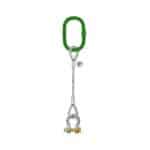
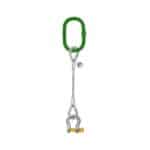
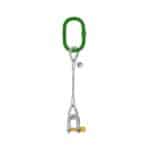
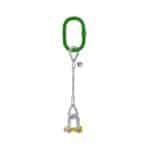
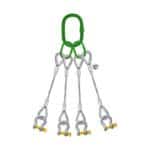
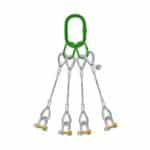
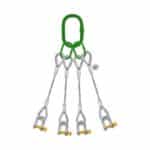
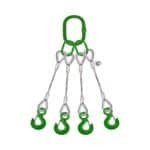
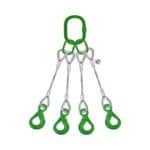
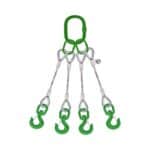
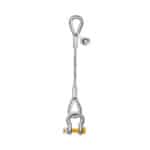
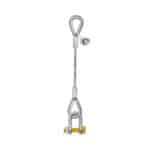
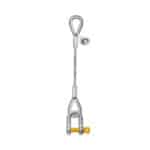
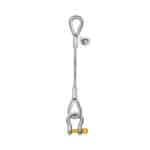
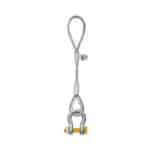
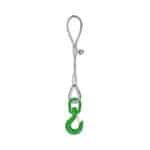
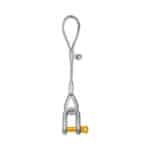
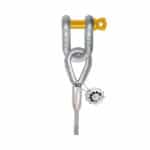
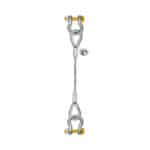
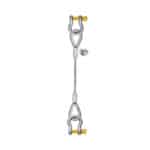
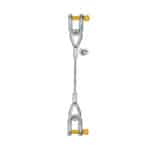
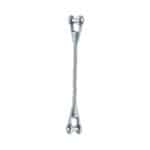
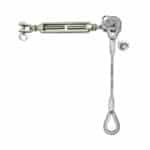
Rigging screws, often overlooked, are crucial components in maintaining the structural integrity of various systems, from marine vessels to industrial machinery. Premature failure can lead to catastrophic accidents, making regular inspection and timely rigging screw replacement essential. This article will guide you through five often-missed warning signs that indicate it’s time to replace your rigging screws, helping you ensure safety and prevent costly downtime.
1. ✅ Introduction: The Silent Threat of Failing Rigging Screws
Rigging screws are small components but contribute significantly to the overall integrity of marine rigging and industrial systems. They allow for tension adjustment and are vital in maintaining structural stability. Failing to identify the warning signs of a compromised rigging screw can have serious consequences, including equipment damage, operational delays, and, most importantly, safety risks. This article provides a detailed guide on recognizing those critical signs and emphasizes the importance of timely rigging screw replacement.
2. 💡 Sign #1: Excessive Corrosion – A Microscopic Menace
2.1. Visual Indicators of Corrosion
Examine the surface of the rigging screw for any signs of rust, pitting, or discoloration. Reddish-brown stains or flaky patches are clear indicators of corrosion. Corrosion can manifest in various forms, from surface rust to more insidious pitting, and spotting these visual cues early is paramount in preventing future issues with marine rigging.
2.2. The Hidden Dangers of Pitting
Pitting corrosion creates small, deep holes that significantly weaken the metal’s structural integrity. Even seemingly minor pitting can drastically reduce the load-bearing capacity. Pitting is especially dangerous as it can be difficult to detect with the naked eye until significant damage has occurred. This localized corrosion eats into the metal, reducing its ability to withstand tension and pressure.
2.3. Data on Corrosion-Related Failures
Studies show that corrosion accounts for approximately 60% of rigging hardware failures in marine environments. Regular freshwater rinsing and protective coatings can help mitigate this issue, particularly for our clients operating near coastal areas like Jubail. Marine environments are particularly harsh due to saltwater exposure, which accelerates corrosion. For our clients in coastal regions like Jubail, regular freshwater rinsing and the application of protective coatings are essential preventative measures to extend the life of their rigging screws.
2.4. Our Recommendation: Regular Cleaning & Inspection
We strongly recommend a regular cleaning and inspection schedule, especially in harsh environments. This involves visually inspecting the rigging screws for signs of corrosion and cleaning them to remove any salt or debris that could accelerate the corrosion process. A well-maintained schedule can drastically reduce the likelihood of corrosion-related failures and extend the lifespan of your rigging equipment. For many of our clients, we have seen great success with monthly cleaning and quarterly detailed inspections.
3. ➡️ Sign #2: Thread Damage – More Than Just a Nuisance
3.1. Identifying Damaged Threads
Carefully inspect the threads for any signs of flattening, rounding, or deformation. Damaged threads can prevent proper tightening and reduce the screw’s holding power. Using a magnifying glass and a thread gauge can help you spot these issues quickly.
3.2. The Impact on Load Capacity
Damaged threads compromise the screw’s ability to distribute load evenly, leading to stress concentrations and potential failure under pressure. When the threads are compromised, the load is not evenly distributed across the entire screw, but rather concentrated on the damaged areas. This creates stress points that can lead to premature failure.
3.3. Common Causes of Thread Damage
Over-tightening, cross-threading, and impact damage are common culprits behind thread damage. Using the correct torque specifications and handling equipment with care are crucial preventative measures. Always consult the manufacturer’s specifications for the correct torque settings to avoid over-tightening. When installing a rigging screw, make sure to align the threads properly to prevent cross-threading.
3.4. Statistic on Thread Damage:
“Over 40% of rigging screw failures are linked to issues with thread damage, often caused by improper installation or exceeding safe working loads.”
3.5. Our Tip: Use a Thread Gauge
We suggest using a thread gauge during inspections to identify subtle damage that may not be visible to the naked eye. A thread gauge is a simple tool that can quickly and accurately measure the pitch and form of the threads, helping you identify even minor damage that could compromise the screw’s integrity. This is a crucial part of rigging screw inspection.
4. 💡 Sign #3: Bending or Deformation – A Sign of Overload
4.1. Recognizing Bending
Visually inspect the rigging screw for any signs of bending or warping. Even slight deviations from its original shape can indicate structural compromise. Place the rigging screw on a flat surface or use a straight edge to help identify any bends or warps that may not be immediately apparent.
4.2. The Stress of Deformation
Bending indicates that the rigging screw has been subjected to forces exceeding its design capacity, leading to permanent deformation and reduced strength. Once a rigging screw has been bent or deformed, its structural integrity is compromised, and it should be replaced immediately. Continuing to use a bent rigging screw can lead to catastrophic failure.
4.3. Analyzing Load History
Investigate the rigging screw’s load history. Has it been subjected to any known overloads or shock loads? This information can help assess the extent of the damage. Understanding the load history can help you determine if the rigging screw has been subjected to forces beyond its design capacity, which could explain any signs of bending or deformation. This information is key to the rigging screw replacement plan.
4.4. Case Study: Avoiding Critical Failures
For our clients in industrial settings near Yanbu, we emphasize the importance of monitoring load limits to avoid critical rigging failures. The high-intensity industrial environment in Yanbu requires diligent monitoring and strict adherence to load limits to prevent accidents and ensure the safe operation of rigging equipment. By using calibrated measuring tools and maintaining detailed records, operators can detect anomalies early and take corrective actions.
4.5. Our Action: Load Testing & Documentation
We recommend periodic load testing to confirm the ongoing integrity of your rigging screws, along with meticulously documenting all load incidents. Load testing involves subjecting the rigging screw to a controlled load to verify that it can withstand the forces it is designed to handle. Documenting all load incidents, including overloads or shock loads, can help you track the history of the rigging screw and identify potential problems before they lead to failure.
5. ➡️ Sign #4: Difficulty in Adjustment – A Symptom of Internal Issues
5.1. Smooth Operation is Key
A rigging screw should adjust smoothly and easily throughout its entire range of motion. Any resistance, binding, or seizing indicates potential problems. Attempt to adjust the rigging screw through its full range of motion, paying close attention to any points where it becomes difficult to turn or move. This is an important element of the visual inspection.
5.2. Internal Corrosion or Damage
Difficulty in adjustment often stems from internal corrosion, debris buildup, or damaged internal threads, hindering proper operation. These internal issues can prevent the rigging screw from functioning correctly and can lead to premature failure. Internal corrosion is common in marine environments.
5.3. Lubrication and Maintenance
Regular lubrication can help prevent internal corrosion and ensure smooth operation. However, if adjustment remains difficult even after lubrication, replacement is likely necessary. Use a high-quality marine grease specifically designed for rigging screws. Apply the lubricant to the threads and other moving parts, and work it in by adjusting the screw back and forth.
5.4. Preventative Maintenance Saves Time
We have seen that preventative maintenance performed by our SSTC certified technicians saves time and money. By proactively addressing potential issues before they lead to failure, you can avoid costly repairs and downtime. Our technicians are trained to identify early warning signs and perform necessary maintenance to extend the life of your rigging equipment.
6. 💡 Sign #5: Exceeding Service Life – Time Takes Its Toll
6.1. Understanding Service Life
Rigging screws, like all mechanical components, have a finite service life. Exceeding this lifespan increases the risk of failure, even if no visible signs of damage are present. The service life of a rigging screw depends on various factors, including the material, the operating environment, and the frequency of use.
6.2. Manufacturer Recommendations
Consult the manufacturer’s recommendations for the expected service life of your specific rigging screws. Factors such as usage intensity and environmental conditions can influence this lifespan. The manufacturer’s recommendations are usually based on laboratory testing and field experience and can provide valuable guidance on when to replace your rigging screws.
6.3. The Importance of a Replacement Schedule
Establish a proactive replacement schedule based on the manufacturer’s guidelines and your operational experience. A well-planned replacement schedule can help you avoid unexpected failures and ensure the continued safety and reliability of your rigging systems. It is an integral part of a good maintenance schedule.
6.4. Table: Recommended Inspection & Replacement Schedule
| Environment |
Inspection Frequency |
Replacement Interval |
| Mild (Indoor, Low Humidity) |
Annually |
10 Years |
| Moderate (Outdoor, Occasional Exposure) |
Semi-Annually |
5 Years |
| Severe (Marine, Corrosive Chemicals) |
Quarterly |
2-3 Years |
7. Visual Inspection Check List
7.1 Gather Tools and Materials
Gather necessary tools and materials for visual inspection, including gloves, a flashlight, a magnifying glass, a thread gauge, and a notebook. Gloves will protect your hands from dirt, grease, and sharp edges. A flashlight will help you see into dark or difficult-to-reach areas.
7.2 Clean the Screw
Clean the rigging screw thoroughly with a wire brush to remove any dirt, rust, or debris that may obstruct your view of the surface. A clean surface will allow you to more easily identify any signs of damage or wear. Use a wire brush to remove any loose rust or debris.
7.3 Inspect
Visually inspect the entire surface of the screw, paying close attention to areas prone to corrosion, such as threads, joints, and edges. Look for any signs of corrosion, cracks, bending, thread damage, or excessive wear. Use a magnifying glass to examine the threads and other small parts more closely.
7.4 Document
Document any signs of damage or wear, including corrosion, cracks, bending, thread damage, or excessive wear. Take photographs of any areas of concern. Record your findings in a notebook or electronic document.
7.5 Compare
Compare your findings with previous inspection records to identify any changes or trends over time. This will help you assess the severity of the issues and determine whether replacement is necessary. This comparison can help you identify any potential problems early, before they lead to failure. Consistent documentation helps track the performance of the rigging screw.
8. ➡️ Safety First: Implementing a Rigging Screw Inspection Program
8.1. Develop a Written Procedure
Create a detailed written procedure outlining the steps for rigging screw inspection, including frequency, methods, and acceptance criteria. A written procedure will ensure that all inspections are performed consistently and thoroughly. It will also provide a reference for inspectors and help ensure that all important steps are followed.
8.2. Train Personnel
Provide comprehensive training to personnel responsible for conducting inspections, ensuring they understand the importance of proper techniques and documentation. Training should cover topics such as identifying different types of damage, using inspection tools, and documenting findings. Trained personnel are more likely to identify potential problems early and take appropriate action.
8.3. Maintain Records
Maintain accurate records of all inspections, including dates, findings, and any corrective actions taken. These records can help track the condition of rigging screws over time and identify potential problems before they escalate. Records can also be used to demonstrate compliance with safety regulations and industry standards.
8.4. Industry Best Practices
Adhering to industry best practices, such as those outlined by OSHA and ANSI, ensures thorough and compliant inspections. Compliance with these standards helps ensure the safety and reliability of rigging systems. Safe and Secure Trading Company (SSTC) always adheres to these best practices.
9. 💡 Choosing the Right Replacement Rigging Screws
9.1. Material Selection
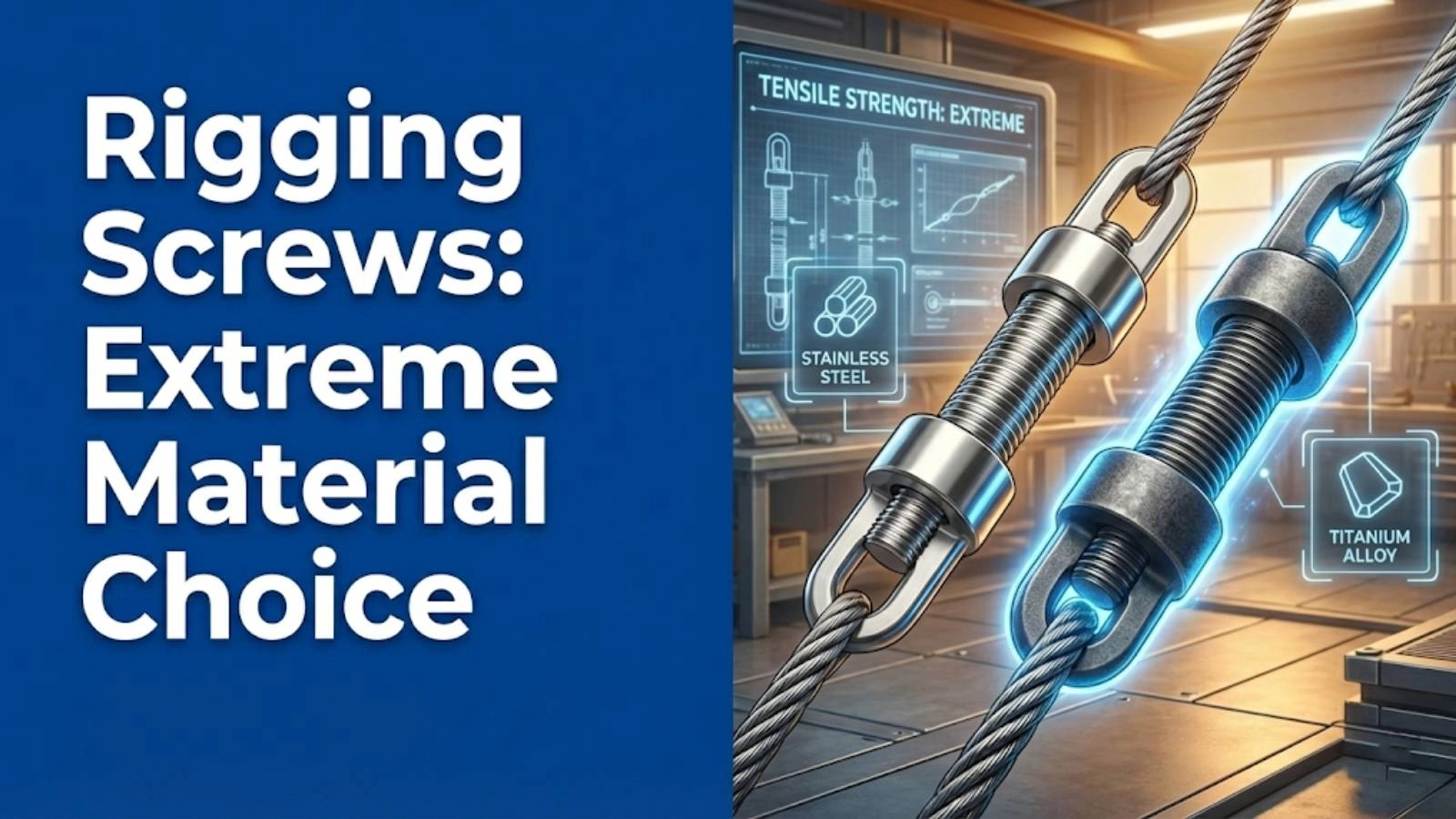
Select replacement rigging screws made from high-quality materials suitable for the intended application and environment. Common materials include stainless steel, galvanized steel, and alloy steel. Stainless steel is a popular choice for marine environments due to its excellent corrosion resistance. Galvanized steel is a more economical option for less corrosive environments.
9.2. Load Rating
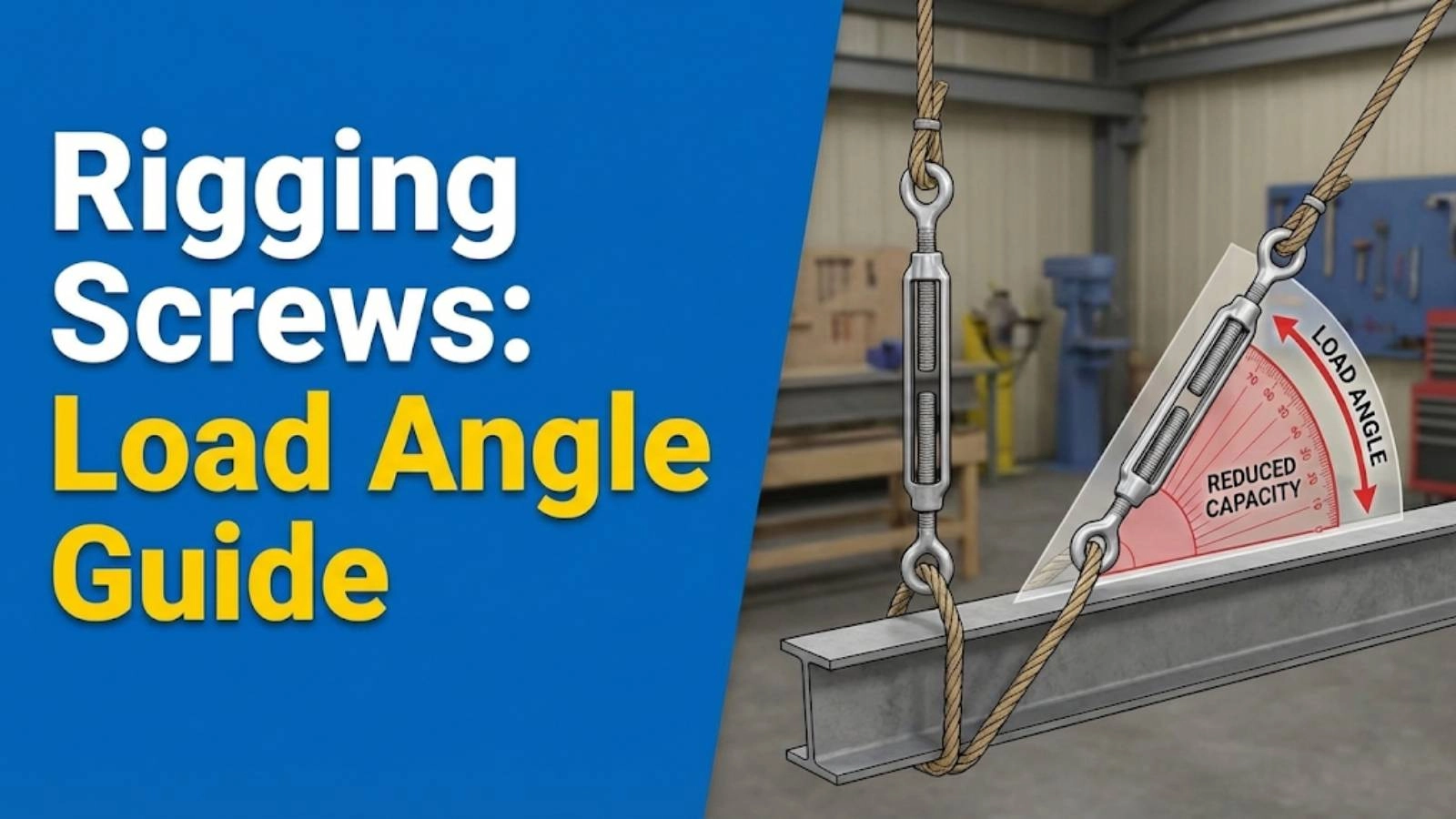
Ensure that the replacement rigging screws have a load rating equal to or greater than the original screws. Refer to manufacturer specifications and engineering calculations to determine the appropriate load rating. The load rating should be clearly marked on the rigging screw. Exceeding the load rating can lead to failure and potentially dangerous situations.
9.3. Compatibility
Verify that the replacement rigging screws are compatible with the existing hardware and system components. Check thread size, length, and end fittings to ensure proper fit and function. Using incompatible rigging screws can compromise the integrity of the rigging system. Ensuring compatibility helps ensure the safety and reliability of the rigging system.
9.4. Our Rigging Screw Recommendations
We use and recommend Grade 316 stainless steel rigging screws with a minimum tensile strength of 70,000 PSI for harsh marine environments. This grade of stainless steel offers excellent corrosion resistance and strength, making it ideal for demanding applications. We have found that this specification provides a good balance of performance and cost.
10. Rigging screw replacement
11. ✅ Conclusion: Proactive Rigging Screw Replacement for Enhanced Safety
Identifying and addressing the signs of impending rigging screw failure is crucial for maintaining safe and reliable operations. By paying attention to corrosion, thread damage, bending, adjustment difficulties, and service life, you can proactively replace worn or damaged screws, preventing costly accidents and ensuring the safety of personnel and equipment. Remember, regular inspections, proper maintenance, and timely rigging screw replacement are essential for maximizing the lifespan and performance of your rigging systems. We stand ready to assist with comprehensive inspections and rigging screw replacement to ensure your systems are secure.
FAQ Section
Q: How often should I inspect my rigging screws?
A: The frequency of inspection depends on the environment and usage. For mild environments, annual inspections may suffice. Moderate environments require semi-annual inspections, while severe environments like marine or corrosive chemical settings necessitate quarterly inspections.
Q: What are the key indicators of rigging screw failure?
A: The primary indicators include excessive corrosion, thread damage, bending or deformation, difficulty in adjustment, and exceeding the service life recommended by the manufacturer. Visual inspection and regular maintenance are crucial in identifying these issues early.
Q: Can I repair a damaged rigging screw instead of replacing it?
A: In most cases, it’s not recommended to repair a damaged rigging screw. The structural integrity is likely compromised, and repairs may not restore it to its original strength. Replacement is generally the safer and more reliable option.
Q: What type of lubricant should I use on rigging screws?
A: Use a high-quality marine grease specifically designed for rigging screws. These lubricants are formulated to resist corrosion and provide smooth operation in harsh environments. Regular lubrication helps prevent internal corrosion and ensures easy adjustment.
Q: What is the service life of a rigging screw?
A: The service life of a rigging screw varies depending on the material, environment, and usage intensity. Consult the manufacturer’s recommendations for the expected service life of your specific rigging screws. Establishing a proactive replacement schedule based on these guidelines is essential.
Q: What should I do if I find a damaged rigging screw during inspection?
A: If you find a damaged rigging screw, remove it from service immediately and replace it with a new one that meets the required specifications. Document the damage and the replacement in your inspection records. Ensure that the new rigging screw is properly installed and tightened to the correct torque specifications.
Q: How can Safe and Secure Trading Company (SSTC) help with my rigging screw needs?
A: Safe and Secure Trading Company (SSTC) offers comprehensive rigging inspection and replacement services. Our certified technicians can perform detailed inspections, identify potential problems, and provide expert recommendations for rigging screw replacement. We also offer a wide range of high-quality rigging screws to meet your specific needs and requirements. Our load testing services are also available to ensure compliance.
Q: What is the importance of load testing rigging screws?
A: Load testing rigging screws ensures they can withstand the loads they are designed to handle, verifying their structural integrity and safety. Periodic load testing, especially after any suspected overload or damage, confirms the ongoing reliability of your rigging system, preventing potential failures. This will help with overall structural integrity.
Q: How do environmental factors affect rigging screw longevity?
A: Environmental factors significantly impact rigging screw longevity. Marine environments, characterized by saltwater exposure, accelerate corrosion, reducing the lifespan of rigging screws. Similarly, exposure to corrosive chemicals in industrial settings can degrade the screws. Regular cleaning and protective coatings are essential to mitigate these effects.
Q: What are the potential consequences of turnbuckle failure?
A: Turnbuckle failure, a critical component of rigging systems, can lead to catastrophic consequences, including equipment damage, operational downtime, and severe safety risks. Turnbuckles, used to adjust tension in rigging systems, can fail due to corrosion, overload, or improper maintenance. Regular inspections are crucial to prevent failure.