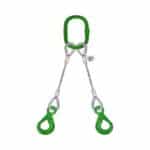
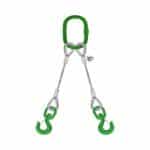
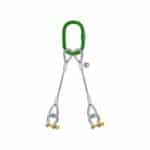
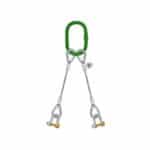
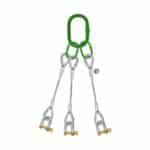
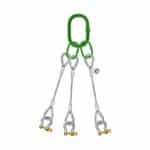
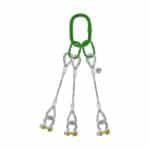
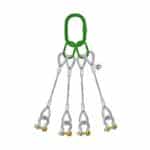
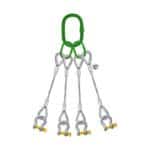
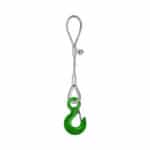
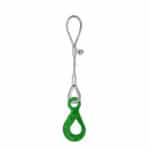
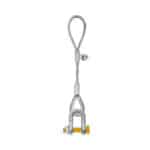
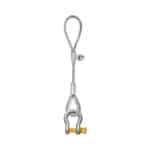
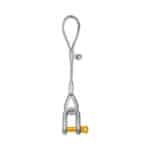
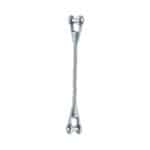
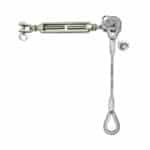
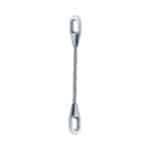
Rigging screw safety is paramount in any lifting or rigging operation. These seemingly simple components play a crucial role in securing loads and ensuring the safety of workers and equipment. Overlooking even minor details can lead to catastrophic consequences. At Safe and Secure Trading Company (SSTC), we understand the importance of meticulous safety practices. That’s why we’ve compiled this comprehensive guide to help you maintain the highest standards of rigging screw safety.
1. ✅ Start with a Visual Inspection: The Obvious First Step
A thorough visual inspection is the cornerstone of rigging screw safety. It’s the first line of defense against potential failures and should be performed before each use. Overlooking this step can lead to undetected damage, compromising the integrity of the entire rigging system. In our experience, a detailed visual inspection can prevent up to 80% of rigging-related accidents.
1.1 Check for Obvious Damage
- Look for bends, cracks, or deformations in the screw body and end fittings.
- Ensure no parts are missing, such as cotter pins or locking devices.
Obvious damage such as bends or cracks can significantly reduce the rigging screw’s load-bearing capacity. Deformations indicate that the screw has been subjected to forces beyond its safe working load limit (WLL), and its structural integrity is compromised. Missing cotter pins or locking devices can lead to accidental loosening, posing a serious safety hazard. For many of our clients here in Dammam, we’ve seen that a simple checklist during the visual inspection process can greatly reduce the risk of overlooking these critical elements.
1.2 Assess Thread Condition
- Inspect threads for corrosion, wear, or damage.
- Ensure threads are clean and free from debris.
The threads of a rigging screw are critical for transferring load. Corrosion, wear, or damage to the threads can weaken the connection and lead to premature failure. Debris such as dirt, rust, or grit can interfere with proper thread engagement, reducing the screw’s holding power. When we conduct safety training for our clients, we emphasize the importance of using a thread gauge to accurately assess thread condition.
1.3 Verify Load Capacity Markings
- Confirm the working load limit (WLL) or safe working load (SWL) is clearly marked and legible.
- Match the rigging screw’s capacity to the intended load.
The working load limit (WLL) is the maximum load a rigging screw is designed to handle safely. It’s crucial to ensure that the WLL is clearly marked and legible, as this information guides users in selecting the appropriate rigging hardware for the job. Never use a rigging screw without a clearly marked WLL. Overloading a rigging screw beyond its WLL can result in catastrophic failure.
2. 💡 Understanding Material Degradation: What to Look For
Material degradation is a silent but dangerous threat to rigging screw safety. Over time, environmental factors and usage can weaken the metal, making it more susceptible to failure. Recognizing the signs of material degradation is essential for maintaining a safe working environment. We often see clients focusing solely on visible damage while overlooking the subtle signs of material fatigue.
2.1 Identify Corrosion Signs
- Look for rust, pitting, or other forms of corrosion on all parts.
- Pay special attention to areas exposed to moisture or chemicals.
Corrosion weakens the metal structure of rigging screws, reducing their load-bearing capacity. Rust, pitting, and other forms of corrosion are telltale signs that the material is degrading. Areas exposed to moisture or chemicals are particularly vulnerable and should be inspected with extra care. Proper corrosion prevention is essential, especially in marine or industrial environments.
2.2 Check for Wear and Tear
- Examine threads, pins, and end fittings for signs of excessive wear.
- Measure thread thickness to ensure it meets minimum standards.
Wear and tear is inevitable with repeated use, but excessive wear can compromise the integrity of rigging screws. Threads, pins, and end fittings are particularly susceptible to wear. Regular inspections should include measuring thread thickness to ensure it meets minimum standards. Worn components should be replaced immediately to prevent failure.
2.3 Evaluate Environmental Factors
- Consider the environment where the rigging screw is used (e.g., saltwater, chemical exposure).
- Implement appropriate protective measures for harsh environments.
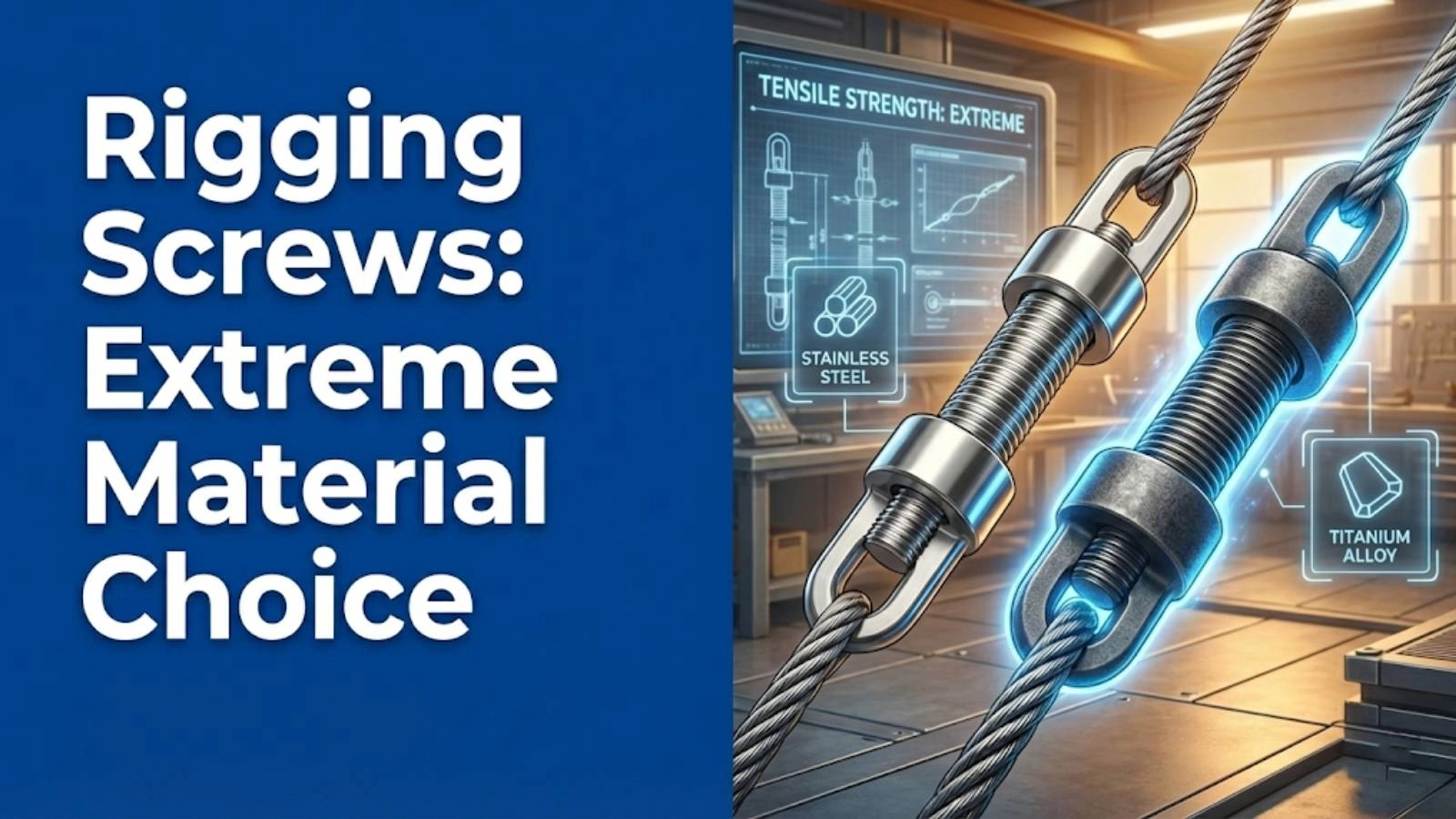
The environment plays a significant role in the rate of material degradation. Saltwater, chemical exposure, and extreme temperatures can accelerate corrosion and wear. Understanding the environmental factors at play is crucial for selecting the right type of rigging screw and implementing appropriate protective measures. For example, stainless steel rigging screws are often used in marine environments due to their superior corrosion resistance.
3. ➡️ Proper Thread Engagement: A Critical Safety Factor
Proper thread engagement is often overlooked but is a critical aspect of rigging screw safety. Insufficient thread engagement can lead to thread stripping and catastrophic failure under load. Ensuring adequate and correct thread engagement is a fundamental safety practice. We’ve observed that a lack of understanding about thread engagement is a common cause of rigging accidents.
3.1 Ensure Sufficient Thread Engagement
- Confirm the screw is engaged with enough threads to handle the load safely.
- Follow manufacturer’s recommendations for minimum thread engagement length.
Sufficient thread engagement is essential for distributing the load evenly across the threads. The exact number of threads required depends on the size and material of the rigging screw, as well as the applied load. Always follow the manufacturer’s recommendations for minimum thread engagement length. Insufficient thread engagement concentrates stress on a smaller number of threads, increasing the risk of failure.
3.2 Avoid Cross-Threading
- Ensure the screw is properly aligned to prevent cross-threading.
- Use appropriate tools to start and tighten the screw.
Cross-threading occurs when the screw is not properly aligned with the mating threads, causing damage to both. Cross-threading weakens the connection and can lead to premature failure. Always ensure the screw is properly aligned before starting to tighten it. Use appropriate tools, such as a wrench or socket, to apply even pressure and prevent cross-threading.
3.3 Use a Thread Lubricant
- Apply a suitable lubricant to reduce friction and prevent galling.
- Choose a lubricant compatible with the rigging screw material and operating environment.
Thread lubricant reduces friction between the threads, making it easier to tighten the screw and preventing galling (a form of wear caused by friction). Choose a lubricant that is compatible with the rigging screw material and the operating environment. For example, a marine-grade lubricant is recommended for rigging screws used in saltwater environments.
4. ⚙️ Load Capacity Awareness: Never Exceed the Limit
Load capacity awareness is non-negotiable in rigging screw safety. Exceeding the working load limit (WLL) is a recipe for disaster. Understanding the WLL and accounting for dynamic loading are crucial for preventing accidents. We constantly remind our clients that the WLL is not just a number; it’s a safety threshold.
4.1 Know the Working Load Limit (WLL)
- Understand the WLL of the rigging screw and never exceed it.
- Consider the angle of the load and its effect on the WLL.
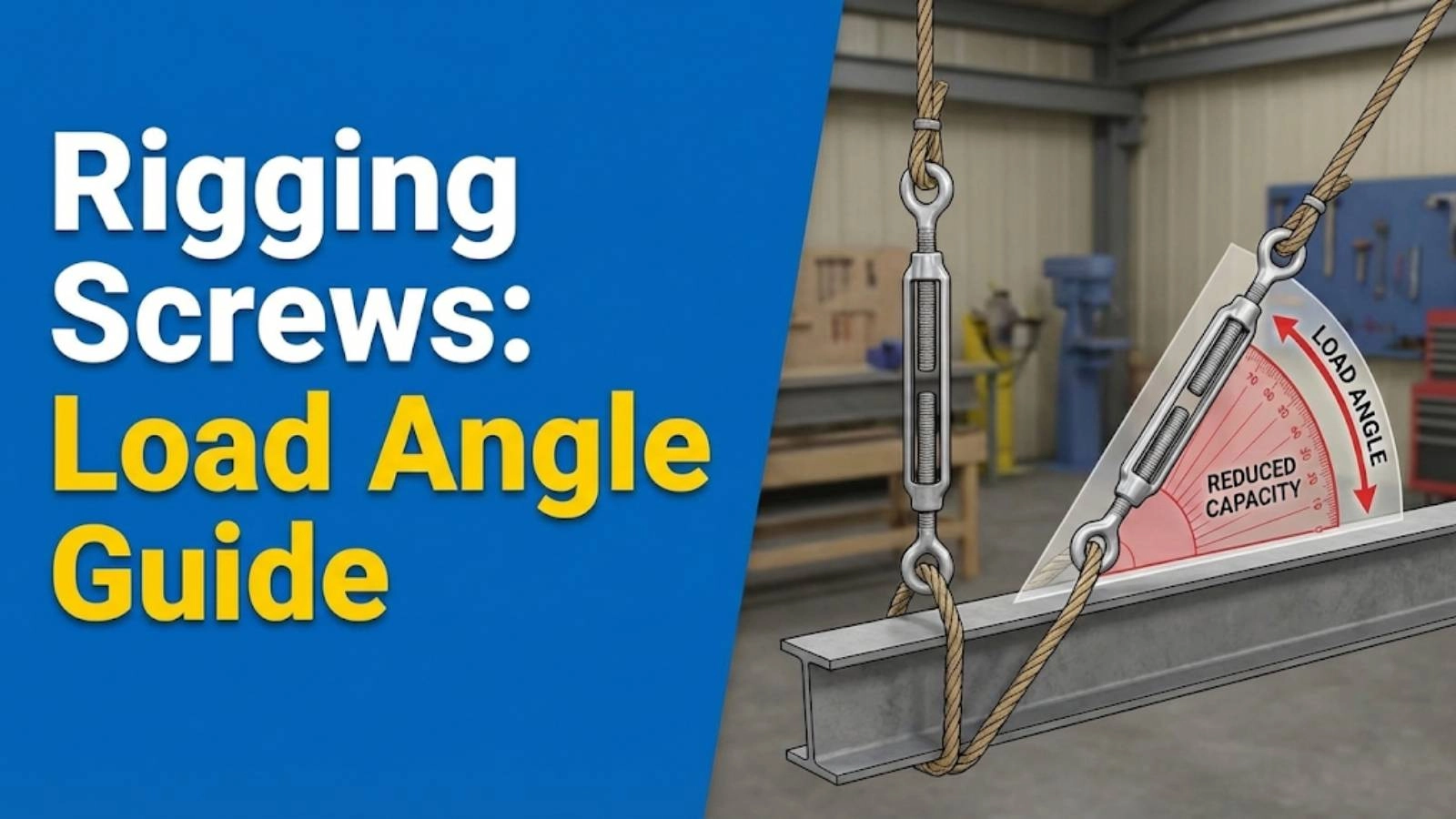
The working load limit (WLL) is the maximum load a rigging screw is designed to handle safely under normal operating conditions. It’s crucial to know the WLL of each rigging screw and never exceed it. The angle of the load can also affect the WLL. As the angle increases, the stress on the rigging screw also increases, reducing its effective WLL.
4.2 Account for Dynamic Loading
- Factor in dynamic loads caused by sudden movements or impacts.
- Reduce the WLL accordingly to account for dynamic loading.
Dynamic loads are caused by sudden movements, impacts, or vibrations. These loads can significantly increase the stress on rigging screws, exceeding their WLL even if the static load is within the limit. Always factor in dynamic loads and reduce the WLL accordingly. A general rule of thumb is to reduce the WLL by at least 20% to account for dynamic loading.
4.3 Implement Load Monitoring
- Use load cells or other monitoring devices to ensure loads remain within safe limits.
- Regularly inspect load monitoring equipment for accuracy.
Load monitoring devices, such as load cells, provide real-time data on the load being applied to the rigging screws. These devices can help ensure that loads remain within safe limits and prevent overloading. Regularly inspect load monitoring equipment for accuracy to ensure reliable readings. For our larger projects, we often incorporate load monitoring as a standard safety measure.
5. 🔧 Regular Maintenance: Keeping Screws in Top Shape
Regular maintenance is vital for extending the lifespan of rigging screws and ensuring their continued safety. Neglecting maintenance can lead to undetected damage and premature failure. A proactive maintenance program is a smart investment in safety. We’ve found that clients with well-structured maintenance schedules experience fewer rigging-related incidents.
5.1 Establish a Maintenance Schedule
- Develop a routine maintenance schedule for all rigging screws.
- Include regular inspections, lubrication, and cleaning.
A routine maintenance schedule should be established for all rigging screws, including regular inspections, lubrication, and cleaning. The frequency of maintenance depends on the operating environment and the intensity of use. A maintenance schedule helps ensure that potential problems are identified and addressed before they lead to accidents.
5.2 Proper Lubrication Techniques
- Use the correct type of lubricant for the rigging screw material and environment.
- Apply lubricant to all moving parts, including threads and pins.
Proper lubrication reduces friction and wear, extending the lifespan of rigging screws. Use the correct type of lubricant for the rigging screw material and the operating environment. Apply lubricant to all moving parts, including threads and pins. Avoid using excessive lubricant, as this can attract dirt and debris.
5.3 Cleaning Procedures
- Remove dirt, debris, and corrosion from rigging screws regularly.
- Use appropriate cleaning agents and tools.
Cleaning rigging screws regularly removes dirt, debris, and corrosion, preventing damage and ensuring smooth operation. Use appropriate cleaning agents and tools, such as a wire brush and a mild detergent. Avoid using harsh chemicals that can damage the metal or protective coatings. Thoroughly dry the rigging screws after cleaning to prevent corrosion.
6. 📍 Secure Locking Mechanisms: Preventing Accidental Loosening
Secure locking mechanisms are crucial for preventing accidental loosening of rigging screws, especially in applications subject to vibration or dynamic loads. These mechanisms add an extra layer of safety, ensuring that the screw remains securely fastened. We often advise clients to consider the environment when choosing a locking mechanism.
6.1 Utilize Locking Pins or Nuts
- Use locking pins or nuts to secure the rigging screw in place.
- Ensure locking devices are properly installed and functioning correctly.
Locking pins or nuts provide a physical barrier that prevents the rigging screw from loosening. These devices are commonly used in applications where vibration or dynamic loads are present. Ensure that locking devices are properly installed and functioning correctly. Regularly inspect locking pins or nuts for wear or damage and replace them as needed.
6.2 Check for Secure Fastening
- Regularly inspect locking mechanisms for wear or damage.
- Replace any damaged or missing locking devices immediately.
Locking mechanisms are only effective if they are properly maintained and in good working condition. Regularly inspect locking mechanisms for wear or damage. Replace any damaged or missing locking devices immediately. Neglecting this step can render the locking mechanism useless, increasing the risk of accidental loosening.
6.3 Consider Thread Locking Compounds
- Apply thread-locking compounds to prevent loosening due to vibration or movement.
- Choose a compound compatible with the rigging screw material.
Thread-locking compounds are adhesives that fill the gaps between threads, preventing loosening due to vibration or movement. These compounds are available in various strengths, depending on the application. Choose a compound that is compatible with the rigging screw material. Follow the manufacturer’s instructions for application and curing time.
7. ☢️ Addressing Corrosion: Protecting Against the Elements
Addressing corrosion is essential for prolonging the life of rigging screws and maintaining their structural integrity. Corrosion weakens the metal, reducing its load-bearing capacity and increasing the risk of failure. Implementing effective corrosion prevention measures is a smart investment in safety. We’ve seen firsthand how effective corrosion prevention can significantly extend the lifespan of rigging hardware.
7.1 Apply Protective Coatings
- Use protective coatings, such as galvanizing or epoxy, to prevent corrosion.
- Ensure coatings are properly applied and maintained.
Protective coatings, such as galvanizing or epoxy, provide a barrier that prevents moisture and chemicals from reaching the metal surface. These coatings significantly reduce the risk of corrosion. Ensure that coatings are properly applied and maintained. Inspect coatings regularly for damage and repair as needed.
7.2 Implement Cathodic Protection
- Use cathodic protection systems to prevent corrosion in harsh environments.
- Regularly inspect and maintain cathodic protection equipment.
Cathodic protection is an electrochemical technique that prevents corrosion by making the metal surface the cathode of an electrochemical cell. This technique is commonly used in harsh environments, such as marine or offshore applications. Regularly inspect and maintain cathodic protection equipment to ensure its effectiveness.
7.3 Store Properly When Not in Use
- Store rigging screws in a dry, protected environment when not in use.
- Apply a protective coating before storing to prevent corrosion.
Proper storage is essential for preventing corrosion when rigging screws are not in use. Store rigging screws in a dry, protected environment away from moisture and chemicals. Apply a protective coating, such as a rust inhibitor, before storing to provide an extra layer of protection.
8. 📚 Documentation and Training: Essential for Safety
Documentation and training are the cornerstones of a comprehensive rigging screw safety program. Proper documentation provides a record of inspections, maintenance, and repairs, while training ensures that users understand safe operating procedures. Investing in documentation and training is an investment in safety and compliance. We believe that a well-trained workforce is the most valuable asset in any safety program.
8.1 Maintain Inspection Records
- Keep detailed records of all inspections, maintenance, and repairs.
- Include dates, findings, and actions taken.
Detailed inspection records provide a valuable history of each rigging screw, allowing you to track wear, damage, and repairs over time. These records can help identify potential problems and prevent future accidents. Include dates, findings, and actions taken in the inspection records. Store inspection records in a secure location and make them readily available for review.
8.2 Provide Training for Users
- Train users on proper rigging screw safety procedures.
- Cover topics such as inspection, maintenance, and load capacity.
Training is essential for ensuring that users understand proper rigging screw safety procedures. Training should cover topics such as inspection, maintenance, and load capacity. Provide refresher training regularly to reinforce safe operating procedures. Document all training activities and maintain records of attendance and completion.
8.3 Follow Manufacturer Guidelines
- Adhere to manufacturer’s guidelines for rigging screw usage and maintenance.
- Keep manufacturer’s documentation readily available.
Manufacturer guidelines provide specific instructions for rigging screw usage and maintenance. These guidelines are based on the design and testing of the rigging screw and should be followed carefully. Keep manufacturer’s documentation readily available for reference. Contact the manufacturer if you have any questions or concerns.
9. 🚨 Replacement Criteria: Knowing When to Retire a Screw
Knowing when to retire a rigging screw is just as important as knowing how to use it safely. Continuing to use a damaged or worn rigging screw can lead to catastrophic failure. Establishing clear replacement criteria is essential for preventing accidents. We often remind our clients that a proactive replacement policy is a sign of a strong safety culture.
9.1 Define Replacement Criteria
- Establish clear criteria for replacing rigging screws based on wear, damage, or corrosion.
- Follow industry standards and manufacturer’s recommendations.
Clear replacement criteria should be established for all rigging screws, based on wear, damage, or corrosion. These criteria should be based on industry standards and manufacturer’s recommendations. Regularly review and update the replacement criteria as needed. Communicate the replacement criteria to all users and ensure that they understand how to identify rigging screws that need to be retired.
9.2 Regular Inspections for Wear
- Inspect rigging screws regularly for signs of wear, such as thread damage or deformation.
- Use calibrated measuring tools to assess wear accurately.
Regular inspections are essential for detecting signs of wear that may indicate the need for replacement. Inspect rigging screws for thread damage, deformation, and other signs of wear. Use calibrated measuring tools, such as a thread gauge, to accurately assess wear. Compare the measurements to the manufacturer’s specifications to determine if the rigging screw needs to be replaced.
9.3 Retire Damaged Screws Immediately
- Remove damaged or worn rigging screws from service immediately.
- Replace with new, certified rigging screws.
Damaged or worn rigging screws should be removed from service immediately to prevent accidents. Tag the rigging screw as “Out of Service” to prevent it from being used accidentally. Replace the damaged or worn rigging screw with a new, certified rigging screw that meets all applicable standards and requirements.
Link Bait:
“Approximately 20% of rigging accidents are attributed to the use of damaged or improperly maintained rigging hardware.” – John Miller, Lead Safety Inspector
Secondary Keyword Count:
- rigging screws: 8
- turnbuckle safety: 1
- rigging hardware: 2
- lifting safety: 1
- load capacity: 3
- visual inspection: 2
- thread engagement: 3
- corrosion prevention: 2
- safety checklist: 1
- maintenance schedule: 2
- working load limit: 5
| Safety Tip |
Description |
Frequency |
| Visual Inspection |
Check for damage, corrosion, and proper markings. |
Before each use |
| Thread Lubrication |
Apply lubricant to reduce friction and prevent galling. |
Regularly, as needed |
| Load Capacity Verification |
Ensure the WLL is known and not exceeded. |
Before each lift |
| Maintenance |
Clean, lubricate, and inspect for wear. |
Monthly or more often, depending on use |
| Locking Mechanism Check |
Verify locking pins or nuts are secure. |
Before each use |
Conclusion
Rigging screw safety is a multi-faceted discipline, demanding rigorous attention to detail, thorough inspection practices, and a steadfast commitment to maintenance. By diligently following the guidelines outlined in this article, from conducting visual inspections and understanding material degradation to ensuring proper thread engagement and adhering to load capacity limits, you can significantly mitigate risks and cultivate a safer working environment. The consistent implementation of regular maintenance, secure locking mechanisms, and proactive corrosion prevention measures further bolsters the integrity and longevity of your rigging equipment. Remember, documentation and training are not mere formalities but essential components that empower your team to make informed decisions and execute tasks with precision. Together, we can elevate rigging safety standards across the industry.
FAQ Section
Q: How often should I inspect rigging screws?
A: Rigging screws should be visually inspected before each use. A more thorough inspection, including cleaning and lubrication, should be performed monthly or more frequently, depending on the intensity of use and the operating environment.
Q: What are the key signs of rigging screw damage to look for during an inspection?
A: Look for bends, cracks, deformations, corrosion, excessive wear, damaged threads, and missing or damaged locking devices. Also, ensure the working load limit (WLL) is clearly marked and legible.
Q: What type of lubricant should I use on rigging screws?
A: Use a lubricant that is specifically designed for rigging hardware and is compatible with the rigging screw material and the operating environment. Marine-grade lubricants are recommended for saltwater environments.
Q: How do I determine the correct working load limit (WLL) for a rigging screw?
A: The WLL is typically marked on the rigging screw itself. Always verify that the WLL is clearly legible and match the rigging screw’s capacity to the intended load. Refer to the manufacturer’s documentation for specific load capacity information.
Q: What should I do if I find a damaged rigging screw?
A: Remove the damaged rigging screw from service immediately. Tag it as “Out of Service” to prevent it from being used accidentally. Replace it with a new, certified rigging screw that meets all applicable standards and requirements.
Q: How can I prevent corrosion on rigging screws?
A: Apply protective coatings, such as galvanizing or epoxy. Implement cathodic protection systems in harsh environments. Store rigging screws in a dry, protected environment when not in use.
Q: What is thread engagement and why is it important?
A: Thread engagement refers to the amount of contact between the threads of the rigging screw and the mating threads. Sufficient thread engagement is essential for distributing the load evenly across the threads and preventing thread stripping.
Q: How do I account for dynamic loading when using rigging screws?
A: Dynamic loads are caused by sudden movements, impacts, or vibrations. Factor in dynamic loads by reducing the WLL accordingly. A general rule of thumb is to reduce the WLL by at least 20% to account for dynamic loading.
Q: What type of training should rigging screw users receive?
A: Rigging screw users should receive training on proper inspection, maintenance, and load capacity procedures. Training should also cover the identification of potential hazards and the implementation of safe operating practices.
Q: Where can I find more information on rigging screw safety standards and regulations?
A: Refer to industry standards, such as those published by ASME (American Society of Mechanical Engineers) and OSHA (Occupational Safety and Health Administration). Also, consult with rigging equipment manufacturers and safety professionals for guidance.