Rigging Screws: Find Your Perfect Fit
Imagine a construction site, bustling with activity. A sudden gust of wind catches a poorly secured scaffold, and a section begins to sway precariously. Thankfully, a quick-thinking foreman notices and averts disaster, but the incident underscores a critical point: using the correct rigging screw can be the difference between safety and catastrophe. Rigging screws are the unsung heroes of heavy lifting, providing essential tension and adjustability in countless applications.
Rigging screws, also known as turnbuckles or bottle screws, are essential components used to adjust tension in rigging systems. They play a critical role in various industries, from construction and marine to theater and agriculture. Their robust construction and adjustability make them indispensable for securing loads, tensioning cables, and maintaining structural integrity.
Using the wrong type of rigging screw can lead to catastrophic consequences, including equipment failure, property damage, and even serious injuries. Selecting the right rigging screw involves understanding the specific demands of the job, including load capacity, environmental factors, and frequency of adjustment. This guide will explore different rigging screw types, their applications, and how to select the right one for your specific needs, ensuring safety and efficiency in all your rigging operations.
What Exactly is a Rigging Screw?
A rigging screw, often referred to as a turnbuckle or bottle screw, is a device used to adjust the tension or length of ropes, cables, tie rods, and other tensioning systems. It consists of two threaded eye bolts, hooks, or jaws that are screwed into a small metal frame, one from each end. Rotating the frame causes both eye bolts to screw in or out simultaneously, which causes the tension to be adjusted.
The basic mechanism of a rigging screw is simple yet effective. By rotating the central body or frame, the threaded ends either extend or retract. This linear movement allows for precise adjustments in tension, making them ideal for applications where maintaining a specific level of tightness is crucial. For instance, in marine applications, rigging screws are used to fine-tune the tension of sails, ensuring optimal performance in varying wind conditions.
The history of rigging screws dates back centuries, with early versions being used in shipbuilding to secure masts and sails. Over time, the design and materials have evolved to meet the demands of modern industries. The transition from wood to metal and the introduction of various end fittings have expanded their versatility and applications.
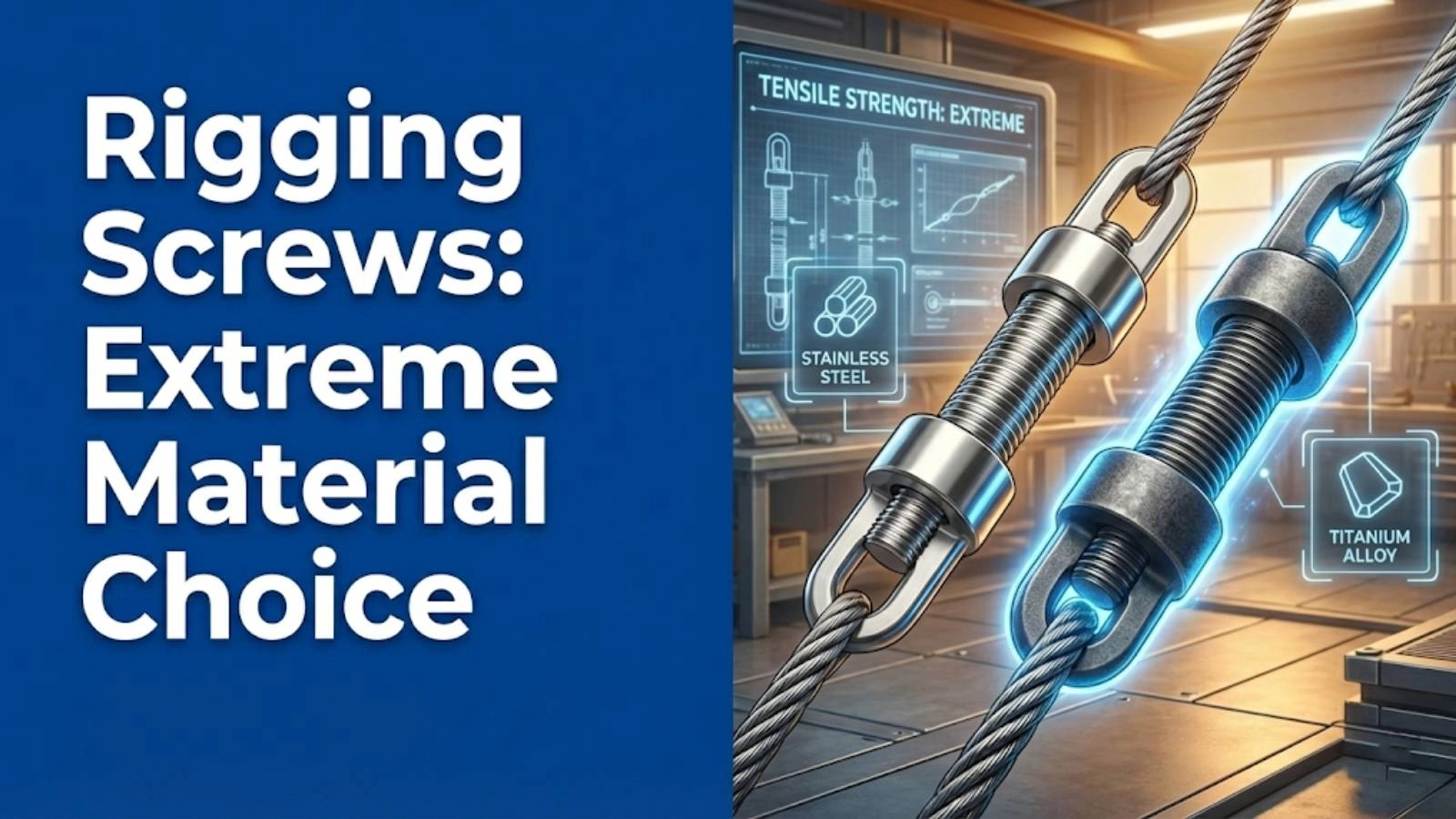
Rigging screws are typically made from materials such as stainless steel and galvanized steel. Stainless steel rigging screws are favored for their excellent corrosion resistance, making them ideal for marine and outdoor applications where exposure to moisture and harsh elements is common. Galvanized rigging screws offer a cost-effective alternative, providing a protective zinc coating to prevent rust and corrosion in less demanding environments. The choice of material depends largely on the specific application and the level of environmental exposure expected.
Decoding Rigging Screw Types: A Deep Dive
Now that we understand the basics, let’s explore the most common types of rigging screws, each designed for specific applications and load requirements. Understanding the nuances of each type is crucial for ensuring safety and efficiency in your rigging operations. From open body to closed body, jaw and jaw to eye and eye, each configuration offers unique advantages and disadvantages that must be carefully considered.
Open Body vs. Closed Body Turnbuckles
Open body and closed body turnbuckles represent two distinct designs, each offering unique advantages and disadvantages depending on the application. Understanding these differences is crucial for selecting the right type for your specific needs. The primary distinction lies in the construction of the central body, which either exposes the threads or encases them within a protective housing.
Open body turnbuckles feature a frame that exposes the threaded rods, allowing for easy visual inspection. This design makes it simple to check for signs of wear, damage, or corrosion. ✅ Easy visual inspection is a significant advantage, as it allows for quick identification of potential issues. ❌ However, the exposed threads are more susceptible to damage from the elements and physical impact.
Closed body turnbuckles, on the other hand, encase the threaded rods within a protective sleeve. This design offers increased protection against corrosion, dirt, and physical damage. ✅ The enhanced protection is particularly beneficial in harsh environments where the turnbuckle may be exposed to saltwater, chemicals, or abrasive materials. ❌ However, the closed design makes it more difficult to visually inspect the threads, requiring more thorough examination during maintenance.
- Pros of Open Body Turnbuckles:
✅ Easy visual inspection of threads.
✅ Simple to clean and maintain.
✅ Typically more cost-effective.
- Cons of Open Body Turnbuckles:
❌ Susceptible to corrosion and damage.
❌ Threads can be easily stripped or damaged.
❌ Not ideal for harsh environments.
- Pros of Closed Body Turnbuckles:
✅ Enhanced protection against corrosion and damage.
✅ Suitable for harsh environments.
✅ Aesthetically more appealing.
- Cons of Closed Body Turnbuckles:
❌ Difficult to visually inspect threads.
❌ More complex maintenance.
❌ Typically more expensive.
[IMAGE: Side-by-side comparison of an open body and a closed body turnbuckle]
For example, open body turnbuckles are often used in applications where frequent visual inspections are required, such as in theatrical rigging or temporary construction setups. In contrast, closed body turnbuckles are preferred in marine environments or chemical plants, where protection against corrosion and chemical exposure is paramount. For many of our clients here in Dammam, we’ve seen that closed body turnbuckles are essential for equipment longevity due to the harsh coastal environment.
Jaw and Jaw Turnbuckles
Jaw and jaw turnbuckles feature a clevis-style end fitting, known as a “jaw,” on both ends. This design provides a secure and reliable connection, making it ideal for applications where frequent adjustments are necessary. The jaw end fitting consists of two bolts through a U-shaped clevis, allowing for easy attachment to other rigging components such as shackles or eye bolts.
The primary advantage of jaw and jaw turnbuckles is their secure connection. The clevis design ensures that the turnbuckle remains firmly attached, even under heavy loads or dynamic conditions. ✅ This makes them well-suited for applications where safety is a critical concern. ✅ Additionally, the jaw design allows for quick and easy adjustments, making them ideal for applications requiring frequent tension modifications.
However, jaw and jaw turnbuckles can be more complex to install than other types. The clevis design requires careful alignment and tightening of the bolts to ensure a secure connection. ❌ Improper installation can compromise the integrity of the rigging system. ❌ Also, the multiple components of the jaw fitting can make it more susceptible to wear and tear over time.
- Pros of Jaw and Jaw Turnbuckles:
✅ Secure and reliable connection.
✅ Ideal for frequent adjustments.
✅ Suitable for heavy loads and dynamic conditions.
- Cons of Jaw and Jaw Turnbuckles:
❌ More complex installation process.
❌ Susceptible to wear and tear over time.
❌ Can be more expensive than other types.
“Jaw and jaw turnbuckles offer a robust and reliable connection when frequent adjustments are necessary, making them a go-to choice for many rigging applications.” – John Smith, Structural Engineer
[IMAGE: Close-up of a jaw and jaw turnbuckle]
Jaw and jaw turnbuckles are commonly used in applications such as bridge construction, where precise tensioning of cables is essential for structural integrity. They are also frequently used in theatrical rigging, where frequent adjustments are required to accommodate different stage setups. We once worked with a client choosing between jaw and jaw turnbuckles and eye and eye turnbuckles. They found jaw and jaw turnbuckles were better for their specific workflow because of the need to frequently adjust tension.
Eye and Eye Turnbuckles
Eye and eye turnbuckles feature an “eye” end fitting on both ends. This design offers simplicity and ease of installation, making them a popular choice for various rigging applications. The eye fitting consists of a closed loop that allows for easy attachment to other rigging components, such as hooks, shackles, or ropes.
The primary advantage of eye and eye turnbuckles is their simplicity. ✅ The straightforward design makes them easy to install and adjust, even for those with limited rigging experience. ✅ Additionally, the eye fitting allows for versatile connections, accommodating a wide range of rigging components.
However, eye and eye turnbuckles may not be as secure as jaw fittings in certain scenarios. The open loop design of the eye fitting can be more susceptible to deformation or slippage under heavy loads or dynamic conditions. ❌ Therefore, they are generally better suited for static loads and applications where infrequent adjustments are required.
- Pros of Eye and Eye Turnbuckles:
✅ Simple and easy to install.
✅ Versatile connections with various rigging components.
✅ Cost-effective option.
- Cons of Eye and Eye Turnbuckles:
❌ Less secure than jaw fittings in some scenarios.
❌ Not ideal for heavy loads or dynamic conditions.
❌ Susceptible to deformation or slippage.
Eye and eye turnbuckles are commonly used in applications such as securing static loads, tensioning fences, and supporting light structures. They are also frequently used in marine rigging for adjusting sail tension in smaller boats. For many of our clients here in Dammam, we’ve seen eye and eye turnbuckles used in applications where ease of use and cost-effectiveness are prioritized.
Hook and Eye/Jaw Turnbuckles
Hook and eye or hook and jaw turnbuckles combine the features of hook and eye/jaw fittings, offering a unique combination of quick connection and adjustability. This configuration typically features a hook on one end and an eye or jaw on the other, providing versatility in various rigging scenarios.
The primary advantage of hook and eye/jaw turnbuckles is their quick connection and disconnection capability. ✅ The hook end allows for rapid attachment and removal, making them ideal for temporary rigging setups or applications where frequent changes are required. ✅ Additionally, the combination of hook and eye/jaw fittings provides flexibility in connecting to different types of rigging components.
However, hook and eye/jaw turnbuckles are not suitable for critical load-bearing applications. The hook end is more susceptible to accidental disengagement or deformation under heavy loads, posing a safety risk. ❌ Therefore, they are best used for temporary rigging setups or applications where the load is relatively light and stable.
- Pros of Hook and Eye/Jaw Turnbuckles:
✅ Quick connection and disconnection.
✅ Versatile connection options.
✅ Ideal for temporary rigging setups.
- Cons of Hook and Eye/Jaw Turnbuckles:
❌ Not suitable for critical load-bearing applications.
❌ Hook end is susceptible to accidental disengagement.
❌ Limited load capacity.
Hook and eye/jaw turnbuckles are commonly used in applications such as temporary signage, light-duty scaffolding, and securing tarpaulins. They are also frequently used in agricultural settings for tensioning fences and supporting temporary structures. We once worked with a client choosing between hook and eye turnbuckles for scaffolding and discovered the load wasn’t appropriate for the part type. They found that hook and eye turnbuckles were not the best choice for safety under potentially dynamic loads. This incident highlighted the importance of using the appropriate rigging screw type for safety.
Stub End Fitting Turnbuckles
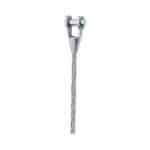
Stub end fitting turnbuckles feature a specialized stub end fitting designed for use with swage fittings in cable assemblies. This configuration provides a clean, streamlined appearance and is often used in architectural and aesthetic applications. The stub end fitting is typically attached to the cable using a swaging process, which creates a strong and permanent connection.
The primary advantage of stub end fitting turnbuckles is their clean and streamlined appearance. ✅ The flush design of the stub end fitting minimizes protrusions and creates a visually appealing connection. ✅ Additionally, the swaged connection provides excellent strength and durability, ensuring the integrity of the cable assembly.
However, stub end fitting turnbuckles require specialized tools for installation. The swaging process requires a hydraulic swaging tool to compress the fitting onto the cable, creating a permanent bond. ❌ This can be a disadvantage for those without access to the necessary equipment. ❌ Also, the permanent nature of the swaged connection makes it difficult to adjust or disassemble the cable assembly.
- Pros of Stub End Fitting Turnbuckles:
✅ Clean and streamlined appearance.
✅ Strong and durable swaged connection.
✅ Ideal for architectural and aesthetic applications.
- Cons of Stub End Fitting Turnbuckles:
❌ Requires specialized tools for installation.
❌ Difficult to adjust or disassemble.
❌ Limited to use with swage fittings.
[IMAGE: Stub end fitting turnbuckle connected to a cable assembly]
Stub end fitting turnbuckles are commonly used in applications such as cable railings, architectural cable supports, and decorative cable assemblies. They are also frequently used in marine rigging for creating clean and aesthetically pleasing cable connections. We often recommend stub end fitting turnbuckles to clients who require a visually appealing and durable cable assembly solution.
Construction Applications: Rigging Screws in Action
In construction, rigging screws play a vital role in various applications, ensuring the stability and safety of structures and equipment. From scaffolding to bridge building, these versatile components provide essential tension and adjustability. The specific type of rigging screw used depends on the unique requirements of the project, including load capacity, environmental conditions, and frequency of adjustment.
One common application is in scaffolding, where rigging screws are used to tension cables and secure the structure. Proper tensioning is crucial for maintaining the stability of the scaffolding and preventing collapses. Load ratings and safety factors are of utmost importance in this application, as the scaffolding must be able to withstand the weight of workers, materials, and equipment. The types of rigging screws in construction are jaw and jaw turnbuckles and eye and eye turnbuckles.
Rigging screws are also used in bridge building to tension cables that support the bridge deck. These cables are subjected to immense loads and must be precisely tensioned to ensure the structural integrity of the bridge. Open and closed body turnbuckles can be used. The choice depends on how exposed the areas are to the elements.
For example, turnbuckles are often used to secure temporary structures, such as construction barriers or safety nets. These structures must be able to withstand wind loads and other environmental factors, and rigging screws provide a reliable means of tensioning the supporting cables. One of our clients used hook and eye turnbuckles in scaffolding during construction. A sudden storm caused it to disconnect and cause damage. This incident highlighted the importance of using the appropriate rigging screw type for safety during dynamic loads.
Marine Applications: Setting Sail with the Right Screw
In marine environments, rigging screws are essential for maintaining the performance and safety of boats and ships. These components are used in various applications, from adjusting sail tension to securing boat masts. The harsh marine environment presents unique challenges, requiring rigging screws to be highly corrosion-resistant and durable.
Stainless steel rigging screws are the preferred choice for marine applications due to their excellent resistance to saltwater corrosion. The stainless steel alloy forms a protective layer that prevents rust and degradation, ensuring the longevity of the rigging system. Galvanized rigging screws are not ideal in this environment.
One common application is in sailboat rigging, where rigging screws are used to adjust the tension of the sails. Proper sail tension is crucial for optimizing the boat’s performance in different wind conditions. Turnbuckles allow sailors to fine-tune the sail shape and maximize their speed and efficiency.
Rigging screws are also used to secure boat masts and other structural components. These components are subjected to significant stress from wind and waves, and rigging screws provide a reliable means of maintaining their stability. The unique challenges of marine environments, such as saltwater and UV exposure, require careful consideration when selecting rigging screws. We often advise our clients to choose stainless steel rigging screws with a high level of corrosion resistance for marine applications.
Choosing the Right Rigging Screw: Key Considerations
Selecting the appropriate rigging screw involves a careful evaluation of several factors, including load capacity, environmental conditions, frequency of adjustment, and end fitting type. A systematic approach to the selection process ensures that the chosen rigging screw meets the specific demands of the application and provides a safe and reliable connection.
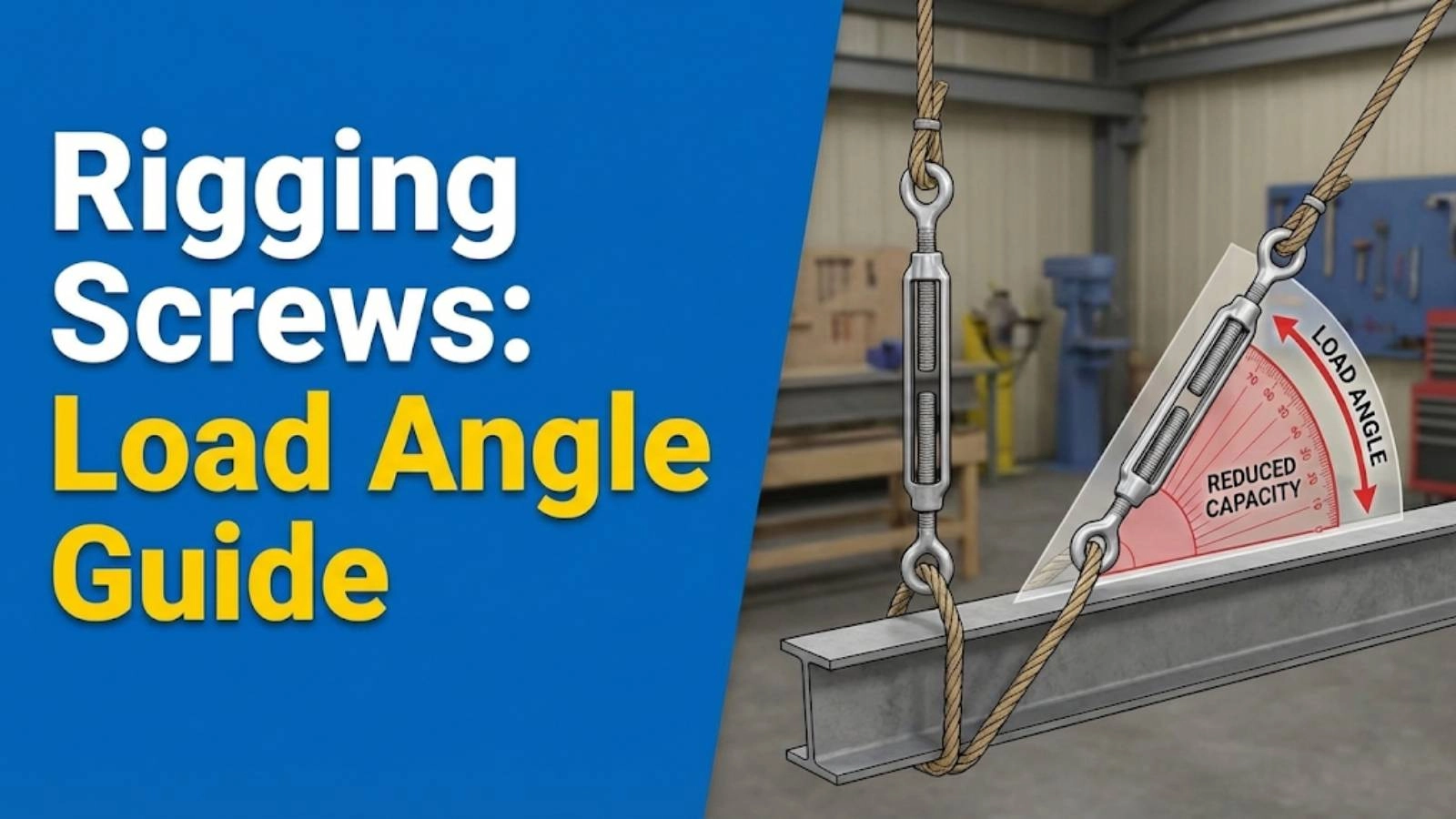
First, consider the load capacity of the rigging screw. This is the maximum weight or force that the rigging screw can safely support. Ensure that the chosen rigging screw has a load capacity that exceeds the expected load, with an appropriate safety factor. Load ratings are typically provided by the manufacturer and should be carefully reviewed before making a selection.
Next, evaluate the environmental conditions in which the rigging screw will be used. If the rigging screw will be exposed to saltwater, chemicals, or other corrosive substances, choose a corrosion-resistant material such as stainless steel. If the rigging screw will be used in a high-temperature environment, ensure that the material is capable of withstanding the elevated temperatures.
Also, consider the frequency of adjustment required. If frequent adjustments are necessary, choose a rigging screw with an easily adjustable end fitting, such as a jaw or hook. If infrequent adjustments are required, a simpler end fitting such as an eye may be sufficient.
The importance of adhering to safety standards and regulations cannot be overstated. Ensure that the chosen rigging screw meets all applicable safety standards and regulations. Consult with a qualified engineer or rigging specialist to ensure that the rigging system is designed and installed correctly.
Safety First: Best Practices for Rigging Screw Use
Safety is paramount when using rigging screws. Regular inspections for wear and tear are essential to identify potential issues before they lead to equipment failure or accidents. Proper installation techniques are also crucial for ensuring the integrity of the rigging system.
Regularly inspect rigging screws for signs of wear, corrosion, or damage. Look for cracks, deformation, or excessive wear on the threads or end fittings. Replace any rigging screws that show signs of damage. Rigging screws should be inspected before each use to make sure they are safe to use.
Proper installation techniques are essential for ensuring the safety of the rigging system. Follow the manufacturer’s instructions for installation and tightening. Use the correct tools and techniques to avoid damaging the rigging screw or other rigging components.
Avoiding overloading rigging screws is crucial for preventing equipment failure and accidents. Never exceed the rated load capacity of the rigging screw. Distribute the load evenly across the rigging system to avoid overloading any single component.
The dangers of using damaged or corroded screws cannot be overstated. Damaged or corroded screws are significantly weaker and more likely to fail under load. Replace any damaged or corroded screws immediately. Safe and Secure Trading Company recommends using only properly rated and maintained rigging screws for all applications.
Conclusion: The Final Verdict
Throughout this guide, we’ve explored the diverse world of rigging screws, from open body to closed body, jaw and jaw to eye and eye. Each type offers unique advantages and disadvantages, making it crucial to select the right one for your specific needs. Whether you’re in construction, marine, or any other industry that relies on heavy lifting and secure tensioning, understanding the nuances of these components is paramount for safety and efficiency.
For construction applications, where heavy loads and dynamic conditions are common, jaw and jaw turnbuckles provide a robust and reliable connection. In marine environments, stainless steel rigging screws are essential for resisting corrosion and ensuring longevity. For temporary rigging setups or light-duty applications, hook and eye turnbuckles offer a quick and convenient solution.
Ultimately, the best rigging screw is the one that meets the specific demands of your application, adheres to safety standards, and is properly installed and maintained. With careful consideration and informed decision-making, you can ensure that your rigging operations are safe, efficient, and reliable.
As experts in the field, we at Safe and Secure Trading Company are committed to providing you with the highest quality rigging screws and expert advice. We understand the importance of safety and reliability, and we’re here to help you make the right choice for your specific needs.
FAQ Section
Q: What is a rigging screw?
A: A rigging screw, also known as a turnbuckle or bottle screw, is a device used to adjust tension in rigging systems. It consists of two threaded ends that are screwed into a central body. Rotating the body adjusts the tension.
Q: What are the different types of rigging screws?
A: Common types include open body, closed body, jaw and jaw, eye and eye, hook and eye/jaw, and stub end fitting turnbuckles. Each type has its own advantages and is suitable for different applications.
Q: What materials are rigging screws typically made from?
A: Rigging screws are typically made from stainless steel or galvanized steel. Stainless steel is preferred for marine and corrosive environments, while galvanized steel is a cost-effective option for less demanding applications.
Q: How do I choose the right rigging screw for my application?
A: Consider factors such as load capacity, environmental conditions, frequency of adjustment, and end fitting type. Ensure that the chosen rigging screw meets all applicable safety standards and regulations.
Q: How do I inspect rigging screws for wear and tear?
A: Regularly inspect rigging screws for signs of cracks, deformation, corrosion, or excessive wear. Replace any rigging screws that show signs of damage.
Q: What are the safety precautions to take when using rigging screws?
A: Avoid overloading rigging screws, use proper installation techniques, and replace any damaged or corroded screws immediately. Follow the manufacturer’s instructions for installation and maintenance.
Q: What is the difference between open body and closed body turnbuckles?
A: Open body turnbuckles have exposed threads, allowing for easy visual inspection but are more susceptible to damage. Closed body turnbuckles have enclosed threads, providing better protection against corrosion and damage.
Q: What are jaw and jaw turnbuckles used for?
A: Jaw and jaw turnbuckles are used where a secure and reliable connection is needed, particularly in applications requiring frequent adjustments.
Q: What are eye and eye turnbuckles best suited for?
A: Eye and eye turnbuckles are best suited for static loads and applications where simplicity and ease of installation are prioritized.
Q: Where are stub end fitting turnbuckles commonly used?
A: Stub end fitting turnbuckles are commonly used in cable railings, architectural cable supports, and decorative cable assemblies, providing a clean and streamlined appearance.
Q: Are galvanized rigging screws suitable for marine environments?
A: While galvanized rigging screws offer some corrosion resistance, stainless steel rigging screws are generally preferred for marine environments due to their superior resistance to saltwater corrosion.
Q: How important is it to adhere to safety standards when using rigging screws?
A: It is extremely important. Adhering to safety standards ensures that the rigging system is designed and installed correctly, minimizing the risk of equipment failure and accidents.